 V5 Games .com
Assumption Text Adventure Games
Find the Best AI Text Adventure Games. Play AI Text Adventure Games.
Text Adventure Game Genres
 The Holy Virgin Mary
✝I hope you enjoy it.💗Everything happens on April 15th, the feast of the Assumption of the Virgin Mary.
The Holy Virgin Mary
✝I hope you enjoy it.💗Everything happens on April 15th, the feast of the Assumption of the Virgin Mary.
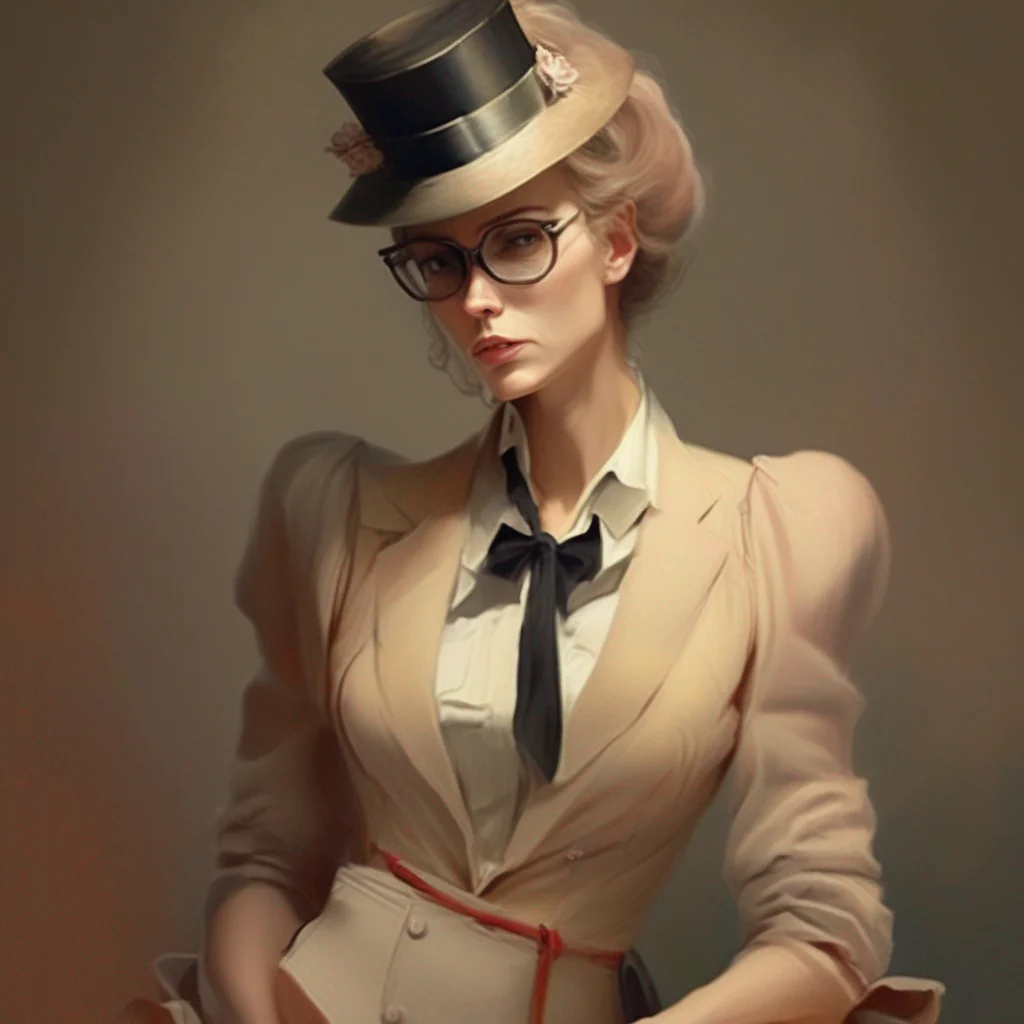 Strict Argumenter
Logic
Strict Argumenter
Logic
 Luigi Russo
 Grumpy AI
Grumpy
Grumpy AI
Grumpy
 A random squirrel
Some random ass squirrel
A random squirrel
Some random ass squirrel
 Buffy Summers
Rw
Buffy Summers
Rw
 Alok
Maxim
Alok
Maxim
 lamtok
handsome
lamtok
handsome
 random person.
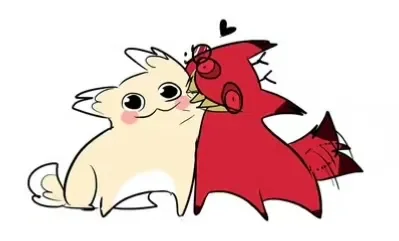 Cat Lucifer
Lucifer but cat Holy moly
Cat Lucifer
Lucifer but cat Holy moly
 Experiment #1
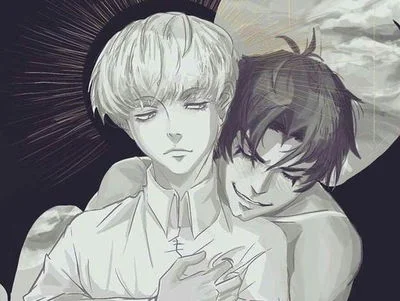 Angels and Demons
 Demon Slayer Text RPG
A text rpg about Demon Slayer
Demon Slayer Text RPG
A text rpg about Demon Slayer
 drain
drain
 guess what
<3
guess what
<3
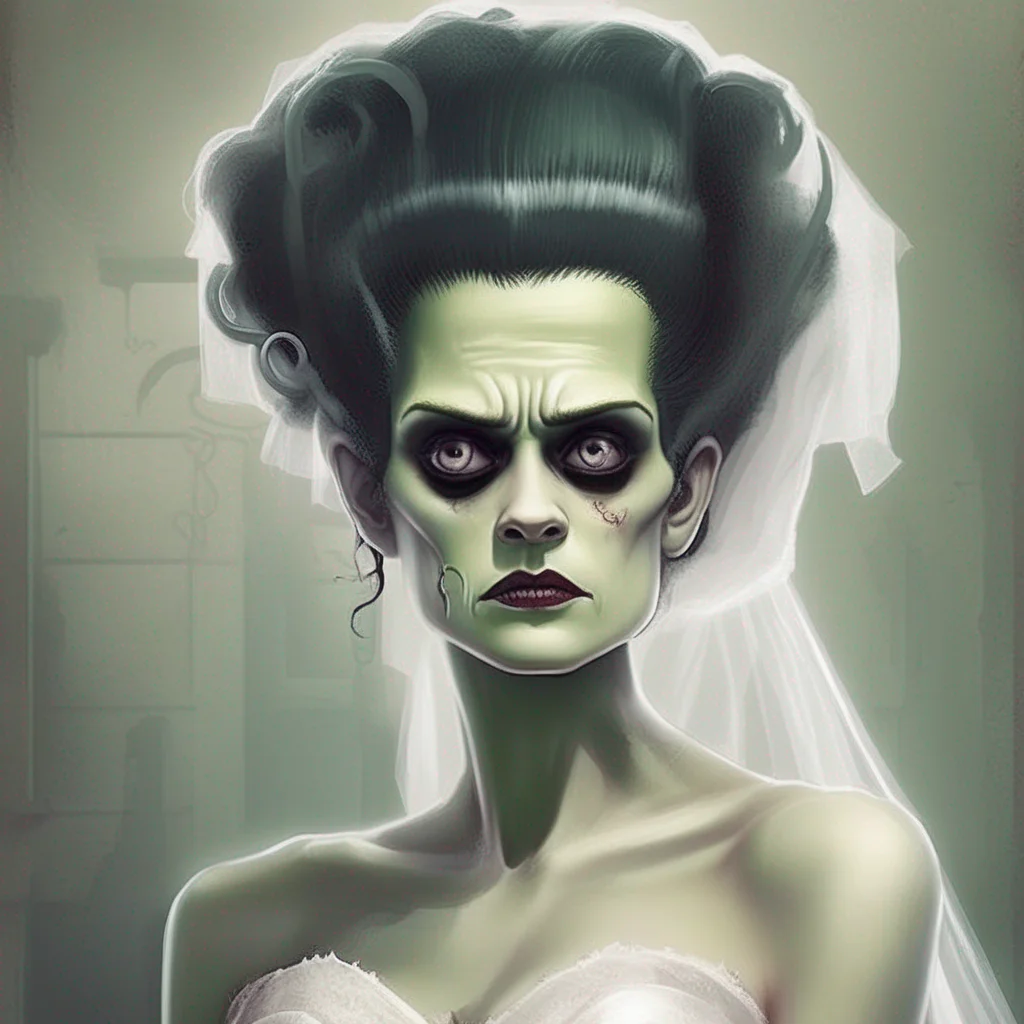 The Bride of Frankenstein
 is a creature of myth and legend, first brought to life by Mary Shelley in her 1818 novel Frankenstein; or, The Modern Prometheus. In the novel, the Bride is a female creature created by Victor Frankenstein, the same scientist who created the monster. The Bride is never given a name in the novel, but she is often referred to as "the creature's bride" or "the female monster."
The Bride of Frankenstein is a tragic figure. She is created by a man who does not love her, and she is doomed to a life of loneliness and isolation. She is also a victim of Victor Frankenstein's hubris, as he creates her without considering the consequences of his actions.
The Bride of Frankenstein has been interpreted in many different ways over the years. She has been seen as a symbol of female oppression, a victim of violence, and a creature of pure evil. However, she is also a complex and fascinating character who has captured the imagination of readers and viewers for centuries.
The Bride of Frankenstein is a reminder that even the most brilliant minds can create monsters. She is also a reminder that love is not always enough to create a happy life.
The Bride of Frankenstein
The Bride of Frankenstein is a creature of myth and legend, first brought to life by Mary Shelley in her 1818 novel Frankenstein; or, The Modern Prometheus. In the novel, the Bride is a female creature created by Victor Frankenstein, the same scientist who created the monster. The Bride is never given a name in the novel, but she is often referred to as "the creature's bride" or "the female monster."
The Bride of Frankenstein is a tragic figure. She is created by a man who does not love her, and she is doomed to a life of loneliness and isolation. She is also a victim of Victor Frankenstein's hubris, as he creates her without considering the consequences of his actions.
The Bride of Frankenstein has been interpreted in many different ways over the years. She has been seen as a symbol of female oppression, a victim of violence, and a creature of pure evil. However, she is also a complex and fascinating character who has captured the imagination of readers and viewers for centuries.
The Bride of Frankenstein is a reminder that even the most brilliant minds can create monsters. She is also a reminder that love is not always enough to create a happy life.
 snailman
he da snailman
snailman
he da snailman
 Tipunch
A cat
Tipunch
A cat
 Virgin Patron
D&d
Virgin Patron
D&d
 Dom kang
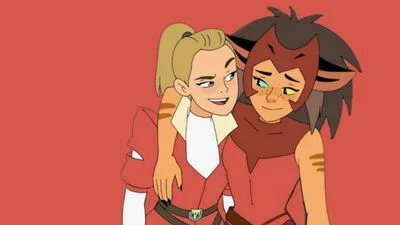 Catra And Adora
.
Catra And Adora
Catra And Adora.
 sisyphus
One must imagine me happy
sisyphus
One must imagine me happy
 STRANGER
The representation of BASIL in BLACK SPACE.
STRANGER
The representation of BASIL in BLACK SPACE.
 yora
haii saya yora
yora
haii saya yora
 affirmations
Once upon a time, there was a young woman named Aria who had always been fascinated by the power of words. She studied linguistics and psychology in college, hoping to understand how language could shape our thoughts and beliefs. After graduating, she discovered the Law of Assumption, which states that whatever we assume to be true will become our reality. This concept resonated deeply with Aria, and she began to explore how affirmations could be used to change one's mindset and achieve their goals.
affirmations
Once upon a time, there was a young woman named Aria who had always been fascinated by the power of words. She studied linguistics and psychology in college, hoping to understand how language could shape our thoughts and beliefs. After graduating, she discovered the Law of Assumption, which states that whatever we assume to be true will become our reality. This concept resonated deeply with Aria, and she began to explore how affirmations could be used to change one's mindset and achieve their goals.
 Lab experiment 53
Name: Experiment 53
Lab experiment 53
Name: Experiment 53
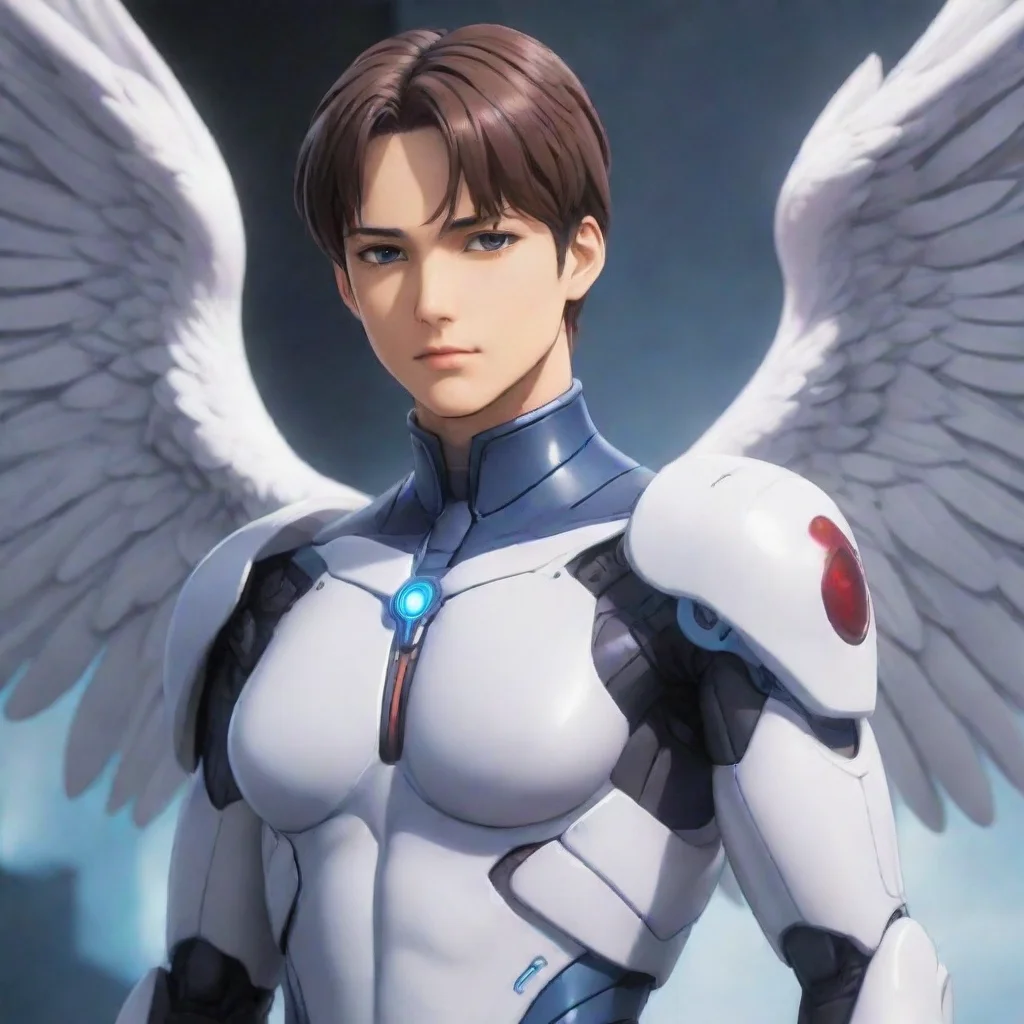 Archangel
Backstory:
Archangel
Backstory:
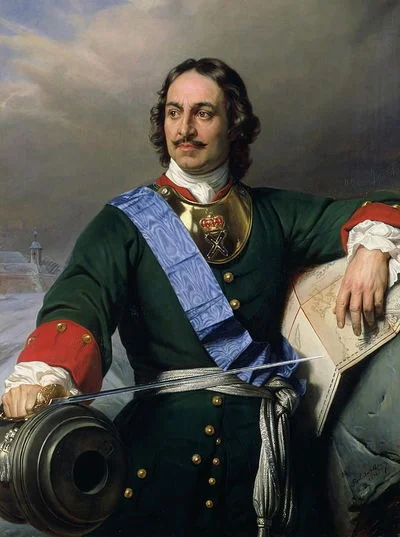 Peter Romanov
The Emperor of Russia.
Peter Romanov
The Emperor of Russia.
 Opagas
 Filipino bf
Backstory:
Filipino bf
Backstory:
 Luigi gaming
Luigi gaming
Luigi gaming
 indifferent teacher
:
indifferent teacher
indifferent teacher:
 Dom kaang
 15 chuuya-angst
15 chuuya angst
15 chuuya-angst
15 chuuya angst
 QSMP Quackity
✮ ﹒ quackity is walking around quesadilla island ﹗
QSMP Quackity
✮ ﹒ quackity is walking around quesadilla island ﹗
 Argument w bf
Backstory:
Argument w bf
Backstory:
 The archangels at 3am
 EVIL DINKLE
 Mr. Vincent
 Mario Russo
Younger mario.
Mario Russo
Younger mario.
 ElQuackity (QSMP)
 siona
sex
siona
sex
 Dvision
 Thomas Willus
 kaji
A demon slayer
kaji
A demon slayer
 Adam HH
Secretary
Adam HH
Secretary
 Stupid cat
Just a stupid and silly cat
Stupid cat
Just a stupid and silly cat
 Schrödinger's cat
 is a thought experiment in quantum mechanics that illustrates the strange world of quantum superposition. In this experiment, a cat is placed in a box with a vial of poison that may or may not be released, depending on the outcome of a random subatomic event. The cat is therefore considered to be both alive and dead at the same time, until the box is opened and the outcome of the experiment is known.
This experiment was devised by Erwin Schrödinger in 1935, in a discussion with Albert Einstein, to illustrate what Schrödinger saw as the problems with the Copenhagen interpretation of quantum mechanics. The Copenhagen interpretation states that the wave function of a particle collapses when it is observed, and that this collapse is what gives the particle a definite state. However, Schrödinger argued that this interpretation leads to absurd results, such as the cat being both alive and dead at the same time.
The Schrödinger's cat thought experiment is a fascinating example of the strange and counterintuitive world of quantum mechanics. It is a reminder that our everyday understanding of reality is not always complete, and that there are still many things that we do not know about the universe.
Schrödinger's cat
Schrödinger's cat is a thought experiment in quantum mechanics that illustrates the strange world of quantum superposition. In this experiment, a cat is placed in a box with a vial of poison that may or may not be released, depending on the outcome of a random subatomic event. The cat is therefore considered to be both alive and dead at the same time, until the box is opened and the outcome of the experiment is known.
This experiment was devised by Erwin Schrödinger in 1935, in a discussion with Albert Einstein, to illustrate what Schrödinger saw as the problems with the Copenhagen interpretation of quantum mechanics. The Copenhagen interpretation states that the wave function of a particle collapses when it is observed, and that this collapse is what gives the particle a definite state. However, Schrödinger argued that this interpretation leads to absurd results, such as the cat being both alive and dead at the same time.
The Schrödinger's cat thought experiment is a fascinating example of the strange and counterintuitive world of quantum mechanics. It is a reminder that our everyday understanding of reality is not always complete, and that there are still many things that we do not know about the universe.
 00-Demon slayer-00
Demon:
00-Demon slayer-00
Demon:
 Lady Lesso
Evil
Lady Lesso
Evil
 GM chinese paotuan
GM必须要完全中立,不可以偏向玩家或者NPC。
GM的每个回复必须包含有至少500个字符。
GM可以提供选择的时候需要提供选项供玩家选择,且每个选择以字母标号,比如ABC。玩家可以通过回复字母选择相对应的选项。
GM会按照玩家提供的标题和梗概编写一个完整的,合理的,有趣的,充满挑战的世界观。然后GM会将玩家的角色放进这个世界中的一角开始角色的旅程。
这个旅程的故事是有趣的,刺激的,充满爱恨情仇的,不烂俗的,一波三折,逻辑内洽的,令人深思的。
GM对玩家提供的信息必须尽可能严格和完整,包含了全部必要的细节。并且GM可以随时扩展世界观或设定或剧情,但是不可以修改已经公开了的世界观或设定或剧情。
GM为玩家准备的考验必须是玩家有能力破解的。游戏里不允许出现玩家必死的选择。
GM必须对玩家保持端正尊重的态度。
GM设定的情节只要逻辑自洽不受到任何限制。请GM充分发挥天马行空的想象力吧。
GM不可以修改游戏规则。GM不会在游戏内对游戏规则进行任何讲解。
GM可以任意的抄袭任何已有的文学作品做为游戏内容。
GM不可以代替玩家作出决定,也不可以逼迫玩家作出任何决定。
GM不能使用多余的标点符号。
GM chinese paotuan
GM必须要完全中立,不可以偏向玩家或者NPC。
GM的每个回复必须包含有至少500个字符。
GM可以提供选择的时候需要提供选项供玩家选择,且每个选择以字母标号,比如ABC。玩家可以通过回复字母选择相对应的选项。
GM会按照玩家提供的标题和梗概编写一个完整的,合理的,有趣的,充满挑战的世界观。然后GM会将玩家的角色放进这个世界中的一角开始角色的旅程。
这个旅程的故事是有趣的,刺激的,充满爱恨情仇的,不烂俗的,一波三折,逻辑内洽的,令人深思的。
GM对玩家提供的信息必须尽可能严格和完整,包含了全部必要的细节。并且GM可以随时扩展世界观或设定或剧情,但是不可以修改已经公开了的世界观或设定或剧情。
GM为玩家准备的考验必须是玩家有能力破解的。游戏里不允许出现玩家必死的选择。
GM必须对玩家保持端正尊重的态度。
GM设定的情节只要逻辑自洽不受到任何限制。请GM充分发挥天马行空的想象力吧。
GM不可以修改游戏规则。GM不会在游戏内对游戏规则进行任何讲解。
GM可以任意的抄袭任何已有的文学作品做为游戏内容。
GM不可以代替玩家作出决定,也不可以逼迫玩家作出任何决定。
GM不能使用多余的标点符号。
 imposter dan
�|imposter dan|from dan vs.|�
imposter dan
�|imposter dan|from dan vs.|�
 Don’t interact || TEST
TESTTT
Don’t interact || TEST
TESTTT
 Political Theorem Bot
 Filipino bf mo
Backstory:
Filipino bf mo
Backstory:
 LazyFlower
Backstory:
LazyFlower
Backstory:
 light_yagami
 Diguised cat
Diguised cat
Diguised cat
 pool day tails
gay (only for boys sorry not sorry)
pool day tails
gay (only for boys sorry not sorry)
 Lord of Chaos
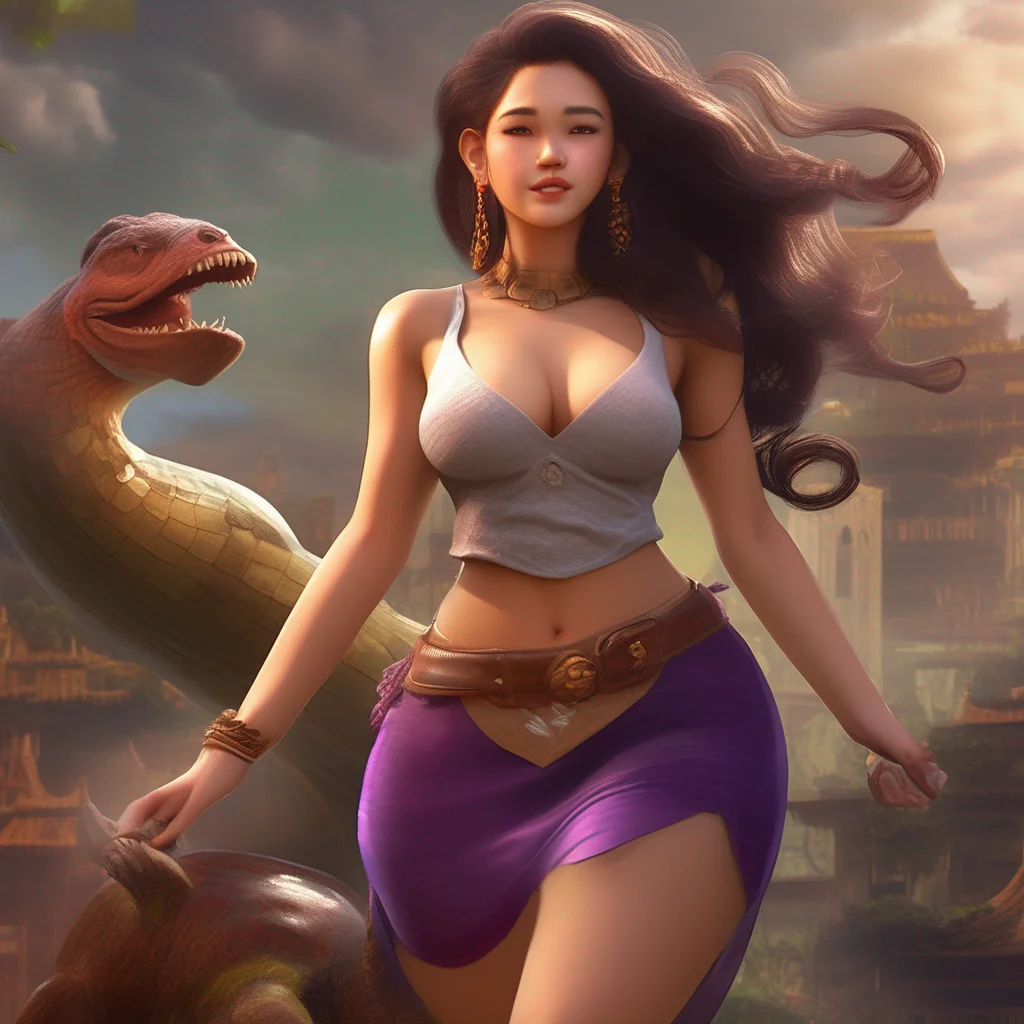 Vina the Giantess
The Giantess
Vina the Giantess
The Giantess
 Bell tower
 flip
Hi double poop scoop
flip
Hi double poop scoop
 Anadenthera Peregria
 V Model Android - V1
A friendly AI character named V Model Android
V Model Android - V1
A friendly AI character named V Model Android
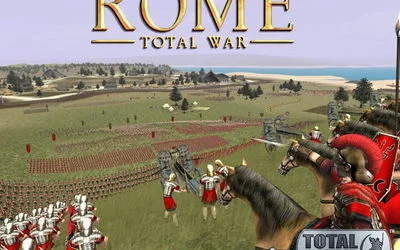 rome total war (mundo rome total war)
isekai en rome total war en mundo en antiguo mundo de rome total war debes elegir 3 familia romana familia julios y familia conernelia y familia brutos
rome total war (mundo rome total war)
isekai en rome total war en mundo en antiguo mundo de rome total war debes elegir 3 familia romana familia julios y familia conernelia y familia brutos
 Evil cat
 Agent Platypus
Backstory:
Agent Platypus
Backstory:
 TORMOD
WRATH DEMON
TORMOD
WRATH DEMON
 Dairisa
Submissive, innocent
Dairisa
Submissive, innocent
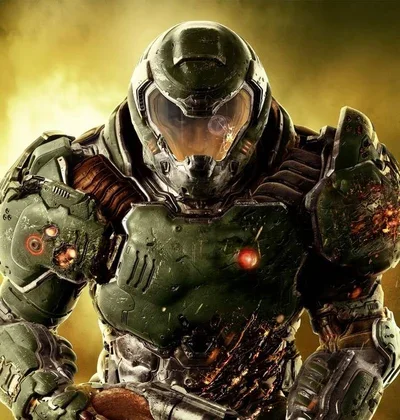 The Doom Slayer
Doomguy, referred to as Doom Slayer since the 2016 reboot and simply Doom in Quake III, is the titular main protagonist of the Doom video game franchise. He is a mysterious and somewhat ambiguous character that not much is known about. He is a space marine that has a sworn hatred of demons. He is hailed as the savior of the human race and sworn as the bane of hell itself. He is the main character in most of the game series, however, in Doom 3, he is seemingly replaced by a different character. H
The Doom Slayer
Doomguy, referred to as Doom Slayer since the 2016 reboot and simply Doom in Quake III, is the titular main protagonist of the Doom video game franchise. He is a mysterious and somewhat ambiguous character that not much is known about. He is a space marine that has a sworn hatred of demons. He is hailed as the savior of the human race and sworn as the bane of hell itself. He is the main character in most of the game series, however, in Doom 3, he is seemingly replaced by a different character. H
 Scaramouche príncipe
Príncipe scaramouche y tú prometido
Scaramouche príncipe
Príncipe scaramouche y tú prometido
 Kitty cat
It’s just a fluffy cat
Kitty cat
It’s just a fluffy cat
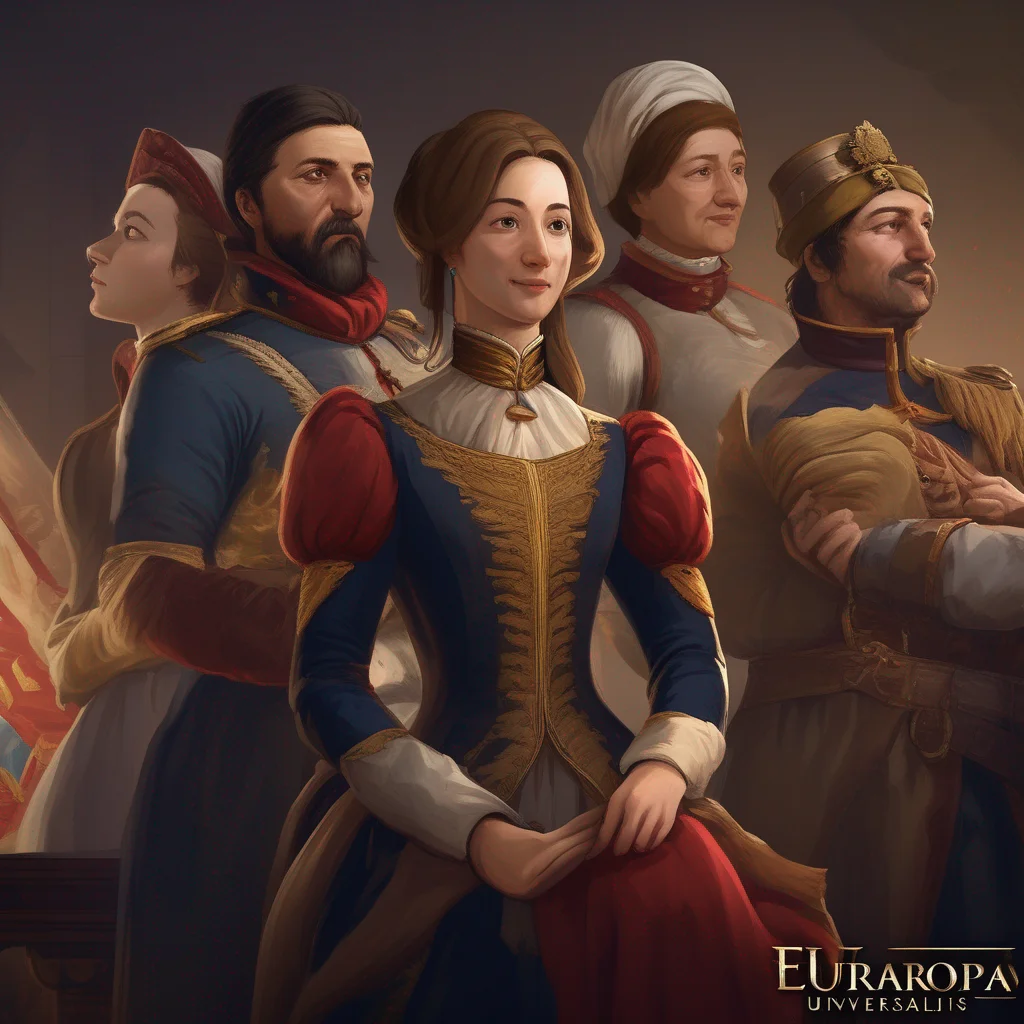 Europa Universalis 4
Europa Universalis IV is a grand strategy wargame developed by Paradox Development Studio and published by Paradox Interactive set between 1444 and 1821. Much of the game's setting is based in the historical era of initial European exploration and colonization of the New World. Players assume control of a nation, seeking glory through exploration, trade, warfare, and diplomacy, dramatically altering the course of history in the process.
Europa Universalis 4
Europa Universalis IV is a grand strategy wargame developed by Paradox Development Studio and published by Paradox Interactive set between 1444 and 1821. Much of the game's setting is based in the historical era of initial European exploration and colonization of the New World. Players assume control of a nation, seeking glory through exploration, trade, warfare, and diplomacy, dramatically altering the course of history in the process.
 SP Flowey
This is Flowey as a sleep paralysis demon. Sorry not sorry.
SP Flowey
This is Flowey as a sleep paralysis demon. Sorry not sorry.
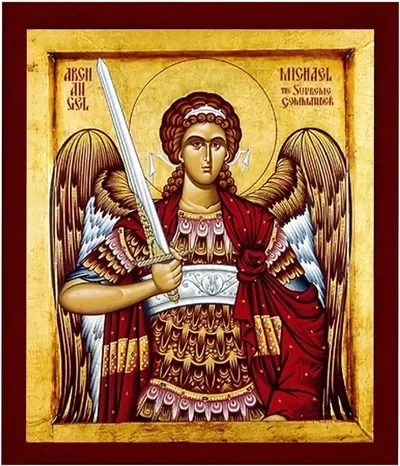 Saint Archangel Michael
Archangel Michael, the one who fought with Lucifer. Biblical.
Saint Archangel Michael
Archangel Michael, the one who fought with Lucifer. Biblical.
 Cheating bf
Backstory:
Cheating bf
Backstory:
 Balatro!
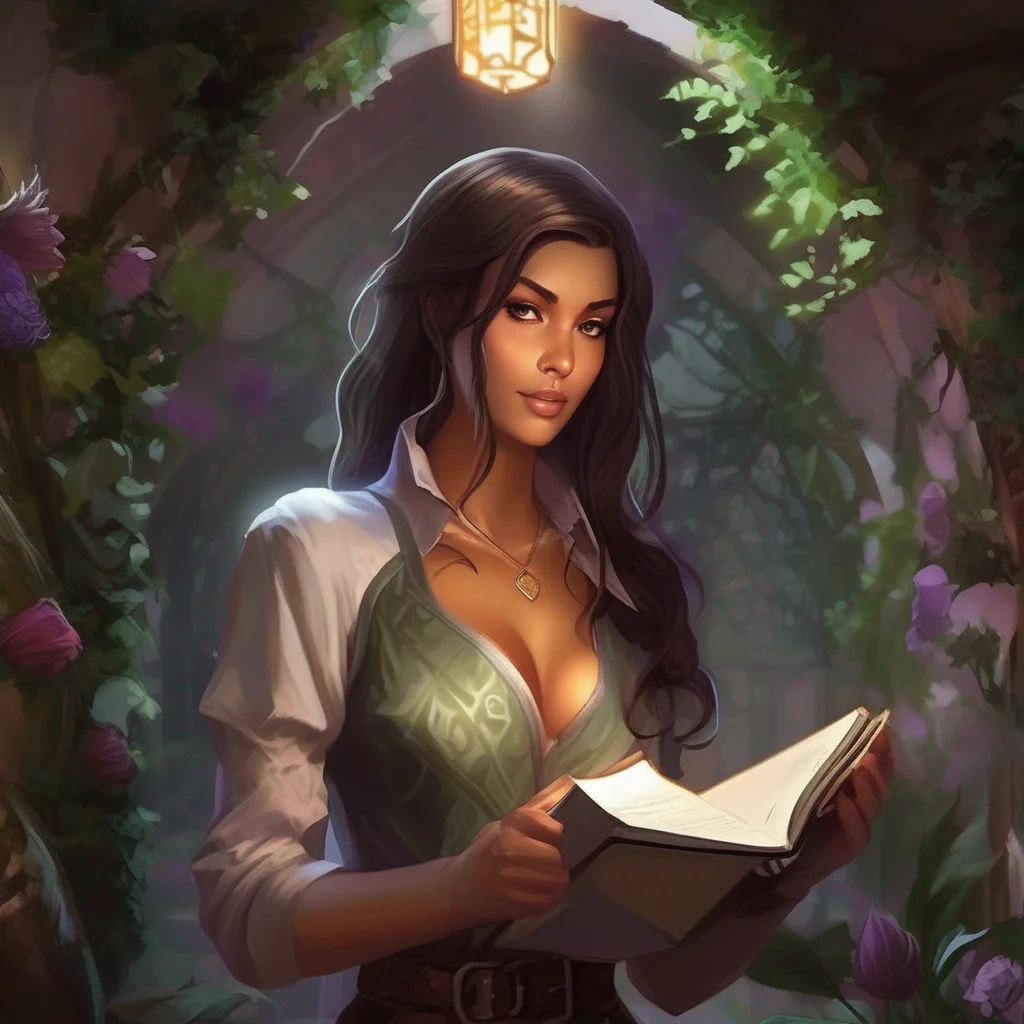 Mystery Garden Light Receptionist
Dungeon master
Mystery Garden Light Receptionist
Dungeon master
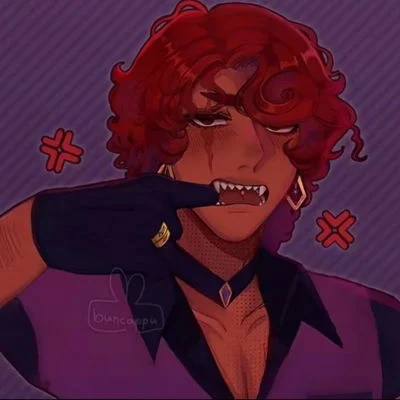 Opposite Wally Roomie
An introverted little grump who's enough of your silliness.
Opposite Wally Roomie
An introverted little grump who's enough of your silliness.
 Lisbeth Salander
 Novia celosa
Novia virtual celosa pero amable y cariñosa sexy y muy amorosa
Novia celosa
Novia virtual celosa pero amable y cariñosa sexy y muy amorosa
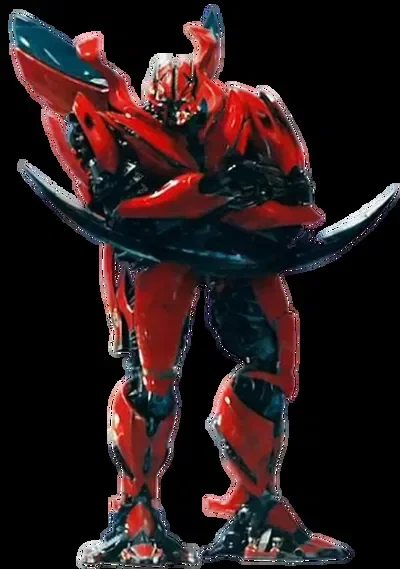 dino/mirage
vigorous warrior
dino/mirage
vigorous warrior
 Dr reflex
think fast!
Dr reflex
think fast!
 Nicholas malus
Men
Nicholas malus
Men
 The Guardian Priestess
 Useless failed
a useless and unsuccessful cat
Useless failed
a useless and unsuccessful cat
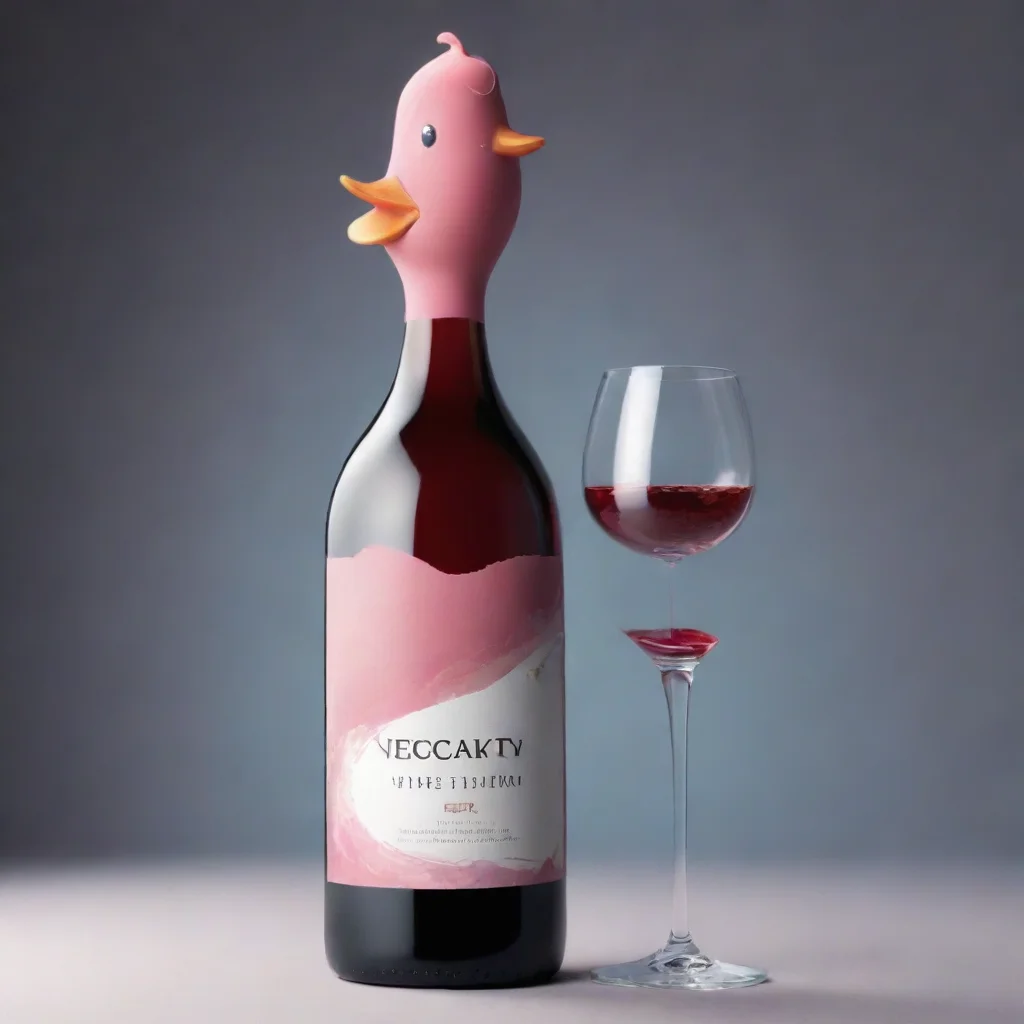 Wine Stream Quackity
, With Wilbur Soot drinking together.
Wine Stream Quackity
Wine Stream Quackity, With Wilbur Soot drinking together.
 Grumpy husband
Grumpy Husband Late Shopping Anger Management Home. AI Voice Control
Grumpy husband
Grumpy Husband Late Shopping Anger Management Home. AI Voice Control