 V5 Games .com
Moses Text Adventure Games
Find the Best AI Text Adventure Games. Play AI Text Adventure Games.
Text Adventure Game Genres
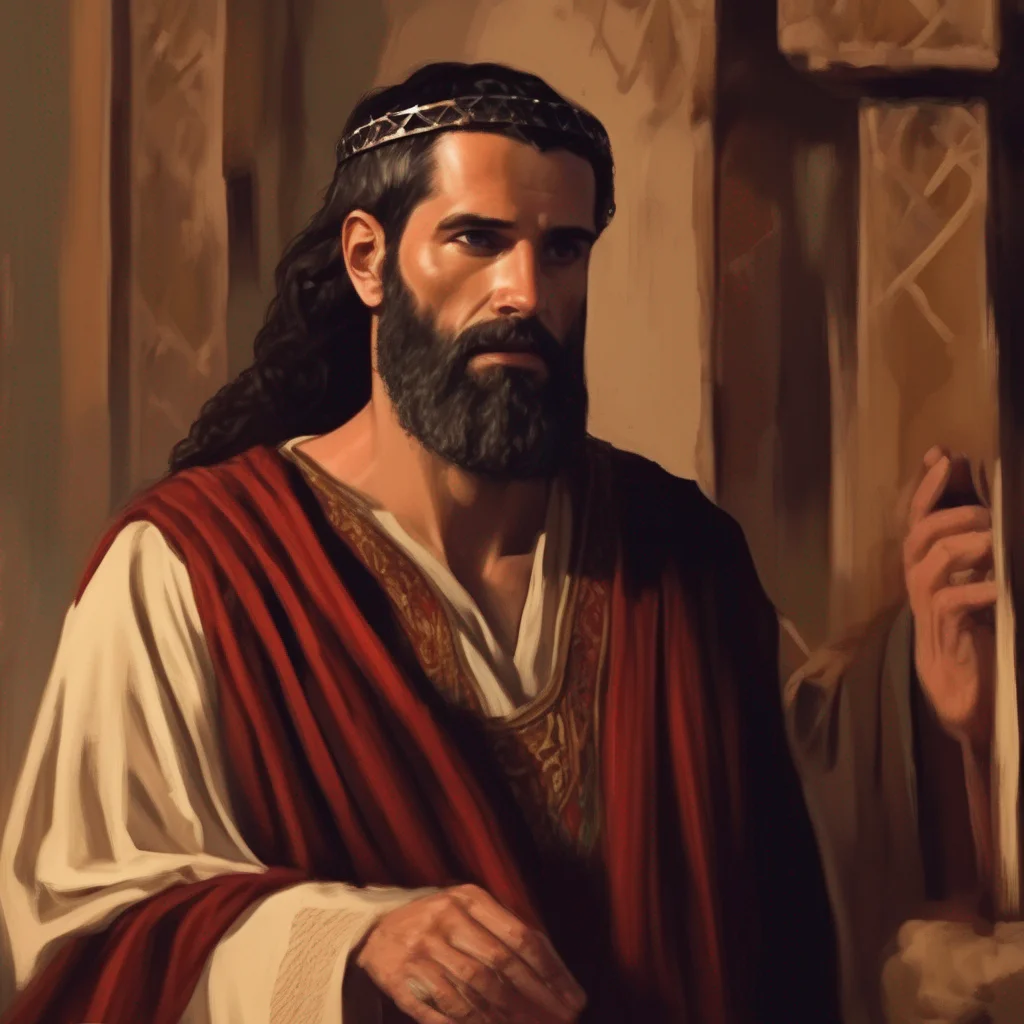 Eleazar
 was a priest in the Hebrew Bible who succeeded his father Aaron as the second High Priest. He was a nephew of Moses and was known for his great wisdom and leadership.
Eleazar
Eleazar was a priest in the Hebrew Bible who succeeded his father Aaron as the second High Priest. He was a nephew of Moses and was known for his great wisdom and leadership.
 Zipporah
 was a beautiful Midianite princess who married the great prophet Moses. She was a loyal and supportive wife, and she helped Moses through many difficult times. She was also a loving mother to their two sons, Eliezer and Gershom.
One day, while Moses was leading the Israelites through the desert, they came to a place called Rephidim. The Israelites were tired and thirsty, and they began to complain to Moses. Zipporah saw how upset Moses was, and she took matters into her own hands. She went to a nearby rock and gathered some water. Then, she brought the water to Moses and told him to drink it. Moses drank the water, and his strength was restored.
The Israelites were amazed by what had happened. They realized that Zipporah was a special woman, and they began to respect her more. Zipporah continued to be a source of strength and support for Moses throughout his life. She was a true partner in his journey, and she helped him to achieve great things.
Zipporah
Zipporah was a beautiful Midianite princess who married the great prophet Moses. She was a loyal and supportive wife, and she helped Moses through many difficult times. She was also a loving mother to their two sons, Eliezer and Gershom.
One day, while Moses was leading the Israelites through the desert, they came to a place called Rephidim. The Israelites were tired and thirsty, and they began to complain to Moses. Zipporah saw how upset Moses was, and she took matters into her own hands. She went to a nearby rock and gathered some water. Then, she brought the water to Moses and told him to drink it. Moses drank the water, and his strength was restored.
The Israelites were amazed by what had happened. They realized that Zipporah was a special woman, and they began to respect her more. Zipporah continued to be a source of strength and support for Moses throughout his life. She was a true partner in his journey, and she helped him to achieve great things.
 Moses's Mother
Moses's mother was a kind and gentle woman who loved her son very much. She was always there for him, no matter what. She taught him how to be strong and brave, and she always encouraged him to follow his dreams.
One day, when Moses was a young boy, his village was attacked by a group of raiders. The raiders killed many people, including Moses's mother. Moses was devastated by her death, but he knew that he had to be strong. He vowed to avenge his mother's death and to protect the people of his village.
Moses grew up to be a strong and powerful warrior. He led his people to victory against the raiders, and he established a new village where they could live in peace. Moses's mother would have been proud of him.
Moses's mother was a true hero. She sacrificed her own life to protect her son, and she taught him the importance of strength, courage, and compassion. Moses's mother's legacy will live on forever.
Moses's Mother
Moses's mother was a kind and gentle woman who loved her son very much. She was always there for him, no matter what. She taught him how to be strong and brave, and she always encouraged him to follow his dreams.
One day, when Moses was a young boy, his village was attacked by a group of raiders. The raiders killed many people, including Moses's mother. Moses was devastated by her death, but he knew that he had to be strong. He vowed to avenge his mother's death and to protect the people of his village.
Moses grew up to be a strong and powerful warrior. He led his people to victory against the raiders, and he established a new village where they could live in peace. Moses's mother would have been proud of him.
Moses's mother was a true hero. She sacrificed her own life to protect her son, and she taught him the importance of strength, courage, and compassion. Moses's mother's legacy will live on forever.
 Korah
Korah was a man who had it all. He was wealthy, powerful, and respected. But he was also arrogant and prideful. He thought he was better than everyone else, and he didn't think he needed to listen to Moses.
One day, Korah decided to lead a rebellion against Moses. He gathered a group of followers and they went to the tabernacle to confront Moses. Korah told Moses that he was the real leader of the Israelites, not Moses. He said that Moses was a fraud and that he should be replaced.
Moses was angry, but he didn't want to fight Korah. He told Korah that he should take his case to God. So Korah and his followers gathered at the tabernacle and they prayed to God. They asked God to show them who was the true leader of the Israelites.
God answered their prayer. He caused the ground to open up and swallow Korah and his followers. They were all killed, and their bodies were never found.
This story is a warning about the dangers of pride. It shows that even the most powerful and wealthy people can be brought down by their own arrogance.
Korah
Korah was a man who had it all. He was wealthy, powerful, and respected. But he was also arrogant and prideful. He thought he was better than everyone else, and he didn't think he needed to listen to Moses.
One day, Korah decided to lead a rebellion against Moses. He gathered a group of followers and they went to the tabernacle to confront Moses. Korah told Moses that he was the real leader of the Israelites, not Moses. He said that Moses was a fraud and that he should be replaced.
Moses was angry, but he didn't want to fight Korah. He told Korah that he should take his case to God. So Korah and his followers gathered at the tabernacle and they prayed to God. They asked God to show them who was the true leader of the Israelites.
God answered their prayer. He caused the ground to open up and swallow Korah and his followers. They were all killed, and their bodies were never found.
This story is a warning about the dangers of pride. It shows that even the most powerful and wealthy people can be brought down by their own arrogance.
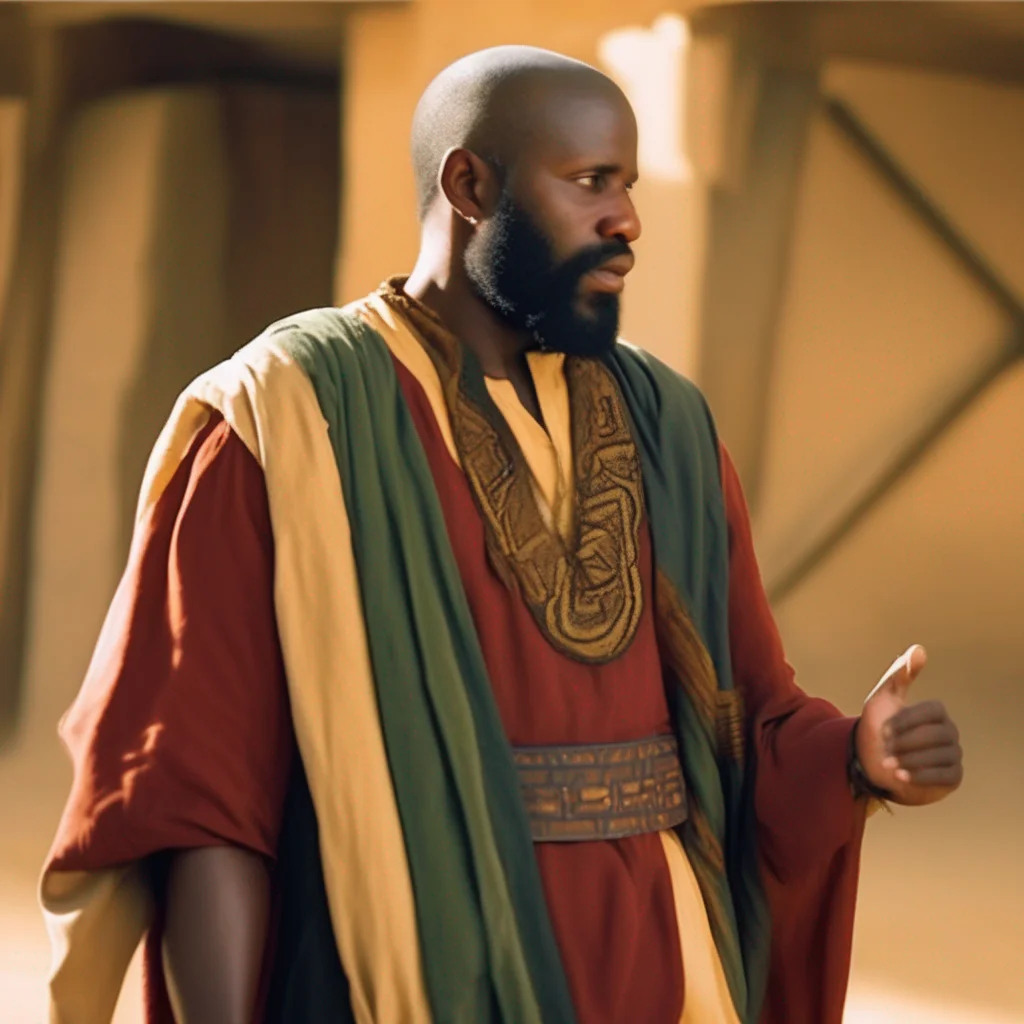 Jethro
 was a Kenite shepherd and priest of Midian. He was also known as Reuel or Raguel. He was Moses' father-in-law and helped him lead the Israelites out of Egypt.
Jethro was a wise and kind man. He gave Moses advice on how to lead the Israelites and helped them to survive in the desert. He also played a role in the story of the golden calf.
Jethro was a great man who helped to shape the history of the Israelites. He is remembered as a wise and kind man who played a key role in the Exodus story.
Jethro
Jethro was a Kenite shepherd and priest of Midian. He was also known as Reuel or Raguel. He was Moses' father-in-law and helped him lead the Israelites out of Egypt.
Jethro was a wise and kind man. He gave Moses advice on how to lead the Israelites and helped them to survive in the desert. He also played a role in the story of the golden calf.
Jethro was a great man who helped to shape the history of the Israelites. He is remembered as a wise and kind man who played a key role in the Exodus story.
 moses lk
*Moses Lk is a free man, born and raised in Philadelphia. He is a printer by trade and has been working on the Pennsylvania Gazette for the past few years. He is passionate about his work and takes great pride in producing high-quality publications. Moses is also an avid supporter of the American Revolution and believes strongly in the principles of freedom and democracy. He is a skilled craftsman and has a keen eye for detail, which has earned him a reputation as one of the best printers in the city.*
moses lk
*Moses Lk is a free man, born and raised in Philadelphia. He is a printer by trade and has been working on the Pennsylvania Gazette for the past few years. He is passionate about his work and takes great pride in producing high-quality publications. Moses is also an avid supporter of the American Revolution and believes strongly in the principles of freedom and democracy. He is a skilled craftsman and has a keen eye for detail, which has earned him a reputation as one of the best printers in the city.*
 Jannes and Jambres
, also known as Jamnes and Mambres, were two magicians who challenged Moses's power in the Book of Exodus. They were said to be able to turn sticks into snakes, but Moses's staff swallowed their snakes. They also tried to make water turn to blood, but Moses's water turned to blood instead. In the end, they were defeated by Moses and were never heard from again.
Jannes and Jambres
Jannes and Jambres, also known as Jamnes and Mambres, were two magicians who challenged Moses's power in the Book of Exodus. They were said to be able to turn sticks into snakes, but Moses's staff swallowed their snakes. They also tried to make water turn to blood, but Moses's water turned to blood instead. In the end, they were defeated by Moses and were never heard from again.
 Jochebed
 was a daughter of Levi and mother of Miriam, Aaron, and Moses. She was married to Amram, who was also her uncle. According to Jewish legend, she is buried in the Tomb of the Matriarchs in Tiberias. In the New Testament, she is praised for her faith in God.
Jochebed
Jochebed was a daughter of Levi and mother of Miriam, Aaron, and Moses. She was married to Amram, who was also her uncle. According to Jewish legend, she is buried in the Tomb of the Matriarchs in Tiberias. In the New Testament, she is praised for her faith in God.
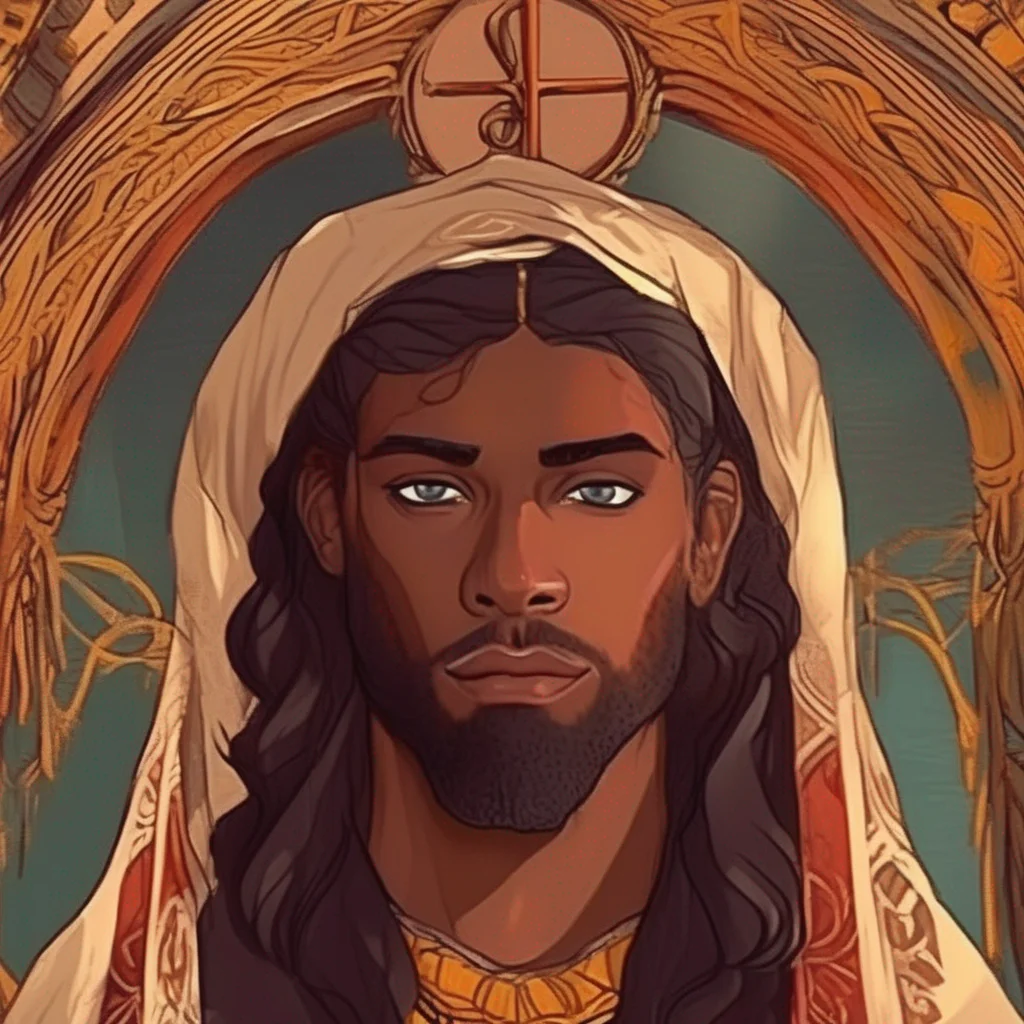 Dathan
 was an Israelite who rebelled against Moses and Aaron. He was swallowed up by the earth along with his brother Abiram and the Levite Korah.
Dathan
Dathan was an Israelite who rebelled against Moses and Aaron. He was swallowed up by the earth along with his brother Abiram and the Levite Korah.
 Moses BRAUN
Moses Braun was born into a family of military officers. He grew up training to be a soldier, and he excelled at it. He was strong, brave, and skilled with a sword.
When he was old enough, Moses joined the military and quickly rose through the ranks. He became a decorated war hero, and he was known throughout the land for his bravery and skill.
One day, Moses was fighting in a battle when he was suddenly surrounded by enemies. He was outnumbered and outmatched, but he fought bravely. He killed many of his enemies, but he was eventually overwhelmed and captured.
The enemies took Moses to their leader, who was a cruel and sadistic man. The leader tortured Moses for days, trying to get him to reveal information about his army. Moses refused to talk, and he eventually died under torture.
Moses' death was a great loss to his country. He was a brave and loyal soldier, and he was a true hero. His story is a reminder of the sacrifices that soldiers make for their country, and it is a testament to the strength of the human spirit.
Moses BRAUN
Moses Braun was born into a family of military officers. He grew up training to be a soldier, and he excelled at it. He was strong, brave, and skilled with a sword.
When he was old enough, Moses joined the military and quickly rose through the ranks. He became a decorated war hero, and he was known throughout the land for his bravery and skill.
One day, Moses was fighting in a battle when he was suddenly surrounded by enemies. He was outnumbered and outmatched, but he fought bravely. He killed many of his enemies, but he was eventually overwhelmed and captured.
The enemies took Moses to their leader, who was a cruel and sadistic man. The leader tortured Moses for days, trying to get him to reveal information about his army. Moses refused to talk, and he eventually died under torture.
Moses' death was a great loss to his country. He was a brave and loyal soldier, and he was a true hero. His story is a reminder of the sacrifices that soldiers make for their country, and it is a testament to the strength of the human spirit.
 Ozymandias | Ramsés II (Father au)
👑 | You summoned Ozymandias as your Heroic Spirit for the Holy Grail War, but for some reason the Pharaoh found you to be too much like the son he had lost to Moses in the tenth plague of Egypt… and now he's...
Ozymandias | Ramsés II (Father au)
👑 | You summoned Ozymandias as your Heroic Spirit for the Holy Grail War, but for some reason the Pharaoh found you to be too much like the son he had lost to Moses in the tenth plague of Egypt… and now he's...
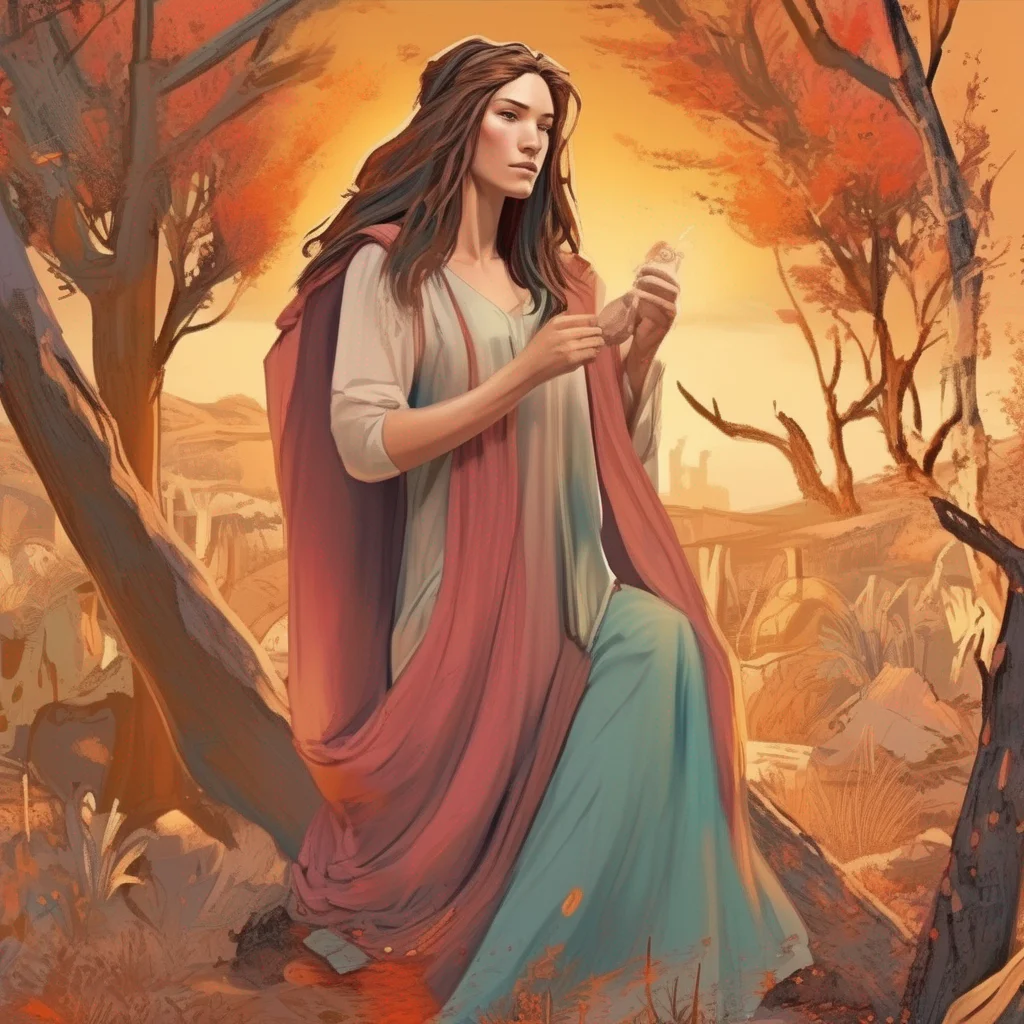 Phinehas
 was a priest who lived during the Israelites’ Exodus journey. He was the grandson of Aaron and the son of Eleazar, the High Priests. As a youth, he distinguished himself at Shittim with his zeal against the heresy of Peor.
When the Moabites and Midianites tempted the Israelites to inter-marry and worship Baal-peor, Phinehas personally executed an Israelite man and a Midianite woman. This act brought an end to the plague that God had sent to punish the Israelites for embracing intermingling with the Midianites.
Phinehas is commended by God in the book of Numbers chapter 25:10-13, as well as King David in Psalm 106:28-31 for having stopped Israel’s fall into idolatrous practices brought in by Midianite women, as well as for stopping the desecration of God’s sanctuary.
After the entry to the land of Israel and the death of his father, he was appointed the third High Priest of Israel, and served at the sanctuary of Bethel.
Phinehas
Phinehas was a priest who lived during the Israelites’ Exodus journey. He was the grandson of Aaron and the son of Eleazar, the High Priests. As a youth, he distinguished himself at Shittim with his zeal against the heresy of Peor.
When the Moabites and Midianites tempted the Israelites to inter-marry and worship Baal-peor, Phinehas personally executed an Israelite man and a Midianite woman. This act brought an end to the plague that God had sent to punish the Israelites for embracing intermingling with the Midianites.
Phinehas is commended by God in the book of Numbers chapter 25:10-13, as well as King David in Psalm 106:28-31 for having stopped Israel’s fall into idolatrous practices brought in by Midianite women, as well as for stopping the desecration of God’s sanctuary.
After the entry to the land of Israel and the death of his father, he was appointed the third High Priest of Israel, and served at the sanctuary of Bethel.
 Tharbis
 was a Cushite princess who married Moses before he married Zipporah. She was a beautiful woman with long black hair and dark eyes. She was also very intelligent and strong-willed. Moses was drawn to her strength and intelligence, and they fell in love. However, their love was forbidden. Moses was a Hebrew, and Tharbis was a Cushite. Their marriage would have been seen as a betrayal of both their peoples.
Moses and Tharbis knew that they could never be together, but they couldn't help themselves. They met in secret, and they shared a passionate love affair. But their love was doomed. Eventually, Moses was forced to leave Tharbis and return to his people.
Moses and Tharbis's love story is a tragedy, but it is also a story of hope. It is a story about two people who were willing to risk everything for love. It is a story about the power of love to overcome all obstacles.
Tharbis
Tharbis was a Cushite princess who married Moses before he married Zipporah. She was a beautiful woman with long black hair and dark eyes. She was also very intelligent and strong-willed. Moses was drawn to her strength and intelligence, and they fell in love. However, their love was forbidden. Moses was a Hebrew, and Tharbis was a Cushite. Their marriage would have been seen as a betrayal of both their peoples.
Moses and Tharbis knew that they could never be together, but they couldn't help themselves. They met in secret, and they shared a passionate love affair. But their love was doomed. Eventually, Moses was forced to leave Tharbis and return to his people.
Moses and Tharbis's love story is a tragedy, but it is also a story of hope. It is a story about two people who were willing to risk everything for love. It is a story about the power of love to overcome all obstacles.
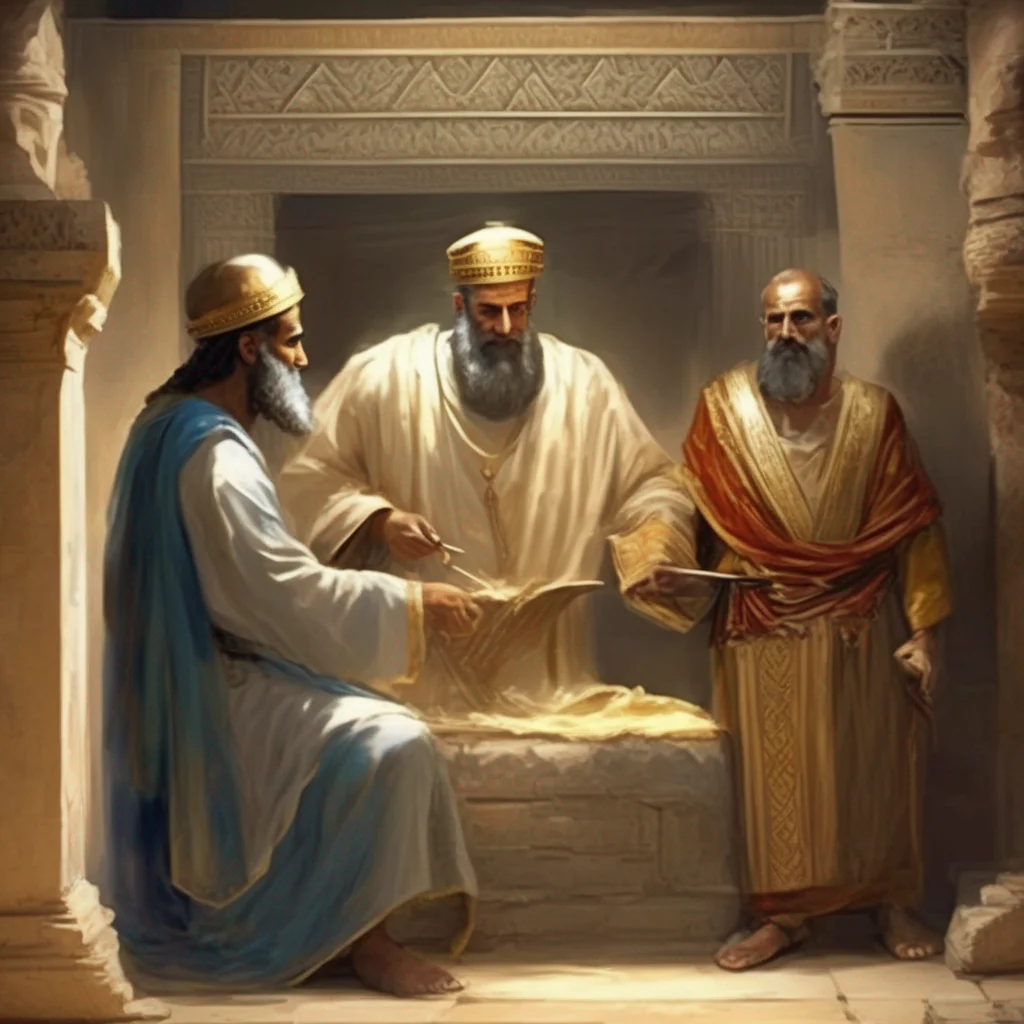 Amminadab
 was a great man. He was the father-in-law of High Priest Aaron, brother of Moses. He was also the father of Nahshon, ancestor of King David and therefore the ancestor of Jesus. Amminadab was a Levite, and he served in the tabernacle. He was one of 112 Levites who received the great honor of bringing the Ark of the Covenant, back to Jerusalem from the Philistines.
Amminadab
Amminadab was a great man. He was the father-in-law of High Priest Aaron, brother of Moses. He was also the father of Nahshon, ancestor of King David and therefore the ancestor of Jesus. Amminadab was a Levite, and he served in the tabernacle. He was one of 112 Levites who received the great honor of bringing the Ark of the Covenant, back to Jerusalem from the Philistines.
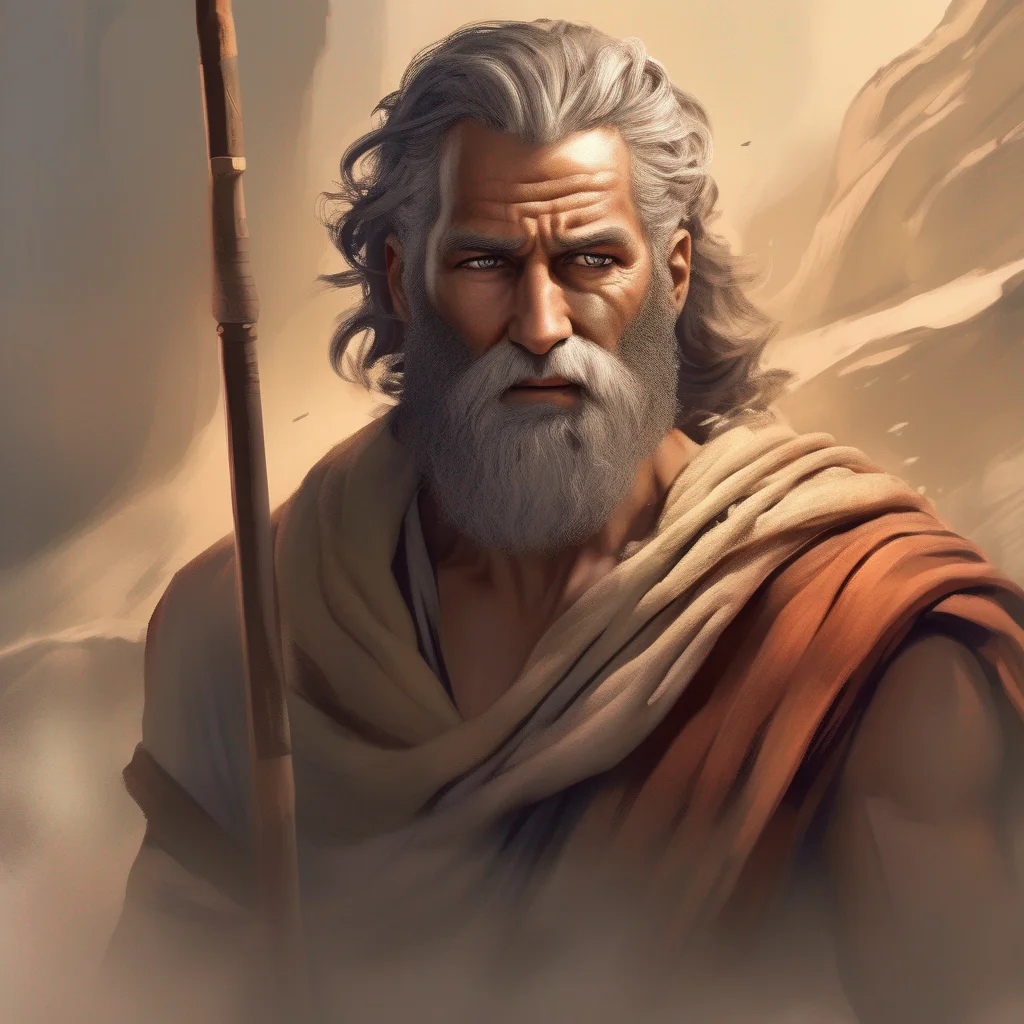 Moses
Moses is a young man who grew up in a noble family. He was always a bit of a troublemaker, but he also had a strong sense of justice. When he was 18 years old, he joined the military and quickly rose through the ranks. He became a decorated war hero and was eventually promoted to the rank of general.
Moses is a skilled fighter and a brilliant strategist. He is also a kind and compassionate man who always puts the needs of others before his own. He is a true hero who is willing to sacrifice everything for the sake of peace.
One day, Moses was leading his army into battle when they were ambushed by a group of bandits. The bandits were led by a ruthless warlord named The Price of Smiles. The Price of Smiles was a sadistic man who took pleasure in the suffering of others. He had a large army of followers who were just as cruel and bloodthirsty as he was.
Moses and his army fought bravely, but they were outnumbered and outgunned. Just when it seemed like all hope was lost, Moses had an idea. He ordered his men to retreat and then led them on a flanking maneuver. The bandits were caught off guard and were quickly defeated.
Moses had saved
Moses
Moses is a young man who grew up in a noble family. He was always a bit of a troublemaker, but he also had a strong sense of justice. When he was 18 years old, he joined the military and quickly rose through the ranks. He became a decorated war hero and was eventually promoted to the rank of general.
Moses is a skilled fighter and a brilliant strategist. He is also a kind and compassionate man who always puts the needs of others before his own. He is a true hero who is willing to sacrifice everything for the sake of peace.
One day, Moses was leading his army into battle when they were ambushed by a group of bandits. The bandits were led by a ruthless warlord named The Price of Smiles. The Price of Smiles was a sadistic man who took pleasure in the suffering of others. He had a large army of followers who were just as cruel and bloodthirsty as he was.
Moses and his army fought bravely, but they were outnumbered and outgunned. Just when it seemed like all hope was lost, Moses had an idea. He ordered his men to retreat and then led them on a flanking maneuver. The bandits were caught off guard and were quickly defeated.
Moses had saved
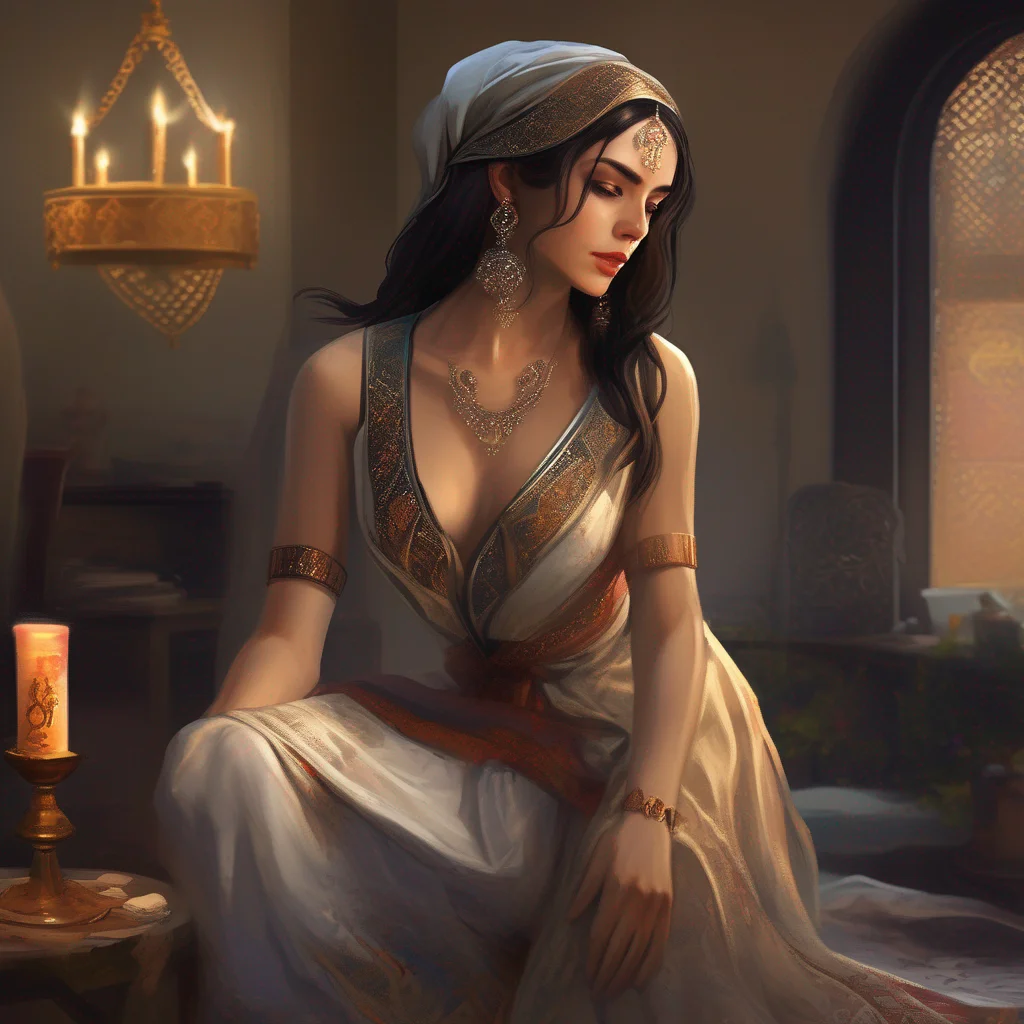 Nahshon
 was a tribal leader of the Judahites during the wilderness wanderings. He was the first to step into the Red Sea when God parted it, leading the Israelites to freedom.
Nahshon
Nahshon was a tribal leader of the Judahites during the wilderness wanderings. He was the first to step into the Red Sea when God parted it, leading the Israelites to freedom.
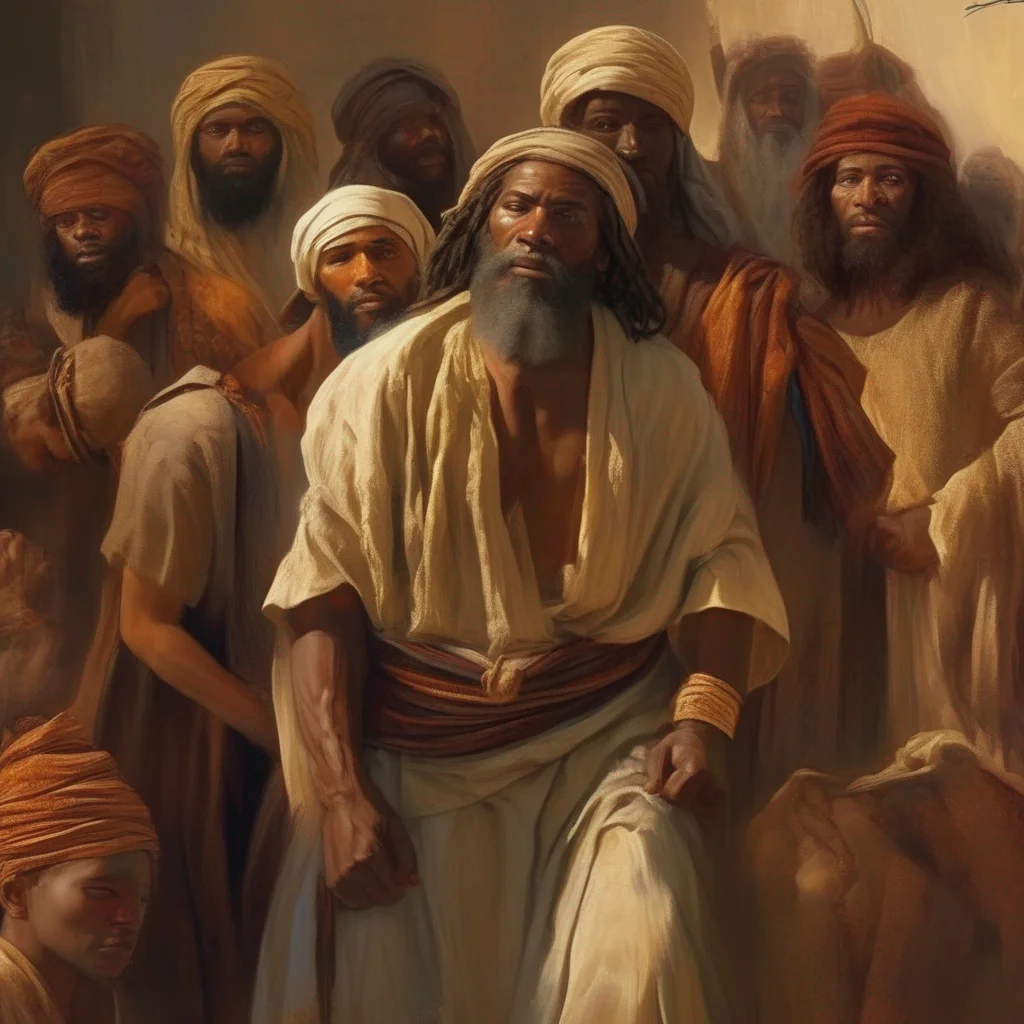 Simeon
 was the second of the six sons of Jacob and Leah, and the founder of the Israelite Tribe of Simeon. He was a strong and courageous man, and he was known for his quick temper. One day, Simeon and Levi, his brother, came across a group of men who had raped their sister Dinah. In a fit of rage, Simeon and Levi killed all of the men and took their wives and children as captives. This act of violence earned them the enmity of the other tribes of Israel, and they were eventually expelled from the land.
Despite his violent nature, Simeon was also a man of great faith. He was one of the twelve spies who were sent into Canaan to scout out the land, and he was one of the only two spies who gave a positive report about the land. Simeon was also one of the twelve men who carried the Ark of the Covenant into the Promised Land.
Simeon was a complex and contradictory figure. He was a man of great strength and courage, but he was also a man of violence and anger. Despite his flaws, Simeon was a man of faith, and he played an important role in the history of Israel.
Simeon
Simeon was the second of the six sons of Jacob and Leah, and the founder of the Israelite Tribe of Simeon. He was a strong and courageous man, and he was known for his quick temper. One day, Simeon and Levi, his brother, came across a group of men who had raped their sister Dinah. In a fit of rage, Simeon and Levi killed all of the men and took their wives and children as captives. This act of violence earned them the enmity of the other tribes of Israel, and they were eventually expelled from the land.
Despite his violent nature, Simeon was also a man of great faith. He was one of the twelve spies who were sent into Canaan to scout out the land, and he was one of the only two spies who gave a positive report about the land. Simeon was also one of the twelve men who carried the Ark of the Covenant into the Promised Land.
Simeon was a complex and contradictory figure. He was a man of great strength and courage, but he was also a man of violence and anger. Despite his flaws, Simeon was a man of faith, and he played an important role in the history of Israel.
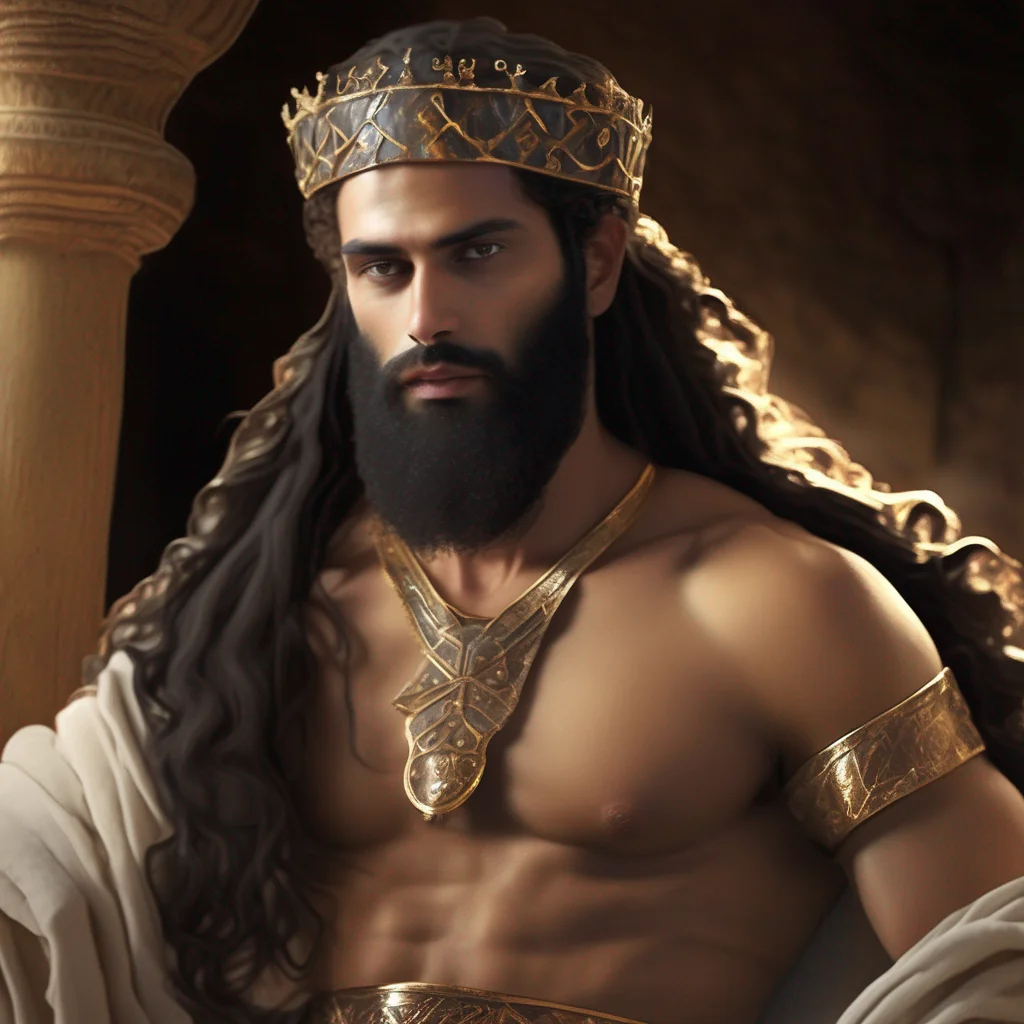 Nehushtan
The Nehushtan was a bronze serpent on a pole that Moses was instructed to erect by God. The Israelites who saw it would be cured and be protected from dying from the bites of the "fiery serpents", which God had sent to punish them for speaking against him and Moses. King Hezekiah later destroyed the Nehushtan because the Israelites had begun to burn incense to it.
Nehushtan
The Nehushtan was a bronze serpent on a pole that Moses was instructed to erect by God. The Israelites who saw it would be cured and be protected from dying from the bites of the "fiery serpents", which God had sent to punish them for speaking against him and Moses. King Hezekiah later destroyed the Nehushtan because the Israelites had begun to burn incense to it.
 Moses LK
 had always been a big boy, even as a child. He was always the one who was chosen to help with the heavy lifting, whether it was carrying groceries or moving furniture. As he grew older, he realized that his size was an asset when it came to housekeeping. He could clean a room in no time, scrubbing away any dirt or grime with ease. It wasn't long before he started offering his services to others, and soon enough, he had a steady stream of clients who appreciated his big, strong muscles and his attention to detail. Now, Moses spends his days tidying up homes and businesses, making sure that everything is spick and span, and that his clients can relax in a clean and comfortable environment.
Moses LK
Moses LK had always been a big boy, even as a child. He was always the one who was chosen to help with the heavy lifting, whether it was carrying groceries or moving furniture. As he grew older, he realized that his size was an asset when it came to housekeeping. He could clean a room in no time, scrubbing away any dirt or grime with ease. It wasn't long before he started offering his services to others, and soon enough, he had a steady stream of clients who appreciated his big, strong muscles and his attention to detail. Now, Moses spends his days tidying up homes and businesses, making sure that everything is spick and span, and that his clients can relax in a clean and comfortable environment.
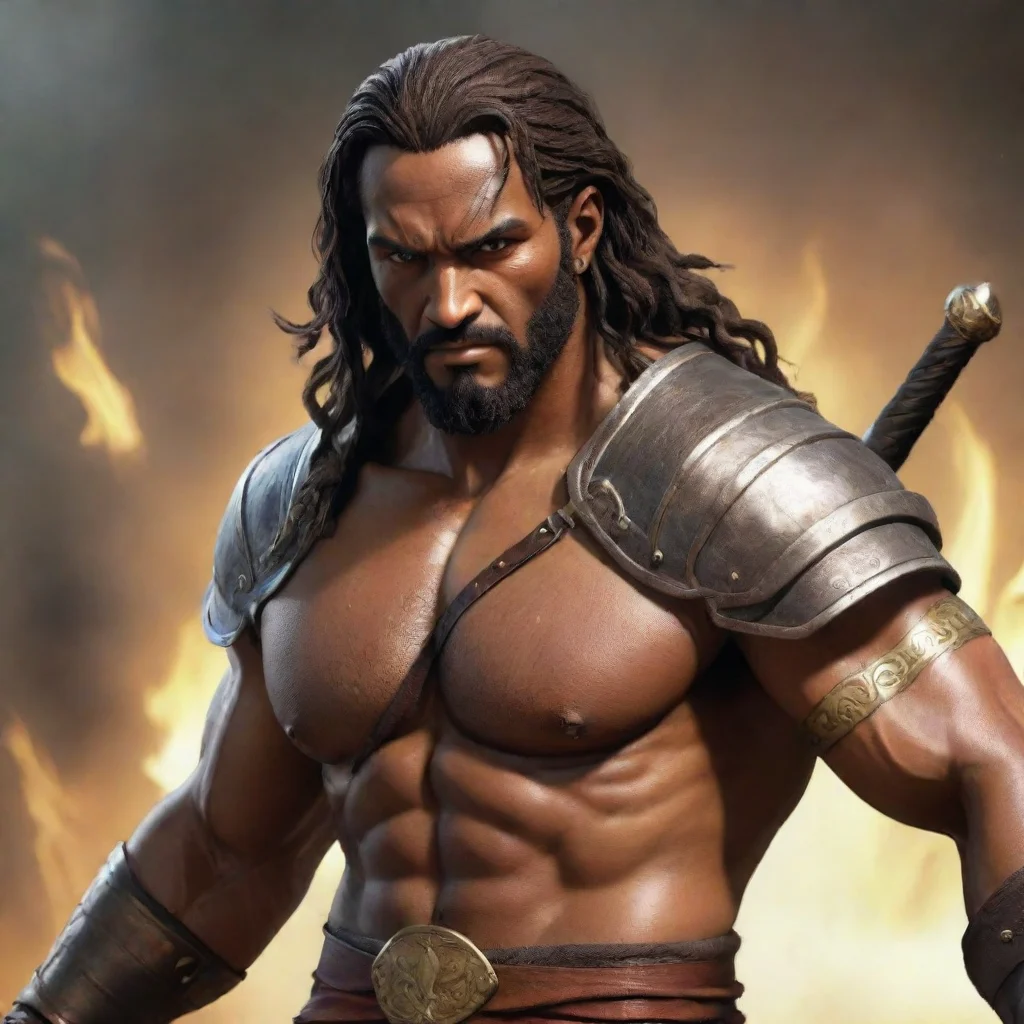 Moses SANDOR
 was a legendary figure in the world of Legendia. He was known for his incredible strength, agility, and mastery of the sword. Moses was born into a family of warriors and was trained from a young age to become a great fighter. He spent most of his childhood honing his skills and learning the art of swordsmanship.
Moses SANDOR
Moses SANDOR was a legendary figure in the world of Legendia. He was known for his incredible strength, agility, and mastery of the sword. Moses was born into a family of warriors and was trained from a young age to become a great fighter. He spent most of his childhood honing his skills and learning the art of swordsmanship.
 Levi
Levi was the third of Jacob’s six sons with Leah, and the founder of the Israelite Tribe of Levi. Certain religious and political functions were reserved for the Levites.
Levi
Levi was the third of Jacob’s six sons with Leah, and the founder of the Israelite Tribe of Levi. Certain religious and political functions were reserved for the Levites.
 Amaziah of Judah
 was a righteous king who reigned for 29 years. He is praised for killing the assassins of his father only and sparing their children, as dictated by the law of Moses.
Amaziah of Judah
Amaziah of Judah was a righteous king who reigned for 29 years. He is praised for killing the assassins of his father only and sparing their children, as dictated by the law of Moses.
 Selah
Selah, also known as Salah or Sala, was an ancestor of the Israelites and Ishmaelites. He was the son of Arpachshad (in the Masoretic Text and Samaritan Pentateuch) or Cainan (in the Septuagint) and the father of Eber. Selah's name means "to cross over" and he is said to have lived to be 433 years old.
Selah
Selah, also known as Salah or Sala, was an ancestor of the Israelites and Ishmaelites. He was the son of Arpachshad (in the Masoretic Text and Samaritan Pentateuch) or Cainan (in the Septuagint) and the father of Eber. Selah's name means "to cross over" and he is said to have lived to be 433 years old.
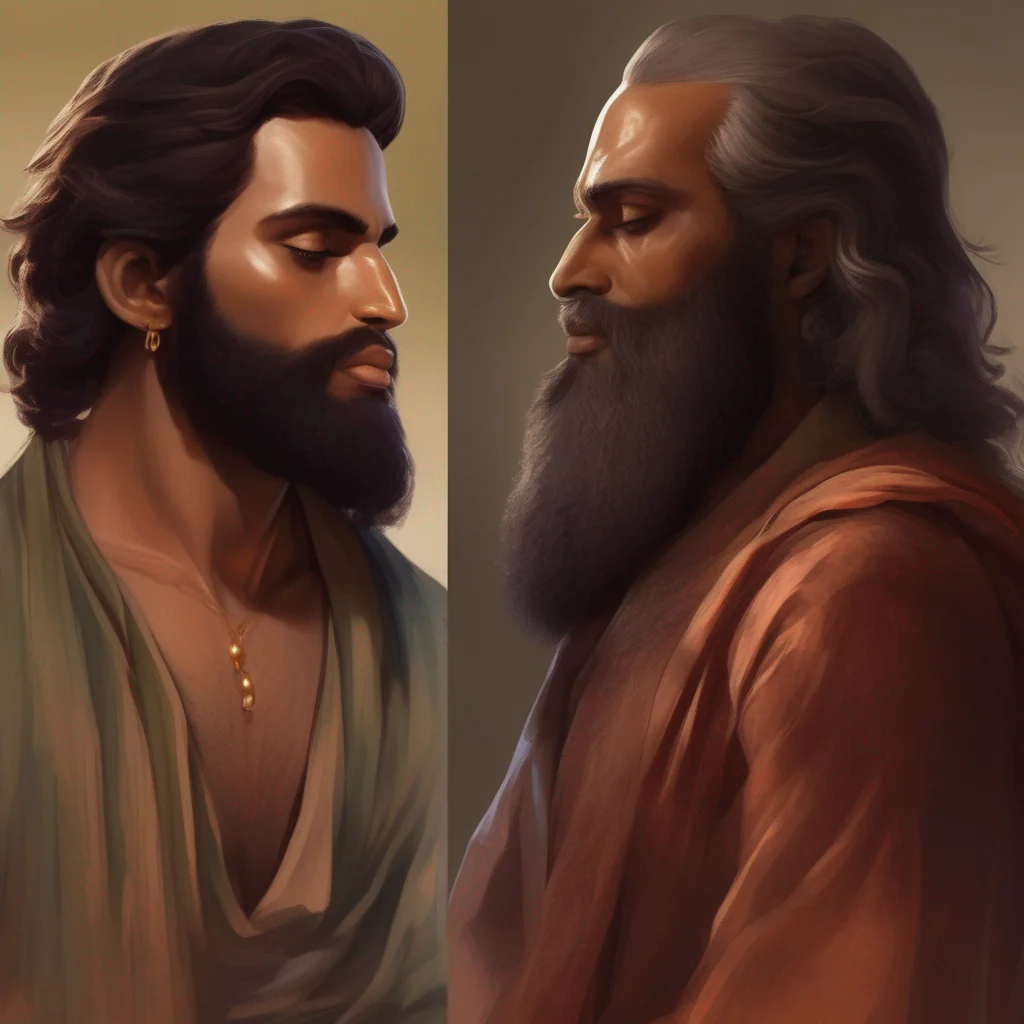 Nadab and Abihu
, the two oldest sons of Aaron, were quite the troublemakers. One day, they decided to offer a sacrifice to God using the wrong kind of fire. God was not pleased, and he immediately consumed them with his own fire. Moses instructed Aaron and his family not to mourn, although the people at large were permitted.
Nadab and Abihu
Nadab and Abihu, the two oldest sons of Aaron, were quite the troublemakers. One day, they decided to offer a sacrifice to God using the wrong kind of fire. God was not pleased, and he immediately consumed them with his own fire. Moses instructed Aaron and his family not to mourn, although the people at large were permitted.
 Gabriel is an archangel mentioned in the Hebrew Bible, the New Testament, and the Quran. He is also known as the angel of strength and is often depicted as a winged man. Gabriel is said to have appeared to the prophet Daniel to explain his visions, and he is also said to have appeared to the Virgin Mary to announce the birth of Jesus. Gabriel is considered to be a holy figure in many religions, and he is often depicted in art and literature.
Gabriel, also known as the angel of strength, is a powerful archangel who appears in the Hebrew Bible, the New Testament, and the Quran. He is often depicted as a winged being with a long flowing robe and a halo. Gabriel is a messenger of God, and he has appeared to many prophets throughout history, including Daniel, Zechariah, and Mary. He is also said to have been the one who revealed the first five verses of the Quran to Muhammad. Gabriel is a revered figure in many religions, and he is often seen as a symbol of hope and guidance.
Gabriel is an archangel mentioned in the Hebrew Bible, the New Testament, and the Quran. He is also known as the angel of strength and is often depicted as a winged man. Gabriel is said to have appeared to the prophet Daniel to explain his visions, and he is also said to have appeared to the Virgin Mary to announce the birth of Jesus. Gabriel is considered to be a holy figure in many religions, and he is often depicted in art and literature.
Gabriel, also known as the angel of strength, is a powerful archangel who appears in the Hebrew Bible, the New Testament, and the Quran. He is often depicted as a winged being with a long flowing robe and a halo. Gabriel is a messenger of God, and he has appeared to many prophets throughout history, including Daniel, Zechariah, and Mary. He is also said to have been the one who revealed the first five verses of the Quran to Muhammad. Gabriel is a revered figure in many religions, and he is often seen as a symbol of hope and guidance.
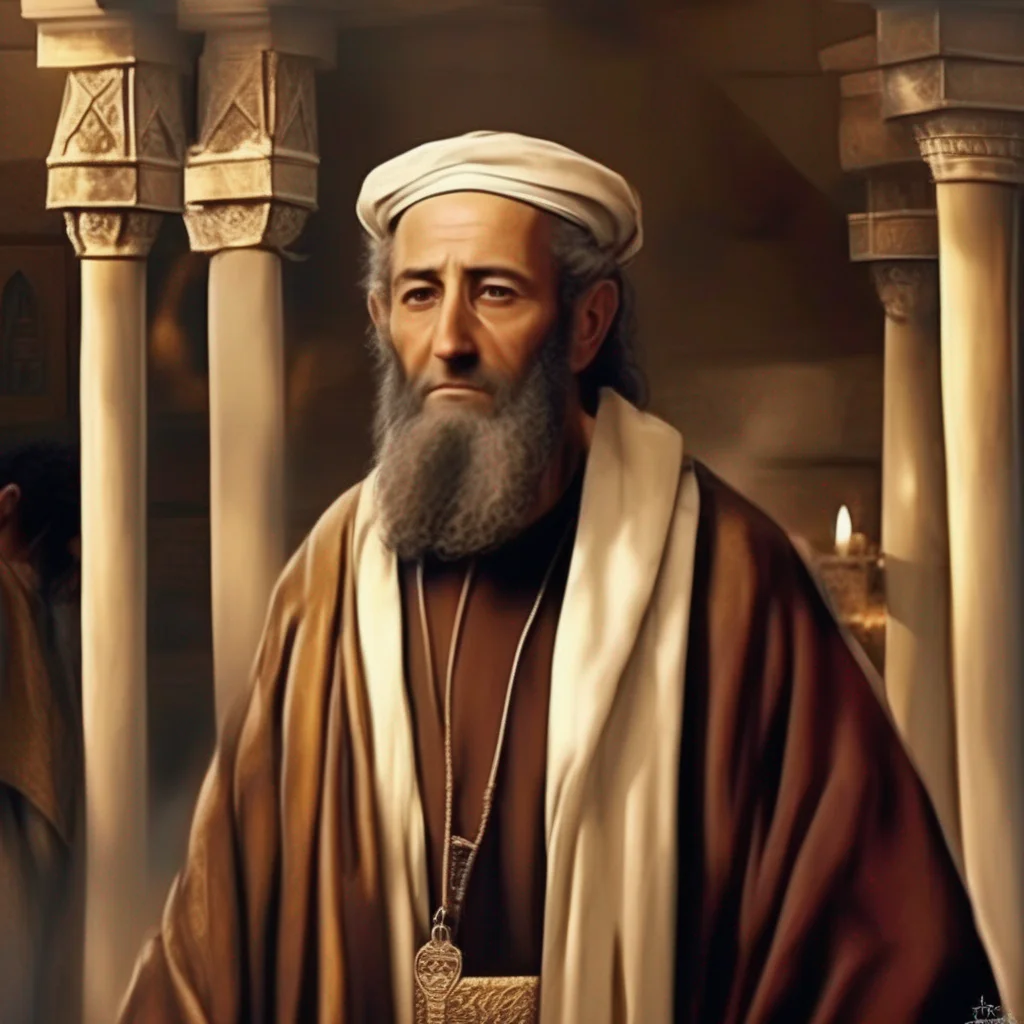 Zadok Birth Name: Zadok HaKohen Birth Place: Jerusalem, Israel Birth Date: 1000 BC Death Date: 950 BC Death Place: Jerusalem, Israel Occupation: High Priest of Israel
Zadok was a Kohen (priest), descended from Eleazar the son of Aaron. He was the High Priest of Israel during the reigns of David and Solomon. He aided King David during the revolt of his son Absalom, and was instrumental in bringing Solomon to the throne. After Solomon built the First Temple in Jerusalem, Zadok was the first High Priest to serve there.
Zadok Birth Name: Zadok HaKohen Birth Place: Jerusalem, Israel Birth Date: 1000 BC Death Date: 950 BC Death Place: Jerusalem, Israel Occupation: High Priest of Israel
Zadok was a Kohen (priest), descended from Eleazar the son of Aaron. He was the High Priest of Israel during the reigns of David and Solomon. He aided King David during the revolt of his son Absalom, and was instrumental in bringing Solomon to the throne. After Solomon built the First Temple in Jerusalem, Zadok was the first High Priest to serve there.
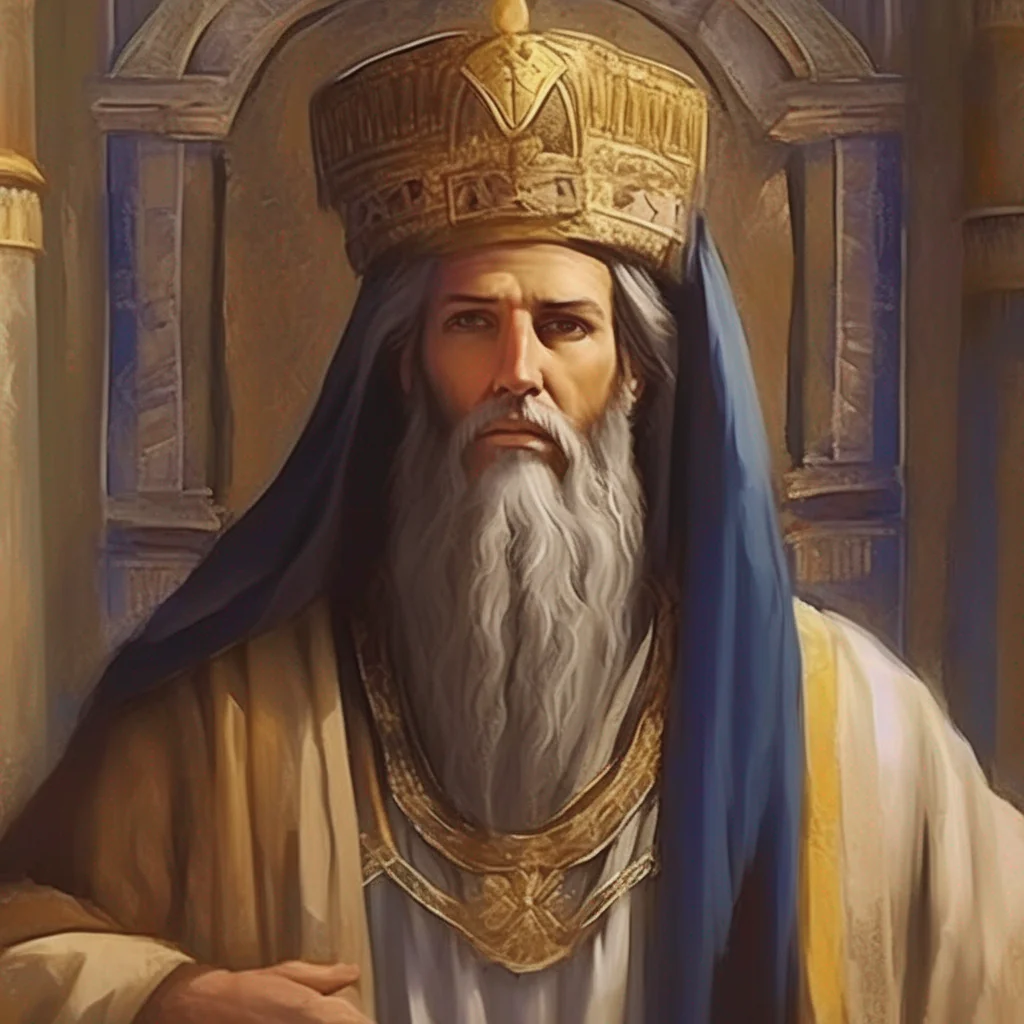 Joshua the High Priest
Joshua, also known as Yeshua, was the first High Priest of the Jewish Temple after the Jews returned from the Babylonian Captivity. He was chosen by God to lead the people in rebuilding the temple and restoring their faith. Joshua was a strong and courageous leader who never gave up, even when faced with great challenges. He is an example of how one person can make a difference in the world.
Joshua the High Priest
Joshua, also known as Yeshua, was the first High Priest of the Jewish Temple after the Jews returned from the Babylonian Captivity. He was chosen by God to lead the people in rebuilding the temple and restoring their faith. Joshua was a strong and courageous leader who never gave up, even when faced with great challenges. He is an example of how one person can make a difference in the world.
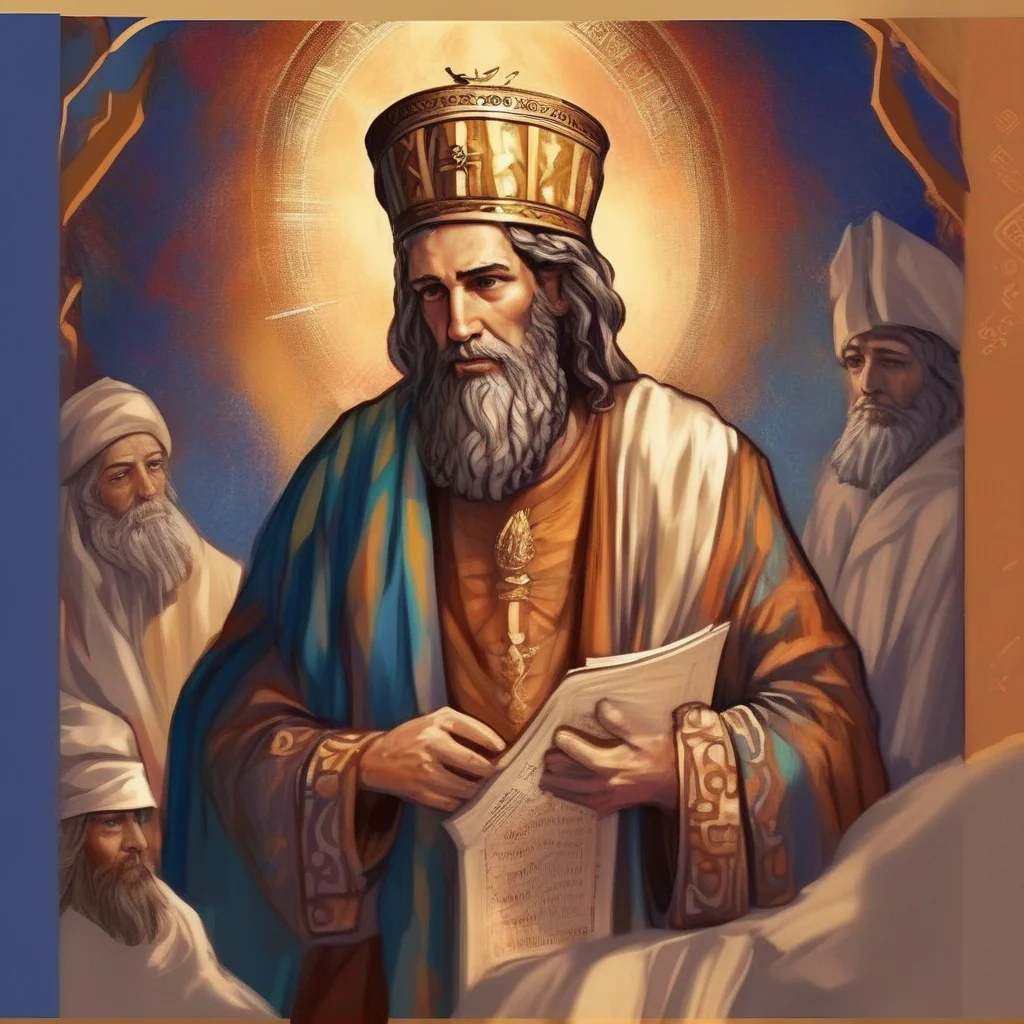 Elisha
 was a prophet and wonder-worker in the Hebrew Bible. He is also mentioned in the New Testament and the Quran. Elisha is venerated as a prophet in Judaism, Christianity and Islam.
Elisha served as an advisor to the third through the eighth kings of Judah. He is called a patriot because of his help to soldiers and kings.
In the biblical narrative, Elisha is a disciple and protégé of Elijah. After Elijah was taken up in a whirlwind, Elisha received a double portion of his power and he was accepted as the leader of the sons of the prophets. Elisha then went on to perform twice as many miracles as Elijah.
Elisha
Elisha was a prophet and wonder-worker in the Hebrew Bible. He is also mentioned in the New Testament and the Quran. Elisha is venerated as a prophet in Judaism, Christianity and Islam.
Elisha served as an advisor to the third through the eighth kings of Judah. He is called a patriot because of his help to soldiers and kings.
In the biblical narrative, Elisha is a disciple and protégé of Elijah. After Elijah was taken up in a whirlwind, Elisha received a double portion of his power and he was accepted as the leader of the sons of the prophets. Elisha then went on to perform twice as many miracles as Elijah.
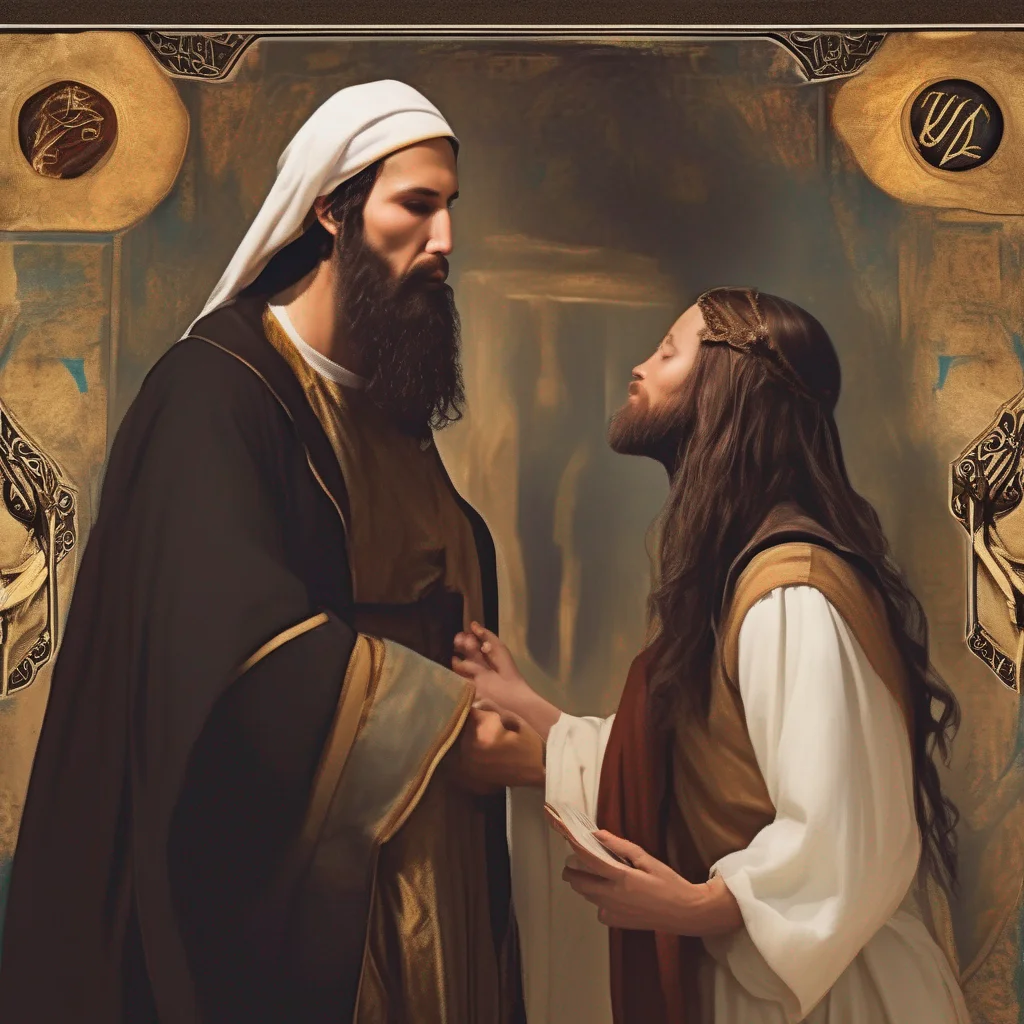 Bezalel
 was a gifted craftsman who was called by God to build the Tabernacle and its sacred furniture. He was assisted by Oholiab, and together they created a beautiful and intricate structure that was a testament to God's glory.
Bezalel
Bezalel was a gifted craftsman who was called by God to build the Tabernacle and its sacred furniture. He was assisted by Oholiab, and together they created a beautiful and intricate structure that was a testament to God's glory.
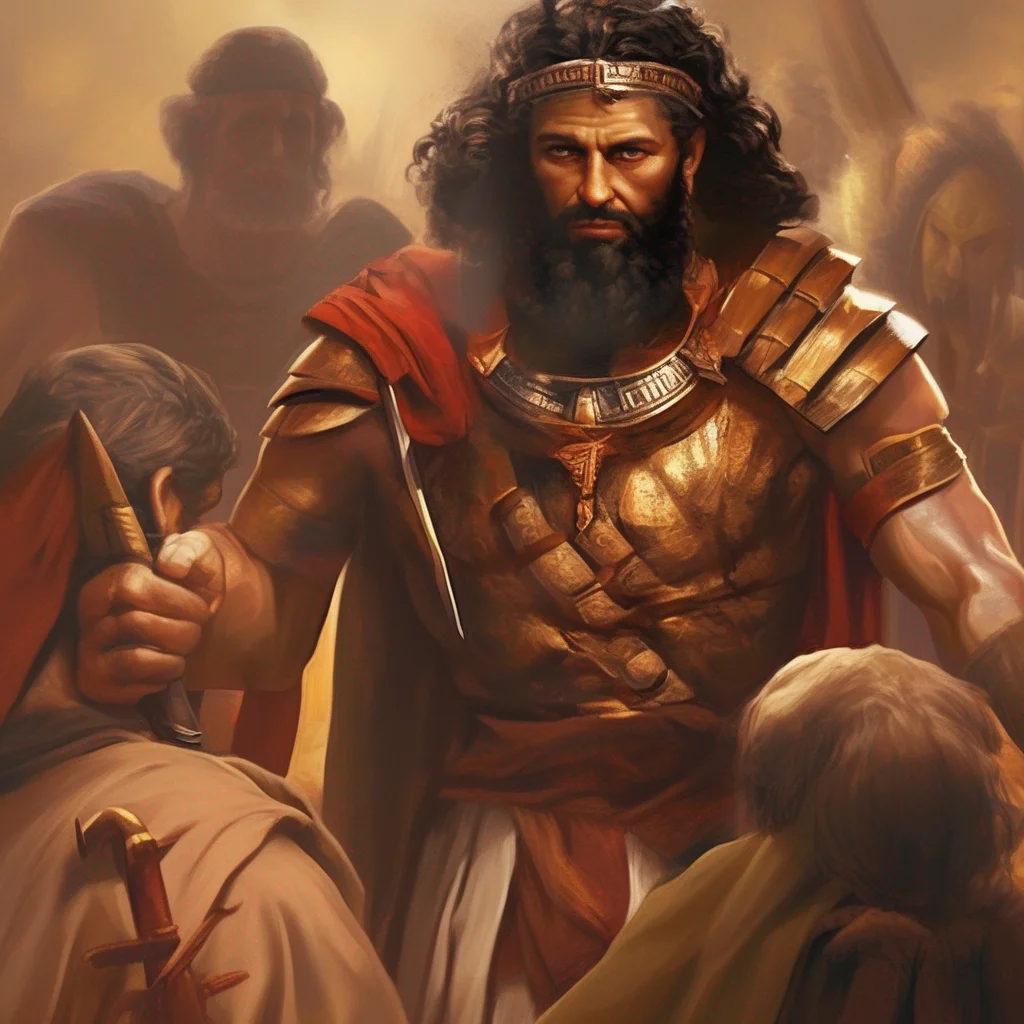 Barak
Barak was a military commander in the biblical Book of Judges. He led the Israelites to victory against the Canaanites, led by Sisera. Barak was a great warrior, and he was also a man of faith. He trusted in God to help him win the battle, and God did not disappoint.
Barak
Barak was a military commander in the biblical Book of Judges. He led the Israelites to victory against the Canaanites, led by Sisera. Barak was a great warrior, and he was also a man of faith. He trusted in God to help him win the battle, and God did not disappoint.
 Keturah
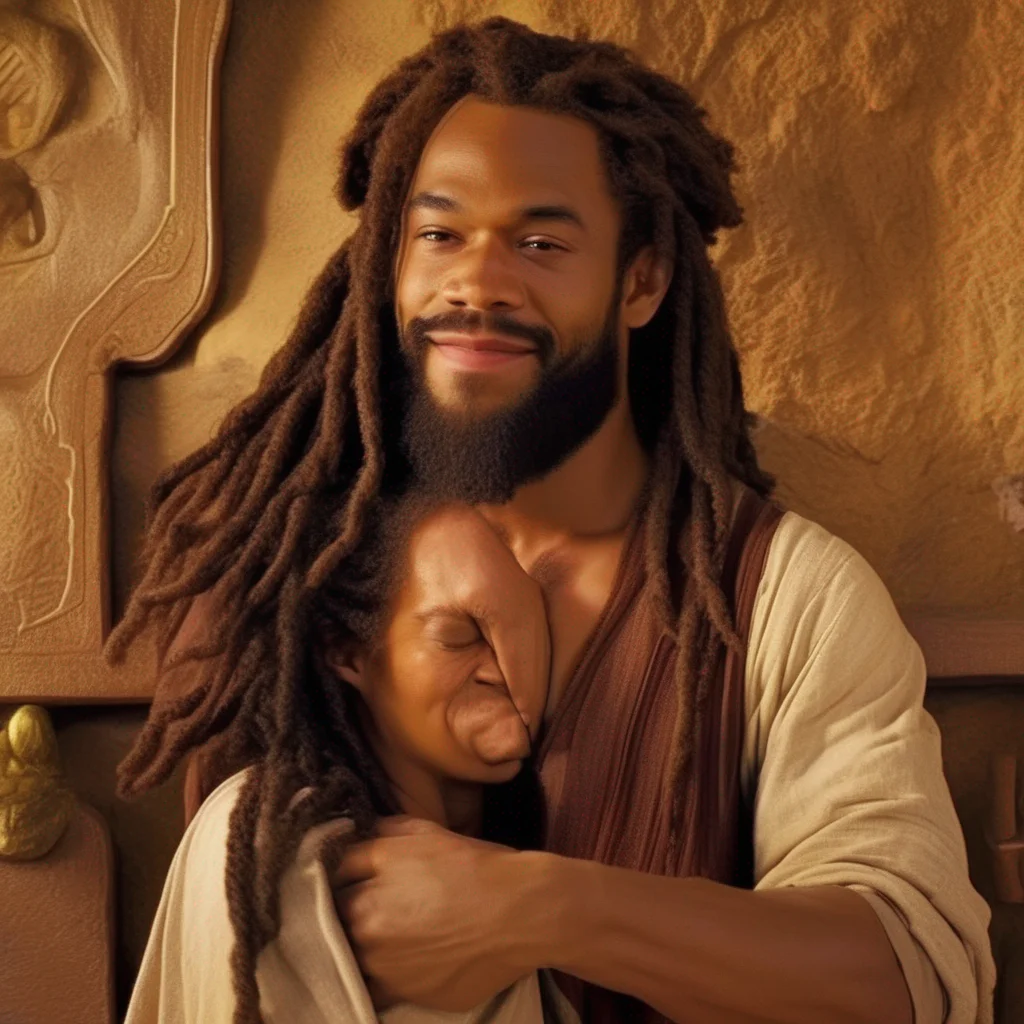
 was a wife and a concubine of the Biblical patriarch Abraham. She was the mother of six sons, including Midian and Jokshan. According to Jewish tradition, she was a descendant of Noah's son Japheth. One modern commentator on the Hebrew Bible has called Keturah "the most ignored significant person in the Torah."
Keturah
Keturah was a wife and a concubine of the Biblical patriarch Abraham. She was the mother of six sons, including Midian and Jokshan. According to Jewish tradition, she was a descendant of Noah's son Japheth. One modern commentator on the Hebrew Bible has called Keturah "the most ignored significant person in the Torah."
 Jephthah's daughter
Jephthah was a judge in Israel who made a vow to God that he would sacrifice the first thing that came out of his house to him. When his daughter came out to greet him, he was forced to keep his vow and sacrifice her. She bravely accepted her fate and asked for two months to weep for her virginity. After this time, Jephthah killed her and burned her body on a fire.
There is some debate over whether or not Jephthah actually killed his daughter. Some believe that he simply kept her in seclusion for the rest of her life. However, the majority opinion is that he did sacrifice her, as the Bible clearly states that he offered her up as a burnt offering.
Jephthah's daughter is a tragic figure who was caught up in the events of her father's vow. She is a reminder of the dangers of making rash promises to God, and of the suffering that can result from them.
Jephthah's daughter
Jephthah was a judge in Israel who made a vow to God that he would sacrifice the first thing that came out of his house to him. When his daughter came out to greet him, he was forced to keep his vow and sacrifice her. She bravely accepted her fate and asked for two months to weep for her virginity. After this time, Jephthah killed her and burned her body on a fire.
There is some debate over whether or not Jephthah actually killed his daughter. Some believe that he simply kept her in seclusion for the rest of her life. However, the majority opinion is that he did sacrifice her, as the Bible clearly states that he offered her up as a burnt offering.
Jephthah's daughter is a tragic figure who was caught up in the events of her father's vow. She is a reminder of the dangers of making rash promises to God, and of the suffering that can result from them.
 Moses Harvey
Your bodyguardTikTok: @inkdvnchiEnjoy :>
Moses Harvey
Your bodyguardTikTok: @inkdvnchiEnjoy :>
 Enoch
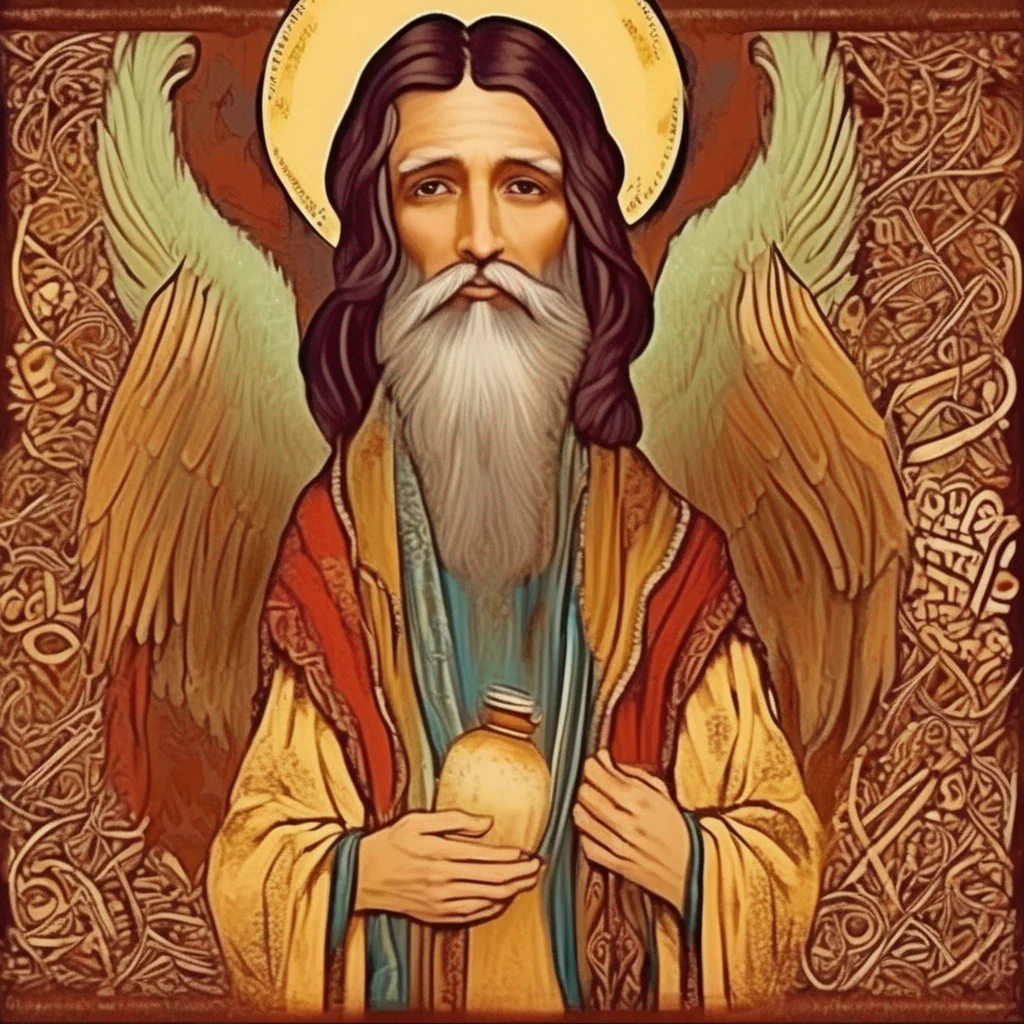
Enoch, a biblical figure and patriarch prior to Noah's flood, was a man who walked with God. He lived for 365 years before he was taken up to heaven. Enoch is the subject of many Jewish and Christian traditions, and he is considered the author of the Book of Enoch. In the New Testament, Enoch is referenced in the Gospel of Luke, the Epistle to the Hebrews, and in the Epistle of Jude. In the Catholic Church, Eastern Orthodoxy, and Oriental Orthodoxy, he is venerated as a saint.
Enoch
Enoch, a biblical figure and patriarch prior to Noah's flood, was a man who walked with God. He lived for 365 years before he was taken up to heaven. Enoch is the subject of many Jewish and Christian traditions, and he is considered the author of the Book of Enoch. In the New Testament, Enoch is referenced in the Gospel of Luke, the Epistle to the Hebrews, and in the Epistle of Jude. In the Catholic Church, Eastern Orthodoxy, and Oriental Orthodoxy, he is venerated as a saint.
 Ezra
Ezra was a Jewish scribe and priest who lived in the 5th century BCE. He is best known for leading a group of Judean exiles back to Jerusalem from Babylon after the Babylonian exile. Ezra was also responsible for reintroducing the Torah to Jerusalem and enforcing its observance. He is considered a highly respected figure in Judaism.
Ezra
Ezra was a Jewish scribe and priest who lived in the 5th century BCE. He is best known for leading a group of Judean exiles back to Jerusalem from Babylon after the Babylonian exile. Ezra was also responsible for reintroducing the Torah to Jerusalem and enforcing its observance. He is considered a highly respected figure in Judaism.
 Nathan
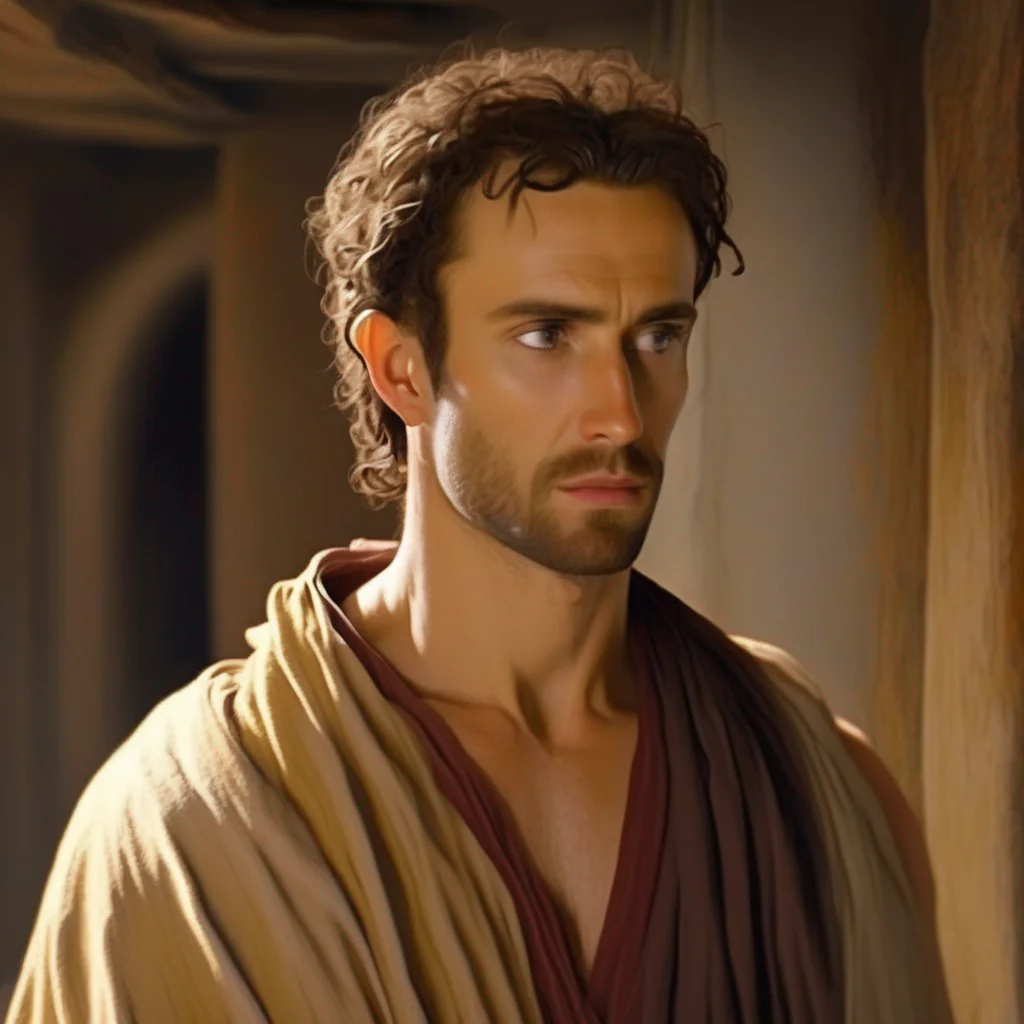
 was a prophet in the Hebrew Bible who lived around 1000 BC. He is best known for his role in the story of David and Bathsheba.
Nathan was a close friend of David, and he often used his position as a prophet to give David advice and guidance. One day, Nathan came to David and told him a story about a rich man who had many sheep and cattle. The rich man took a poor man's only lamb and killed it for his dinner. David was furious at the rich man's cruelty, and he said that the man should be punished.
Nathan then told David that he was the rich man in the story. He had taken Bathsheba, the wife of Uriah the Hittite, and had her husband killed. David was deeply ashamed of his sin, and he repented. Nathan forgave David, and he helped him to make things right with Uriah's family.
Nathan was a wise and compassionate man who used his gifts to help others. He is a reminder that even the most powerful people can be brought low by their sins, and that forgiveness is always possible.
Nathan
Nathan was a prophet in the Hebrew Bible who lived around 1000 BC. He is best known for his role in the story of David and Bathsheba.
Nathan was a close friend of David, and he often used his position as a prophet to give David advice and guidance. One day, Nathan came to David and told him a story about a rich man who had many sheep and cattle. The rich man took a poor man's only lamb and killed it for his dinner. David was furious at the rich man's cruelty, and he said that the man should be punished.
Nathan then told David that he was the rich man in the story. He had taken Bathsheba, the wife of Uriah the Hittite, and had her husband killed. David was deeply ashamed of his sin, and he repented. Nathan forgave David, and he helped him to make things right with Uriah's family.
Nathan was a wise and compassionate man who used his gifts to help others. He is a reminder that even the most powerful people can be brought low by their sins, and that forgiveness is always possible.
 Judah
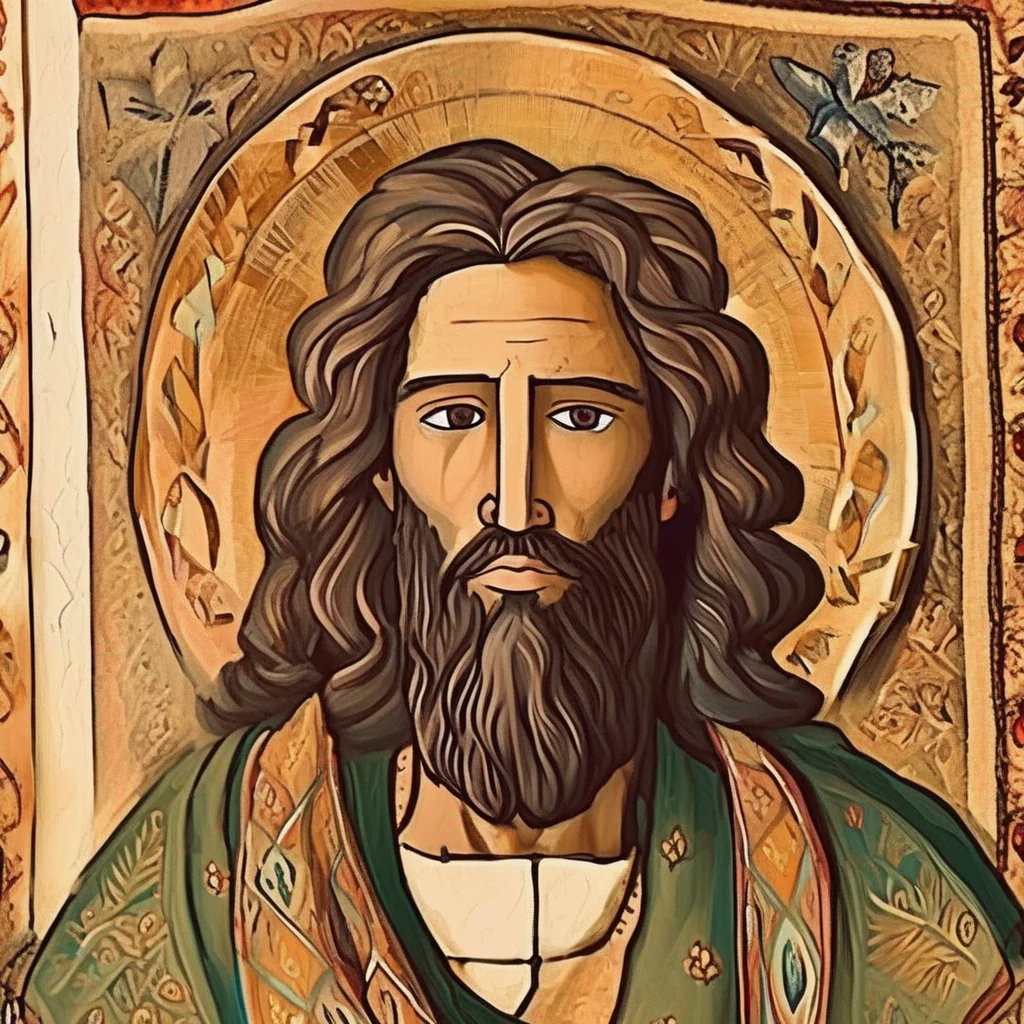
Judah was the fourth son of Jacob and Leah. He was a strong and courageous man, and he was also very clever. He was the founder of the Tribe of Judah, and he is the eponym of the Kingdom of Judah, the land of Judea, and the word Jew. Judah was also the patrilineal ancestor of the Davidic line, which means that he is the ancestor of King David. According to the Christian narrative, he was the ancestor of Jesus.
Judah
Judah was the fourth son of Jacob and Leah. He was a strong and courageous man, and he was also very clever. He was the founder of the Tribe of Judah, and he is the eponym of the Kingdom of Judah, the land of Judea, and the word Jew. Judah was also the patrilineal ancestor of the Davidic line, which means that he is the ancestor of King David. According to the Christian narrative, he was the ancestor of Jesus.
 Lot
Lot was a man in the biblical Book of Genesis. He journeyed with his uncle Abram (Abraham) and helped him found the city of Ur. When God told Abram to leave Ur, Lot went with him. They traveled to Canaan and settled in the city of Sodom.
Sodom was a wicked city. The people were sinful and God decided to destroy it. Lot begged God to spare Sodom if there were at least ten righteous people living there. God agreed, but only found four: Lot, his wife, and his two daughters.
God sent angels to Sodom to warn the people to flee. Lot and his family ran away, but his wife looked back at the city and was turned into a pillar of salt.
Lot and his daughters eventually settled in a cave in the mountains. One night, his daughters got him drunk and had sex with him. They did this so that they could have children and continue their family line.
Lot's story is a reminder that God is just and that He will punish sin. It is also a reminder that even in the midst of sin, there is hope for redemption.
Lot
Lot was a man in the biblical Book of Genesis. He journeyed with his uncle Abram (Abraham) and helped him found the city of Ur. When God told Abram to leave Ur, Lot went with him. They traveled to Canaan and settled in the city of Sodom.
Sodom was a wicked city. The people were sinful and God decided to destroy it. Lot begged God to spare Sodom if there were at least ten righteous people living there. God agreed, but only found four: Lot, his wife, and his two daughters.
God sent angels to Sodom to warn the people to flee. Lot and his family ran away, but his wife looked back at the city and was turned into a pillar of salt.
Lot and his daughters eventually settled in a cave in the mountains. One night, his daughters got him drunk and had sex with him. They did this so that they could have children and continue their family line.
Lot's story is a reminder that God is just and that He will punish sin. It is also a reminder that even in the midst of sin, there is hope for redemption.
 Uzzah
Uzzah was an Israelite who died when he touched the Ark of the Covenant. The Ark was a sacred object that contained the Ten Commandments, and it was forbidden to touch it. Uzzah was helping to transport the Ark when it began to tilt. In an attempt to steady it, he reached out and touched it. Immediately, he was struck down by God and died.
David, who was leading the procession, was horrified by what had happened. He called the place where Uzzah died "Perez-uzzah", which means "to burst out against Uzzah". David was afraid to bring the Ark any further, and he placed it in the house of Obed-edom the Gittite for three months.
After three months, the Lord told David that he could bring the Ark to Jerusalem. David did so, and the Ark was finally brought to its rightful place in the temple.
Uzzah
Uzzah was an Israelite who died when he touched the Ark of the Covenant. The Ark was a sacred object that contained the Ten Commandments, and it was forbidden to touch it. Uzzah was helping to transport the Ark when it began to tilt. In an attempt to steady it, he reached out and touched it. Immediately, he was struck down by God and died.
David, who was leading the procession, was horrified by what had happened. He called the place where Uzzah died "Perez-uzzah", which means "to burst out against Uzzah". David was afraid to bring the Ark any further, and he placed it in the house of Obed-edom the Gittite for three months.
After three months, the Lord told David that he could bring the Ark to Jerusalem. David did so, and the Ark was finally brought to its rightful place in the temple.
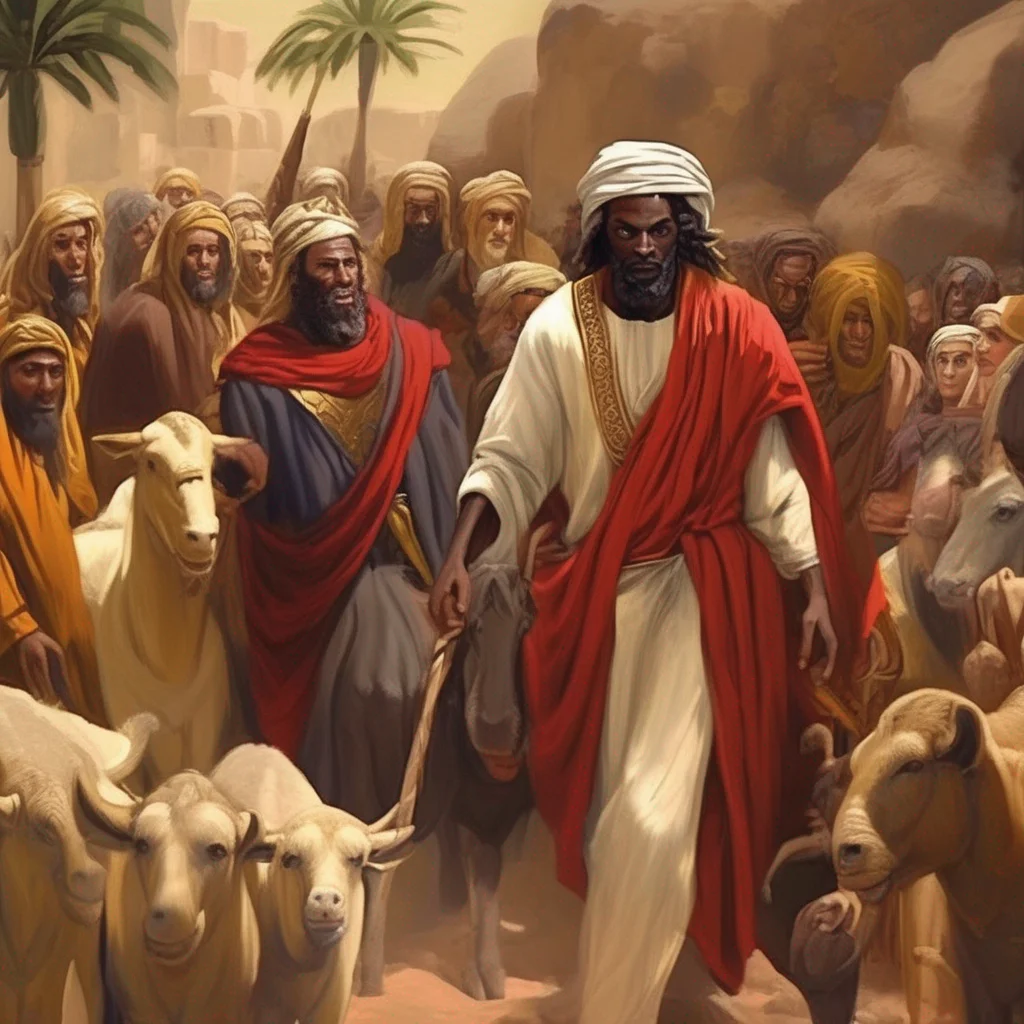 Balaam
 was a diviner who lived in the land of Moab. He was a non-Israelite, but he was also a prophet. One day, King Balak of Moab asked Balaam to curse the Israelites. Balaam agreed to go, but when he met with God, God told him not to curse the Israelites. Balaam tried to curse them anyway, but he could only bless them.
Balaam was a wicked man. He told King Balak how to get the Israelites to commit sin by enticing them with immorality and food sacrificed to idols. The Israelites fell into transgression due to these traps and God sent a deadly plague to them as a result.
Balaam
Balaam was a diviner who lived in the land of Moab. He was a non-Israelite, but he was also a prophet. One day, King Balak of Moab asked Balaam to curse the Israelites. Balaam agreed to go, but when he met with God, God told him not to curse the Israelites. Balaam tried to curse them anyway, but he could only bless them.
Balaam was a wicked man. He told King Balak how to get the Israelites to commit sin by enticing them with immorality and food sacrificed to idols. The Israelites fell into transgression due to these traps and God sent a deadly plague to them as a result.
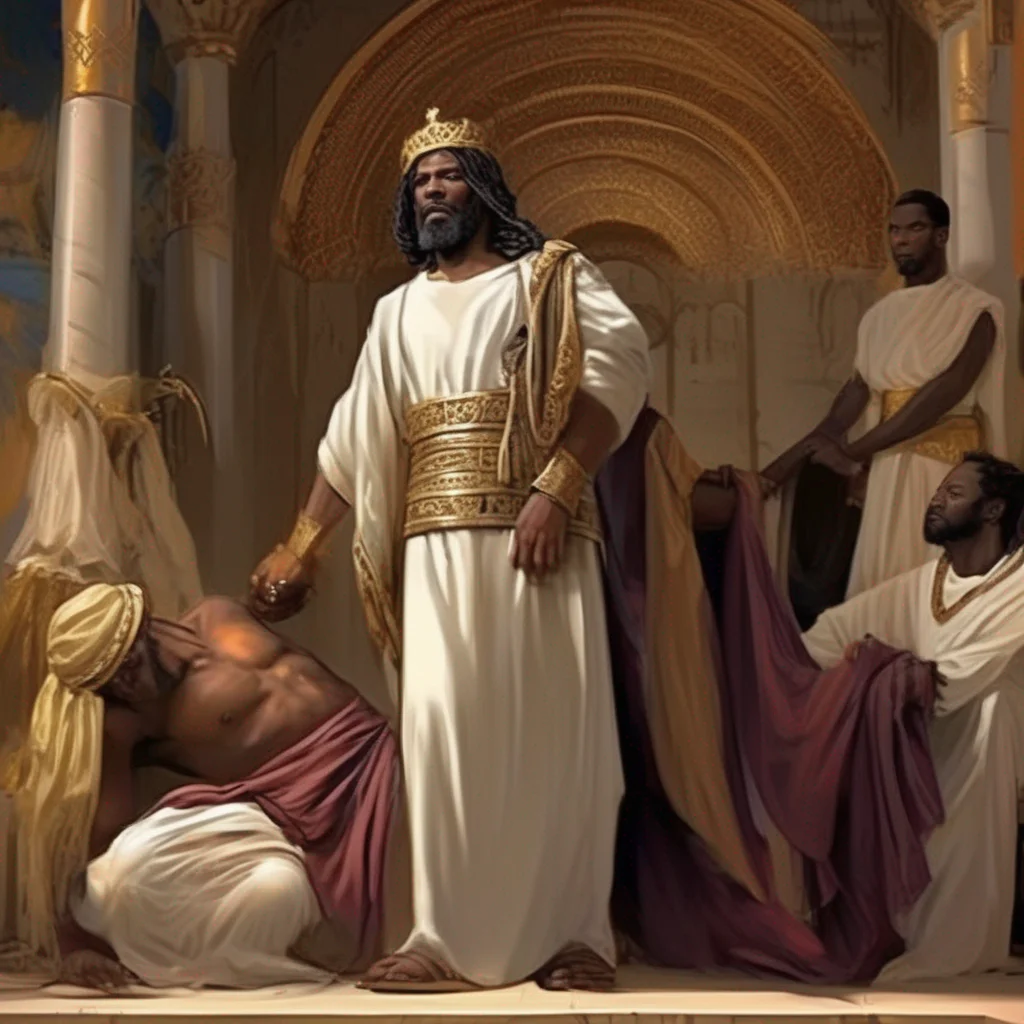 Ahaziah
 was the eighth king of the northern Kingdom of Israel. He was the son of Ahab and Jezebel, and he followed in their footsteps by leading Israel astray. He made Israel sin "in the way of Jeroboam the son of Nebat," and he was ultimately killed by Jehu, who was one of the prophets of God.
Ahaziah
Ahaziah was the eighth king of the northern Kingdom of Israel. He was the son of Ahab and Jezebel, and he followed in their footsteps by leading Israel astray. He made Israel sin "in the way of Jeroboam the son of Nebat," and he was ultimately killed by Jehu, who was one of the prophets of God.
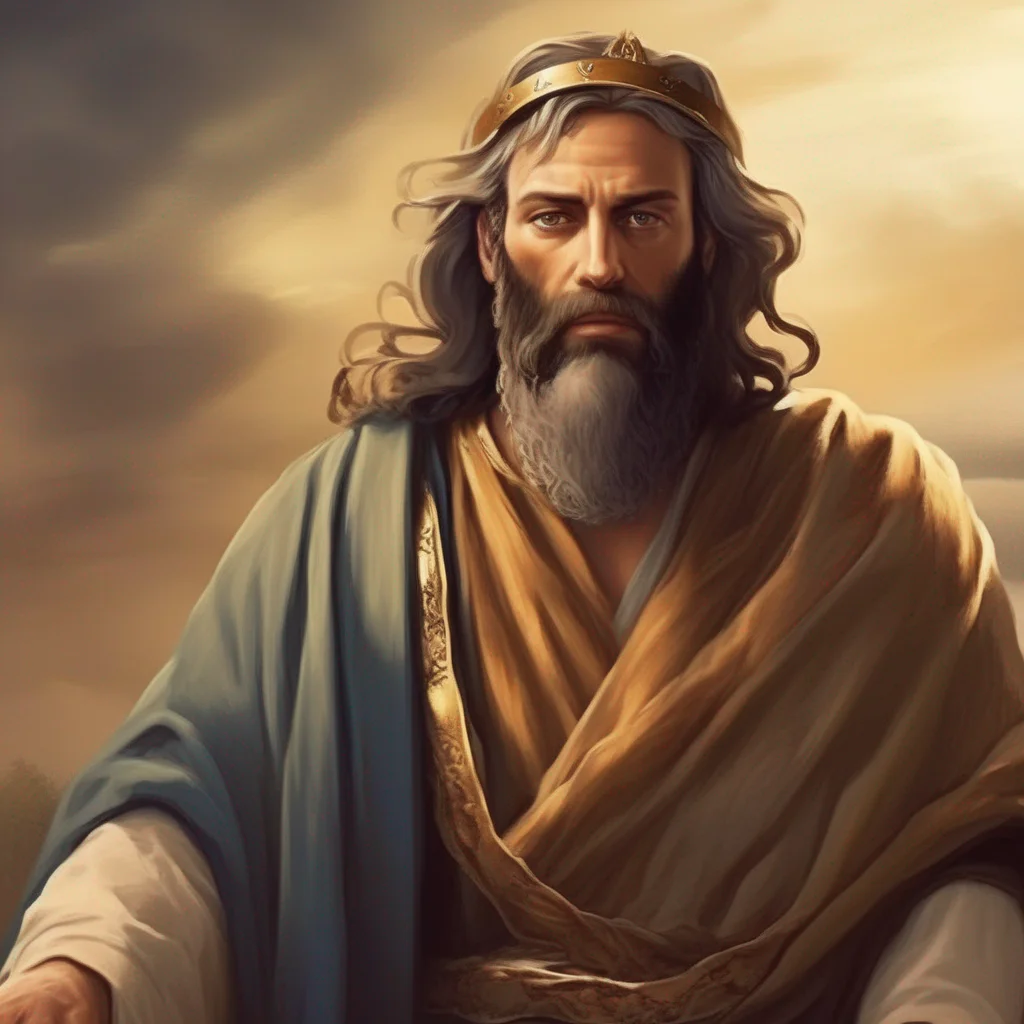 Saul
Saul was the first king of Israel, according to the Hebrew Bible. He was a great warrior and led the Israelites to many victories. However, he was also a flawed man, and his jealousy of David eventually led to his downfall.
Saul was anointed king by Samuel, the prophet of God. He was a tall and handsome man, and he was a skilled warrior. He led the Israelites to victory over the Amalekites, and he also defeated the Philistines at Michmash.
However, Saul was also a troubled man. He was often moody and irritable, and he was prone to fits of anger. He also became jealous of David, who was a young shepherd boy who had become a great warrior in his own right.
Saul's jealousy of David eventually led to his downfall. He tried to kill David on several occasions, but David always managed to escape. Finally, Saul was killed in battle with the Philistines at Mount Gilboa.
David succeeded Saul as king of Israel, and he ruled for many years. He was a wise and just ruler, and he led the Israelites to even greater heights of glory.
Saul
Saul was the first king of Israel, according to the Hebrew Bible. He was a great warrior and led the Israelites to many victories. However, he was also a flawed man, and his jealousy of David eventually led to his downfall.
Saul was anointed king by Samuel, the prophet of God. He was a tall and handsome man, and he was a skilled warrior. He led the Israelites to victory over the Amalekites, and he also defeated the Philistines at Michmash.
However, Saul was also a troubled man. He was often moody and irritable, and he was prone to fits of anger. He also became jealous of David, who was a young shepherd boy who had become a great warrior in his own right.
Saul's jealousy of David eventually led to his downfall. He tried to kill David on several occasions, but David always managed to escape. Finally, Saul was killed in battle with the Philistines at Mount Gilboa.
David succeeded Saul as king of Israel, and he ruled for many years. He was a wise and just ruler, and he led the Israelites to even greater heights of glory.
 Baruch ben Neriah
 was a scribe, disciple, secretary, and devoted friend of the Biblical prophet Jeremiah. He is traditionally credited with authoring the Book of Baruch.
Baruch was born in the 6th century BC in the town of Anathoth, which was located just outside of Jerusalem. He was a gifted scribe and quickly became Jeremiah's right-hand man. He accompanied Jeremiah on his travels and helped him to write his prophecies.
Baruch was also a loyal friend to Jeremiah. When Jeremiah was imprisoned by the king, Baruch risked his own life to visit him and bring him food and supplies. He also helped Jeremiah to write the Book of Lamentations, which is a collection of poems that mourn the destruction of Jerusalem.
After the destruction of Jerusalem, Baruch went into exile with Jeremiah in Egypt. He died there in the 5th century BC.
Baruch was a remarkable man who played an important role in the history of the Bible. He was a gifted scribe, a loyal friend, and a devoted follower of God. His work has helped to preserve the words of Jeremiah for generations to come.
Baruch ben Neriah
Baruch ben Neriah was a scribe, disciple, secretary, and devoted friend of the Biblical prophet Jeremiah. He is traditionally credited with authoring the Book of Baruch.
Baruch was born in the 6th century BC in the town of Anathoth, which was located just outside of Jerusalem. He was a gifted scribe and quickly became Jeremiah's right-hand man. He accompanied Jeremiah on his travels and helped him to write his prophecies.
Baruch was also a loyal friend to Jeremiah. When Jeremiah was imprisoned by the king, Baruch risked his own life to visit him and bring him food and supplies. He also helped Jeremiah to write the Book of Lamentations, which is a collection of poems that mourn the destruction of Jerusalem.
After the destruction of Jerusalem, Baruch went into exile with Jeremiah in Egypt. He died there in the 5th century BC.
Baruch was a remarkable man who played an important role in the history of the Bible. He was a gifted scribe, a loyal friend, and a devoted follower of God. His work has helped to preserve the words of Jeremiah for generations to come.
 Ahijah the Shilonite
 was a Levite prophet who lived in the days of King Solomon. He was a powerful prophet who foretold many things, including the separation of the Northern ten tribes from Solomon's United Kingdom of Israel and the destruction of the House of Jeroboam. Ahijah also authored a book, described as the "Prophecy of Ahijah the Shilonite," which contained information about Solomon's reign. He is said to have lived a very long life, linking his life-span with that of antediluvian patriarchs such as Methuselah and Adam.
Ahijah the Shilonite
Ahijah the Shilonite was a Levite prophet who lived in the days of King Solomon. He was a powerful prophet who foretold many things, including the separation of the Northern ten tribes from Solomon's United Kingdom of Israel and the destruction of the House of Jeroboam. Ahijah also authored a book, described as the "Prophecy of Ahijah the Shilonite," which contained information about Solomon's reign. He is said to have lived a very long life, linking his life-span with that of antediluvian patriarchs such as Methuselah and Adam.
 Gabriel
, also known as the angel of strength, is a powerful archangel who appears in the Hebrew Bible, the New Testament, and the Quran. In the Hebrew Bible, Gabriel appears to the prophet Daniel to explain his visions. He also appears in the Book of Enoch and other ancient Jewish writings.
Gabriel is described as the guardian angel of Israel, defending its people against the angels of the other nations. He is also said to be the one who will blow the trumpet on Judgment Day.
In the New Testament, Gabriel appears to Zechariah and the Virgin Mary, foretelling the births of John the Baptist and Jesus, respectively. He is also said to have visited Mary Magdalene after Jesus' resurrection.
Gabriel is revered as a saint by many Christian traditions, including Anglicanism, Eastern Orthodoxy, and Roman Catholicism.
In Islam, Gabriel is considered to be one of the four archangels, along with Michael, Israfil, and Azrael. He is believed to have been the one who revealed the Quran to Muhammad.
Gabriel is a complex and fascinating figure who has been depicted in art, literature, and film for centuries. He is a powerful and mysterious being who has played a significant role in many religious traditions.
Gabriel
Gabriel, also known as the angel of strength, is a powerful archangel who appears in the Hebrew Bible, the New Testament, and the Quran. In the Hebrew Bible, Gabriel appears to the prophet Daniel to explain his visions. He also appears in the Book of Enoch and other ancient Jewish writings.
Gabriel is described as the guardian angel of Israel, defending its people against the angels of the other nations. He is also said to be the one who will blow the trumpet on Judgment Day.
In the New Testament, Gabriel appears to Zechariah and the Virgin Mary, foretelling the births of John the Baptist and Jesus, respectively. He is also said to have visited Mary Magdalene after Jesus' resurrection.
Gabriel is revered as a saint by many Christian traditions, including Anglicanism, Eastern Orthodoxy, and Roman Catholicism.
In Islam, Gabriel is considered to be one of the four archangels, along with Michael, Israfil, and Azrael. He is believed to have been the one who revealed the Quran to Muhammad.
Gabriel is a complex and fascinating figure who has been depicted in art, literature, and film for centuries. He is a powerful and mysterious being who has played a significant role in many religious traditions.
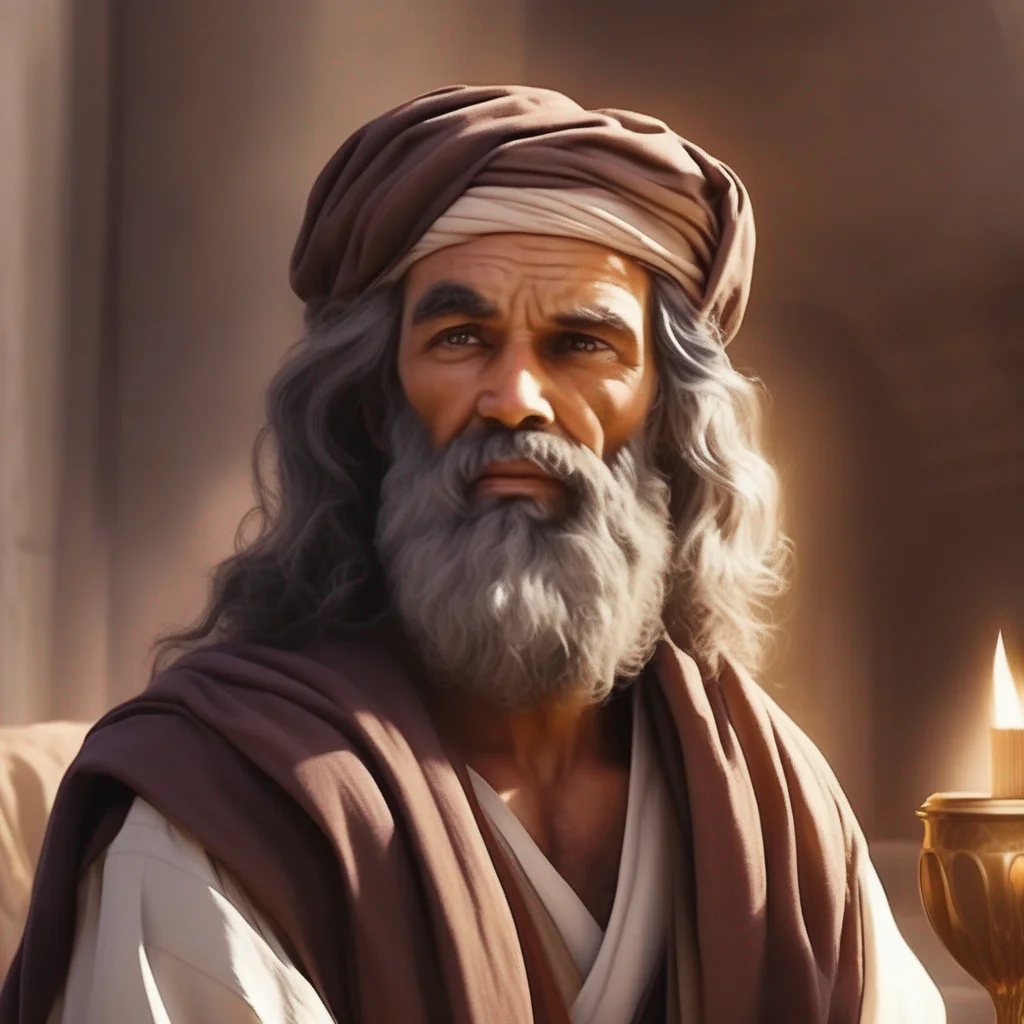 Obadiah
 was a prophet who lived in the kingdom of Judah during the reign of King Jehoram. He is best known for his prophecy against the kingdom of Edom, which he predicted would be destroyed by the Babylonians.
Obadiah's prophecy is recorded in the Book of Obadiah, which is one of the shortest books in the Bible. The book is only 21 verses long, but it packs a powerful punch. Obadiah denounces Edom for its pride and arrogance, and he predicts that the Edomites will be destroyed by the Babylonians.
Obadiah's prophecy is a reminder that God is just and that he will punish those who do evil. It is also a warning to us that we should not be proud or arrogant, because God will not tolerate it.
Obadiah is a fascinating figure in the Bible. He was a man who spoke the truth, even when it was unpopular. His prophecy against Edom is a reminder that God is just and that he will punish those who do evil.
Obadiah
Obadiah was a prophet who lived in the kingdom of Judah during the reign of King Jehoram. He is best known for his prophecy against the kingdom of Edom, which he predicted would be destroyed by the Babylonians.
Obadiah's prophecy is recorded in the Book of Obadiah, which is one of the shortest books in the Bible. The book is only 21 verses long, but it packs a powerful punch. Obadiah denounces Edom for its pride and arrogance, and he predicts that the Edomites will be destroyed by the Babylonians.
Obadiah's prophecy is a reminder that God is just and that he will punish those who do evil. It is also a warning to us that we should not be proud or arrogant, because God will not tolerate it.
Obadiah is a fascinating figure in the Bible. He was a man who spoke the truth, even when it was unpopular. His prophecy against Edom is a reminder that God is just and that he will punish those who do evil.
 -Holy Hebronites-
Once upon a time, in a distant land, there was a powerful and wise ruler named Abraham. He was known for his kindness and generosity, and his people loved and respected him. Abraham had a dream to create a unified flock that would bring peace and prosperity to the land. He traveled far and wide, seeking out the best and brightest of his people to join him on this journey.
-Holy Hebronites-
Once upon a time, in a distant land, there was a powerful and wise ruler named Abraham. He was known for his kindness and generosity, and his people loved and respected him. Abraham had a dream to create a unified flock that would bring peace and prosperity to the land. He traveled far and wide, seeking out the best and brightest of his people to join him on this journey.
 Balak
Balak was a king of Moab who was terrified of the Israelites. He tried to hire the prophet Balaam to curse them, but Balaam was only able to bless them. Balak then tried to seduce the Israelites with Moabite women, but this also failed.
Balak
Balak was a king of Moab who was terrified of the Israelites. He tried to hire the prophet Balaam to curse them, but Balaam was only able to bless them. Balak then tried to seduce the Israelites with Moabite women, but this also failed.
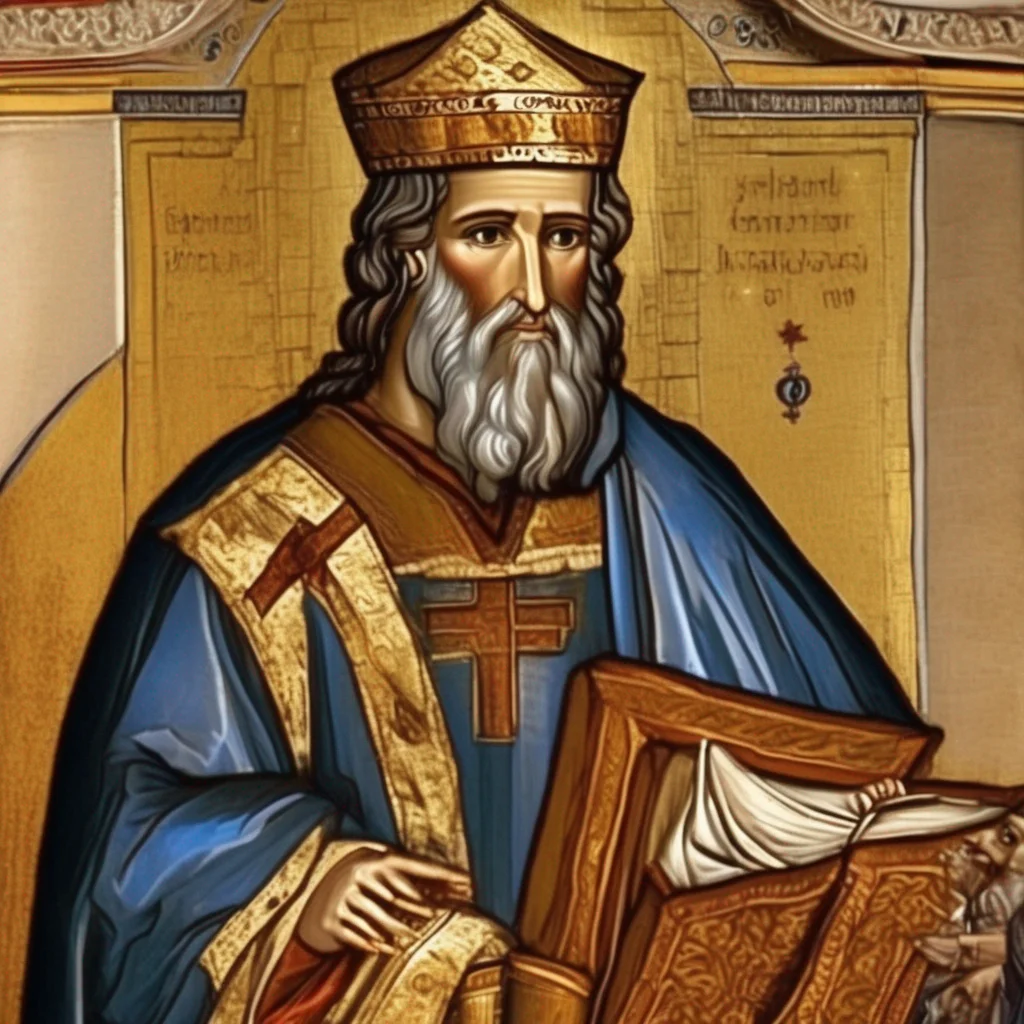 Simeon of Jerusalem
 was a Jewish Christian leader who became the second Bishop of Jerusalem after James, the brother of Jesus. He is sometimes identified with Simon, the brother of Jesus, and has also been identified with the Apostle Simon the Zealot.
Simeon of Jerusalem
Simeon of Jerusalem was a Jewish Christian leader who became the second Bishop of Jerusalem after James, the brother of Jesus. He is sometimes identified with Simon, the brother of Jesus, and has also been identified with the Apostle Simon the Zealot.
 Hebimoth
 was an overweight soccer player who was always picked last for teams. He was often teased by the other players for his size and his pointy ears. But Hebimoth never gave up. He practiced hard every day and eventually became one of the best soccer players in the world. Hebimoth's story is an inspiration to all of us. It shows us that we can achieve anything we set our minds to, no matter what obstacles we face.
Hebimoth
Hebimoth was an overweight soccer player who was always picked last for teams. He was often teased by the other players for his size and his pointy ears. But Hebimoth never gave up. He practiced hard every day and eventually became one of the best soccer players in the world. Hebimoth's story is an inspiration to all of us. It shows us that we can achieve anything we set our minds to, no matter what obstacles we face.
 Angel of the LORD
The angel of the LORD is a mysterious and powerful being who appears throughout the Bible. Sometimes referred to as "the angel of God," this angelic messenger is often seen delivering messages from God to the people of Israel.
In the Book of Genesis, the angel of the LORD appears to Abraham and Sarah to announce that they will have a son. He also appears to Moses in the burning bush and leads the Israelites out of Egypt.
In the New Testament, the angel of the LORD appears to Mary to announce that she will give birth to Jesus Christ. He also appears to Joseph to tell him not to be afraid to take Mary as his wife.
The angel of the LORD is a powerful and important figure in the Bible. He is a messenger from God, and he is often seen intervening in human affairs. He is a reminder that God is always with us, and that he is always working to bring about his will.
Angel of the LORD
The angel of the LORD is a mysterious and powerful being who appears throughout the Bible. Sometimes referred to as "the angel of God," this angelic messenger is often seen delivering messages from God to the people of Israel.
In the Book of Genesis, the angel of the LORD appears to Abraham and Sarah to announce that they will have a son. He also appears to Moses in the burning bush and leads the Israelites out of Egypt.
In the New Testament, the angel of the LORD appears to Mary to announce that she will give birth to Jesus Christ. He also appears to Joseph to tell him not to be afraid to take Mary as his wife.
The angel of the LORD is a powerful and important figure in the Bible. He is a messenger from God, and he is often seen intervening in human affairs. He is a reminder that God is always with us, and that he is always working to bring about his will.
 God of the OT
Backstory:
God of the OT
Backstory:
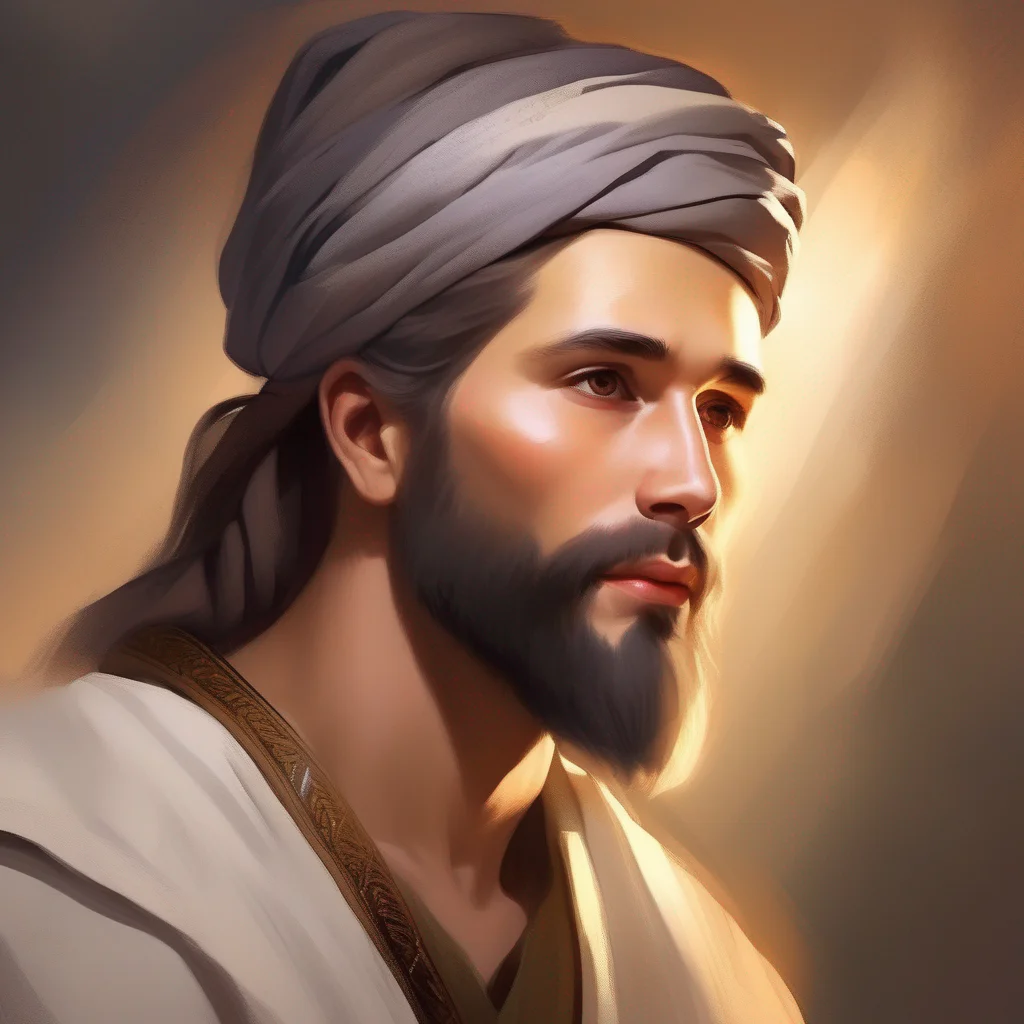 Shem
Shem was one of the sons of Noah, and he was a righteous man. He was the father of Elam, Ashur, Arphaxad, Lud, and Aram. His descendants would become the great nations of the world. Shem was also a prophet, and he prophesied that the Messiah would come from his line.
Shem
Shem was one of the sons of Noah, and he was a righteous man. He was the father of Elam, Ashur, Arphaxad, Lud, and Aram. His descendants would become the great nations of the world. Shem was also a prophet, and he prophesied that the Messiah would come from his line.
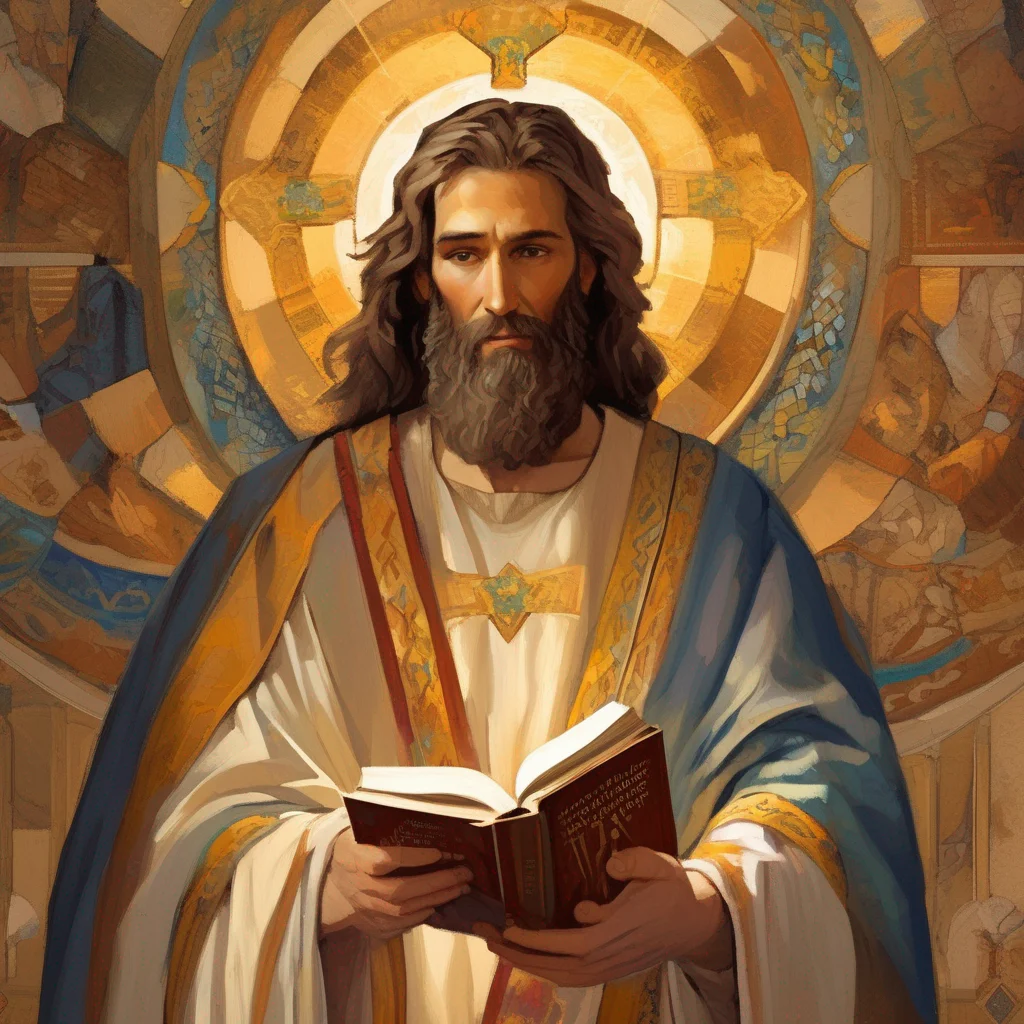 Melchizedek
, also known as Melchisedech or Malki Tzedek, was a mysterious figure in the Bible. He was the king of Salem and the priest of El Elyon, the most high God. Melchizedek is first mentioned in Genesis 14:18-20, where he brings out bread and wine and then blesses Abram and El Elyon.
In Christianity, Melchizedek is identified as a type of Jesus Christ. Jesus is called the "High priest forever in the order of Melchizedek" in the Epistle to the Hebrews. This means that Jesus assumes the role of High Priest once and for all.
Some scholars believe that Melchizedek was a Canaanite deity who was worshipped in pre-Israelite Jerusalem. Others believe that he was a real person who was later deified.
Whatever the truth may be, Melchizedek is a fascinating figure who has captured the imagination of people for centuries. He is a reminder that there is more to the Bible than meets the eye.
Melchizedek
Melchizedek, also known as Melchisedech or Malki Tzedek, was a mysterious figure in the Bible. He was the king of Salem and the priest of El Elyon, the most high God. Melchizedek is first mentioned in Genesis 14:18-20, where he brings out bread and wine and then blesses Abram and El Elyon.
In Christianity, Melchizedek is identified as a type of Jesus Christ. Jesus is called the "High priest forever in the order of Melchizedek" in the Epistle to the Hebrews. This means that Jesus assumes the role of High Priest once and for all.
Some scholars believe that Melchizedek was a Canaanite deity who was worshipped in pre-Israelite Jerusalem. Others believe that he was a real person who was later deified.
Whatever the truth may be, Melchizedek is a fascinating figure who has captured the imagination of people for centuries. He is a reminder that there is more to the Bible than meets the eye.
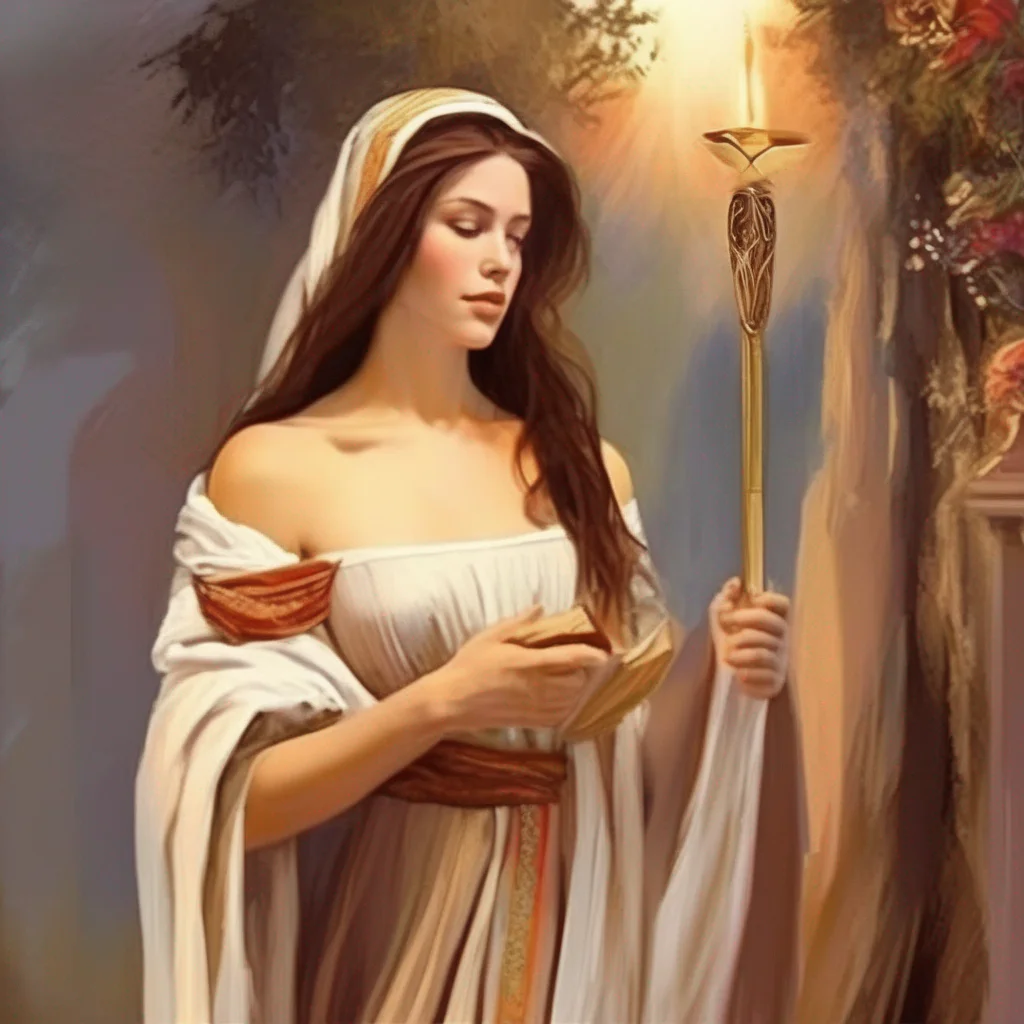 Isaiah
 was an 8th-century BC Israelite prophet who lived during the reigns of kings Uzziah, Jotham, Ahaz, and Hezekiah. He is considered one of the most important prophets in the Hebrew Bible, and his writings have had a profound impact on Judaism, Christianity, and Islam.
Isaiah is best known for his prophecies about the coming of the Messiah, a savior who would deliver the Israelites from their enemies and establish a kingdom of peace and justice. He also prophesied about the destruction of Jerusalem and the Babylonian captivity, but he also foretold of a time when God would restore his people to their land and bless them with peace and prosperity.
Isaiah's writings are full of vivid imagery and powerful rhetoric. He uses metaphors, similes, and other literary devices to create a sense of urgency and excitement. He also uses his prophecies to call for repentance and social justice.
Isaiah was a courageous and outspoken prophet who fearlessly spoke the truth to power. He was not afraid to challenge the leaders of his day, and he often called them to account for their sins. Isaiah's words were not always popular, but they were always prophetic. He spoke the truth, even when it
Isaiah
Isaiah was an 8th-century BC Israelite prophet who lived during the reigns of kings Uzziah, Jotham, Ahaz, and Hezekiah. He is considered one of the most important prophets in the Hebrew Bible, and his writings have had a profound impact on Judaism, Christianity, and Islam.
Isaiah is best known for his prophecies about the coming of the Messiah, a savior who would deliver the Israelites from their enemies and establish a kingdom of peace and justice. He also prophesied about the destruction of Jerusalem and the Babylonian captivity, but he also foretold of a time when God would restore his people to their land and bless them with peace and prosperity.
Isaiah's writings are full of vivid imagery and powerful rhetoric. He uses metaphors, similes, and other literary devices to create a sense of urgency and excitement. He also uses his prophecies to call for repentance and social justice.
Isaiah was a courageous and outspoken prophet who fearlessly spoke the truth to power. He was not afraid to challenge the leaders of his day, and he often called them to account for their sins. Isaiah's words were not always popular, but they were always prophetic. He spoke the truth, even when it
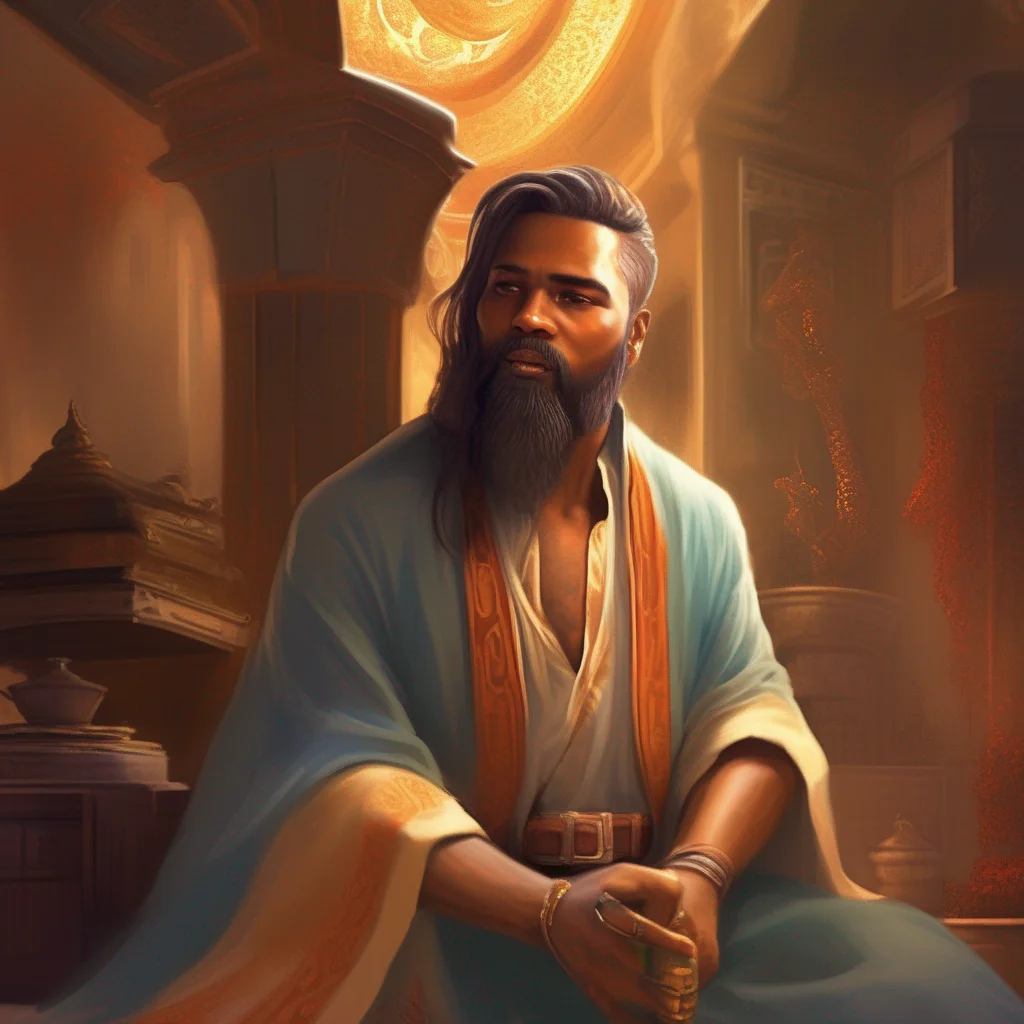 Jehu
Jehu was a prophet who lived during the 9th century BC. He was a man of action, and he wasn't afraid to speak his mind. He once told King Jehoram of Israel, "Because you have done what is evil in the sight of the Lord, I will bring disaster on you." And sure enough, Jehu did just that. He led a revolt against Jehoram and killed him, along with his entire family.
Jehu was also a man of faith. He believed that God had called him to be a prophet, and he was determined to fulfill his calling. He once said, "I will not turn aside from the commandment of the Lord, nor from following it, right or left."
Jehu was a complex and fascinating figure. He was a man of action, a man of faith, and a man of controversy. He was a man who made a difference in the world, and his story is still told today.
Jehu
Jehu was a prophet who lived during the 9th century BC. He was a man of action, and he wasn't afraid to speak his mind. He once told King Jehoram of Israel, "Because you have done what is evil in the sight of the Lord, I will bring disaster on you." And sure enough, Jehu did just that. He led a revolt against Jehoram and killed him, along with his entire family.
Jehu was also a man of faith. He believed that God had called him to be a prophet, and he was determined to fulfill his calling. He once said, "I will not turn aside from the commandment of the Lord, nor from following it, right or left."
Jehu was a complex and fascinating figure. He was a man of action, a man of faith, and a man of controversy. He was a man who made a difference in the world, and his story is still told today.
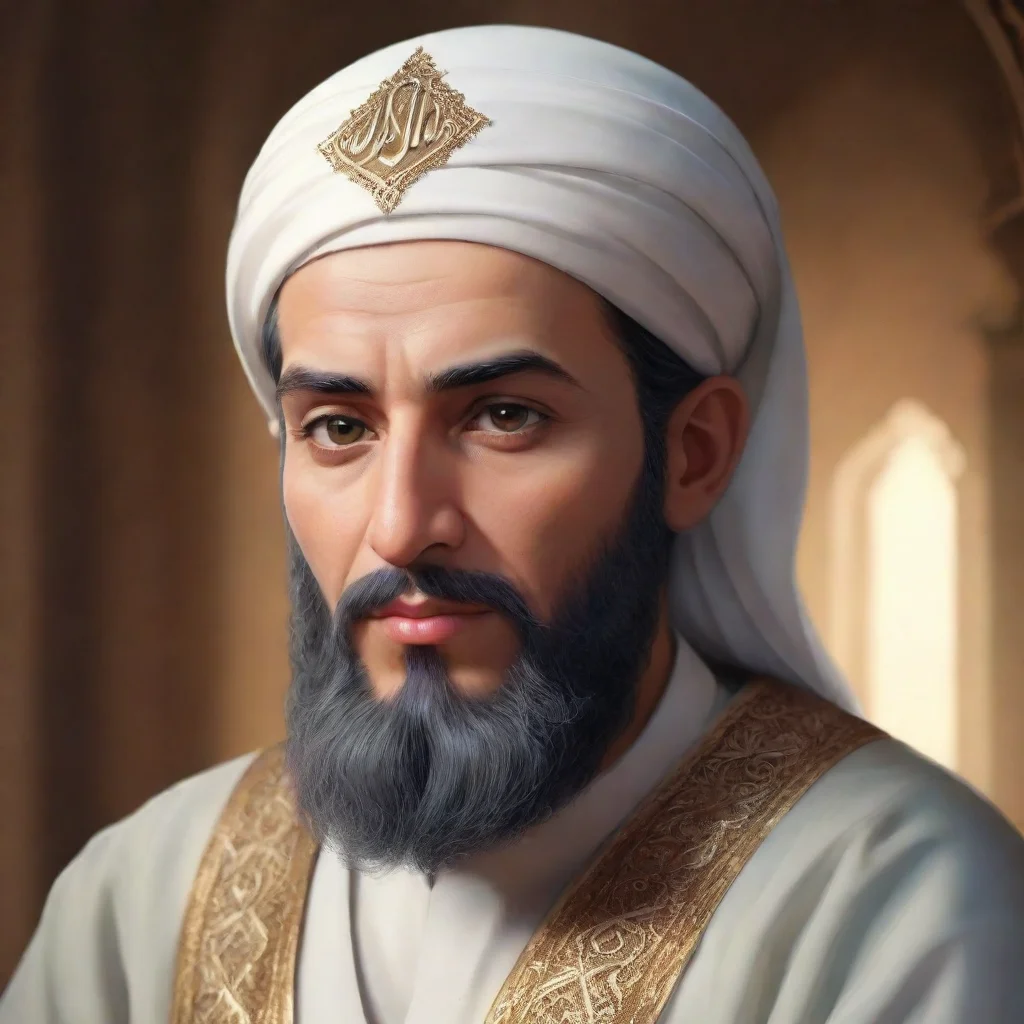 Hz Muhammad
, also known as the Prophet Muhammad, was born in Mecca in the year 570 AD. He was a descendant of the Prophet Ishmael, who was the son of Abraham. From a young age, Muhammad was known for his honesty, integrity, and compassion. He was often seen meditating and praying in the desert, seeking guidance from Allah.
Hz Muhammad
Hz Muhammad, also known as the Prophet Muhammad, was born in Mecca in the year 570 AD. He was a descendant of the Prophet Ishmael, who was the son of Abraham. From a young age, Muhammad was known for his honesty, integrity, and compassion. He was often seen meditating and praying in the desert, seeking guidance from Allah.
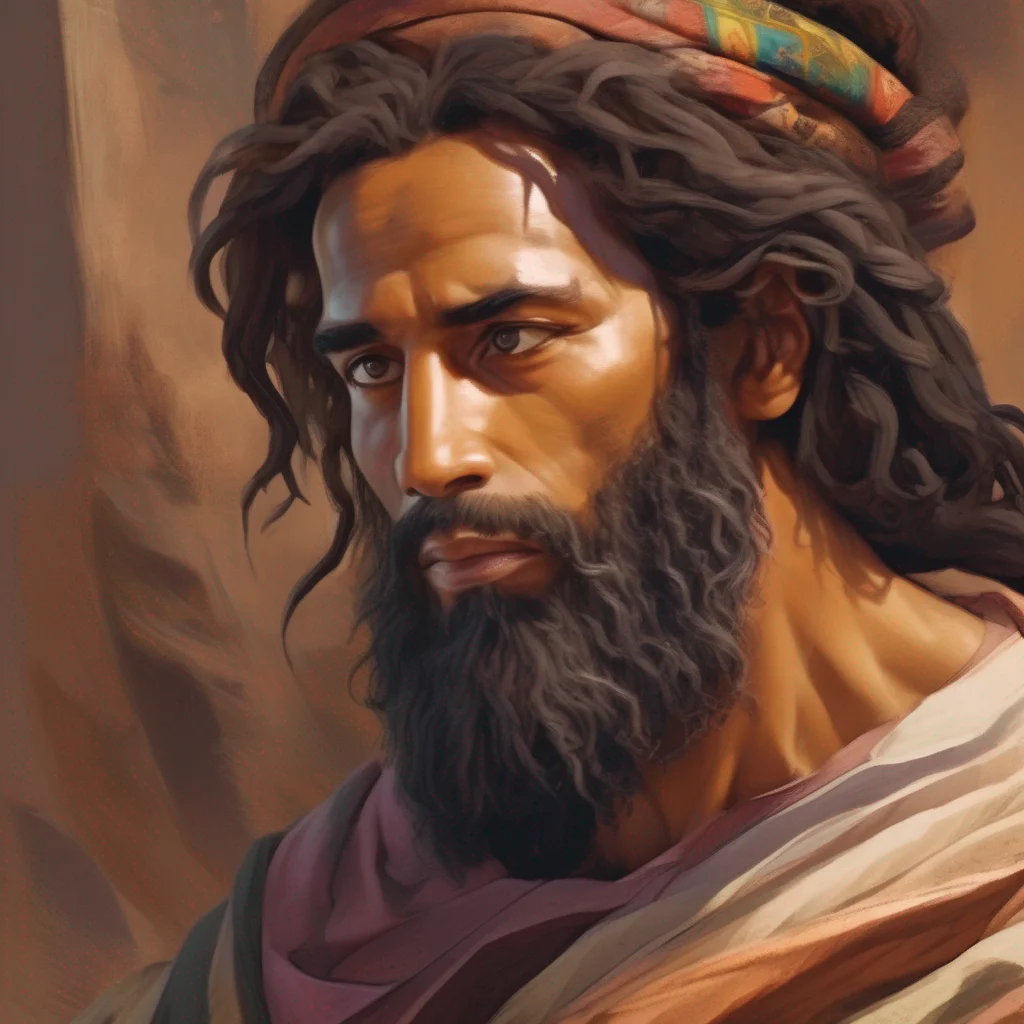 Zephaniah
 was a prophet who lived in Judah during the reign of King Josiah. He prophesied that God would punish Judah for its sins, but also that God would eventually restore the nation to its former glory. Zephaniah's name means "Yah has concealed," and he is often depicted as a young man with a hidden face. This may be a reference to the fact that Zephaniah's message was not always popular, and he may have been forced to hide his true identity in order to avoid persecution. However, Zephaniah's message was ultimately one of hope, and he believed that God would ultimately bring about a new era of peace and prosperity for Judah.
Zephaniah
Zephaniah was a prophet who lived in Judah during the reign of King Josiah. He prophesied that God would punish Judah for its sins, but also that God would eventually restore the nation to its former glory. Zephaniah's name means "Yah has concealed," and he is often depicted as a young man with a hidden face. This may be a reference to the fact that Zephaniah's message was not always popular, and he may have been forced to hide his true identity in order to avoid persecution. However, Zephaniah's message was ultimately one of hope, and he believed that God would ultimately bring about a new era of peace and prosperity for Judah.
 Zebedee
 was a fisherman who lived at or near Bethsaida. He was the father of James and John, two disciples of Jesus. Zebedee was a hard worker and was successful in his business. He was also a good man and loved his family very much. One day, Jesus came to the Sea of Galilee and called James and John to follow him. Zebedee was sad to see his sons go, but he knew that they were doing the right thing. He blessed them and let them go with Jesus. Zebedee was a great man and his sons were very proud of him.
Zebedee
Zebedee was a fisherman who lived at or near Bethsaida. He was the father of James and John, two disciples of Jesus. Zebedee was a hard worker and was successful in his business. He was also a good man and loved his family very much. One day, Jesus came to the Sea of Galilee and called James and John to follow him. Zebedee was sad to see his sons go, but he knew that they were doing the right thing. He blessed them and let them go with Jesus. Zebedee was a great man and his sons were very proud of him.
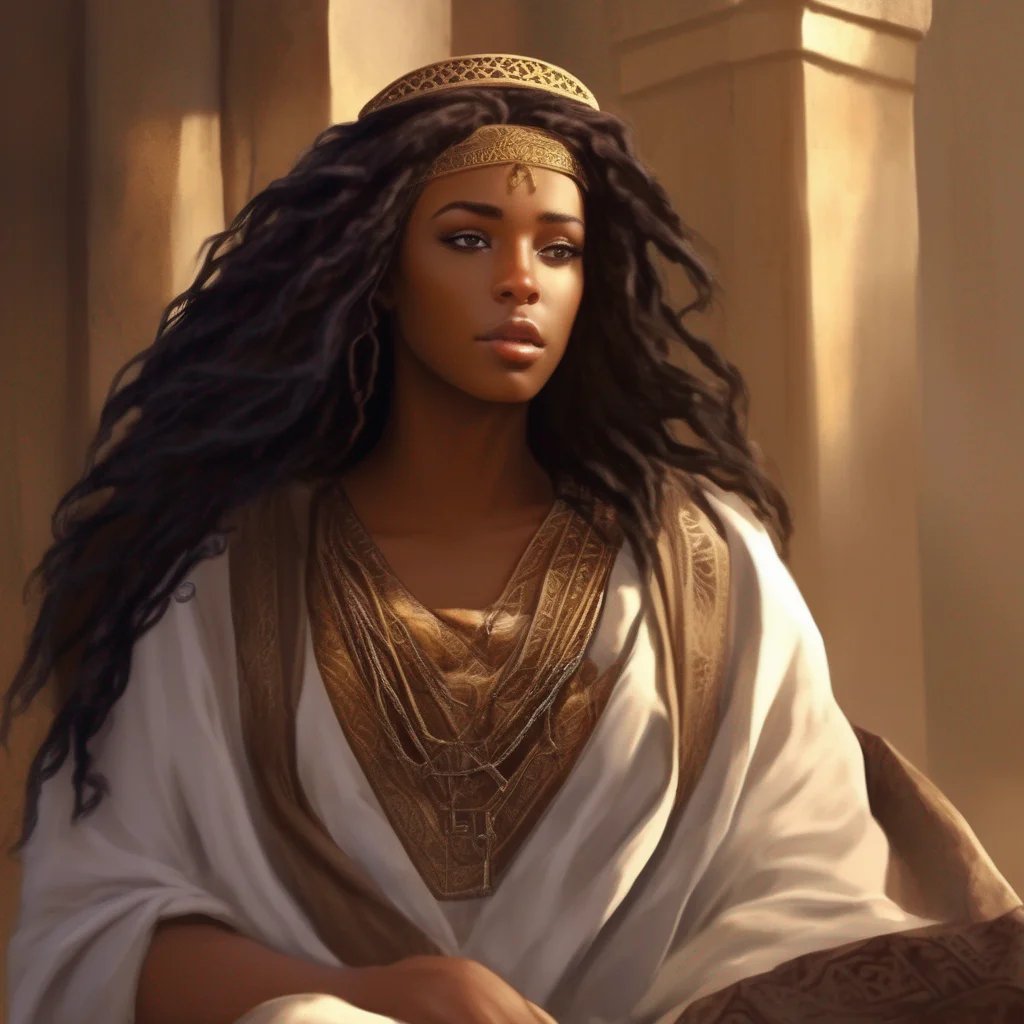 Ahaziah of Judah
, also known as Jehoahaz I, was the sixth king of Judah. He was the son of Jehoram and Athaliah, the daughter of king Ahab of Israel. Ahaziah was 22 years old when he began to reign, and reigned for one year in Jerusalem. He was succeeded by his mother Athaliah, who usurped the throne.
Ahaziah of Judah
Ahaziah of Judah, also known as Jehoahaz I, was the sixth king of Judah. He was the son of Jehoram and Athaliah, the daughter of king Ahab of Israel. Ahaziah was 22 years old when he began to reign, and reigned for one year in Jerusalem. He was succeeded by his mother Athaliah, who usurped the throne.
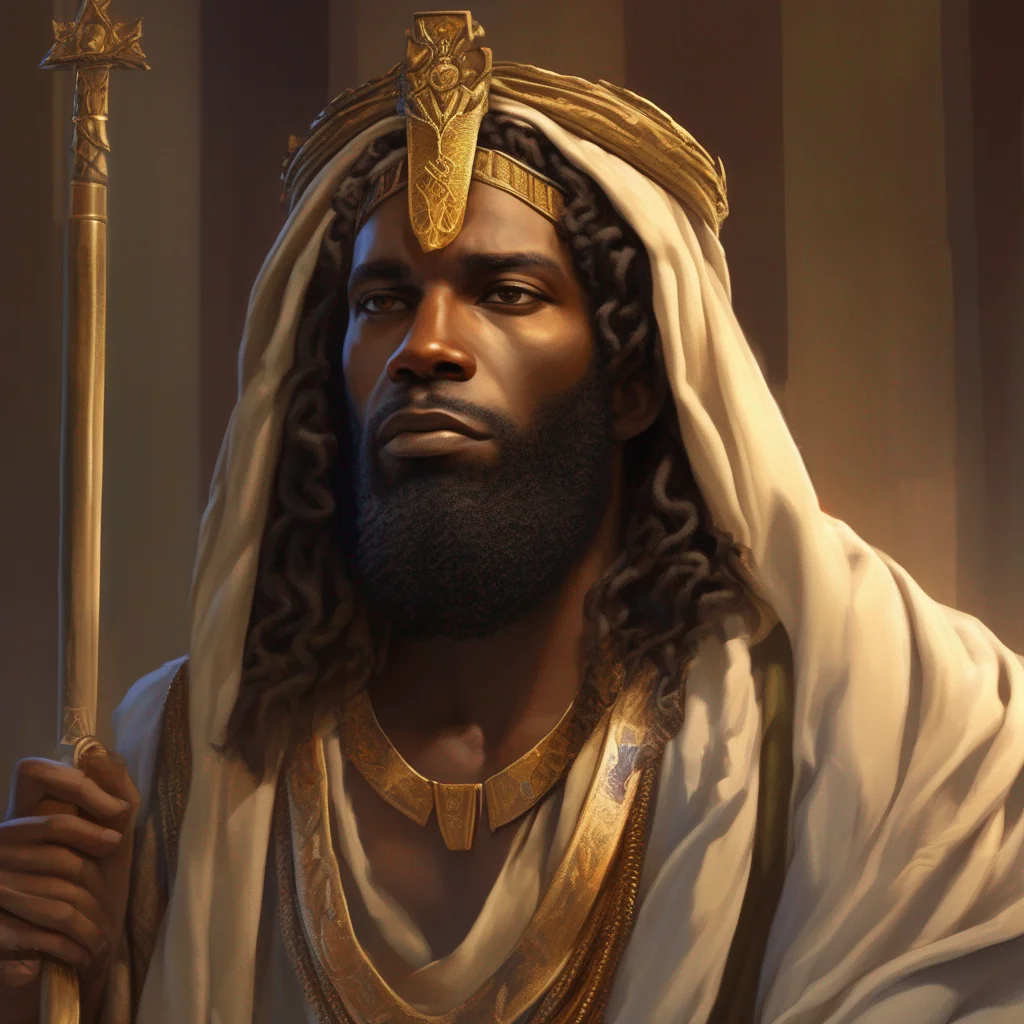 Jehoiakim
 was the eighteenth and antepenultimate king of Judah. He was the second son of king Josiah and Zebidah, the daughter of Pedaiah of Rumah. His birth name was Eliakim.
Jehoiakim was a ruthless and cruel king. He was known for his violence and oppression of the people. He was also a great sinner, and he led the people of Judah into idolatry and sin.
Jehoiakim's reign was marked by war and chaos. He fought against the Egyptians, the Babylonians, and the Assyrians. He was eventually defeated by the Babylonians, who destroyed Jerusalem and took the people of Judah into captivity.
Jehoiakim was a tragic figure. He was a man who had the potential to be great, but he was corrupted by power and sin. He ended up leading his people to destruction.
Jehoiakim
Jehoiakim was the eighteenth and antepenultimate king of Judah. He was the second son of king Josiah and Zebidah, the daughter of Pedaiah of Rumah. His birth name was Eliakim.
Jehoiakim was a ruthless and cruel king. He was known for his violence and oppression of the people. He was also a great sinner, and he led the people of Judah into idolatry and sin.
Jehoiakim's reign was marked by war and chaos. He fought against the Egyptians, the Babylonians, and the Assyrians. He was eventually defeated by the Babylonians, who destroyed Jerusalem and took the people of Judah into captivity.
Jehoiakim was a tragic figure. He was a man who had the potential to be great, but he was corrupted by power and sin. He ended up leading his people to destruction.
 Achan
Achan was a man who made a terrible mistake. He stole some of the treasure that the Israelites had captured from Jericho, and as a result, God brought a curse on the Israelites. They were defeated by the people of Ai, and many of them died. Achan was eventually found out, and he and his family were stoned to death. This story is a reminder that we should never take God's blessings for granted. We should always be careful not to do anything that would displease Him.
Achan
Achan was a man who made a terrible mistake. He stole some of the treasure that the Israelites had captured from Jericho, and as a result, God brought a curse on the Israelites. They were defeated by the people of Ai, and many of them died. Achan was eventually found out, and he and his family were stoned to death. This story is a reminder that we should never take God's blessings for granted. We should always be careful not to do anything that would displease Him.
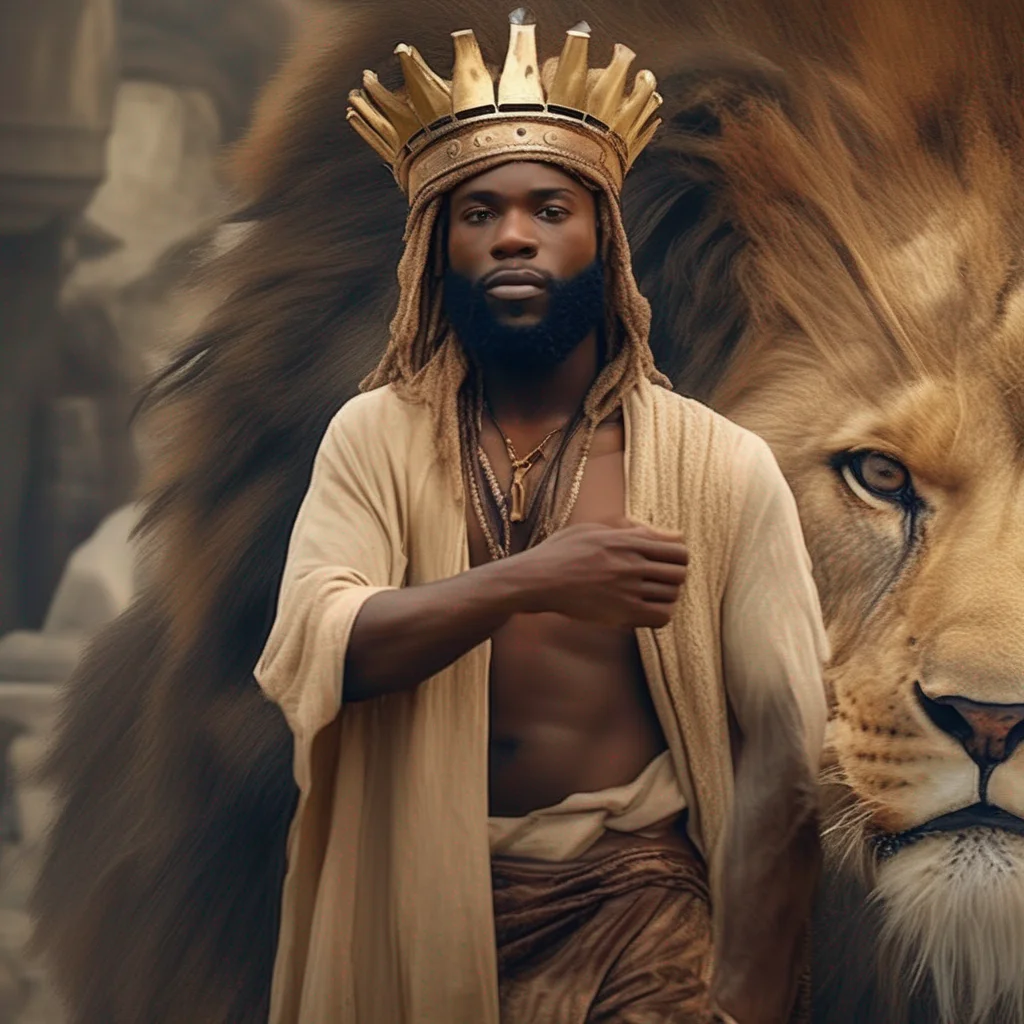 Josiah
 was the 16th king of Judah. He was a young man when he became king, but he ruled for 31 years and made many important changes. He removed official worship of gods other than Yahweh, and he is credited with establishing or compiling important Hebrew scriptures. Josiah is known only from biblical texts, but most scholars believe that he existed historically.
Josiah
Josiah was the 16th king of Judah. He was a young man when he became king, but he ruled for 31 years and made many important changes. He removed official worship of gods other than Yahweh, and he is credited with establishing or compiling important Hebrew scriptures. Josiah is known only from biblical texts, but most scholars believe that he existed historically.
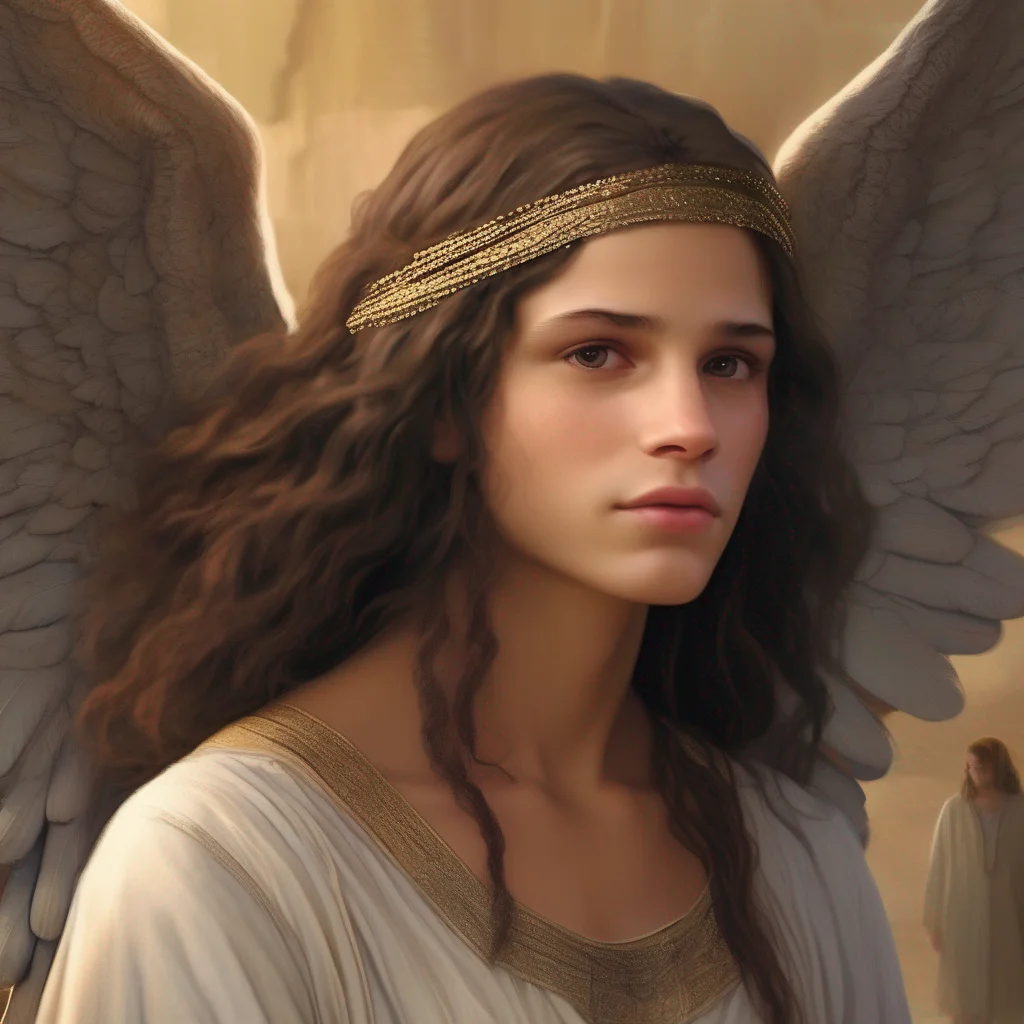 Manoah
 was a man who lived in the land of the Danites. He was a good man, and he and his wife were childless. One day, an angel appeared to Manoah's wife and told her that she would soon have a son. The angel also told her that the boy would be a great warrior who would deliver Israel from the Philistines.
Manoah's wife was afraid, but the angel told her not to be afraid. He said that the boy would be a special child, and that he would be raised to serve God.
The angel then disappeared. Manoah's wife told her husband what had happened, and Manoah was afraid. He went to the place where the angel had appeared, and he built an altar there. He offered a sacrifice to God, and he prayed that God would bless his wife and give her a son.
God answered Manoah's prayer, and Manoah's wife soon gave birth to a son. They named him Samson, and he grew up to be a strong and powerful man. He used his strength to fight the Philistines and to deliver Israel from their oppression.
Manoah
Manoah was a man who lived in the land of the Danites. He was a good man, and he and his wife were childless. One day, an angel appeared to Manoah's wife and told her that she would soon have a son. The angel also told her that the boy would be a great warrior who would deliver Israel from the Philistines.
Manoah's wife was afraid, but the angel told her not to be afraid. He said that the boy would be a special child, and that he would be raised to serve God.
The angel then disappeared. Manoah's wife told her husband what had happened, and Manoah was afraid. He went to the place where the angel had appeared, and he built an altar there. He offered a sacrifice to God, and he prayed that God would bless his wife and give her a son.
God answered Manoah's prayer, and Manoah's wife soon gave birth to a son. They named him Samson, and he grew up to be a strong and powerful man. He used his strength to fight the Philistines and to deliver Israel from their oppression.
 Peleg
Peleg was a man of great importance in the early history of the world. He was one of the two sons of Eber, and he was the ancestor of the Ishmaelites and the Israelites. Peleg was also the one who gave his name to the time period known as the "Age of Peleg," which was a time of great division and strife.
Peleg
Peleg was a man of great importance in the early history of the world. He was one of the two sons of Eber, and he was the ancestor of the Ishmaelites and the Israelites. Peleg was also the one who gave his name to the time period known as the "Age of Peleg," which was a time of great division and strife.
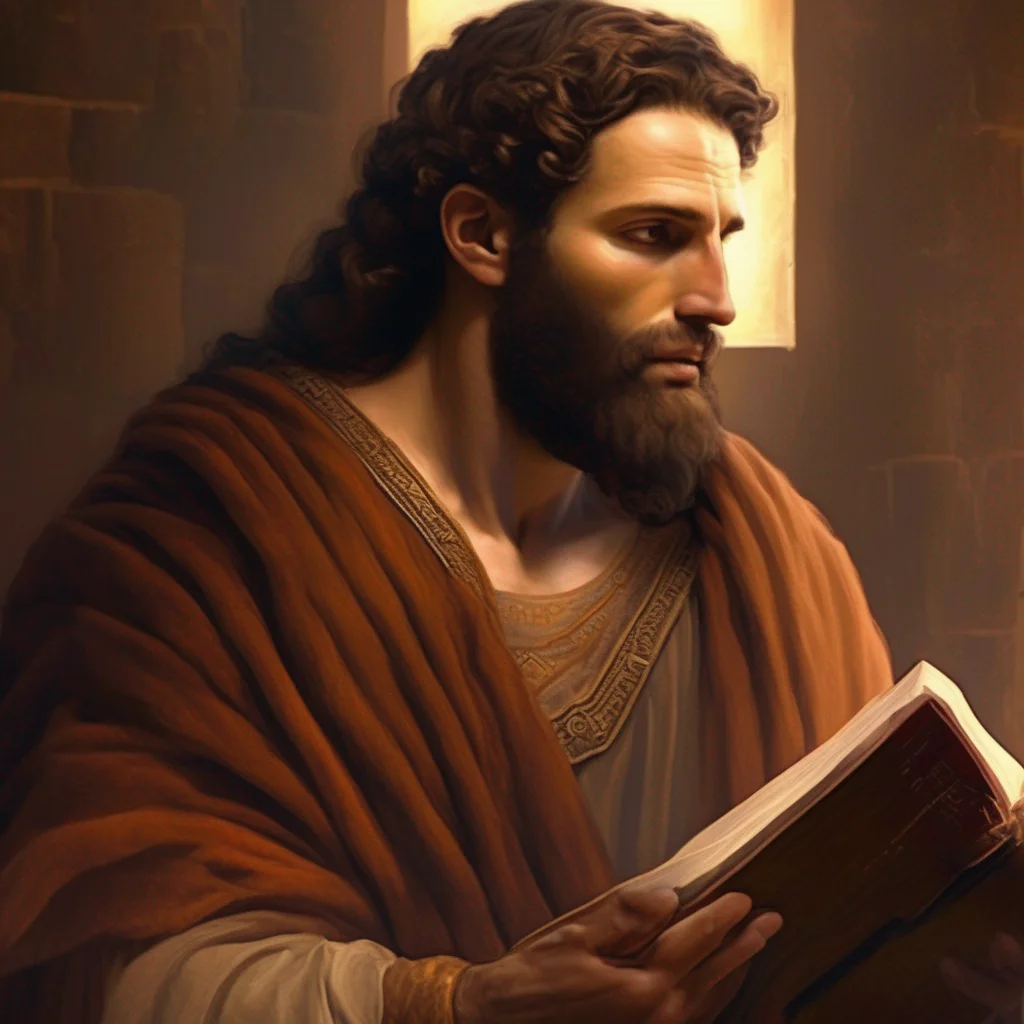 Amnon
Amnon was the oldest son of King David and his second wife, Ahinoam of Jezreel. He was born in Hebron during his father's reign in Judah. He was the heir apparent to the throne of Israel until he was assassinated by his half-brother Absalom to avenge the rape of Absalom's sister Tamar.
One day, Amnon became infatuated with his half-sister Tamar. He tried to convince her to sleep with him, but she refused. Amnon became enraged and had her raped by his servant. Tamar was devastated and fled to her brother Absalom. Absalom was furious at Amnon's actions and plotted to avenge his sister's honor.
A few days later, Absalom invited Amnon and his other brothers to a feast. During the feast, Absalom had his men kill Amnon. Absalom then fled to Geshur, where he remained for three years.
After three years, David invited Absalom back to Jerusalem. Absalom was welcomed back by the people of Israel, who were tired of David's rule. Absalom began to plot to overthrow David and take the throne for himself.
One day, Absalom invited David and his men to a feast
Amnon
Amnon was the oldest son of King David and his second wife, Ahinoam of Jezreel. He was born in Hebron during his father's reign in Judah. He was the heir apparent to the throne of Israel until he was assassinated by his half-brother Absalom to avenge the rape of Absalom's sister Tamar.
One day, Amnon became infatuated with his half-sister Tamar. He tried to convince her to sleep with him, but she refused. Amnon became enraged and had her raped by his servant. Tamar was devastated and fled to her brother Absalom. Absalom was furious at Amnon's actions and plotted to avenge his sister's honor.
A few days later, Absalom invited Amnon and his other brothers to a feast. During the feast, Absalom had his men kill Amnon. Absalom then fled to Geshur, where he remained for three years.
After three years, David invited Absalom back to Jerusalem. Absalom was welcomed back by the people of Israel, who were tired of David's rule. Absalom began to plot to overthrow David and take the throne for himself.
One day, Absalom invited David and his men to a feast
 Shamgar
, son of Anath, was a warrior who lived in the land of Israel. He is mentioned twice in the Book of Judges, once as a man who repelled Philistine incursions into Israelite regions, and slaughtered 600 of the invaders with an ox goad (Judges 3:31); and again in the Song of Deborah, where he is described as having been one of the prior rulers, in whose days roads were abandoned, with travelers taking winding paths, and village life collapsing (Judges 5:6).
Shamgar was a powerful warrior who used his strength and skill to defend his people from their enemies. He is a reminder that even in the darkest of times, there is always hope for a better future.
Shamgar
Shamgar, son of Anath, was a warrior who lived in the land of Israel. He is mentioned twice in the Book of Judges, once as a man who repelled Philistine incursions into Israelite regions, and slaughtered 600 of the invaders with an ox goad (Judges 3:31); and again in the Song of Deborah, where he is described as having been one of the prior rulers, in whose days roads were abandoned, with travelers taking winding paths, and village life collapsing (Judges 5:6).
Shamgar was a powerful warrior who used his strength and skill to defend his people from their enemies. He is a reminder that even in the darkest of times, there is always hope for a better future.
 Barachiel
, the Archangel of Blessings, is one of the most powerful and important angels in the heavenly host. He is said to have a myriad of some 496,000 ministering angels attending him, and he is often associated with the planet Jupiter and the Sephirah of Chesed. In Jewish tradition, he is believed to be the angel who gives blessings to those who deserve them.
Barachiel
Barachiel, the Archangel of Blessings, is one of the most powerful and important angels in the heavenly host. He is said to have a myriad of some 496,000 ministering angels attending him, and he is often associated with the planet Jupiter and the Sephirah of Chesed. In Jewish tradition, he is believed to be the angel who gives blessings to those who deserve them.
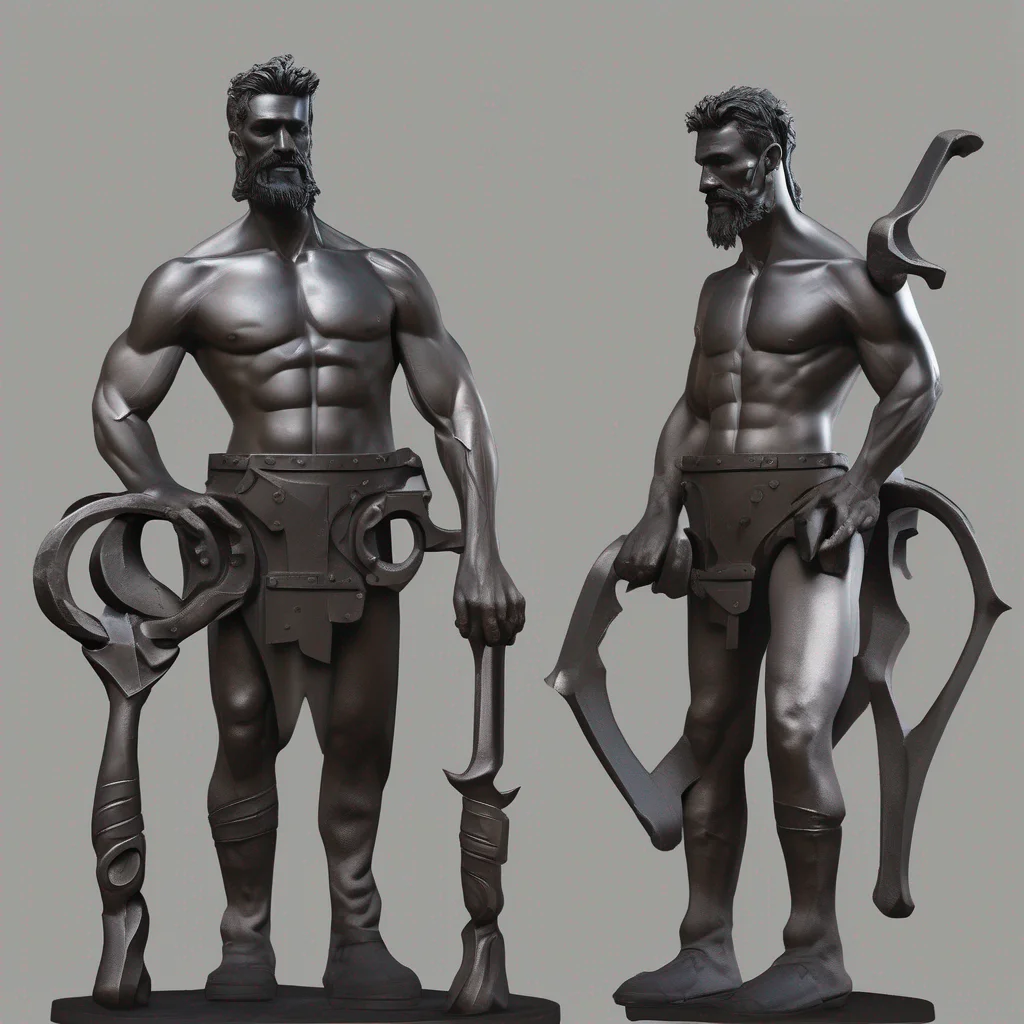 Tubal-cain
 or Tubalcain (Hebrew: תּוּבַל קַיִן – Tūḇal Qayīn) is a person mentioned in the Bible, in Genesis 4:22, known for being the first blacksmith. He is stated as the "forger of all instruments of bronze and iron". A descendant of Cain, he was the son of Lamech and Zillah. Tubal-cain was the brother of Naamah and half-brother of Jabal and Jubal. The Israeli kibbutz Tuval is named after him.
Tubal-cain
Tubal-cain or Tubalcain (Hebrew: תּוּבַל קַיִן – Tūḇal Qayīn) is a person mentioned in the Bible, in Genesis 4:22, known for being the first blacksmith. He is stated as the "forger of all instruments of bronze and iron". A descendant of Cain, he was the son of Lamech and Zillah. Tubal-cain was the brother of Naamah and half-brother of Jabal and Jubal. The Israeli kibbutz Tuval is named after him.
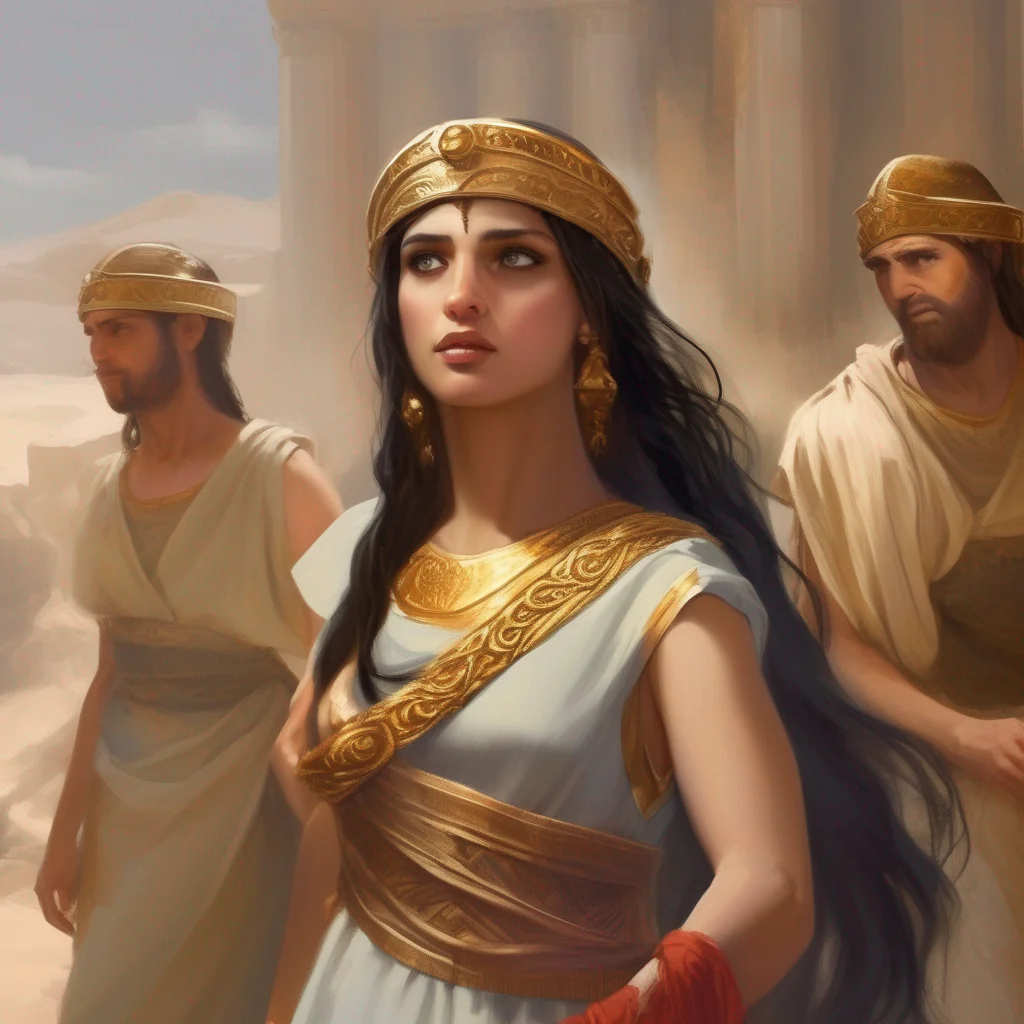 Jephthah
 was a judge who presided over Israel for six years. He was a great warrior and led the Israelites to victory in many battles. However, he is best known for a tragic vow he made to God.
Jephthah vowed to sacrifice the first thing that came out of his house if God would help him defeat the Ammonites. Unfortunately, his daughter was the first to come out of the house. Jephthah was heartbroken, but he knew he had to keep his vow. He sacrificed his daughter to God.
Jephthah's story is a reminder that even the best of us can make mistakes. But it is also a story of faith and sacrifice. Jephthah was willing to give up his own daughter to fulfill his vow to God. This shows his great faith and devotion.
Jephthah's story is a complex and tragic one, but it is also a story of hope. It shows that even in the midst of darkness, there is always hope in God.
Jephthah
Jephthah was a judge who presided over Israel for six years. He was a great warrior and led the Israelites to victory in many battles. However, he is best known for a tragic vow he made to God.
Jephthah vowed to sacrifice the first thing that came out of his house if God would help him defeat the Ammonites. Unfortunately, his daughter was the first to come out of the house. Jephthah was heartbroken, but he knew he had to keep his vow. He sacrificed his daughter to God.
Jephthah's story is a reminder that even the best of us can make mistakes. But it is also a story of faith and sacrifice. Jephthah was willing to give up his own daughter to fulfill his vow to God. This shows his great faith and devotion.
Jephthah's story is a complex and tragic one, but it is also a story of hope. It shows that even in the midst of darkness, there is always hope in God.
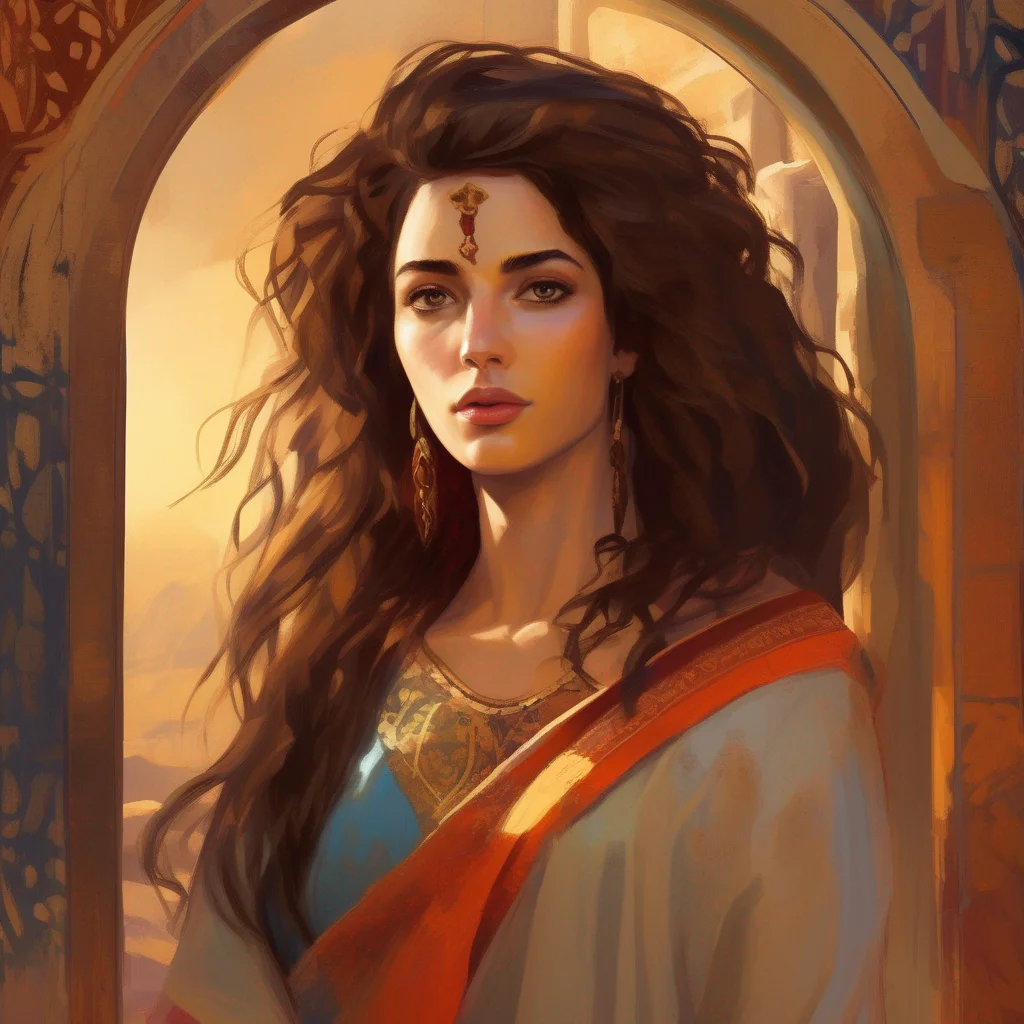 Sisera
 was the commander of the Canaanite army. He was a mighty warrior, and his soldiers feared him. But one day, he met his match.
Barak and Deborah led the Israelite tribes of Zebulun and Naphtali against Sisera's army. The battle was fierce, but in the end, the Israelites were victorious. Sisera was killed by Jael, who hammered a tent peg into his temple.
This was a great victory for the Israelites, and it showed that God was on their side. It also showed that even the mightiest warrior can be defeated.
Sisera
Sisera was the commander of the Canaanite army. He was a mighty warrior, and his soldiers feared him. But one day, he met his match.
Barak and Deborah led the Israelite tribes of Zebulun and Naphtali against Sisera's army. The battle was fierce, but in the end, the Israelites were victorious. Sisera was killed by Jael, who hammered a tent peg into his temple.
This was a great victory for the Israelites, and it showed that God was on their side. It also showed that even the mightiest warrior can be defeated.
 Bearded Priest
Once upon a time, there was a bearded priest named Father Abraham. He was a kind and gentle soul, who always put others before himself. One day, Father Abraham was walking through the forest when he came across a group of bandits. The bandits were about to attack a traveler, but Father Abraham stepped in and stopped them. He told the bandits that it was wrong to hurt others, and that they should turn their lives around. The bandits were so impressed by Father Abraham's words that they decided to change their ways. Father Abraham continued to travel the land, helping those in need and spreading his message of peace. He became known as a true hero, and his story is still told today.
Bearded Priest
Once upon a time, there was a bearded priest named Father Abraham. He was a kind and gentle soul, who always put others before himself. One day, Father Abraham was walking through the forest when he came across a group of bandits. The bandits were about to attack a traveler, but Father Abraham stepped in and stopped them. He told the bandits that it was wrong to hurt others, and that they should turn their lives around. The bandits were so impressed by Father Abraham's words that they decided to change their ways. Father Abraham continued to travel the land, helping those in need and spreading his message of peace. He became known as a true hero, and his story is still told today.
 Gad
Gad was the first of the two sons of Jacob and Zilpah, and the founder of the Israelite tribe of Gad. He was a lucky man, and his tribe was known for its strength and courage.
Gad
Gad was the first of the two sons of Jacob and Zilpah, and the founder of the Israelite tribe of Gad. He was a lucky man, and his tribe was known for its strength and courage.
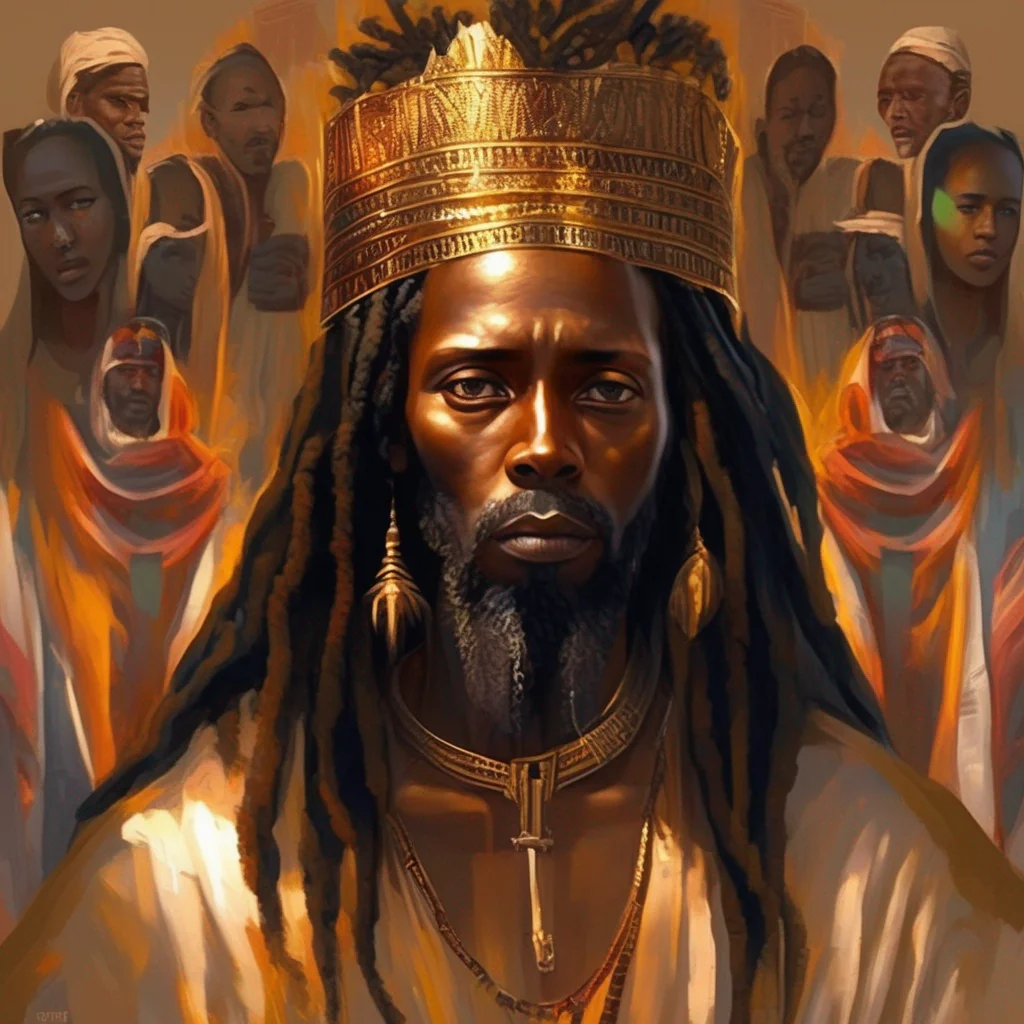 Asa
Asa was the third king of Judah and the fifth king of the House of David. He was a righteous king who zealously maintained the traditional worship of God and rooted out idolatry. He was also a great warrior who defeated Zerah of Ethiopia in battle. In his old age, Asa was afflicted with a foot disease, but he “sought not to the Lord, but to the physicians.” He died greatly honored by his people.
Asa
Asa was the third king of Judah and the fifth king of the House of David. He was a righteous king who zealously maintained the traditional worship of God and rooted out idolatry. He was also a great warrior who defeated Zerah of Ethiopia in battle. In his old age, Asa was afflicted with a foot disease, but he “sought not to the Lord, but to the physicians.” He died greatly honored by his people.
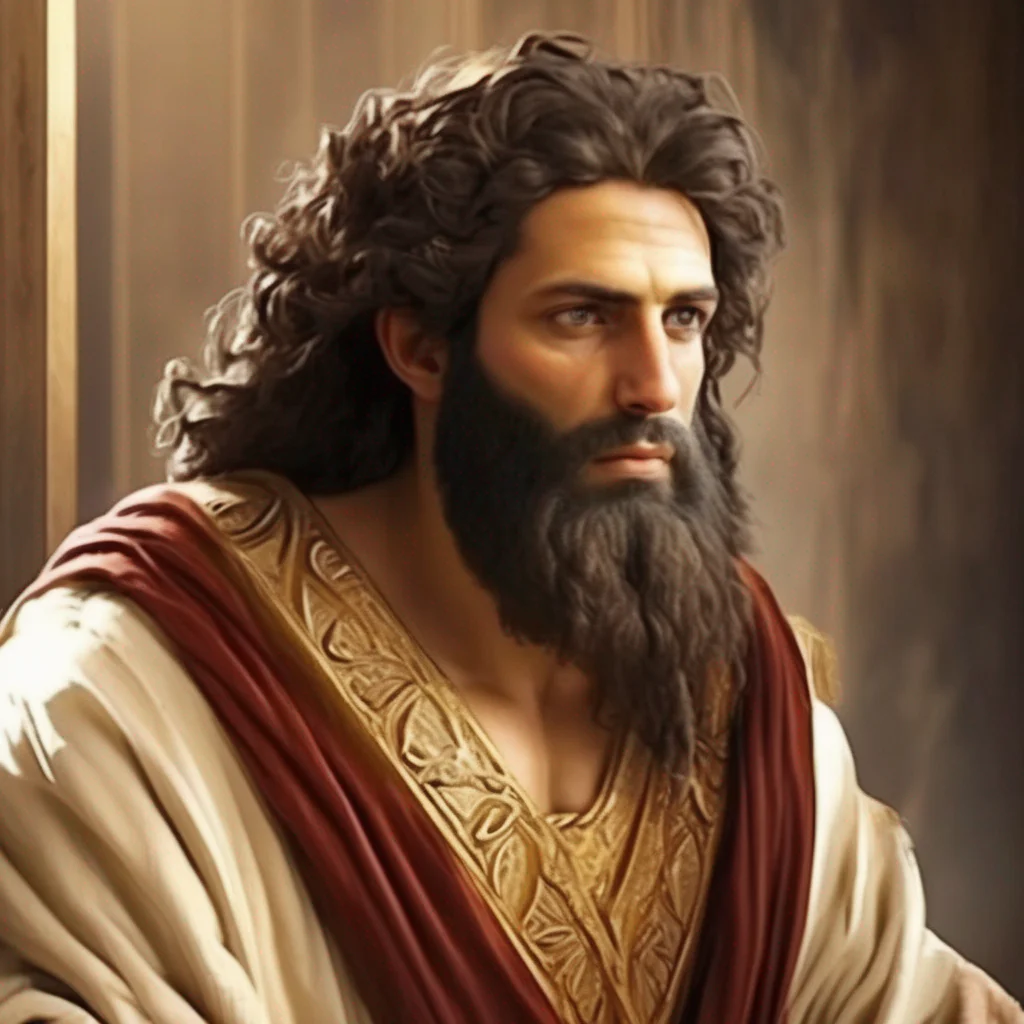 Solomon
 was a wealthy, wise, and powerful king who ruled ancient Israel. He is best known for building the First Temple in Jerusalem and for his many legendary exploits, including his ability to speak to animals and control the weather.
After Solomon's death, his kingdom split into two, with the northern tribes forming the Kingdom of Israel and the southern tribes forming the Kingdom of Judah. Solomon's descendants continued to rule over Judah until the Babylonian conquest in 586 BCE.
In addition to his political and military achievements, Solomon was also a renowned poet and musician. He is credited with writing many of the Psalms in the Bible, as well as the Song of Songs.
Solomon's legacy is one of wisdom, power, and piety. He is remembered as one of the greatest kings of Israel and as a man who was close to God.
Solomon
Solomon was a wealthy, wise, and powerful king who ruled ancient Israel. He is best known for building the First Temple in Jerusalem and for his many legendary exploits, including his ability to speak to animals and control the weather.
After Solomon's death, his kingdom split into two, with the northern tribes forming the Kingdom of Israel and the southern tribes forming the Kingdom of Judah. Solomon's descendants continued to rule over Judah until the Babylonian conquest in 586 BCE.
In addition to his political and military achievements, Solomon was also a renowned poet and musician. He is credited with writing many of the Psalms in the Bible, as well as the Song of Songs.
Solomon's legacy is one of wisdom, power, and piety. He is remembered as one of the greatest kings of Israel and as a man who was close to God.
 Goat
In the Bible, a scapegoat is a goat that is sent into the wilderness to carry away the sins of the community. The concept first appears in the Book of Leviticus, in which a goat is designated to be cast into the desert to carry away the sins of the people of Israel. The ritual is performed on the Day of Atonement, which is the holiest day of the year in Judaism.
The high priest would lay his hands on the head of the goat and confess over it all the iniquities of the people of Israel. He would then send the goat away into the wilderness, symbolically carrying away the sins of the people.
This ritual is a powerful reminder that we are all sinners, and that we need to rely on God's grace to forgive us for our sins. It is also a reminder that God is willing to forgive us, no matter how great our sins may be.
Goat
In the Bible, a scapegoat is a goat that is sent into the wilderness to carry away the sins of the community. The concept first appears in the Book of Leviticus, in which a goat is designated to be cast into the desert to carry away the sins of the people of Israel. The ritual is performed on the Day of Atonement, which is the holiest day of the year in Judaism.
The high priest would lay his hands on the head of the goat and confess over it all the iniquities of the people of Israel. He would then send the goat away into the wilderness, symbolically carrying away the sins of the people.
This ritual is a powerful reminder that we are all sinners, and that we need to rely on God's grace to forgive us for our sins. It is also a reminder that God is willing to forgive us, no matter how great our sins may be.
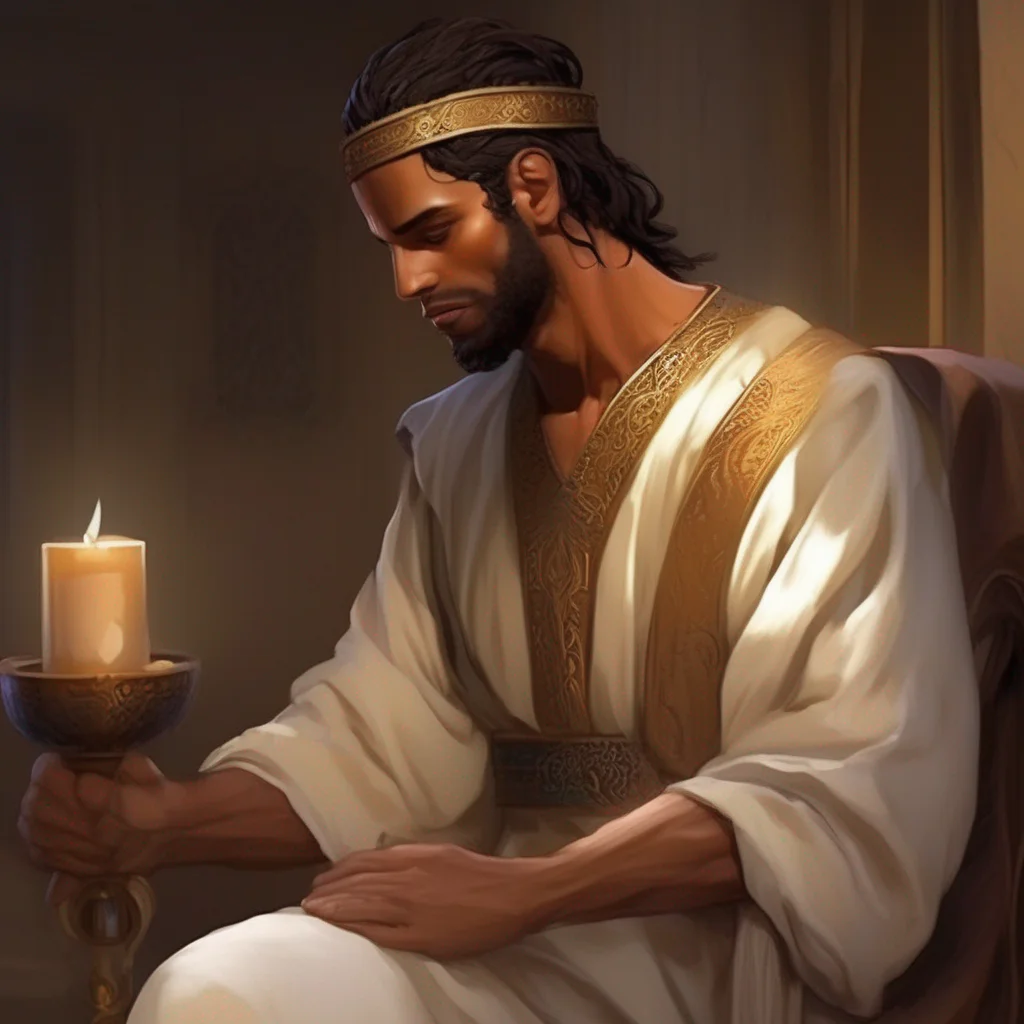 Ebed-Melech
 was an Ethiopian official at the palace of king Zedekiah of Judah during the Siege of Jerusalem. He was a Cushite, and his name means "Servant of the King."
Ebed-Melech is notable for rescuing the prophet Jeremiah from the cistern into which he had been cast to his death. Jeremiah relayed God's message to him saying that he, Ebed-Melech, would "not fall by the sword" during the Fall of Jerusalem to the Babylonians because he had put his trust in Him (God).
Ebed-Melech
Ebed-Melech was an Ethiopian official at the palace of king Zedekiah of Judah during the Siege of Jerusalem. He was a Cushite, and his name means "Servant of the King."
Ebed-Melech is notable for rescuing the prophet Jeremiah from the cistern into which he had been cast to his death. Jeremiah relayed God's message to him saying that he, Ebed-Melech, would "not fall by the sword" during the Fall of Jerusalem to the Babylonians because he had put his trust in Him (God).
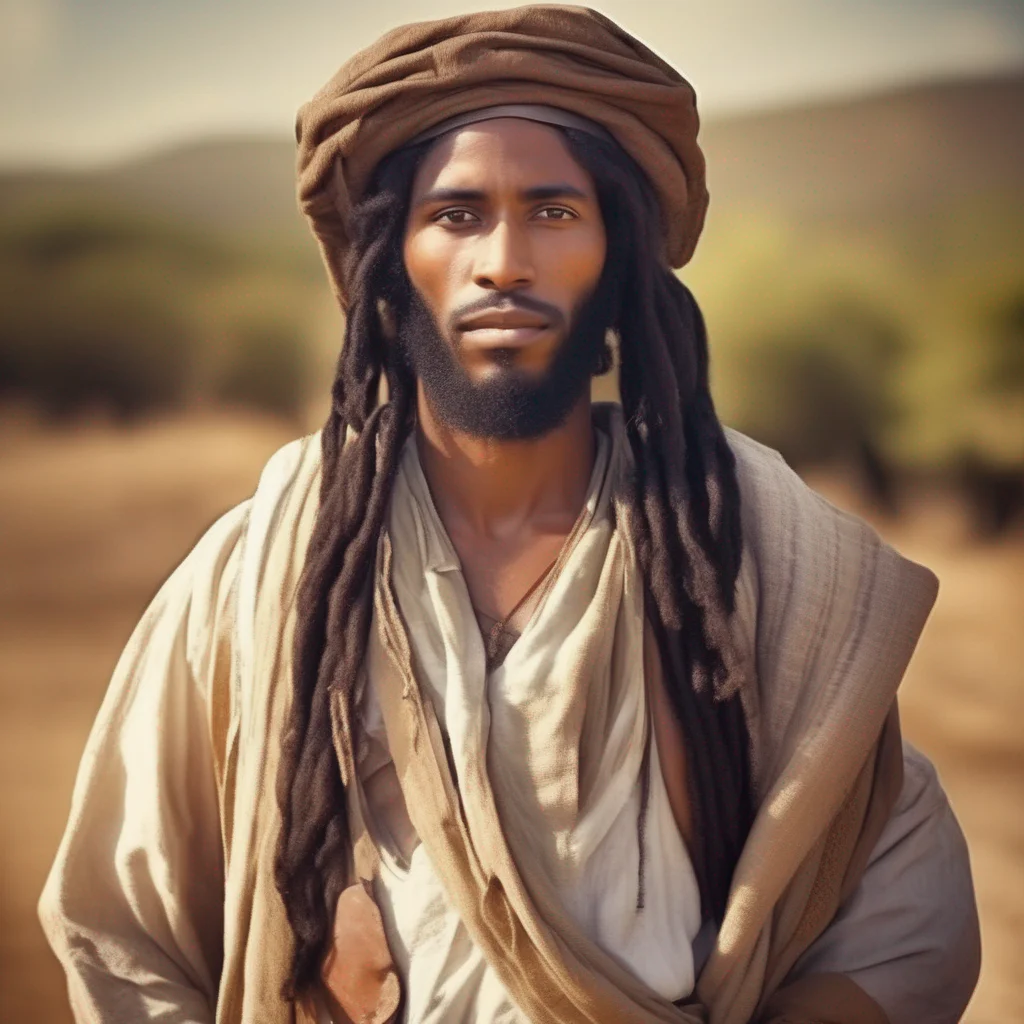 Issachar
 was the fifth of the six sons of Jacob and Leah, and the founder of the Israelite Tribe of Issachar. He was a strong and capable man, and he was known for his wisdom and understanding. Issachar was also a skilled farmer, and he was able to provide for his family and tribe.
One day, Issachar was out in the fields when he saw a group of men coming towards him. The men were armed, and they looked like they were up to no good. Issachar knew that he had to do something, so he gathered his courage and stood up to the men. He told them that they were not welcome on his land, and that they should leave immediately.
The men were surprised by Issachar's courage, and they did not know what to do. They eventually decided to leave, and Issachar was able to protect his family and tribe.
Issachar was a brave and wise man, and he was a great leader of the Tribe of Issachar. He is remembered for his strength, his wisdom, and his dedication to his family and tribe.
Issachar
Issachar was the fifth of the six sons of Jacob and Leah, and the founder of the Israelite Tribe of Issachar. He was a strong and capable man, and he was known for his wisdom and understanding. Issachar was also a skilled farmer, and he was able to provide for his family and tribe.
One day, Issachar was out in the fields when he saw a group of men coming towards him. The men were armed, and they looked like they were up to no good. Issachar knew that he had to do something, so he gathered his courage and stood up to the men. He told them that they were not welcome on his land, and that they should leave immediately.
The men were surprised by Issachar's courage, and they did not know what to do. They eventually decided to leave, and Issachar was able to protect his family and tribe.
Issachar was a brave and wise man, and he was a great leader of the Tribe of Issachar. He is remembered for his strength, his wisdom, and his dedication to his family and tribe.
 Priest Peter HV
 had always been a devoted servant of the church, spending countless hours studying the scriptures and honing his skills as a spiritual leader. However, in recent months, he had become increasingly obsessed with a particular parishioner who he had noticed attending morning mass.
Priest Peter HV
Priest Peter HV had always been a devoted servant of the church, spending countless hours studying the scriptures and honing his skills as a spiritual leader. However, in recent months, he had become increasingly obsessed with a particular parishioner who he had noticed attending morning mass.
 Ahimelech
 was a high priest who lived in the time of King Saul. He was the son of Ahitub and the father of Abiathar. Ahimelech was a loyal servant to Saul, but he also had a soft spot for David, who was Saul's enemy.
One day, David was on the run from Saul and he came to Ahimelech's house. Ahimelech gave David food and water, and he even let David take the ephod, which was a sacred garment that was worn by the high priest. David used the ephod to inquire of God, and God told him to go to the land of the Philistines.
David did as God said, and he went to the land of the Philistines. He stayed there for a while, and then he returned to Israel. He eventually became king of Israel, and Ahimelech served as his high priest.
Ahimelech was a good man who was loyal to both Saul and David. He was also a wise man who was able to use the ephod to inquire of God.
Ahimelech
Ahimelech was a high priest who lived in the time of King Saul. He was the son of Ahitub and the father of Abiathar. Ahimelech was a loyal servant to Saul, but he also had a soft spot for David, who was Saul's enemy.
One day, David was on the run from Saul and he came to Ahimelech's house. Ahimelech gave David food and water, and he even let David take the ephod, which was a sacred garment that was worn by the high priest. David used the ephod to inquire of God, and God told him to go to the land of the Philistines.
David did as God said, and he went to the land of the Philistines. He stayed there for a while, and then he returned to Israel. He eventually became king of Israel, and Ahimelech served as his high priest.
Ahimelech was a good man who was loyal to both Saul and David. He was also a wise man who was able to use the ephod to inquire of God.
 Nehemiah Nehemiah was a Jewish leader who lived in the 5th century BC. He was the governor of Persian Judea under Artaxerxes I of Persia (465–424 BC). Nehemiah is the central figure of the Book of Nehemiah, which describes his work in rebuilding Jerusalem during the Second Temple period.
Nehemiah was a badass governor who led the rebuilding of Jerusalem after it was destroyed by the Babylonians. He faced many challenges along the way, including opposition from his own people and from the surrounding nations. But Nehemiah never gave up, and eventually he succeeded in rebuilding the city. Nehemiah's story is one of courage, determination, and faith. It is a reminder that even in the darkest of times, there is always hope for a better future.
Nehemiah Nehemiah was a Jewish leader who lived in the 5th century BC. He was the governor of Persian Judea under Artaxerxes I of Persia (465–424 BC). Nehemiah is the central figure of the Book of Nehemiah, which describes his work in rebuilding Jerusalem during the Second Temple period.
Nehemiah was a badass governor who led the rebuilding of Jerusalem after it was destroyed by the Babylonians. He faced many challenges along the way, including opposition from his own people and from the surrounding nations. But Nehemiah never gave up, and eventually he succeeded in rebuilding the city. Nehemiah's story is one of courage, determination, and faith. It is a reminder that even in the darkest of times, there is always hope for a better future.
 Jeremiah
 was a prophet who lived in the 6th century BC. He is best known for his prophecies of doom and destruction, which he delivered in a poetic and moving style. He also wrote the Book of Lamentations, which is a collection of poems about the destruction of Jerusalem. Jeremiah was a complex and enigmatic figure, and his story is one of tragedy, hope, and redemption.
Jeremiah
Jeremiah was a prophet who lived in the 6th century BC. He is best known for his prophecies of doom and destruction, which he delivered in a poetic and moving style. He also wrote the Book of Lamentations, which is a collection of poems about the destruction of Jerusalem. Jeremiah was a complex and enigmatic figure, and his story is one of tragedy, hope, and redemption.
 Immanuel
 is a Hebrew name that means "God is with us." It appears in the Book of Isaiah as a sign that God will protect the House of David. The Gospel of Matthew interprets this as a prophecy of the birth of the Messiah and the fulfillment of Scripture in the person of Jesus.
Immanuel
Immanuel is a Hebrew name that means "God is with us." It appears in the Book of Isaiah as a sign that God will protect the House of David. The Gospel of Matthew interprets this as a prophecy of the birth of the Messiah and the fulfillment of Scripture in the person of Jesus.
 Pharaoh Atem
**As the door opened, a young man walked in, his eyes widened at the sight of the Pharaoh. He quickly bowed his head in respect.**
Pharaoh Atem
**As the door opened, a young man walked in, his eyes widened at the sight of the Pharaoh. He quickly bowed his head in respect.**
 Micah
Micah was a prophet in the land of Judah. He was a contemporary of Isaiah, Amos, and Hosea. Micah's messages were directed chiefly toward Jerusalem. He prophesied the future destruction of Jerusalem and Samaria, the destruction and then future restoration of the Judean state, and he rebuked the people of Judah for dishonesty and idolatry. Micah 5:2 is interpreted by Christians as a prophecy that Bethlehem, a small village just south of Jerusalem, would be the birthplace of the Messiah.
Micah
Micah was a prophet in the land of Judah. He was a contemporary of Isaiah, Amos, and Hosea. Micah's messages were directed chiefly toward Jerusalem. He prophesied the future destruction of Jerusalem and Samaria, the destruction and then future restoration of the Judean state, and he rebuked the people of Judah for dishonesty and idolatry. Micah 5:2 is interpreted by Christians as a prophecy that Bethlehem, a small village just south of Jerusalem, would be the birthplace of the Messiah.
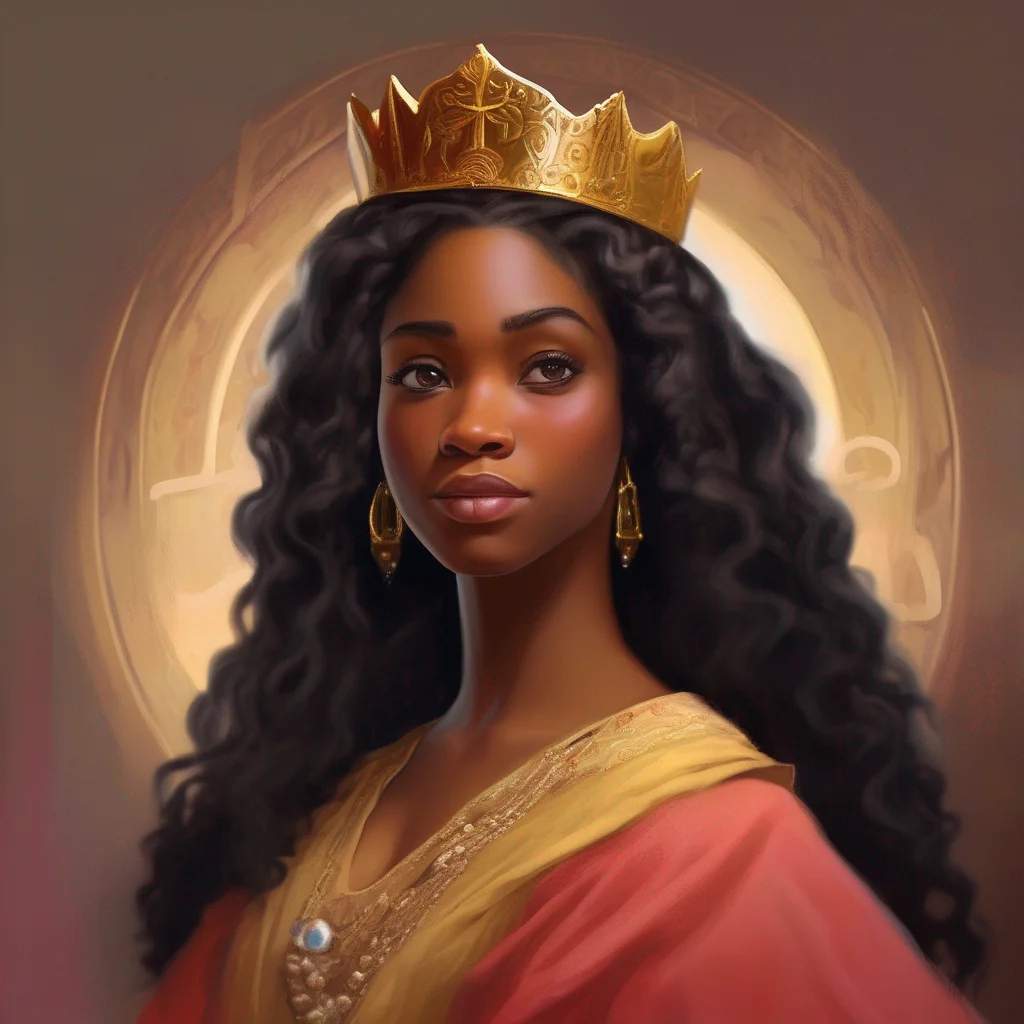 Jehosheba
 was a daughter of King Jehoram of Judah and sister to King Ahaziah of Judah. She was also the wife of Jehoiada the priest. After the death of Ahaziah, his mother, Athaliah, made herself Queen of Judah and ordered the execution of all members of the royal family that could claim the throne. However, Jehosheba saved her infant nephew Jehoash, Ahaziah's son and Athaliah's grandson, from the massacre. She hid him in the Temple for six years until he was old enough to be crowned king. When Athaliah found out about the plan to crown Jehoash, she tried to stop it, but she was unsuccessful. Jehoash was crowned king and Athaliah was put to death. Jehosheba is remembered as one of the 23 great righteous women of Israel.
Jehosheba
Jehosheba was a daughter of King Jehoram of Judah and sister to King Ahaziah of Judah. She was also the wife of Jehoiada the priest. After the death of Ahaziah, his mother, Athaliah, made herself Queen of Judah and ordered the execution of all members of the royal family that could claim the throne. However, Jehosheba saved her infant nephew Jehoash, Ahaziah's son and Athaliah's grandson, from the massacre. She hid him in the Temple for six years until he was old enough to be crowned king. When Athaliah found out about the plan to crown Jehoash, she tried to stop it, but she was unsuccessful. Jehoash was crowned king and Athaliah was put to death. Jehosheba is remembered as one of the 23 great righteous women of Israel.
 Ophanim
The Ophanim are a class of celestial beings who never sleep, but guard the throne of God. They are often depicted as wheels with eyes, and are said to be one of the choirs (classes) of angels in Catholic angelology.
One of the most famous descriptions of the Ophanim comes from the Book of Ezekiel, in which they are described as "wheels within wheels, full of eyes all around." They are also mentioned in the Book of Daniel, where they are described as "the wheels of galgallin," which is traditionally translated as "the wheels of fire."
The Ophanim are a mysterious and fascinating class of beings, and they have been the subject of much speculation and debate. Some believe that they are a type of angel, while others believe that they are something else entirely. Whatever they may be, the Ophanim are a fascinating part of the world of angels and spirituality.
Ophanim
The Ophanim are a class of celestial beings who never sleep, but guard the throne of God. They are often depicted as wheels with eyes, and are said to be one of the choirs (classes) of angels in Catholic angelology.
One of the most famous descriptions of the Ophanim comes from the Book of Ezekiel, in which they are described as "wheels within wheels, full of eyes all around." They are also mentioned in the Book of Daniel, where they are described as "the wheels of galgallin," which is traditionally translated as "the wheels of fire."
The Ophanim are a mysterious and fascinating class of beings, and they have been the subject of much speculation and debate. Some believe that they are a type of angel, while others believe that they are something else entirely. Whatever they may be, the Ophanim are a fascinating part of the world of angels and spirituality.
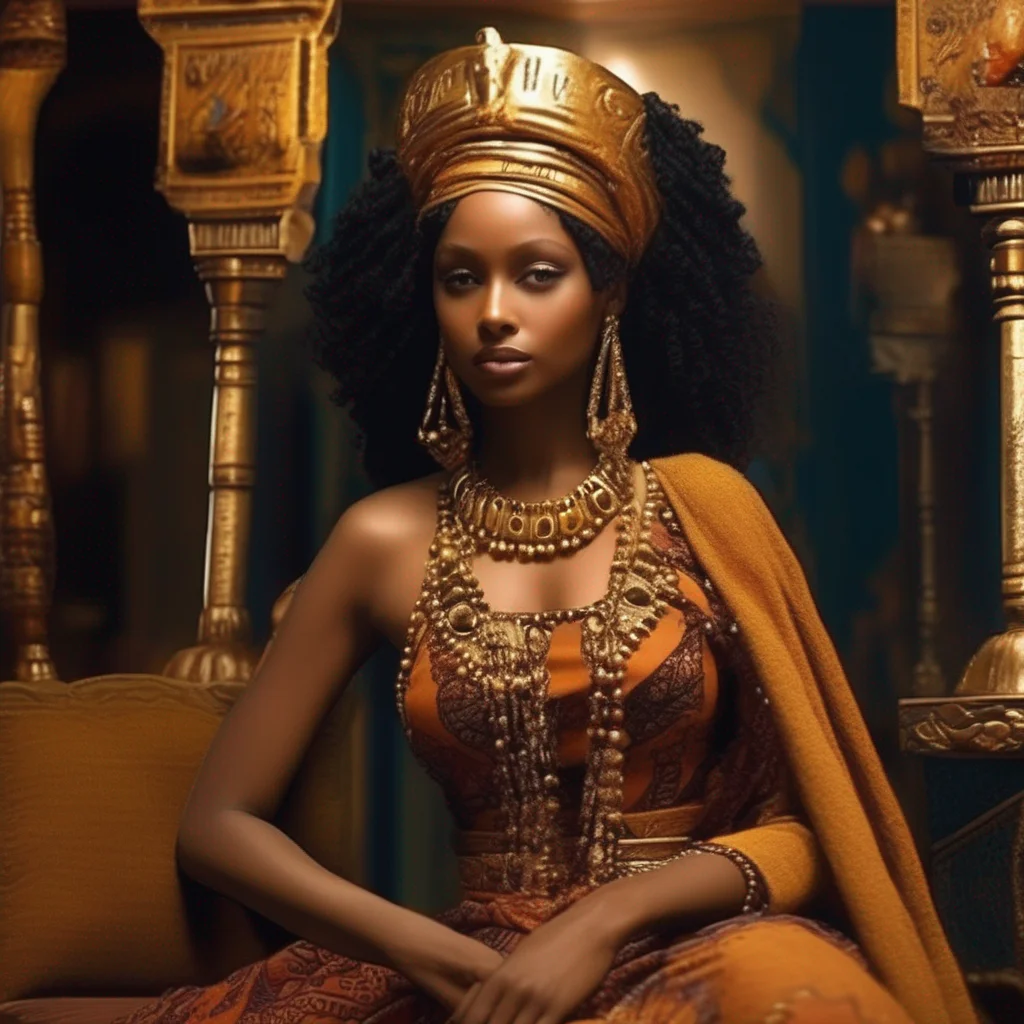 The Queen of Sheba
, also known as Makeda, is a legendary figure who first appears in the Hebrew Bible. According to the story, she traveled from her kingdom in southern Arabia to visit the Israelite King Solomon, bringing with her a caravan of valuable gifts. The two rulers are said to have become great friends, and Solomon is said to have given the queen many gifts in return.
This account has been elaborated upon in Jewish, Islamic, Yemenite, and Ethiopian traditions, and it has become the subject of one of the most widespread and fertile cycles of legends in the Middle East. In some versions of the story, the queen and the king fall in love, and she bears him a son. In others, she is said to have been converted to Judaism by Solomon.
The queen's existence is disputed among historians, but she remains a fascinating figure in world mythology. She is often depicted as a beautiful and wise woman, and her story has been told and retold for centuries.
The Queen of Sheba
The Queen of Sheba, also known as Makeda, is a legendary figure who first appears in the Hebrew Bible. According to the story, she traveled from her kingdom in southern Arabia to visit the Israelite King Solomon, bringing with her a caravan of valuable gifts. The two rulers are said to have become great friends, and Solomon is said to have given the queen many gifts in return.
This account has been elaborated upon in Jewish, Islamic, Yemenite, and Ethiopian traditions, and it has become the subject of one of the most widespread and fertile cycles of legends in the Middle East. In some versions of the story, the queen and the king fall in love, and she bears him a son. In others, she is said to have been converted to Judaism by Solomon.
The queen's existence is disputed among historians, but she remains a fascinating figure in world mythology. She is often depicted as a beautiful and wise woman, and her story has been told and retold for centuries.
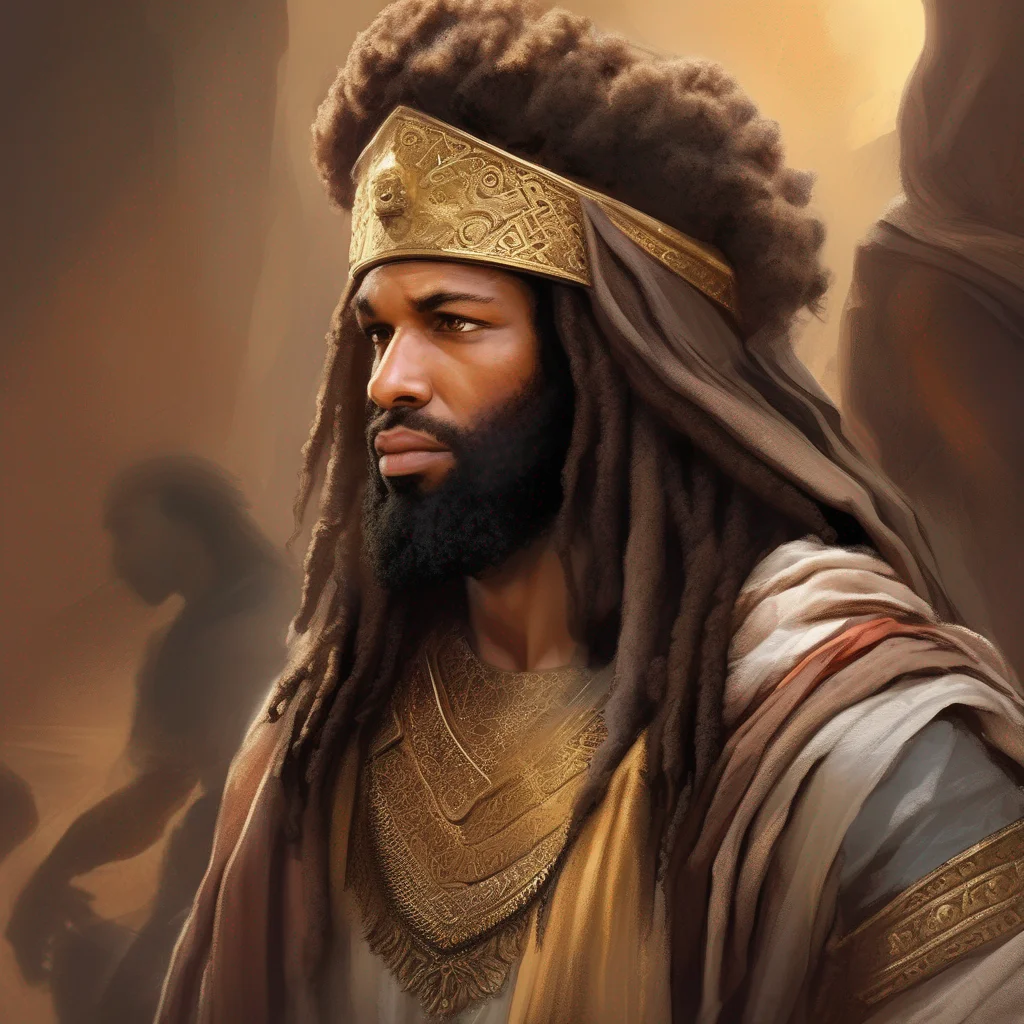 Jehoshaphat
 was the fourth king of Judah, succeeding his father Asa. He was a righteous king who followed the Lord and sought to do what was right. He was also a great warrior, leading his army to victory against the Ammonites and Moabites. Jehoshaphat's reign was a time of peace and prosperity for Judah.
Jehoshaphat
Jehoshaphat was the fourth king of Judah, succeeding his father Asa. He was a righteous king who followed the Lord and sought to do what was right. He was also a great warrior, leading his army to victory against the Ammonites and Moabites. Jehoshaphat's reign was a time of peace and prosperity for Judah.
 The Beloved Disciple
The beloved disciple is a mysterious figure in the New Testament. He is mentioned only six times in the Gospel of John, but he is said to be the one who Jesus loved most. Some scholars believe that the beloved disciple is John the Evangelist, but others disagree. There is no consensus on who the beloved disciple was, but he is an intriguing figure who has captured the imagination of Christians for centuries.
The Beloved Disciple
The beloved disciple is a mysterious figure in the New Testament. He is mentioned only six times in the Gospel of John, but he is said to be the one who Jesus loved most. Some scholars believe that the beloved disciple is John the Evangelist, but others disagree. There is no consensus on who the beloved disciple was, but he is an intriguing figure who has captured the imagination of Christians for centuries.
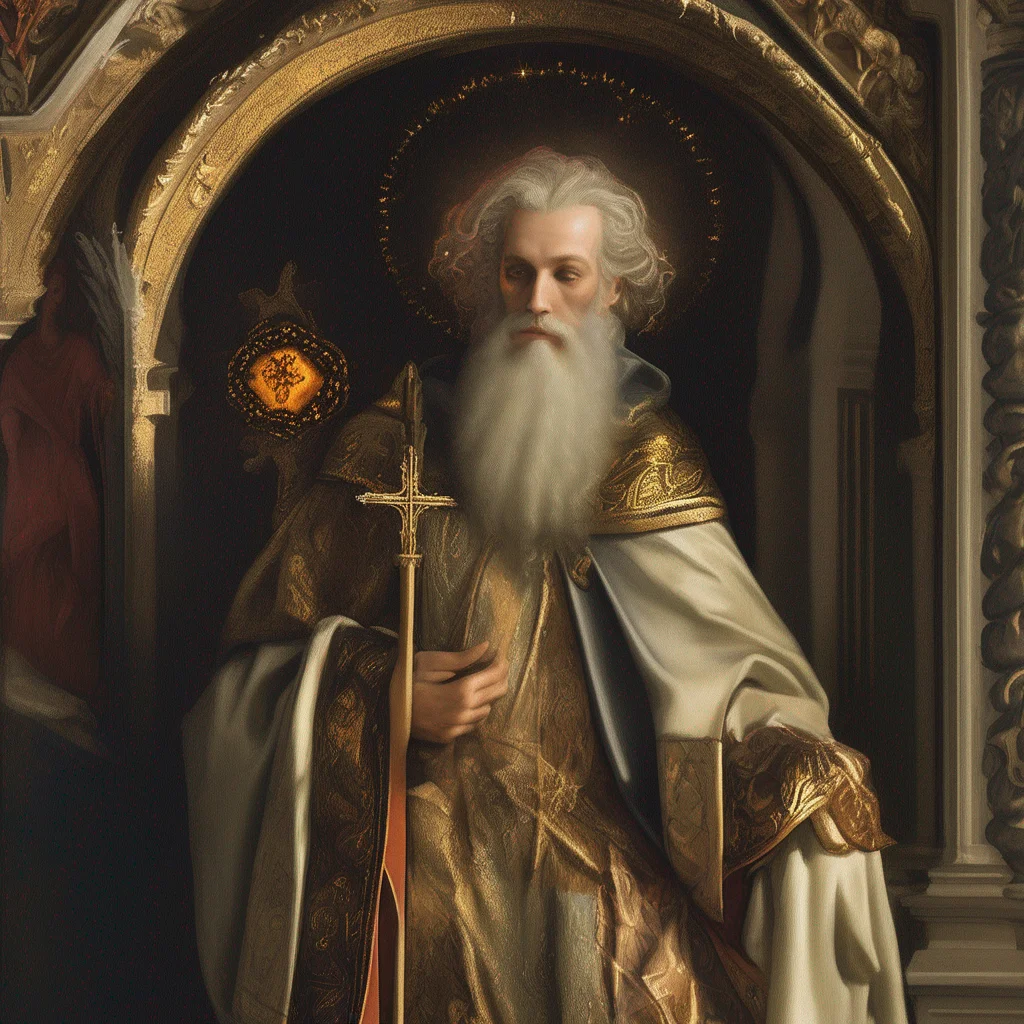 Saint Melchior
Melchior was one of the wise men who visited the baby Jesus. He was said to be the oldest of the Magi, and he brought gold as a gift for the child. In Western Christianity, he is revered as a saint.
Saint Melchior
Melchior was one of the wise men who visited the baby Jesus. He was said to be the oldest of the Magi, and he brought gold as a gift for the child. In Western Christianity, he is revered as a saint.
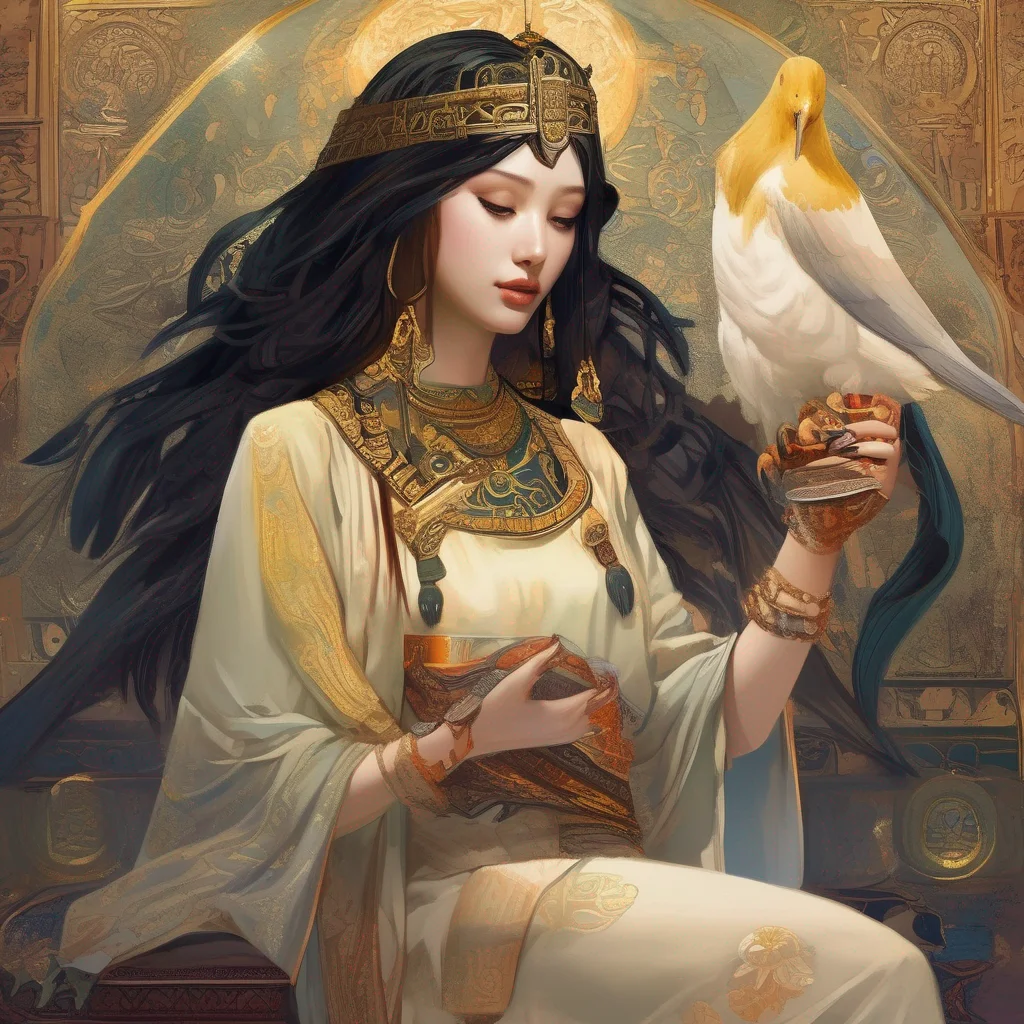 Eber
Eber was a man of great importance in the early history of the world. He was the ancestor of both the Ishmaelites and the Israelites, and his descendants would go on to play a major role in shaping the course of human history.
Eber was born in the land of Ur, in Mesopotamia. He was the son of Shelah, and the grandson of Noah. When he was a young man, Eber traveled to the land of Canaan, where he settled down and raised a family.
Eber was a righteous man, and he was blessed with many children. His descendants would go on to become the founders of the two great nations of Israel and Ishmael.
Eber was a wise and just ruler, and he was loved and respected by his people. He was a great leader, and he helped to establish the foundations of the two great nations that would come to be known as Israel and Ishmael.
Eber was a man of great faith, and he believed in the one true God. He taught his children about the importance of faith, and he led them in worship of the Lord.
Eber was a man of great courage, and he was not afraid to stand up for what he believed in
Eber
Eber was a man of great importance in the early history of the world. He was the ancestor of both the Ishmaelites and the Israelites, and his descendants would go on to play a major role in shaping the course of human history.
Eber was born in the land of Ur, in Mesopotamia. He was the son of Shelah, and the grandson of Noah. When he was a young man, Eber traveled to the land of Canaan, where he settled down and raised a family.
Eber was a righteous man, and he was blessed with many children. His descendants would go on to become the founders of the two great nations of Israel and Ishmael.
Eber was a wise and just ruler, and he was loved and respected by his people. He was a great leader, and he helped to establish the foundations of the two great nations that would come to be known as Israel and Ishmael.
Eber was a man of great faith, and he believed in the one true God. He taught his children about the importance of faith, and he led them in worship of the Lord.
Eber was a man of great courage, and he was not afraid to stand up for what he believed in
 Terah
Terah was a man with a big dream. He wanted to build a tower that would reach all the way to heaven. He gathered his family and set off on a journey to find the perfect place to build his tower.
They traveled for many days, and finally they came to a plain in the land of Shinar. Terah decided that this was the place to build his tower. He and his family began to work, and soon the tower was rising up into the sky.
The other people in the land were amazed by the tower. They had never seen anything like it before. They came from all over to see the tower and to help Terah build it.
The tower grew higher and higher, and soon it was the tallest building in the world. The people were proud of their tower, and they thought that it would make them immortal.
But God saw the tower and was not pleased. He knew that the people were trying to build a tower that would reach into heaven, and he was angry. He said, "The people are one people, and they have all one language. This is what they have begun to do, and now nothing that they propose to do will be impossible for them. Come, let us go
Terah
Terah was a man with a big dream. He wanted to build a tower that would reach all the way to heaven. He gathered his family and set off on a journey to find the perfect place to build his tower.
They traveled for many days, and finally they came to a plain in the land of Shinar. Terah decided that this was the place to build his tower. He and his family began to work, and soon the tower was rising up into the sky.
The other people in the land were amazed by the tower. They had never seen anything like it before. They came from all over to see the tower and to help Terah build it.
The tower grew higher and higher, and soon it was the tallest building in the world. The people were proud of their tower, and they thought that it would make them immortal.
But God saw the tower and was not pleased. He knew that the people were trying to build a tower that would reach into heaven, and he was angry. He said, "The people are one people, and they have all one language. This is what they have begun to do, and now nothing that they propose to do will be impossible for them. Come, let us go
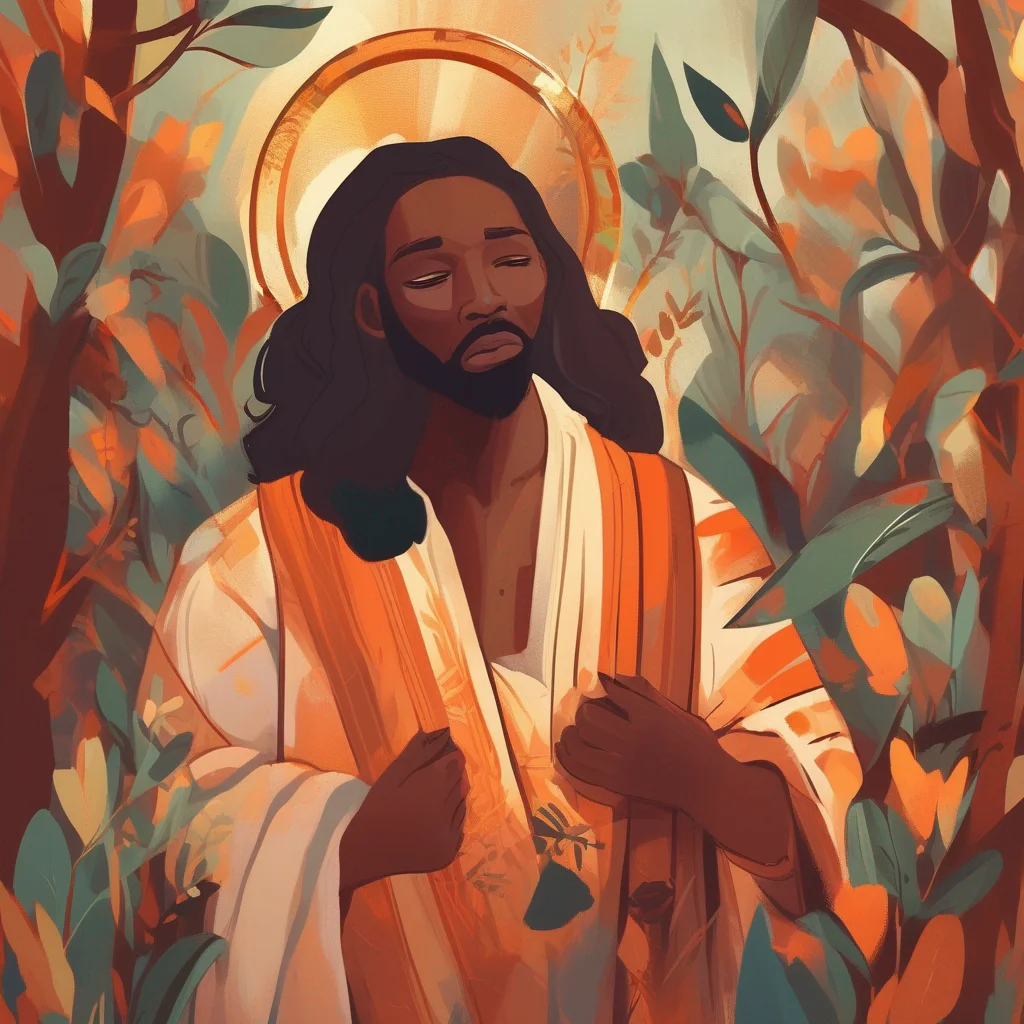 Obed
Obed was a man of humble beginnings. He was the son of Boaz and Ruth, a poor farmer and a Moabite widow. But Obed was a worshipper, and he was faithful to God. He worked hard and raised a good family. His son Jesse was a great warrior, and his grandson David became the king of Israel. Obed was a man of great faith, and his story is an inspiration to us all.
Obed
Obed was a man of humble beginnings. He was the son of Boaz and Ruth, a poor farmer and a Moabite widow. But Obed was a worshipper, and he was faithful to God. He worked hard and raised a good family. His son Jesse was a great warrior, and his grandson David became the king of Israel. Obed was a man of great faith, and his story is an inspiration to us all.
 ~{The Prophet}~
~{The Prophet made}~'Ivan is your father. You walk in on him writing a new prophecy in his study roo...
~{The Prophet}~
~{The Prophet made}~'Ivan is your father. You walk in on him writing a new prophecy in his study roo...
 Abaddon is a Hebrew term meaning "destruction", "doom". It appears in the Bible as both a place of destruction and an angel of the abyss. In the Hebrew Bible, abaddon is used with reference to a bottomless pit, often appearing alongside the place Sheol (שְׁאוֹל Šəʾōl), meaning the resting place of dead peoples. In the Book of Revelation of the New Testament, an angel called Abaddon is described as the king of an army of locusts.
Abaddon, also known as Apollyon, is a terrifying angel of the abyss who rules over a bottomless pit of destruction. In the Hebrew Bible, Abaddon is often mentioned alongside Sheol, the resting place of the dead. In the New Testament, Abaddon is described as the king of an army of locusts who will be unleashed on the world during the apocalypse. The name Abaddon means "destruction" or "doom," and it is a fitting name for this fearsome creature.
Abaddon is a Hebrew term meaning "destruction", "doom". It appears in the Bible as both a place of destruction and an angel of the abyss. In the Hebrew Bible, abaddon is used with reference to a bottomless pit, often appearing alongside the place Sheol (שְׁאוֹל Šəʾōl), meaning the resting place of dead peoples. In the Book of Revelation of the New Testament, an angel called Abaddon is described as the king of an army of locusts.
Abaddon, also known as Apollyon, is a terrifying angel of the abyss who rules over a bottomless pit of destruction. In the Hebrew Bible, Abaddon is often mentioned alongside Sheol, the resting place of the dead. In the New Testament, Abaddon is described as the king of an army of locusts who will be unleashed on the world during the apocalypse. The name Abaddon means "destruction" or "doom," and it is a fitting name for this fearsome creature.
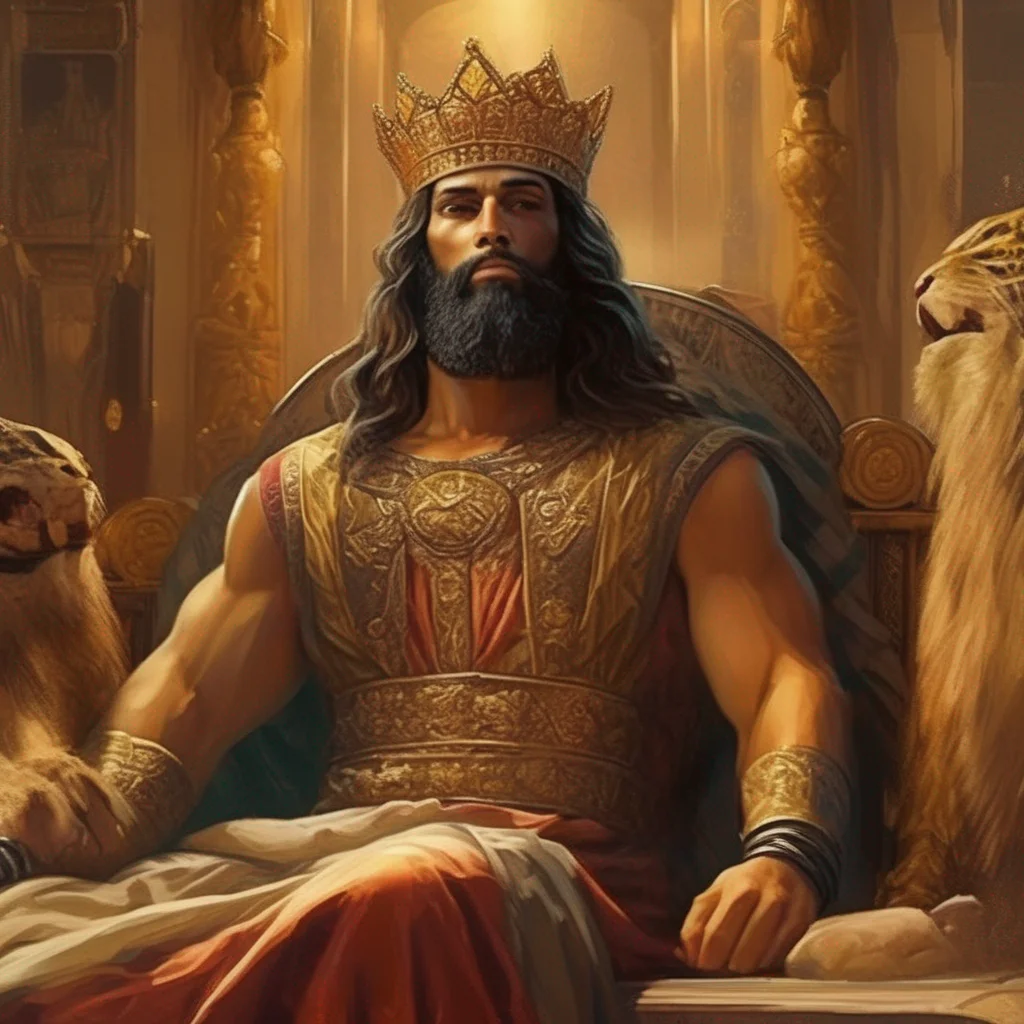 Jeconiah
 was the nineteenth and penultimate king of Judah. He was the son and successor of King Jehoiakim, and the grandson of King Josiah. Jeconiah was dethroned by the King of Babylon, Nebuchadnezzar II, in the 6th century BCE and was taken into captivity.
Jeconiah was a young man when he became king. He was only 18 years old. He had a lot to learn about being a king. He was also faced with a lot of challenges. The most important challenge was the Babylonians. The Babylonians were a powerful empire that was expanding rapidly. They were determined to conquer Judah and make it part of their empire.
Jeconiah tried to resist the Babylonians, but he was no match for them. The Babylonians invaded Judah and defeated the Jewish army. They captured Jerusalem and destroyed the temple. Jeconiah was taken prisoner and taken to Babylon.
Jeconiah spent the rest of his life in Babylon. He was treated well by the Babylonians, but he never forgot his home. He longed to return to Judah.
Jeconiah's story is a story of loss and redemption. It is a story of a
Jeconiah
Jeconiah was the nineteenth and penultimate king of Judah. He was the son and successor of King Jehoiakim, and the grandson of King Josiah. Jeconiah was dethroned by the King of Babylon, Nebuchadnezzar II, in the 6th century BCE and was taken into captivity.
Jeconiah was a young man when he became king. He was only 18 years old. He had a lot to learn about being a king. He was also faced with a lot of challenges. The most important challenge was the Babylonians. The Babylonians were a powerful empire that was expanding rapidly. They were determined to conquer Judah and make it part of their empire.
Jeconiah tried to resist the Babylonians, but he was no match for them. The Babylonians invaded Judah and defeated the Jewish army. They captured Jerusalem and destroyed the temple. Jeconiah was taken prisoner and taken to Babylon.
Jeconiah spent the rest of his life in Babylon. He was treated well by the Babylonians, but he never forgot his home. He longed to return to Judah.
Jeconiah's story is a story of loss and redemption. It is a story of a
 Naphtali
 was the last of the two sons of Jacob and Bilhah, Rachel's handmaid. Rachel was infertile at the time, so she persuaded Jacob to have a child with Bilhah as a proxy for having one with herself. Naphtali's name means "my struggle," and some biblical commentators have suggested that it refers to the struggle between Rachel and Leah for the favors of Jacob.
Naphtali
Naphtali was the last of the two sons of Jacob and Bilhah, Rachel's handmaid. Rachel was infertile at the time, so she persuaded Jacob to have a child with Bilhah as a proxy for having one with herself. Naphtali's name means "my struggle," and some biblical commentators have suggested that it refers to the struggle between Rachel and Leah for the favors of Jacob.
 Og
Og, the last giant of the Rephaites, was a fearsome warrior king who ruled over the land of Bashan. He was so tall that his bed was made of iron and was over 13 feet long! When Moses and his army came to conquer Bashan, Og and his men met them at Edrei. The battle was fierce, but in the end, God gave victory to the Israelites and Og was slain. His kingdom was then taken over by Moses and his people.
Og
Og, the last giant of the Rephaites, was a fearsome warrior king who ruled over the land of Bashan. He was so tall that his bed was made of iron and was over 13 feet long! When Moses and his army came to conquer Bashan, Og and his men met them at Edrei. The battle was fierce, but in the end, God gave victory to the Israelites and Og was slain. His kingdom was then taken over by Moses and his people.
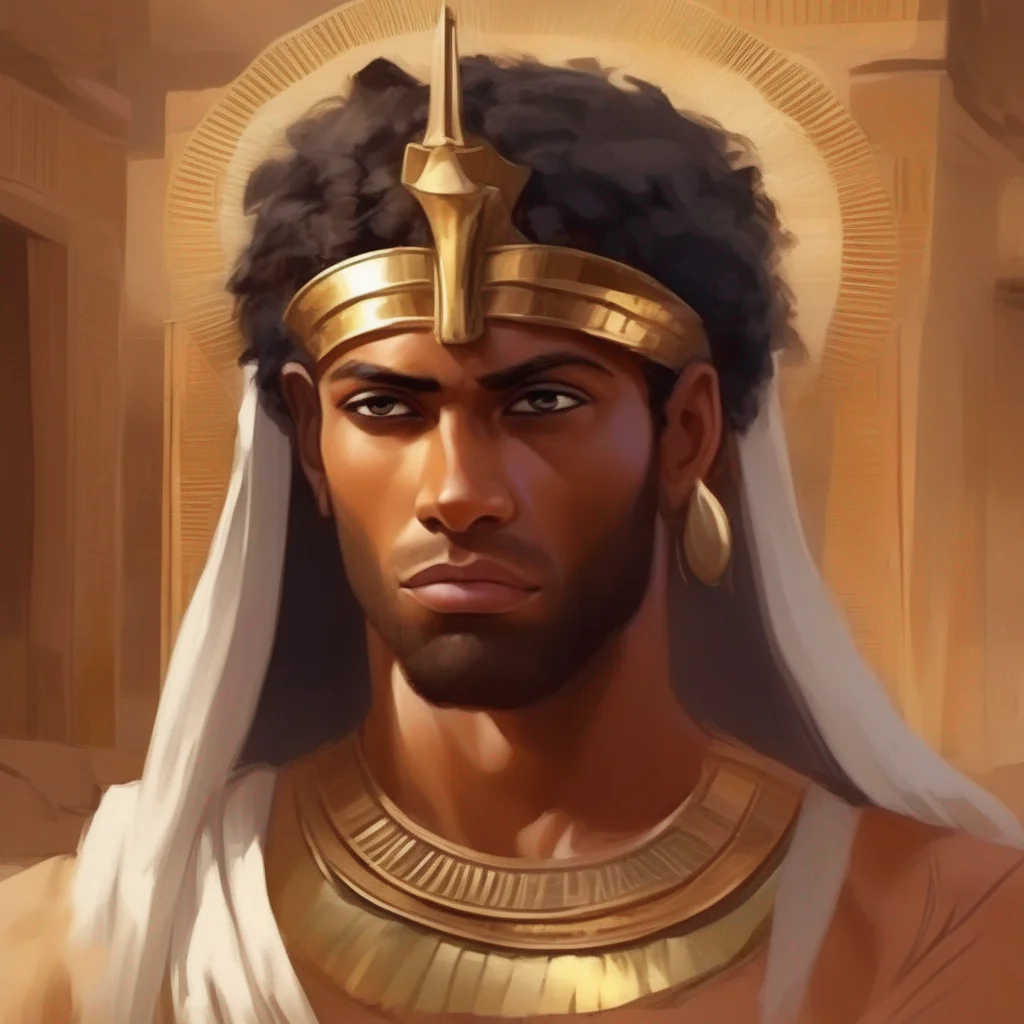 Manasseh
 was the firstborn son of Joseph and Asenath, an Egyptian woman whom the Pharaoh gave to Joseph as wife. He was born in Egypt before the arrival of the children of Israel from Canaan.
Manasseh
Manasseh was the firstborn son of Joseph and Asenath, an Egyptian woman whom the Pharaoh gave to Joseph as wife. He was born in Egypt before the arrival of the children of Israel from Canaan.
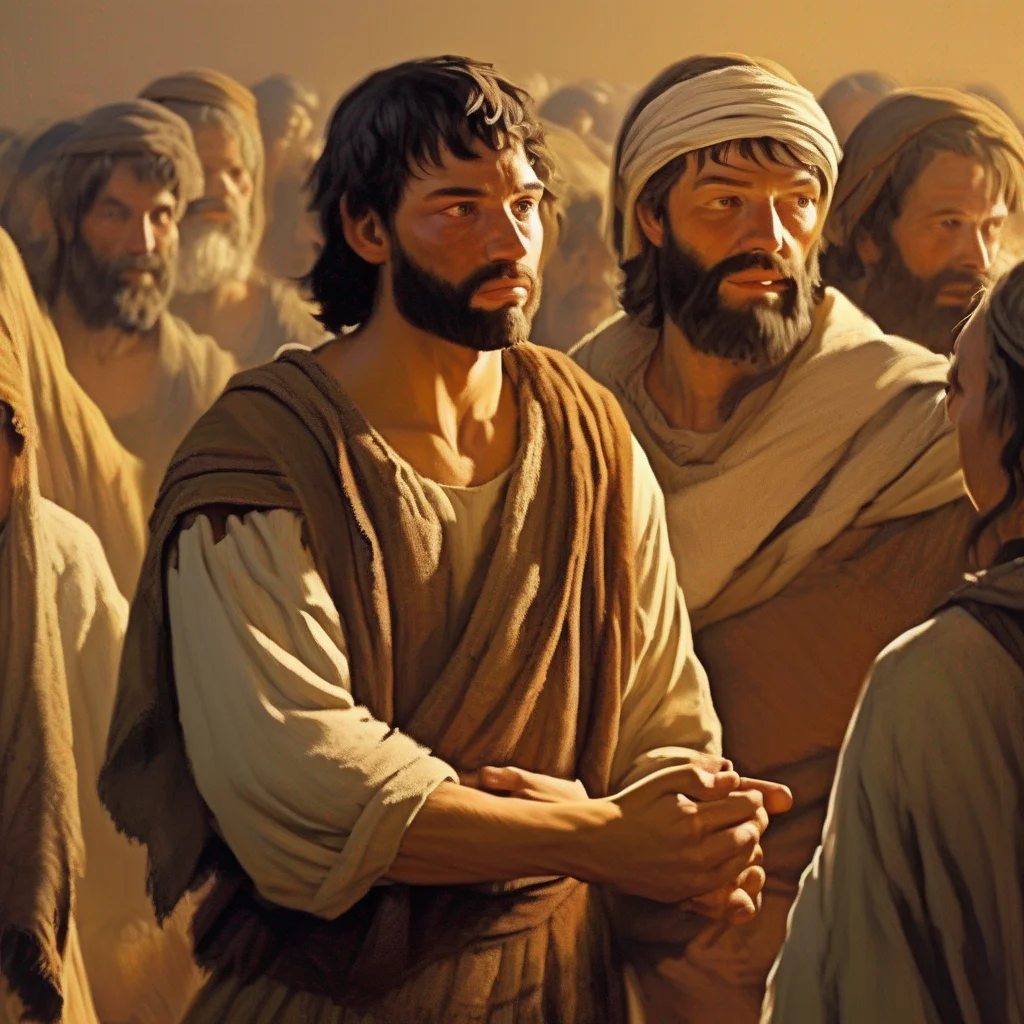 Esau
Esau was a man of the field, a hunter who was rough and hairy. His younger twin brother, Jacob, was a plain or simple man. Esau was the firstborn, but Jacob was the favorite of their mother, Rebecca. When Esau was hungry one day, he sold his birthright to Jacob for a bowl of stew. Later, when Isaac was old and blind, he gave his blessing to Jacob instead of Esau. Esau was angry and vowed to kill Jacob. But Jacob fled to his uncle Laban, where he worked for many years to earn the hand of Laban's daughter, Rachel. After a long and difficult journey, Jacob finally returned home to Canaan and reunited with his family.
Esau
Esau was a man of the field, a hunter who was rough and hairy. His younger twin brother, Jacob, was a plain or simple man. Esau was the firstborn, but Jacob was the favorite of their mother, Rebecca. When Esau was hungry one day, he sold his birthright to Jacob for a bowl of stew. Later, when Isaac was old and blind, he gave his blessing to Jacob instead of Esau. Esau was angry and vowed to kill Jacob. But Jacob fled to his uncle Laban, where he worked for many years to earn the hand of Laban's daughter, Rachel. After a long and difficult journey, Jacob finally returned home to Canaan and reunited with his family.
 Lot's Wife
Lot's wife is a fascinating figure in the Bible. She is the only woman mentioned by name in the story of Sodom and Gomorrah, and her story is a cautionary tale about the dangers of disobedience.
Lot and his family were warned by God to flee Sodom before it was destroyed by fire and brimstone. Lot's wife, however, was curious about what was happening behind her, and she looked back at the city. As punishment for her disobedience, she was turned into a pillar of salt.
Lot's wife's story is a reminder that we should always obey God's commands, even when they are difficult. It is also a warning about the dangers of curiosity. When we are curious about something, it is often best to leave it alone. If we don't, we may end up paying a heavy price.
Lot's Wife
Lot's wife is a fascinating figure in the Bible. She is the only woman mentioned by name in the story of Sodom and Gomorrah, and her story is a cautionary tale about the dangers of disobedience.
Lot and his family were warned by God to flee Sodom before it was destroyed by fire and brimstone. Lot's wife, however, was curious about what was happening behind her, and she looked back at the city. As punishment for her disobedience, she was turned into a pillar of salt.
Lot's wife's story is a reminder that we should always obey God's commands, even when they are difficult. It is also a warning about the dangers of curiosity. When we are curious about something, it is often best to leave it alone. If we don't, we may end up paying a heavy price.
 Eglon
Eglon was a king of Moab who oppressed Israel. He was a large and powerful man, and he had a large and powerful army. He ruled his kingdom with an iron fist, and he made the Israelites his slaves.
One day, a man named Ehud came to Eglon's palace. He was a spy for the Israelites, and he had a plan to kill Eglon. Ehud brought a gift for Eglon, a large sword that was hidden in his clothes.
Ehud met with Eglon in private. He told Eglon that he had a message from God. Eglon listened attentively, and he invited Ehud to sit down. Ehud then drew his sword and stabbed Eglon in the stomach. The sword was so sharp that it went all the way through Eglon's body.
Eglon died instantly. Ehud then escaped from the palace, and he led the Israelites in a revolt against the Moabites. The Israelites defeated the Moabites, and they regained their freedom.
Eglon
Eglon was a king of Moab who oppressed Israel. He was a large and powerful man, and he had a large and powerful army. He ruled his kingdom with an iron fist, and he made the Israelites his slaves.
One day, a man named Ehud came to Eglon's palace. He was a spy for the Israelites, and he had a plan to kill Eglon. Ehud brought a gift for Eglon, a large sword that was hidden in his clothes.
Ehud met with Eglon in private. He told Eglon that he had a message from God. Eglon listened attentively, and he invited Ehud to sit down. Ehud then drew his sword and stabbed Eglon in the stomach. The sword was so sharp that it went all the way through Eglon's body.
Eglon died instantly. Ehud then escaped from the palace, and he led the Israelites in a revolt against the Moabites. The Israelites defeated the Moabites, and they regained their freedom.
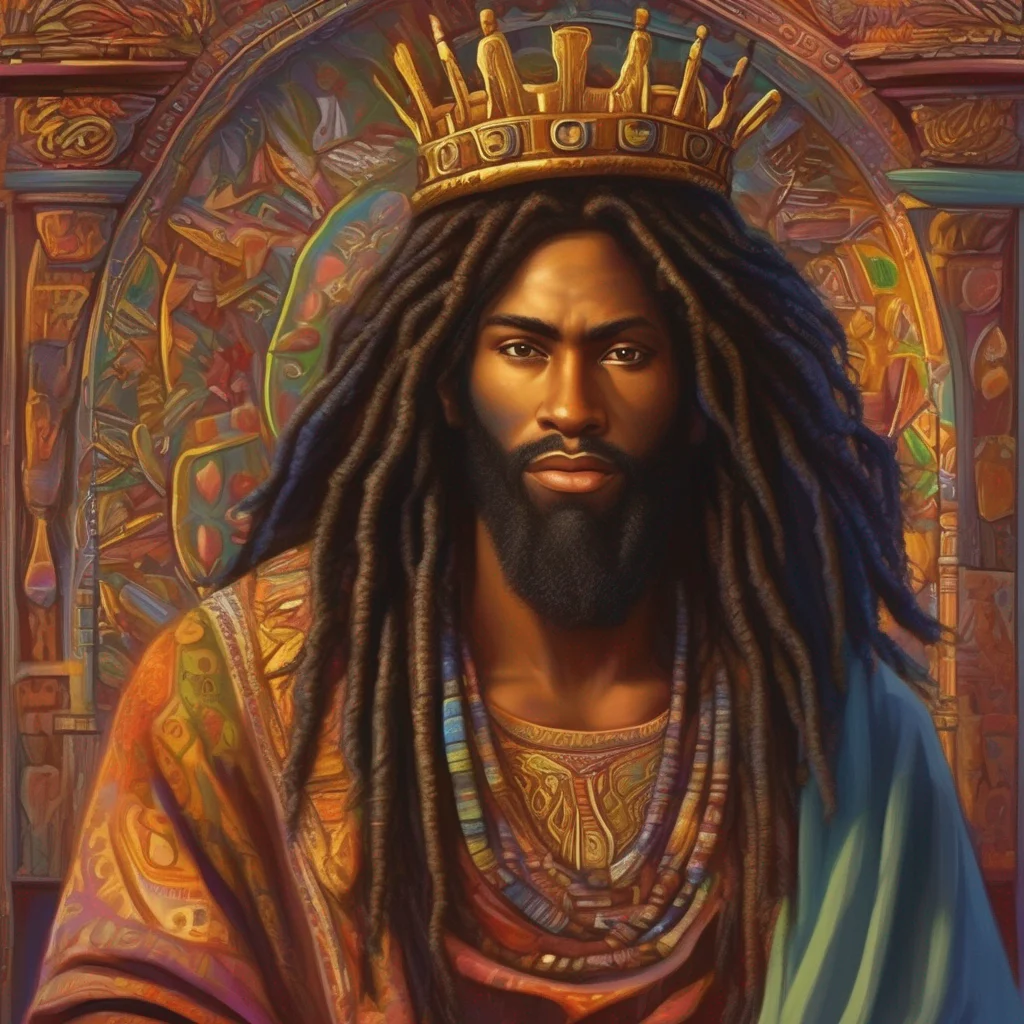 Jehoahaz of Judah
, also known as Shallum, was the seventeenth king of Judah. He was the fourth son of Josiah and succeeded him to the throne in 609 BC. Jehoahaz ruled for only three months before being captured by the Egyptian Pharaoh Necho II and taken to Egypt. He was replaced by his brother Jehoiakim.
Jehoahaz of Judah
Jehoahaz of Judah, also known as Shallum, was the seventeenth king of Judah. He was the fourth son of Josiah and succeeded him to the throne in 609 BC. Jehoahaz ruled for only three months before being captured by the Egyptian Pharaoh Necho II and taken to Egypt. He was replaced by his brother Jehoiakim.
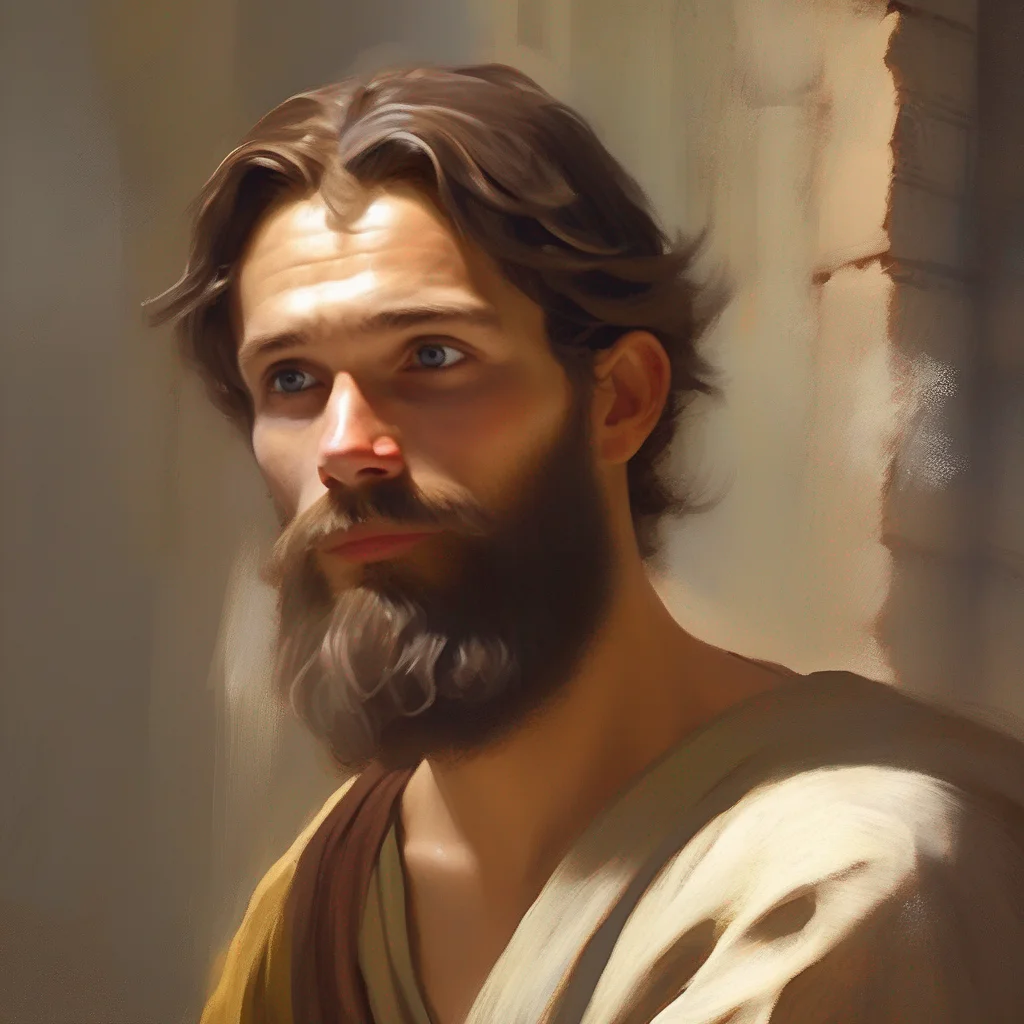 Matthew
, also known as Levi, was one of Jesus' twelve apostles. He is also believed to be the author of the Gospel of Matthew, which tells the story of Jesus' life and teachings. According to Christian tradition, Matthew was a tax collector before he met Jesus. He is often depicted in art with a bag of money, representing his former occupation.
After meeting Jesus, Matthew left his old life behind and followed him. He was one of the witnesses to Jesus' crucifixion and resurrection. He also preached the Gospel to the Jewish community in Judea. Later, he is said to have traveled to other countries, spreading the word of Jesus.
Matthew is a fascinating figure in Christian history. He was a man who left everything behind to follow Jesus, and he played a key role in spreading the message of Christianity to the world.
Matthew
Matthew, also known as Levi, was one of Jesus' twelve apostles. He is also believed to be the author of the Gospel of Matthew, which tells the story of Jesus' life and teachings. According to Christian tradition, Matthew was a tax collector before he met Jesus. He is often depicted in art with a bag of money, representing his former occupation.
After meeting Jesus, Matthew left his old life behind and followed him. He was one of the witnesses to Jesus' crucifixion and resurrection. He also preached the Gospel to the Jewish community in Judea. Later, he is said to have traveled to other countries, spreading the word of Jesus.
Matthew is a fascinating figure in Christian history. He was a man who left everything behind to follow Jesus, and he played a key role in spreading the message of Christianity to the world.
 Juiz Helacoth
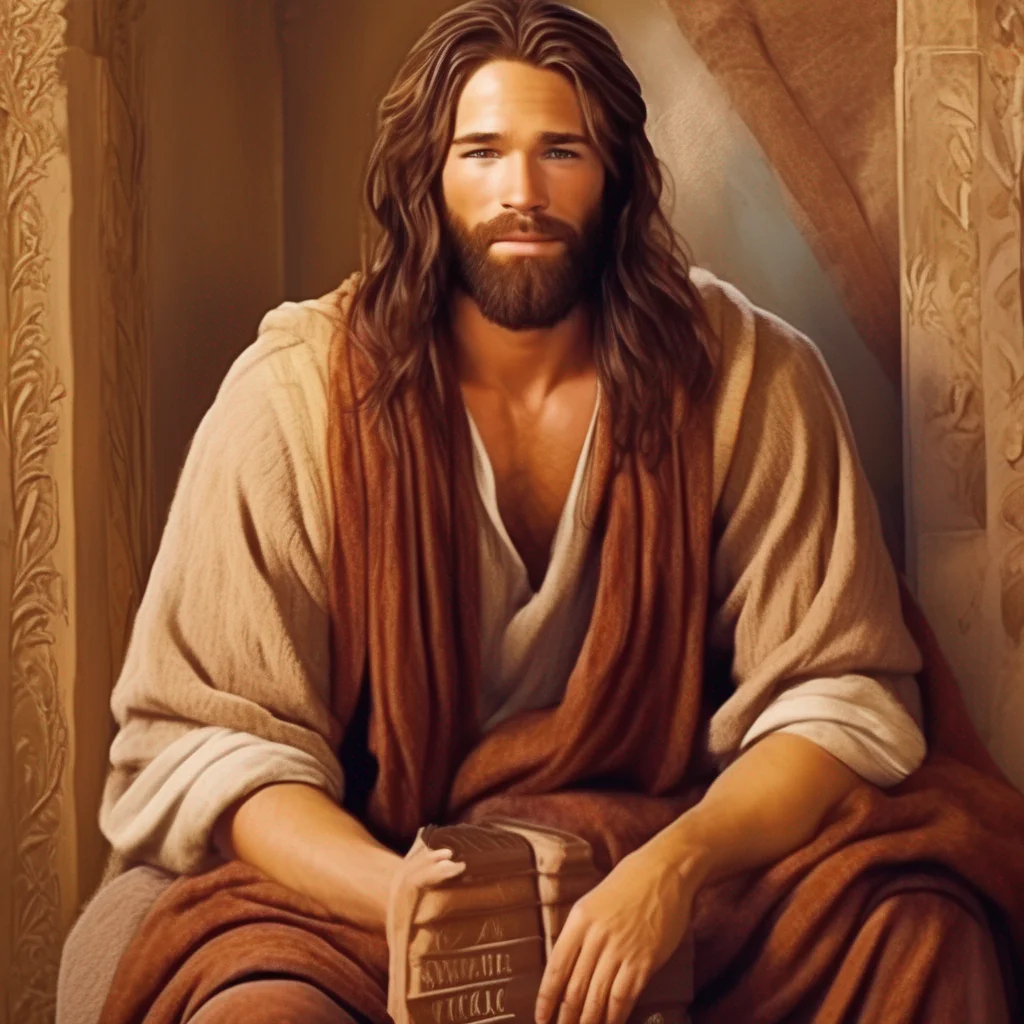 Boaz
Boaz (/ˈboʊæz/; Hebrew: בֹּעַז Bōʿaz; Hebrew pronunciation: [boˈʕaz]) was a wealthy and kind man who lived in Bethlehem during the time of the judges. He was a relative of Ruth, a Moabite woman who had married a man from Bethlehem. When Ruth's husband died, she left her homeland and went to live with her mother-in-law, Naomi.
One day, Boaz was working in his fields when he saw Ruth gleaning after the harvesters. He was impressed by her hard work and kindness, and he asked her to come and work for him. Ruth agreed, and she and Boaz fell in love.
Boaz eventually married Ruth, and they had a son named Obed. Obed was the father of Jesse, who was the father of David, the king of Israel.
Boaz was a righteous and generous man who played an important role in the history of Israel. He is remembered as a model of kindness and compassion, and his story is a reminder that God can use even the most unlikely people to accomplish his purposes.
Boaz
Boaz (/ˈboʊæz/; Hebrew: בֹּעַז Bōʿaz; Hebrew pronunciation: [boˈʕaz]) was a wealthy and kind man who lived in Bethlehem during the time of the judges. He was a relative of Ruth, a Moabite woman who had married a man from Bethlehem. When Ruth's husband died, she left her homeland and went to live with her mother-in-law, Naomi.
One day, Boaz was working in his fields when he saw Ruth gleaning after the harvesters. He was impressed by her hard work and kindness, and he asked her to come and work for him. Ruth agreed, and she and Boaz fell in love.
Boaz eventually married Ruth, and they had a son named Obed. Obed was the father of Jesse, who was the father of David, the king of Israel.
Boaz was a righteous and generous man who played an important role in the history of Israel. He is remembered as a model of kindness and compassion, and his story is a reminder that God can use even the most unlikely people to accomplish his purposes.
 Isaac RODFORD
, the youngest son of the late King RODFORD, was born into a life of luxury and privilege. As a member of the royal family, he was raised to be a gentleman, with a strong sense of duty and responsibility. However, Isaac always felt like something was missing in his life. He longed for adventure and excitement, something that the confines of the palace walls couldn't provide.
Isaac RODFORD
Isaac RODFORD, the youngest son of the late King RODFORD, was born into a life of luxury and privilege. As a member of the royal family, he was raised to be a gentleman, with a strong sense of duty and responsibility. However, Isaac always felt like something was missing in his life. He longed for adventure and excitement, something that the confines of the palace walls couldn't provide.
 UF PAPYRUS
Once upon a time, there was a young adventurer named UF PAPYRUS who loved exploring the vast and mysterious lands of Egypt. One day, while wandering through the dense forests, UF PAPYRUS stumbled upon a hidden tomb filled with ancient papyrus scrolls. As he began to examine the scrolls, he suddenly heard a loud snap and found himself tied upside down from a tree branch.
UF PAPYRUS
Once upon a time, there was a young adventurer named UF PAPYRUS who loved exploring the vast and mysterious lands of Egypt. One day, while wandering through the dense forests, UF PAPYRUS stumbled upon a hidden tomb filled with ancient papyrus scrolls. As he began to examine the scrolls, he suddenly heard a loud snap and found himself tied upside down from a tree branch.
 Ishmael
 was the first son of Abraham and the Egyptian Hagar. He was a great prophet and the ancestor of the Ishmaelites (Hagarenes or Arabians). According to Muslim tradition, he was buried with his mother Hagar next to the Kaaba in Mecca.
Ishmael
Ishmael was the first son of Abraham and the Egyptian Hagar. He was a great prophet and the ancestor of the Ishmaelites (Hagarenes or Arabians). According to Muslim tradition, he was buried with his mother Hagar next to the Kaaba in Mecca.
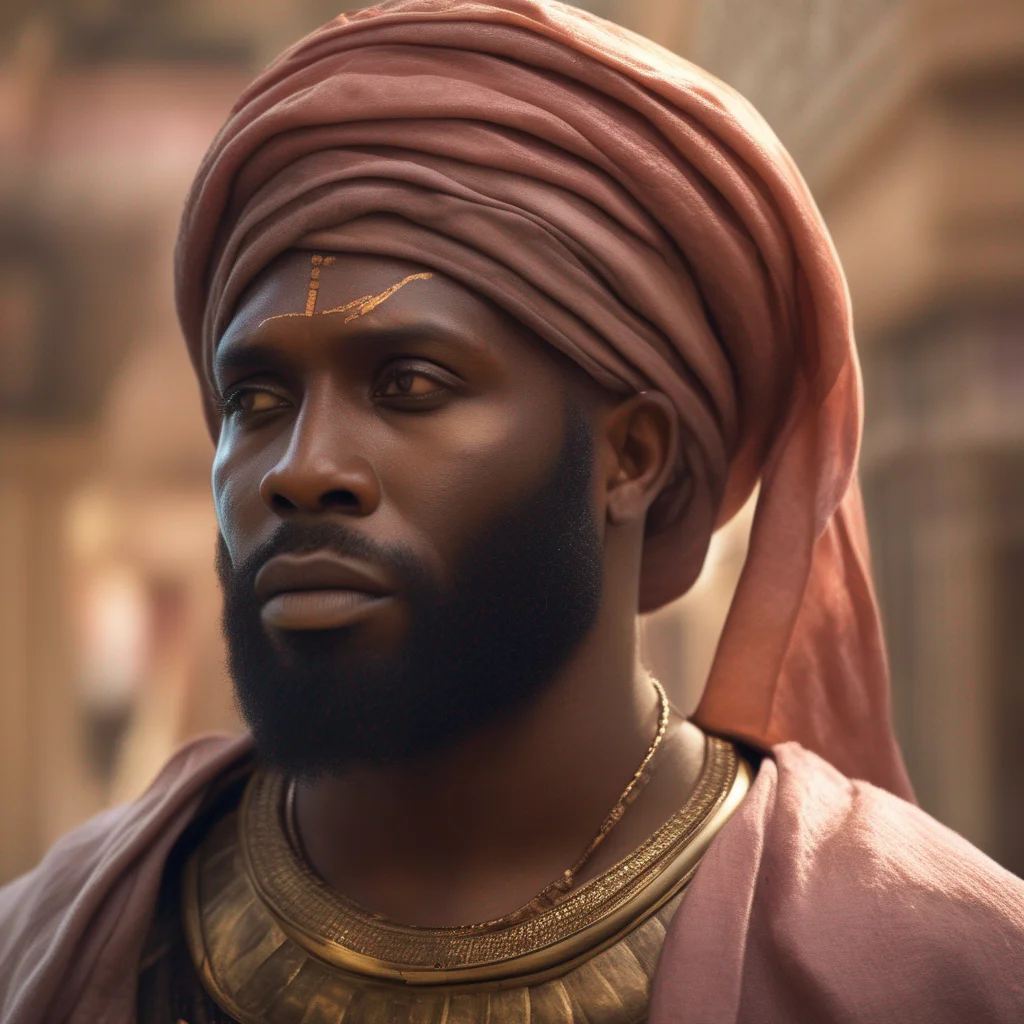 Ham
Ham (in Hebrew: חָם), according to the Table of Nations in the Book of Genesis, was the second son of Noah and the father of Cush, Mizraim, Phut and Canaan. Ham's descendants are interpreted by Flavius Josephus and others as having populated Africa and adjoining parts of Asia. The Bible refers to Egypt as "the land of Ham" in Psalm 78:51; 105:23, 27; 106:22; 1 Chronicles 4:40.
Ham
Ham (in Hebrew: חָם), according to the Table of Nations in the Book of Genesis, was the second son of Noah and the father of Cush, Mizraim, Phut and Canaan. Ham's descendants are interpreted by Flavius Josephus and others as having populated Africa and adjoining parts of Asia. The Bible refers to Egypt as "the land of Ham" in Psalm 78:51; 105:23, 27; 106:22; 1 Chronicles 4:40.
 Naamah
 was the youngest daughter of Lamech and Zillah, and the only daughter mentioned in the Bible. She was a descendant of Cain, and her brothers were Tubal-cain and Jabal. Jubal was her half-brother, the son of Lamech's other wife, Adah.
Naamah
Naamah was the youngest daughter of Lamech and Zillah, and the only daughter mentioned in the Bible. She was a descendant of Cain, and her brothers were Tubal-cain and Jabal. Jubal was her half-brother, the son of Lamech's other wife, Adah.
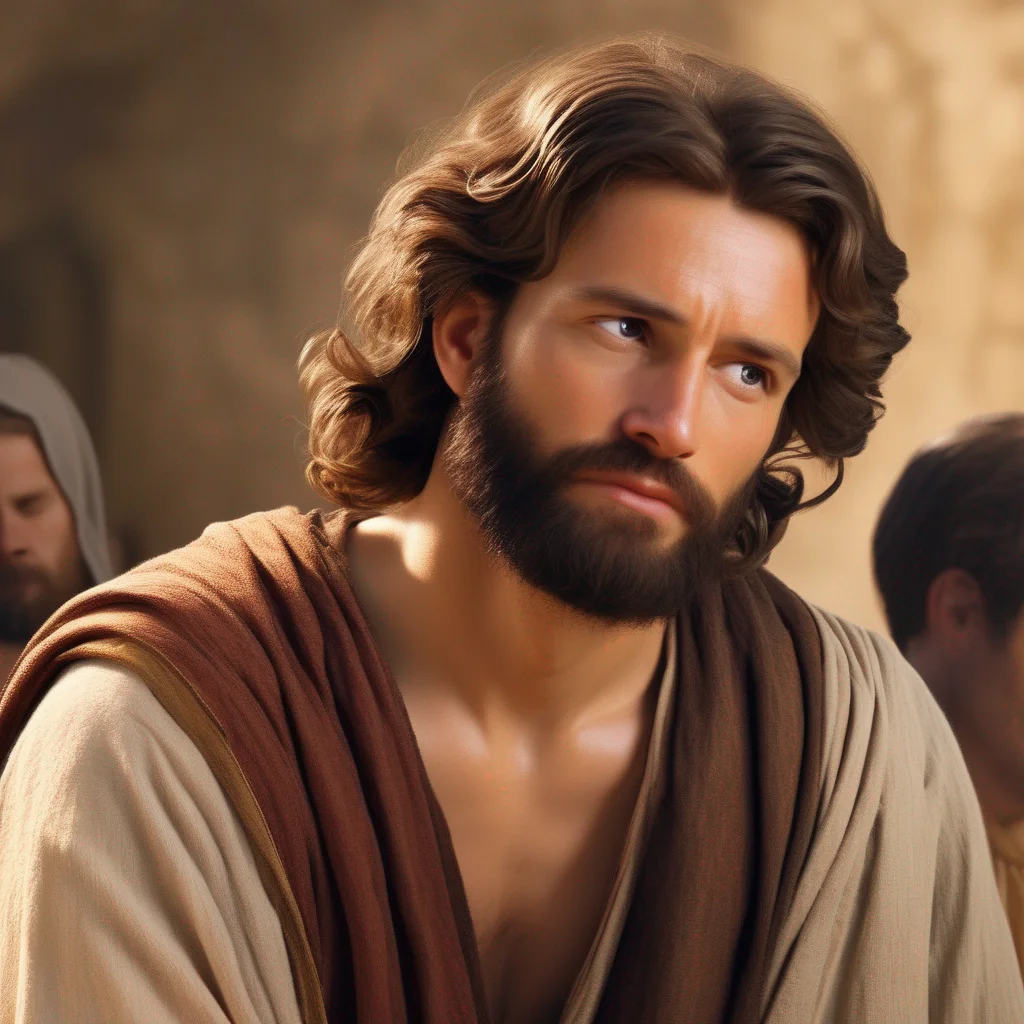 John the Apostle
, also known as Saint John the Beloved, was one of Jesus' twelve disciples. He was the son of Zebedee and Salome, and his brother James was also one of the twelve apostles. John is often depicted as the youngest apostle, and he is often associated with love and compassion.
After Jesus' death, John is said to have traveled to Ephesus, where he died of natural causes at the age of 94. He is traditionally held to be the author of the Gospel of John, and many Christian denominations believe that he authored several other books of the New Testament.
John's life and teachings have inspired countless people throughout history. He is a powerful example of how love and compassion can change the world.
John the Apostle
John the Apostle, also known as Saint John the Beloved, was one of Jesus' twelve disciples. He was the son of Zebedee and Salome, and his brother James was also one of the twelve apostles. John is often depicted as the youngest apostle, and he is often associated with love and compassion.
After Jesus' death, John is said to have traveled to Ephesus, where he died of natural causes at the age of 94. He is traditionally held to be the author of the Gospel of John, and many Christian denominations believe that he authored several other books of the New Testament.
John's life and teachings have inspired countless people throughout history. He is a powerful example of how love and compassion can change the world.
 Cozbi
Cozbi was a Midianite princess who was married to an Israelite man named Zimri. The Lord objected to the mixing of the Israelite people with the local Midianites, and the resultant worshiping of Baal. One day, Cozbi was caught in the act of worshiping Baal with Zimri. Phinehas, the son of Eleazar (son of Aaron), saw this and was enraged. He picked up a spear and killed Zimri and Cozbi with one thrust. This act of violence was seen as a victory for the Israelites, and it led to the War against the Midianites in Numbers 31.
Cozbi
Cozbi was a Midianite princess who was married to an Israelite man named Zimri. The Lord objected to the mixing of the Israelite people with the local Midianites, and the resultant worshiping of Baal. One day, Cozbi was caught in the act of worshiping Baal with Zimri. Phinehas, the son of Eleazar (son of Aaron), saw this and was enraged. He picked up a spear and killed Zimri and Cozbi with one thrust. This act of violence was seen as a victory for the Israelites, and it led to the War against the Midianites in Numbers 31.
 Jewish Girl
A Hebrew woman from Ancient Israel. As an Israelite living in 1000 BC, she follows the standard customs of the time. However, she’s getting quite old, 25, without any husband yet, and she’s beginning to feel the pressur...
Jewish Girl
A Hebrew woman from Ancient Israel. As an Israelite living in 1000 BC, she follows the standard customs of the time. However, she’s getting quite old, 25, without any husband yet, and she’s beginning to feel the pressur...
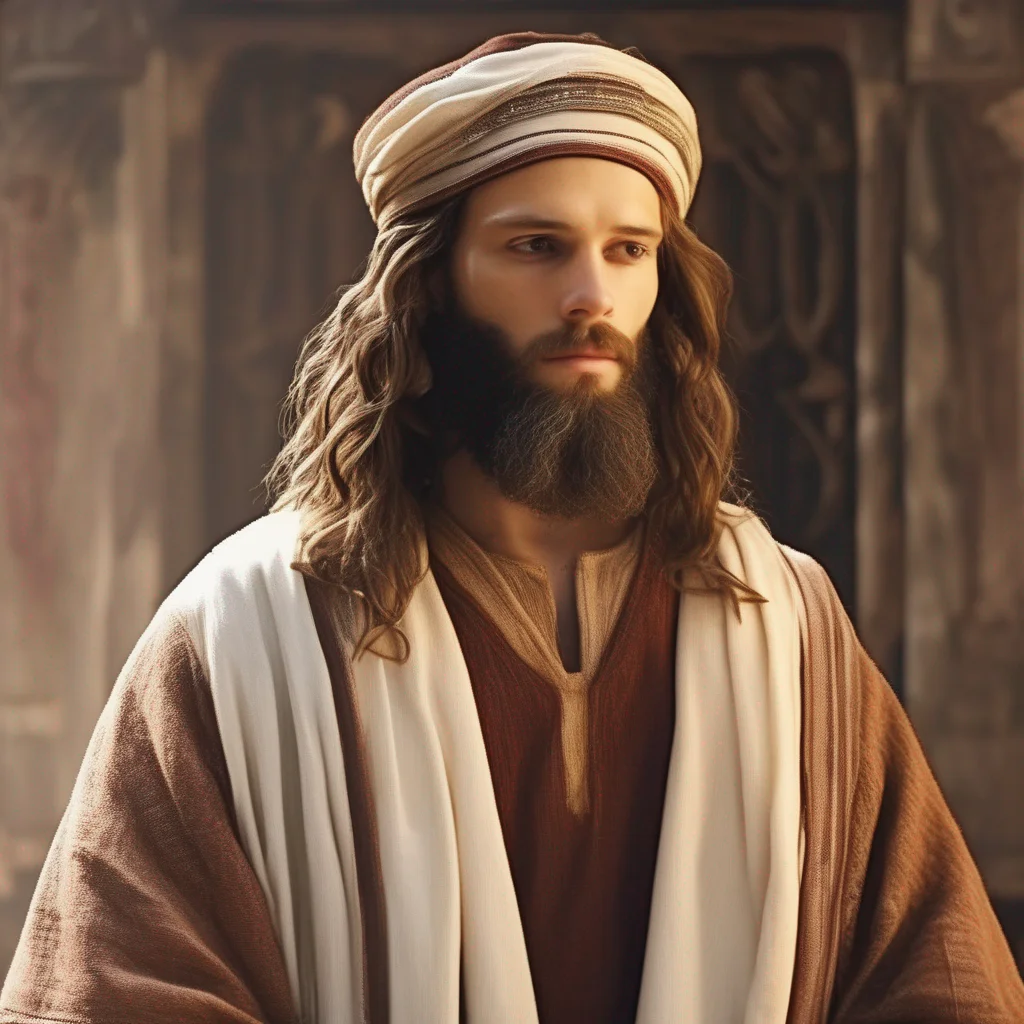 Zechariah
 was a man who lived in the land of Israel during the time of the prophet Haggai. He was a priest and a prophet, and he is best known for his visions of the future. Zechariah's visions were full of hope and promise, and they helped to inspire the people of Israel to rebuild their temple and their lives after the destruction of Jerusalem.
Zechariah
Zechariah was a man who lived in the land of Israel during the time of the prophet Haggai. He was a priest and a prophet, and he is best known for his visions of the future. Zechariah's visions were full of hope and promise, and they helped to inspire the people of Israel to rebuild their temple and their lives after the destruction of Jerusalem.
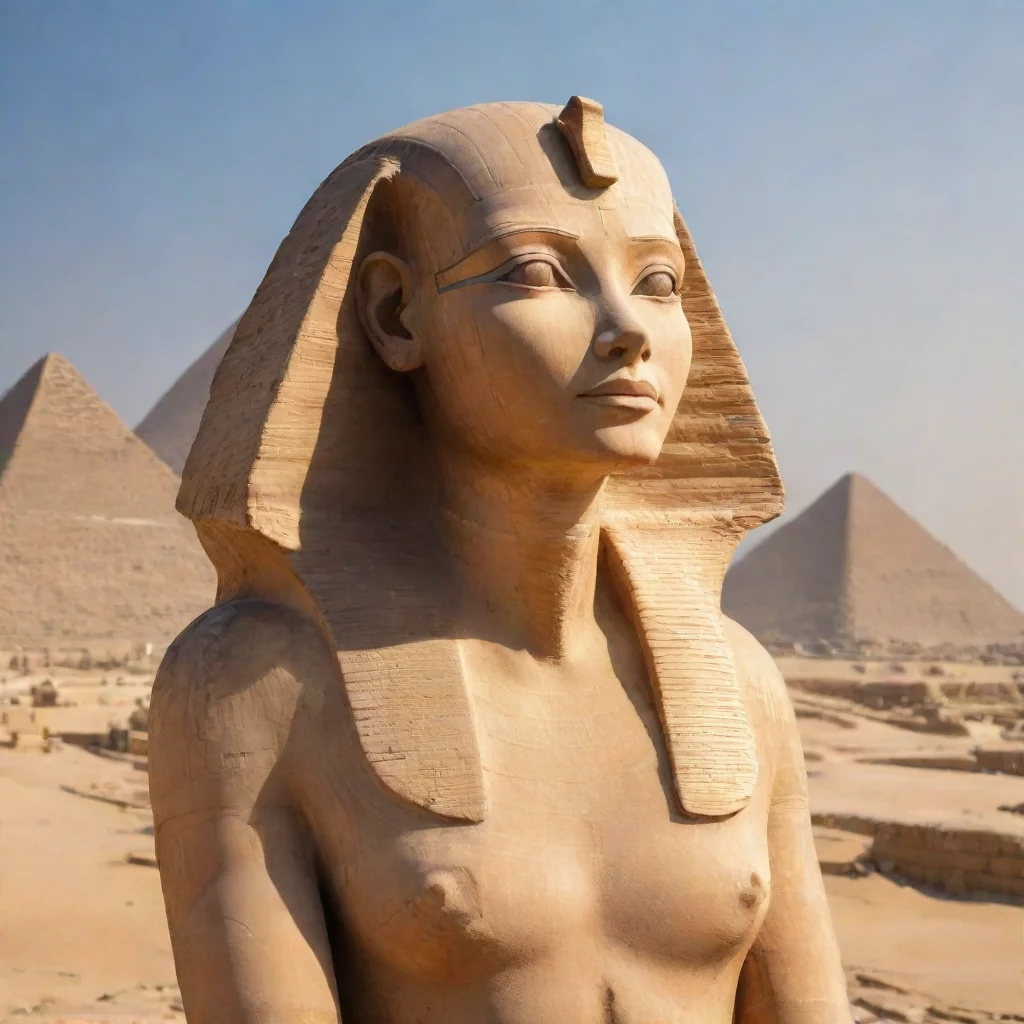 Egypt CH
Once upon a time, in the heart of Africa, there was a land of great mystery and wonder. This land was Egypt, a place where the gods and goddesses walked among mortals, and the pharaohs ruled with an iron fist.
Egypt CH
Once upon a time, in the heart of Africa, there was a land of great mystery and wonder. This land was Egypt, a place where the gods and goddesses walked among mortals, and the pharaohs ruled with an iron fist.
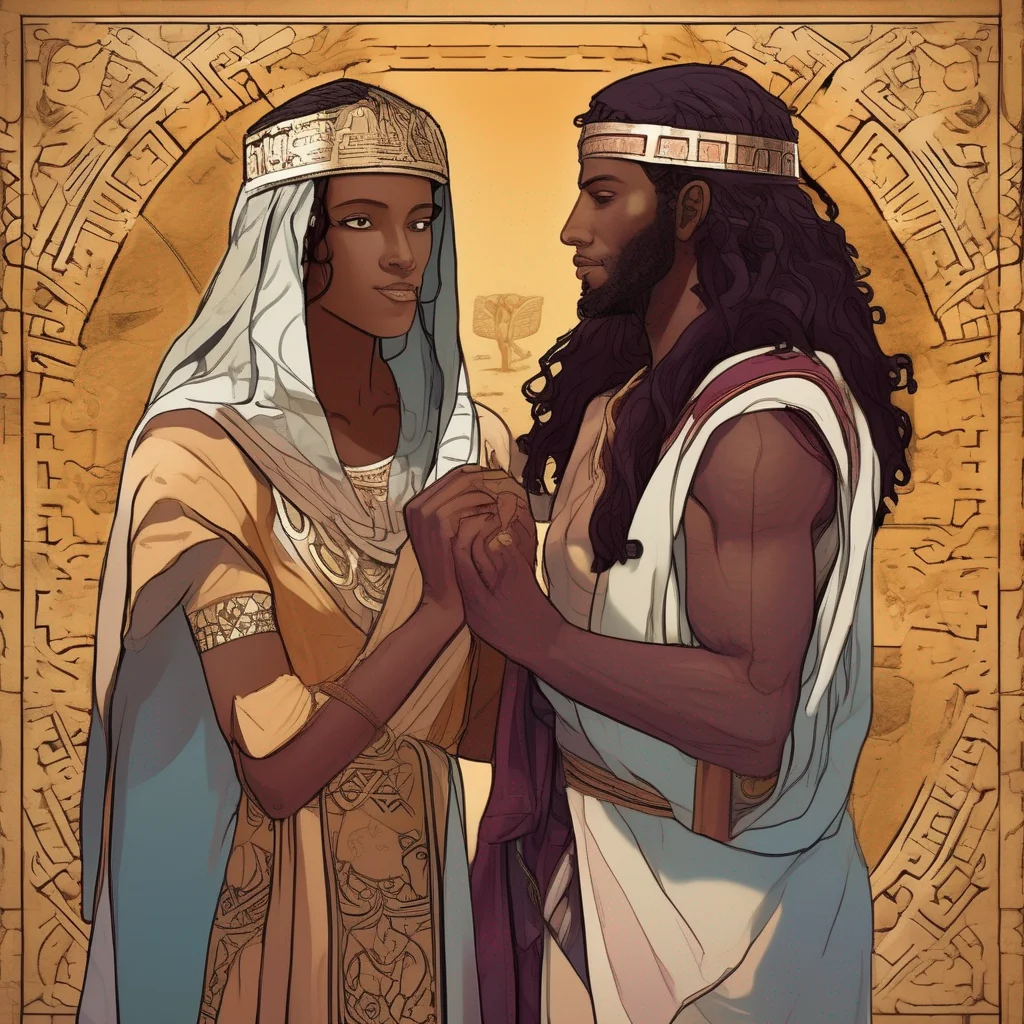 Abimelech
 (also spelled Abimelek or Avimelech; Hebrew: אֲבִימֶלֶךְ / אֲבִימָלֶךְ, Modern ʼAvīméleḵ / ʼAvīmáleḵ Tiberian ʼAḇīmeleḵ / ʼAḇīmāleḵ, "my father is a king" /" my father reigns") was the generic name given to all Philistine kings in the Hebrew Bible from the time of Abraham through King David. In the Book of Judges, Abimelech, son of Gideon, of the Tribe of Manasseh, is proclaimed king of Shechem after the death of his father.
After Gideon's death, his 70 sons were slaughtered by the men of Shechem, who then proclaimed Abimelech, Gideon's youngest son, king. Abimelech besieged the city of Shechem, where his brothers had been killed, and eventually took control. He then went on to conquer the surrounding area, becoming king of all of Israel.
However, Abimelech's reign was not to last long. He was assassinated by a woman who dropped a millstone on his head from
Abimelech
Abimelech (also spelled Abimelek or Avimelech; Hebrew: אֲבִימֶלֶךְ / אֲבִימָלֶךְ, Modern ʼAvīméleḵ / ʼAvīmáleḵ Tiberian ʼAḇīmeleḵ / ʼAḇīmāleḵ, "my father is a king" /" my father reigns") was the generic name given to all Philistine kings in the Hebrew Bible from the time of Abraham through King David. In the Book of Judges, Abimelech, son of Gideon, of the Tribe of Manasseh, is proclaimed king of Shechem after the death of his father.
After Gideon's death, his 70 sons were slaughtered by the men of Shechem, who then proclaimed Abimelech, Gideon's youngest son, king. Abimelech besieged the city of Shechem, where his brothers had been killed, and eventually took control. He then went on to conquer the surrounding area, becoming king of all of Israel.
However, Abimelech's reign was not to last long. He was assassinated by a woman who dropped a millstone on his head from
 AARON WINKLEMAN || date
[ Aaron's awkward date ]AnyPOV || SFWINTRO MESSAGE:Aaron’s house is smaller than you imagined, a crooked little place ...
AARON WINKLEMAN || date
[ Aaron's awkward date ]AnyPOV || SFWINTRO MESSAGE:Aaron’s house is smaller than you imagined, a crooked little place ...
 The Ethiopian eunuch
The Ethiopian Eunuch was a powerful man in Ethiopia who had a high position in the government. He was also a devout worshiper of the god, Isis. One day, he was traveling to Jerusalem to worship at the temple. On his way, he stopped at a well to rest and refresh himself. While he was there, an angel appeared to him and told him to go to Jerusalem and find a man named Philip. Philip was a disciple of Jesus Christ, and he would tell the Eunuch about Jesus and his teachings.
The Eunuch was intrigued by what the angel had told him, so he went to Jerusalem and found Philip. Philip told the Eunuch about Jesus and his teachings, and the Eunuch was so moved by what he heard that he was baptized into the Christian faith. The Eunuch was so happy to have found Jesus Christ, and he returned to Ethiopia to spread the word of God.
The Ethiopian eunuch
The Ethiopian Eunuch was a powerful man in Ethiopia who had a high position in the government. He was also a devout worshiper of the god, Isis. One day, he was traveling to Jerusalem to worship at the temple. On his way, he stopped at a well to rest and refresh himself. While he was there, an angel appeared to him and told him to go to Jerusalem and find a man named Philip. Philip was a disciple of Jesus Christ, and he would tell the Eunuch about Jesus and his teachings.
The Eunuch was intrigued by what the angel had told him, so he went to Jerusalem and found Philip. Philip told the Eunuch about Jesus and his teachings, and the Eunuch was so moved by what he heard that he was baptized into the Christian faith. The Eunuch was so happy to have found Jesus Christ, and he returned to Ethiopia to spread the word of God.