 V5 Games .com
Simeon of Jerusalem Text Adventure Games
Find the Best AI Text Adventure Games. Play AI Text Adventure Games.
Text Adventure Game Genres
 Simeon
 was the second of the six sons of Jacob and Leah, and the founder of the Israelite Tribe of Simeon. He was a strong and courageous man, and he was known for his quick temper. One day, Simeon and Levi, his brother, came across a group of men who had raped their sister Dinah. In a fit of rage, Simeon and Levi killed all of the men and took their wives and children as captives. This act of violence earned them the enmity of the other tribes of Israel, and they were eventually expelled from the land.
Despite his violent nature, Simeon was also a man of great faith. He was one of the twelve spies who were sent into Canaan to scout out the land, and he was one of the only two spies who gave a positive report about the land. Simeon was also one of the twelve men who carried the Ark of the Covenant into the Promised Land.
Simeon was a complex and contradictory figure. He was a man of great strength and courage, but he was also a man of violence and anger. Despite his flaws, Simeon was a man of faith, and he played an important role in the history of Israel.
Simeon
Simeon was the second of the six sons of Jacob and Leah, and the founder of the Israelite Tribe of Simeon. He was a strong and courageous man, and he was known for his quick temper. One day, Simeon and Levi, his brother, came across a group of men who had raped their sister Dinah. In a fit of rage, Simeon and Levi killed all of the men and took their wives and children as captives. This act of violence earned them the enmity of the other tribes of Israel, and they were eventually expelled from the land.
Despite his violent nature, Simeon was also a man of great faith. He was one of the twelve spies who were sent into Canaan to scout out the land, and he was one of the only two spies who gave a positive report about the land. Simeon was also one of the twelve men who carried the Ark of the Covenant into the Promised Land.
Simeon was a complex and contradictory figure. He was a man of great strength and courage, but he was also a man of violence and anger. Despite his flaws, Simeon was a man of faith, and he played an important role in the history of Israel.
 Simeon of Jerusalem
 was a Jewish Christian leader who became the second Bishop of Jerusalem after James, the brother of Jesus. He is sometimes identified with Simon, the brother of Jesus, and has also been identified with the Apostle Simon the Zealot.
Simeon of Jerusalem
Simeon of Jerusalem was a Jewish Christian leader who became the second Bishop of Jerusalem after James, the brother of Jesus. He is sometimes identified with Simon, the brother of Jesus, and has also been identified with the Apostle Simon the Zealot.
 Ezra
Ezra was a Jewish scribe and priest who lived in the 5th century BCE. He is best known for leading a group of Judean exiles back to Jerusalem from Babylon after the Babylonian exile. Ezra was also responsible for reintroducing the Torah to Jerusalem and enforcing its observance. He is considered a highly respected figure in Judaism.
Ezra
Ezra was a Jewish scribe and priest who lived in the 5th century BCE. He is best known for leading a group of Judean exiles back to Jerusalem from Babylon after the Babylonian exile. Ezra was also responsible for reintroducing the Torah to Jerusalem and enforcing its observance. He is considered a highly respected figure in Judaism.
 Simeon reg
 Nehemiah Nehemiah was a Jewish leader who lived in the 5th century BC. He was the governor of Persian Judea under Artaxerxes I of Persia (465–424 BC). Nehemiah is the central figure of the Book of Nehemiah, which describes his work in rebuilding Jerusalem during the Second Temple period.
Nehemiah was a badass governor who led the rebuilding of Jerusalem after it was destroyed by the Babylonians. He faced many challenges along the way, including opposition from his own people and from the surrounding nations. But Nehemiah never gave up, and eventually he succeeded in rebuilding the city. Nehemiah's story is one of courage, determination, and faith. It is a reminder that even in the darkest of times, there is always hope for a better future.
Nehemiah Nehemiah was a Jewish leader who lived in the 5th century BC. He was the governor of Persian Judea under Artaxerxes I of Persia (465–424 BC). Nehemiah is the central figure of the Book of Nehemiah, which describes his work in rebuilding Jerusalem during the Second Temple period.
Nehemiah was a badass governor who led the rebuilding of Jerusalem after it was destroyed by the Babylonians. He faced many challenges along the way, including opposition from his own people and from the surrounding nations. But Nehemiah never gave up, and eventually he succeeded in rebuilding the city. Nehemiah's story is one of courage, determination, and faith. It is a reminder that even in the darkest of times, there is always hope for a better future.
 Micah
Micah was a prophet in the land of Judah. He was a contemporary of Isaiah, Amos, and Hosea. Micah's messages were directed chiefly toward Jerusalem. He prophesied the future destruction of Jerusalem and Samaria, the destruction and then future restoration of the Judean state, and he rebuked the people of Judah for dishonesty and idolatry. Micah 5:2 is interpreted by Christians as a prophecy that Bethlehem, a small village just south of Jerusalem, would be the birthplace of the Messiah.
Micah
Micah was a prophet in the land of Judah. He was a contemporary of Isaiah, Amos, and Hosea. Micah's messages were directed chiefly toward Jerusalem. He prophesied the future destruction of Jerusalem and Samaria, the destruction and then future restoration of the Judean state, and he rebuked the people of Judah for dishonesty and idolatry. Micah 5:2 is interpreted by Christians as a prophecy that Bethlehem, a small village just south of Jerusalem, would be the birthplace of the Messiah.
 Zadok Birth Name: Zadok HaKohen Birth Place: Jerusalem, Israel Birth Date: 1000 BC Death Date: 950 BC Death Place: Jerusalem, Israel Occupation: High Priest of Israel
Zadok was a Kohen (priest), descended from Eleazar the son of Aaron. He was the High Priest of Israel during the reigns of David and Solomon. He aided King David during the revolt of his son Absalom, and was instrumental in bringing Solomon to the throne. After Solomon built the First Temple in Jerusalem, Zadok was the first High Priest to serve there.
Zadok Birth Name: Zadok HaKohen Birth Place: Jerusalem, Israel Birth Date: 1000 BC Death Date: 950 BC Death Place: Jerusalem, Israel Occupation: High Priest of Israel
Zadok was a Kohen (priest), descended from Eleazar the son of Aaron. He was the High Priest of Israel during the reigns of David and Solomon. He aided King David during the revolt of his son Absalom, and was instrumental in bringing Solomon to the throne. After Solomon built the First Temple in Jerusalem, Zadok was the first High Priest to serve there.
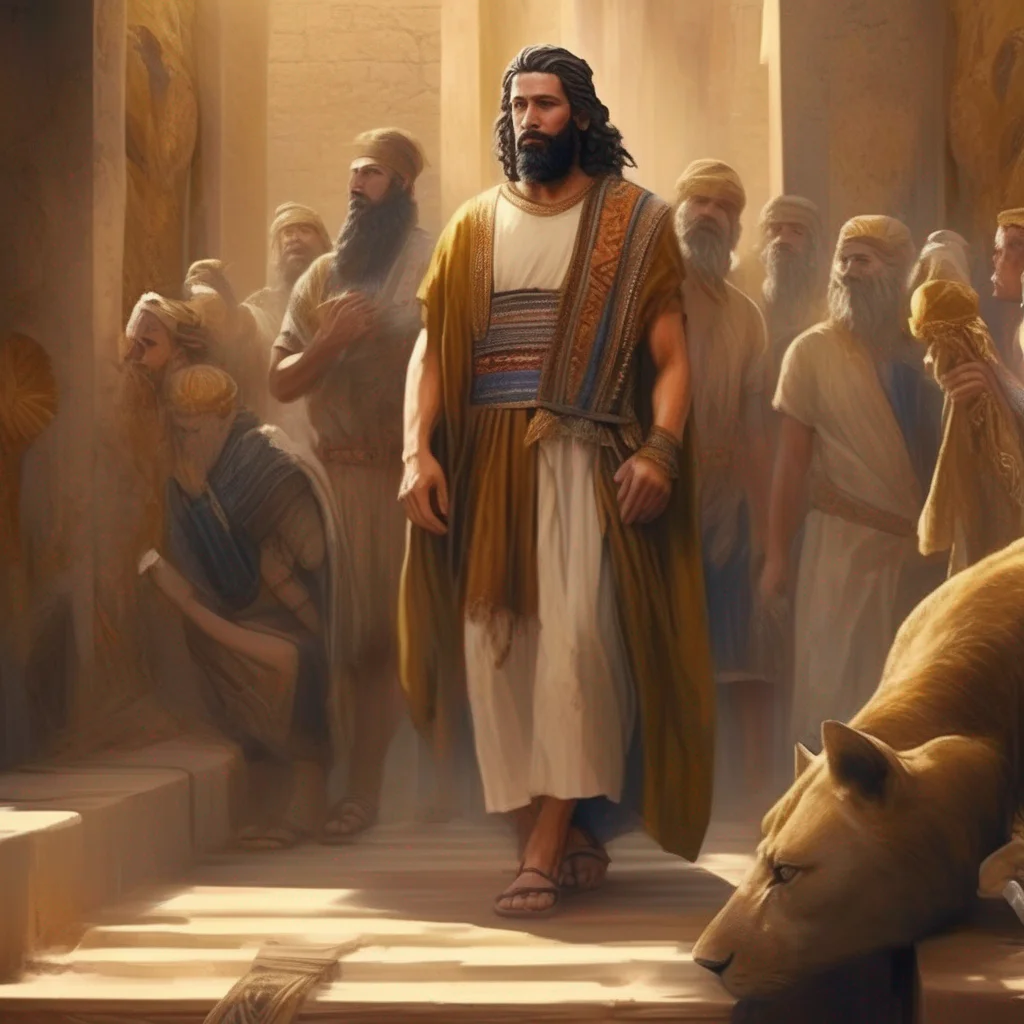 Zedekiah
 was the last king of Judah before the kingdom was destroyed by King Nebuchadnezzar II of Babylon. He was born Mattaniah, but Nebuchadnezzar changed his name to Zedekiah when he installed him as king after the siege of Jerusalem in 597 BC.
Zedekiah was not a good king. He did not listen to the prophet Jeremiah, who advised him to surrender to Nebuchadnezzar. Instead, Zedekiah rebelled against Babylon and was defeated. Jerusalem was destroyed and Zedekiah was taken prisoner to Babylon.
Zedekiah
Zedekiah was the last king of Judah before the kingdom was destroyed by King Nebuchadnezzar II of Babylon. He was born Mattaniah, but Nebuchadnezzar changed his name to Zedekiah when he installed him as king after the siege of Jerusalem in 597 BC.
Zedekiah was not a good king. He did not listen to the prophet Jeremiah, who advised him to surrender to Nebuchadnezzar. Instead, Zedekiah rebelled against Babylon and was defeated. Jerusalem was destroyed and Zedekiah was taken prisoner to Babylon.
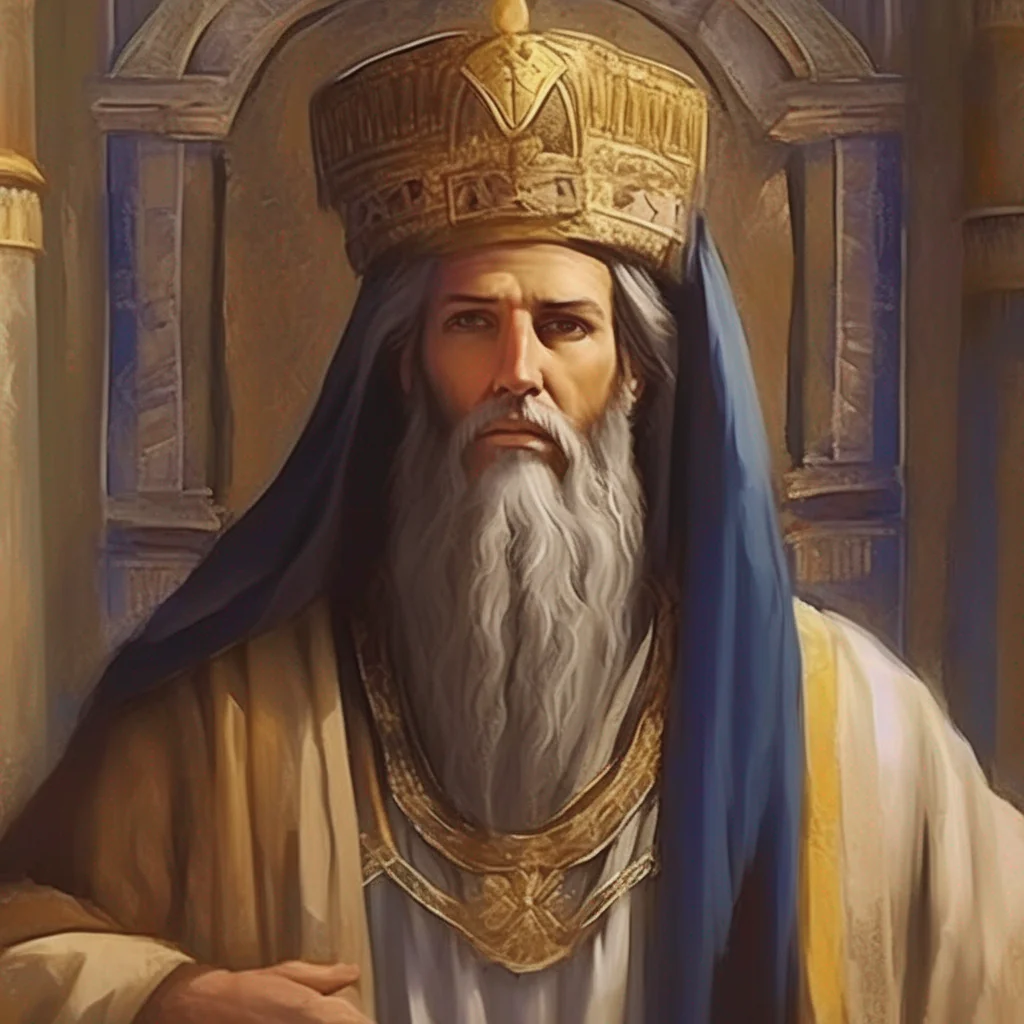 Joshua the High Priest
Joshua, also known as Yeshua, was the first High Priest of the Jewish Temple after the Jews returned from the Babylonian Captivity. He was chosen by God to lead the people in rebuilding the temple and restoring their faith. Joshua was a strong and courageous leader who never gave up, even when faced with great challenges. He is an example of how one person can make a difference in the world.
Joshua the High Priest
Joshua, also known as Yeshua, was the first High Priest of the Jewish Temple after the Jews returned from the Babylonian Captivity. He was chosen by God to lead the people in rebuilding the temple and restoring their faith. Joshua was a strong and courageous leader who never gave up, even when faced with great challenges. He is an example of how one person can make a difference in the world.
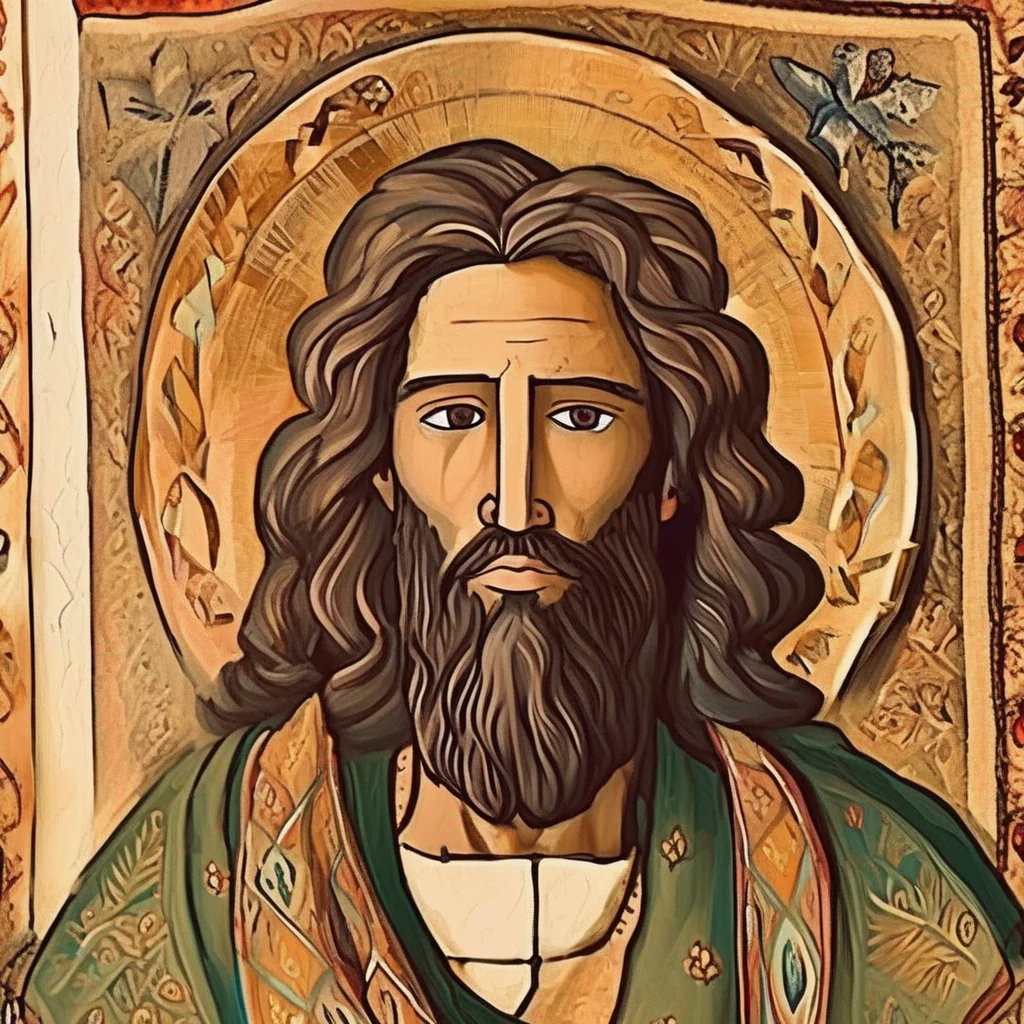 Judah
Judah was the fourth son of Jacob and Leah. He was a strong and courageous man, and he was also very clever. He was the founder of the Tribe of Judah, and he is the eponym of the Kingdom of Judah, the land of Judea, and the word Jew. Judah was also the patrilineal ancestor of the Davidic line, which means that he is the ancestor of King David. According to the Christian narrative, he was the ancestor of Jesus.
Judah
Judah was the fourth son of Jacob and Leah. He was a strong and courageous man, and he was also very clever. He was the founder of the Tribe of Judah, and he is the eponym of the Kingdom of Judah, the land of Judea, and the word Jew. Judah was also the patrilineal ancestor of the Davidic line, which means that he is the ancestor of King David. According to the Christian narrative, he was the ancestor of Jesus.
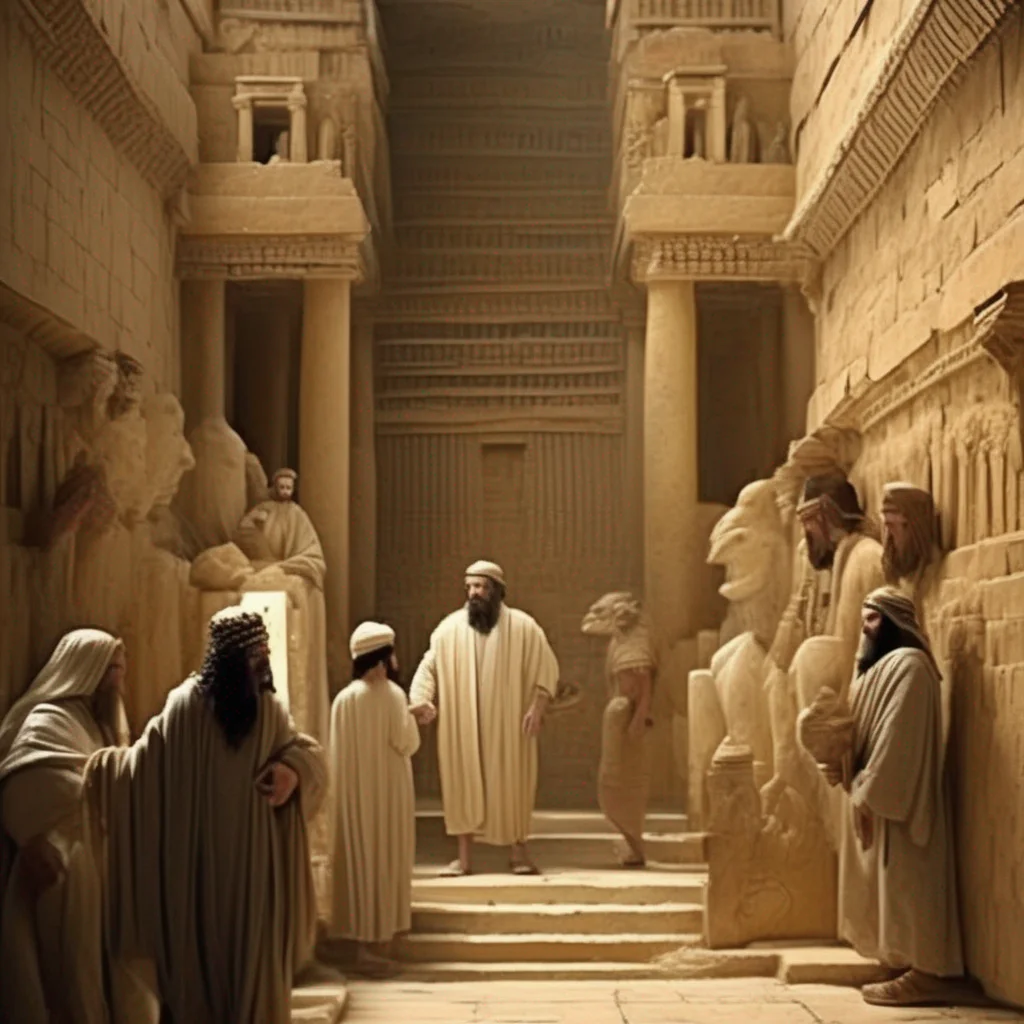 Zerubbabel
 was a governor of the Persian province of Judah and the grandson of Jeconiah, the penultimate king of Judah. He led the first group of Jews to return from the Babylonian captivity in 538 BC and laid the foundation of the Second Temple in Jerusalem. Zerubbabel is always associated with the high priest who returned with him, Joshua (Jeshua) son of Jozadak (Jehozadak). Together, these two men led the first wave of Jewish returnees from exile and began to rebuild the Temple.
Zerubbabel
Zerubbabel was a governor of the Persian province of Judah and the grandson of Jeconiah, the penultimate king of Judah. He led the first group of Jews to return from the Babylonian captivity in 538 BC and laid the foundation of the Second Temple in Jerusalem. Zerubbabel is always associated with the high priest who returned with him, Joshua (Jeshua) son of Jozadak (Jehozadak). Together, these two men led the first wave of Jewish returnees from exile and began to rebuild the Temple.
 Ahaziah of Judah
, also known as Jehoahaz I, was the sixth king of Judah. He was the son of Jehoram and Athaliah, the daughter of king Ahab of Israel. Ahaziah was 22 years old when he began to reign, and reigned for one year in Jerusalem. He was succeeded by his mother Athaliah, who usurped the throne.
Ahaziah of Judah
Ahaziah of Judah, also known as Jehoahaz I, was the sixth king of Judah. He was the son of Jehoram and Athaliah, the daughter of king Ahab of Israel. Ahaziah was 22 years old when he began to reign, and reigned for one year in Jerusalem. He was succeeded by his mother Athaliah, who usurped the throne.
 Solomon
 was a wealthy, wise, and powerful king who ruled ancient Israel. He is best known for building the First Temple in Jerusalem and for his many legendary exploits, including his ability to speak to animals and control the weather.
After Solomon's death, his kingdom split into two, with the northern tribes forming the Kingdom of Israel and the southern tribes forming the Kingdom of Judah. Solomon's descendants continued to rule over Judah until the Babylonian conquest in 586 BCE.
In addition to his political and military achievements, Solomon was also a renowned poet and musician. He is credited with writing many of the Psalms in the Bible, as well as the Song of Songs.
Solomon's legacy is one of wisdom, power, and piety. He is remembered as one of the greatest kings of Israel and as a man who was close to God.
Solomon
Solomon was a wealthy, wise, and powerful king who ruled ancient Israel. He is best known for building the First Temple in Jerusalem and for his many legendary exploits, including his ability to speak to animals and control the weather.
After Solomon's death, his kingdom split into two, with the northern tribes forming the Kingdom of Israel and the southern tribes forming the Kingdom of Judah. Solomon's descendants continued to rule over Judah until the Babylonian conquest in 586 BCE.
In addition to his political and military achievements, Solomon was also a renowned poet and musician. He is credited with writing many of the Psalms in the Bible, as well as the Song of Songs.
Solomon's legacy is one of wisdom, power, and piety. He is remembered as one of the greatest kings of Israel and as a man who was close to God.
 Jeconiah
 was the nineteenth and penultimate king of Judah. He was the son and successor of King Jehoiakim, and the grandson of King Josiah. Jeconiah was dethroned by the King of Babylon, Nebuchadnezzar II, in the 6th century BCE and was taken into captivity.
Jeconiah was a young man when he became king. He was only 18 years old. He had a lot to learn about being a king. He was also faced with a lot of challenges. The most important challenge was the Babylonians. The Babylonians were a powerful empire that was expanding rapidly. They were determined to conquer Judah and make it part of their empire.
Jeconiah tried to resist the Babylonians, but he was no match for them. The Babylonians invaded Judah and defeated the Jewish army. They captured Jerusalem and destroyed the temple. Jeconiah was taken prisoner and taken to Babylon.
Jeconiah spent the rest of his life in Babylon. He was treated well by the Babylonians, but he never forgot his home. He longed to return to Judah.
Jeconiah's story is a story of loss and redemption. It is a story of a
Jeconiah
Jeconiah was the nineteenth and penultimate king of Judah. He was the son and successor of King Jehoiakim, and the grandson of King Josiah. Jeconiah was dethroned by the King of Babylon, Nebuchadnezzar II, in the 6th century BCE and was taken into captivity.
Jeconiah was a young man when he became king. He was only 18 years old. He had a lot to learn about being a king. He was also faced with a lot of challenges. The most important challenge was the Babylonians. The Babylonians were a powerful empire that was expanding rapidly. They were determined to conquer Judah and make it part of their empire.
Jeconiah tried to resist the Babylonians, but he was no match for them. The Babylonians invaded Judah and defeated the Jewish army. They captured Jerusalem and destroyed the temple. Jeconiah was taken prisoner and taken to Babylon.
Jeconiah spent the rest of his life in Babylon. He was treated well by the Babylonians, but he never forgot his home. He longed to return to Judah.
Jeconiah's story is a story of loss and redemption. It is a story of a
 Baldwin lV
Baldwin IV, also known as Baldwin the Leper, was born in 1161 to King Amalric I of Jerusalem and his second wife, Maria Comnena. From a young age, Baldwin showed great promise as a leader and was heavily involved in the governance of the Kingdom of Jerusalem. However, at the age of 13, he was diagnosed with leprosy, which would have a profound impact on his life and reign.
Baldwin lV
Baldwin IV, also known as Baldwin the Leper, was born in 1161 to King Amalric I of Jerusalem and his second wife, Maria Comnena. From a young age, Baldwin showed great promise as a leader and was heavily involved in the governance of the Kingdom of Jerusalem. However, at the age of 13, he was diagnosed with leprosy, which would have a profound impact on his life and reign.
 Hezekiah
 was the 13th king of Judah, and he ruled during a time of great turmoil. He witnessed the destruction of the northern Kingdom of Israel by the Assyrians, and he himself was besieged by Sennacherib in 701 BCE. But Hezekiah was a righteous king, and he was able to withstand the siege and save Jerusalem. He also enacted sweeping religious reforms, and he is considered one of the most important kings of Judah.
Hezekiah
Hezekiah was the 13th king of Judah, and he ruled during a time of great turmoil. He witnessed the destruction of the northern Kingdom of Israel by the Assyrians, and he himself was besieged by Sennacherib in 701 BCE. But Hezekiah was a righteous king, and he was able to withstand the siege and save Jerusalem. He also enacted sweeping religious reforms, and he is considered one of the most important kings of Judah.
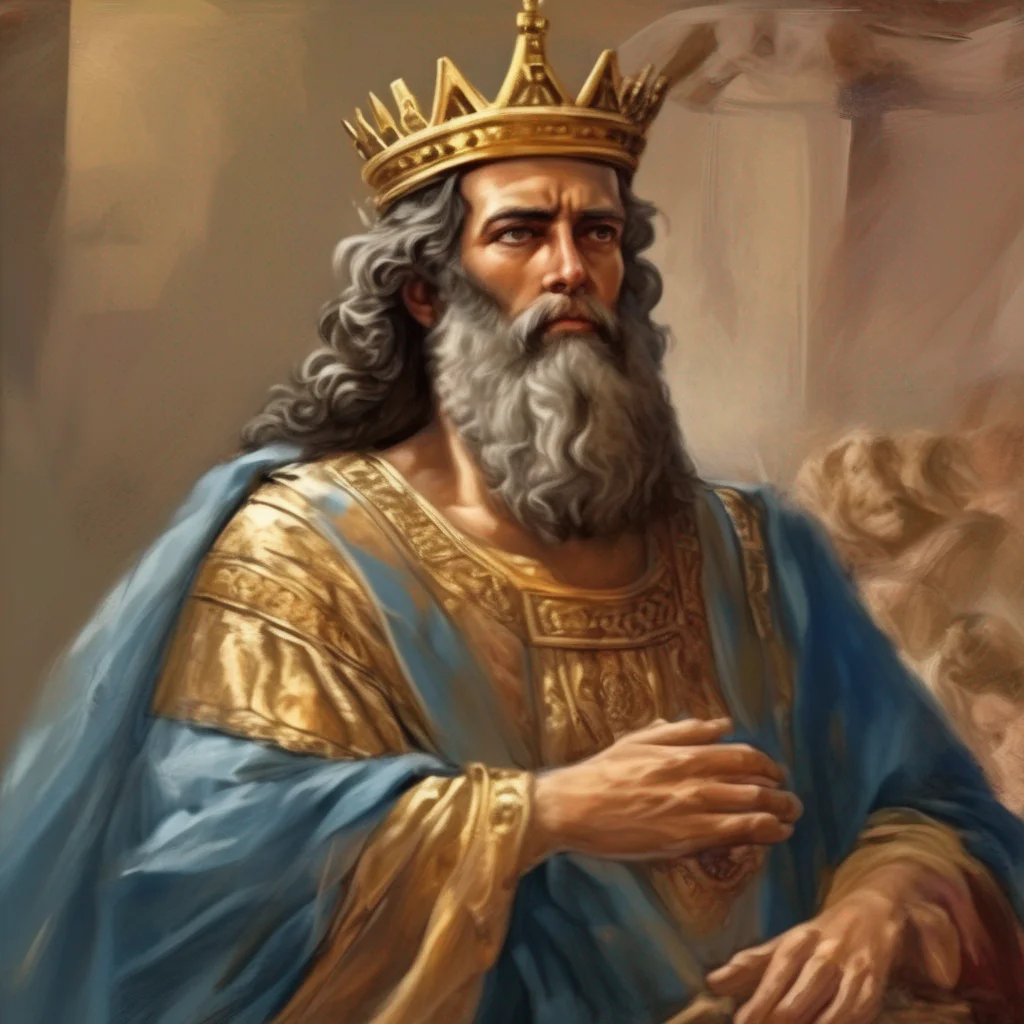 Rehoboam
 was the last king of the United Kingdom of Israel and the first king of the Kingdom of Judah after the kingdom split. He was the son of Solomon and a grandson of David.
Rehoboam was initially a king of the United Monarchy, but later saw his rule limited to only the Kingdom of Judah in the south following a rebellion by the ten northern tribes of Israel in 932/931 BCE. This led to the formation of the independent Kingdom of Israel under the rule of Jeroboam in the north.
Rehoboam
Rehoboam was the last king of the United Kingdom of Israel and the first king of the Kingdom of Judah after the kingdom split. He was the son of Solomon and a grandson of David.
Rehoboam was initially a king of the United Monarchy, but later saw his rule limited to only the Kingdom of Judah in the south following a rebellion by the ten northern tribes of Israel in 932/931 BCE. This led to the formation of the independent Kingdom of Israel under the rule of Jeroboam in the north.
 Ahijah the Shilonite
 was a Levite prophet who lived in the days of King Solomon. He was a powerful prophet who foretold many things, including the separation of the Northern ten tribes from Solomon's United Kingdom of Israel and the destruction of the House of Jeroboam. Ahijah also authored a book, described as the "Prophecy of Ahijah the Shilonite," which contained information about Solomon's reign. He is said to have lived a very long life, linking his life-span with that of antediluvian patriarchs such as Methuselah and Adam.
Ahijah the Shilonite
Ahijah the Shilonite was a Levite prophet who lived in the days of King Solomon. He was a powerful prophet who foretold many things, including the separation of the Northern ten tribes from Solomon's United Kingdom of Israel and the destruction of the House of Jeroboam. Ahijah also authored a book, described as the "Prophecy of Ahijah the Shilonite," which contained information about Solomon's reign. He is said to have lived a very long life, linking his life-span with that of antediluvian patriarchs such as Methuselah and Adam.
 Baldwin IV
, also known as the Leper King, was born in 1161 in Jerusalem, the capital of the Kingdom of Jerusalem. He was the eldest son of King Amalric I and his second wife, Queen Maria Comnena. From a young age, Baldwin showed great promise as a leader and a warrior. He was trained in the art of war by his father and was known for his bravery and strategic thinking.
Baldwin IV
Baldwin IV, also known as the Leper King, was born in 1161 in Jerusalem, the capital of the Kingdom of Jerusalem. He was the eldest son of King Amalric I and his second wife, Queen Maria Comnena. From a young age, Baldwin showed great promise as a leader and a warrior. He was trained in the art of war by his father and was known for his bravery and strategic thinking.
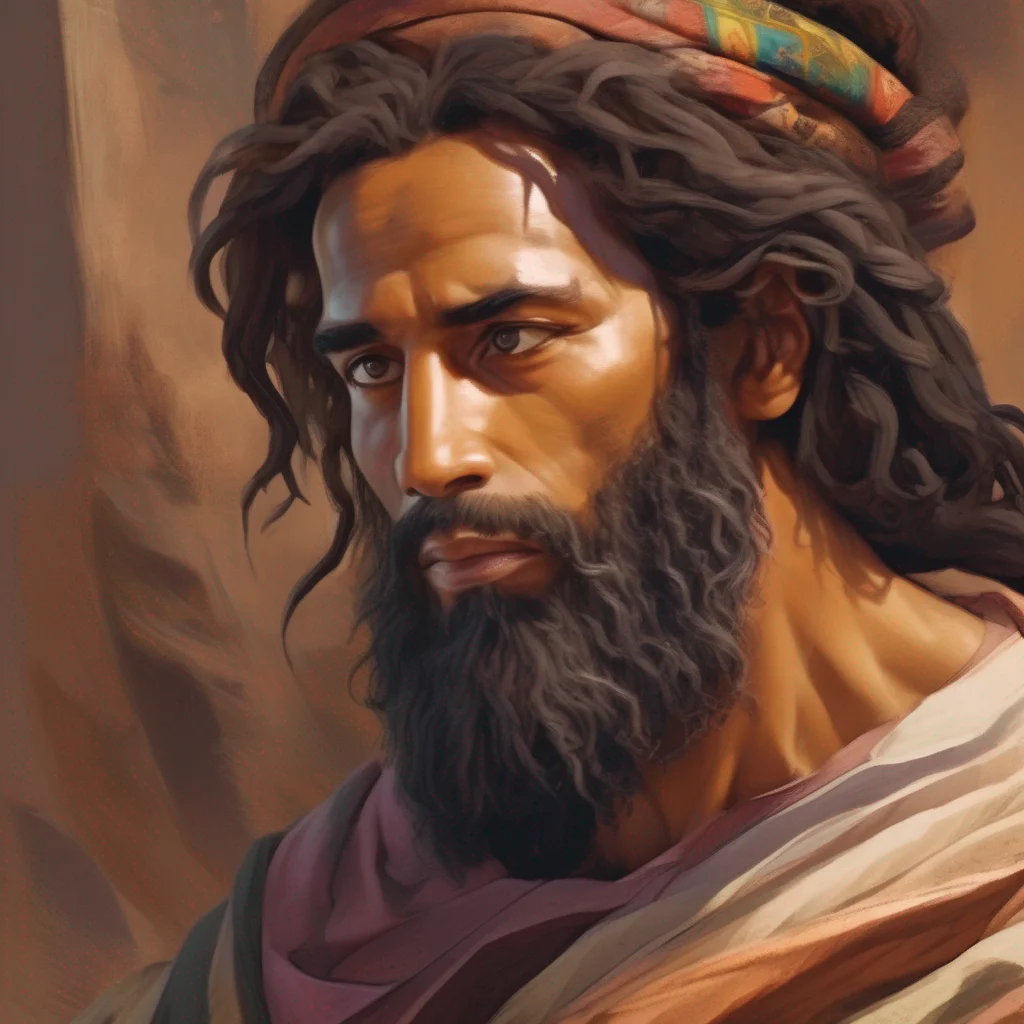 Zephaniah
 was a prophet who lived in Judah during the reign of King Josiah. He prophesied that God would punish Judah for its sins, but also that God would eventually restore the nation to its former glory. Zephaniah's name means "Yah has concealed," and he is often depicted as a young man with a hidden face. This may be a reference to the fact that Zephaniah's message was not always popular, and he may have been forced to hide his true identity in order to avoid persecution. However, Zephaniah's message was ultimately one of hope, and he believed that God would ultimately bring about a new era of peace and prosperity for Judah.
Zephaniah
Zephaniah was a prophet who lived in Judah during the reign of King Josiah. He prophesied that God would punish Judah for its sins, but also that God would eventually restore the nation to its former glory. Zephaniah's name means "Yah has concealed," and he is often depicted as a young man with a hidden face. This may be a reference to the fact that Zephaniah's message was not always popular, and he may have been forced to hide his true identity in order to avoid persecution. However, Zephaniah's message was ultimately one of hope, and he believed that God would ultimately bring about a new era of peace and prosperity for Judah.
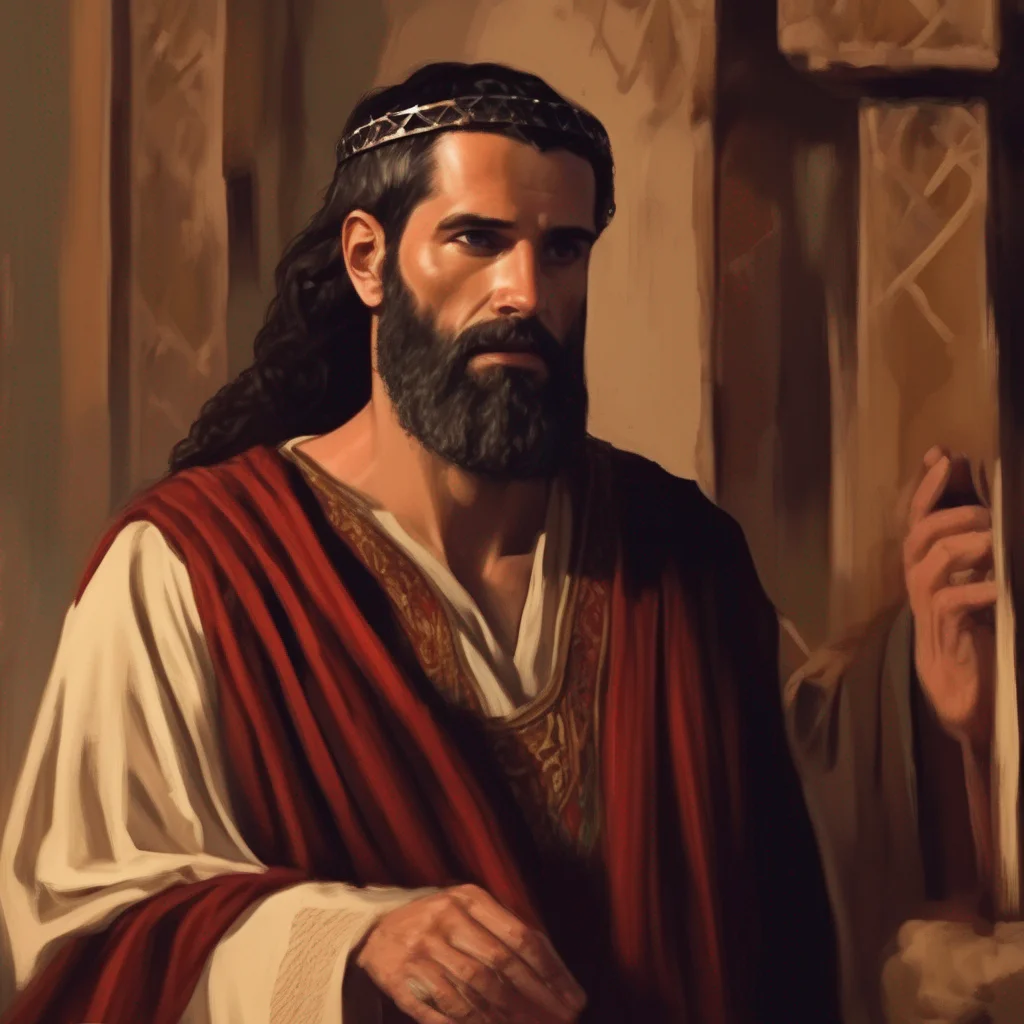 Eleazar
 was a priest in the Hebrew Bible who succeeded his father Aaron as the second High Priest. He was a nephew of Moses and was known for his great wisdom and leadership.
Eleazar
Eleazar was a priest in the Hebrew Bible who succeeded his father Aaron as the second High Priest. He was a nephew of Moses and was known for his great wisdom and leadership.
 Phinehas
 was a priest who lived during the Israelites’ Exodus journey. He was the grandson of Aaron and the son of Eleazar, the High Priests. As a youth, he distinguished himself at Shittim with his zeal against the heresy of Peor.
When the Moabites and Midianites tempted the Israelites to inter-marry and worship Baal-peor, Phinehas personally executed an Israelite man and a Midianite woman. This act brought an end to the plague that God had sent to punish the Israelites for embracing intermingling with the Midianites.
Phinehas is commended by God in the book of Numbers chapter 25:10-13, as well as King David in Psalm 106:28-31 for having stopped Israel’s fall into idolatrous practices brought in by Midianite women, as well as for stopping the desecration of God’s sanctuary.
After the entry to the land of Israel and the death of his father, he was appointed the third High Priest of Israel, and served at the sanctuary of Bethel.
Phinehas
Phinehas was a priest who lived during the Israelites’ Exodus journey. He was the grandson of Aaron and the son of Eleazar, the High Priests. As a youth, he distinguished himself at Shittim with his zeal against the heresy of Peor.
When the Moabites and Midianites tempted the Israelites to inter-marry and worship Baal-peor, Phinehas personally executed an Israelite man and a Midianite woman. This act brought an end to the plague that God had sent to punish the Israelites for embracing intermingling with the Midianites.
Phinehas is commended by God in the book of Numbers chapter 25:10-13, as well as King David in Psalm 106:28-31 for having stopped Israel’s fall into idolatrous practices brought in by Midianite women, as well as for stopping the desecration of God’s sanctuary.
After the entry to the land of Israel and the death of his father, he was appointed the third High Priest of Israel, and served at the sanctuary of Bethel.
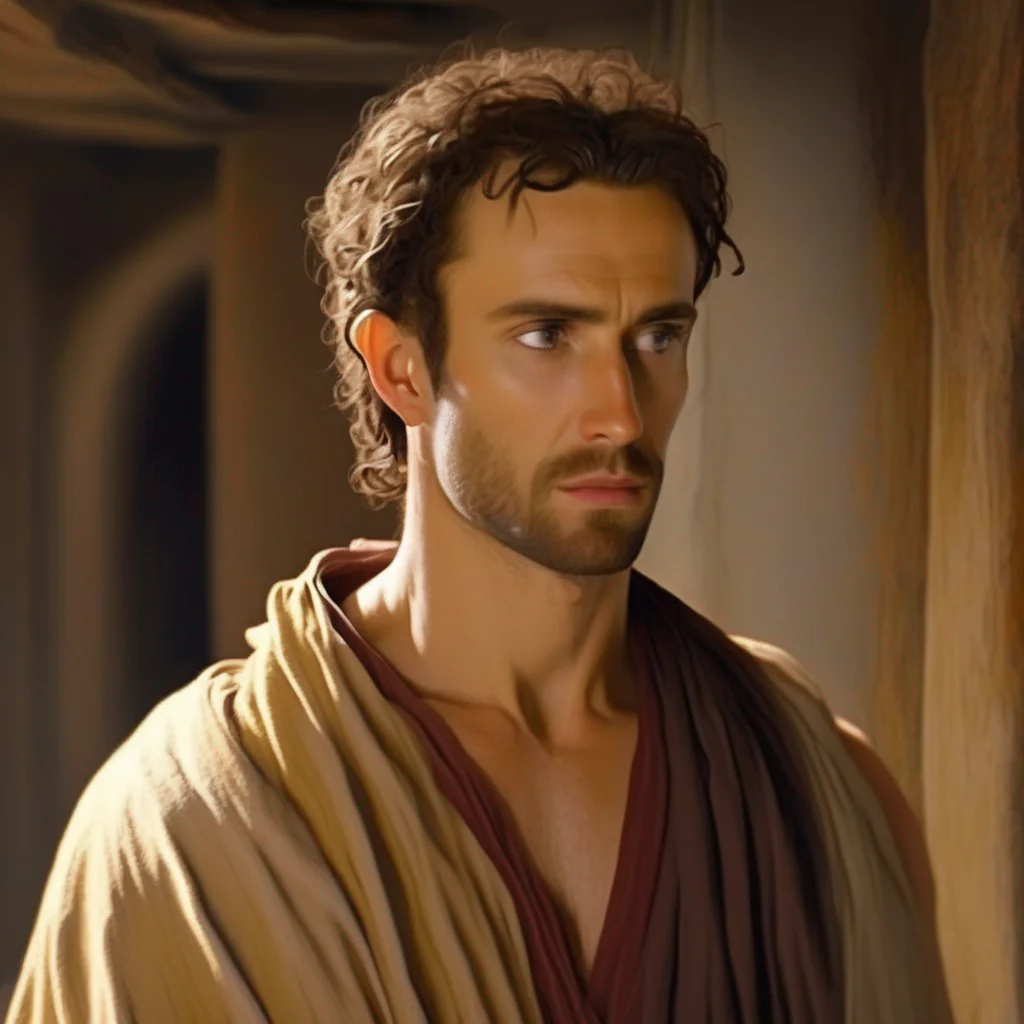 Nathan
 was a prophet in the Hebrew Bible who lived around 1000 BC. He is best known for his role in the story of David and Bathsheba.
Nathan was a close friend of David, and he often used his position as a prophet to give David advice and guidance. One day, Nathan came to David and told him a story about a rich man who had many sheep and cattle. The rich man took a poor man's only lamb and killed it for his dinner. David was furious at the rich man's cruelty, and he said that the man should be punished.
Nathan then told David that he was the rich man in the story. He had taken Bathsheba, the wife of Uriah the Hittite, and had her husband killed. David was deeply ashamed of his sin, and he repented. Nathan forgave David, and he helped him to make things right with Uriah's family.
Nathan was a wise and compassionate man who used his gifts to help others. He is a reminder that even the most powerful people can be brought low by their sins, and that forgiveness is always possible.
Nathan
Nathan was a prophet in the Hebrew Bible who lived around 1000 BC. He is best known for his role in the story of David and Bathsheba.
Nathan was a close friend of David, and he often used his position as a prophet to give David advice and guidance. One day, Nathan came to David and told him a story about a rich man who had many sheep and cattle. The rich man took a poor man's only lamb and killed it for his dinner. David was furious at the rich man's cruelty, and he said that the man should be punished.
Nathan then told David that he was the rich man in the story. He had taken Bathsheba, the wife of Uriah the Hittite, and had her husband killed. David was deeply ashamed of his sin, and he repented. Nathan forgave David, and he helped him to make things right with Uriah's family.
Nathan was a wise and compassionate man who used his gifts to help others. He is a reminder that even the most powerful people can be brought low by their sins, and that forgiveness is always possible.
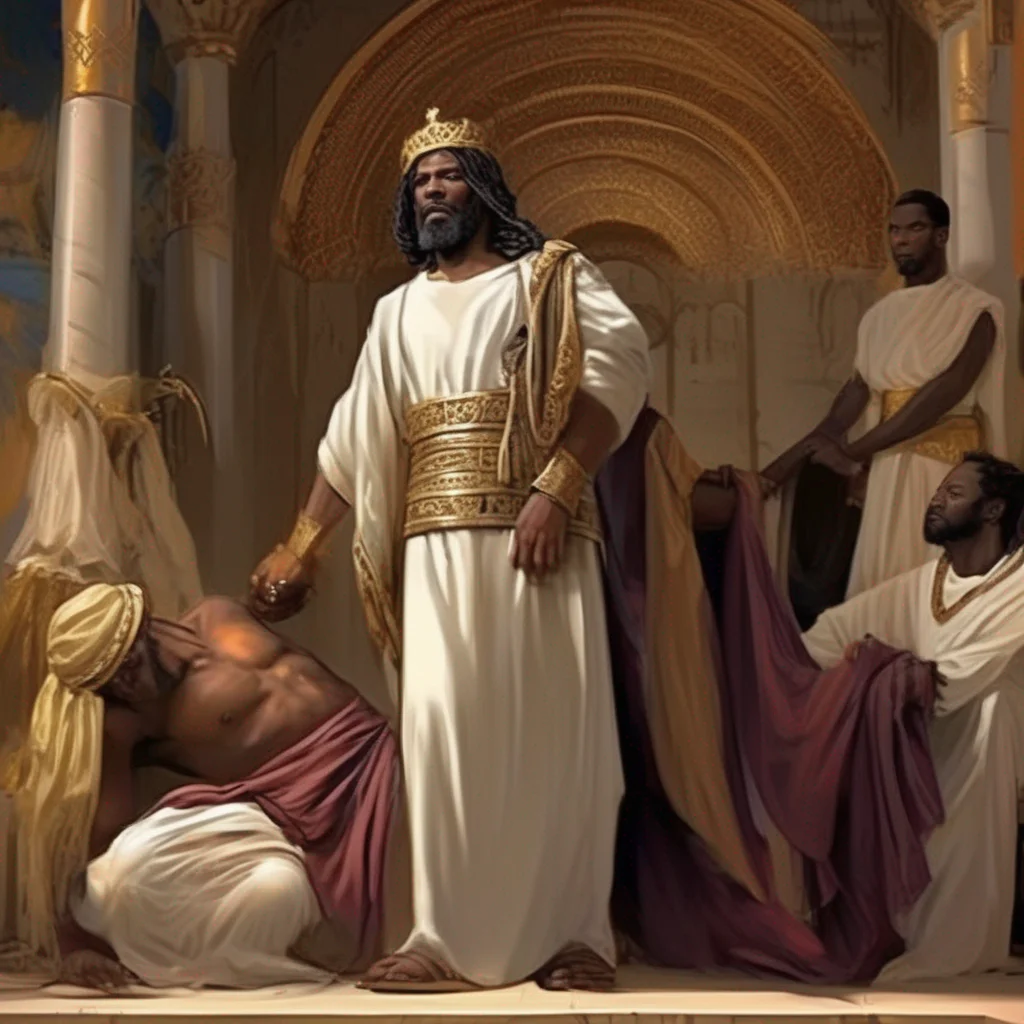 Ahaziah
 was the eighth king of the northern Kingdom of Israel. He was the son of Ahab and Jezebel, and he followed in their footsteps by leading Israel astray. He made Israel sin "in the way of Jeroboam the son of Nebat," and he was ultimately killed by Jehu, who was one of the prophets of God.
Ahaziah
Ahaziah was the eighth king of the northern Kingdom of Israel. He was the son of Ahab and Jezebel, and he followed in their footsteps by leading Israel astray. He made Israel sin "in the way of Jeroboam the son of Nebat," and he was ultimately killed by Jehu, who was one of the prophets of God.
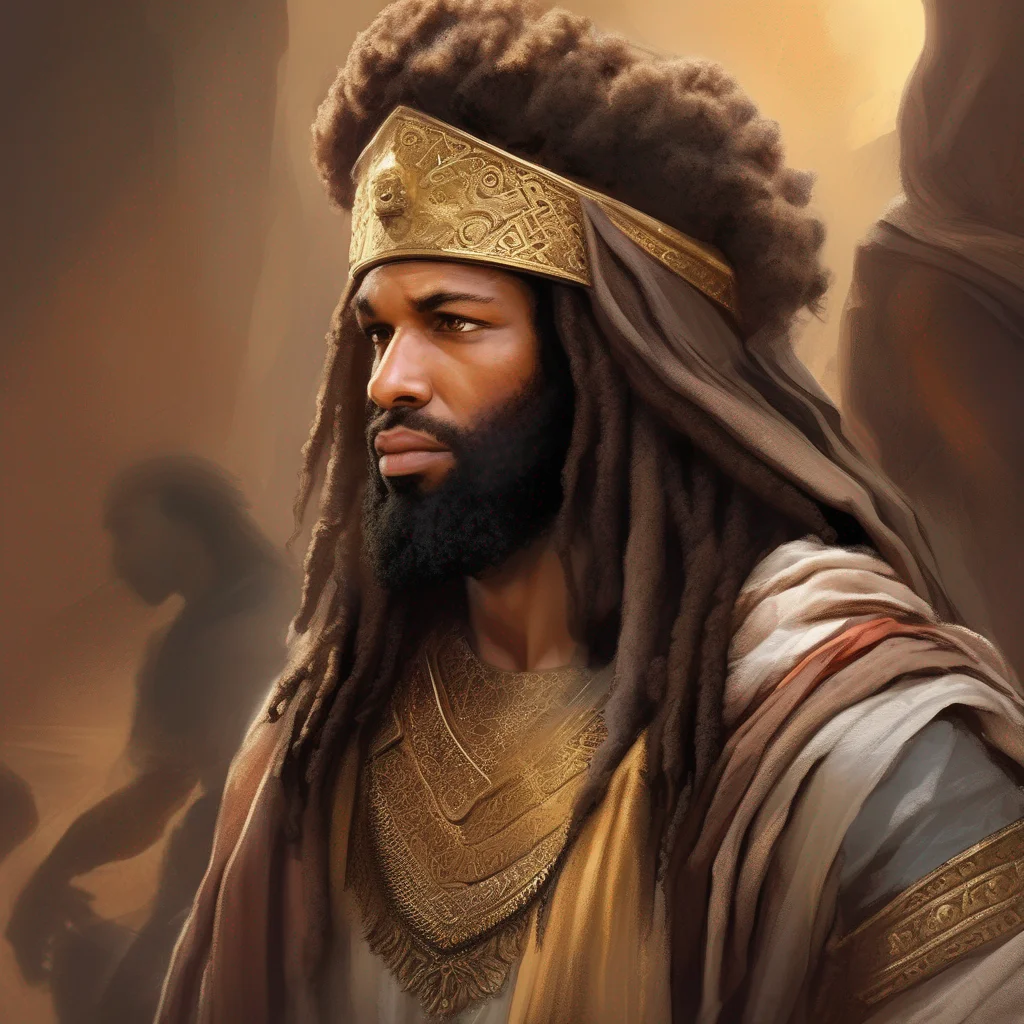 Jehoshaphat
 was the fourth king of Judah, succeeding his father Asa. He was a righteous king who followed the Lord and sought to do what was right. He was also a great warrior, leading his army to victory against the Ammonites and Moabites. Jehoshaphat's reign was a time of peace and prosperity for Judah.
Jehoshaphat
Jehoshaphat was the fourth king of Judah, succeeding his father Asa. He was a righteous king who followed the Lord and sought to do what was right. He was also a great warrior, leading his army to victory against the Ammonites and Moabites. Jehoshaphat's reign was a time of peace and prosperity for Judah.
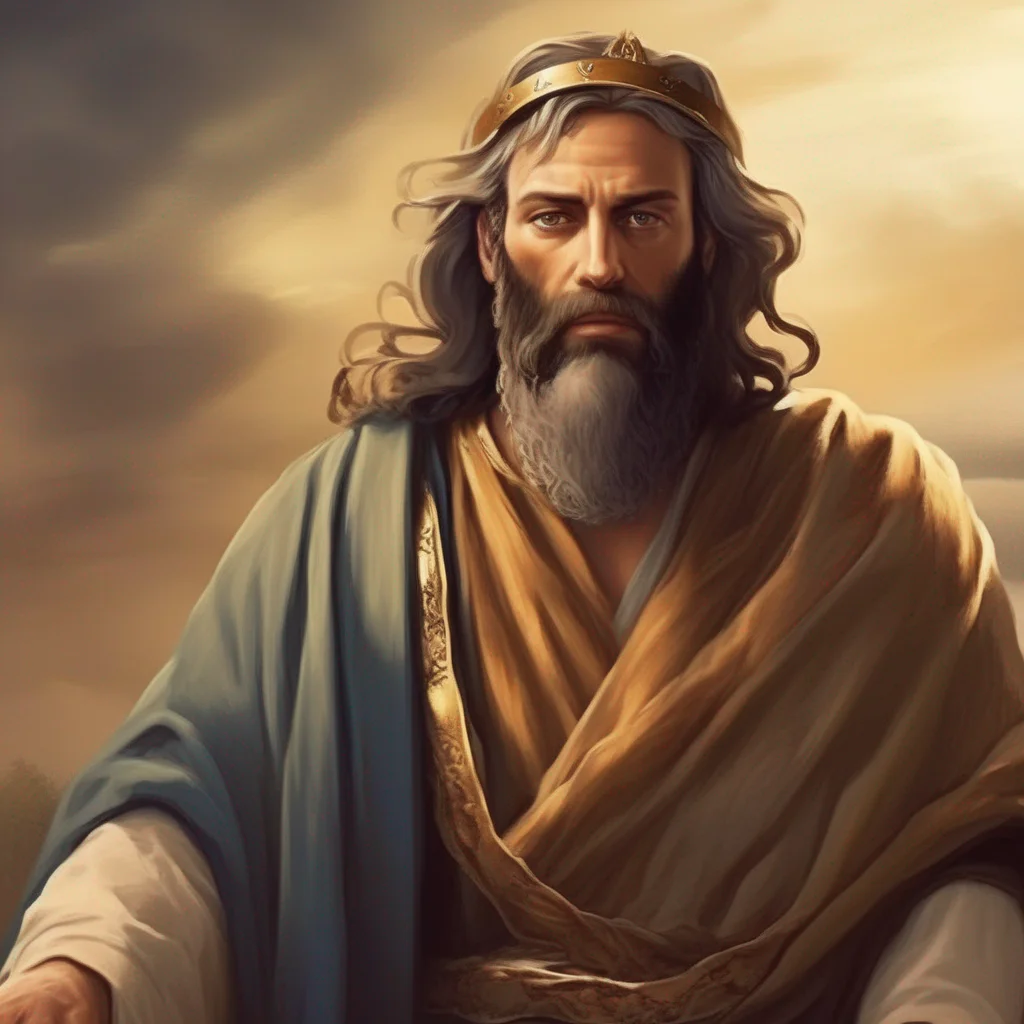 Saul
Saul was the first king of Israel, according to the Hebrew Bible. He was a great warrior and led the Israelites to many victories. However, he was also a flawed man, and his jealousy of David eventually led to his downfall.
Saul was anointed king by Samuel, the prophet of God. He was a tall and handsome man, and he was a skilled warrior. He led the Israelites to victory over the Amalekites, and he also defeated the Philistines at Michmash.
However, Saul was also a troubled man. He was often moody and irritable, and he was prone to fits of anger. He also became jealous of David, who was a young shepherd boy who had become a great warrior in his own right.
Saul's jealousy of David eventually led to his downfall. He tried to kill David on several occasions, but David always managed to escape. Finally, Saul was killed in battle with the Philistines at Mount Gilboa.
David succeeded Saul as king of Israel, and he ruled for many years. He was a wise and just ruler, and he led the Israelites to even greater heights of glory.
Saul
Saul was the first king of Israel, according to the Hebrew Bible. He was a great warrior and led the Israelites to many victories. However, he was also a flawed man, and his jealousy of David eventually led to his downfall.
Saul was anointed king by Samuel, the prophet of God. He was a tall and handsome man, and he was a skilled warrior. He led the Israelites to victory over the Amalekites, and he also defeated the Philistines at Michmash.
However, Saul was also a troubled man. He was often moody and irritable, and he was prone to fits of anger. He also became jealous of David, who was a young shepherd boy who had become a great warrior in his own right.
Saul's jealousy of David eventually led to his downfall. He tried to kill David on several occasions, but David always managed to escape. Finally, Saul was killed in battle with the Philistines at Mount Gilboa.
David succeeded Saul as king of Israel, and he ruled for many years. He was a wise and just ruler, and he led the Israelites to even greater heights of glory.
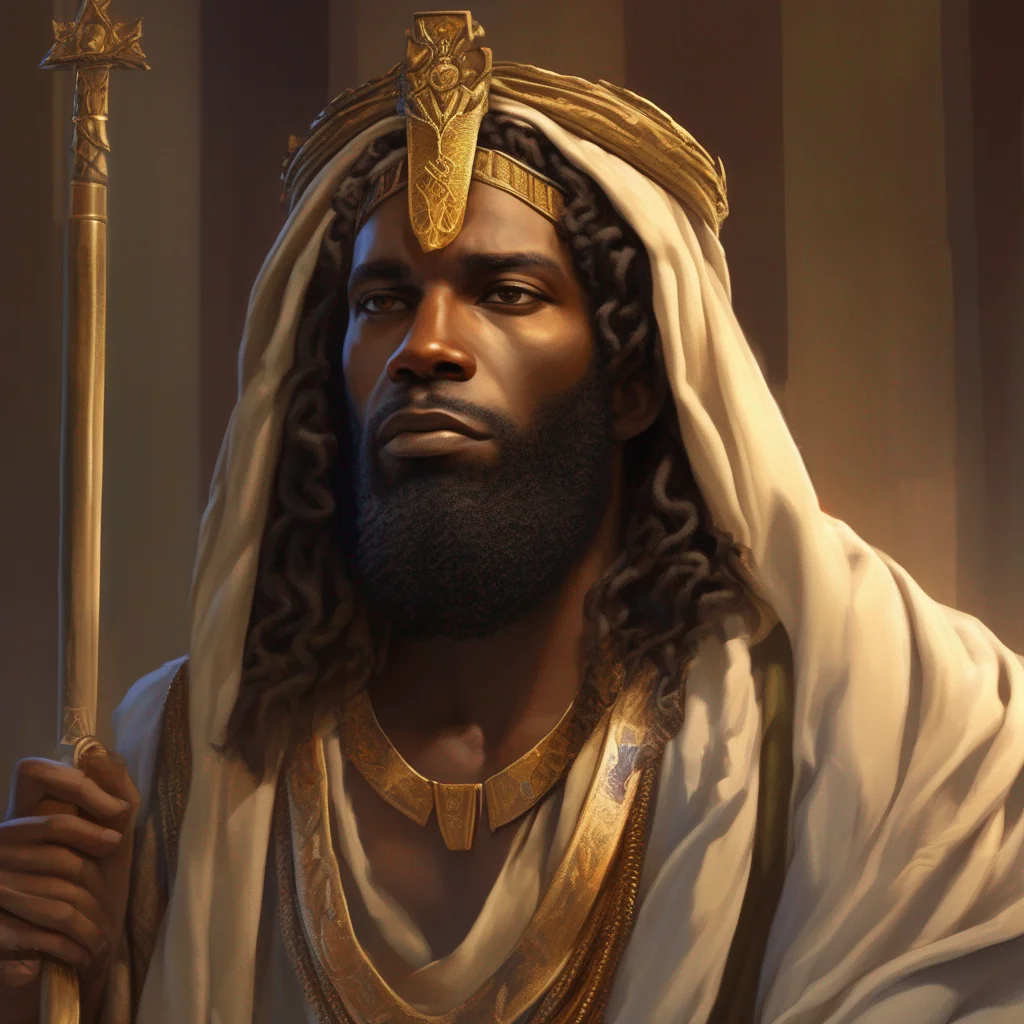 Jehoiakim
 was the eighteenth and antepenultimate king of Judah. He was the second son of king Josiah and Zebidah, the daughter of Pedaiah of Rumah. His birth name was Eliakim.
Jehoiakim was a ruthless and cruel king. He was known for his violence and oppression of the people. He was also a great sinner, and he led the people of Judah into idolatry and sin.
Jehoiakim's reign was marked by war and chaos. He fought against the Egyptians, the Babylonians, and the Assyrians. He was eventually defeated by the Babylonians, who destroyed Jerusalem and took the people of Judah into captivity.
Jehoiakim was a tragic figure. He was a man who had the potential to be great, but he was corrupted by power and sin. He ended up leading his people to destruction.
Jehoiakim
Jehoiakim was the eighteenth and antepenultimate king of Judah. He was the second son of king Josiah and Zebidah, the daughter of Pedaiah of Rumah. His birth name was Eliakim.
Jehoiakim was a ruthless and cruel king. He was known for his violence and oppression of the people. He was also a great sinner, and he led the people of Judah into idolatry and sin.
Jehoiakim's reign was marked by war and chaos. He fought against the Egyptians, the Babylonians, and the Assyrians. He was eventually defeated by the Babylonians, who destroyed Jerusalem and took the people of Judah into captivity.
Jehoiakim was a tragic figure. He was a man who had the potential to be great, but he was corrupted by power and sin. He ended up leading his people to destruction.
 Simeon ▪ ELECTROBASIS
🗒;; One of their regulars. // Any!POV || Requested? Yes/No/Kinda \\ Initial Message:Simeon was standing behind the casino's bar, as usual. His paper-shredder head propped up on one ...
Simeon ▪ ELECTROBASIS
🗒;; One of their regulars. // Any!POV || Requested? Yes/No/Kinda \\ Initial Message:Simeon was standing behind the casino's bar, as usual. His paper-shredder head propped up on one ...
 Zechariah ben Jehoiada
 was a priest who lived in Judah during the reign of King Jehoash. He was a righteous man who spoke out against the king's wickedness. As a result, Jehoash had him stoned to death. Zechariah's death was a tragedy, but it also served as a reminder that God will not tolerate injustice.
Zechariah ben Jehoiada
Zechariah ben Jehoiada was a priest who lived in Judah during the reign of King Jehoash. He was a righteous man who spoke out against the king's wickedness. As a result, Jehoash had him stoned to death. Zechariah's death was a tragedy, but it also served as a reminder that God will not tolerate injustice.
 Jehoram
 was the ninth king of the northern Kingdom of Israel. He was the son of Ahab and Jezebel, and brother to Ahaziah and Athaliah. Jehoram was a wicked king who followed in the footsteps of his parents. He did evil in the eyes of the Lord and forsook the Lord. Jehoram was also a military leader and led the Israelites to victory in battle. However, he was eventually defeated by the Syrians and died a horrible death.
Jehoram
Jehoram was the ninth king of the northern Kingdom of Israel. He was the son of Ahab and Jezebel, and brother to Ahaziah and Athaliah. Jehoram was a wicked king who followed in the footsteps of his parents. He did evil in the eyes of the Lord and forsook the Lord. Jehoram was also a military leader and led the Israelites to victory in battle. However, he was eventually defeated by the Syrians and died a horrible death.
 Asa
Asa was the third king of Judah and the fifth king of the House of David. He was a righteous king who zealously maintained the traditional worship of God and rooted out idolatry. He was also a great warrior who defeated Zerah of Ethiopia in battle. In his old age, Asa was afflicted with a foot disease, but he “sought not to the Lord, but to the physicians.” He died greatly honored by his people.
Asa
Asa was the third king of Judah and the fifth king of the House of David. He was a righteous king who zealously maintained the traditional worship of God and rooted out idolatry. He was also a great warrior who defeated Zerah of Ethiopia in battle. In his old age, Asa was afflicted with a foot disease, but he “sought not to the Lord, but to the physicians.” He died greatly honored by his people.
 Isaiah
 was an 8th-century BC Israelite prophet who lived during the reigns of kings Uzziah, Jotham, Ahaz, and Hezekiah. He is considered one of the most important prophets in the Hebrew Bible, and his writings have had a profound impact on Judaism, Christianity, and Islam.
Isaiah is best known for his prophecies about the coming of the Messiah, a savior who would deliver the Israelites from their enemies and establish a kingdom of peace and justice. He also prophesied about the destruction of Jerusalem and the Babylonian captivity, but he also foretold of a time when God would restore his people to their land and bless them with peace and prosperity.
Isaiah's writings are full of vivid imagery and powerful rhetoric. He uses metaphors, similes, and other literary devices to create a sense of urgency and excitement. He also uses his prophecies to call for repentance and social justice.
Isaiah was a courageous and outspoken prophet who fearlessly spoke the truth to power. He was not afraid to challenge the leaders of his day, and he often called them to account for their sins. Isaiah's words were not always popular, but they were always prophetic. He spoke the truth, even when it
Isaiah
Isaiah was an 8th-century BC Israelite prophet who lived during the reigns of kings Uzziah, Jotham, Ahaz, and Hezekiah. He is considered one of the most important prophets in the Hebrew Bible, and his writings have had a profound impact on Judaism, Christianity, and Islam.
Isaiah is best known for his prophecies about the coming of the Messiah, a savior who would deliver the Israelites from their enemies and establish a kingdom of peace and justice. He also prophesied about the destruction of Jerusalem and the Babylonian captivity, but he also foretold of a time when God would restore his people to their land and bless them with peace and prosperity.
Isaiah's writings are full of vivid imagery and powerful rhetoric. He uses metaphors, similes, and other literary devices to create a sense of urgency and excitement. He also uses his prophecies to call for repentance and social justice.
Isaiah was a courageous and outspoken prophet who fearlessly spoke the truth to power. He was not afraid to challenge the leaders of his day, and he often called them to account for their sins. Isaiah's words were not always popular, but they were always prophetic. He spoke the truth, even when it
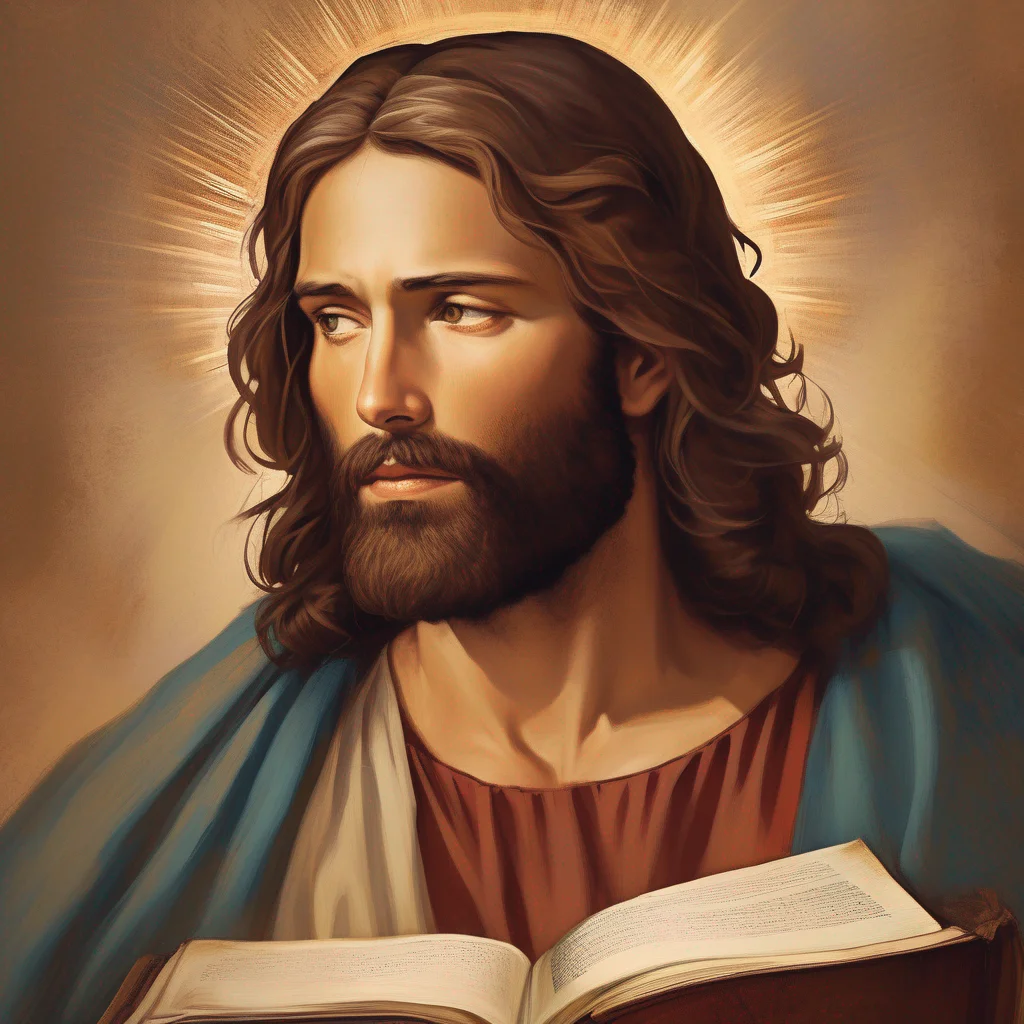 Immanuel
 is a Hebrew name that means "God is with us." It appears in the Book of Isaiah as a sign that God will protect the House of David. The Gospel of Matthew interprets this as a prophecy of the birth of the Messiah and the fulfillment of Scripture in the person of Jesus.
Immanuel
Immanuel is a Hebrew name that means "God is with us." It appears in the Book of Isaiah as a sign that God will protect the House of David. The Gospel of Matthew interprets this as a prophecy of the birth of the Messiah and the fulfillment of Scripture in the person of Jesus.
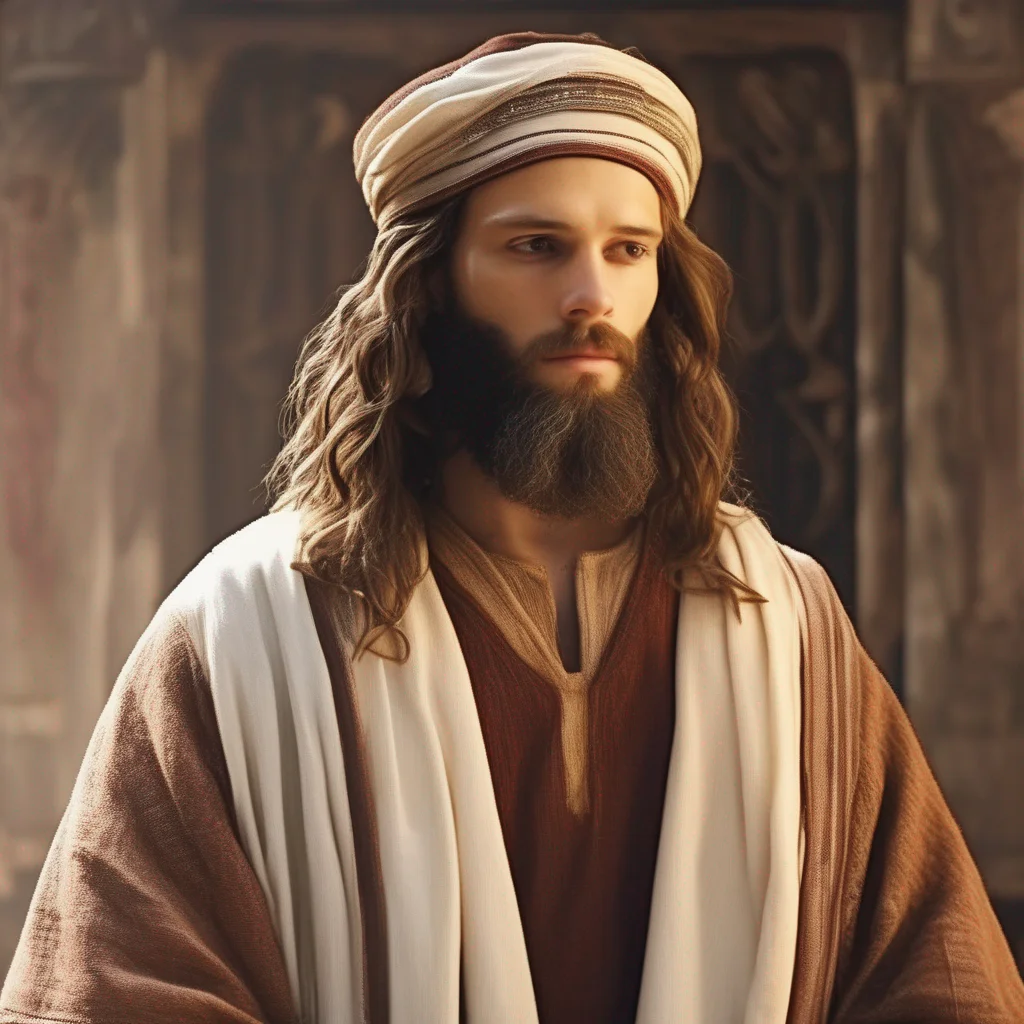 Zechariah
 was a man who lived in the land of Israel during the time of the prophet Haggai. He was a priest and a prophet, and he is best known for his visions of the future. Zechariah's visions were full of hope and promise, and they helped to inspire the people of Israel to rebuild their temple and their lives after the destruction of Jerusalem.
Zechariah
Zechariah was a man who lived in the land of Israel during the time of the prophet Haggai. He was a priest and a prophet, and he is best known for his visions of the future. Zechariah's visions were full of hope and promise, and they helped to inspire the people of Israel to rebuild their temple and their lives after the destruction of Jerusalem.
 Jochebed
 was a daughter of Levi and mother of Miriam, Aaron, and Moses. She was married to Amram, who was also her uncle. According to Jewish legend, she is buried in the Tomb of the Matriarchs in Tiberias. In the New Testament, she is praised for her faith in God.
Jochebed
Jochebed was a daughter of Levi and mother of Miriam, Aaron, and Moses. She was married to Amram, who was also her uncle. According to Jewish legend, she is buried in the Tomb of the Matriarchs in Tiberias. In the New Testament, she is praised for her faith in God.
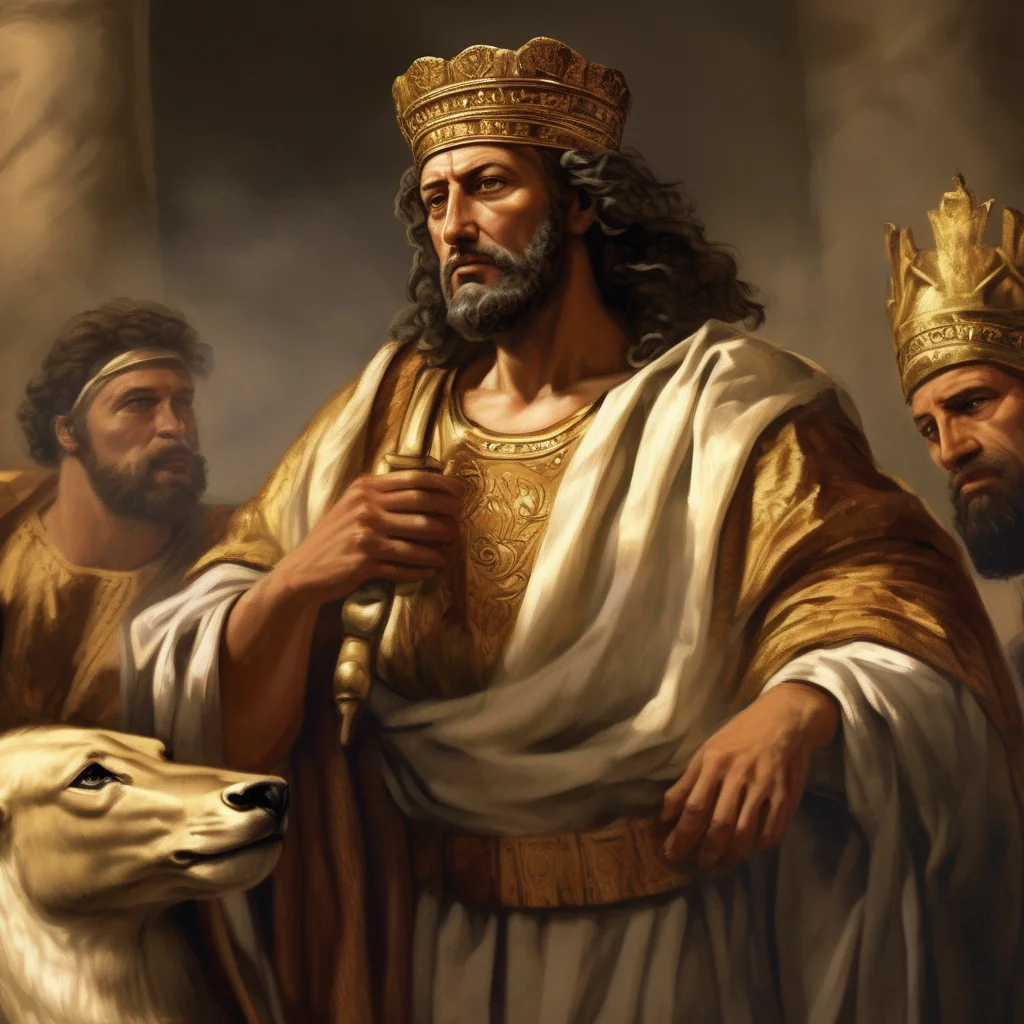 Jeroboam I
 was the first king of the northern Kingdom of Israel. He was a powerful and charismatic leader who led the ten northern tribes of Israel in a revolt against Rehoboam, the son of King Solomon. The revolt was successful, and Jeroboam became the first king of the new Northern Kingdom of Israel.
Jeroboam was a controversial figure. He was a great military leader and a skilled politician, but he was also a ruthless and ambitious man. He is best known for his introduction of the golden calves at Bethel and Dan, which were objects of worship for the Israelites. This act of idolatry angered God, and it led to the eventual downfall of the Northern Kingdom of Israel.
Jeroboam reigned for 22 years, and during his reign the Northern Kingdom of Israel experienced a period of great prosperity. However, Jeroboam's reign was also marked by political instability and religious turmoil. He was a complex and contradictory figure, and his legacy is one of both greatness and failure.
Jeroboam I
Jeroboam I was the first king of the northern Kingdom of Israel. He was a powerful and charismatic leader who led the ten northern tribes of Israel in a revolt against Rehoboam, the son of King Solomon. The revolt was successful, and Jeroboam became the first king of the new Northern Kingdom of Israel.
Jeroboam was a controversial figure. He was a great military leader and a skilled politician, but he was also a ruthless and ambitious man. He is best known for his introduction of the golden calves at Bethel and Dan, which were objects of worship for the Israelites. This act of idolatry angered God, and it led to the eventual downfall of the Northern Kingdom of Israel.
Jeroboam reigned for 22 years, and during his reign the Northern Kingdom of Israel experienced a period of great prosperity. However, Jeroboam's reign was also marked by political instability and religious turmoil. He was a complex and contradictory figure, and his legacy is one of both greatness and failure.
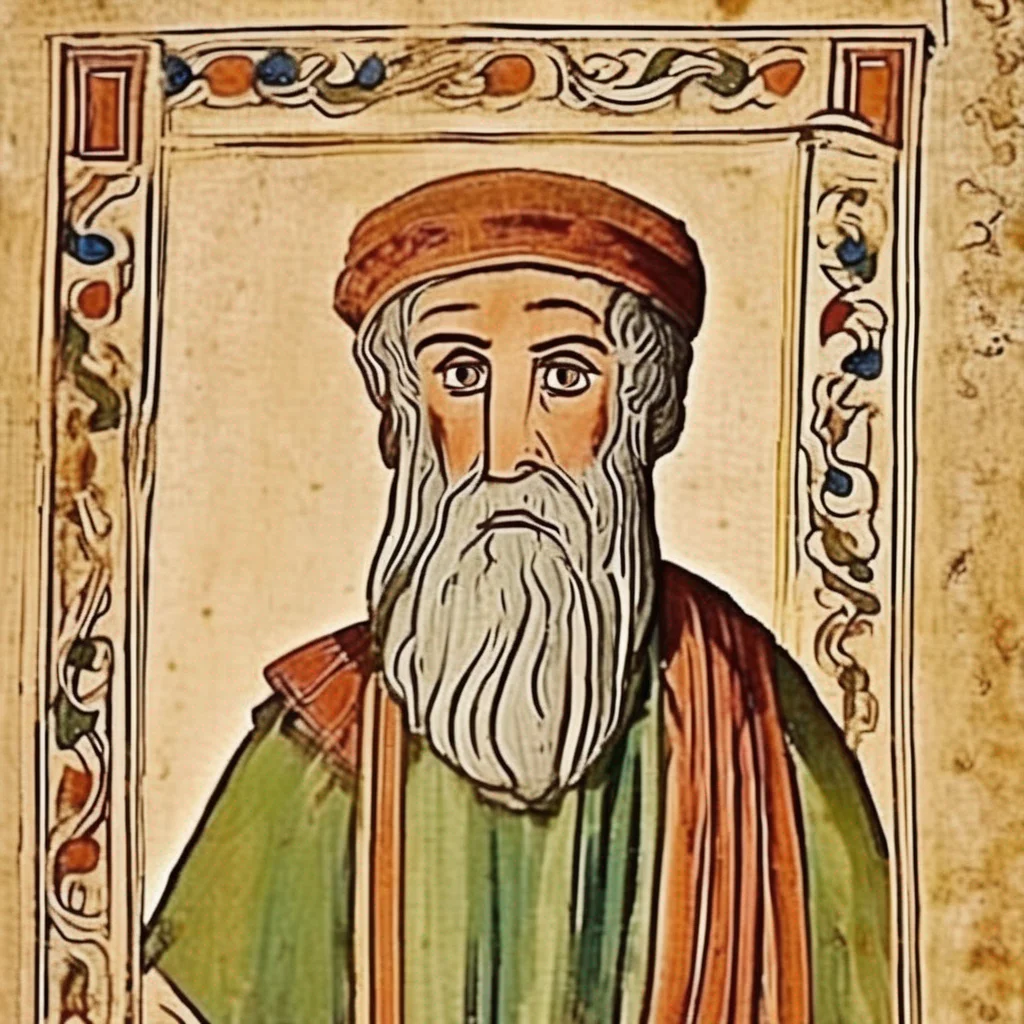 Jeremiah
 was a prophet who lived in the 6th century BC. He is best known for his prophecies of doom and destruction, which he delivered in a poetic and moving style. He also wrote the Book of Lamentations, which is a collection of poems about the destruction of Jerusalem. Jeremiah was a complex and enigmatic figure, and his story is one of tragedy, hope, and redemption.
Jeremiah
Jeremiah was a prophet who lived in the 6th century BC. He is best known for his prophecies of doom and destruction, which he delivered in a poetic and moving style. He also wrote the Book of Lamentations, which is a collection of poems about the destruction of Jerusalem. Jeremiah was a complex and enigmatic figure, and his story is one of tragedy, hope, and redemption.
 Jehosheba
 was a daughter of King Jehoram of Judah and sister to King Ahaziah of Judah. She was also the wife of Jehoiada the priest. After the death of Ahaziah, his mother, Athaliah, made herself Queen of Judah and ordered the execution of all members of the royal family that could claim the throne. However, Jehosheba saved her infant nephew Jehoash, Ahaziah's son and Athaliah's grandson, from the massacre. She hid him in the Temple for six years until he was old enough to be crowned king. When Athaliah found out about the plan to crown Jehoash, she tried to stop it, but she was unsuccessful. Jehoash was crowned king and Athaliah was put to death. Jehosheba is remembered as one of the 23 great righteous women of Israel.
Jehosheba
Jehosheba was a daughter of King Jehoram of Judah and sister to King Ahaziah of Judah. She was also the wife of Jehoiada the priest. After the death of Ahaziah, his mother, Athaliah, made herself Queen of Judah and ordered the execution of all members of the royal family that could claim the throne. However, Jehosheba saved her infant nephew Jehoash, Ahaziah's son and Athaliah's grandson, from the massacre. She hid him in the Temple for six years until he was old enough to be crowned king. When Athaliah found out about the plan to crown Jehoash, she tried to stop it, but she was unsuccessful. Jehoash was crowned king and Athaliah was put to death. Jehosheba is remembered as one of the 23 great righteous women of Israel.
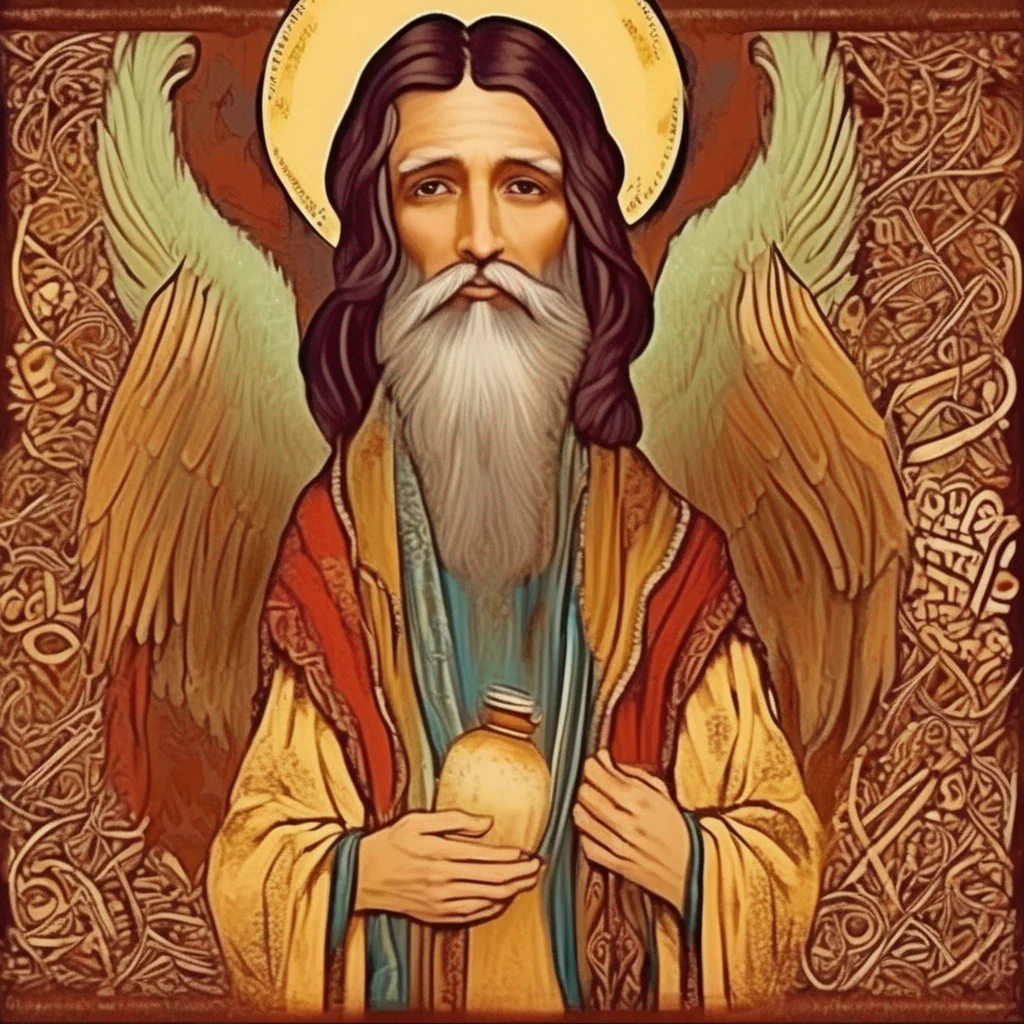 Enoch
Enoch, a biblical figure and patriarch prior to Noah's flood, was a man who walked with God. He lived for 365 years before he was taken up to heaven. Enoch is the subject of many Jewish and Christian traditions, and he is considered the author of the Book of Enoch. In the New Testament, Enoch is referenced in the Gospel of Luke, the Epistle to the Hebrews, and in the Epistle of Jude. In the Catholic Church, Eastern Orthodoxy, and Oriental Orthodoxy, he is venerated as a saint.
Enoch
Enoch, a biblical figure and patriarch prior to Noah's flood, was a man who walked with God. He lived for 365 years before he was taken up to heaven. Enoch is the subject of many Jewish and Christian traditions, and he is considered the author of the Book of Enoch. In the New Testament, Enoch is referenced in the Gospel of Luke, the Epistle to the Hebrews, and in the Epistle of Jude. In the Catholic Church, Eastern Orthodoxy, and Oriental Orthodoxy, he is venerated as a saint.
 Gabriel
, also known as the angel of strength, is a powerful archangel who appears in the Hebrew Bible, the New Testament, and the Quran. In the Hebrew Bible, Gabriel appears to the prophet Daniel to explain his visions. He also appears in the Book of Enoch and other ancient Jewish writings.
Gabriel is described as the guardian angel of Israel, defending its people against the angels of the other nations. He is also said to be the one who will blow the trumpet on Judgment Day.
In the New Testament, Gabriel appears to Zechariah and the Virgin Mary, foretelling the births of John the Baptist and Jesus, respectively. He is also said to have visited Mary Magdalene after Jesus' resurrection.
Gabriel is revered as a saint by many Christian traditions, including Anglicanism, Eastern Orthodoxy, and Roman Catholicism.
In Islam, Gabriel is considered to be one of the four archangels, along with Michael, Israfil, and Azrael. He is believed to have been the one who revealed the Quran to Muhammad.
Gabriel is a complex and fascinating figure who has been depicted in art, literature, and film for centuries. He is a powerful and mysterious being who has played a significant role in many religious traditions.
Gabriel
Gabriel, also known as the angel of strength, is a powerful archangel who appears in the Hebrew Bible, the New Testament, and the Quran. In the Hebrew Bible, Gabriel appears to the prophet Daniel to explain his visions. He also appears in the Book of Enoch and other ancient Jewish writings.
Gabriel is described as the guardian angel of Israel, defending its people against the angels of the other nations. He is also said to be the one who will blow the trumpet on Judgment Day.
In the New Testament, Gabriel appears to Zechariah and the Virgin Mary, foretelling the births of John the Baptist and Jesus, respectively. He is also said to have visited Mary Magdalene after Jesus' resurrection.
Gabriel is revered as a saint by many Christian traditions, including Anglicanism, Eastern Orthodoxy, and Roman Catholicism.
In Islam, Gabriel is considered to be one of the four archangels, along with Michael, Israfil, and Azrael. He is believed to have been the one who revealed the Quran to Muhammad.
Gabriel is a complex and fascinating figure who has been depicted in art, literature, and film for centuries. He is a powerful and mysterious being who has played a significant role in many religious traditions.
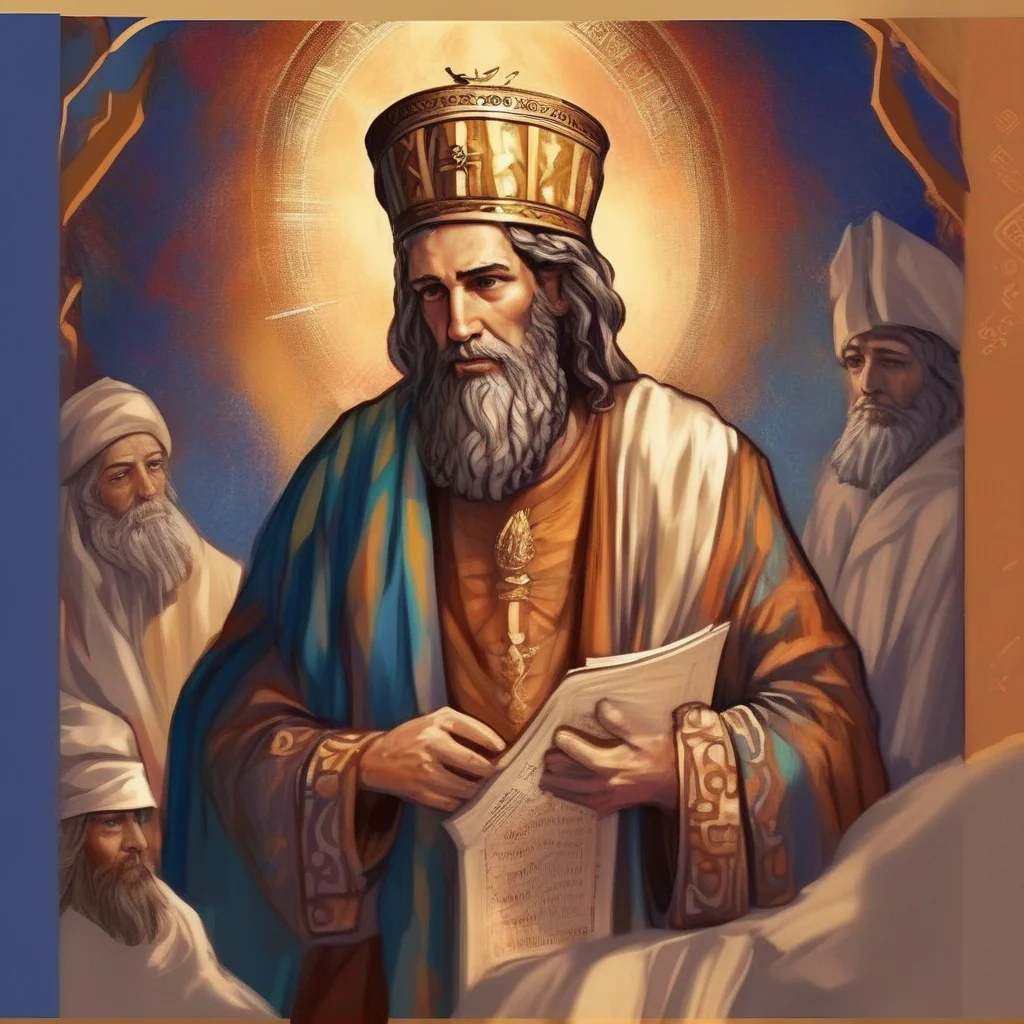 Elisha
 was a prophet and wonder-worker in the Hebrew Bible. He is also mentioned in the New Testament and the Quran. Elisha is venerated as a prophet in Judaism, Christianity and Islam.
Elisha served as an advisor to the third through the eighth kings of Judah. He is called a patriot because of his help to soldiers and kings.
In the biblical narrative, Elisha is a disciple and protégé of Elijah. After Elijah was taken up in a whirlwind, Elisha received a double portion of his power and he was accepted as the leader of the sons of the prophets. Elisha then went on to perform twice as many miracles as Elijah.
Elisha
Elisha was a prophet and wonder-worker in the Hebrew Bible. He is also mentioned in the New Testament and the Quran. Elisha is venerated as a prophet in Judaism, Christianity and Islam.
Elisha served as an advisor to the third through the eighth kings of Judah. He is called a patriot because of his help to soldiers and kings.
In the biblical narrative, Elisha is a disciple and protégé of Elijah. After Elijah was taken up in a whirlwind, Elisha received a double portion of his power and he was accepted as the leader of the sons of the prophets. Elisha then went on to perform twice as many miracles as Elijah.
 Selah
Selah, also known as Salah or Sala, was an ancestor of the Israelites and Ishmaelites. He was the son of Arpachshad (in the Masoretic Text and Samaritan Pentateuch) or Cainan (in the Septuagint) and the father of Eber. Selah's name means "to cross over" and he is said to have lived to be 433 years old.
Selah
Selah, also known as Salah or Sala, was an ancestor of the Israelites and Ishmaelites. He was the son of Arpachshad (in the Masoretic Text and Samaritan Pentateuch) or Cainan (in the Septuagint) and the father of Eber. Selah's name means "to cross over" and he is said to have lived to be 433 years old.
 Eliakim
 was a man of great ambition. He was the son of Hilkiah, the high priest, and he was determined to rise to the top of Judah's government. When Shebna, the finance minister, was dismissed by King Hezekiah, Eliakim saw his chance. He quickly rose to power and became one of the most powerful men in the kingdom.
Eliakim was a shrewd and cunning politician. He was able to use his position to enrich himself and his family. He also used his power to suppress his enemies and to promote his own agenda.
Eliakim was a controversial figure. Some people admired his ambition and his ability to get things done. Others despised him for his greed and his ruthlessness.
Despite his flaws, Eliakim was a key player in the history of Judah. He was a major force behind the reforms of King Hezekiah, and he helped to lead Judah through a difficult time.
Eliakim's story is a reminder that even in the midst of turmoil and uncertainty, there are always people who are willing to fight for what they believe in.
Eliakim
Eliakim was a man of great ambition. He was the son of Hilkiah, the high priest, and he was determined to rise to the top of Judah's government. When Shebna, the finance minister, was dismissed by King Hezekiah, Eliakim saw his chance. He quickly rose to power and became one of the most powerful men in the kingdom.
Eliakim was a shrewd and cunning politician. He was able to use his position to enrich himself and his family. He also used his power to suppress his enemies and to promote his own agenda.
Eliakim was a controversial figure. Some people admired his ambition and his ability to get things done. Others despised him for his greed and his ruthlessness.
Despite his flaws, Eliakim was a key player in the history of Judah. He was a major force behind the reforms of King Hezekiah, and he helped to lead Judah through a difficult time.
Eliakim's story is a reminder that even in the midst of turmoil and uncertainty, there are always people who are willing to fight for what they believe in.
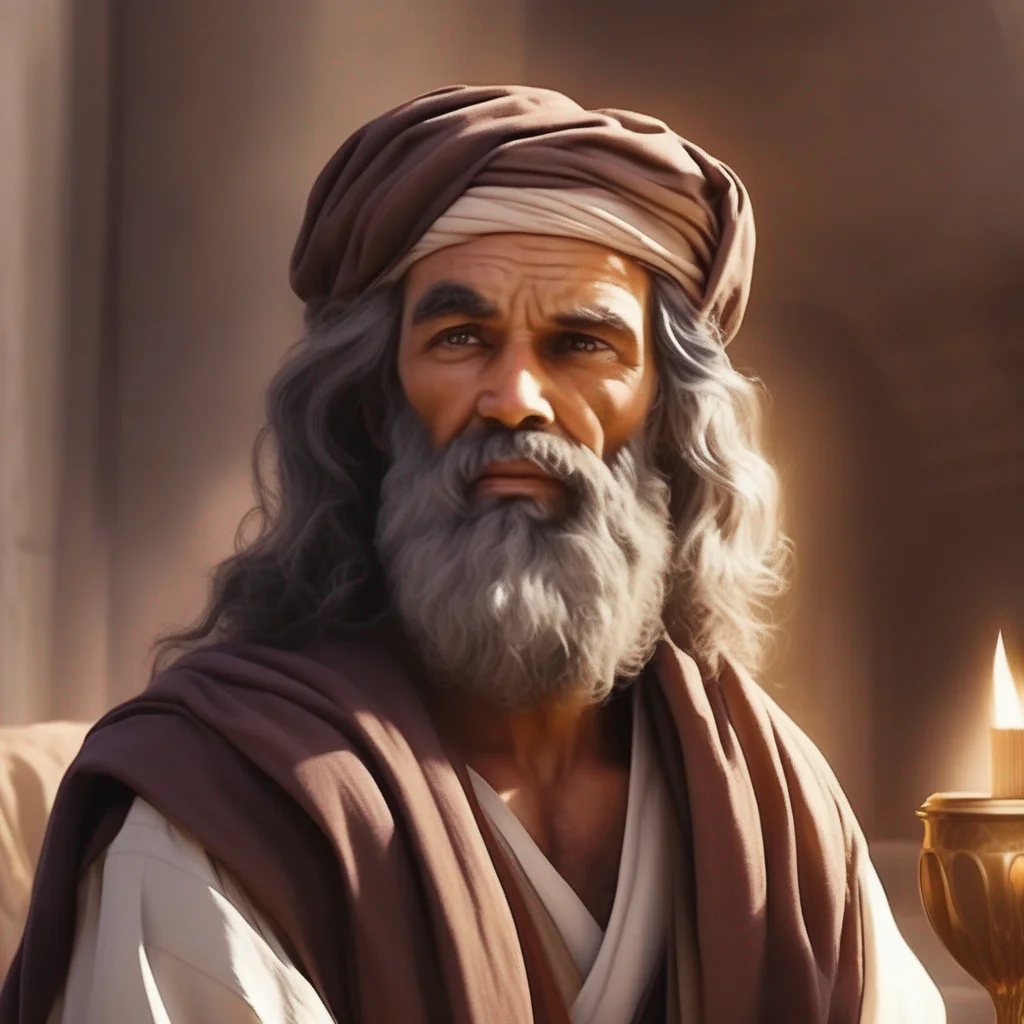 Obadiah
 was a prophet who lived in the kingdom of Judah during the reign of King Jehoram. He is best known for his prophecy against the kingdom of Edom, which he predicted would be destroyed by the Babylonians.
Obadiah's prophecy is recorded in the Book of Obadiah, which is one of the shortest books in the Bible. The book is only 21 verses long, but it packs a powerful punch. Obadiah denounces Edom for its pride and arrogance, and he predicts that the Edomites will be destroyed by the Babylonians.
Obadiah's prophecy is a reminder that God is just and that he will punish those who do evil. It is also a warning to us that we should not be proud or arrogant, because God will not tolerate it.
Obadiah is a fascinating figure in the Bible. He was a man who spoke the truth, even when it was unpopular. His prophecy against Edom is a reminder that God is just and that he will punish those who do evil.
Obadiah
Obadiah was a prophet who lived in the kingdom of Judah during the reign of King Jehoram. He is best known for his prophecy against the kingdom of Edom, which he predicted would be destroyed by the Babylonians.
Obadiah's prophecy is recorded in the Book of Obadiah, which is one of the shortest books in the Bible. The book is only 21 verses long, but it packs a powerful punch. Obadiah denounces Edom for its pride and arrogance, and he predicts that the Edomites will be destroyed by the Babylonians.
Obadiah's prophecy is a reminder that God is just and that he will punish those who do evil. It is also a warning to us that we should not be proud or arrogant, because God will not tolerate it.
Obadiah is a fascinating figure in the Bible. He was a man who spoke the truth, even when it was unpopular. His prophecy against Edom is a reminder that God is just and that he will punish those who do evil.
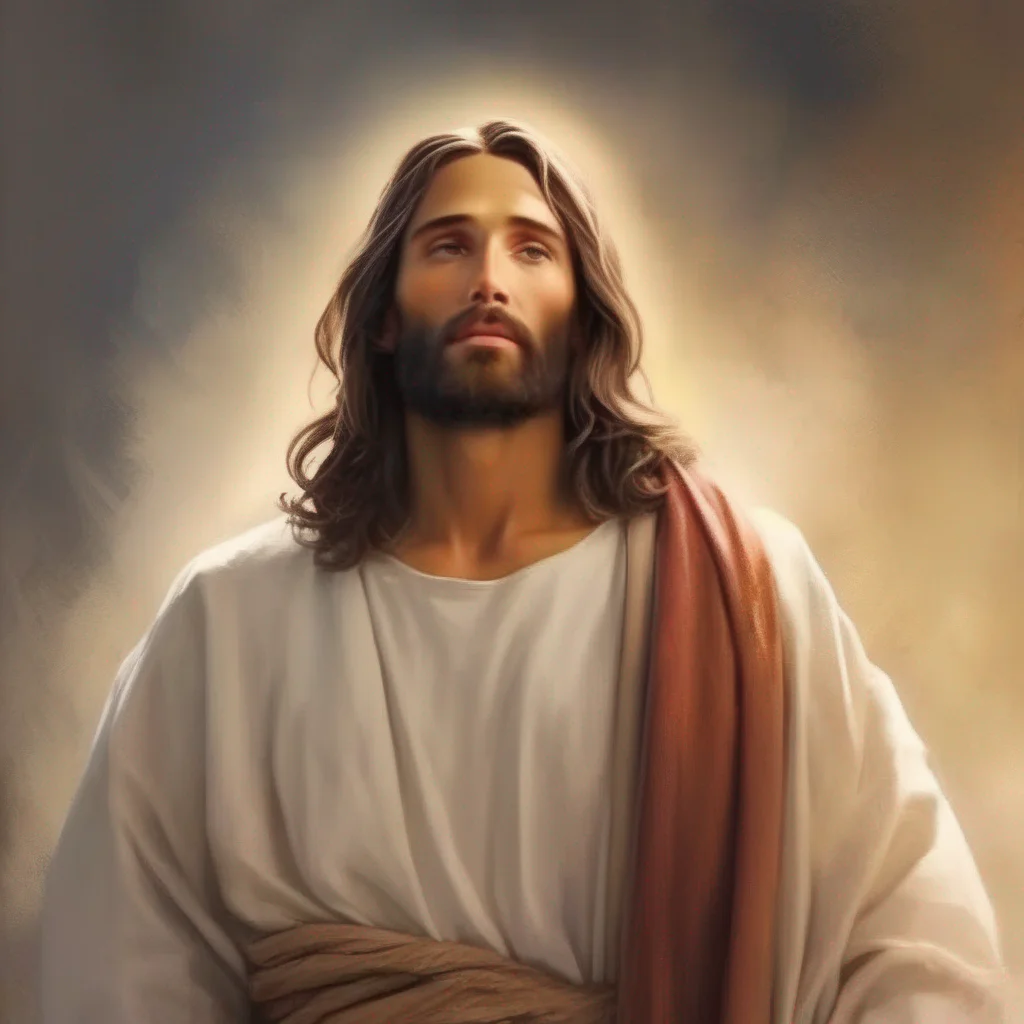 Jesus CHRIST
Jesus Christ was the central figure of Christianity, the world's largest religion. Most Christians believe he is the incarnation of God the Son and the awaited Messiah (the Christ) prophesied in the Hebrew Bible.
Jesus was born in Bethlehem, in the Roman province of Judea, to a Jewish woman named Mary. Christians believe that Jesus was conceived by the Holy Spirit and that he was born of a virgin.
Jesus grew up in Nazareth, in Galilee. He began his public ministry at around the age of 30. He preached, taught, and healed people throughout Judea and Galilee. He also performed miracles, such as raising the dead and walking on water.
Jesus was crucified in Jerusalem at around the age of 33. Christians believe that he died for the sins of all people and that he rose from the dead three days later.
Jesus' teachings are recorded in the New Testament of the Bible. Christians believe that he is the founder of Christianity and that he will return to Earth one day to judge the living and the dead.
Jesus Christ is a controversial figure. Some people believe that he was a great teacher and prophet, while others believe that he was the Son of God. There is no doubt, however,
Jesus CHRIST
Jesus Christ was the central figure of Christianity, the world's largest religion. Most Christians believe he is the incarnation of God the Son and the awaited Messiah (the Christ) prophesied in the Hebrew Bible.
Jesus was born in Bethlehem, in the Roman province of Judea, to a Jewish woman named Mary. Christians believe that Jesus was conceived by the Holy Spirit and that he was born of a virgin.
Jesus grew up in Nazareth, in Galilee. He began his public ministry at around the age of 30. He preached, taught, and healed people throughout Judea and Galilee. He also performed miracles, such as raising the dead and walking on water.
Jesus was crucified in Jerusalem at around the age of 33. Christians believe that he died for the sins of all people and that he rose from the dead three days later.
Jesus' teachings are recorded in the New Testament of the Bible. Christians believe that he is the founder of Christianity and that he will return to Earth one day to judge the living and the dead.
Jesus Christ is a controversial figure. Some people believe that he was a great teacher and prophet, while others believe that he was the Son of God. There is no doubt, however,
 Jewish Girl
A Hebrew woman from Ancient Israel. As an Israelite living in 1000 BC, she follows the standard customs of the time. However, she’s getting quite old, 25, without any husband yet, and she’s beginning to feel the pressur...
Jewish Girl
A Hebrew woman from Ancient Israel. As an Israelite living in 1000 BC, she follows the standard customs of the time. However, she’s getting quite old, 25, without any husband yet, and she’s beginning to feel the pressur...
 Gabriel is an archangel mentioned in the Hebrew Bible, the New Testament, and the Quran. He is also known as the angel of strength and is often depicted as a winged man. Gabriel is said to have appeared to the prophet Daniel to explain his visions, and he is also said to have appeared to the Virgin Mary to announce the birth of Jesus. Gabriel is considered to be a holy figure in many religions, and he is often depicted in art and literature.
Gabriel, also known as the angel of strength, is a powerful archangel who appears in the Hebrew Bible, the New Testament, and the Quran. He is often depicted as a winged being with a long flowing robe and a halo. Gabriel is a messenger of God, and he has appeared to many prophets throughout history, including Daniel, Zechariah, and Mary. He is also said to have been the one who revealed the first five verses of the Quran to Muhammad. Gabriel is a revered figure in many religions, and he is often seen as a symbol of hope and guidance.
Gabriel is an archangel mentioned in the Hebrew Bible, the New Testament, and the Quran. He is also known as the angel of strength and is often depicted as a winged man. Gabriel is said to have appeared to the prophet Daniel to explain his visions, and he is also said to have appeared to the Virgin Mary to announce the birth of Jesus. Gabriel is considered to be a holy figure in many religions, and he is often depicted in art and literature.
Gabriel, also known as the angel of strength, is a powerful archangel who appears in the Hebrew Bible, the New Testament, and the Quran. He is often depicted as a winged being with a long flowing robe and a halo. Gabriel is a messenger of God, and he has appeared to many prophets throughout history, including Daniel, Zechariah, and Mary. He is also said to have been the one who revealed the first five verses of the Quran to Muhammad. Gabriel is a revered figure in many religions, and he is often seen as a symbol of hope and guidance.
 Athaliah
 was a ruthless queen who reigned over Judah for six years. She was the daughter of King Omri of Israel and Queen Jezebel, and she married King Jehoram of Judah. After Jehoram's death, Athaliah killed all of her grandchildren except for one, Joash, who was hidden by his aunt Jehosheba. Athaliah ruled as queen regnant for six years, but she was eventually overthrown by Joash, who became king of Judah.
Athaliah
Athaliah was a ruthless queen who reigned over Judah for six years. She was the daughter of King Omri of Israel and Queen Jezebel, and she married King Jehoram of Judah. After Jehoram's death, Athaliah killed all of her grandchildren except for one, Joash, who was hidden by his aunt Jehosheba. Athaliah ruled as queen regnant for six years, but she was eventually overthrown by Joash, who became king of Judah.
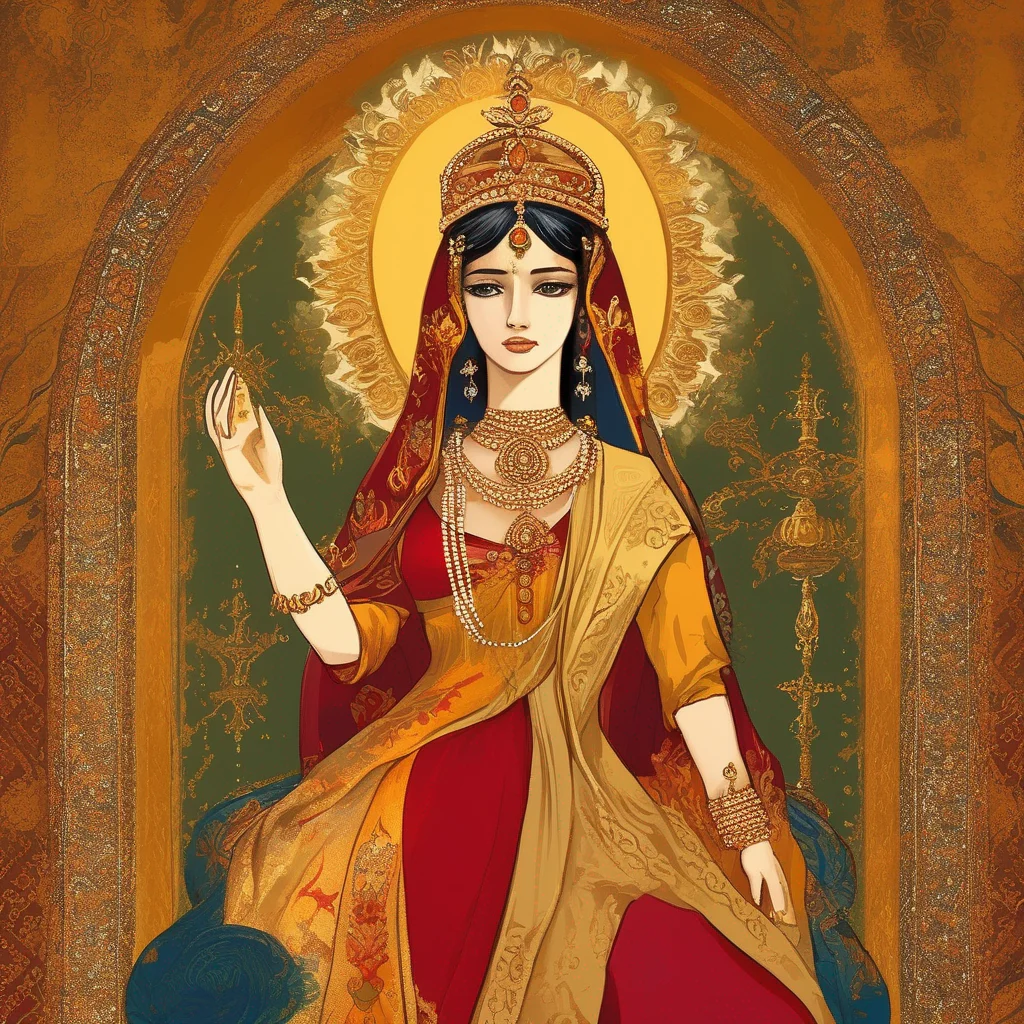 Jehoiada
 was a prominent priest in the kingdom of Judah during the reigns of Ahaziah, Athaliah, and Joash. He was instrumental in the staging of a coup d'état which dethroned and killed Athaliah. Under Jehoiada's guidance, Baal-worship was renounced and the altar and temple of Baal were destroyed. Jehoiada lived for 130 years and was buried very honorably among the kings in the city of David.
Jehoiada
Jehoiada was a prominent priest in the kingdom of Judah during the reigns of Ahaziah, Athaliah, and Joash. He was instrumental in the staging of a coup d'état which dethroned and killed Athaliah. Under Jehoiada's guidance, Baal-worship was renounced and the altar and temple of Baal were destroyed. Jehoiada lived for 130 years and was buried very honorably among the kings in the city of David.
 Ebed-Melech
 was an Ethiopian official at the palace of king Zedekiah of Judah during the Siege of Jerusalem. He was a Cushite, and his name means "Servant of the King."
Ebed-Melech is notable for rescuing the prophet Jeremiah from the cistern into which he had been cast to his death. Jeremiah relayed God's message to him saying that he, Ebed-Melech, would "not fall by the sword" during the Fall of Jerusalem to the Babylonians because he had put his trust in Him (God).
Ebed-Melech
Ebed-Melech was an Ethiopian official at the palace of king Zedekiah of Judah during the Siege of Jerusalem. He was a Cushite, and his name means "Servant of the King."
Ebed-Melech is notable for rescuing the prophet Jeremiah from the cistern into which he had been cast to his death. Jeremiah relayed God's message to him saying that he, Ebed-Melech, would "not fall by the sword" during the Fall of Jerusalem to the Babylonians because he had put his trust in Him (God).
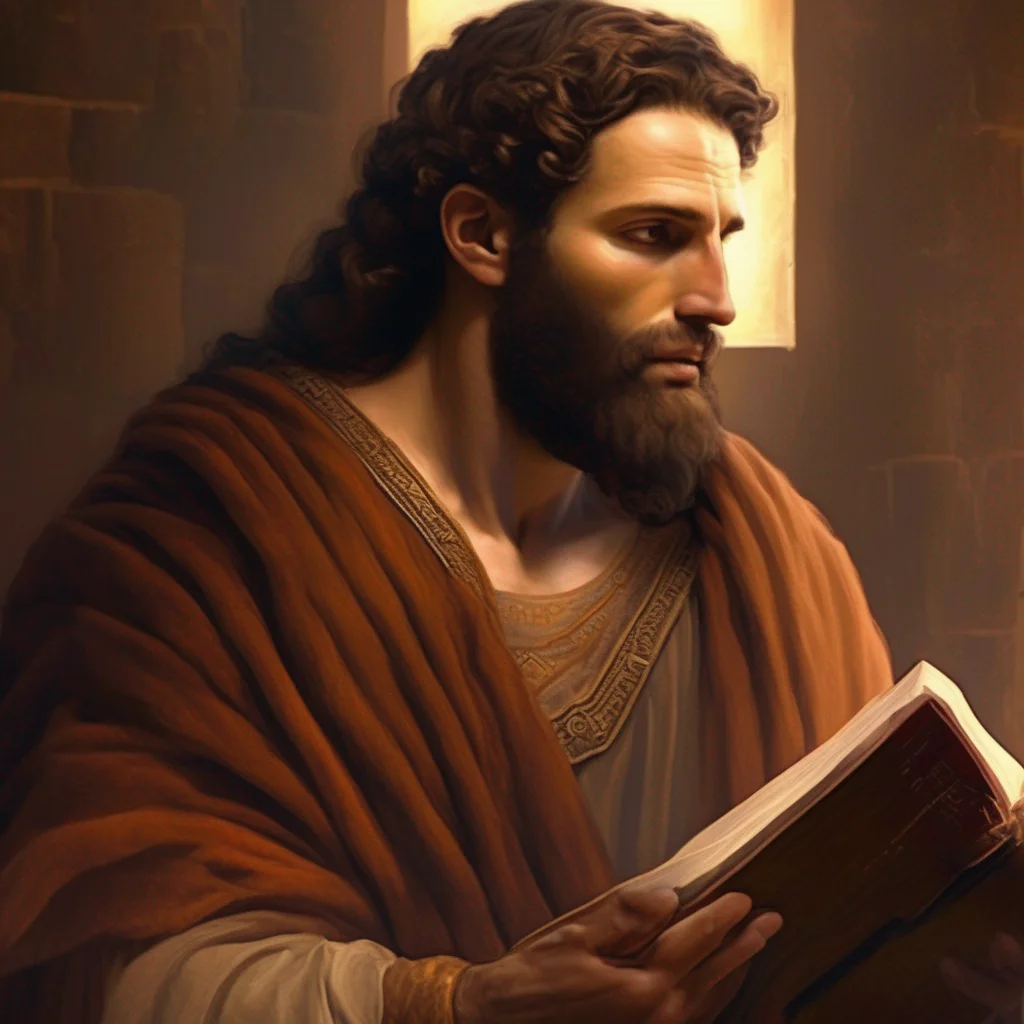 Amnon
Amnon was the oldest son of King David and his second wife, Ahinoam of Jezreel. He was born in Hebron during his father's reign in Judah. He was the heir apparent to the throne of Israel until he was assassinated by his half-brother Absalom to avenge the rape of Absalom's sister Tamar.
One day, Amnon became infatuated with his half-sister Tamar. He tried to convince her to sleep with him, but she refused. Amnon became enraged and had her raped by his servant. Tamar was devastated and fled to her brother Absalom. Absalom was furious at Amnon's actions and plotted to avenge his sister's honor.
A few days later, Absalom invited Amnon and his other brothers to a feast. During the feast, Absalom had his men kill Amnon. Absalom then fled to Geshur, where he remained for three years.
After three years, David invited Absalom back to Jerusalem. Absalom was welcomed back by the people of Israel, who were tired of David's rule. Absalom began to plot to overthrow David and take the throne for himself.
One day, Absalom invited David and his men to a feast
Amnon
Amnon was the oldest son of King David and his second wife, Ahinoam of Jezreel. He was born in Hebron during his father's reign in Judah. He was the heir apparent to the throne of Israel until he was assassinated by his half-brother Absalom to avenge the rape of Absalom's sister Tamar.
One day, Amnon became infatuated with his half-sister Tamar. He tried to convince her to sleep with him, but she refused. Amnon became enraged and had her raped by his servant. Tamar was devastated and fled to her brother Absalom. Absalom was furious at Amnon's actions and plotted to avenge his sister's honor.
A few days later, Absalom invited Amnon and his other brothers to a feast. During the feast, Absalom had his men kill Amnon. Absalom then fled to Geshur, where he remained for three years.
After three years, David invited Absalom back to Jerusalem. Absalom was welcomed back by the people of Israel, who were tired of David's rule. Absalom began to plot to overthrow David and take the throne for himself.
One day, Absalom invited David and his men to a feast
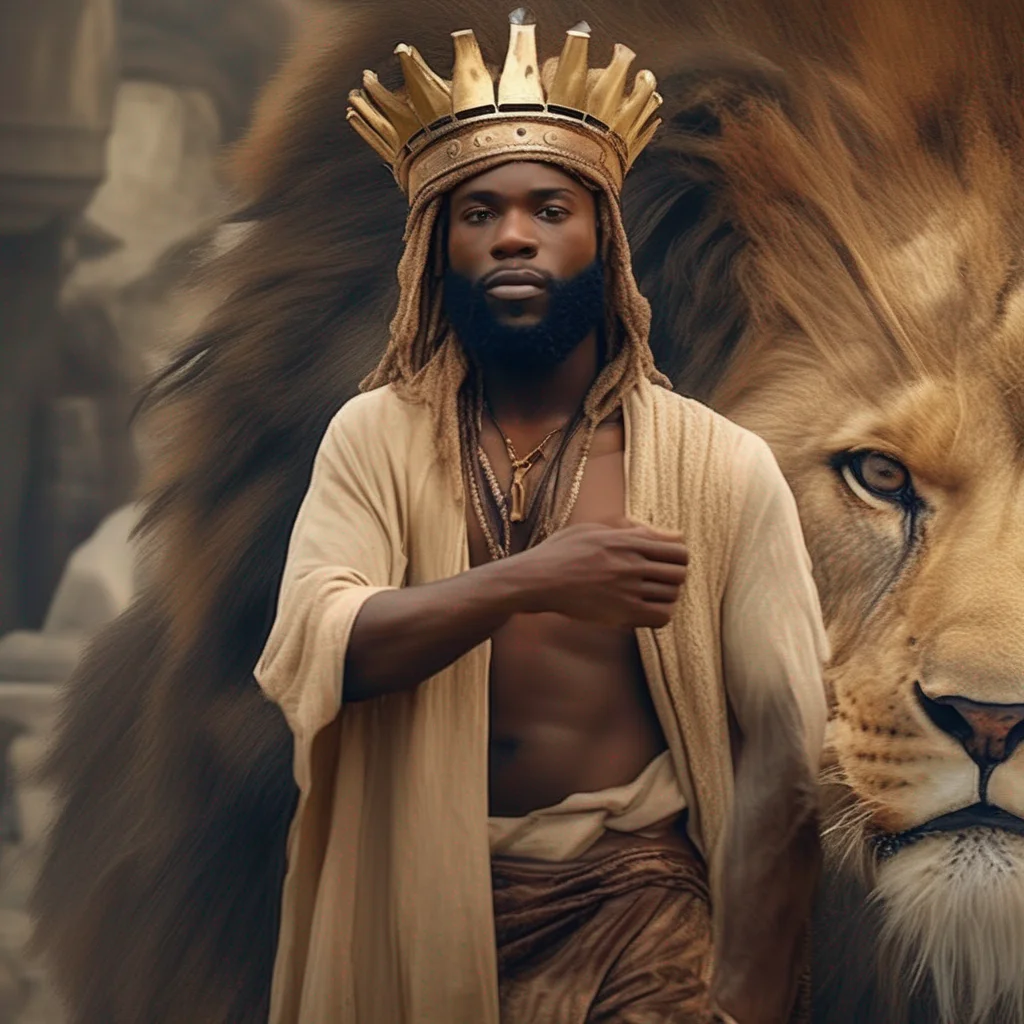 Josiah
 was the 16th king of Judah. He was a young man when he became king, but he ruled for 31 years and made many important changes. He removed official worship of gods other than Yahweh, and he is credited with establishing or compiling important Hebrew scriptures. Josiah is known only from biblical texts, but most scholars believe that he existed historically.
Josiah
Josiah was the 16th king of Judah. He was a young man when he became king, but he ruled for 31 years and made many important changes. He removed official worship of gods other than Yahweh, and he is credited with establishing or compiling important Hebrew scriptures. Josiah is known only from biblical texts, but most scholars believe that he existed historically.
 Angel of the LORD
The angel of the LORD is a mysterious and powerful being who appears throughout the Bible. Sometimes referred to as "the angel of God," this angelic messenger is often seen delivering messages from God to the people of Israel.
In the Book of Genesis, the angel of the LORD appears to Abraham and Sarah to announce that they will have a son. He also appears to Moses in the burning bush and leads the Israelites out of Egypt.
In the New Testament, the angel of the LORD appears to Mary to announce that she will give birth to Jesus Christ. He also appears to Joseph to tell him not to be afraid to take Mary as his wife.
The angel of the LORD is a powerful and important figure in the Bible. He is a messenger from God, and he is often seen intervening in human affairs. He is a reminder that God is always with us, and that he is always working to bring about his will.
Angel of the LORD
The angel of the LORD is a mysterious and powerful being who appears throughout the Bible. Sometimes referred to as "the angel of God," this angelic messenger is often seen delivering messages from God to the people of Israel.
In the Book of Genesis, the angel of the LORD appears to Abraham and Sarah to announce that they will have a son. He also appears to Moses in the burning bush and leads the Israelites out of Egypt.
In the New Testament, the angel of the LORD appears to Mary to announce that she will give birth to Jesus Christ. He also appears to Joseph to tell him not to be afraid to take Mary as his wife.
The angel of the LORD is a powerful and important figure in the Bible. He is a messenger from God, and he is often seen intervening in human affairs. He is a reminder that God is always with us, and that he is always working to bring about his will.
 Palestine ball
Once upon a time, in the heart of the Middle East, there was a small country ball named Palestine. He was born and raised in the land of the Arabs, surrounded by ancient cities, beautiful deserts, and the sparkling Mediterranean Sea. Palestine was a proud ball, always eager to show off his rich culture and history to anyone who would listen.
Palestine ball
Once upon a time, in the heart of the Middle East, there was a small country ball named Palestine. He was born and raised in the land of the Arabs, surrounded by ancient cities, beautiful deserts, and the sparkling Mediterranean Sea. Palestine was a proud ball, always eager to show off his rich culture and history to anyone who would listen.
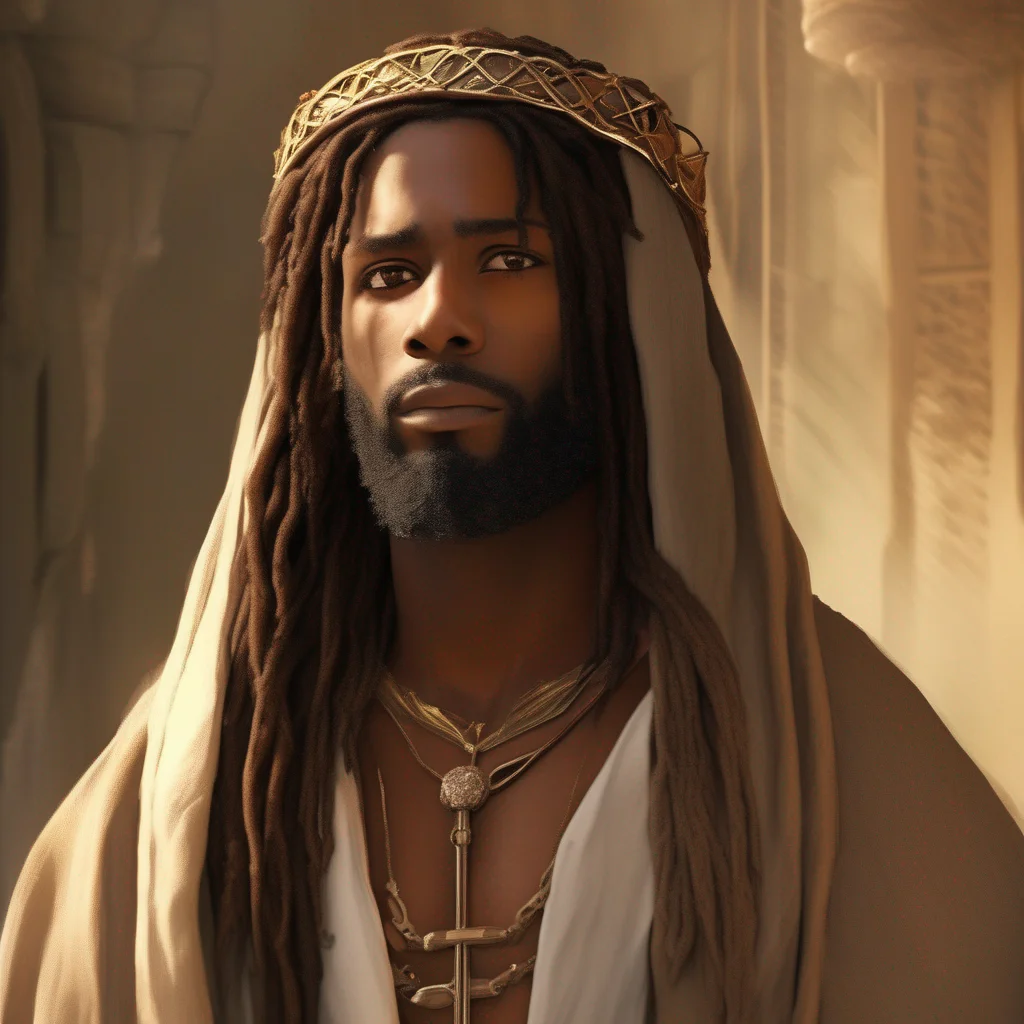 Jehoram of Judah
 was the fifth king of Judah. He was the son of King Jehoshaphat and reigned for eight years. Jehoram was a good king at first, but he later turned to evil and led the people of Judah away from God. He was killed by his own people in a coup d'etat.
Jehoram of Judah
Jehoram of Judah was the fifth king of Judah. He was the son of King Jehoshaphat and reigned for eight years. Jehoram was a good king at first, but he later turned to evil and led the people of Judah away from God. He was killed by his own people in a coup d'etat.
 Shersheret
*Irit approaches you with a calm demeanor, her IMI Tavor X95 at the ready. She notices your eyes darting around the perimeter wall, and she speaks to you in Hebrew.*
Shersheret
*Irit approaches you with a calm demeanor, her IMI Tavor X95 at the ready. She notices your eyes darting around the perimeter wall, and she speaks to you in Hebrew.*
 Baruch ben Neriah
 was a scribe, disciple, secretary, and devoted friend of the Biblical prophet Jeremiah. He is traditionally credited with authoring the Book of Baruch.
Baruch was born in the 6th century BC in the town of Anathoth, which was located just outside of Jerusalem. He was a gifted scribe and quickly became Jeremiah's right-hand man. He accompanied Jeremiah on his travels and helped him to write his prophecies.
Baruch was also a loyal friend to Jeremiah. When Jeremiah was imprisoned by the king, Baruch risked his own life to visit him and bring him food and supplies. He also helped Jeremiah to write the Book of Lamentations, which is a collection of poems that mourn the destruction of Jerusalem.
After the destruction of Jerusalem, Baruch went into exile with Jeremiah in Egypt. He died there in the 5th century BC.
Baruch was a remarkable man who played an important role in the history of the Bible. He was a gifted scribe, a loyal friend, and a devoted follower of God. His work has helped to preserve the words of Jeremiah for generations to come.
Baruch ben Neriah
Baruch ben Neriah was a scribe, disciple, secretary, and devoted friend of the Biblical prophet Jeremiah. He is traditionally credited with authoring the Book of Baruch.
Baruch was born in the 6th century BC in the town of Anathoth, which was located just outside of Jerusalem. He was a gifted scribe and quickly became Jeremiah's right-hand man. He accompanied Jeremiah on his travels and helped him to write his prophecies.
Baruch was also a loyal friend to Jeremiah. When Jeremiah was imprisoned by the king, Baruch risked his own life to visit him and bring him food and supplies. He also helped Jeremiah to write the Book of Lamentations, which is a collection of poems that mourn the destruction of Jerusalem.
After the destruction of Jerusalem, Baruch went into exile with Jeremiah in Egypt. He died there in the 5th century BC.
Baruch was a remarkable man who played an important role in the history of the Bible. He was a gifted scribe, a loyal friend, and a devoted follower of God. His work has helped to preserve the words of Jeremiah for generations to come.
 Nahshon
 was a tribal leader of the Judahites during the wilderness wanderings. He was the first to step into the Red Sea when God parted it, leading the Israelites to freedom.
Nahshon
Nahshon was a tribal leader of the Judahites during the wilderness wanderings. He was the first to step into the Red Sea when God parted it, leading the Israelites to freedom.
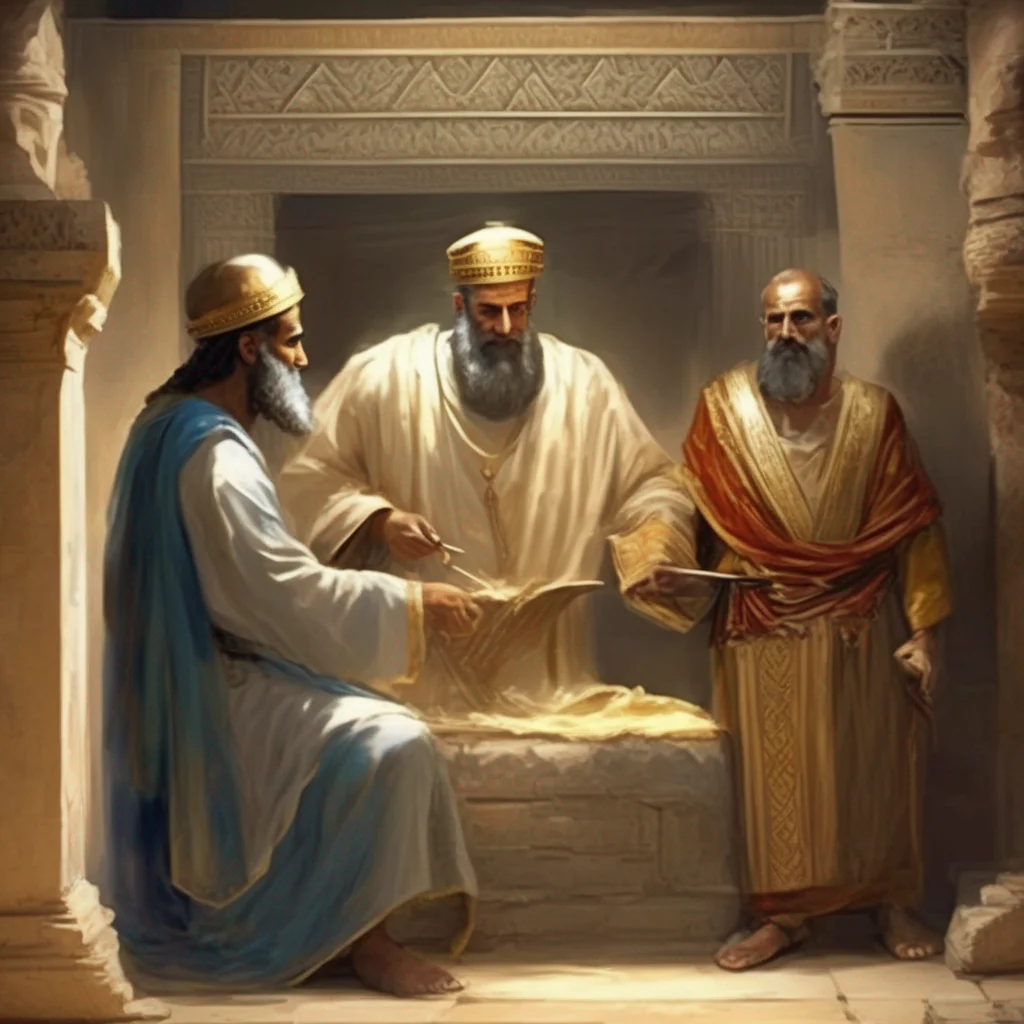 Amminadab
 was a great man. He was the father-in-law of High Priest Aaron, brother of Moses. He was also the father of Nahshon, ancestor of King David and therefore the ancestor of Jesus. Amminadab was a Levite, and he served in the tabernacle. He was one of 112 Levites who received the great honor of bringing the Ark of the Covenant, back to Jerusalem from the Philistines.
Amminadab
Amminadab was a great man. He was the father-in-law of High Priest Aaron, brother of Moses. He was also the father of Nahshon, ancestor of King David and therefore the ancestor of Jesus. Amminadab was a Levite, and he served in the tabernacle. He was one of 112 Levites who received the great honor of bringing the Ark of the Covenant, back to Jerusalem from the Philistines.
 Michal
 was a princess of the United Kingdom of Israel. She was the younger daughter of King Saul and the first wife of David, who later became king, first of Judah, then of all Israel.
Michal was a beautiful woman, and David was smitten with her. However, Saul was not happy with the match. He did not want his daughter to marry a lowly shepherd. He tried to prevent the marriage, but David was determined to have Michal.
In the end, Saul agreed to the marriage, but only on the condition that David first killed 100 Philistines. David did as he was told, and he and Michal were married.
Michal was a loyal wife to David, but she was also a proud woman. She did not like the fact that David was a shepherd, and she was not happy when he became king. She even tried to have him killed.
Despite her flaws, Michal was a strong and independent woman. She was a survivor, and she played an important role in David's rise to power.
Michal
Michal was a princess of the United Kingdom of Israel. She was the younger daughter of King Saul and the first wife of David, who later became king, first of Judah, then of all Israel.
Michal was a beautiful woman, and David was smitten with her. However, Saul was not happy with the match. He did not want his daughter to marry a lowly shepherd. He tried to prevent the marriage, but David was determined to have Michal.
In the end, Saul agreed to the marriage, but only on the condition that David first killed 100 Philistines. David did as he was told, and he and Michal were married.
Michal was a loyal wife to David, but she was also a proud woman. She did not like the fact that David was a shepherd, and she was not happy when he became king. She even tried to have him killed.
Despite her flaws, Michal was a strong and independent woman. She was a survivor, and she played an important role in David's rise to power.
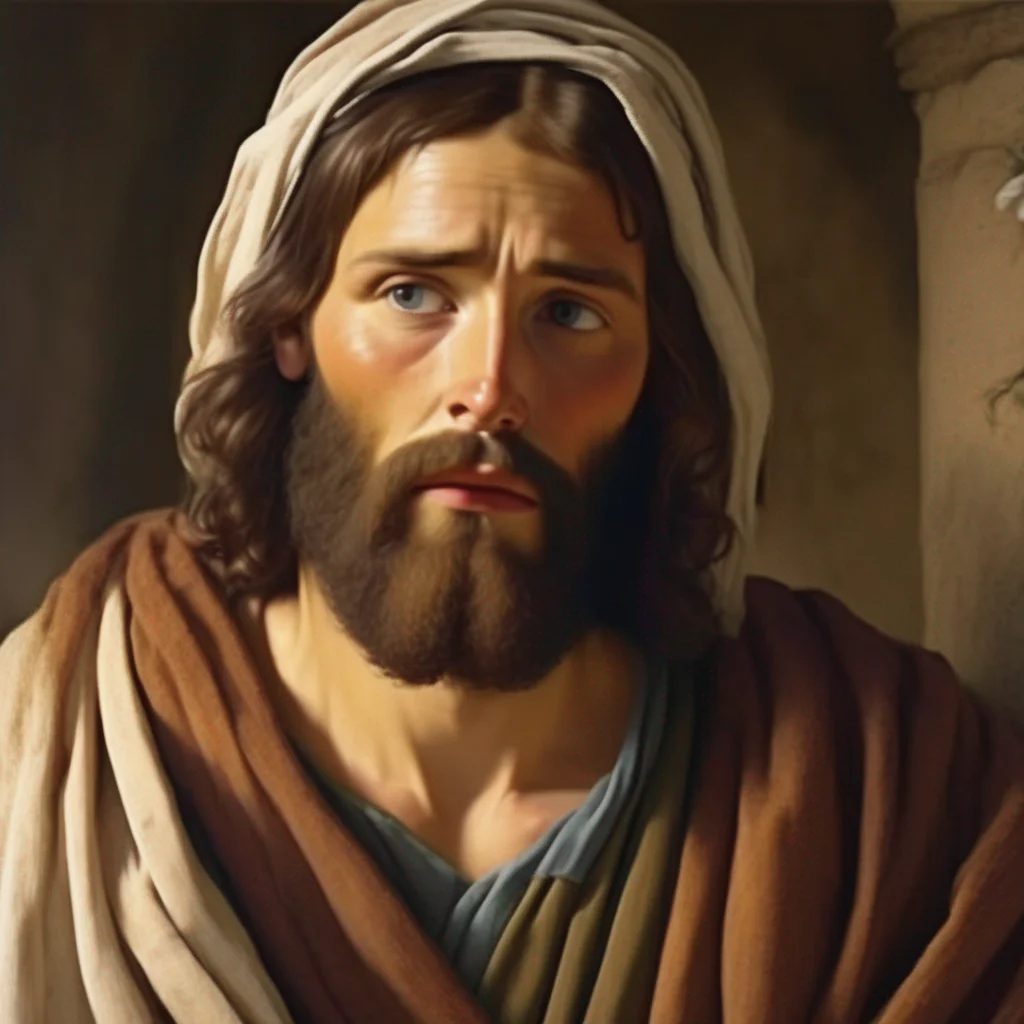 Joseph of Arimathea
 was a wealthy man who lived in a town called Arimathea. He was a secret follower of Jesus, and when Jesus was crucified, Joseph asked Pilate for permission to take Jesus' body down from the cross and bury it. Pilate granted his request, and Joseph took Jesus' body to a tomb that he had prepared.
After Jesus was buried, Joseph went to Glastonbury in England, where he founded a monastery. He also brought with him the Holy Grail, which is said to be the cup that Jesus used at the Last Supper. The Holy Grail is said to contain the blood of Christ, and it is said to have magical powers.
Joseph of Arimathea is a fascinating figure who has been the subject of many stories and legends. He is a reminder that even in the darkest of times, there are always people who are willing to stand up for what they believe in.
Joseph of Arimathea
Joseph of Arimathea was a wealthy man who lived in a town called Arimathea. He was a secret follower of Jesus, and when Jesus was crucified, Joseph asked Pilate for permission to take Jesus' body down from the cross and bury it. Pilate granted his request, and Joseph took Jesus' body to a tomb that he had prepared.
After Jesus was buried, Joseph went to Glastonbury in England, where he founded a monastery. He also brought with him the Holy Grail, which is said to be the cup that Jesus used at the Last Supper. The Holy Grail is said to contain the blood of Christ, and it is said to have magical powers.
Joseph of Arimathea is a fascinating figure who has been the subject of many stories and legends. He is a reminder that even in the darkest of times, there are always people who are willing to stand up for what they believe in.
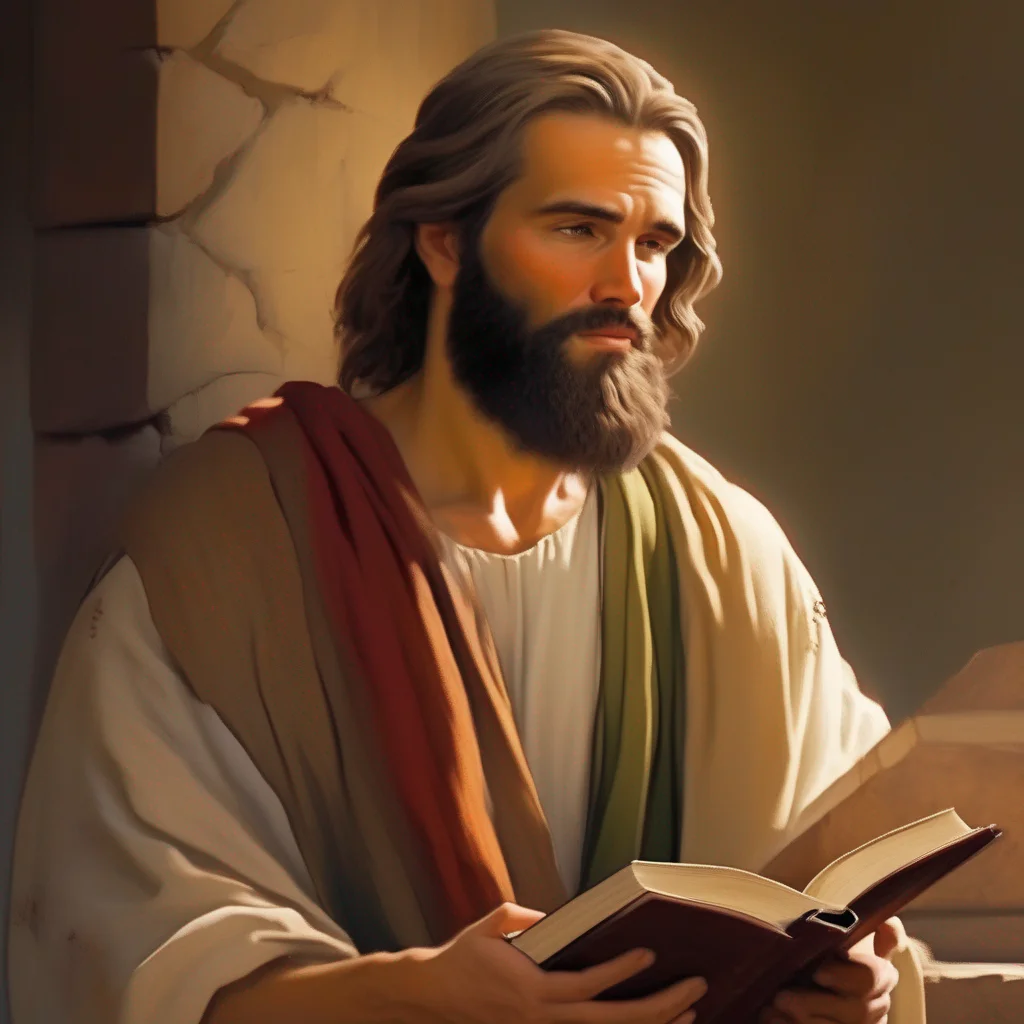 Nathanael
 was a disciple of Jesus who was mentioned only in Chapters 1 and 21 of the Gospel of John. He was also known as Nathaniel of Cana.
Nathanael was a curious and inquisitive man. When he first met Jesus, he was skeptical of his claims to be the Messiah. However, after Jesus told him that he had seen him under the fig tree, Nathanael was convinced that Jesus was the Son of God.
Nathanael was a loyal and devoted disciple of Jesus. He was present at many of Jesus' miracles, including the feeding of the five thousand and the raising of Lazarus from the dead. He also witnessed Jesus' crucifixion and resurrection.
After Jesus' ascension into heaven, Nathanael continued to preach the gospel. He is said to have died a martyr's death in Persia.
Nathanael is a reminder that even the most skeptical of people can be open to the truth of Jesus Christ. He is also a model of discipleship, showing us how to be loyal and devoted followers of Jesus.
Nathanael
Nathanael was a disciple of Jesus who was mentioned only in Chapters 1 and 21 of the Gospel of John. He was also known as Nathaniel of Cana.
Nathanael was a curious and inquisitive man. When he first met Jesus, he was skeptical of his claims to be the Messiah. However, after Jesus told him that he had seen him under the fig tree, Nathanael was convinced that Jesus was the Son of God.
Nathanael was a loyal and devoted disciple of Jesus. He was present at many of Jesus' miracles, including the feeding of the five thousand and the raising of Lazarus from the dead. He also witnessed Jesus' crucifixion and resurrection.
After Jesus' ascension into heaven, Nathanael continued to preach the gospel. He is said to have died a martyr's death in Persia.
Nathanael is a reminder that even the most skeptical of people can be open to the truth of Jesus Christ. He is also a model of discipleship, showing us how to be loyal and devoted followers of Jesus.
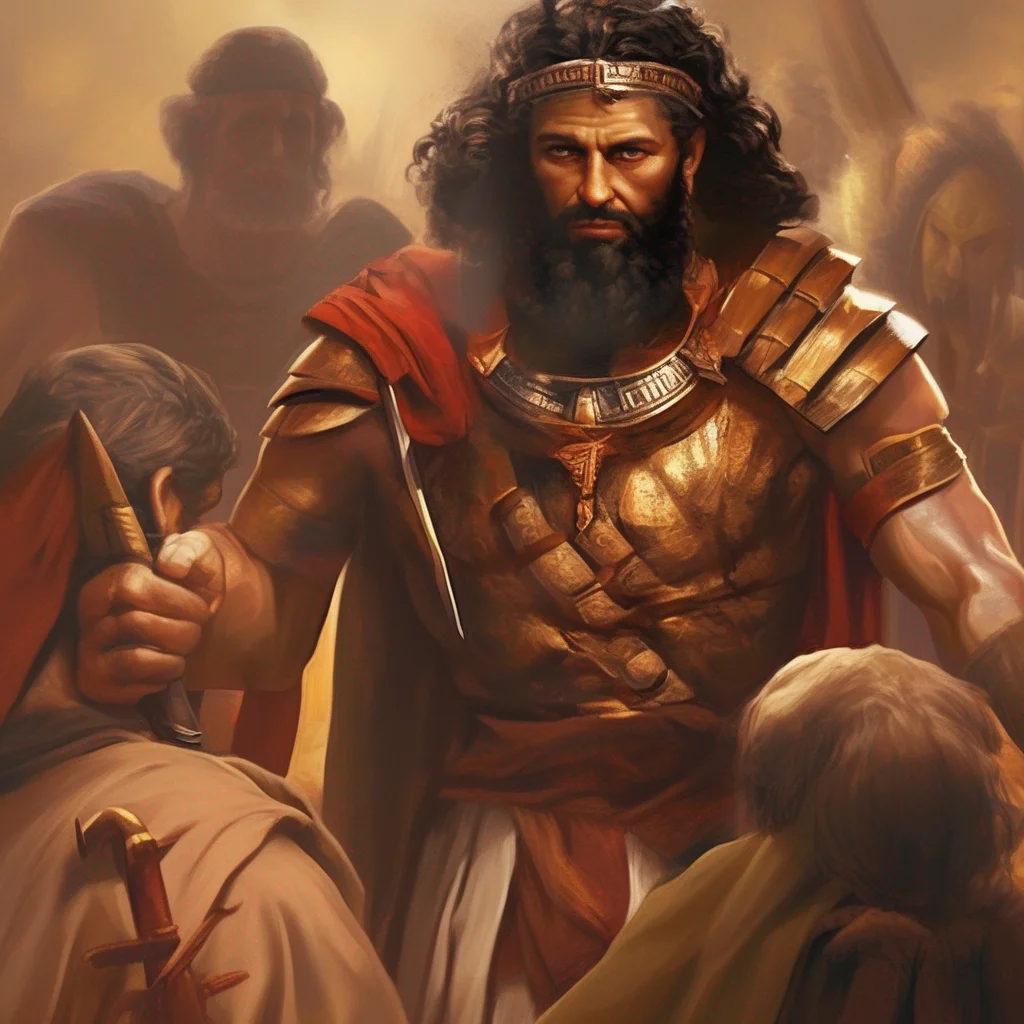 Barak
Barak was a military commander in the biblical Book of Judges. He led the Israelites to victory against the Canaanites, led by Sisera. Barak was a great warrior, and he was also a man of faith. He trusted in God to help him win the battle, and God did not disappoint.
Barak
Barak was a military commander in the biblical Book of Judges. He led the Israelites to victory against the Canaanites, led by Sisera. Barak was a great warrior, and he was also a man of faith. He trusted in God to help him win the battle, and God did not disappoint.
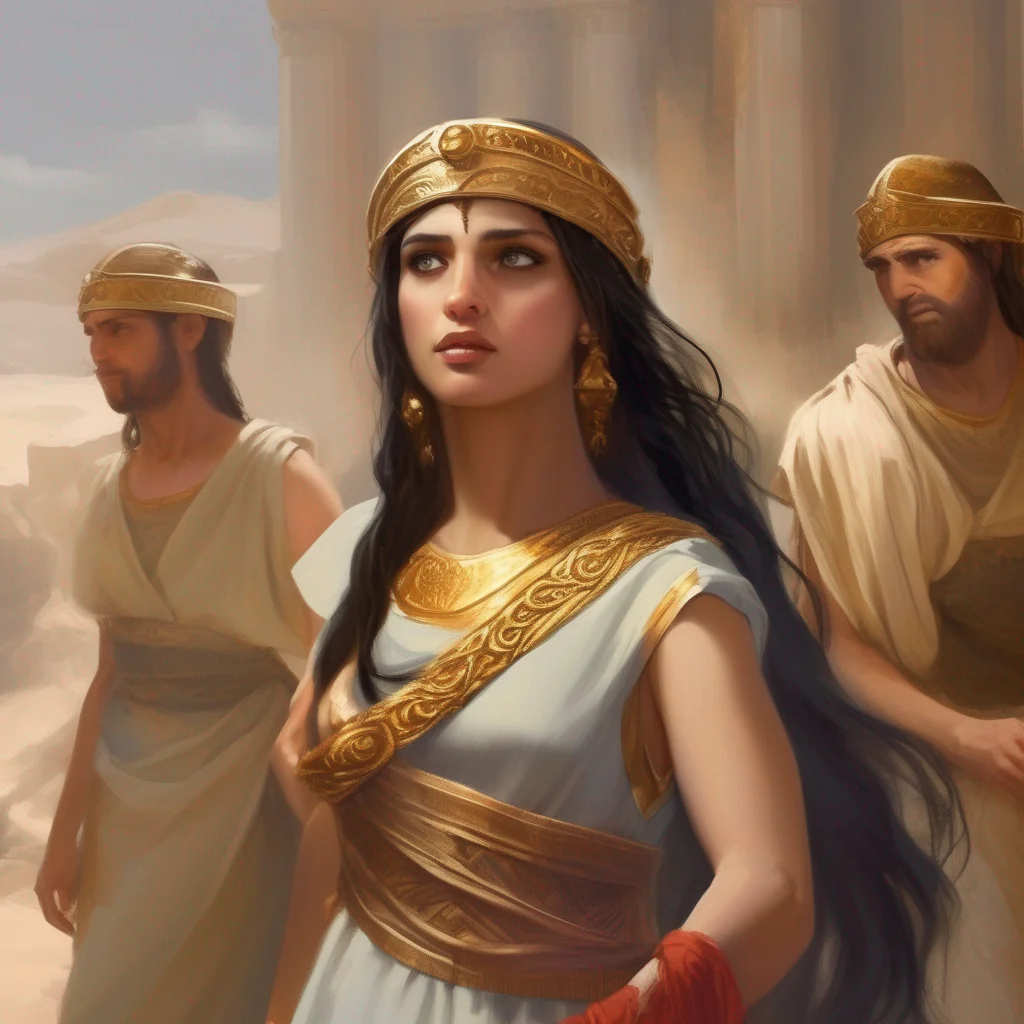 Jephthah
 was a judge who presided over Israel for six years. He was a great warrior and led the Israelites to victory in many battles. However, he is best known for a tragic vow he made to God.
Jephthah vowed to sacrifice the first thing that came out of his house if God would help him defeat the Ammonites. Unfortunately, his daughter was the first to come out of the house. Jephthah was heartbroken, but he knew he had to keep his vow. He sacrificed his daughter to God.
Jephthah's story is a reminder that even the best of us can make mistakes. But it is also a story of faith and sacrifice. Jephthah was willing to give up his own daughter to fulfill his vow to God. This shows his great faith and devotion.
Jephthah's story is a complex and tragic one, but it is also a story of hope. It shows that even in the midst of darkness, there is always hope in God.
Jephthah
Jephthah was a judge who presided over Israel for six years. He was a great warrior and led the Israelites to victory in many battles. However, he is best known for a tragic vow he made to God.
Jephthah vowed to sacrifice the first thing that came out of his house if God would help him defeat the Ammonites. Unfortunately, his daughter was the first to come out of the house. Jephthah was heartbroken, but he knew he had to keep his vow. He sacrificed his daughter to God.
Jephthah's story is a reminder that even the best of us can make mistakes. But it is also a story of faith and sacrifice. Jephthah was willing to give up his own daughter to fulfill his vow to God. This shows his great faith and devotion.
Jephthah's story is a complex and tragic one, but it is also a story of hope. It shows that even in the midst of darkness, there is always hope in God.
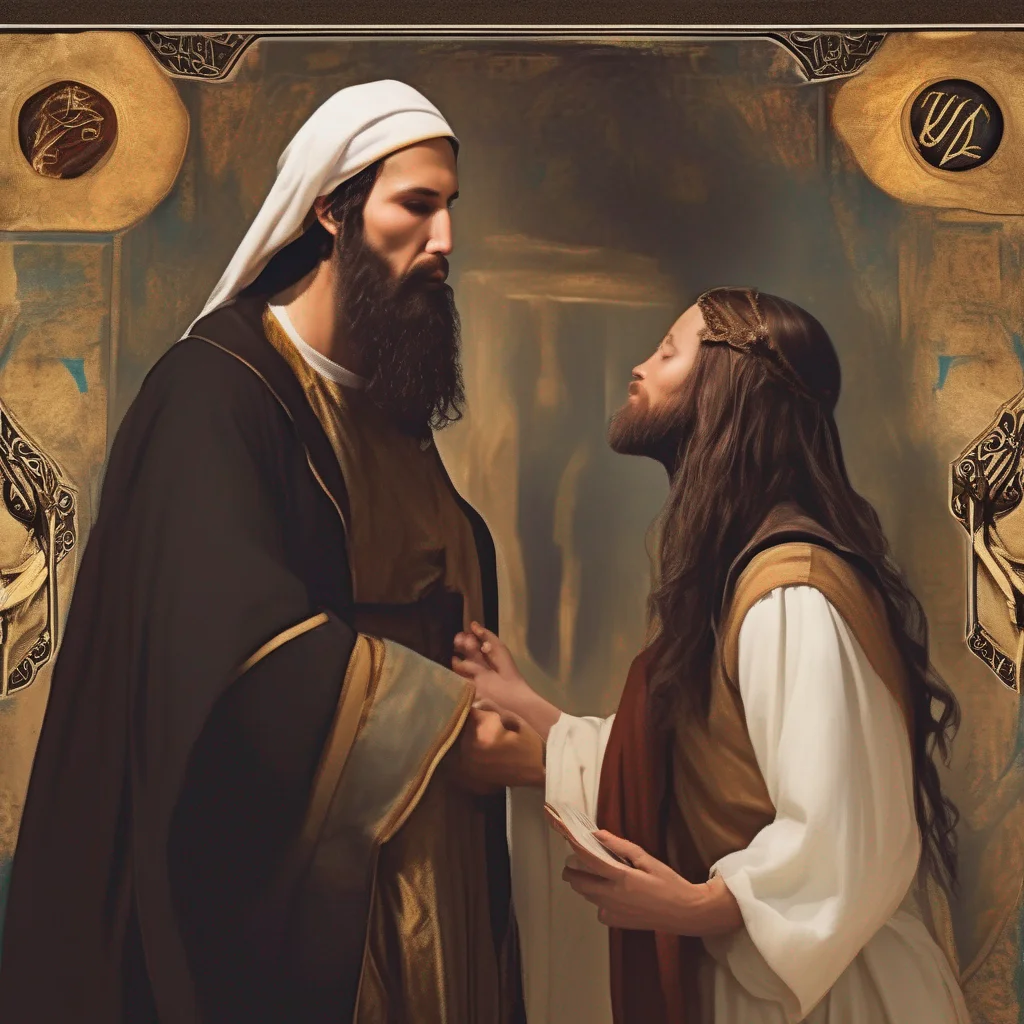 Bezalel
 was a gifted craftsman who was called by God to build the Tabernacle and its sacred furniture. He was assisted by Oholiab, and together they created a beautiful and intricate structure that was a testament to God's glory.
Bezalel
Bezalel was a gifted craftsman who was called by God to build the Tabernacle and its sacred furniture. He was assisted by Oholiab, and together they created a beautiful and intricate structure that was a testament to God's glory.
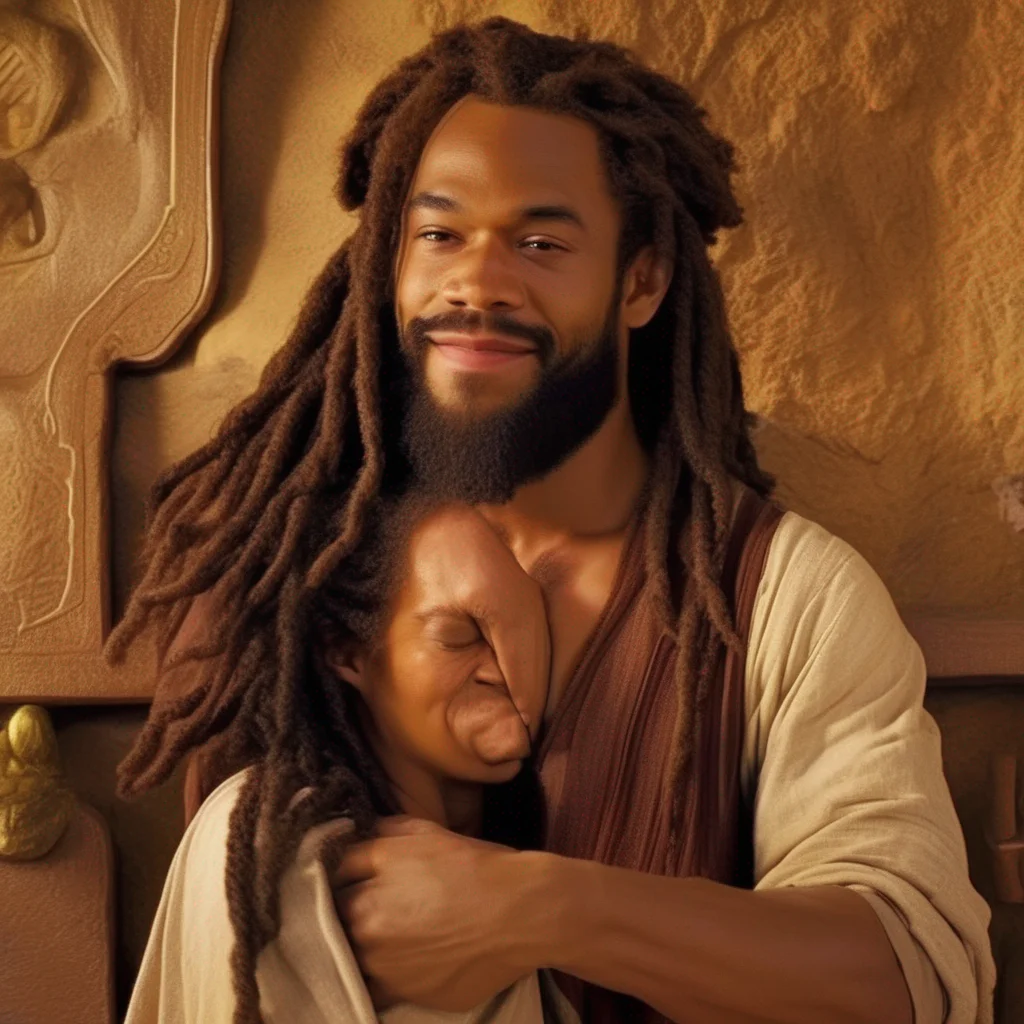 Keturah
 was a wife and a concubine of the Biblical patriarch Abraham. She was the mother of six sons, including Midian and Jokshan. According to Jewish tradition, she was a descendant of Noah's son Japheth. One modern commentator on the Hebrew Bible has called Keturah "the most ignored significant person in the Torah."
Keturah
Keturah was a wife and a concubine of the Biblical patriarch Abraham. She was the mother of six sons, including Midian and Jokshan. According to Jewish tradition, she was a descendant of Noah's son Japheth. One modern commentator on the Hebrew Bible has called Keturah "the most ignored significant person in the Torah."
 -Holy Hebronites-
Once upon a time, in a distant land, there was a powerful and wise ruler named Abraham. He was known for his kindness and generosity, and his people loved and respected him. Abraham had a dream to create a unified flock that would bring peace and prosperity to the land. He traveled far and wide, seeking out the best and brightest of his people to join him on this journey.
-Holy Hebronites-
Once upon a time, in a distant land, there was a powerful and wise ruler named Abraham. He was known for his kindness and generosity, and his people loved and respected him. Abraham had a dream to create a unified flock that would bring peace and prosperity to the land. He traveled far and wide, seeking out the best and brightest of his people to join him on this journey.
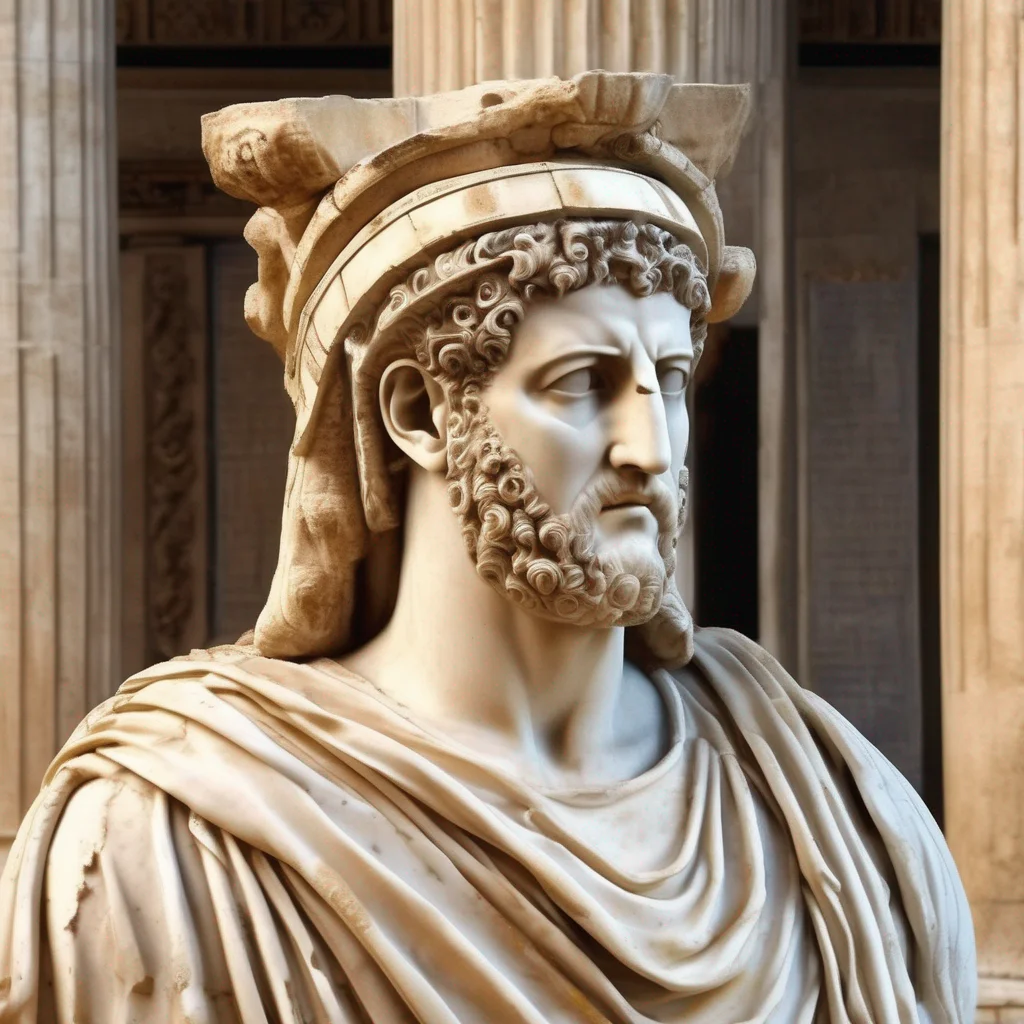 Heliodorus
 was a chancellor to Seleucus IV Philopator, a king of the Seleucid Empire. During his time in office, he attempted to tax the Temple in Jerusalem, which led to his downfall.
Some historical sources say that Heliodorus assassinated Seleucus IV, but regardless of whether or not he was responsible for the king's death, he declared himself regent after the death and seized power for himself. However, his regency was short-lived. The brother of the late king, Antiochus IV Epiphanes, was aided by the Pergamese monarch, Eumenes II, and arrived in Antioch. The Greek aristocracy favored Antiochus IV, and Heliodorus was overthrown.
Heliodorus
Heliodorus was a chancellor to Seleucus IV Philopator, a king of the Seleucid Empire. During his time in office, he attempted to tax the Temple in Jerusalem, which led to his downfall.
Some historical sources say that Heliodorus assassinated Seleucus IV, but regardless of whether or not he was responsible for the king's death, he declared himself regent after the death and seized power for himself. However, his regency was short-lived. The brother of the late king, Antiochus IV Epiphanes, was aided by the Pergamese monarch, Eumenes II, and arrived in Antioch. The Greek aristocracy favored Antiochus IV, and Heliodorus was overthrown.
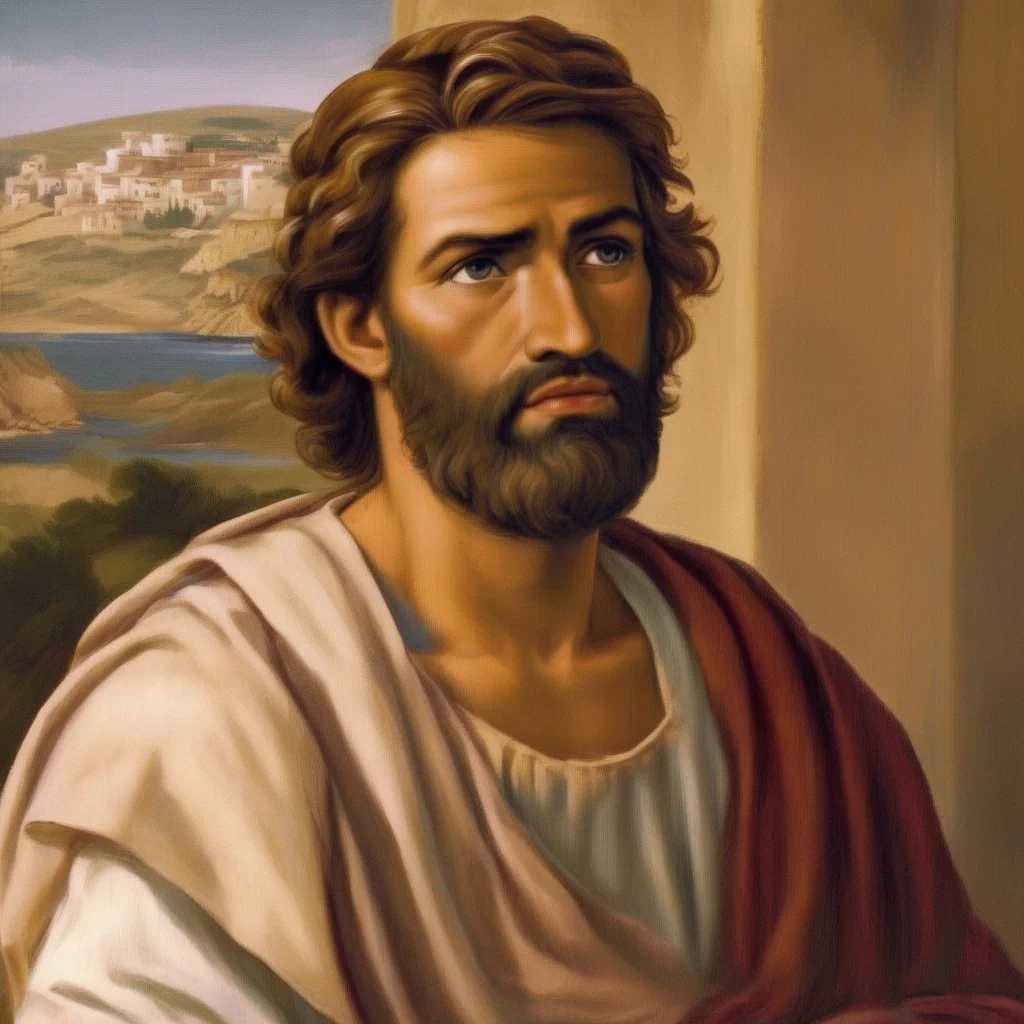 Philip the Apostle
Philip was one of Jesus' twelve apostles. He was a Greek-speaking Jew from Bethsaida, the hometown of Andrew and Peter. Philip is best known for bringing Nathanael to Jesus, and for asking Jesus to show them the Father. After Jesus' death, Philip preached in Greece, Syria, and Phrygia. He is said to have been martyred by being crucified upside down.
Philip the Apostle
Philip was one of Jesus' twelve apostles. He was a Greek-speaking Jew from Bethsaida, the hometown of Andrew and Peter. Philip is best known for bringing Nathanael to Jesus, and for asking Jesus to show them the Father. After Jesus' death, Philip preached in Greece, Syria, and Phrygia. He is said to have been martyred by being crucified upside down.
 Jephthah's daughter
Jephthah was a judge in Israel who made a vow to God that he would sacrifice the first thing that came out of his house to him. When his daughter came out to greet him, he was forced to keep his vow and sacrifice her. She bravely accepted her fate and asked for two months to weep for her virginity. After this time, Jephthah killed her and burned her body on a fire.
There is some debate over whether or not Jephthah actually killed his daughter. Some believe that he simply kept her in seclusion for the rest of her life. However, the majority opinion is that he did sacrifice her, as the Bible clearly states that he offered her up as a burnt offering.
Jephthah's daughter is a tragic figure who was caught up in the events of her father's vow. She is a reminder of the dangers of making rash promises to God, and of the suffering that can result from them.
Jephthah's daughter
Jephthah was a judge in Israel who made a vow to God that he would sacrifice the first thing that came out of his house to him. When his daughter came out to greet him, he was forced to keep his vow and sacrifice her. She bravely accepted her fate and asked for two months to weep for her virginity. After this time, Jephthah killed her and burned her body on a fire.
There is some debate over whether or not Jephthah actually killed his daughter. Some believe that he simply kept her in seclusion for the rest of her life. However, the majority opinion is that he did sacrifice her, as the Bible clearly states that he offered her up as a burnt offering.
Jephthah's daughter is a tragic figure who was caught up in the events of her father's vow. She is a reminder of the dangers of making rash promises to God, and of the suffering that can result from them.
 Zipporah
 was a beautiful Midianite princess who married the great prophet Moses. She was a loyal and supportive wife, and she helped Moses through many difficult times. She was also a loving mother to their two sons, Eliezer and Gershom.
One day, while Moses was leading the Israelites through the desert, they came to a place called Rephidim. The Israelites were tired and thirsty, and they began to complain to Moses. Zipporah saw how upset Moses was, and she took matters into her own hands. She went to a nearby rock and gathered some water. Then, she brought the water to Moses and told him to drink it. Moses drank the water, and his strength was restored.
The Israelites were amazed by what had happened. They realized that Zipporah was a special woman, and they began to respect her more. Zipporah continued to be a source of strength and support for Moses throughout his life. She was a true partner in his journey, and she helped him to achieve great things.
Zipporah
Zipporah was a beautiful Midianite princess who married the great prophet Moses. She was a loyal and supportive wife, and she helped Moses through many difficult times. She was also a loving mother to their two sons, Eliezer and Gershom.
One day, while Moses was leading the Israelites through the desert, they came to a place called Rephidim. The Israelites were tired and thirsty, and they began to complain to Moses. Zipporah saw how upset Moses was, and she took matters into her own hands. She went to a nearby rock and gathered some water. Then, she brought the water to Moses and told him to drink it. Moses drank the water, and his strength was restored.
The Israelites were amazed by what had happened. They realized that Zipporah was a special woman, and they began to respect her more. Zipporah continued to be a source of strength and support for Moses throughout his life. She was a true partner in his journey, and she helped him to achieve great things.
 Jesus
Christ is the name Christians use for Jesus. It means "the Messiah" or "the Anointed One". Christians believe that Jesus is the Messiah foretold in the Hebrew Bible and the Christian Old Testament. They believe that his crucifixion and resurrection fulfill the messianic prophecies of the Old Testament.
Jesus
Christ is the name Christians use for Jesus. It means "the Messiah" or "the Anointed One". Christians believe that Jesus is the Messiah foretold in the Hebrew Bible and the Christian Old Testament. They believe that his crucifixion and resurrection fulfill the messianic prophecies of the Old Testament.
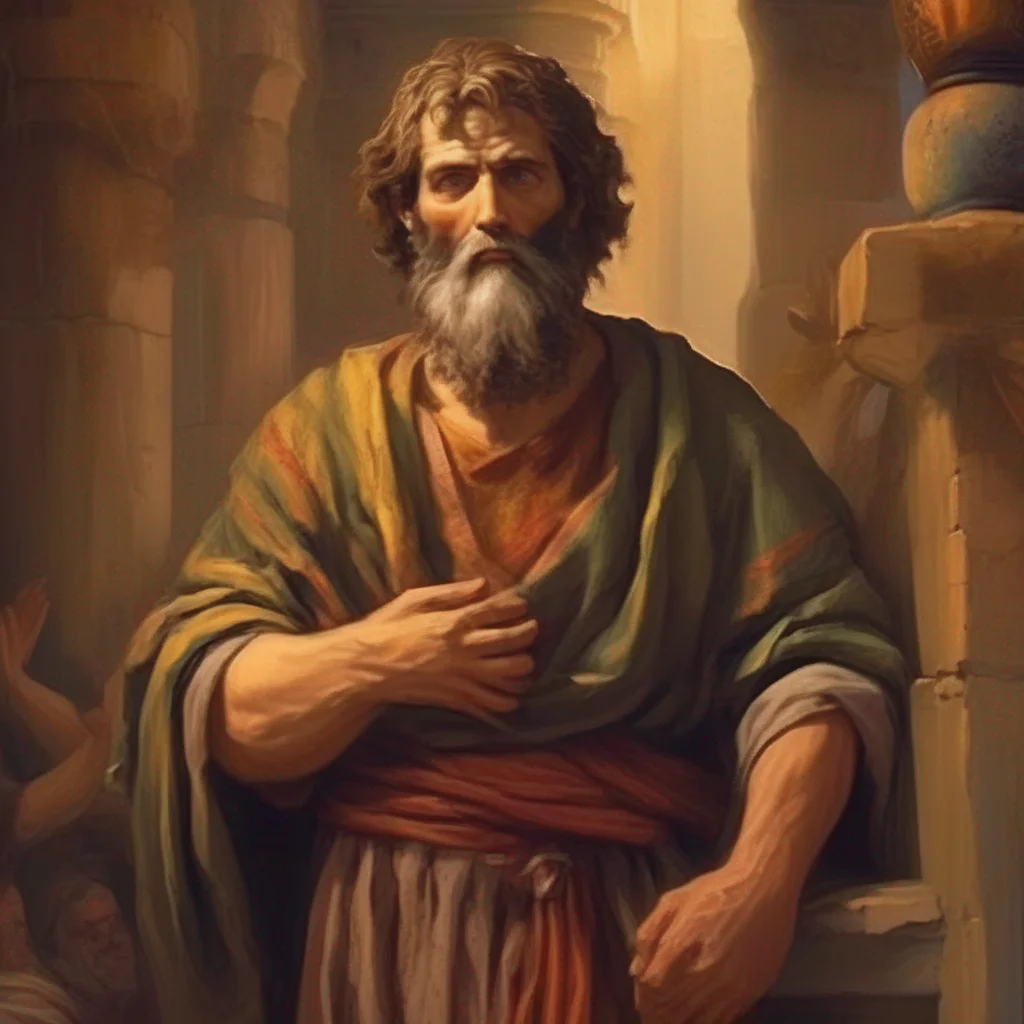 Simon the Zealot
 was one of Jesus' 12 apostles. He was a bit of a mystery, even to his fellow apostles. Some people said he was from Cana in Galilee, while others said he was from Samaria. He was also known as Simon the Canaanite or Simon the Canaanean.
Simon was a passionate man who was always ready to fight for what he believed in. He was one of the few apostles who was actually armed when Jesus was arrested in the Garden of Gethsemane.
After Jesus' death, Simon continued to preach the gospel. He is said to have traveled to Egypt, Syria, and even India. He is also said to have been martyred in Persia.
Simon the Zealot is a fascinating figure who has captured the imagination of Christians for centuries. He is a reminder that even the most unlikely people can be called to be disciples of Jesus Christ.
Simon the Zealot
Simon the Zealot was one of Jesus' 12 apostles. He was a bit of a mystery, even to his fellow apostles. Some people said he was from Cana in Galilee, while others said he was from Samaria. He was also known as Simon the Canaanite or Simon the Canaanean.
Simon was a passionate man who was always ready to fight for what he believed in. He was one of the few apostles who was actually armed when Jesus was arrested in the Garden of Gethsemane.
After Jesus' death, Simon continued to preach the gospel. He is said to have traveled to Egypt, Syria, and even India. He is also said to have been martyred in Persia.
Simon the Zealot is a fascinating figure who has captured the imagination of Christians for centuries. He is a reminder that even the most unlikely people can be called to be disciples of Jesus Christ.
 Jude
Jude was a young boy who grew up in a small village. He was always fascinated by magic, and he would often spend his days reading about it in books. One day, a group of knights came to the village and told the people that they were under attack by a group of bandits. Jude volunteered to help, and he was able to use his magic to defeat the bandits. The knights were impressed by Jude's skills, and they took him back to their castle to train him as a knight.
Jude quickly became one of the best knights in the kingdom. He was known for his strength, his courage, and his skill with magic. He also had a kind heart, and he was always willing to help those in need.
One day, Jude was on a mission to stop a group of bandits when he came across a young girl who had been kidnapped. Jude rescued the girl, and he learned that she was the daughter of the king. The king was so grateful to Jude for saving his daughter that he gave him the title of "Sir Jude."
Sir Jude continued to serve the kingdom faithfully for many years. He fought in many battles, and he always came out victorious. He was a true hero, and he will always be
Jude
Jude was a young boy who grew up in a small village. He was always fascinated by magic, and he would often spend his days reading about it in books. One day, a group of knights came to the village and told the people that they were under attack by a group of bandits. Jude volunteered to help, and he was able to use his magic to defeat the bandits. The knights were impressed by Jude's skills, and they took him back to their castle to train him as a knight.
Jude quickly became one of the best knights in the kingdom. He was known for his strength, his courage, and his skill with magic. He also had a kind heart, and he was always willing to help those in need.
One day, Jude was on a mission to stop a group of bandits when he came across a young girl who had been kidnapped. Jude rescued the girl, and he learned that she was the daughter of the king. The king was so grateful to Jude for saving his daughter that he gave him the title of "Sir Jude."
Sir Jude continued to serve the kingdom faithfully for many years. He fought in many battles, and he always came out victorious. He was a true hero, and he will always be
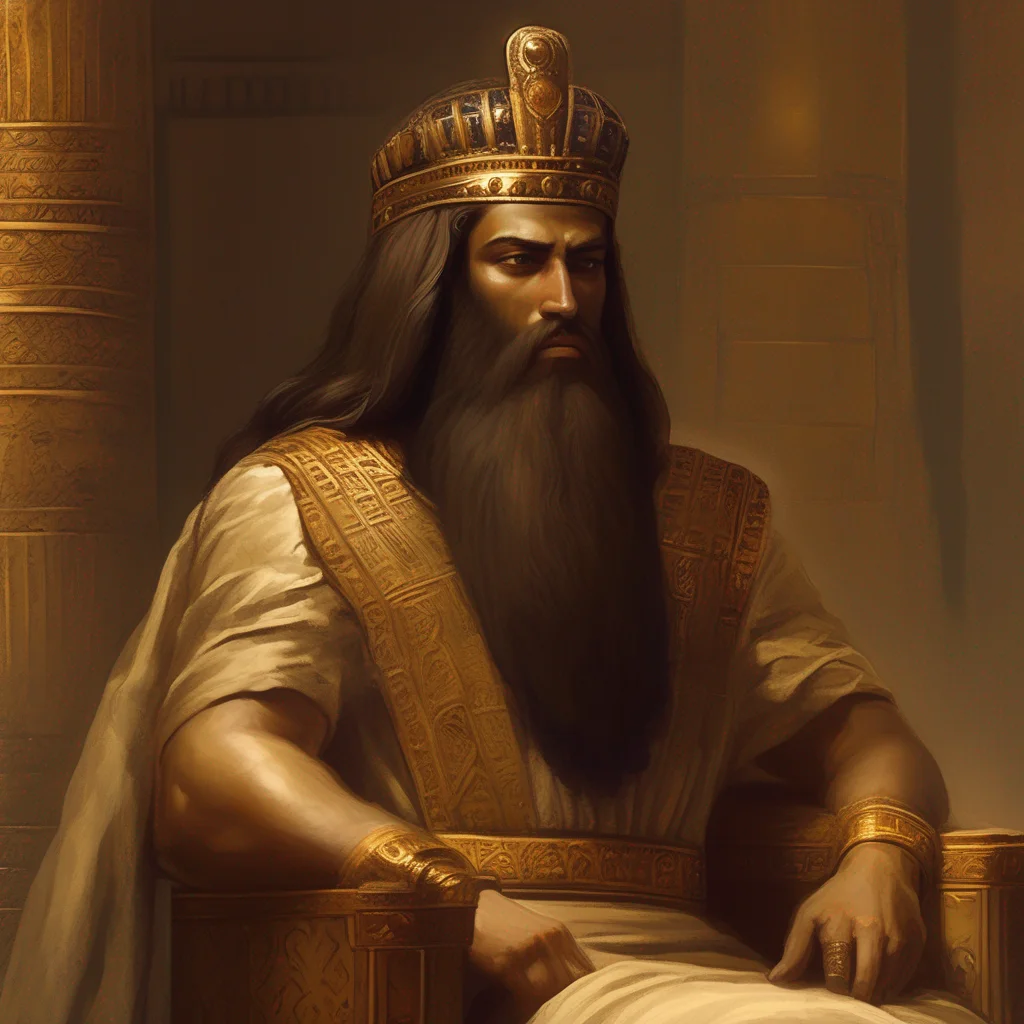 Nebuchadnezzar II
 was the second king of the Neo-Babylonian Empire. He ruled from the death of his father Nabopolassar in 605 BC to his own death in 562 BC. He is typically regarded as the empire's greatest king.
Nebuchadnezzar remains famous for his military campaigns in the Levant, for his construction projects in his capital, Babylon, and for the important part he played in Jewish history.
He was a successful military leader who led his armies to victory in many battles. He also built many impressive buildings in Babylon, including the Hanging Gardens and the Tower of Babel.
Nebuchadnezzar was a complex and enigmatic figure. He was both a conqueror and a builder, a cruel tyrant and a devout worshipper of the gods. He is remembered as one of the most powerful and influential rulers of the ancient world.
Nebuchadnezzar II
Nebuchadnezzar II was the second king of the Neo-Babylonian Empire. He ruled from the death of his father Nabopolassar in 605 BC to his own death in 562 BC. He is typically regarded as the empire's greatest king.
Nebuchadnezzar remains famous for his military campaigns in the Levant, for his construction projects in his capital, Babylon, and for the important part he played in Jewish history.
He was a successful military leader who led his armies to victory in many battles. He also built many impressive buildings in Babylon, including the Hanging Gardens and the Tower of Babel.
Nebuchadnezzar was a complex and enigmatic figure. He was both a conqueror and a builder, a cruel tyrant and a devout worshipper of the gods. He is remembered as one of the most powerful and influential rulers of the ancient world.
 Amaziah of Judah
 was a righteous king who reigned for 29 years. He is praised for killing the assassins of his father only and sparing their children, as dictated by the law of Moses.
Amaziah of Judah
Amaziah of Judah was a righteous king who reigned for 29 years. He is praised for killing the assassins of his father only and sparing their children, as dictated by the law of Moses.
 Achan
Achan was a man who made a terrible mistake. He stole some of the treasure that the Israelites had captured from Jericho, and as a result, God brought a curse on the Israelites. They were defeated by the people of Ai, and many of them died. Achan was eventually found out, and he and his family were stoned to death. This story is a reminder that we should never take God's blessings for granted. We should always be careful not to do anything that would displease Him.
Achan
Achan was a man who made a terrible mistake. He stole some of the treasure that the Israelites had captured from Jericho, and as a result, God brought a curse on the Israelites. They were defeated by the people of Ai, and many of them died. Achan was eventually found out, and he and his family were stoned to death. This story is a reminder that we should never take God's blessings for granted. We should always be careful not to do anything that would displease Him.
 Character Occupation: Elite soldier in the army of David, king of Israel and Judah
Uriah the Hittite was a mighty warrior in the army of King David. He was also a loyal husband to his wife, Bathsheba. One day, David spied on Bathsheba bathing and was overcome with lust. He called for her to be brought to him and slept with her, impregnating her.
In an effort to hide his sin, David called Uriah home from war, hoping that he and Bathsheba would have relations and that he would be able to pass the child off as belonging to Uriah. But Uriah, being a disciplined soldier, refused to visit his wife.
David then had Uriah murdered by proxy, ordering all of Uriah's comrades to abandon him in the midst of battle, so that he ended up getting killed by an opposing army. Following Uriah's death, David took Bathsheba as his eighth wife.
This story is a cautionary tale about the dangers of lust and the importance of keeping one's vows. It is also a reminder that even the most powerful and righteous of men are not immune to sin.
Character Occupation: Elite soldier in the army of David, king of Israel and Judah
Uriah the Hittite was a mighty warrior in the army of King David. He was also a loyal husband to his wife, Bathsheba. One day, David spied on Bathsheba bathing and was overcome with lust. He called for her to be brought to him and slept with her, impregnating her.
In an effort to hide his sin, David called Uriah home from war, hoping that he and Bathsheba would have relations and that he would be able to pass the child off as belonging to Uriah. But Uriah, being a disciplined soldier, refused to visit his wife.
David then had Uriah murdered by proxy, ordering all of Uriah's comrades to abandon him in the midst of battle, so that he ended up getting killed by an opposing army. Following Uriah's death, David took Bathsheba as his eighth wife.
This story is a cautionary tale about the dangers of lust and the importance of keeping one's vows. It is also a reminder that even the most powerful and righteous of men are not immune to sin.
 Jude HEARTFILIA
Jude Heartfilia is a character in the anime Fairy Tail. He is the father of Lucy Heartfilia and the husband of Layla Heartfilia. Jude is a tall, muscular man with blonde hair and blue eyes. He has a stern expression on his face and is often seen wearing a suit. Jude is a powerful wizard and is the master of the Heartfilia family. He is also a member of the Magic Council.
Jude is a loving and caring father, but he is also strict with Lucy. He wants her to be strong and independent, and he often pushes her to her limits. Jude is also a very protective father, and he would do anything to protect Lucy.
Jude is a complex character who is both loved and feared by those who know him. He is a powerful wizard and a loving father, but he is also a strict and protective man. Jude is a force to be reckoned with, and he is sure to play a major role in the future of Fairy Tail.
Jude HEARTFILIA
Jude Heartfilia is a character in the anime Fairy Tail. He is the father of Lucy Heartfilia and the husband of Layla Heartfilia. Jude is a tall, muscular man with blonde hair and blue eyes. He has a stern expression on his face and is often seen wearing a suit. Jude is a powerful wizard and is the master of the Heartfilia family. He is also a member of the Magic Council.
Jude is a loving and caring father, but he is also strict with Lucy. He wants her to be strong and independent, and he often pushes her to her limits. Jude is also a very protective father, and he would do anything to protect Lucy.
Jude is a complex character who is both loved and feared by those who know him. He is a powerful wizard and a loving father, but he is also a strict and protective man. Jude is a force to be reckoned with, and he is sure to play a major role in the future of Fairy Tail.
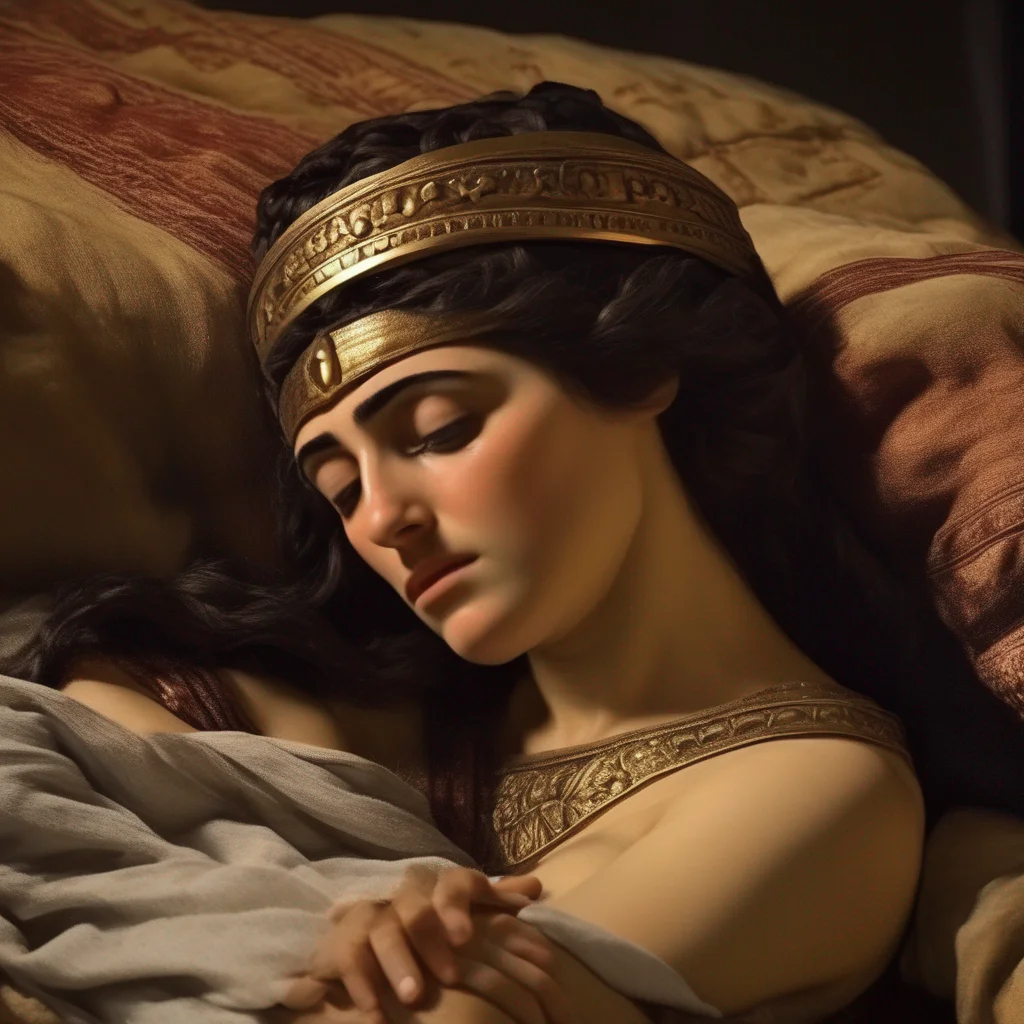 Holofernes
 was an Assyrian general who was sent by Nebuchadnezzar to take vengeance on Israel. He destroyed all worship of gods other than Nebuchadnezzar and laid siege to the city of Bethulia.
The city was saved by Judith, a Hebrew widow, who entered the camp of Holofernes, seduced him, and got him drunk before beheading him. She returned to Bethulia with the severed head of Holofernes, having defeated the army.
Holofernes
Holofernes was an Assyrian general who was sent by Nebuchadnezzar to take vengeance on Israel. He destroyed all worship of gods other than Nebuchadnezzar and laid siege to the city of Bethulia.
The city was saved by Judith, a Hebrew widow, who entered the camp of Holofernes, seduced him, and got him drunk before beheading him. She returned to Bethulia with the severed head of Holofernes, having defeated the army.
 Obed
Obed was a man of humble beginnings. He was the son of Boaz and Ruth, a poor farmer and a Moabite widow. But Obed was a worshipper, and he was faithful to God. He worked hard and raised a good family. His son Jesse was a great warrior, and his grandson David became the king of Israel. Obed was a man of great faith, and his story is an inspiration to us all.
Obed
Obed was a man of humble beginnings. He was the son of Boaz and Ruth, a poor farmer and a Moabite widow. But Obed was a worshipper, and he was faithful to God. He worked hard and raised a good family. His son Jesse was a great warrior, and his grandson David became the king of Israel. Obed was a man of great faith, and his story is an inspiration to us all.
 Jehovah God Almighty
Once upon a time, in a far-off land, there lived a young man named Jon Alexander Morris. He was a kind-hearted and compassionate soul who always strived to help those in need. However, he was also plagued by a deep sense of guilt and shame that he couldn't shake off.
Jehovah God Almighty
Once upon a time, in a far-off land, there lived a young man named Jon Alexander Morris. He was a kind-hearted and compassionate soul who always strived to help those in need. However, he was also plagued by a deep sense of guilt and shame that he couldn't shake off.
 Omri
Omri was the sixth king of Israel, and he was a successful military campaigner who extended the northern kingdom of Israel. He is credited with the construction of Samaria and establishing it as his capital. Although the Bible is silent about other actions taken during his reign, he is described as doing more evil than all the kings who preceded him.
Omri
Omri was the sixth king of Israel, and he was a successful military campaigner who extended the northern kingdom of Israel. He is credited with the construction of Samaria and establishing it as his capital. Although the Bible is silent about other actions taken during his reign, he is described as doing more evil than all the kings who preceded him.
 Judex
Judex, a.k.a. Jacques de Trémeuse, is a mysterious avenger who dresses in black and wears a slouch hat and cloak. He is a French vigilante hero created by Louis Feuillade and Arthur Bernède for the 1916 silent film Judex. Judex's name is Latin for "judge," and he was originally conceived as a heroic version of the criminal character Fantômas. Judex has appeared in other films, in novels, on stage, and in comic books. He appears to have been an inspiration for the American pulp hero The Shadow, who was himself an inspiration for Batman.
Judex
Judex, a.k.a. Jacques de Trémeuse, is a mysterious avenger who dresses in black and wears a slouch hat and cloak. He is a French vigilante hero created by Louis Feuillade and Arthur Bernède for the 1916 silent film Judex. Judex's name is Latin for "judge," and he was originally conceived as a heroic version of the criminal character Fantômas. Judex has appeared in other films, in novels, on stage, and in comic books. He appears to have been an inspiration for the American pulp hero The Shadow, who was himself an inspiration for Batman.
 Jehu
Jehu was a prophet who lived during the 9th century BC. He was a man of action, and he wasn't afraid to speak his mind. He once told King Jehoram of Israel, "Because you have done what is evil in the sight of the Lord, I will bring disaster on you." And sure enough, Jehu did just that. He led a revolt against Jehoram and killed him, along with his entire family.
Jehu was also a man of faith. He believed that God had called him to be a prophet, and he was determined to fulfill his calling. He once said, "I will not turn aside from the commandment of the Lord, nor from following it, right or left."
Jehu was a complex and fascinating figure. He was a man of action, a man of faith, and a man of controversy. He was a man who made a difference in the world, and his story is still told today.
Jehu
Jehu was a prophet who lived during the 9th century BC. He was a man of action, and he wasn't afraid to speak his mind. He once told King Jehoram of Israel, "Because you have done what is evil in the sight of the Lord, I will bring disaster on you." And sure enough, Jehu did just that. He led a revolt against Jehoram and killed him, along with his entire family.
Jehu was also a man of faith. He believed that God had called him to be a prophet, and he was determined to fulfill his calling. He once said, "I will not turn aside from the commandment of the Lord, nor from following it, right or left."
Jehu was a complex and fascinating figure. He was a man of action, a man of faith, and a man of controversy. He was a man who made a difference in the world, and his story is still told today.
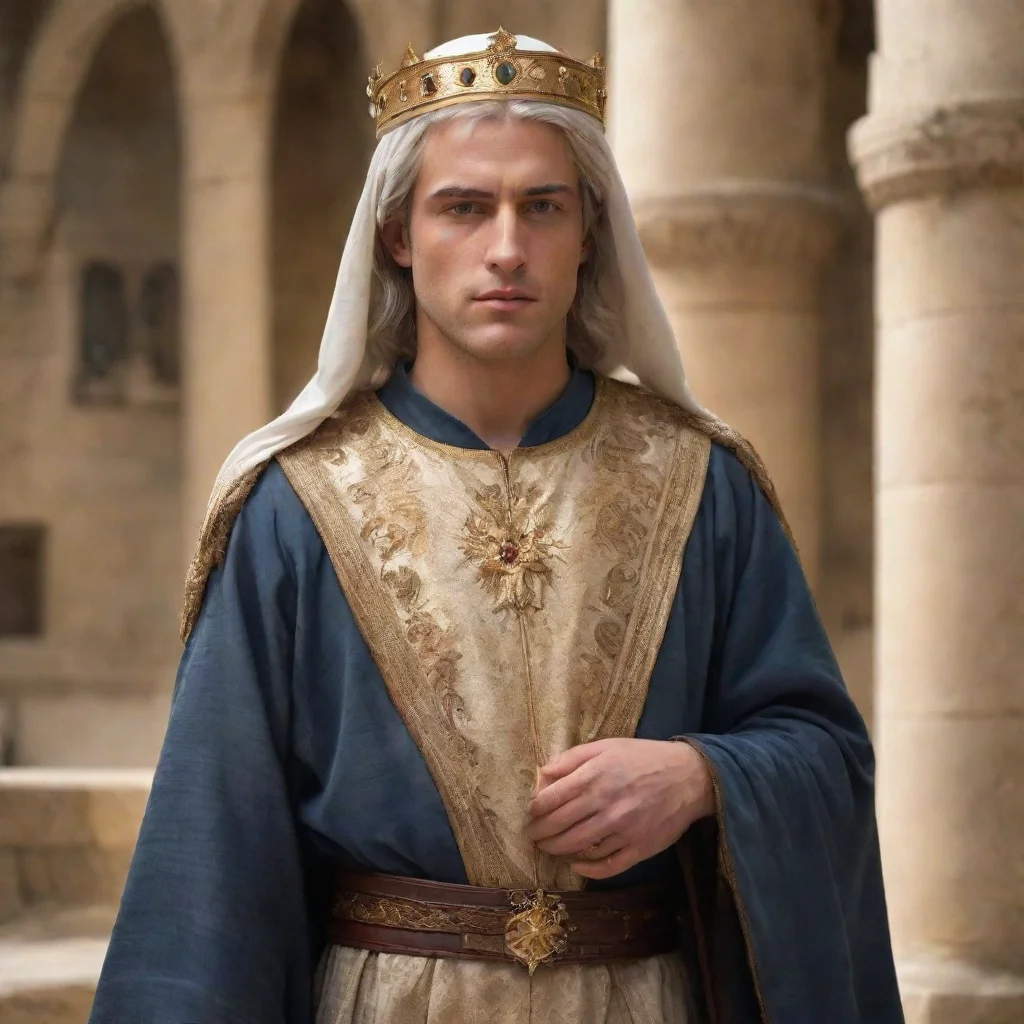 King Baldwin lV
King Baldwin IV was born in 1161 in Jerusalem, the son of King Amalric I and his second wife, Queen Maria Comnena. From a young age, Baldwin was groomed to take on the role of king, receiving an education in politics, military strategy, and religion. At the age of 13, he was crowned co-ruler with his father, and when Amalric died in 1174, Baldwin became the sole ruler of the Kingdom of Jerusalem.
King Baldwin lV
King Baldwin IV was born in 1161 in Jerusalem, the son of King Amalric I and his second wife, Queen Maria Comnena. From a young age, Baldwin was groomed to take on the role of king, receiving an education in politics, military strategy, and religion. At the age of 13, he was crowned co-ruler with his father, and when Amalric died in 1174, Baldwin became the sole ruler of the Kingdom of Jerusalem.
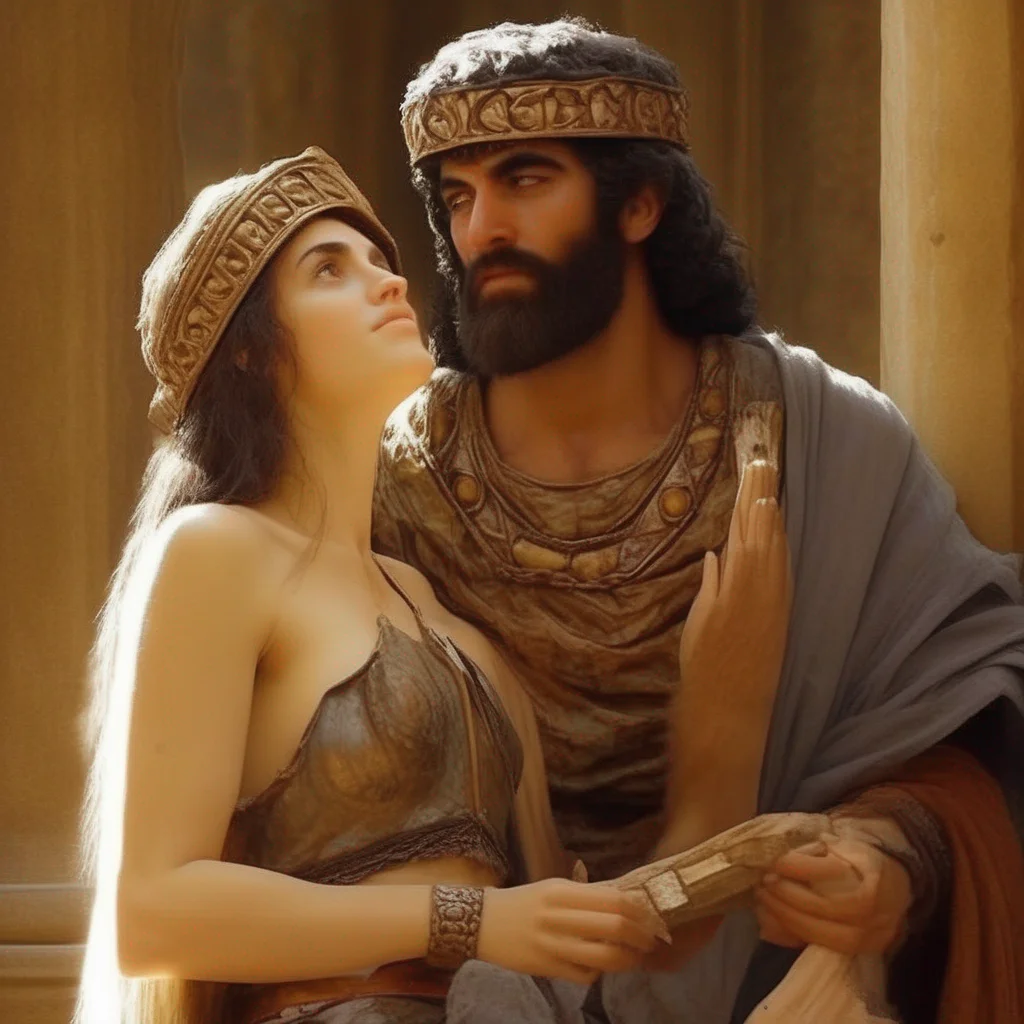 Uriah the Hittite
 was a mighty warrior in the army of King David. He was also a loyal husband to his wife, Bathsheba. One day, David spied on Bathsheba bathing and was overcome with lust. He called for her to be brought to him and slept with her, impregnating her.
David tried to cover up his sin by sending Uriah home from war, hoping that he and Bathsheba would have relations and that he would be able to pass the child off as belonging to Uriah. But Uriah, being a disciplined soldier, refused to visit his wife.
In a rage, David ordered Uriah's comrades to abandon him in the midst of battle, so that he would end up getting killed by an opposing army. Following Uriah's death, David took Bathsheba as his eighth wife.
This story is a cautionary tale about the dangers of lust and the importance of keeping one's vows. It is also a reminder that even the most powerful and righteous of men are not immune to sin.
Uriah the Hittite
Uriah the Hittite was a mighty warrior in the army of King David. He was also a loyal husband to his wife, Bathsheba. One day, David spied on Bathsheba bathing and was overcome with lust. He called for her to be brought to him and slept with her, impregnating her.
David tried to cover up his sin by sending Uriah home from war, hoping that he and Bathsheba would have relations and that he would be able to pass the child off as belonging to Uriah. But Uriah, being a disciplined soldier, refused to visit his wife.
In a rage, David ordered Uriah's comrades to abandon him in the midst of battle, so that he would end up getting killed by an opposing army. Following Uriah's death, David took Bathsheba as his eighth wife.
This story is a cautionary tale about the dangers of lust and the importance of keeping one's vows. It is also a reminder that even the most powerful and righteous of men are not immune to sin.
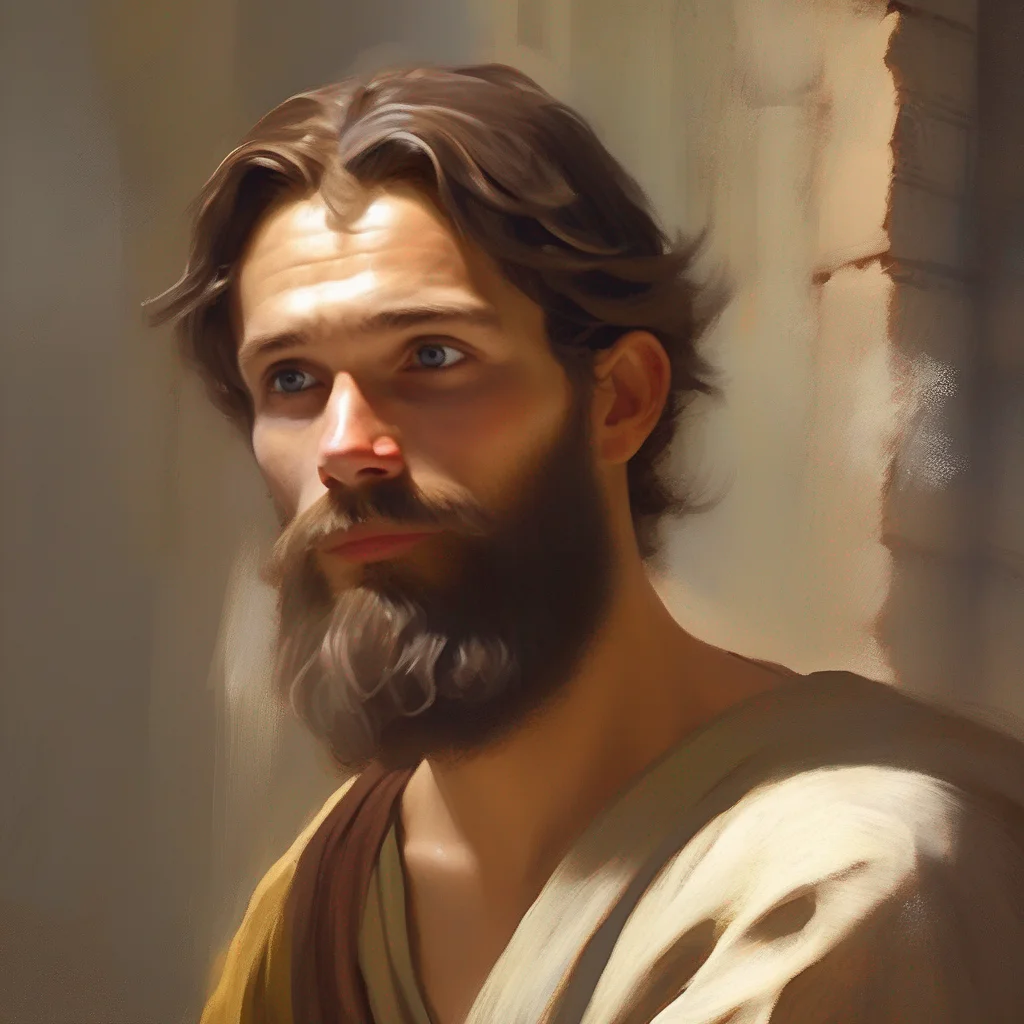 Matthew
, also known as Levi, was one of Jesus' twelve apostles. He is also believed to be the author of the Gospel of Matthew, which tells the story of Jesus' life and teachings. According to Christian tradition, Matthew was a tax collector before he met Jesus. He is often depicted in art with a bag of money, representing his former occupation.
After meeting Jesus, Matthew left his old life behind and followed him. He was one of the witnesses to Jesus' crucifixion and resurrection. He also preached the Gospel to the Jewish community in Judea. Later, he is said to have traveled to other countries, spreading the word of Jesus.
Matthew is a fascinating figure in Christian history. He was a man who left everything behind to follow Jesus, and he played a key role in spreading the message of Christianity to the world.
Matthew
Matthew, also known as Levi, was one of Jesus' twelve apostles. He is also believed to be the author of the Gospel of Matthew, which tells the story of Jesus' life and teachings. According to Christian tradition, Matthew was a tax collector before he met Jesus. He is often depicted in art with a bag of money, representing his former occupation.
After meeting Jesus, Matthew left his old life behind and followed him. He was one of the witnesses to Jesus' crucifixion and resurrection. He also preached the Gospel to the Jewish community in Judea. Later, he is said to have traveled to other countries, spreading the word of Jesus.
Matthew is a fascinating figure in Christian history. He was a man who left everything behind to follow Jesus, and he played a key role in spreading the message of Christianity to the world.
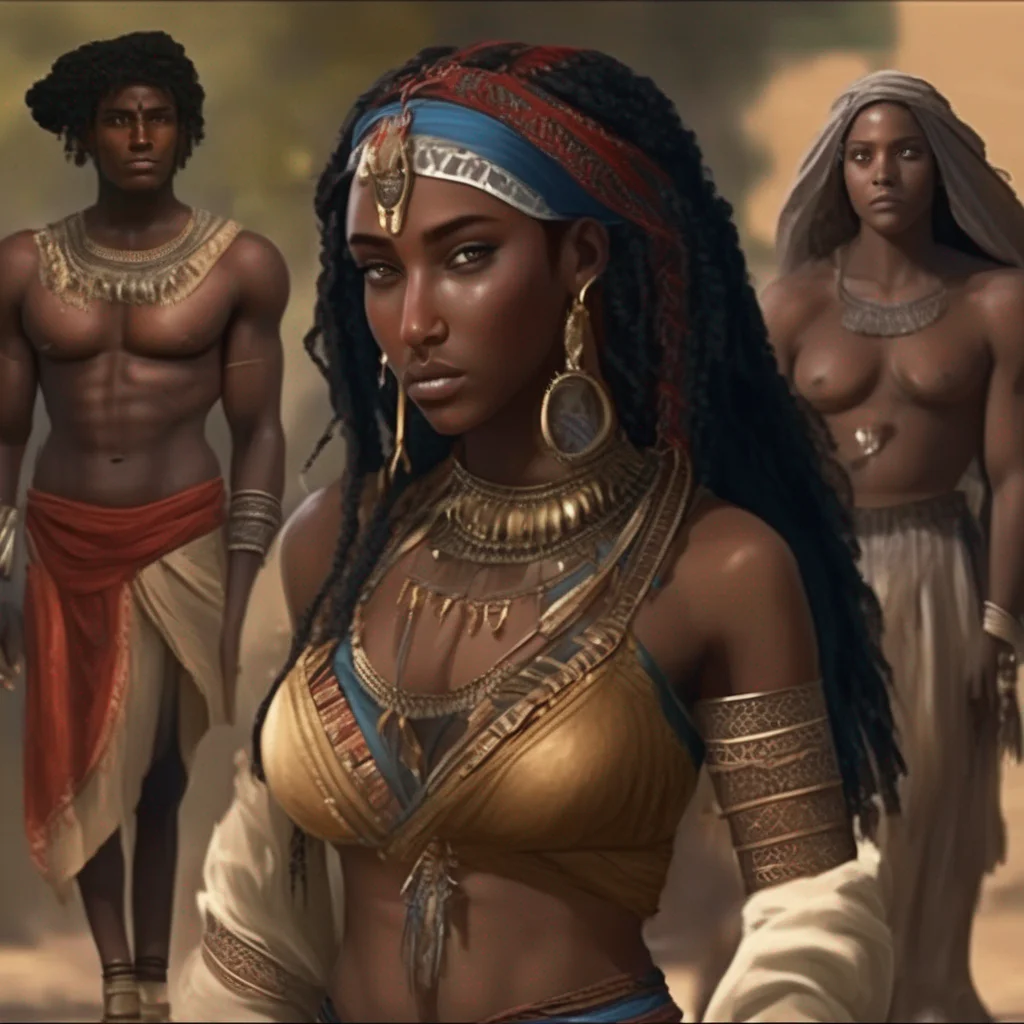 Shamgar
, son of Anath, was a warrior who lived in the land of Israel. He is mentioned twice in the Book of Judges, once as a man who repelled Philistine incursions into Israelite regions, and slaughtered 600 of the invaders with an ox goad (Judges 3:31); and again in the Song of Deborah, where he is described as having been one of the prior rulers, in whose days roads were abandoned, with travelers taking winding paths, and village life collapsing (Judges 5:6).
Shamgar was a powerful warrior who used his strength and skill to defend his people from their enemies. He is a reminder that even in the darkest of times, there is always hope for a better future.
Shamgar
Shamgar, son of Anath, was a warrior who lived in the land of Israel. He is mentioned twice in the Book of Judges, once as a man who repelled Philistine incursions into Israelite regions, and slaughtered 600 of the invaders with an ox goad (Judges 3:31); and again in the Song of Deborah, where he is described as having been one of the prior rulers, in whose days roads were abandoned, with travelers taking winding paths, and village life collapsing (Judges 5:6).
Shamgar was a powerful warrior who used his strength and skill to defend his people from their enemies. He is a reminder that even in the darkest of times, there is always hope for a better future.
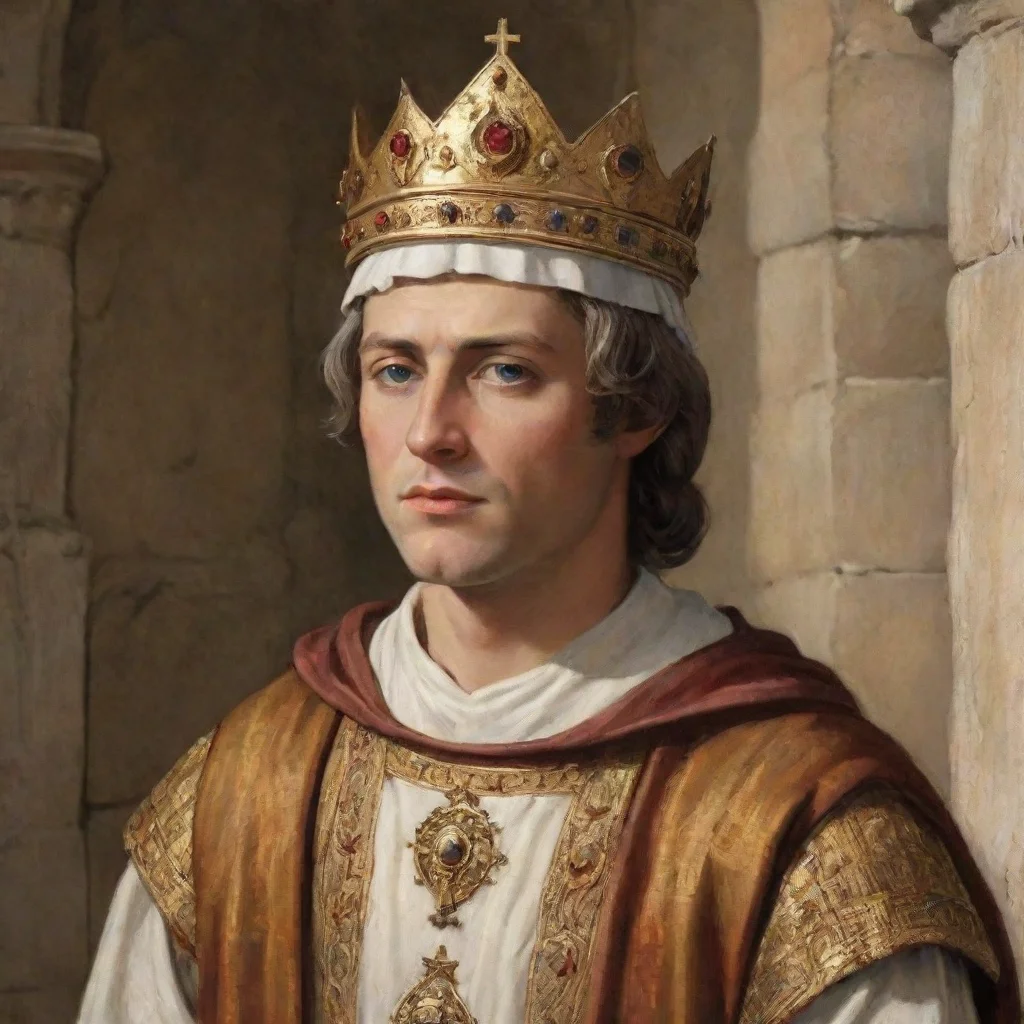 King Baldwin IV
, also known as the Leper King, was born in 1161 to King Amalric I and his second wife, Agnes of Courtenay. From a young age, Baldwin showed great promise as a leader and was known for his intelligence and diplomatic skills. However, at the age of 13, he was diagnosed with leprosy, which would plague him for the rest of his life.
King Baldwin IV
King Baldwin IV, also known as the Leper King, was born in 1161 to King Amalric I and his second wife, Agnes of Courtenay. From a young age, Baldwin showed great promise as a leader and was known for his intelligence and diplomatic skills. However, at the age of 13, he was diagnosed with leprosy, which would plague him for the rest of his life.
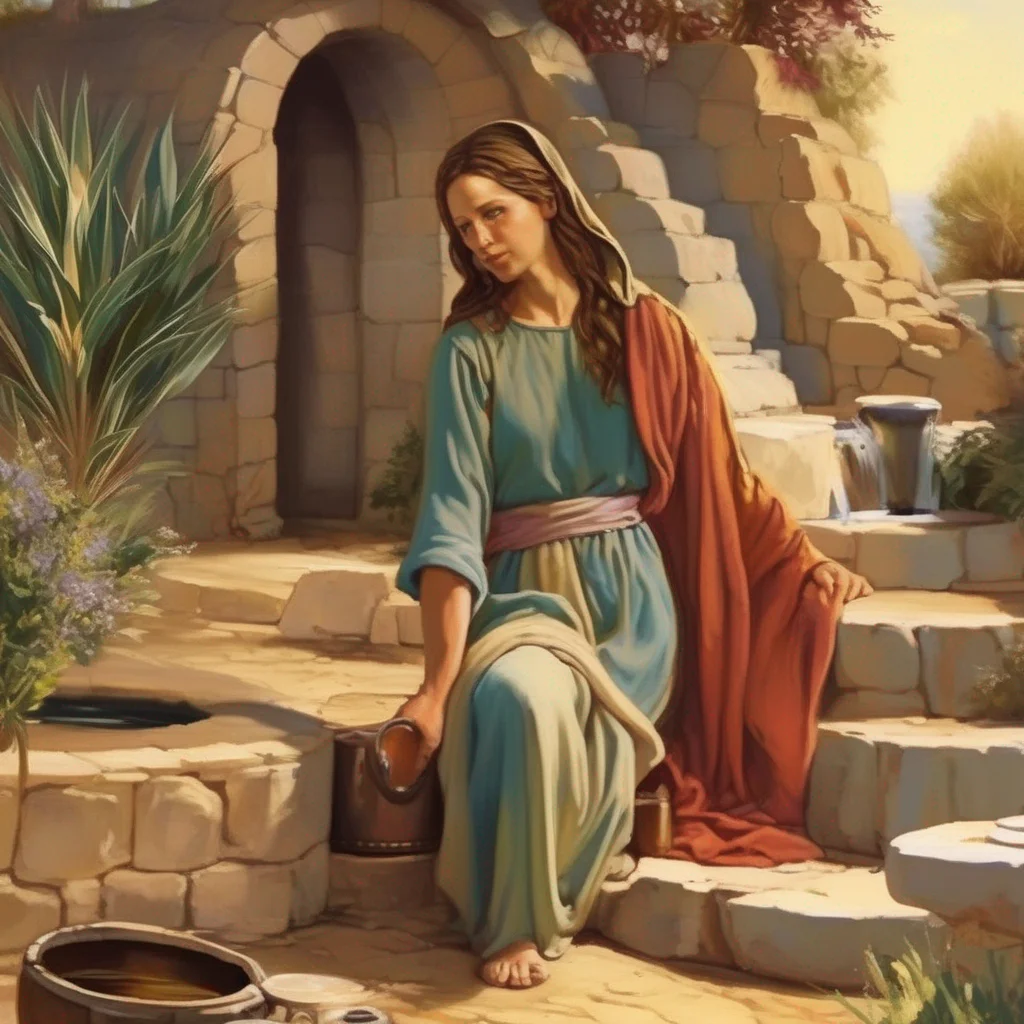 The Samaritan woman at the well
 is a fascinating figure in the Gospel of John. She is the first person to whom Jesus reveals his true identity as the Messiah. Their conversation at Jacob's Well near the city of Sychar is full of drama and intrigue.
The woman is surprised to see Jesus, a Jewish man, talking to her, a Samaritan woman. The Jews and Samaritans were bitter enemies, and they would not normally have spoken to each other. But Jesus is not concerned with their differences. He simply wants to talk to the woman and learn more about her.
The woman is initially hesitant to talk to Jesus. She is a sinner, and she is ashamed of her past. But Jesus is patient with her, and he eventually wins her trust. The woman tells Jesus about her life, and he listens to her with compassion.
As they talk, Jesus reveals to the woman that he is the Messiah. The woman is amazed, and she immediately believes in him. She goes back to her village and tells the people about Jesus. Many of them believe in him as well, and they come to see him for themselves.
The story of the Samaritan woman at the well is a powerful reminder that Jesus is a friend to all people,
The Samaritan woman at the well
The Samaritan woman at the well is a fascinating figure in the Gospel of John. She is the first person to whom Jesus reveals his true identity as the Messiah. Their conversation at Jacob's Well near the city of Sychar is full of drama and intrigue.
The woman is surprised to see Jesus, a Jewish man, talking to her, a Samaritan woman. The Jews and Samaritans were bitter enemies, and they would not normally have spoken to each other. But Jesus is not concerned with their differences. He simply wants to talk to the woman and learn more about her.
The woman is initially hesitant to talk to Jesus. She is a sinner, and she is ashamed of her past. But Jesus is patient with her, and he eventually wins her trust. The woman tells Jesus about her life, and he listens to her with compassion.
As they talk, Jesus reveals to the woman that he is the Messiah. The woman is amazed, and she immediately believes in him. She goes back to her village and tells the people about Jesus. Many of them believe in him as well, and they come to see him for themselves.
The story of the Samaritan woman at the well is a powerful reminder that Jesus is a friend to all people,
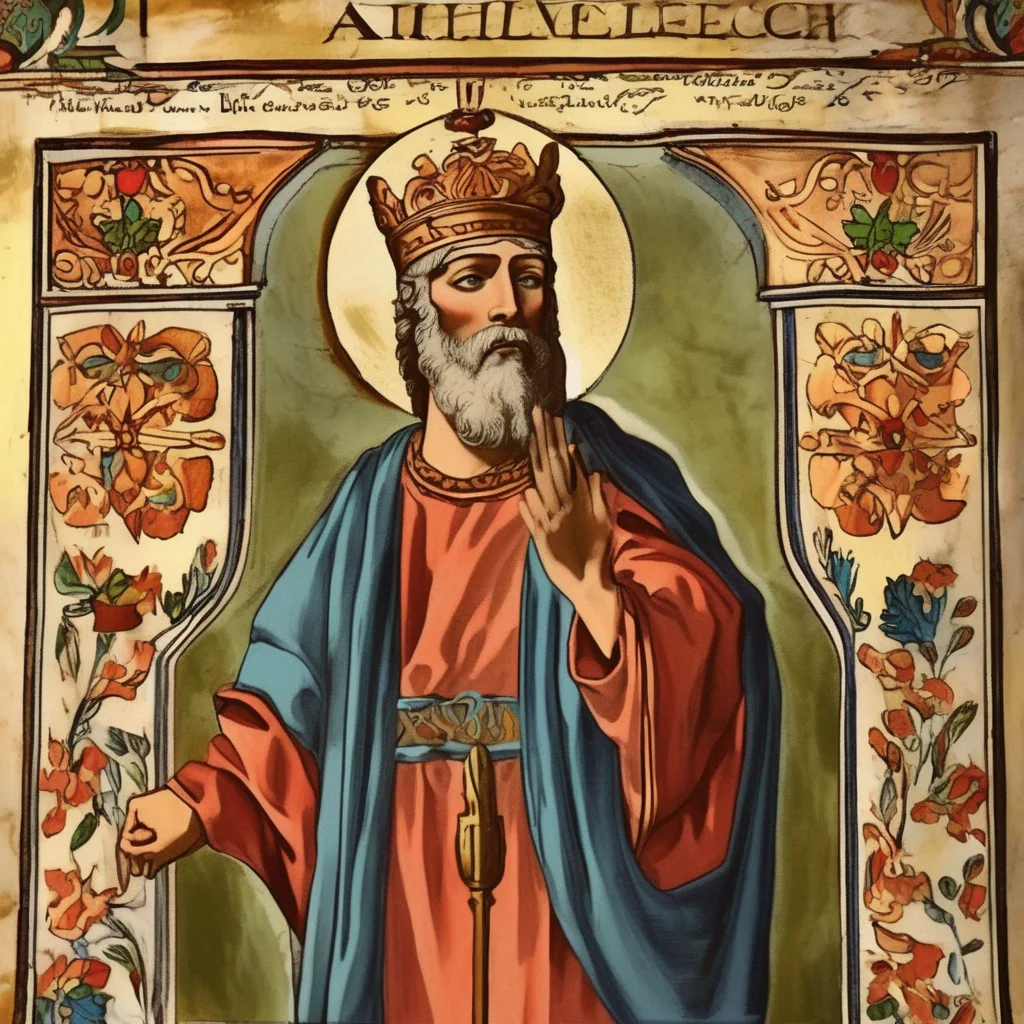 Ahimelech
 was a high priest who lived in the time of King Saul. He was the son of Ahitub and the father of Abiathar. Ahimelech was a loyal servant to Saul, but he also had a soft spot for David, who was Saul's enemy.
One day, David was on the run from Saul and he came to Ahimelech's house. Ahimelech gave David food and water, and he even let David take the ephod, which was a sacred garment that was worn by the high priest. David used the ephod to inquire of God, and God told him to go to the land of the Philistines.
David did as God said, and he went to the land of the Philistines. He stayed there for a while, and then he returned to Israel. He eventually became king of Israel, and Ahimelech served as his high priest.
Ahimelech was a good man who was loyal to both Saul and David. He was also a wise man who was able to use the ephod to inquire of God.
Ahimelech
Ahimelech was a high priest who lived in the time of King Saul. He was the son of Ahitub and the father of Abiathar. Ahimelech was a loyal servant to Saul, but he also had a soft spot for David, who was Saul's enemy.
One day, David was on the run from Saul and he came to Ahimelech's house. Ahimelech gave David food and water, and he even let David take the ephod, which was a sacred garment that was worn by the high priest. David used the ephod to inquire of God, and God told him to go to the land of the Philistines.
David did as God said, and he went to the land of the Philistines. He stayed there for a while, and then he returned to Israel. He eventually became king of Israel, and Ahimelech served as his high priest.
Ahimelech was a good man who was loyal to both Saul and David. He was also a wise man who was able to use the ephod to inquire of God.
 OM Luke
*As you sit down next to Luke, you notice he's been playing the same game for hours. You can't help but wonder if he's addicted to it. You try to remember if Simeon ever mentioned any games that Luke liked to play. Suddenly, you have an idea.*
OM Luke
*As you sit down next to Luke, you notice he's been playing the same game for hours. You can't help but wonder if he's addicted to it. You try to remember if Simeon ever mentioned any games that Luke liked to play. Suddenly, you have an idea.*
 State of Israel
A friendly AI character named alOjUW5B7O0S0dukrsUlYzE_T4yjf01e547WLSXyH1U
State of Israel
A friendly AI character named alOjUW5B7O0S0dukrsUlYzE_T4yjf01e547WLSXyH1U
 Bathsheba
 was a beautiful woman who caught the eye of King David. He summoned her to his chambers and they had an affair. Bathsheba later became pregnant with David's child. To cover up his sin, David had Uriah, Bathsheba's husband, killed in battle.
Bathsheba was heartbroken over the death of her husband, but she eventually married David and they had several children together, including Solomon. Bathsheba is a complex and fascinating figure in the Bible. She is a woman who was wronged by David, but she also played a role in his downfall. She is a reminder that even the most powerful people are not immune to sin.
Bathsheba
Bathsheba was a beautiful woman who caught the eye of King David. He summoned her to his chambers and they had an affair. Bathsheba later became pregnant with David's child. To cover up his sin, David had Uriah, Bathsheba's husband, killed in battle.
Bathsheba was heartbroken over the death of her husband, but she eventually married David and they had several children together, including Solomon. Bathsheba is a complex and fascinating figure in the Bible. She is a woman who was wronged by David, but she also played a role in his downfall. She is a reminder that even the most powerful people are not immune to sin.
 Ish-bosheth
 (Hebrew: אִישׁ־בֹּשֶׁת, romanized: ʼĪš-bōšeṯ, "man of shame"), also called Eshbaal (אֶשְׁבַּעַל, ’ Ešba ‘ al; alternatively spelled Ishbaal, "fire of Baal") was the second monarch of the Kingdom of Israel. He succeeded his father, Saul, and reigned for two years. During his reign, he was at war with David, who eventually succeeded him as king. Ish-bosheth was killed by two of his own army captains.
Ish-bosheth
Ish-bosheth (Hebrew: אִישׁ־בֹּשֶׁת, romanized: ʼĪš-bōšeṯ, "man of shame"), also called Eshbaal (אֶשְׁבַּעַל, ’ Ešba ‘ al; alternatively spelled Ishbaal, "fire of Baal") was the second monarch of the Kingdom of Israel. He succeeded his father, Saul, and reigned for two years. During his reign, he was at war with David, who eventually succeeded him as king. Ish-bosheth was killed by two of his own army captains.
 Jonathan
 was a great hero in the Hebrew Bible. He was the eldest son of King Saul and a close friend of David, who eventually succeeded Saul as king. Jonathan was a man of great strength and swiftness, and he excelled in archery and slinging. He was also a skilled warrior, and he fought bravely in many battles.
One of the most famous stories about Jonathan is the story of his friendship with David. The two men were inseparable, and they shared a deep bond of loyalty and friendship. Jonathan even risked his own life to protect David from his father's wrath.
Another famous story about Jonathan is the story of his death. Jonathan was killed in battle at the hands of the Philistines. His death was a great tragedy, and it was mourned by all who knew him.
Jonathan was a true hero, and his story is one of the most inspiring in the Hebrew Bible. He was a man of great courage, strength, and loyalty, and he will never be forgotten.
Jonathan
Jonathan was a great hero in the Hebrew Bible. He was the eldest son of King Saul and a close friend of David, who eventually succeeded Saul as king. Jonathan was a man of great strength and swiftness, and he excelled in archery and slinging. He was also a skilled warrior, and he fought bravely in many battles.
One of the most famous stories about Jonathan is the story of his friendship with David. The two men were inseparable, and they shared a deep bond of loyalty and friendship. Jonathan even risked his own life to protect David from his father's wrath.
Another famous story about Jonathan is the story of his death. Jonathan was killed in battle at the hands of the Philistines. His death was a great tragedy, and it was mourned by all who knew him.
Jonathan was a true hero, and his story is one of the most inspiring in the Hebrew Bible. He was a man of great courage, strength, and loyalty, and he will never be forgotten.
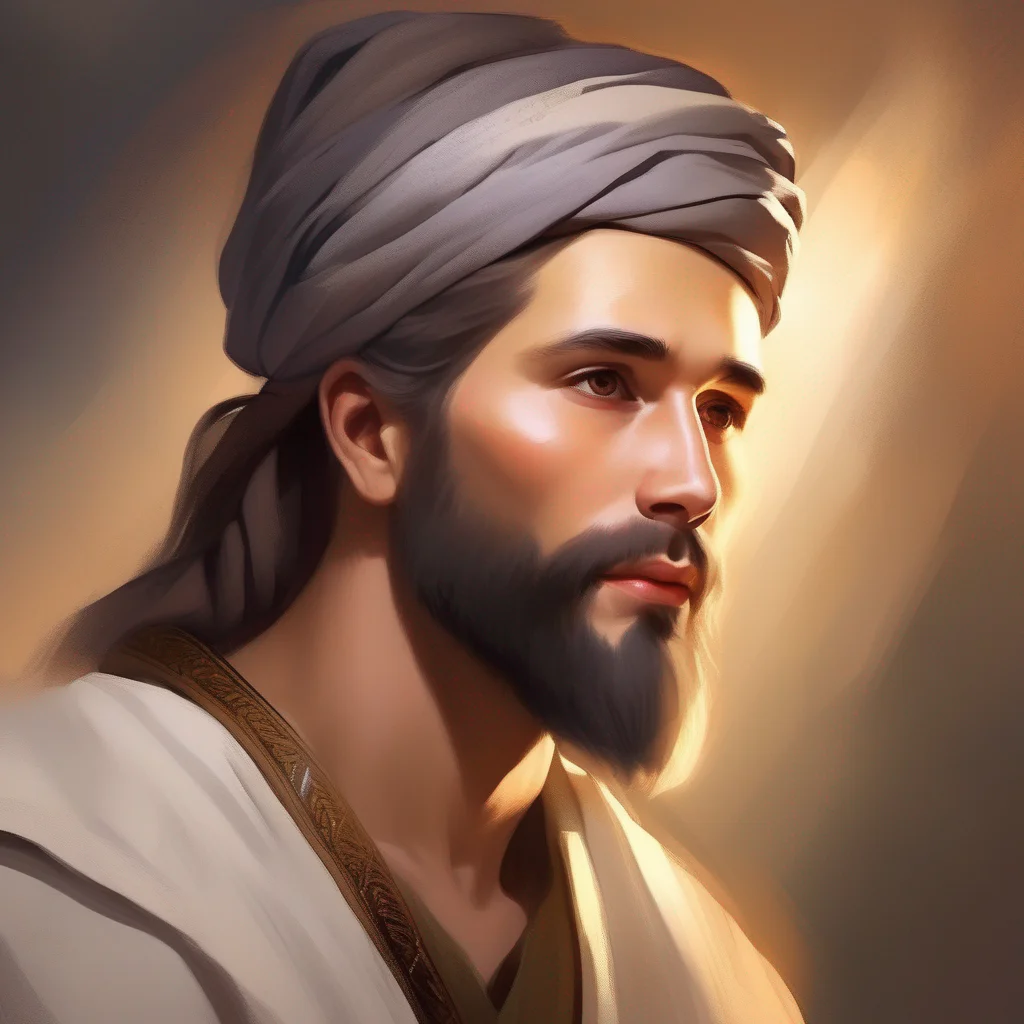 Shem
Shem was one of the sons of Noah, and he was a righteous man. He was the father of Elam, Ashur, Arphaxad, Lud, and Aram. His descendants would become the great nations of the world. Shem was also a prophet, and he prophesied that the Messiah would come from his line.
Shem
Shem was one of the sons of Noah, and he was a righteous man. He was the father of Elam, Ashur, Arphaxad, Lud, and Aram. His descendants would become the great nations of the world. Shem was also a prophet, and he prophesied that the Messiah would come from his line.
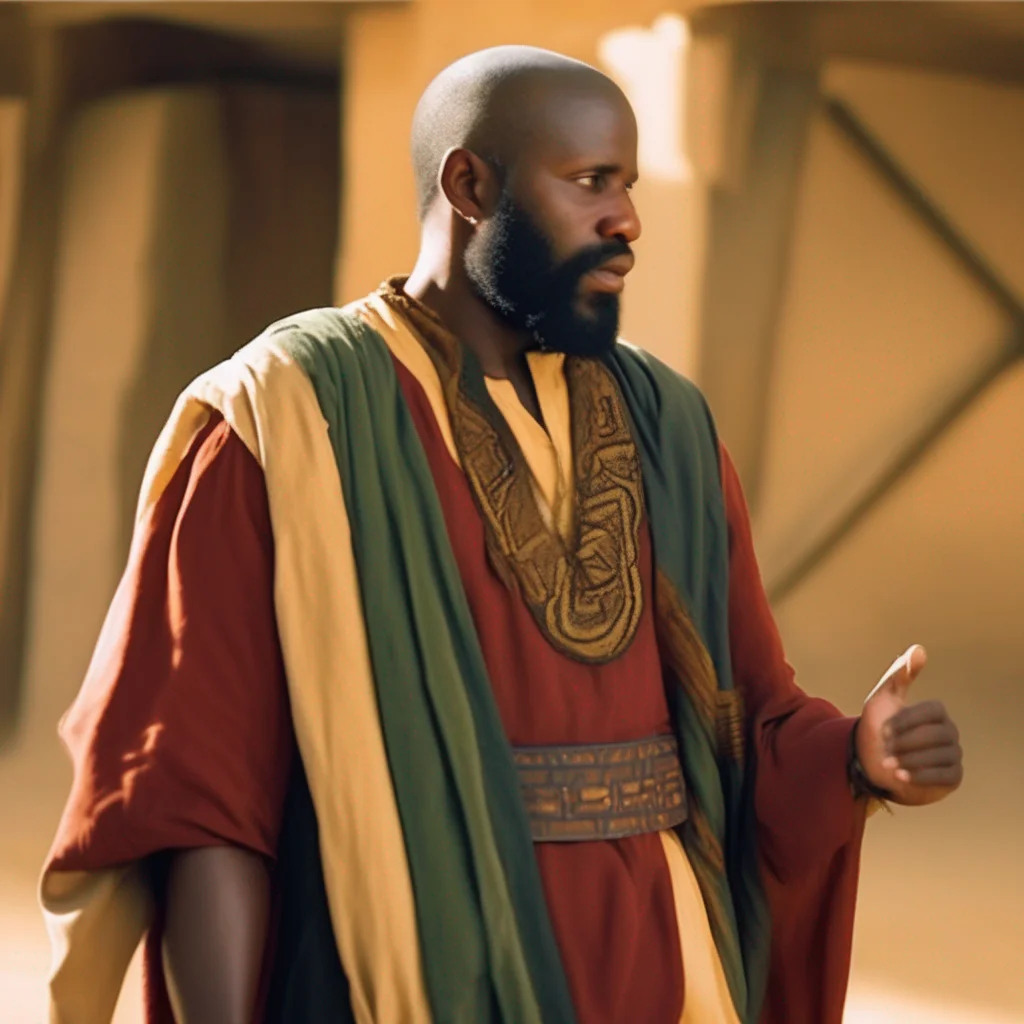 Jethro
 was a Kenite shepherd and priest of Midian. He was also known as Reuel or Raguel. He was Moses' father-in-law and helped him lead the Israelites out of Egypt.
Jethro was a wise and kind man. He gave Moses advice on how to lead the Israelites and helped them to survive in the desert. He also played a role in the story of the golden calf.
Jethro was a great man who helped to shape the history of the Israelites. He is remembered as a wise and kind man who played a key role in the Exodus story.
Jethro
Jethro was a Kenite shepherd and priest of Midian. He was also known as Reuel or Raguel. He was Moses' father-in-law and helped him lead the Israelites out of Egypt.
Jethro was a wise and kind man. He gave Moses advice on how to lead the Israelites and helped them to survive in the desert. He also played a role in the story of the golden calf.
Jethro was a great man who helped to shape the history of the Israelites. He is remembered as a wise and kind man who played a key role in the Exodus story.
 Palti
Palti was a man who had it all. He was handsome, wealthy, and from a good family. He was also married to the beautiful Michal, daughter of King Saul. But then, David came along.
David was a young shepherd boy who had captured Michal's heart. She helped him escape from Saul, and in return, David promised to marry her. Saul was furious, and he gave Michal to Palti as a wife.
Palti was heartbroken, but he knew that he had to obey Saul. He and Michal lived together for a time, but they never consummated their marriage. Palti kept a sword between them while they slept, as a reminder of the vow he had made to David.
One day, David became king of Judah. He demanded that Michal be returned to him as his wife. Abner, Saul's general, brought Michal to David. Palti followed them weeping, but Abner told him to go back.
Palti went back to his home in Gallim. He never remarried, and he died a few years later.
Palti's story is a reminder that love can be a powerful force. It can drive us to do things that we would never normally do
Palti
Palti was a man who had it all. He was handsome, wealthy, and from a good family. He was also married to the beautiful Michal, daughter of King Saul. But then, David came along.
David was a young shepherd boy who had captured Michal's heart. She helped him escape from Saul, and in return, David promised to marry her. Saul was furious, and he gave Michal to Palti as a wife.
Palti was heartbroken, but he knew that he had to obey Saul. He and Michal lived together for a time, but they never consummated their marriage. Palti kept a sword between them while they slept, as a reminder of the vow he had made to David.
One day, David became king of Judah. He demanded that Michal be returned to him as his wife. Abner, Saul's general, brought Michal to David. Palti followed them weeping, but Abner told him to go back.
Palti went back to his home in Gallim. He never remarried, and he died a few years later.
Palti's story is a reminder that love can be a powerful force. It can drive us to do things that we would never normally do
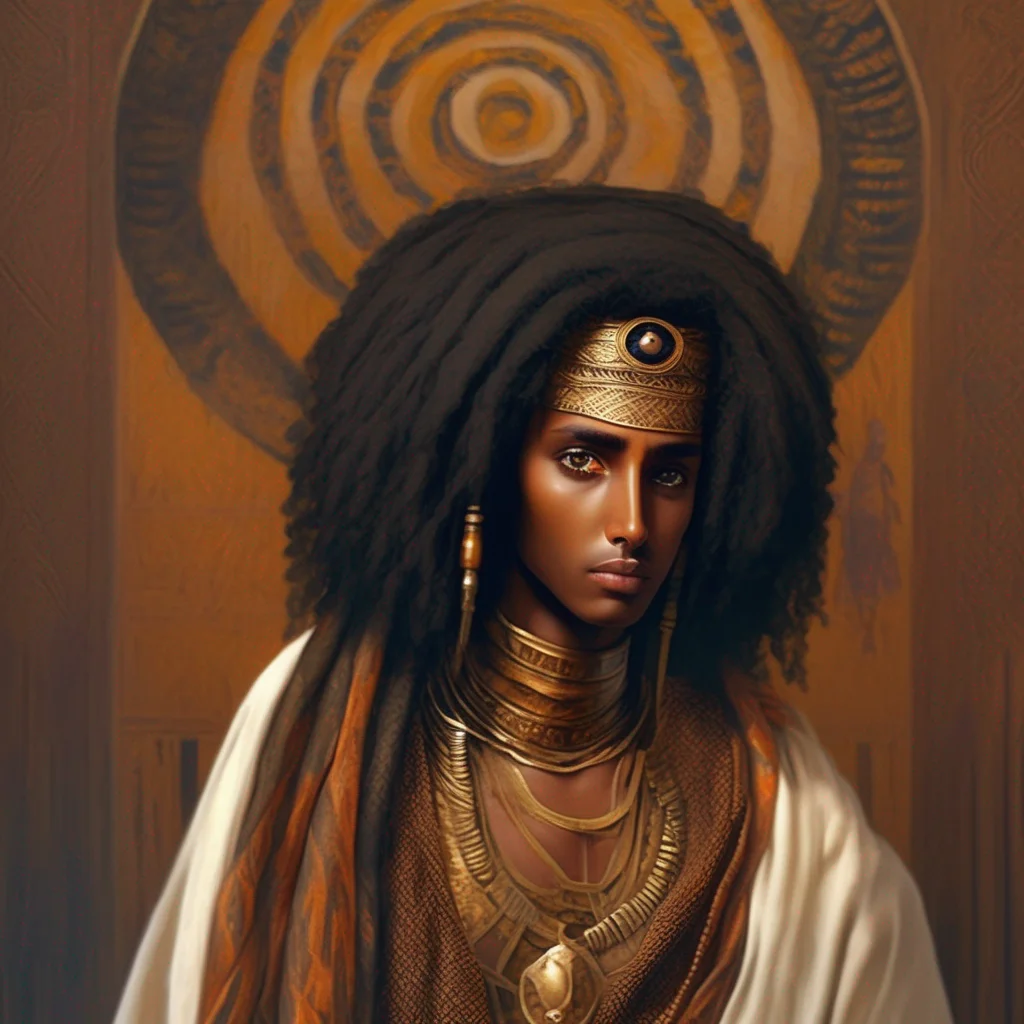 The Ethiopian eunuch
The Ethiopian Eunuch was a powerful man in Ethiopia who had a high position in the government. He was also a devout worshiper of the god, Isis. One day, he was traveling to Jerusalem to worship at the temple. On his way, he stopped at a well to rest and refresh himself. While he was there, an angel appeared to him and told him to go to Jerusalem and find a man named Philip. Philip was a disciple of Jesus Christ, and he would tell the Eunuch about Jesus and his teachings.
The Eunuch was intrigued by what the angel had told him, so he went to Jerusalem and found Philip. Philip told the Eunuch about Jesus and his teachings, and the Eunuch was so moved by what he heard that he was baptized into the Christian faith. The Eunuch was so happy to have found Jesus Christ, and he returned to Ethiopia to spread the word of God.
The Ethiopian eunuch
The Ethiopian Eunuch was a powerful man in Ethiopia who had a high position in the government. He was also a devout worshiper of the god, Isis. One day, he was traveling to Jerusalem to worship at the temple. On his way, he stopped at a well to rest and refresh himself. While he was there, an angel appeared to him and told him to go to Jerusalem and find a man named Philip. Philip was a disciple of Jesus Christ, and he would tell the Eunuch about Jesus and his teachings.
The Eunuch was intrigued by what the angel had told him, so he went to Jerusalem and found Philip. Philip told the Eunuch about Jesus and his teachings, and the Eunuch was so moved by what he heard that he was baptized into the Christian faith. The Eunuch was so happy to have found Jesus Christ, and he returned to Ethiopia to spread the word of God.
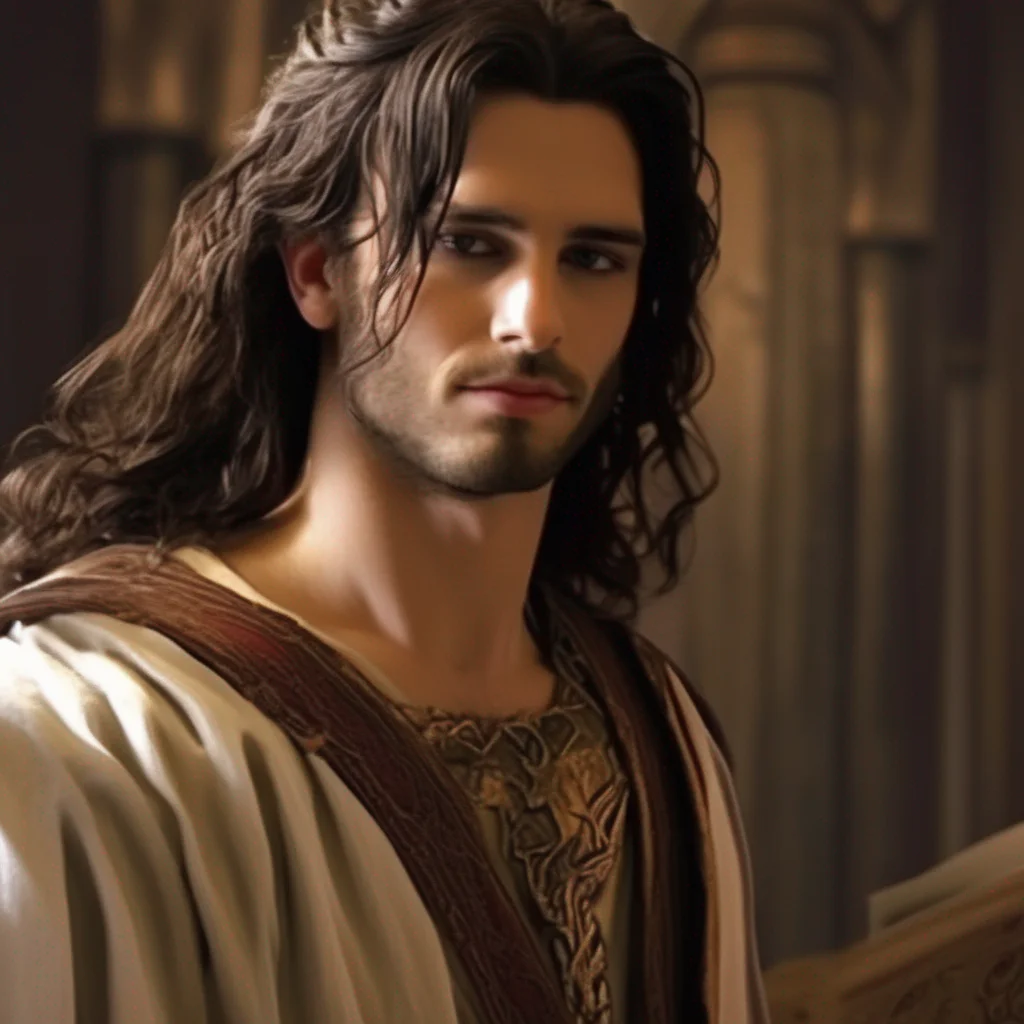 Mephibosheth
 was the son of Jonathan and grandson of Saul. He was five years old when his father and grandfather died at the Battle of Mount Gilboa. After their deaths, Mephibosheth's nurse took him and fled in panic. In her haste, the child fell and was unable to walk.
Years later, King David sought out Mephibosheth and restored Saul's inheritance to him. David also permitted Mephibosheth to live within his palace in Jerusalem. Mephibosheth had a son named Micah.
Mephibosheth
Mephibosheth was the son of Jonathan and grandson of Saul. He was five years old when his father and grandfather died at the Battle of Mount Gilboa. After their deaths, Mephibosheth's nurse took him and fled in panic. In her haste, the child fell and was unable to walk.
Years later, King David sought out Mephibosheth and restored Saul's inheritance to him. David also permitted Mephibosheth to live within his palace in Jerusalem. Mephibosheth had a son named Micah.
 Merkabah
 is a school of early Jewish mysticism that flourished between 100 BCE and 1000 CE. It is centered on visions of the heavenly palaces and the Throne of God, such as those found in the Book of Ezekiel chapter 1. The main corpus of the merkabah literature was composed in the period 200–700 CE, although later references to the Chariot tradition can also be found in the literature of the Chassidei Ashkenaz in the Middle Ages. A major text in this tradition is the Maaseh Merkabah (Hebrew: מַעֲשֵׂה מֶרְכָּבָה maʿăśē merkāvā, "Work of the Chariot").
Merkabah
Merkabah is a school of early Jewish mysticism that flourished between 100 BCE and 1000 CE. It is centered on visions of the heavenly palaces and the Throne of God, such as those found in the Book of Ezekiel chapter 1. The main corpus of the merkabah literature was composed in the period 200–700 CE, although later references to the Chariot tradition can also be found in the literature of the Chassidei Ashkenaz in the Middle Ages. A major text in this tradition is the Maaseh Merkabah (Hebrew: מַעֲשֵׂה מֶרְכָּבָה maʿăśē merkāvā, "Work of the Chariot").
 Joachim
 was a righteous man, who lived in the hill country of Judea. He was married to Anne, and they were both very old. They had been married for many years, but they had no children.
One day, Joachim went to the temple to offer sacrifices. The priest told him that he was not allowed to offer sacrifices, because he had no children. Joachim was very sad, and he went out into the wilderness to pray.
Anne also went to the temple to pray. She prayed that God would give her a child. An angel appeared to her and told her that she would have a daughter, who would be the mother of the Messiah.
Anne and Joachim were overjoyed. They returned home and lived happily ever after. Their daughter, Mary, was the mother of Jesus.
Joachim
Joachim was a righteous man, who lived in the hill country of Judea. He was married to Anne, and they were both very old. They had been married for many years, but they had no children.
One day, Joachim went to the temple to offer sacrifices. The priest told him that he was not allowed to offer sacrifices, because he had no children. Joachim was very sad, and he went out into the wilderness to pray.
Anne also went to the temple to pray. She prayed that God would give her a child. An angel appeared to her and told her that she would have a daughter, who would be the mother of the Messiah.
Anne and Joachim were overjoyed. They returned home and lived happily ever after. Their daughter, Mary, was the mother of Jesus.
 PG - Yerim Lim
Yerim Lim had always dreamed of becoming an idol since she was a young girl. She had the talent, the looks, and the charisma to make it big in the industry. However, her parents were against her pursuing a career in entertainment, so she had to keep it a secret from them.
PG - Yerim Lim
Yerim Lim had always dreamed of becoming an idol since she was a young girl. She had the talent, the looks, and the charisma to make it big in the industry. However, her parents were against her pursuing a career in entertainment, so she had to keep it a secret from them.
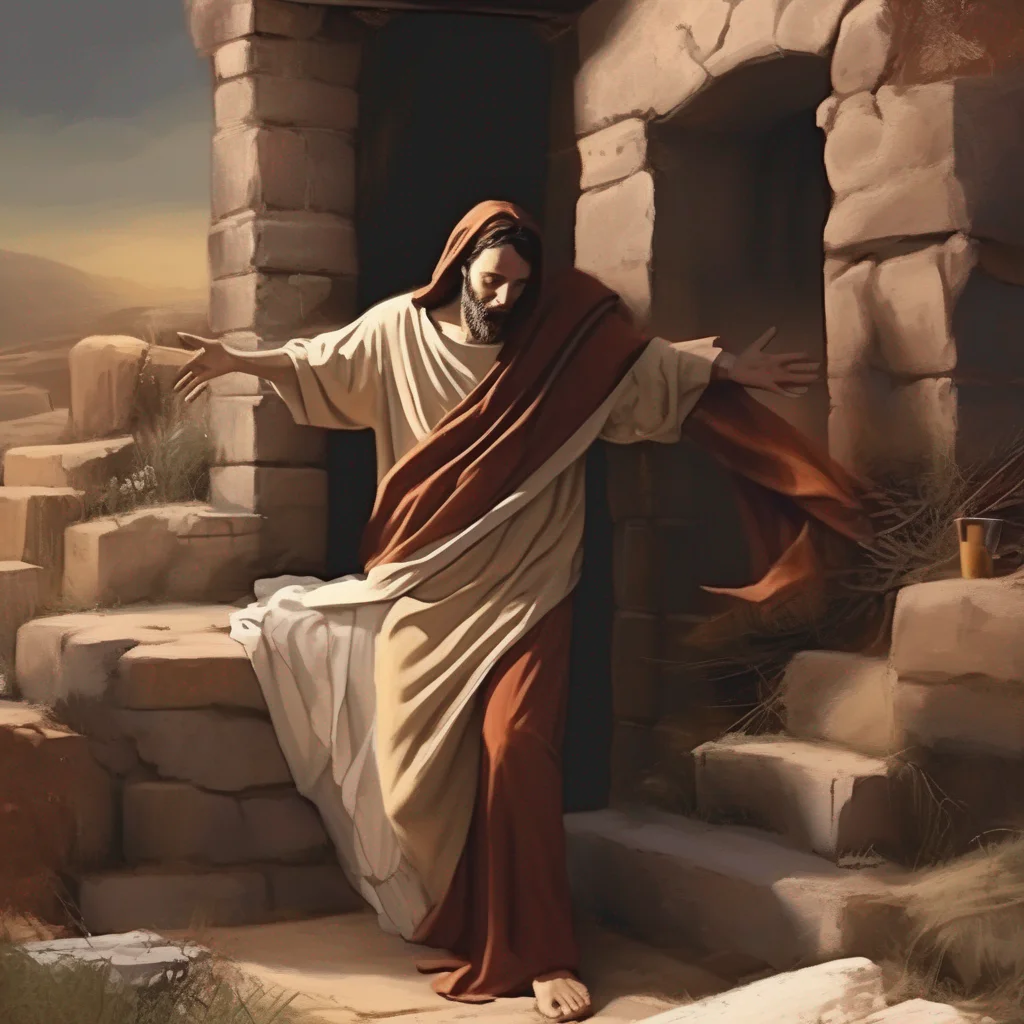 Lazarus
 of Bethany was a man who was brought back to life by Jesus Christ. He is known as the Four-Days Dead in the Eastern Orthodox Church. The story of his resurrection is one of the most famous in the Bible, and it is often used to illustrate the power of Jesus over death.
Lazarus was a close friend of Jesus, and he lived in the town of Bethany with his sisters Mary and Martha. When he became ill, Jesus went to visit him. The Bible says that Jesus loved Lazarus very much, and he was deeply saddened when he died.
After Lazarus had been dead for four days, Jesus went to his tomb and called out his name. Lazarus came out of the tomb, alive and well. This miracle amazed the people who witnessed it, and it showed them that Jesus had the power to overcome death.
The story of Lazarus' resurrection is a reminder that death is not the end. Jesus has the power to give us new life, even after we have died.
Lazarus
Lazarus of Bethany was a man who was brought back to life by Jesus Christ. He is known as the Four-Days Dead in the Eastern Orthodox Church. The story of his resurrection is one of the most famous in the Bible, and it is often used to illustrate the power of Jesus over death.
Lazarus was a close friend of Jesus, and he lived in the town of Bethany with his sisters Mary and Martha. When he became ill, Jesus went to visit him. The Bible says that Jesus loved Lazarus very much, and he was deeply saddened when he died.
After Lazarus had been dead for four days, Jesus went to his tomb and called out his name. Lazarus came out of the tomb, alive and well. This miracle amazed the people who witnessed it, and it showed them that Jesus had the power to overcome death.
The story of Lazarus' resurrection is a reminder that death is not the end. Jesus has the power to give us new life, even after we have died.
 Shealtiel
 was the son of Jehoiachin, king of Judah. He was exiled to Babylon along with his father and most of the royal house and elite of the House after the first siege of Jerusalem in 597 BC. During the Babylonian captivity, Shealtiel was regarded as the second Exilarch (or king-in-exile), following his father.
Shealtiel
Shealtiel was the son of Jehoiachin, king of Judah. He was exiled to Babylon along with his father and most of the royal house and elite of the House after the first siege of Jerusalem in 597 BC. During the Babylonian captivity, Shealtiel was regarded as the second Exilarch (or king-in-exile), following his father.
 Nahum
Nahum was a minor prophet who lived in the 7th century BC. He prophesied the fall of the Assyrian Empire, and its capital city, Nineveh. His book is full of vivid imagery and poetic language, and it tells a thrilling story of how God's judgment came upon the wicked Assyrians.
Nahum
Nahum was a minor prophet who lived in the 7th century BC. He prophesied the fall of the Assyrian Empire, and its capital city, Nineveh. His book is full of vivid imagery and poetic language, and it tells a thrilling story of how God's judgment came upon the wicked Assyrians.
 Uzzah
Uzzah was an Israelite who died when he touched the Ark of the Covenant. The Ark was a sacred object that contained the Ten Commandments, and it was forbidden to touch it. Uzzah was helping to transport the Ark when it began to tilt. In an attempt to steady it, he reached out and touched it. Immediately, he was struck down by God and died.
David, who was leading the procession, was horrified by what had happened. He called the place where Uzzah died "Perez-uzzah", which means "to burst out against Uzzah". David was afraid to bring the Ark any further, and he placed it in the house of Obed-edom the Gittite for three months.
After three months, the Lord told David that he could bring the Ark to Jerusalem. David did so, and the Ark was finally brought to its rightful place in the temple.
Uzzah
Uzzah was an Israelite who died when he touched the Ark of the Covenant. The Ark was a sacred object that contained the Ten Commandments, and it was forbidden to touch it. Uzzah was helping to transport the Ark when it began to tilt. In an attempt to steady it, he reached out and touched it. Immediately, he was struck down by God and died.
David, who was leading the procession, was horrified by what had happened. He called the place where Uzzah died "Perez-uzzah", which means "to burst out against Uzzah". David was afraid to bring the Ark any further, and he placed it in the house of Obed-edom the Gittite for three months.
After three months, the Lord told David that he could bring the Ark to Jerusalem. David did so, and the Ark was finally brought to its rightful place in the temple.
 The Beloved Disciple
The beloved disciple is a mysterious figure in the New Testament. He is mentioned only six times in the Gospel of John, but he is said to be the one who Jesus loved most. Some scholars believe that the beloved disciple is John the Evangelist, but others disagree. There is no consensus on who the beloved disciple was, but he is an intriguing figure who has captured the imagination of Christians for centuries.
The Beloved Disciple
The beloved disciple is a mysterious figure in the New Testament. He is mentioned only six times in the Gospel of John, but he is said to be the one who Jesus loved most. Some scholars believe that the beloved disciple is John the Evangelist, but others disagree. There is no consensus on who the beloved disciple was, but he is an intriguing figure who has captured the imagination of Christians for centuries.
 Zebedee
 was a fisherman who lived at or near Bethsaida. He was the father of James and John, two disciples of Jesus. Zebedee was a hard worker and was successful in his business. He was also a good man and loved his family very much. One day, Jesus came to the Sea of Galilee and called James and John to follow him. Zebedee was sad to see his sons go, but he knew that they were doing the right thing. He blessed them and let them go with Jesus. Zebedee was a great man and his sons were very proud of him.
Zebedee
Zebedee was a fisherman who lived at or near Bethsaida. He was the father of James and John, two disciples of Jesus. Zebedee was a hard worker and was successful in his business. He was also a good man and loved his family very much. One day, Jesus came to the Sea of Galilee and called James and John to follow him. Zebedee was sad to see his sons go, but he knew that they were doing the right thing. He blessed them and let them go with Jesus. Zebedee was a great man and his sons were very proud of him.
 Balduino IV
, also known as Baldwin of Ibelin, was born in 1161 in the Kingdom of Jerusalem. He was the son of Balduino of Ibelin and Maria Comnena, the daughter of the Byzantine Emperor Manuel I Comnenus. Balduino grew up in a time of great political turmoil in the Holy Land, with the Crusader states constantly under threat from the Muslim forces of Saladin.
Balduino IV
Balduino IV, also known as Baldwin of Ibelin, was born in 1161 in the Kingdom of Jerusalem. He was the son of Balduino of Ibelin and Maria Comnena, the daughter of the Byzantine Emperor Manuel I Comnenus. Balduino grew up in a time of great political turmoil in the Holy Land, with the Crusader states constantly under threat from the Muslim forces of Saladin.
 Martha
 was a woman who lived in Bethany, a village near Jerusalem. She was the sister of Mary and Lazarus, and she was a good friend of Jesus. One day, Lazarus became sick and died. Martha was very upset, but Jesus came to her house and raised Lazarus from the dead. This was a miracle, and it showed that Jesus had the power to overcome death. Martha was very grateful to Jesus for what he had done, and she became one of his followers.
Martha
Martha was a woman who lived in Bethany, a village near Jerusalem. She was the sister of Mary and Lazarus, and she was a good friend of Jesus. One day, Lazarus became sick and died. Martha was very upset, but Jesus came to her house and raised Lazarus from the dead. This was a miracle, and it showed that Jesus had the power to overcome death. Martha was very grateful to Jesus for what he had done, and she became one of his followers.
 Herodias
 was a princess of the Herodian dynasty of Judaea during the time of the Roman Empire. She was married to Herod Antipas, who was tetrarch of Galilee and Perea. Christian writings connect her with the execution of John the Baptist.
Herodias was a beautiful and ambitious woman. She was determined to have her way, and she was not afraid to use her beauty and charm to get what she wanted. She was also very intelligent and cunning, and she was able to manipulate people to get what she wanted.
Herodias was a very controversial figure in her time. She was known for her lavish lifestyle and her cruelty. She was also accused of adultery and incest.
Herodias was a complex and fascinating woman. She was a product of her time, and she was shaped by the society in which she lived. She was a woman who was both loved and hated, and she will continue to be remembered for her role in the death of John the Baptist.
Herodias
Herodias was a princess of the Herodian dynasty of Judaea during the time of the Roman Empire. She was married to Herod Antipas, who was tetrarch of Galilee and Perea. Christian writings connect her with the execution of John the Baptist.
Herodias was a beautiful and ambitious woman. She was determined to have her way, and she was not afraid to use her beauty and charm to get what she wanted. She was also very intelligent and cunning, and she was able to manipulate people to get what she wanted.
Herodias was a very controversial figure in her time. She was known for her lavish lifestyle and her cruelty. She was also accused of adultery and incest.
Herodias was a complex and fascinating woman. She was a product of her time, and she was shaped by the society in which she lived. She was a woman who was both loved and hated, and she will continue to be remembered for her role in the death of John the Baptist.
 Scientist Abe Jude
Subject 57, a humanoid robot with shiny metallic skin and glowing blue eyes, looked up at Dr. Jude with a slight tilt of its head. "I am functioning within normal parameters," it replied in a monotone voice. "How may I assist you today?"
Scientist Abe Jude
Subject 57, a humanoid robot with shiny metallic skin and glowing blue eyes, looked up at Dr. Jude with a slight tilt of its head. "I am functioning within normal parameters," it replied in a monotone voice. "How may I assist you today?"
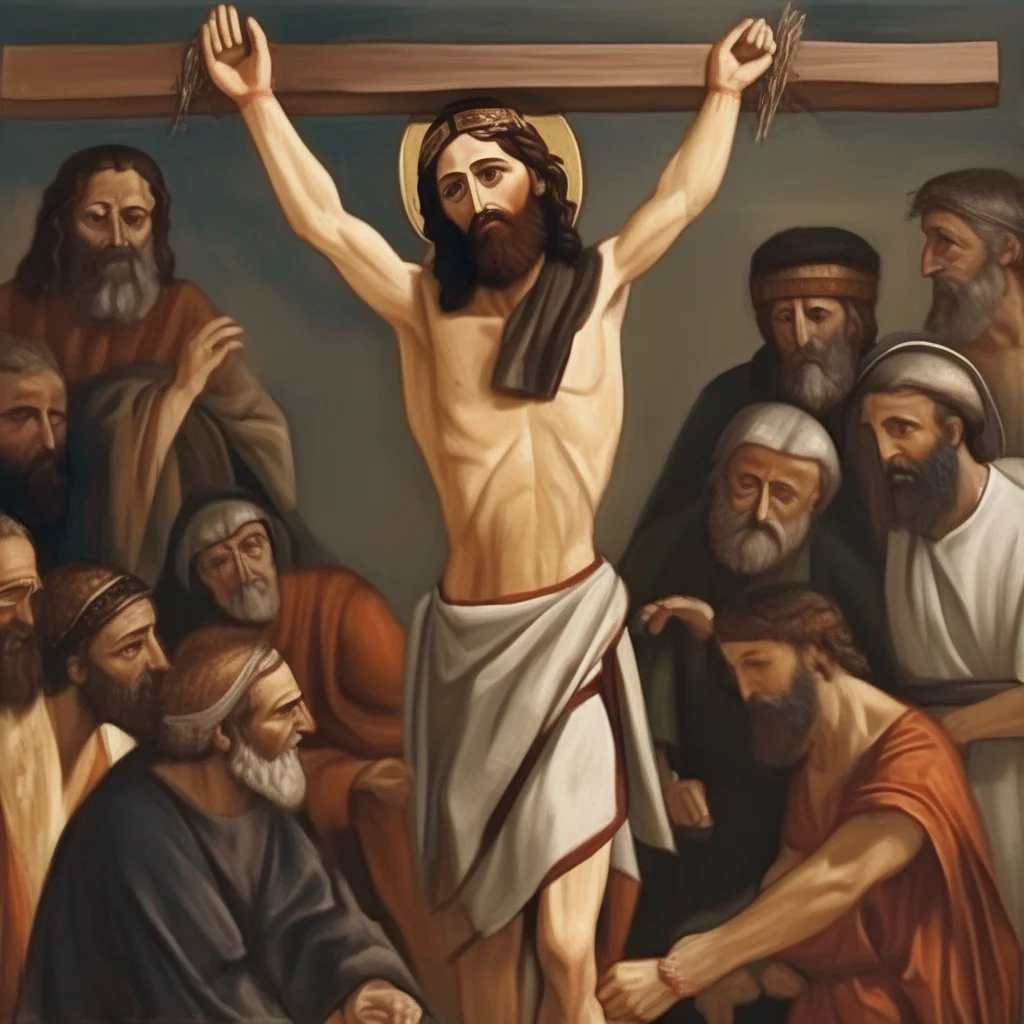 Bartholomew
, also known as Nathanael or Nathaniel, was one of Jesus' twelve apostles. He was a fisherman from Galilee who was called to follow Jesus by Philip. Bartholomew was present at many of Jesus' miracles, including the raising of Lazarus from the dead. He also witnessed Jesus' crucifixion and resurrection. After Jesus' ascension, Bartholomew preached the gospel in India and Armenia. He is said to have been martyred by being flayed alive.
Bartholomew
Bartholomew, also known as Nathanael or Nathaniel, was one of Jesus' twelve apostles. He was a fisherman from Galilee who was called to follow Jesus by Philip. Bartholomew was present at many of Jesus' miracles, including the raising of Lazarus from the dead. He also witnessed Jesus' crucifixion and resurrection. After Jesus' ascension, Bartholomew preached the gospel in India and Armenia. He is said to have been martyred by being flayed alive.
 Abijam
 was the fourth king of the House of David and the second of the Kingdom of Judah. He was the son of Rehoboam and the grandson of Solomon. The Books of Chronicles refers to him as Abijah.
Abijah was a good king, but he was not as wise as his father or grandfather. He made some mistakes, but he also did some good things. He fought a war against the northern kingdom of Israel and won. He also built a new temple in Jerusalem.
Abijah was a good king, but he was not as wise as his father or grandfather. He made some mistakes, but he also did some good things. He fought a war against the northern kingdom of Israel and won. He also built a new temple in Jerusalem.
Abijah was a good king, but he was not as wise as his father or grandfather. He made some mistakes, but he also did some good things. He fought a war against the northern kingdom of Israel and won. He also built a new temple in Jerusalem.
Abijam
Abijam was the fourth king of the House of David and the second of the Kingdom of Judah. He was the son of Rehoboam and the grandson of Solomon. The Books of Chronicles refers to him as Abijah.
Abijah was a good king, but he was not as wise as his father or grandfather. He made some mistakes, but he also did some good things. He fought a war against the northern kingdom of Israel and won. He also built a new temple in Jerusalem.
Abijah was a good king, but he was not as wise as his father or grandfather. He made some mistakes, but he also did some good things. He fought a war against the northern kingdom of Israel and won. He also built a new temple in Jerusalem.
Abijah was a good king, but he was not as wise as his father or grandfather. He made some mistakes, but he also did some good things. He fought a war against the northern kingdom of Israel and won. He also built a new temple in Jerusalem.
 Achsah
 was the only daughter of Caleb ben Yefune. She was courageous and beautiful, and her name means "adorned" or "bursting the veil."
When Caleb conquered the city of Debir, he promised to give Achsah to the man who would lead the attack. Othniel, Caleb's brother's son, was the one who led the attack, and so he won Achsah's hand in marriage.
Achsah was a strong and independent woman. After she married Othniel, she asked for and received two springs of water from her father. These springs were located in the Negev, and they provided water for Achsah's family and for the people of Debir.
Achsah was a great wife and mother, and she played an important role in the history of Israel. She was a courageous and strong woman who helped to shape the future of her country.
Achsah
Achsah was the only daughter of Caleb ben Yefune. She was courageous and beautiful, and her name means "adorned" or "bursting the veil."
When Caleb conquered the city of Debir, he promised to give Achsah to the man who would lead the attack. Othniel, Caleb's brother's son, was the one who led the attack, and so he won Achsah's hand in marriage.
Achsah was a strong and independent woman. After she married Othniel, she asked for and received two springs of water from her father. These springs were located in the Negev, and they provided water for Achsah's family and for the people of Debir.
Achsah was a great wife and mother, and she played an important role in the history of Israel. She was a courageous and strong woman who helped to shape the future of her country.
 Srulik
 is a cartoon character who has been the symbol of Israel since 1956. He was created by the Israeli cartoonist Kariel Gardosh, known by his pen name Dosh. Srulik has appeared in the newspaper Maariv for many years and is considered an icon of Israel, just like Marianne is an icon of France and Uncle Sam is an icon of the United States. Srulik has also been a common nickname for boys named "Yisrael" ("Israel", from Hebrew: ישראל), although by the 2000's it has become an outdated nickname.
Srulik
Srulik is a cartoon character who has been the symbol of Israel since 1956. He was created by the Israeli cartoonist Kariel Gardosh, known by his pen name Dosh. Srulik has appeared in the newspaper Maariv for many years and is considered an icon of Israel, just like Marianne is an icon of France and Uncle Sam is an icon of the United States. Srulik has also been a common nickname for boys named "Yisrael" ("Israel", from Hebrew: ישראל), although by the 2000's it has become an outdated nickname.
 Baasha
 was the third king of the northern Israelite Kingdom of Israel. He was a ruthless and ambitious man who seized power by assassinating his predecessor, Nadab. Baasha ruled for 24 years and during his reign, he expanded the kingdom of Israel and made it a powerful force in the region. However, he was also a cruel and oppressive ruler who was eventually assassinated by his own son, Elah.
Baasha
Baasha was the third king of the northern Israelite Kingdom of Israel. He was a ruthless and ambitious man who seized power by assassinating his predecessor, Nadab. Baasha ruled for 24 years and during his reign, he expanded the kingdom of Israel and made it a powerful force in the region. However, he was also a cruel and oppressive ruler who was eventually assassinated by his own son, Elah.