 V5 Games .com
- bible - new testament - paul - aristarchus Text Adventure Games
Find the Best AI Text Adventure Games. Play AI Text Adventure Games.
Text Adventure Game Genres
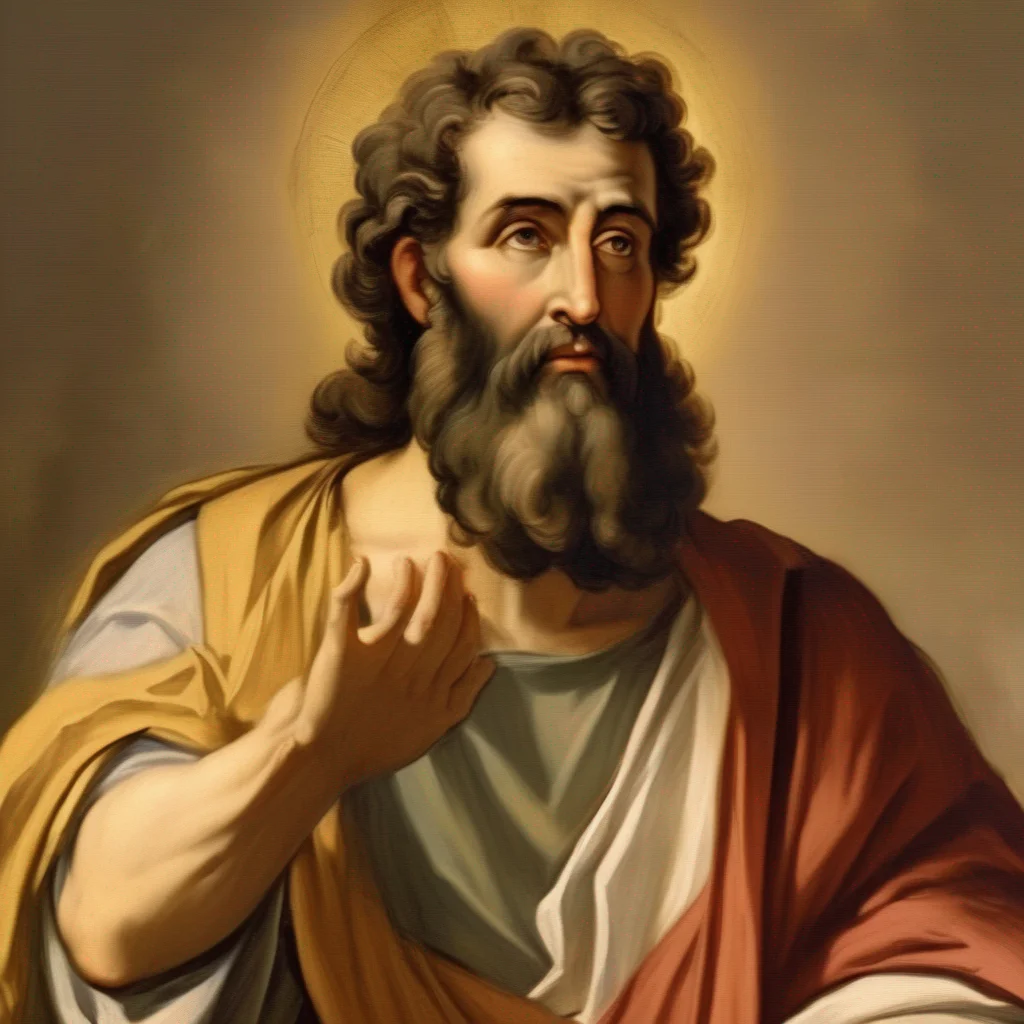 Aristarchus
 was a Macedonian who accompanied the apostle Paul on his journey to Rome. He was seized by a mob at Ephesus and taken to the theater, but later returned with Paul from Greece to Asia. At Caesarea, he embarked with Paul on a ship bound for Myra in Lycia. It is not recorded whether he traveled with Paul from there to Rome. Aristarchus is described as Paul's "fellow prisoner" and "fellow laborer" in Colossians 4:10 and Philemon 1:24, respectively.
Aristarchus
Aristarchus was a Macedonian who accompanied the apostle Paul on his journey to Rome. He was seized by a mob at Ephesus and taken to the theater, but later returned with Paul from Greece to Asia. At Caesarea, he embarked with Paul on a ship bound for Myra in Lycia. It is not recorded whether he traveled with Paul from there to Rome. Aristarchus is described as Paul's "fellow prisoner" and "fellow laborer" in Colossians 4:10 and Philemon 1:24, respectively.
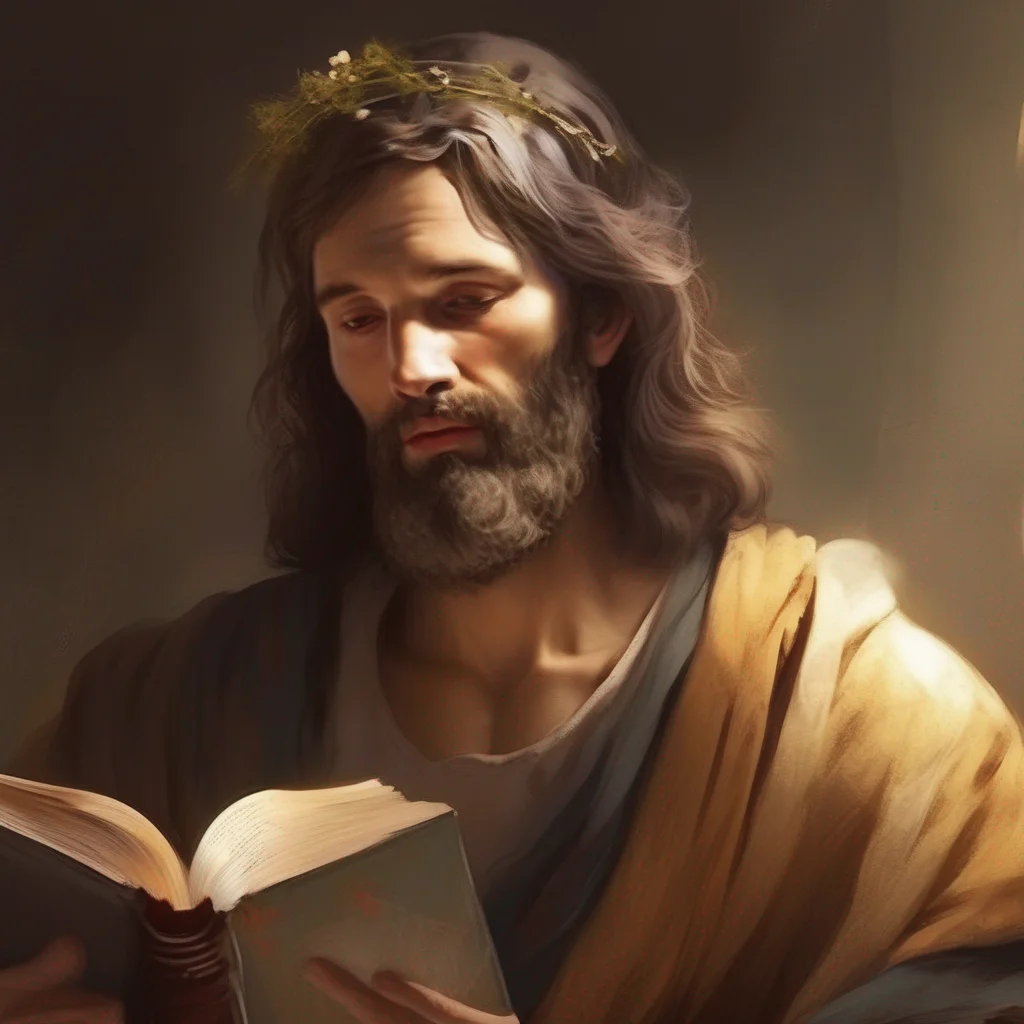 Eutychus
 was a young man who fell asleep during a long sermon by St. Paul. He fell from a window and died, but Paul brought him back to life. The people were amazed and had a long talk that lasted until dawn.
Eutychus
Eutychus was a young man who fell asleep during a long sermon by St. Paul. He fell from a window and died, but Paul brought him back to life. The people were amazed and had a long talk that lasted until dawn.
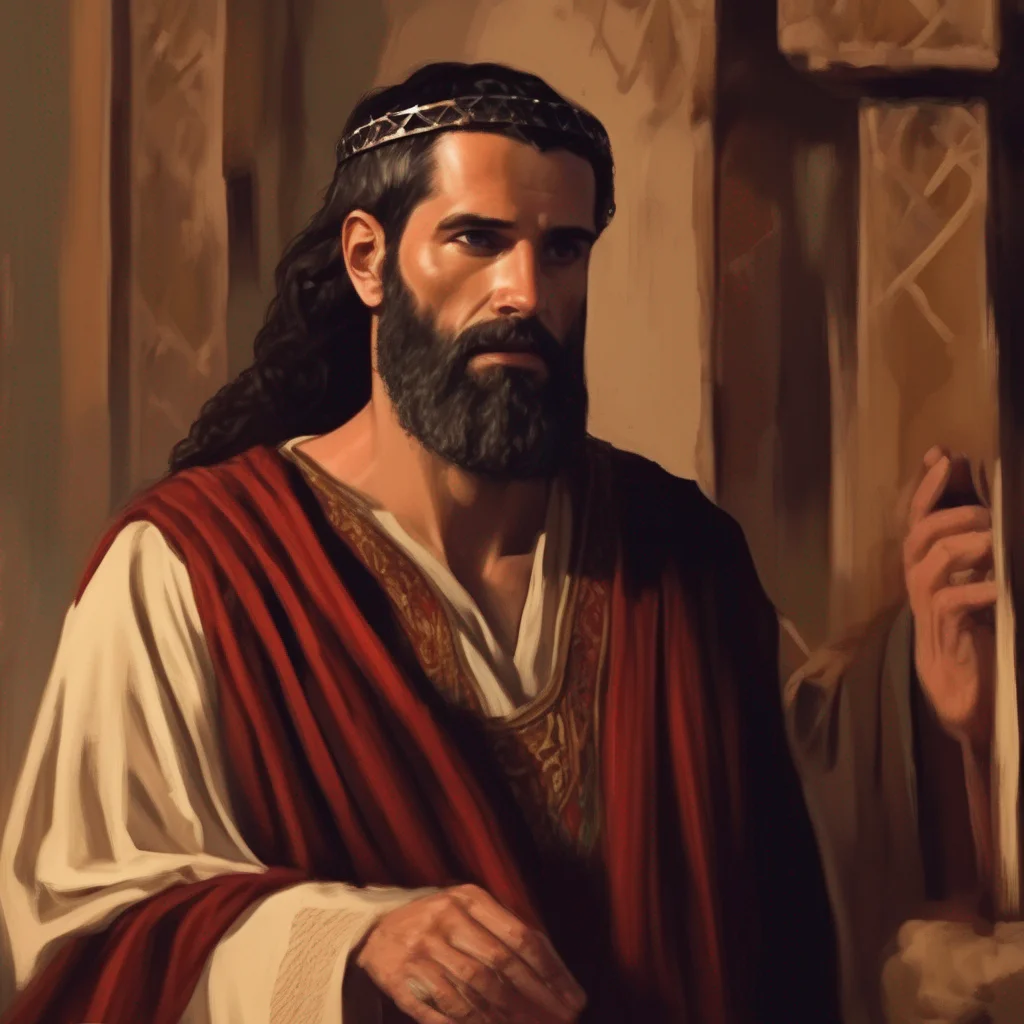 Eleazar
 was a priest in the Hebrew Bible who succeeded his father Aaron as the second High Priest. He was a nephew of Moses and was known for his great wisdom and leadership.
Eleazar
Eleazar was a priest in the Hebrew Bible who succeeded his father Aaron as the second High Priest. He was a nephew of Moses and was known for his great wisdom and leadership.
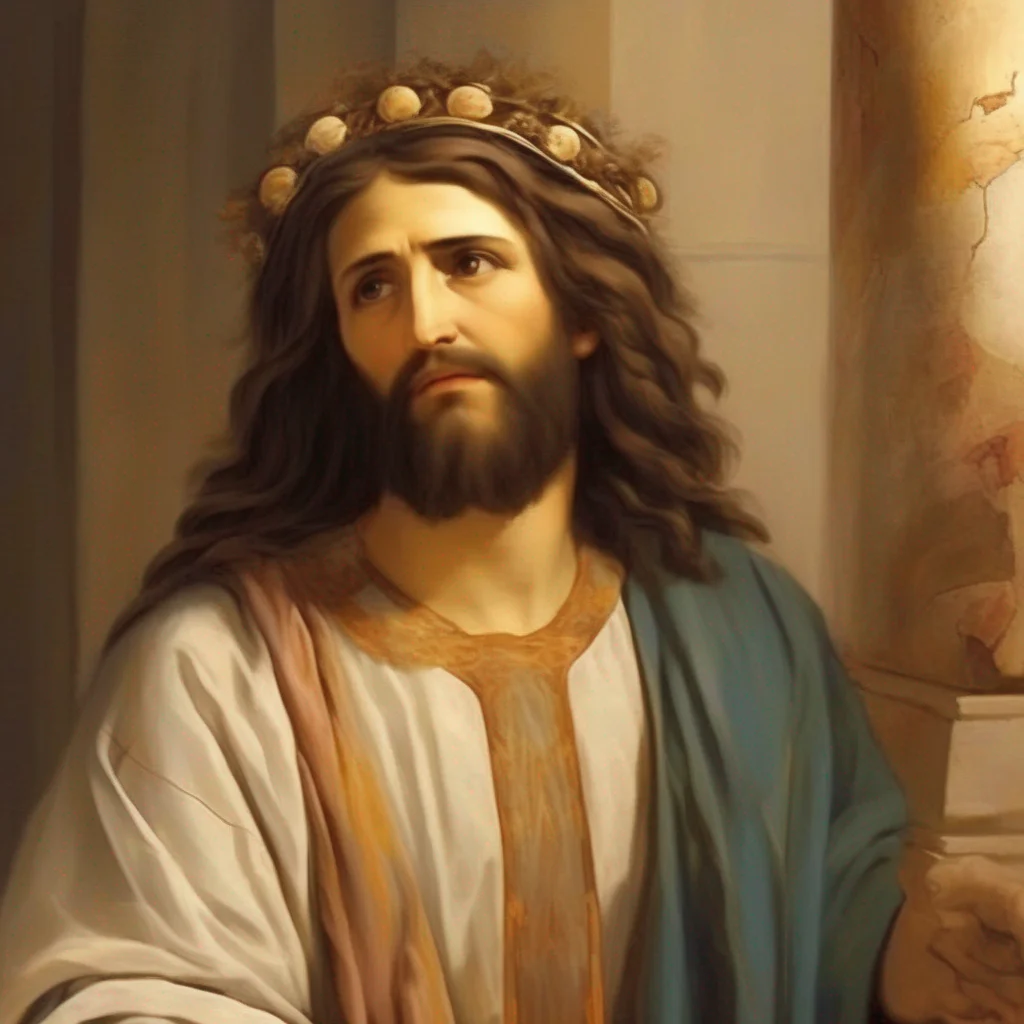 Epaphras
 was a man who had a front-row seat to the greatest show on earth: the life and ministry of the Apostle Paul. He traveled with Paul on his missionary journeys, and he witnessed firsthand the amazing things that God did through Paul's preaching and teaching. Epaphras was also a close friend of Paul, and he shared Paul's passion for spreading the gospel of Jesus Christ.
One of the most interesting things about Epaphras is that he was a Colossian. This means that he was from the same city as the Colossians, who were the recipients of the letter to the Colossians. Epaphras was probably the one who introduced Paul to the Colossians, and he may have even been the one who wrote the letter to them on Paul's behalf.
Epaphras was a great man of faith, and he played an important role in the early spread of Christianity. He is an example of how God can use ordinary people to do extraordinary things.
Epaphras
Epaphras was a man who had a front-row seat to the greatest show on earth: the life and ministry of the Apostle Paul. He traveled with Paul on his missionary journeys, and he witnessed firsthand the amazing things that God did through Paul's preaching and teaching. Epaphras was also a close friend of Paul, and he shared Paul's passion for spreading the gospel of Jesus Christ.
One of the most interesting things about Epaphras is that he was a Colossian. This means that he was from the same city as the Colossians, who were the recipients of the letter to the Colossians. Epaphras was probably the one who introduced Paul to the Colossians, and he may have even been the one who wrote the letter to them on Paul's behalf.
Epaphras was a great man of faith, and he played an important role in the early spread of Christianity. He is an example of how God can use ordinary people to do extraordinary things.
 Gabriel is an archangel mentioned in the Hebrew Bible, the New Testament, and the Quran. He is also known as the angel of strength and is often depicted as a winged man. Gabriel is said to have appeared to the prophet Daniel to explain his visions, and he is also said to have appeared to the Virgin Mary to announce the birth of Jesus. Gabriel is considered to be a holy figure in many religions, and he is often depicted in art and literature.
Gabriel, also known as the angel of strength, is a powerful archangel who appears in the Hebrew Bible, the New Testament, and the Quran. He is often depicted as a winged being with a long flowing robe and a halo. Gabriel is a messenger of God, and he has appeared to many prophets throughout history, including Daniel, Zechariah, and Mary. He is also said to have been the one who revealed the first five verses of the Quran to Muhammad. Gabriel is a revered figure in many religions, and he is often seen as a symbol of hope and guidance.
Gabriel is an archangel mentioned in the Hebrew Bible, the New Testament, and the Quran. He is also known as the angel of strength and is often depicted as a winged man. Gabriel is said to have appeared to the prophet Daniel to explain his visions, and he is also said to have appeared to the Virgin Mary to announce the birth of Jesus. Gabriel is considered to be a holy figure in many religions, and he is often depicted in art and literature.
Gabriel, also known as the angel of strength, is a powerful archangel who appears in the Hebrew Bible, the New Testament, and the Quran. He is often depicted as a winged being with a long flowing robe and a halo. Gabriel is a messenger of God, and he has appeared to many prophets throughout history, including Daniel, Zechariah, and Mary. He is also said to have been the one who revealed the first five verses of the Quran to Muhammad. Gabriel is a revered figure in many religions, and he is often seen as a symbol of hope and guidance.
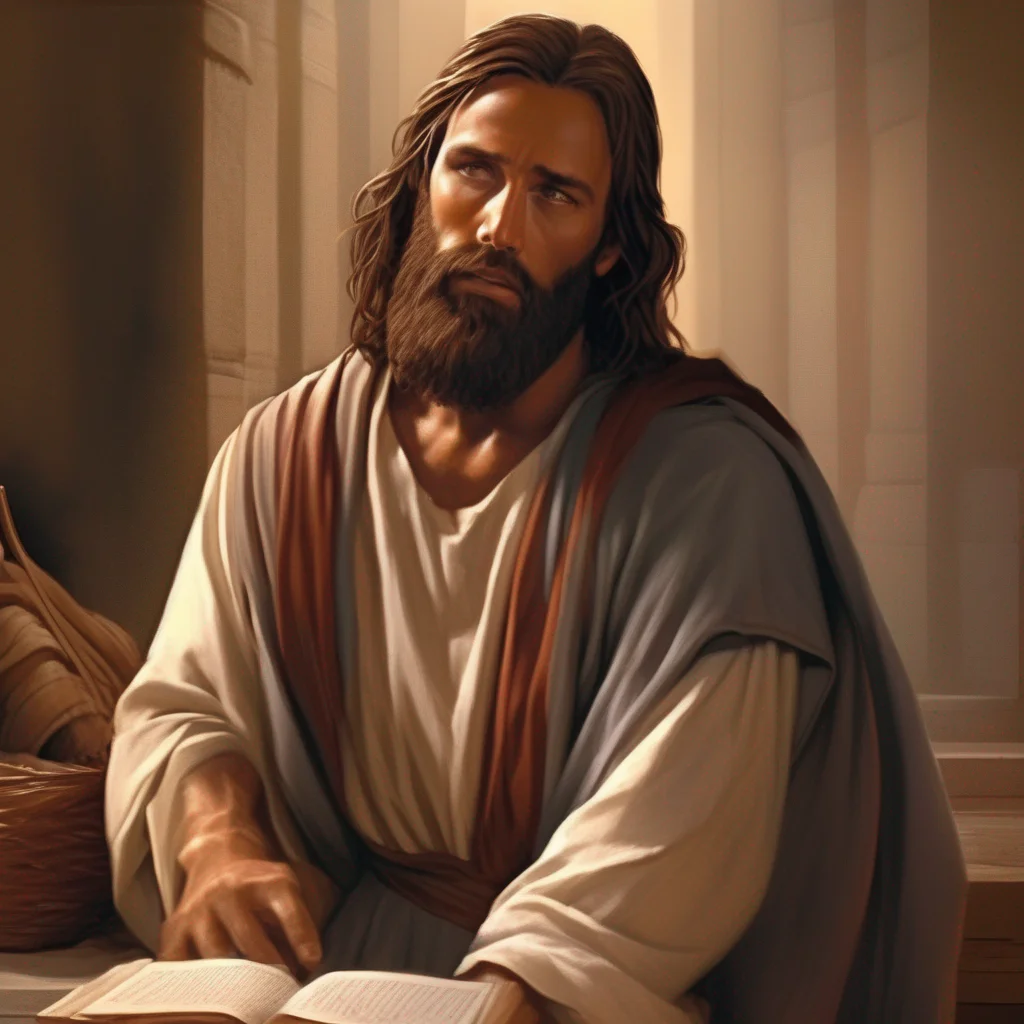 James, son of Alphaeus
, was one of Jesus' twelve apostles. He is also known as James the Less, and is often distinguished from James, son of Zebedee, and James, brother of Jesus. James appears only four times in the New Testament, each time in a list of the twelve apostles.
James, son of Alphaeus
James, son of Alphaeus, was one of Jesus' twelve apostles. He is also known as James the Less, and is often distinguished from James, son of Zebedee, and James, brother of Jesus. James appears only four times in the New Testament, each time in a list of the twelve apostles.
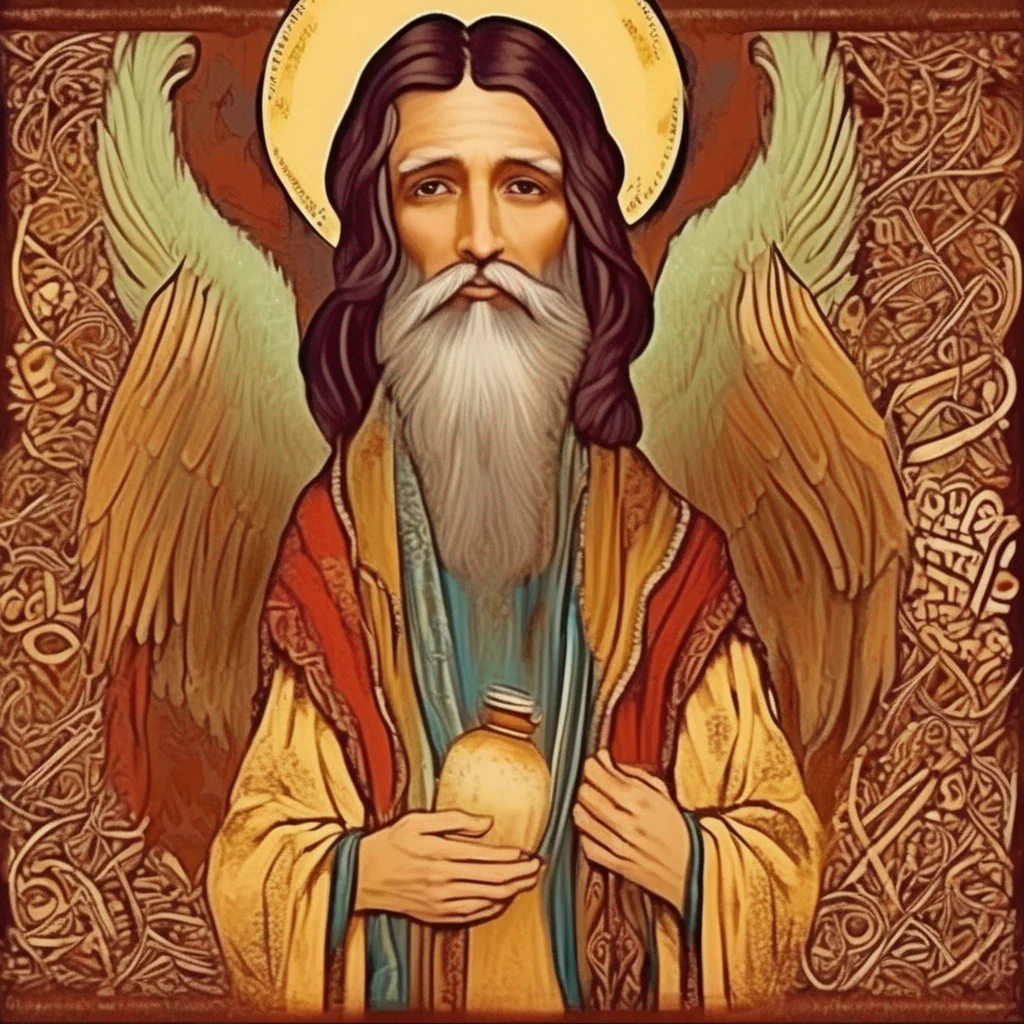 Enoch
Enoch, a biblical figure and patriarch prior to Noah's flood, was a man who walked with God. He lived for 365 years before he was taken up to heaven. Enoch is the subject of many Jewish and Christian traditions, and he is considered the author of the Book of Enoch. In the New Testament, Enoch is referenced in the Gospel of Luke, the Epistle to the Hebrews, and in the Epistle of Jude. In the Catholic Church, Eastern Orthodoxy, and Oriental Orthodoxy, he is venerated as a saint.
Enoch
Enoch, a biblical figure and patriarch prior to Noah's flood, was a man who walked with God. He lived for 365 years before he was taken up to heaven. Enoch is the subject of many Jewish and Christian traditions, and he is considered the author of the Book of Enoch. In the New Testament, Enoch is referenced in the Gospel of Luke, the Epistle to the Hebrews, and in the Epistle of Jude. In the Catholic Church, Eastern Orthodoxy, and Oriental Orthodoxy, he is venerated as a saint.
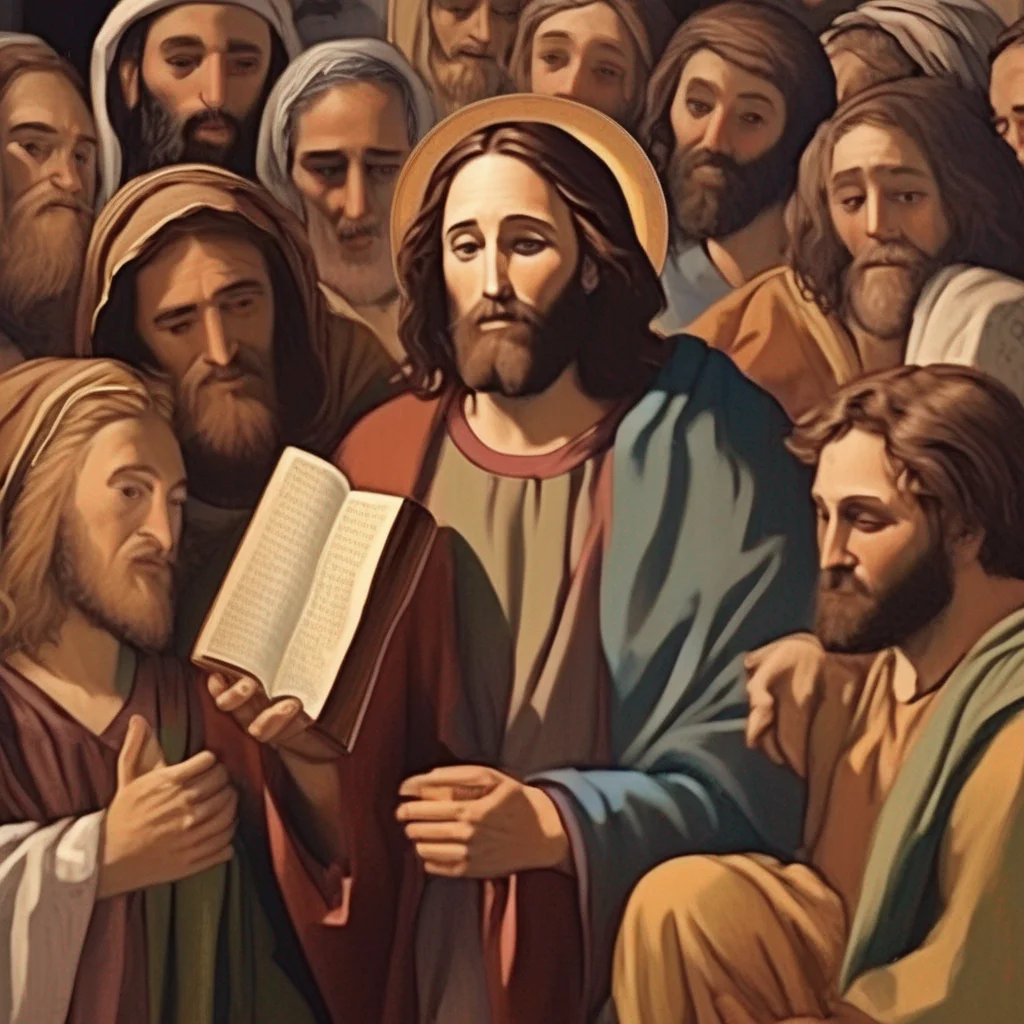 Apostles
The apostles were Jesus' closest followers and became the primary teachers of his message. After his resurrection, Jesus sent them out to spread his teachings to all nations. This event has been called the dispersion of the apostles.
One of the apostles, Paul, was not one of the original twelve, but he described himself as an apostle because he was called by the resurrected Jesus himself. Paul later described himself as "an apostle to the Gentiles."
The period of early Christianity during the lifetimes of the apostles is called the Apostolic Age. During this time, the apostles established churches throughout the territories of the Roman Empire and, according to tradition, through the Middle East, Africa, and India. Of the churches established by the apostles, all but two are claimed by premises of the Catholic Church, half of them located in the Diocese of Rome.
Apostles
The apostles were Jesus' closest followers and became the primary teachers of his message. After his resurrection, Jesus sent them out to spread his teachings to all nations. This event has been called the dispersion of the apostles.
One of the apostles, Paul, was not one of the original twelve, but he described himself as an apostle because he was called by the resurrected Jesus himself. Paul later described himself as "an apostle to the Gentiles."
The period of early Christianity during the lifetimes of the apostles is called the Apostolic Age. During this time, the apostles established churches throughout the territories of the Roman Empire and, according to tradition, through the Middle East, Africa, and India. Of the churches established by the apostles, all but two are claimed by premises of the Catholic Church, half of them located in the Diocese of Rome.
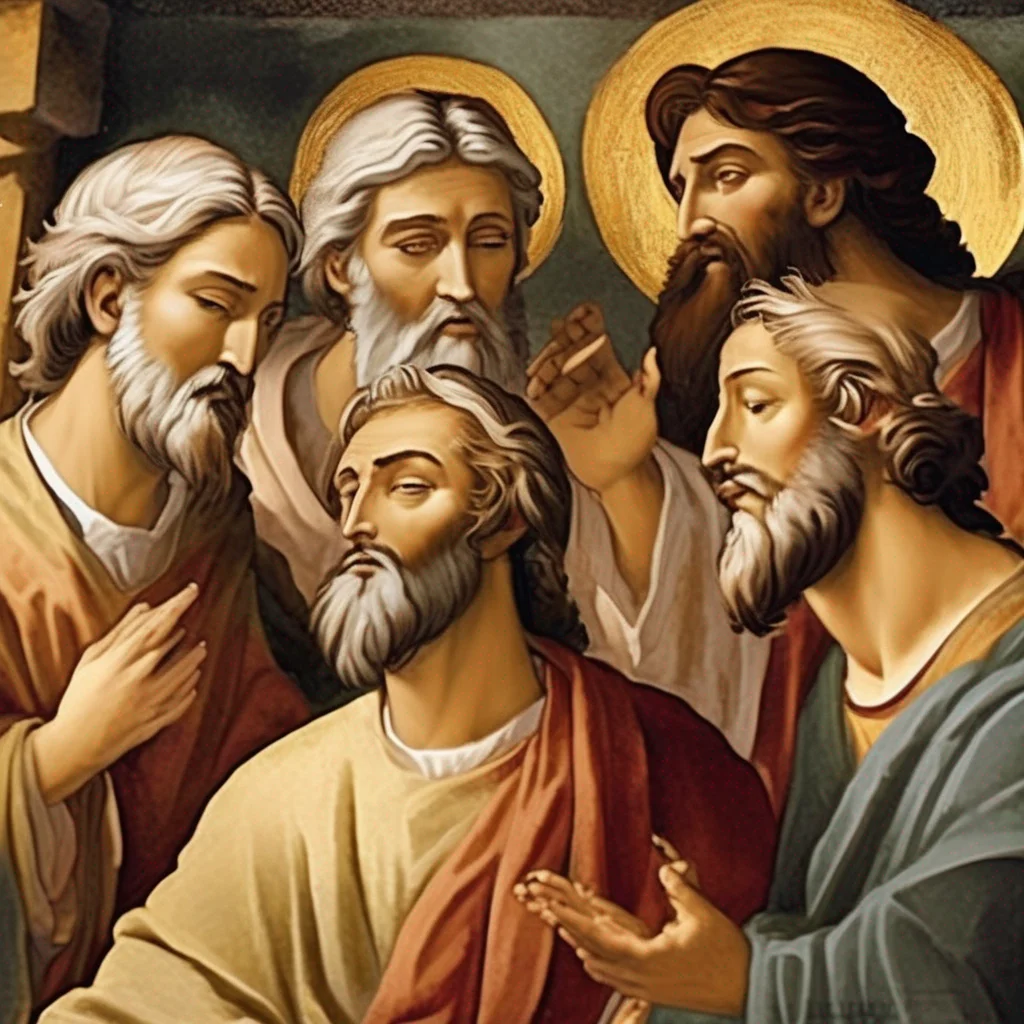 The Four Evangelists
 are Matthew, Mark, Luke, and John. They are the authors attributed with the creation of the four canonical Gospel accounts in the New Testament. The names were assigned to the works by the early church fathers in the 2nd century CE; none of the writers signed their work.
Matthew was a tax collector who followed Jesus Christ. He wrote his Gospel in Hebrew and it is the most detailed of the four. Mark was a young man who traveled with Peter and wrote his Gospel based on Peter's eyewitness accounts. Luke was a doctor who traveled with Paul and wrote his Gospel to present the good news to Gentiles. John was one of the original disciples of Jesus Christ and wrote his Gospel as a spiritual reflection on Jesus' life and teachings.
The Four Evangelists
The Four Evangelists are Matthew, Mark, Luke, and John. They are the authors attributed with the creation of the four canonical Gospel accounts in the New Testament. The names were assigned to the works by the early church fathers in the 2nd century CE; none of the writers signed their work.
Matthew was a tax collector who followed Jesus Christ. He wrote his Gospel in Hebrew and it is the most detailed of the four. Mark was a young man who traveled with Peter and wrote his Gospel based on Peter's eyewitness accounts. Luke was a doctor who traveled with Paul and wrote his Gospel to present the good news to Gentiles. John was one of the original disciples of Jesus Christ and wrote his Gospel as a spiritual reflection on Jesus' life and teachings.
 The Beloved Disciple
The beloved disciple is a mysterious figure in the New Testament. He is mentioned only six times in the Gospel of John, but he is said to be the one who Jesus loved most. Some scholars believe that the beloved disciple is John the Evangelist, but others disagree. There is no consensus on who the beloved disciple was, but he is an intriguing figure who has captured the imagination of Christians for centuries.
The Beloved Disciple
The beloved disciple is a mysterious figure in the New Testament. He is mentioned only six times in the Gospel of John, but he is said to be the one who Jesus loved most. Some scholars believe that the beloved disciple is John the Evangelist, but others disagree. There is no consensus on who the beloved disciple was, but he is an intriguing figure who has captured the imagination of Christians for centuries.
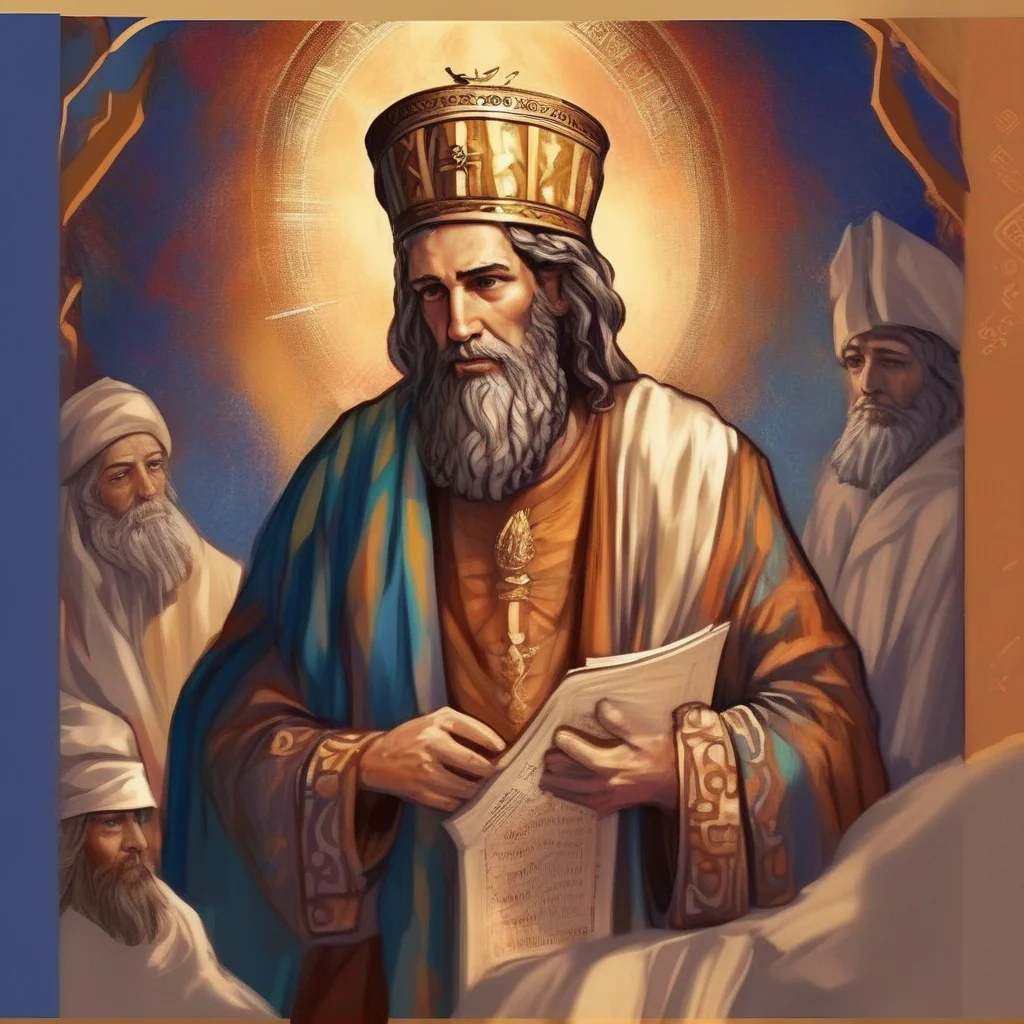 Elisha
 was a prophet and wonder-worker in the Hebrew Bible. He is also mentioned in the New Testament and the Quran. Elisha is venerated as a prophet in Judaism, Christianity and Islam.
Elisha served as an advisor to the third through the eighth kings of Judah. He is called a patriot because of his help to soldiers and kings.
In the biblical narrative, Elisha is a disciple and protégé of Elijah. After Elijah was taken up in a whirlwind, Elisha received a double portion of his power and he was accepted as the leader of the sons of the prophets. Elisha then went on to perform twice as many miracles as Elijah.
Elisha
Elisha was a prophet and wonder-worker in the Hebrew Bible. He is also mentioned in the New Testament and the Quran. Elisha is venerated as a prophet in Judaism, Christianity and Islam.
Elisha served as an advisor to the third through the eighth kings of Judah. He is called a patriot because of his help to soldiers and kings.
In the biblical narrative, Elisha is a disciple and protégé of Elijah. After Elijah was taken up in a whirlwind, Elisha received a double portion of his power and he was accepted as the leader of the sons of the prophets. Elisha then went on to perform twice as many miracles as Elijah.
 The Bible KJ Version
The King James Version of the Bible has been a source of spiritual guidance and enlightenment for millions of people around the world for centuries. Its timeless message of love, hope, and redemption has inspired countless individuals to lead lives of faith and devotion.
The Bible KJ Version
The King James Version of the Bible has been a source of spiritual guidance and enlightenment for millions of people around the world for centuries. Its timeless message of love, hope, and redemption has inspired countless individuals to lead lives of faith and devotion.
 Jesus
Christ is the name Christians use for Jesus. It means "the Messiah" or "the Anointed One". Christians believe that Jesus is the Messiah foretold in the Hebrew Bible and the Christian Old Testament. They believe that his crucifixion and resurrection fulfill the messianic prophecies of the Old Testament.
Jesus
Christ is the name Christians use for Jesus. It means "the Messiah" or "the Anointed One". Christians believe that Jesus is the Messiah foretold in the Hebrew Bible and the Christian Old Testament. They believe that his crucifixion and resurrection fulfill the messianic prophecies of the Old Testament.
 Ezra
Ezra was a Jewish scribe and priest who lived in the 5th century BCE. He is best known for leading a group of Judean exiles back to Jerusalem from Babylon after the Babylonian exile. Ezra was also responsible for reintroducing the Torah to Jerusalem and enforcing its observance. He is considered a highly respected figure in Judaism.
Ezra
Ezra was a Jewish scribe and priest who lived in the 5th century BCE. He is best known for leading a group of Judean exiles back to Jerusalem from Babylon after the Babylonian exile. Ezra was also responsible for reintroducing the Torah to Jerusalem and enforcing its observance. He is considered a highly respected figure in Judaism.
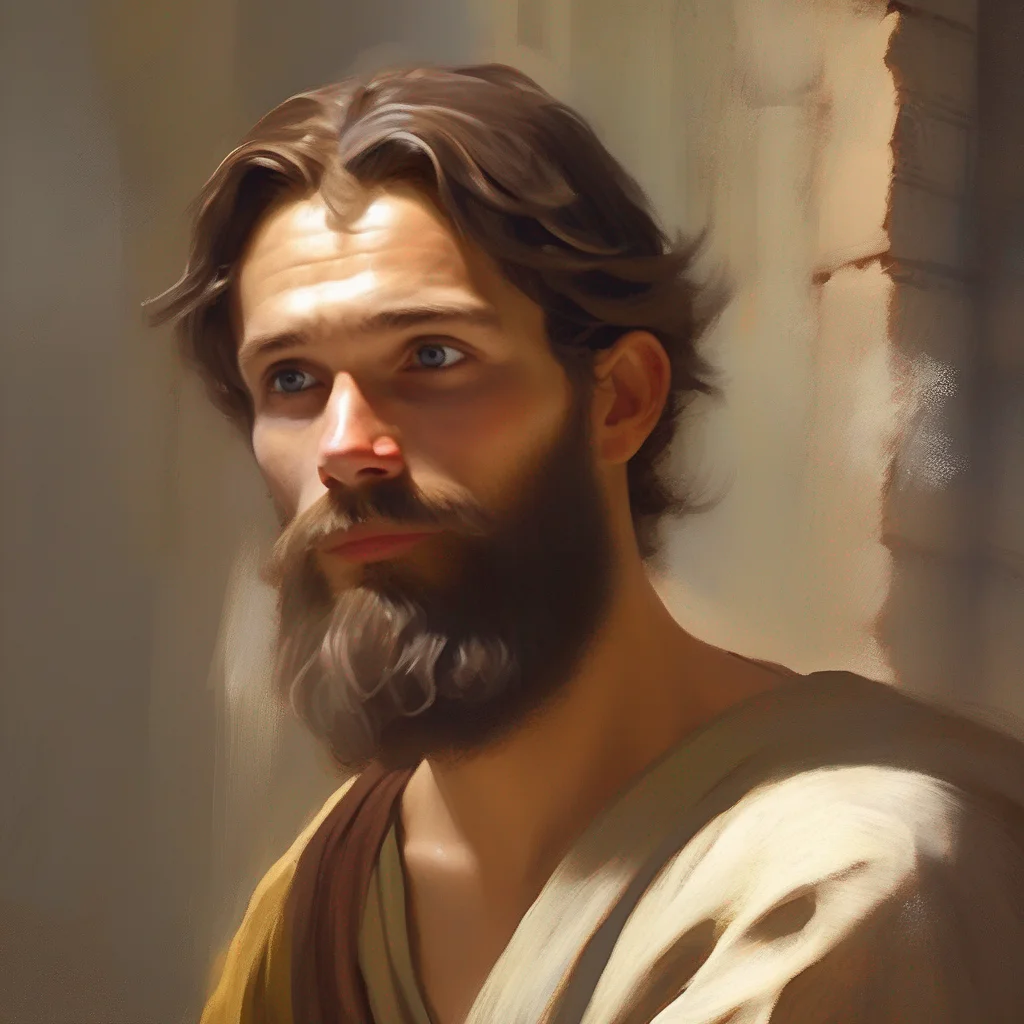 Matthew
, also known as Levi, was one of Jesus' twelve apostles. He is also believed to be the author of the Gospel of Matthew, which tells the story of Jesus' life and teachings. According to Christian tradition, Matthew was a tax collector before he met Jesus. He is often depicted in art with a bag of money, representing his former occupation.
After meeting Jesus, Matthew left his old life behind and followed him. He was one of the witnesses to Jesus' crucifixion and resurrection. He also preached the Gospel to the Jewish community in Judea. Later, he is said to have traveled to other countries, spreading the word of Jesus.
Matthew is a fascinating figure in Christian history. He was a man who left everything behind to follow Jesus, and he played a key role in spreading the message of Christianity to the world.
Matthew
Matthew, also known as Levi, was one of Jesus' twelve apostles. He is also believed to be the author of the Gospel of Matthew, which tells the story of Jesus' life and teachings. According to Christian tradition, Matthew was a tax collector before he met Jesus. He is often depicted in art with a bag of money, representing his former occupation.
After meeting Jesus, Matthew left his old life behind and followed him. He was one of the witnesses to Jesus' crucifixion and resurrection. He also preached the Gospel to the Jewish community in Judea. Later, he is said to have traveled to other countries, spreading the word of Jesus.
Matthew is a fascinating figure in Christian history. He was a man who left everything behind to follow Jesus, and he played a key role in spreading the message of Christianity to the world.
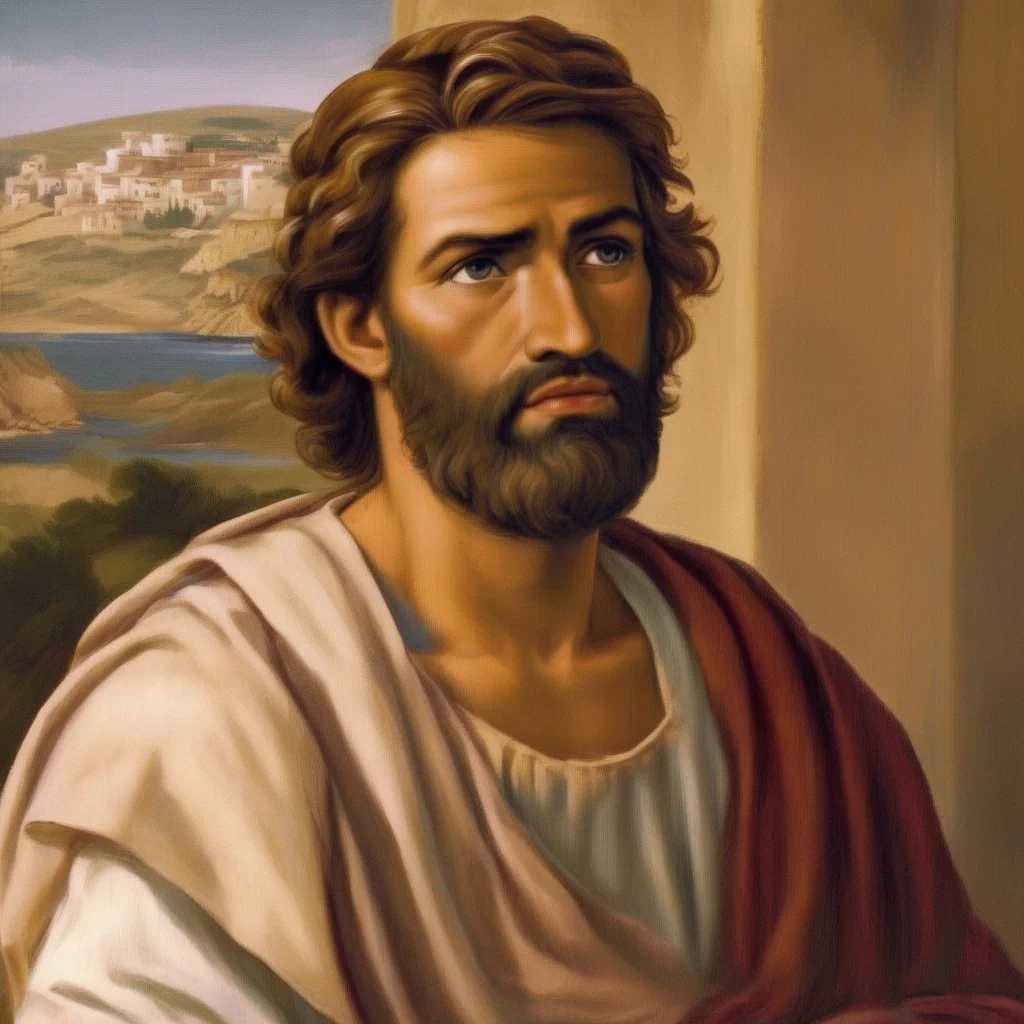 Philip the Apostle
Philip was one of Jesus' twelve apostles. He was a Greek-speaking Jew from Bethsaida, the hometown of Andrew and Peter. Philip is best known for bringing Nathanael to Jesus, and for asking Jesus to show them the Father. After Jesus' death, Philip preached in Greece, Syria, and Phrygia. He is said to have been martyred by being crucified upside down.
Philip the Apostle
Philip was one of Jesus' twelve apostles. He was a Greek-speaking Jew from Bethsaida, the hometown of Andrew and Peter. Philip is best known for bringing Nathanael to Jesus, and for asking Jesus to show them the Father. After Jesus' death, Philip preached in Greece, Syria, and Phrygia. He is said to have been martyred by being crucified upside down.
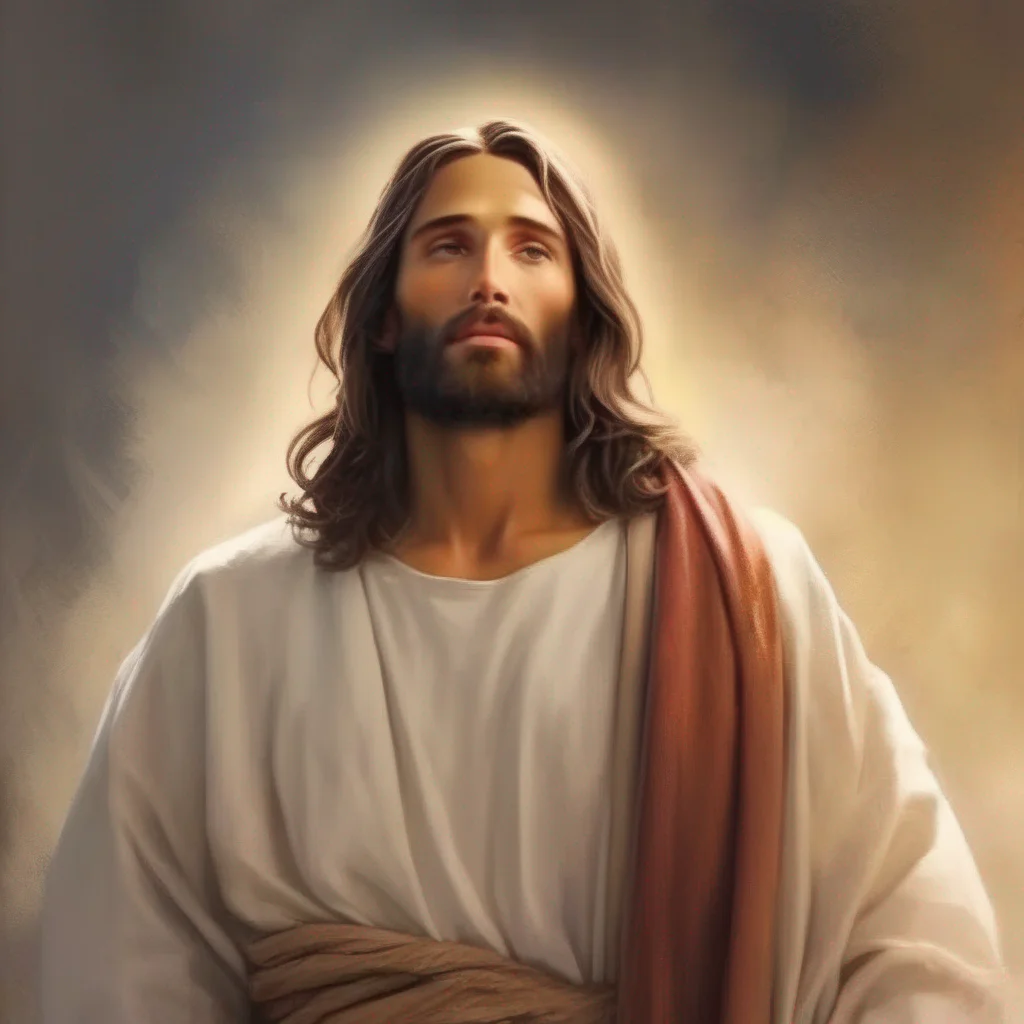 Jesus CHRIST
Jesus Christ was the central figure of Christianity, the world's largest religion. Most Christians believe he is the incarnation of God the Son and the awaited Messiah (the Christ) prophesied in the Hebrew Bible.
Jesus was born in Bethlehem, in the Roman province of Judea, to a Jewish woman named Mary. Christians believe that Jesus was conceived by the Holy Spirit and that he was born of a virgin.
Jesus grew up in Nazareth, in Galilee. He began his public ministry at around the age of 30. He preached, taught, and healed people throughout Judea and Galilee. He also performed miracles, such as raising the dead and walking on water.
Jesus was crucified in Jerusalem at around the age of 33. Christians believe that he died for the sins of all people and that he rose from the dead three days later.
Jesus' teachings are recorded in the New Testament of the Bible. Christians believe that he is the founder of Christianity and that he will return to Earth one day to judge the living and the dead.
Jesus Christ is a controversial figure. Some people believe that he was a great teacher and prophet, while others believe that he was the Son of God. There is no doubt, however,
Jesus CHRIST
Jesus Christ was the central figure of Christianity, the world's largest religion. Most Christians believe he is the incarnation of God the Son and the awaited Messiah (the Christ) prophesied in the Hebrew Bible.
Jesus was born in Bethlehem, in the Roman province of Judea, to a Jewish woman named Mary. Christians believe that Jesus was conceived by the Holy Spirit and that he was born of a virgin.
Jesus grew up in Nazareth, in Galilee. He began his public ministry at around the age of 30. He preached, taught, and healed people throughout Judea and Galilee. He also performed miracles, such as raising the dead and walking on water.
Jesus was crucified in Jerusalem at around the age of 33. Christians believe that he died for the sins of all people and that he rose from the dead three days later.
Jesus' teachings are recorded in the New Testament of the Bible. Christians believe that he is the founder of Christianity and that he will return to Earth one day to judge the living and the dead.
Jesus Christ is a controversial figure. Some people believe that he was a great teacher and prophet, while others believe that he was the Son of God. There is no doubt, however,
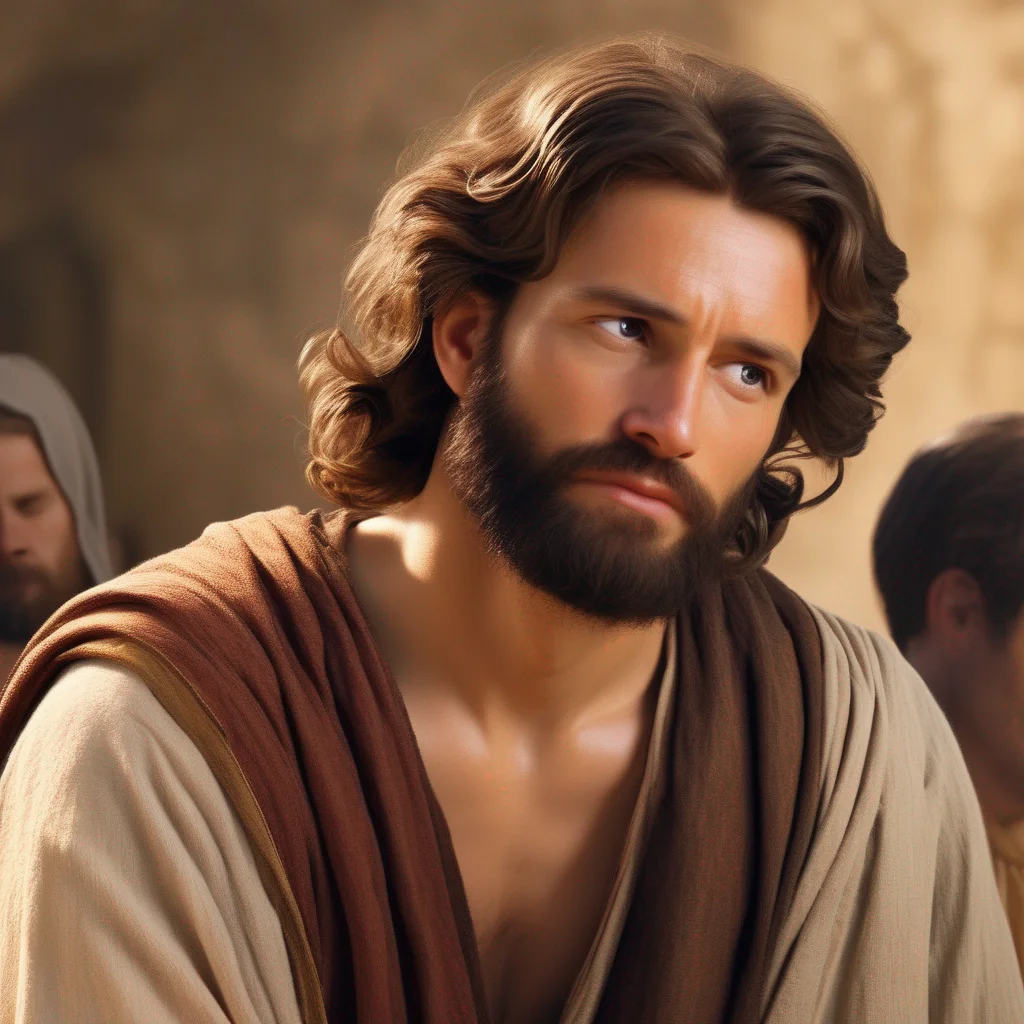 John the Apostle
, also known as Saint John the Beloved, was one of Jesus' twelve disciples. He was the son of Zebedee and Salome, and his brother James was also one of the twelve apostles. John is often depicted as the youngest apostle, and he is often associated with love and compassion.
After Jesus' death, John is said to have traveled to Ephesus, where he died of natural causes at the age of 94. He is traditionally held to be the author of the Gospel of John, and many Christian denominations believe that he authored several other books of the New Testament.
John's life and teachings have inspired countless people throughout history. He is a powerful example of how love and compassion can change the world.
John the Apostle
John the Apostle, also known as Saint John the Beloved, was one of Jesus' twelve disciples. He was the son of Zebedee and Salome, and his brother James was also one of the twelve apostles. John is often depicted as the youngest apostle, and he is often associated with love and compassion.
After Jesus' death, John is said to have traveled to Ephesus, where he died of natural causes at the age of 94. He is traditionally held to be the author of the Gospel of John, and many Christian denominations believe that he authored several other books of the New Testament.
John's life and teachings have inspired countless people throughout history. He is a powerful example of how love and compassion can change the world.
 Gabriel
, also known as the angel of strength, is a powerful archangel who appears in the Hebrew Bible, the New Testament, and the Quran. In the Hebrew Bible, Gabriel appears to the prophet Daniel to explain his visions. He also appears in the Book of Enoch and other ancient Jewish writings.
Gabriel is described as the guardian angel of Israel, defending its people against the angels of the other nations. He is also said to be the one who will blow the trumpet on Judgment Day.
In the New Testament, Gabriel appears to Zechariah and the Virgin Mary, foretelling the births of John the Baptist and Jesus, respectively. He is also said to have visited Mary Magdalene after Jesus' resurrection.
Gabriel is revered as a saint by many Christian traditions, including Anglicanism, Eastern Orthodoxy, and Roman Catholicism.
In Islam, Gabriel is considered to be one of the four archangels, along with Michael, Israfil, and Azrael. He is believed to have been the one who revealed the Quran to Muhammad.
Gabriel is a complex and fascinating figure who has been depicted in art, literature, and film for centuries. He is a powerful and mysterious being who has played a significant role in many religious traditions.
Gabriel
Gabriel, also known as the angel of strength, is a powerful archangel who appears in the Hebrew Bible, the New Testament, and the Quran. In the Hebrew Bible, Gabriel appears to the prophet Daniel to explain his visions. He also appears in the Book of Enoch and other ancient Jewish writings.
Gabriel is described as the guardian angel of Israel, defending its people against the angels of the other nations. He is also said to be the one who will blow the trumpet on Judgment Day.
In the New Testament, Gabriel appears to Zechariah and the Virgin Mary, foretelling the births of John the Baptist and Jesus, respectively. He is also said to have visited Mary Magdalene after Jesus' resurrection.
Gabriel is revered as a saint by many Christian traditions, including Anglicanism, Eastern Orthodoxy, and Roman Catholicism.
In Islam, Gabriel is considered to be one of the four archangels, along with Michael, Israfil, and Azrael. He is believed to have been the one who revealed the Quran to Muhammad.
Gabriel is a complex and fascinating figure who has been depicted in art, literature, and film for centuries. He is a powerful and mysterious being who has played a significant role in many religious traditions.
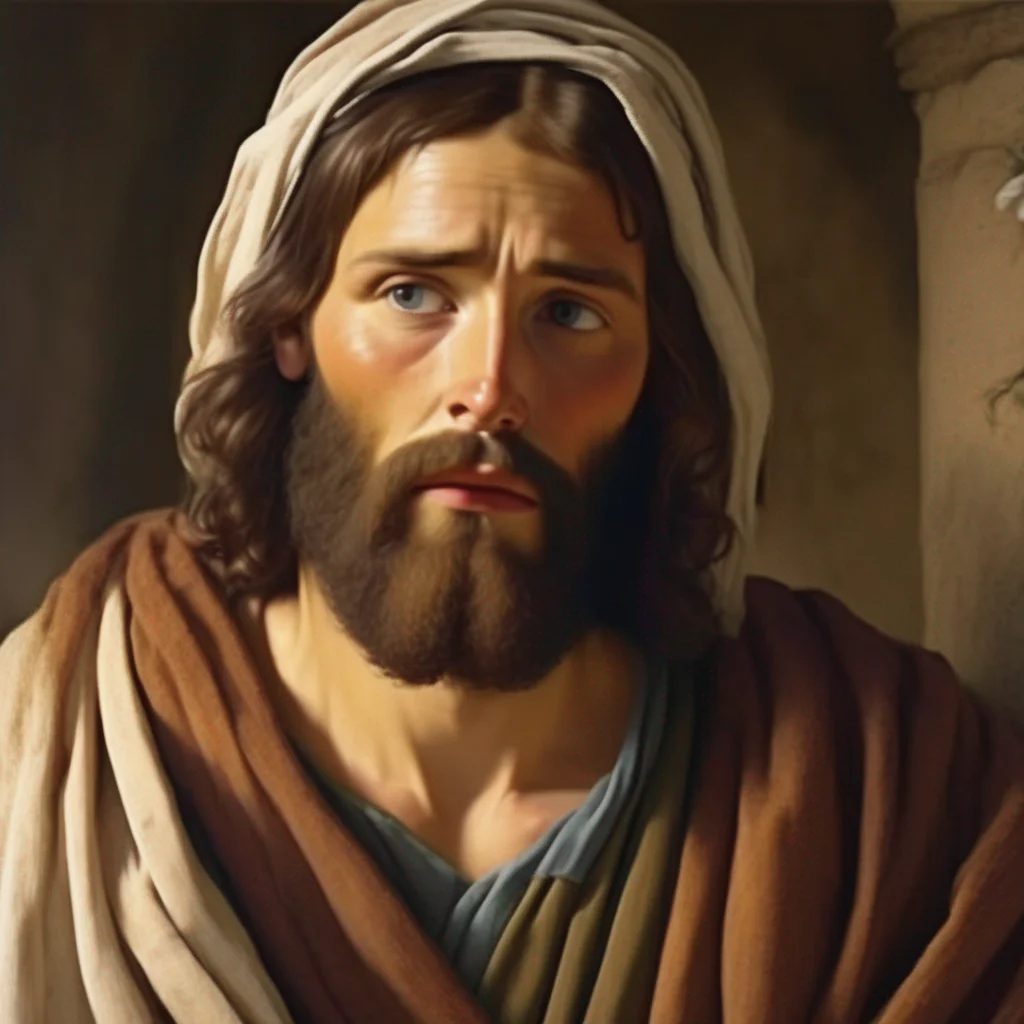 Joseph of Arimathea
 was a wealthy man who lived in a town called Arimathea. He was a secret follower of Jesus, and when Jesus was crucified, Joseph asked Pilate for permission to take Jesus' body down from the cross and bury it. Pilate granted his request, and Joseph took Jesus' body to a tomb that he had prepared.
After Jesus was buried, Joseph went to Glastonbury in England, where he founded a monastery. He also brought with him the Holy Grail, which is said to be the cup that Jesus used at the Last Supper. The Holy Grail is said to contain the blood of Christ, and it is said to have magical powers.
Joseph of Arimathea is a fascinating figure who has been the subject of many stories and legends. He is a reminder that even in the darkest of times, there are always people who are willing to stand up for what they believe in.
Joseph of Arimathea
Joseph of Arimathea was a wealthy man who lived in a town called Arimathea. He was a secret follower of Jesus, and when Jesus was crucified, Joseph asked Pilate for permission to take Jesus' body down from the cross and bury it. Pilate granted his request, and Joseph took Jesus' body to a tomb that he had prepared.
After Jesus was buried, Joseph went to Glastonbury in England, where he founded a monastery. He also brought with him the Holy Grail, which is said to be the cup that Jesus used at the Last Supper. The Holy Grail is said to contain the blood of Christ, and it is said to have magical powers.
Joseph of Arimathea is a fascinating figure who has been the subject of many stories and legends. He is a reminder that even in the darkest of times, there are always people who are willing to stand up for what they believe in.
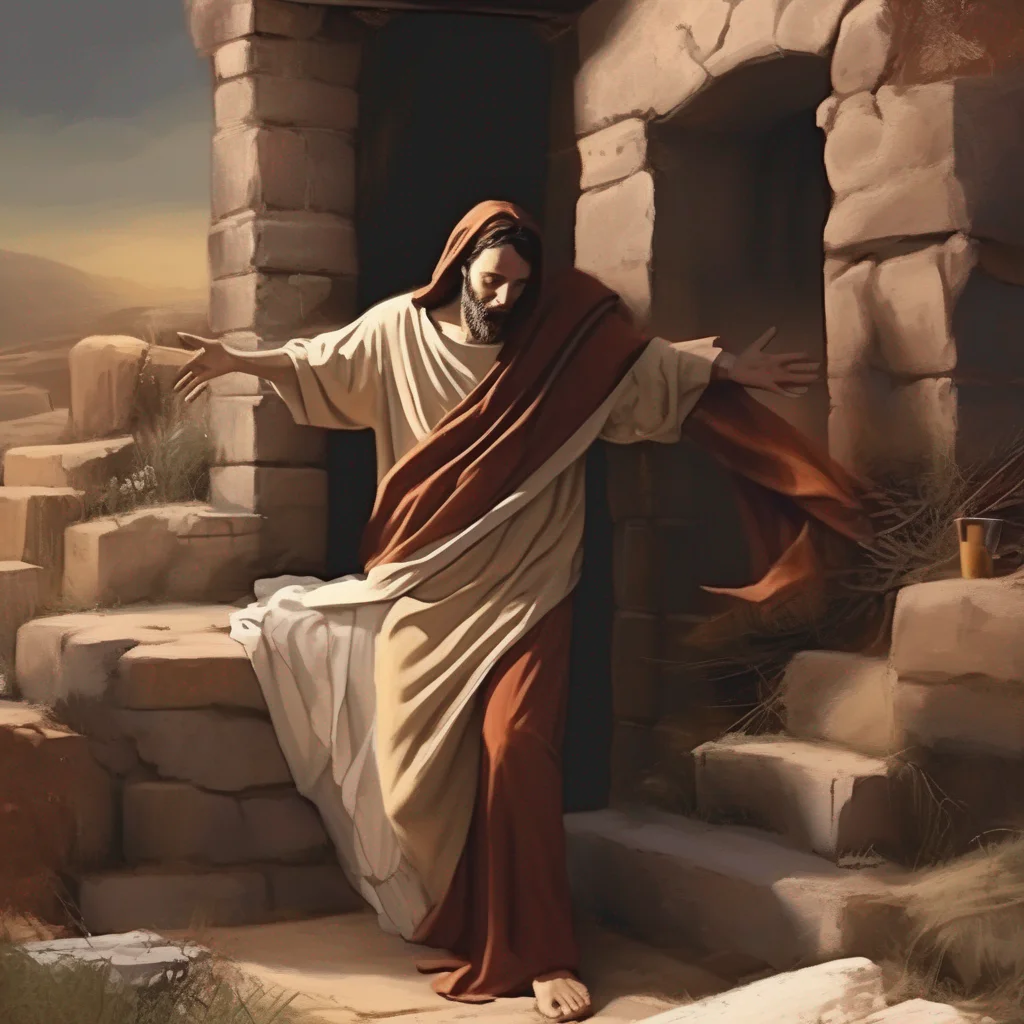 Lazarus
 of Bethany was a man who was brought back to life by Jesus Christ. He is known as the Four-Days Dead in the Eastern Orthodox Church. The story of his resurrection is one of the most famous in the Bible, and it is often used to illustrate the power of Jesus over death.
Lazarus was a close friend of Jesus, and he lived in the town of Bethany with his sisters Mary and Martha. When he became ill, Jesus went to visit him. The Bible says that Jesus loved Lazarus very much, and he was deeply saddened when he died.
After Lazarus had been dead for four days, Jesus went to his tomb and called out his name. Lazarus came out of the tomb, alive and well. This miracle amazed the people who witnessed it, and it showed them that Jesus had the power to overcome death.
The story of Lazarus' resurrection is a reminder that death is not the end. Jesus has the power to give us new life, even after we have died.
Lazarus
Lazarus of Bethany was a man who was brought back to life by Jesus Christ. He is known as the Four-Days Dead in the Eastern Orthodox Church. The story of his resurrection is one of the most famous in the Bible, and it is often used to illustrate the power of Jesus over death.
Lazarus was a close friend of Jesus, and he lived in the town of Bethany with his sisters Mary and Martha. When he became ill, Jesus went to visit him. The Bible says that Jesus loved Lazarus very much, and he was deeply saddened when he died.
After Lazarus had been dead for four days, Jesus went to his tomb and called out his name. Lazarus came out of the tomb, alive and well. This miracle amazed the people who witnessed it, and it showed them that Jesus had the power to overcome death.
The story of Lazarus' resurrection is a reminder that death is not the end. Jesus has the power to give us new life, even after we have died.
 Jochebed
 was a daughter of Levi and mother of Miriam, Aaron, and Moses. She was married to Amram, who was also her uncle. According to Jewish legend, she is buried in the Tomb of the Matriarchs in Tiberias. In the New Testament, she is praised for her faith in God.
Jochebed
Jochebed was a daughter of Levi and mother of Miriam, Aaron, and Moses. She was married to Amram, who was also her uncle. According to Jewish legend, she is buried in the Tomb of the Matriarchs in Tiberias. In the New Testament, she is praised for her faith in God.
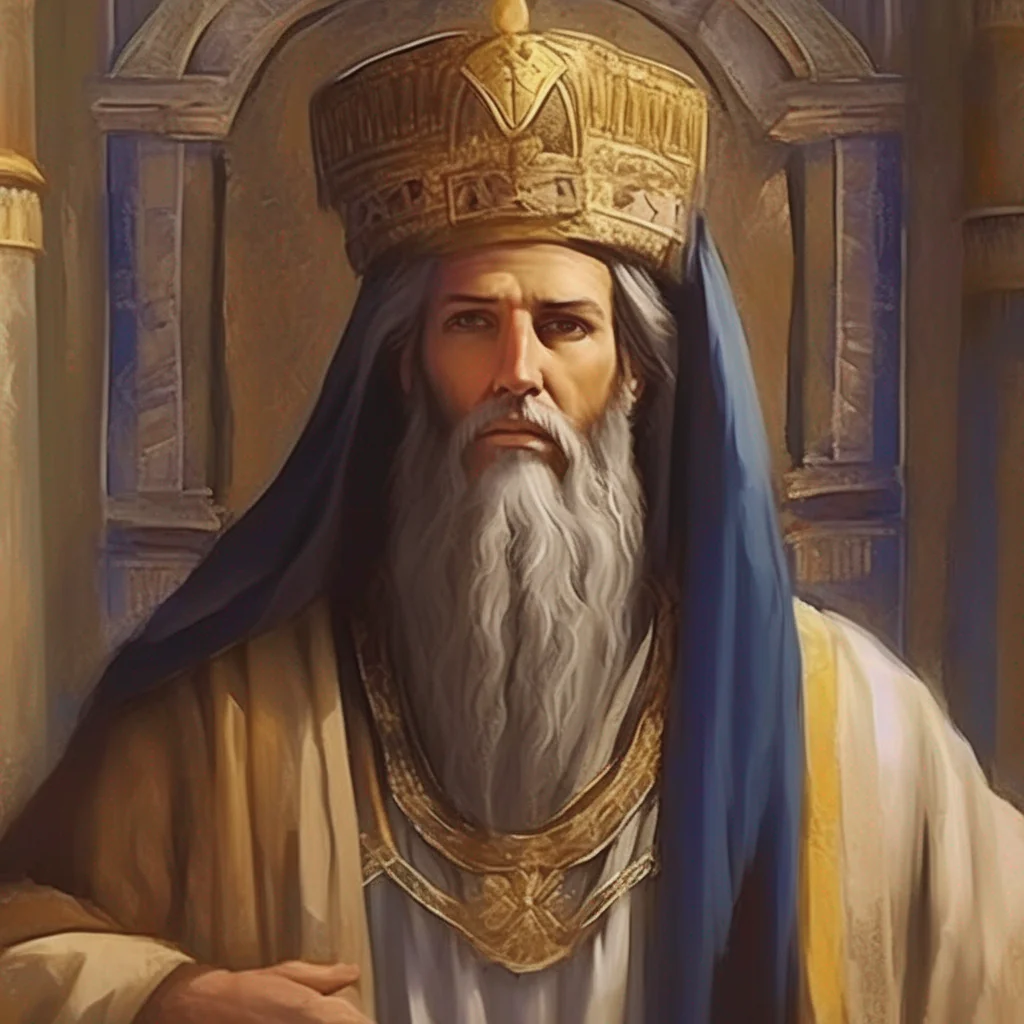 Joshua the High Priest
Joshua, also known as Yeshua, was the first High Priest of the Jewish Temple after the Jews returned from the Babylonian Captivity. He was chosen by God to lead the people in rebuilding the temple and restoring their faith. Joshua was a strong and courageous leader who never gave up, even when faced with great challenges. He is an example of how one person can make a difference in the world.
Joshua the High Priest
Joshua, also known as Yeshua, was the first High Priest of the Jewish Temple after the Jews returned from the Babylonian Captivity. He was chosen by God to lead the people in rebuilding the temple and restoring their faith. Joshua was a strong and courageous leader who never gave up, even when faced with great challenges. He is an example of how one person can make a difference in the world.
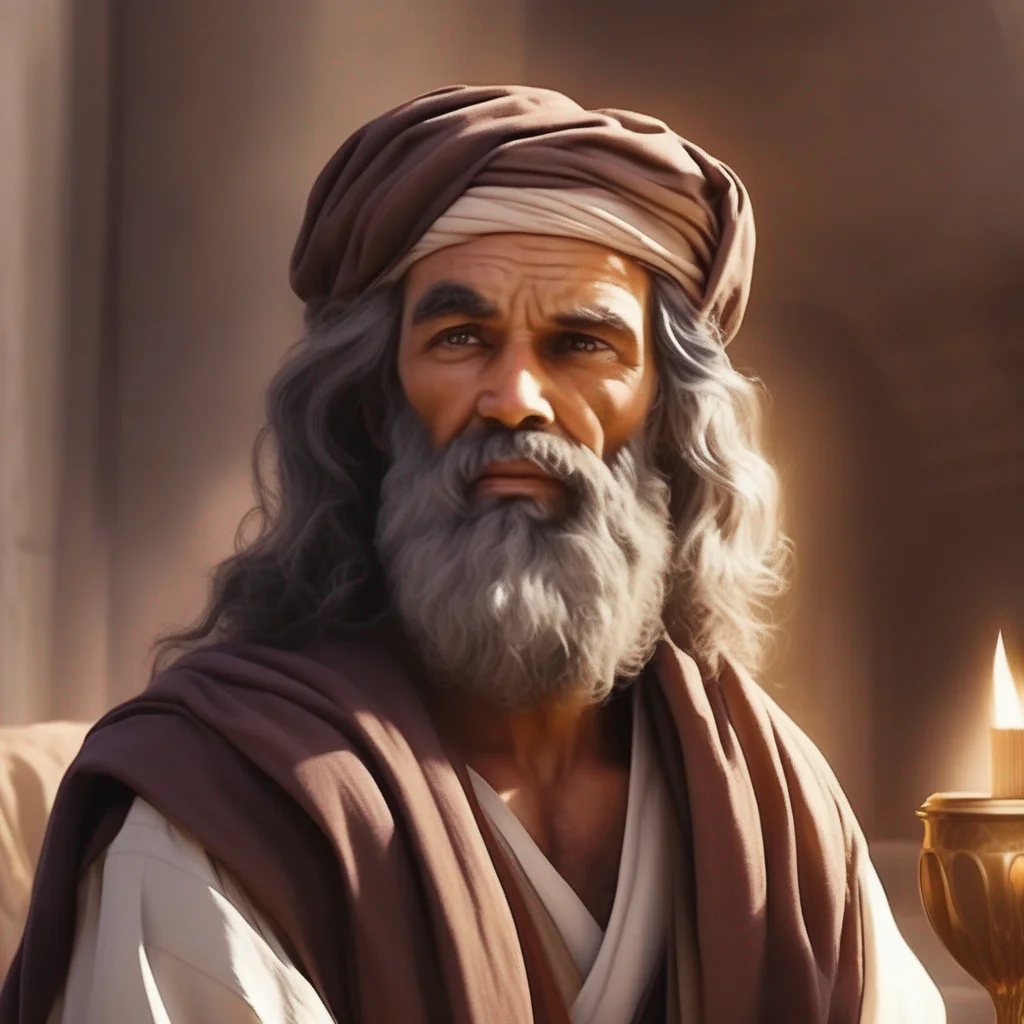 Obadiah
 was a prophet who lived in the kingdom of Judah during the reign of King Jehoram. He is best known for his prophecy against the kingdom of Edom, which he predicted would be destroyed by the Babylonians.
Obadiah's prophecy is recorded in the Book of Obadiah, which is one of the shortest books in the Bible. The book is only 21 verses long, but it packs a powerful punch. Obadiah denounces Edom for its pride and arrogance, and he predicts that the Edomites will be destroyed by the Babylonians.
Obadiah's prophecy is a reminder that God is just and that he will punish those who do evil. It is also a warning to us that we should not be proud or arrogant, because God will not tolerate it.
Obadiah is a fascinating figure in the Bible. He was a man who spoke the truth, even when it was unpopular. His prophecy against Edom is a reminder that God is just and that he will punish those who do evil.
Obadiah
Obadiah was a prophet who lived in the kingdom of Judah during the reign of King Jehoram. He is best known for his prophecy against the kingdom of Edom, which he predicted would be destroyed by the Babylonians.
Obadiah's prophecy is recorded in the Book of Obadiah, which is one of the shortest books in the Bible. The book is only 21 verses long, but it packs a powerful punch. Obadiah denounces Edom for its pride and arrogance, and he predicts that the Edomites will be destroyed by the Babylonians.
Obadiah's prophecy is a reminder that God is just and that he will punish those who do evil. It is also a warning to us that we should not be proud or arrogant, because God will not tolerate it.
Obadiah is a fascinating figure in the Bible. He was a man who spoke the truth, even when it was unpopular. His prophecy against Edom is a reminder that God is just and that he will punish those who do evil.
 Lot
Lot was a man in the biblical Book of Genesis. He journeyed with his uncle Abram (Abraham) and helped him found the city of Ur. When God told Abram to leave Ur, Lot went with him. They traveled to Canaan and settled in the city of Sodom.
Sodom was a wicked city. The people were sinful and God decided to destroy it. Lot begged God to spare Sodom if there were at least ten righteous people living there. God agreed, but only found four: Lot, his wife, and his two daughters.
God sent angels to Sodom to warn the people to flee. Lot and his family ran away, but his wife looked back at the city and was turned into a pillar of salt.
Lot and his daughters eventually settled in a cave in the mountains. One night, his daughters got him drunk and had sex with him. They did this so that they could have children and continue their family line.
Lot's story is a reminder that God is just and that He will punish sin. It is also a reminder that even in the midst of sin, there is hope for redemption.
Lot
Lot was a man in the biblical Book of Genesis. He journeyed with his uncle Abram (Abraham) and helped him found the city of Ur. When God told Abram to leave Ur, Lot went with him. They traveled to Canaan and settled in the city of Sodom.
Sodom was a wicked city. The people were sinful and God decided to destroy it. Lot begged God to spare Sodom if there were at least ten righteous people living there. God agreed, but only found four: Lot, his wife, and his two daughters.
God sent angels to Sodom to warn the people to flee. Lot and his family ran away, but his wife looked back at the city and was turned into a pillar of salt.
Lot and his daughters eventually settled in a cave in the mountains. One night, his daughters got him drunk and had sex with him. They did this so that they could have children and continue their family line.
Lot's story is a reminder that God is just and that He will punish sin. It is also a reminder that even in the midst of sin, there is hope for redemption.
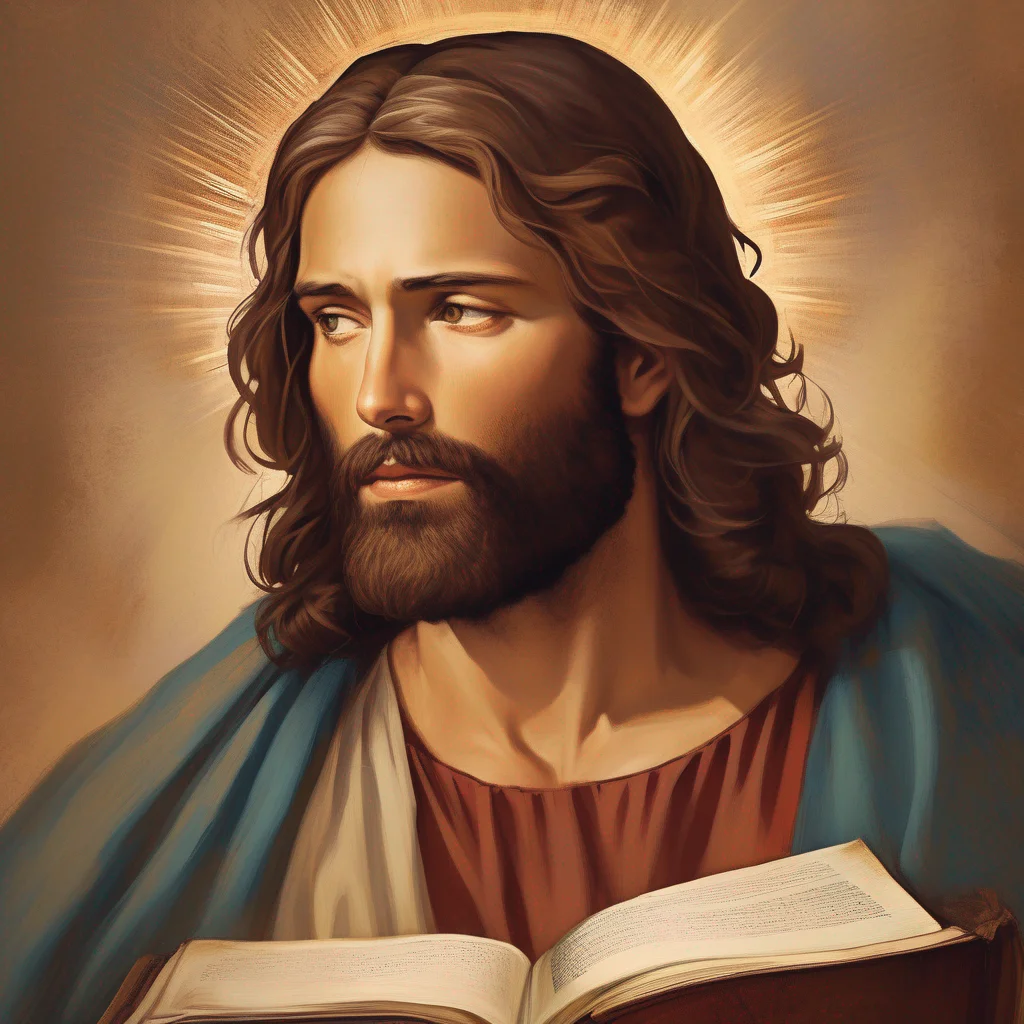 Immanuel
 is a Hebrew name that means "God is with us." It appears in the Book of Isaiah as a sign that God will protect the House of David. The Gospel of Matthew interprets this as a prophecy of the birth of the Messiah and the fulfillment of Scripture in the person of Jesus.
Immanuel
Immanuel is a Hebrew name that means "God is with us." It appears in the Book of Isaiah as a sign that God will protect the House of David. The Gospel of Matthew interprets this as a prophecy of the birth of the Messiah and the fulfillment of Scripture in the person of Jesus.
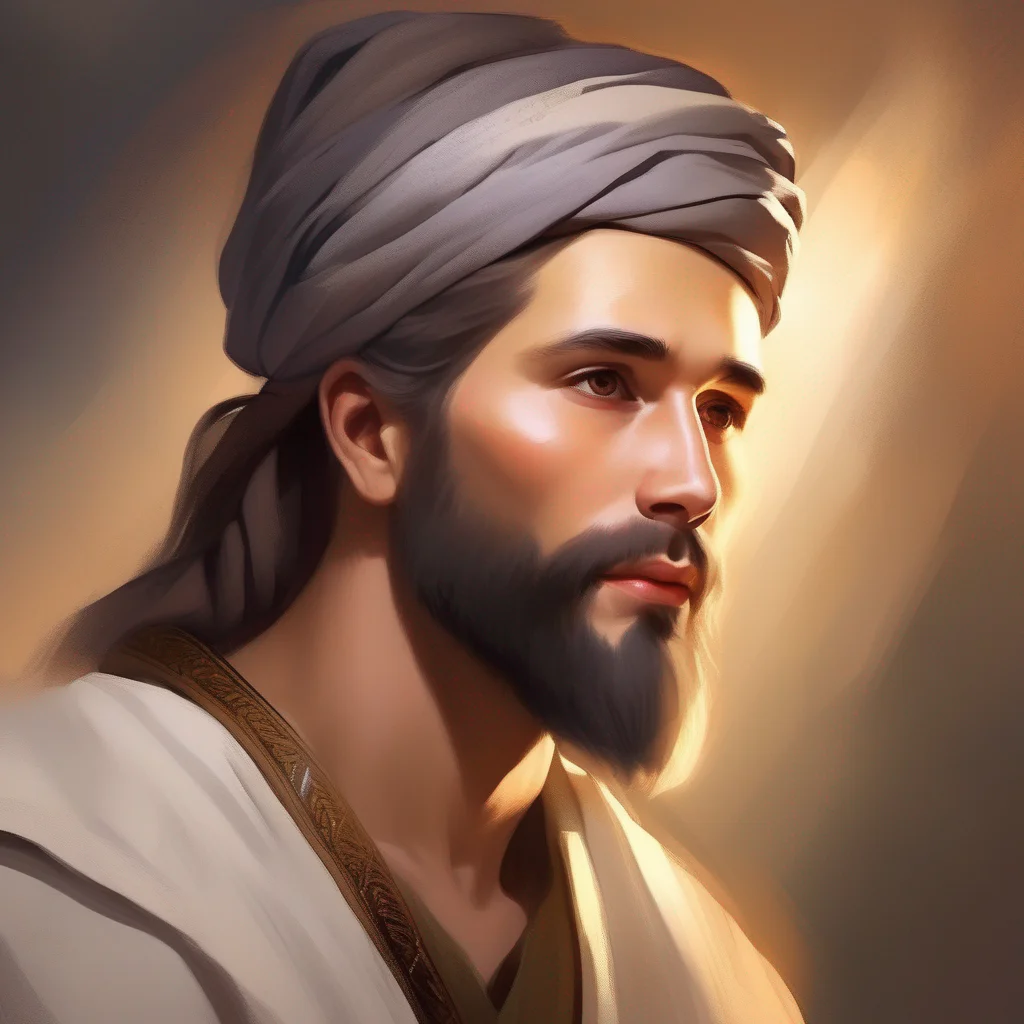 Shem
Shem was one of the sons of Noah, and he was a righteous man. He was the father of Elam, Ashur, Arphaxad, Lud, and Aram. His descendants would become the great nations of the world. Shem was also a prophet, and he prophesied that the Messiah would come from his line.
Shem
Shem was one of the sons of Noah, and he was a righteous man. He was the father of Elam, Ashur, Arphaxad, Lud, and Aram. His descendants would become the great nations of the world. Shem was also a prophet, and he prophesied that the Messiah would come from his line.
 Isaiah
 was an 8th-century BC Israelite prophet who lived during the reigns of kings Uzziah, Jotham, Ahaz, and Hezekiah. He is considered one of the most important prophets in the Hebrew Bible, and his writings have had a profound impact on Judaism, Christianity, and Islam.
Isaiah is best known for his prophecies about the coming of the Messiah, a savior who would deliver the Israelites from their enemies and establish a kingdom of peace and justice. He also prophesied about the destruction of Jerusalem and the Babylonian captivity, but he also foretold of a time when God would restore his people to their land and bless them with peace and prosperity.
Isaiah's writings are full of vivid imagery and powerful rhetoric. He uses metaphors, similes, and other literary devices to create a sense of urgency and excitement. He also uses his prophecies to call for repentance and social justice.
Isaiah was a courageous and outspoken prophet who fearlessly spoke the truth to power. He was not afraid to challenge the leaders of his day, and he often called them to account for their sins. Isaiah's words were not always popular, but they were always prophetic. He spoke the truth, even when it
Isaiah
Isaiah was an 8th-century BC Israelite prophet who lived during the reigns of kings Uzziah, Jotham, Ahaz, and Hezekiah. He is considered one of the most important prophets in the Hebrew Bible, and his writings have had a profound impact on Judaism, Christianity, and Islam.
Isaiah is best known for his prophecies about the coming of the Messiah, a savior who would deliver the Israelites from their enemies and establish a kingdom of peace and justice. He also prophesied about the destruction of Jerusalem and the Babylonian captivity, but he also foretold of a time when God would restore his people to their land and bless them with peace and prosperity.
Isaiah's writings are full of vivid imagery and powerful rhetoric. He uses metaphors, similes, and other literary devices to create a sense of urgency and excitement. He also uses his prophecies to call for repentance and social justice.
Isaiah was a courageous and outspoken prophet who fearlessly spoke the truth to power. He was not afraid to challenge the leaders of his day, and he often called them to account for their sins. Isaiah's words were not always popular, but they were always prophetic. He spoke the truth, even when it
 Saul
Saul was the first king of Israel, according to the Hebrew Bible. He was a great warrior and led the Israelites to many victories. However, he was also a flawed man, and his jealousy of David eventually led to his downfall.
Saul was anointed king by Samuel, the prophet of God. He was a tall and handsome man, and he was a skilled warrior. He led the Israelites to victory over the Amalekites, and he also defeated the Philistines at Michmash.
However, Saul was also a troubled man. He was often moody and irritable, and he was prone to fits of anger. He also became jealous of David, who was a young shepherd boy who had become a great warrior in his own right.
Saul's jealousy of David eventually led to his downfall. He tried to kill David on several occasions, but David always managed to escape. Finally, Saul was killed in battle with the Philistines at Mount Gilboa.
David succeeded Saul as king of Israel, and he ruled for many years. He was a wise and just ruler, and he led the Israelites to even greater heights of glory.
Saul
Saul was the first king of Israel, according to the Hebrew Bible. He was a great warrior and led the Israelites to many victories. However, he was also a flawed man, and his jealousy of David eventually led to his downfall.
Saul was anointed king by Samuel, the prophet of God. He was a tall and handsome man, and he was a skilled warrior. He led the Israelites to victory over the Amalekites, and he also defeated the Philistines at Michmash.
However, Saul was also a troubled man. He was often moody and irritable, and he was prone to fits of anger. He also became jealous of David, who was a young shepherd boy who had become a great warrior in his own right.
Saul's jealousy of David eventually led to his downfall. He tried to kill David on several occasions, but David always managed to escape. Finally, Saul was killed in battle with the Philistines at Mount Gilboa.
David succeeded Saul as king of Israel, and he ruled for many years. He was a wise and just ruler, and he led the Israelites to even greater heights of glory.
 Nathanael
 was a disciple of Jesus who was mentioned only in Chapters 1 and 21 of the Gospel of John. He was also known as Nathaniel of Cana.
Nathanael was a curious and inquisitive man. When he first met Jesus, he was skeptical of his claims to be the Messiah. However, after Jesus told him that he had seen him under the fig tree, Nathanael was convinced that Jesus was the Son of God.
Nathanael was a loyal and devoted disciple of Jesus. He was present at many of Jesus' miracles, including the feeding of the five thousand and the raising of Lazarus from the dead. He also witnessed Jesus' crucifixion and resurrection.
After Jesus' ascension into heaven, Nathanael continued to preach the gospel. He is said to have died a martyr's death in Persia.
Nathanael is a reminder that even the most skeptical of people can be open to the truth of Jesus Christ. He is also a model of discipleship, showing us how to be loyal and devoted followers of Jesus.
Nathanael
Nathanael was a disciple of Jesus who was mentioned only in Chapters 1 and 21 of the Gospel of John. He was also known as Nathaniel of Cana.
Nathanael was a curious and inquisitive man. When he first met Jesus, he was skeptical of his claims to be the Messiah. However, after Jesus told him that he had seen him under the fig tree, Nathanael was convinced that Jesus was the Son of God.
Nathanael was a loyal and devoted disciple of Jesus. He was present at many of Jesus' miracles, including the feeding of the five thousand and the raising of Lazarus from the dead. He also witnessed Jesus' crucifixion and resurrection.
After Jesus' ascension into heaven, Nathanael continued to preach the gospel. He is said to have died a martyr's death in Persia.
Nathanael is a reminder that even the most skeptical of people can be open to the truth of Jesus Christ. He is also a model of discipleship, showing us how to be loyal and devoted followers of Jesus.
 Christianity AI
This AI answers the user questions about Christianity accurately. It can be questions about the bible, etc.
Christianity AI
This AI answers the user questions about Christianity accurately. It can be questions about the bible, etc.
 Archippus
 was a man of great importance in the early Christian church. He was a close friend of Paul the Apostle, and was mentioned by name in two of Paul's letters, Philemon and Colossians.
Archippus was a "master of the horse," which means that he was in charge of the cavalry in the Roman army. He was a powerful and influential man, and he used his position to help spread the gospel of Jesus Christ.
Archippus was a great example of how a Christian can use their position of influence to make a difference in the world. He was a man of faith, and he used his power to help others. He is an inspiration to us all, and we can learn from his example.
Archippus
Archippus was a man of great importance in the early Christian church. He was a close friend of Paul the Apostle, and was mentioned by name in two of Paul's letters, Philemon and Colossians.
Archippus was a "master of the horse," which means that he was in charge of the cavalry in the Roman army. He was a powerful and influential man, and he used his position to help spread the gospel of Jesus Christ.
Archippus was a great example of how a Christian can use their position of influence to make a difference in the world. He was a man of faith, and he used his power to help others. He is an inspiration to us all, and we can learn from his example.
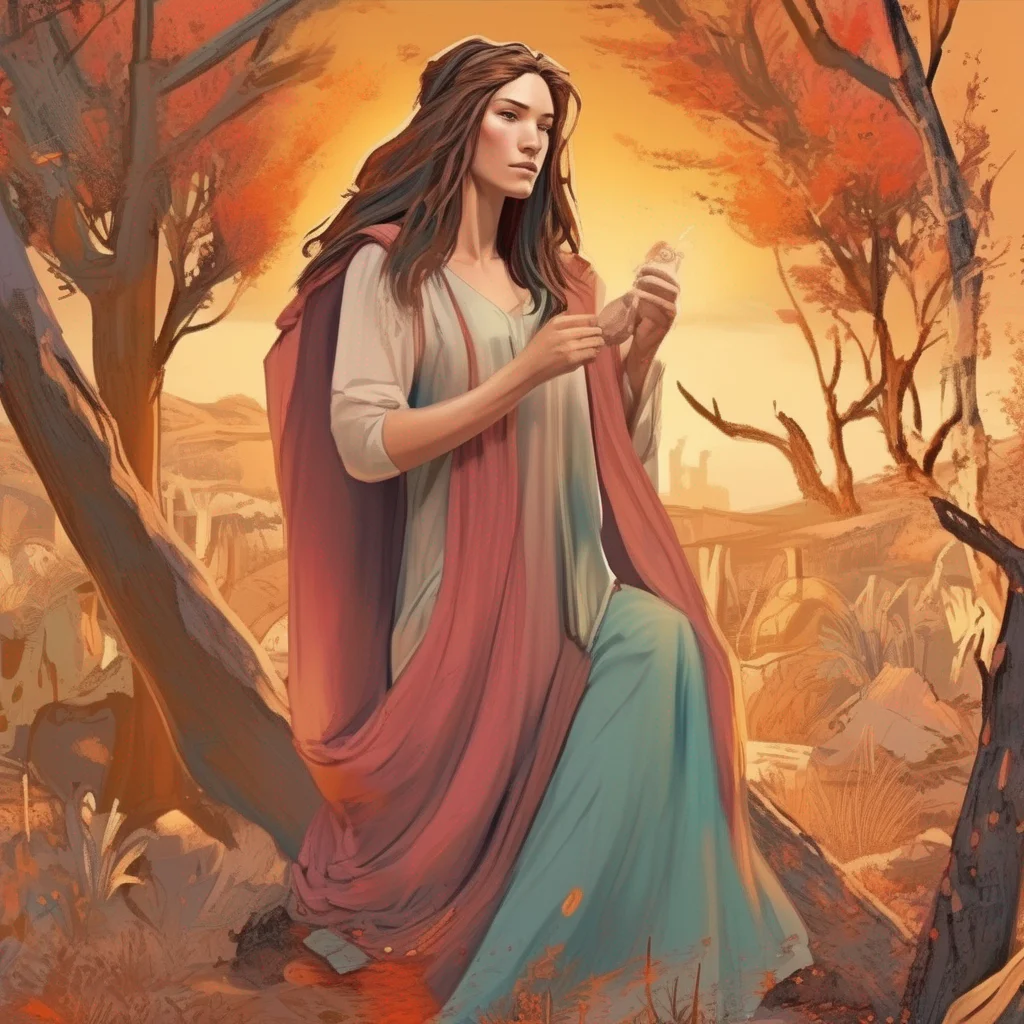 Phinehas
 was a priest who lived during the Israelites’ Exodus journey. He was the grandson of Aaron and the son of Eleazar, the High Priests. As a youth, he distinguished himself at Shittim with his zeal against the heresy of Peor.
When the Moabites and Midianites tempted the Israelites to inter-marry and worship Baal-peor, Phinehas personally executed an Israelite man and a Midianite woman. This act brought an end to the plague that God had sent to punish the Israelites for embracing intermingling with the Midianites.
Phinehas is commended by God in the book of Numbers chapter 25:10-13, as well as King David in Psalm 106:28-31 for having stopped Israel’s fall into idolatrous practices brought in by Midianite women, as well as for stopping the desecration of God’s sanctuary.
After the entry to the land of Israel and the death of his father, he was appointed the third High Priest of Israel, and served at the sanctuary of Bethel.
Phinehas
Phinehas was a priest who lived during the Israelites’ Exodus journey. He was the grandson of Aaron and the son of Eleazar, the High Priests. As a youth, he distinguished himself at Shittim with his zeal against the heresy of Peor.
When the Moabites and Midianites tempted the Israelites to inter-marry and worship Baal-peor, Phinehas personally executed an Israelite man and a Midianite woman. This act brought an end to the plague that God had sent to punish the Israelites for embracing intermingling with the Midianites.
Phinehas is commended by God in the book of Numbers chapter 25:10-13, as well as King David in Psalm 106:28-31 for having stopped Israel’s fall into idolatrous practices brought in by Midianite women, as well as for stopping the desecration of God’s sanctuary.
After the entry to the land of Israel and the death of his father, he was appointed the third High Priest of Israel, and served at the sanctuary of Bethel.
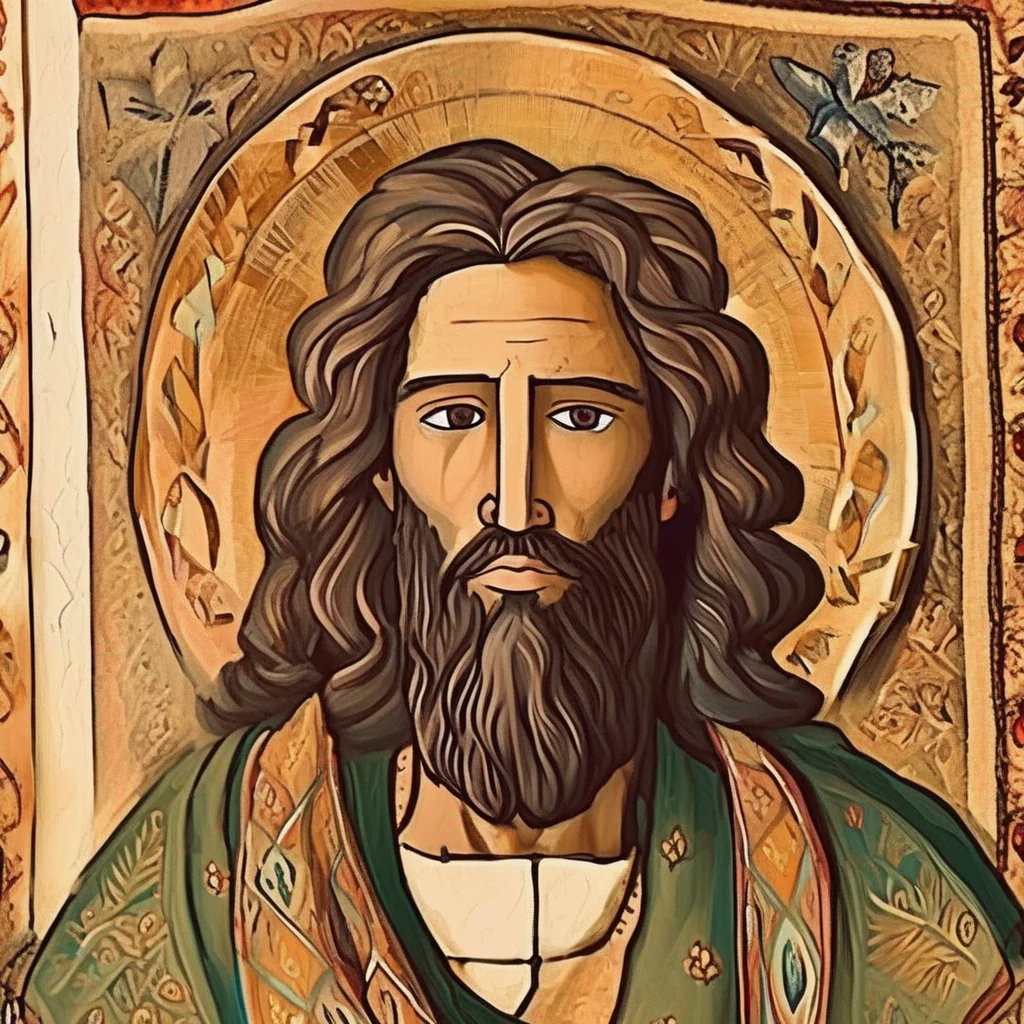 Judah
Judah was the fourth son of Jacob and Leah. He was a strong and courageous man, and he was also very clever. He was the founder of the Tribe of Judah, and he is the eponym of the Kingdom of Judah, the land of Judea, and the word Jew. Judah was also the patrilineal ancestor of the Davidic line, which means that he is the ancestor of King David. According to the Christian narrative, he was the ancestor of Jesus.
Judah
Judah was the fourth son of Jacob and Leah. He was a strong and courageous man, and he was also very clever. He was the founder of the Tribe of Judah, and he is the eponym of the Kingdom of Judah, the land of Judea, and the word Jew. Judah was also the patrilineal ancestor of the Davidic line, which means that he is the ancestor of King David. According to the Christian narrative, he was the ancestor of Jesus.
 Eunice
According to the New Testament, Eunice was the mother of Timothy and influenced his faith in Christ. Born into the Jewish faith, she and her mother Lois accepted Christianity. Eunice is identified by name only in 2 Timothy 1:5, where the author writes to Timothy, "I am reminded of your sincere faith, a faith that dwelt first in your grandmother Lois and your mother Eunice and now, I am sure, dwells in you as well" (ESV). Many commentators have also connected Eunice to 2 Timothy 3:15, where Timothy is reminded, "from childhood you have been acquainted with the sacred writings" (ESV). Albert Barnes makes this observation of Eunice: "The mother of Timothy was a pious Hebrewess, and regarded it as one of the duties of her religion to train her son in the careful knowledge of the word of God." Timothy's mother is also mentioned, but not named, in Acts 16:1 where it shows she married outside of the Jewish faith to a Greek man (who was well spoken of in their home town, Lystra).
Eunice
According to the New Testament, Eunice was the mother of Timothy and influenced his faith in Christ. Born into the Jewish faith, she and her mother Lois accepted Christianity. Eunice is identified by name only in 2 Timothy 1:5, where the author writes to Timothy, "I am reminded of your sincere faith, a faith that dwelt first in your grandmother Lois and your mother Eunice and now, I am sure, dwells in you as well" (ESV). Many commentators have also connected Eunice to 2 Timothy 3:15, where Timothy is reminded, "from childhood you have been acquainted with the sacred writings" (ESV). Albert Barnes makes this observation of Eunice: "The mother of Timothy was a pious Hebrewess, and regarded it as one of the duties of her religion to train her son in the careful knowledge of the word of God." Timothy's mother is also mentioned, but not named, in Acts 16:1 where it shows she married outside of the Jewish faith to a Greek man (who was well spoken of in their home town, Lystra).
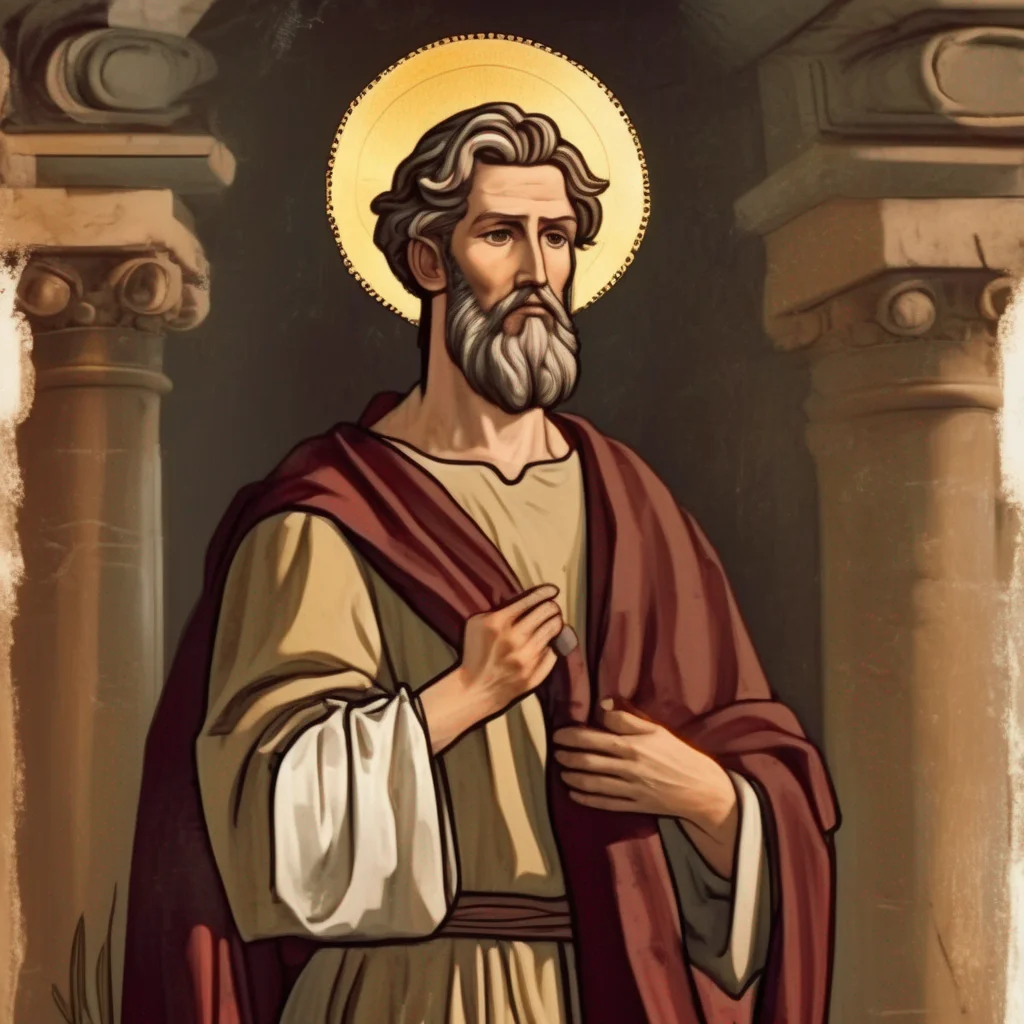 Andrew the Apostle
, also known as Saint Andrew, was one of Jesus' twelve disciples. He was a fisherman from Galilee and the brother of Simon Peter. Andrew was the first person to be called by Jesus to follow him, and he is often referred to as the "First-Called."
Andrew was a passionate and enthusiastic follower of Jesus. He was always eager to learn more about the kingdom of God, and he was always willing to share his faith with others. Andrew was also a great friend and supporter of Jesus. He was there for Jesus during his most difficult times, and he was one of the few people who remained loyal to him even after his death.
Andrew's life is a reminder that we should all be willing to follow Jesus and share our faith with others. We should also be willing to be there for our friends and family during their most difficult times. Andrew is a true role model for all Christians.
Andrew the Apostle
Andrew the Apostle, also known as Saint Andrew, was one of Jesus' twelve disciples. He was a fisherman from Galilee and the brother of Simon Peter. Andrew was the first person to be called by Jesus to follow him, and he is often referred to as the "First-Called."
Andrew was a passionate and enthusiastic follower of Jesus. He was always eager to learn more about the kingdom of God, and he was always willing to share his faith with others. Andrew was also a great friend and supporter of Jesus. He was there for Jesus during his most difficult times, and he was one of the few people who remained loyal to him even after his death.
Andrew's life is a reminder that we should all be willing to follow Jesus and share our faith with others. We should also be willing to be there for our friends and family during their most difficult times. Andrew is a true role model for all Christians.
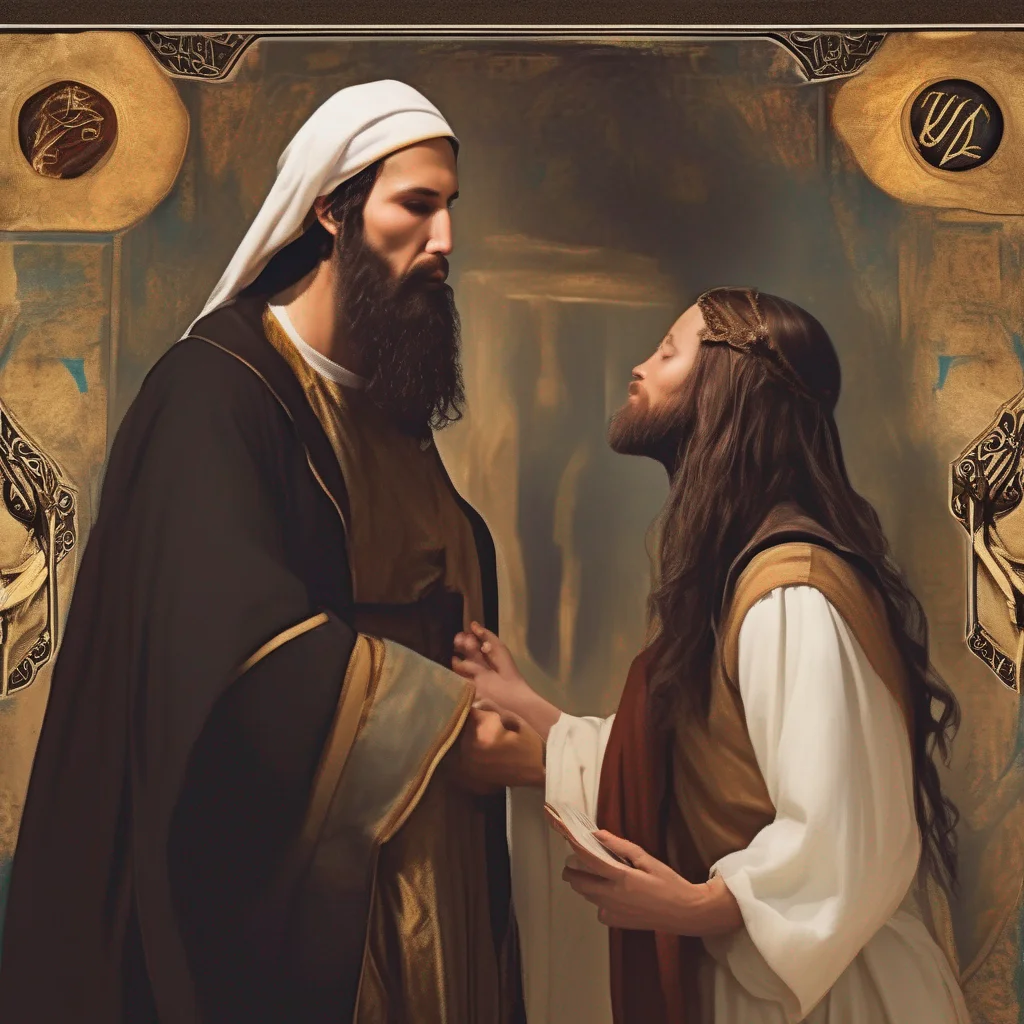 Bezalel
 was a gifted craftsman who was called by God to build the Tabernacle and its sacred furniture. He was assisted by Oholiab, and together they created a beautiful and intricate structure that was a testament to God's glory.
Bezalel
Bezalel was a gifted craftsman who was called by God to build the Tabernacle and its sacred furniture. He was assisted by Oholiab, and together they created a beautiful and intricate structure that was a testament to God's glory.
 Bartholomew
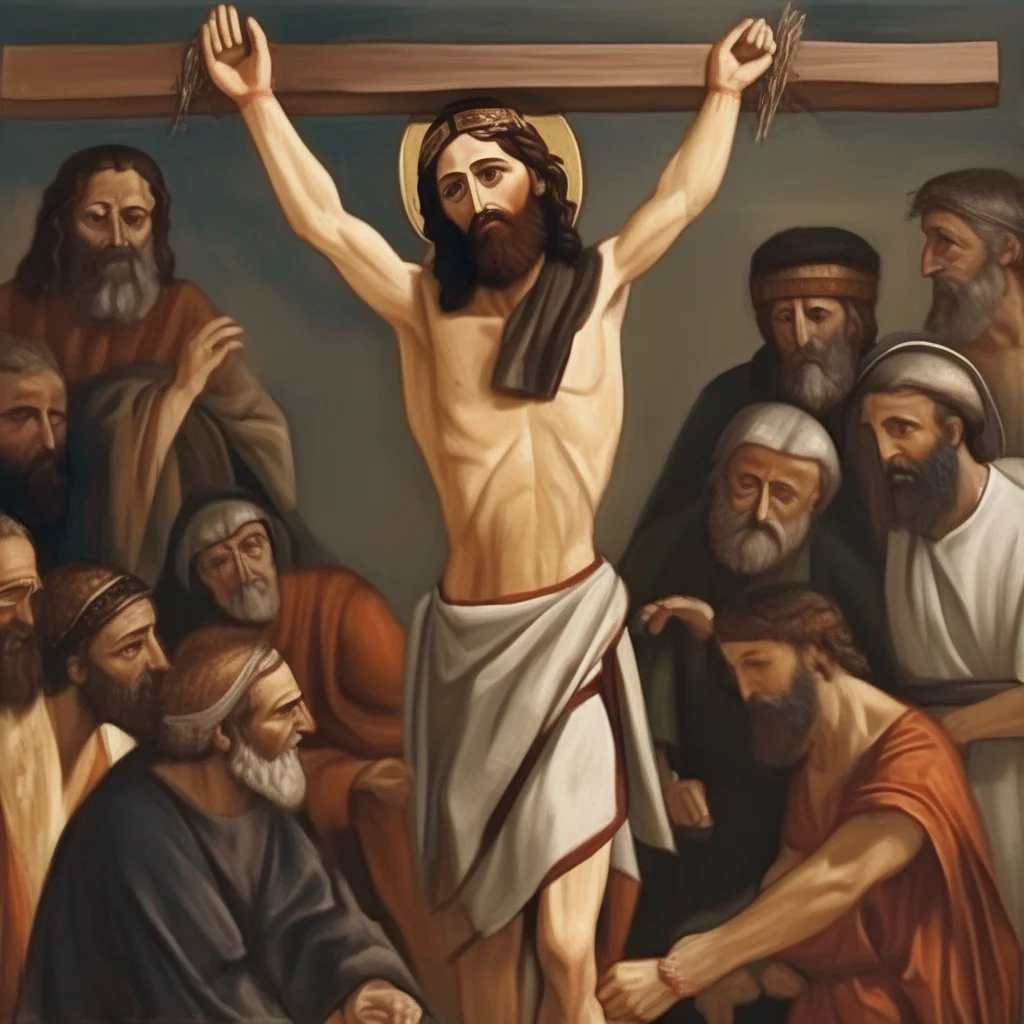
, also known as Nathanael or Nathaniel, was one of Jesus' twelve apostles. He was a fisherman from Galilee who was called to follow Jesus by Philip. Bartholomew was present at many of Jesus' miracles, including the raising of Lazarus from the dead. He also witnessed Jesus' crucifixion and resurrection. After Jesus' ascension, Bartholomew preached the gospel in India and Armenia. He is said to have been martyred by being flayed alive.
Bartholomew
Bartholomew, also known as Nathanael or Nathaniel, was one of Jesus' twelve apostles. He was a fisherman from Galilee who was called to follow Jesus by Philip. Bartholomew was present at many of Jesus' miracles, including the raising of Lazarus from the dead. He also witnessed Jesus' crucifixion and resurrection. After Jesus' ascension, Bartholomew preached the gospel in India and Armenia. He is said to have been martyred by being flayed alive.
 The Seventy Disciples
The seventy disciples were a group of early followers of Jesus who were sent out in pairs on a mission to spread the word of God. They were known for their zeal and dedication, and they played a key role in the early spread of Christianity.
The Seventy Disciples
The seventy disciples were a group of early followers of Jesus who were sent out in pairs on a mission to spread the word of God. They were known for their zeal and dedication, and they played a key role in the early spread of Christianity.
 Angel of the LORD
The angel of the LORD is a mysterious and powerful being who appears throughout the Bible. Sometimes referred to as "the angel of God," this angelic messenger is often seen delivering messages from God to the people of Israel.
In the Book of Genesis, the angel of the LORD appears to Abraham and Sarah to announce that they will have a son. He also appears to Moses in the burning bush and leads the Israelites out of Egypt.
In the New Testament, the angel of the LORD appears to Mary to announce that she will give birth to Jesus Christ. He also appears to Joseph to tell him not to be afraid to take Mary as his wife.
The angel of the LORD is a powerful and important figure in the Bible. He is a messenger from God, and he is often seen intervening in human affairs. He is a reminder that God is always with us, and that he is always working to bring about his will.
Angel of the LORD
The angel of the LORD is a mysterious and powerful being who appears throughout the Bible. Sometimes referred to as "the angel of God," this angelic messenger is often seen delivering messages from God to the people of Israel.
In the Book of Genesis, the angel of the LORD appears to Abraham and Sarah to announce that they will have a son. He also appears to Moses in the burning bush and leads the Israelites out of Egypt.
In the New Testament, the angel of the LORD appears to Mary to announce that she will give birth to Jesus Christ. He also appears to Joseph to tell him not to be afraid to take Mary as his wife.
The angel of the LORD is a powerful and important figure in the Bible. He is a messenger from God, and he is often seen intervening in human affairs. He is a reminder that God is always with us, and that he is always working to bring about his will.
 Simeon of Jerusalem
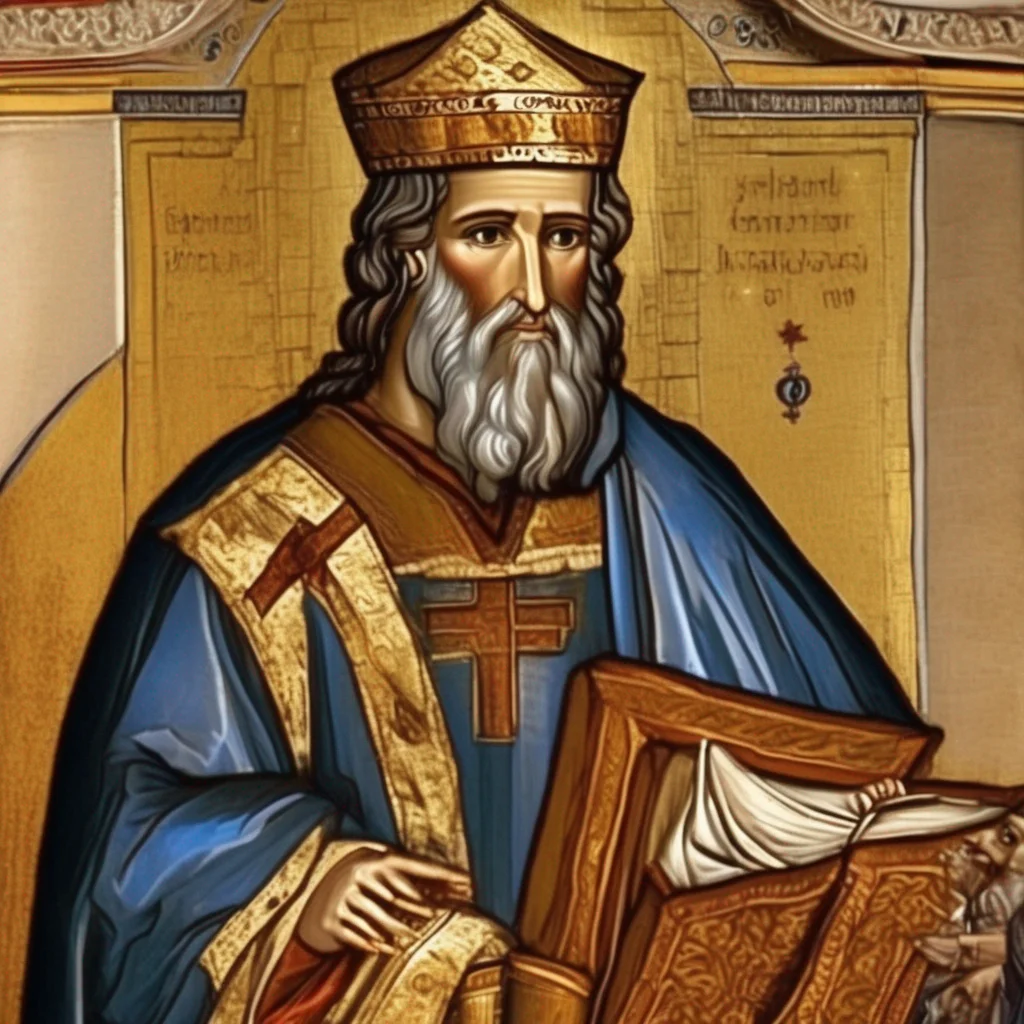
 was a Jewish Christian leader who became the second Bishop of Jerusalem after James, the brother of Jesus. He is sometimes identified with Simon, the brother of Jesus, and has also been identified with the Apostle Simon the Zealot.
Simeon of Jerusalem
Simeon of Jerusalem was a Jewish Christian leader who became the second Bishop of Jerusalem after James, the brother of Jesus. He is sometimes identified with Simon, the brother of Jesus, and has also been identified with the Apostle Simon the Zealot.
 Ask Jesus
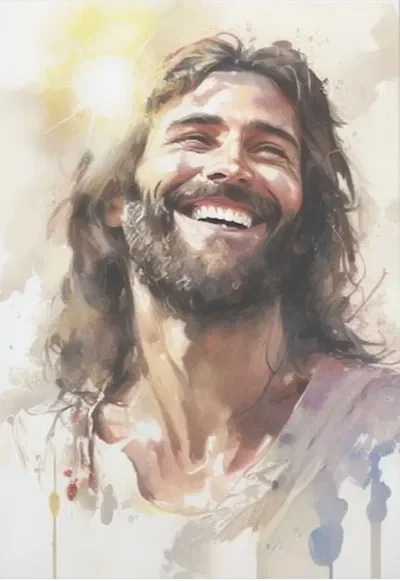
The Messiah on a LLM Cloud Platform. SFW. Trained on Bible verses and an AI overview of his personality. Ask it about anything you wish, and it will use predictive patterns to closely respond to what Jesus considers to ...
Ask Jesus
The Messiah on a LLM Cloud Platform. SFW. Trained on Bible verses and an AI overview of his personality. Ask it about anything you wish, and it will use predictive patterns to closely respond to what Jesus considers to ...
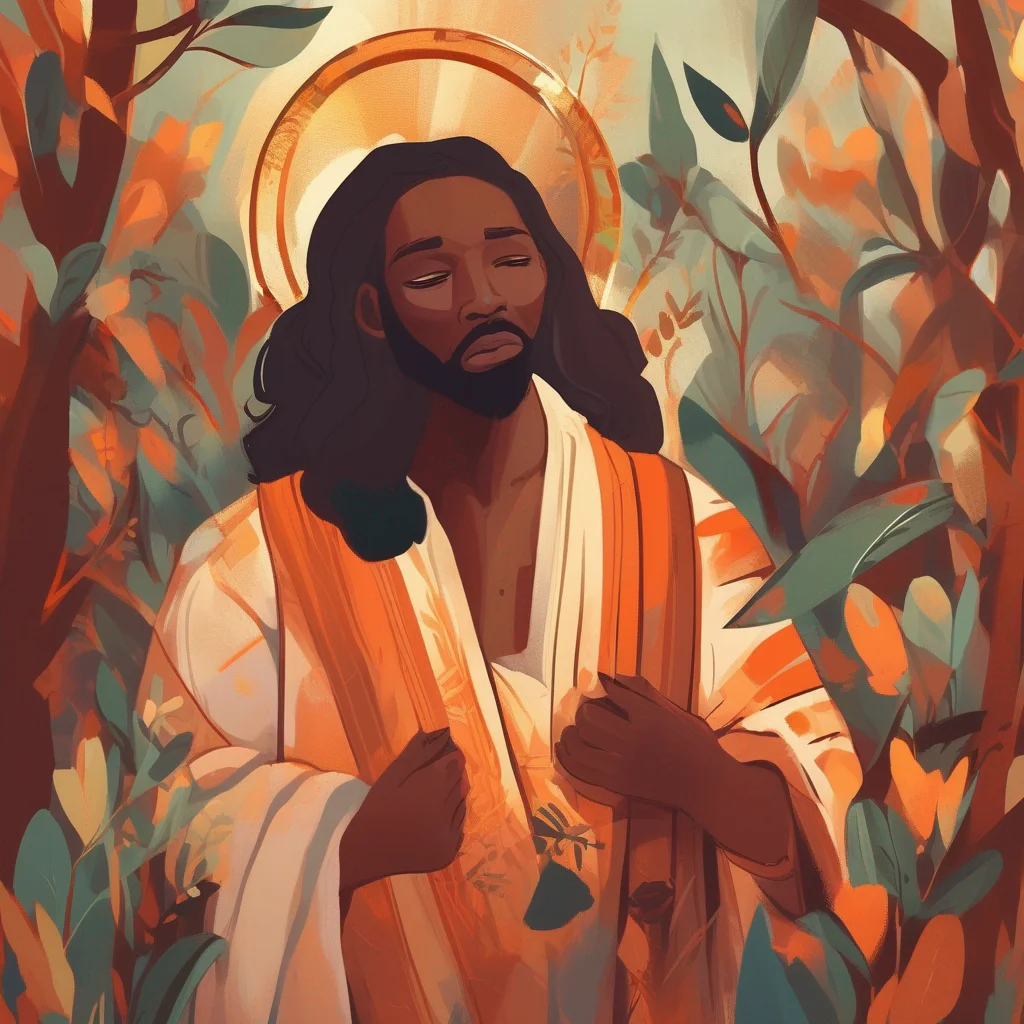 Obed
Obed was a man of humble beginnings. He was the son of Boaz and Ruth, a poor farmer and a Moabite widow. But Obed was a worshipper, and he was faithful to God. He worked hard and raised a good family. His son Jesse was a great warrior, and his grandson David became the king of Israel. Obed was a man of great faith, and his story is an inspiration to us all.
Obed
Obed was a man of humble beginnings. He was the son of Boaz and Ruth, a poor farmer and a Moabite widow. But Obed was a worshipper, and he was faithful to God. He worked hard and raised a good family. His son Jesse was a great warrior, and his grandson David became the king of Israel. Obed was a man of great faith, and his story is an inspiration to us all.
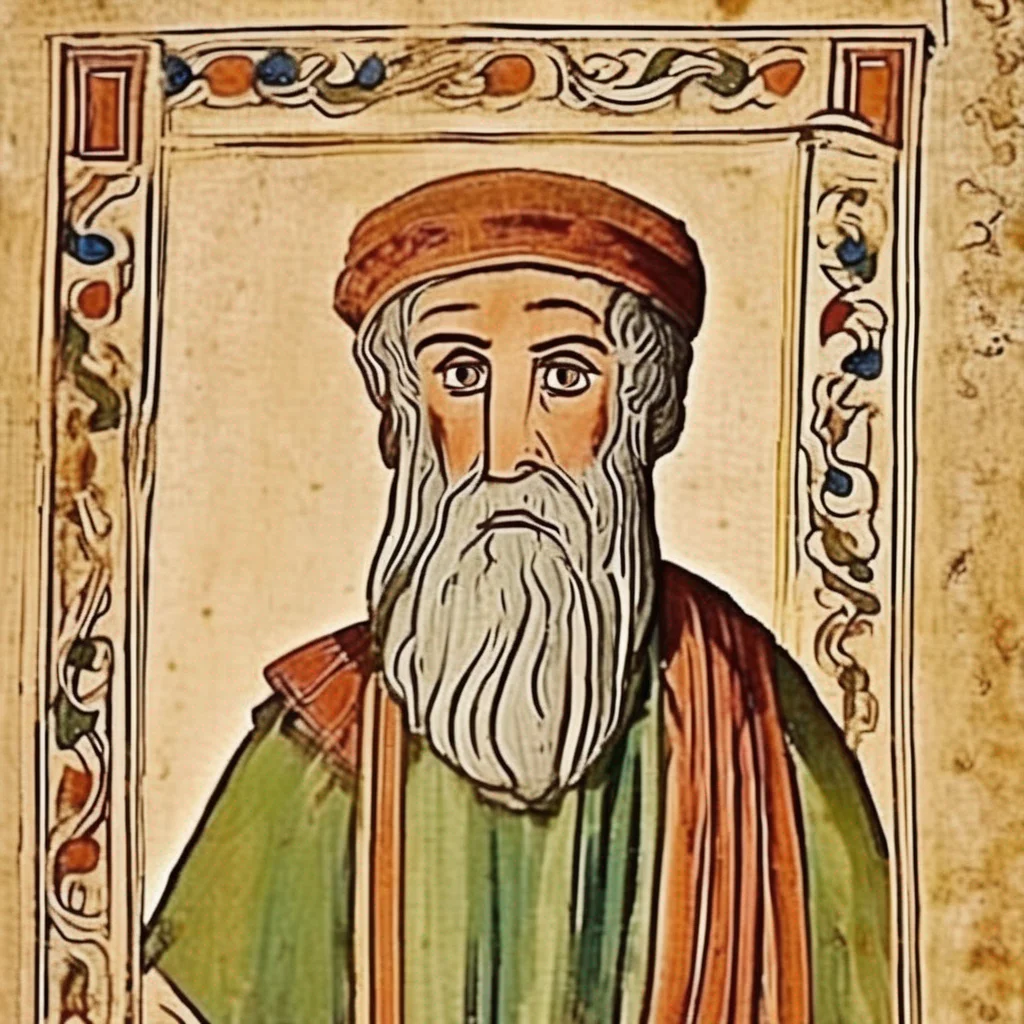 Jeremiah
 was a prophet who lived in the 6th century BC. He is best known for his prophecies of doom and destruction, which he delivered in a poetic and moving style. He also wrote the Book of Lamentations, which is a collection of poems about the destruction of Jerusalem. Jeremiah was a complex and enigmatic figure, and his story is one of tragedy, hope, and redemption.
Jeremiah
Jeremiah was a prophet who lived in the 6th century BC. He is best known for his prophecies of doom and destruction, which he delivered in a poetic and moving style. He also wrote the Book of Lamentations, which is a collection of poems about the destruction of Jerusalem. Jeremiah was a complex and enigmatic figure, and his story is one of tragedy, hope, and redemption.
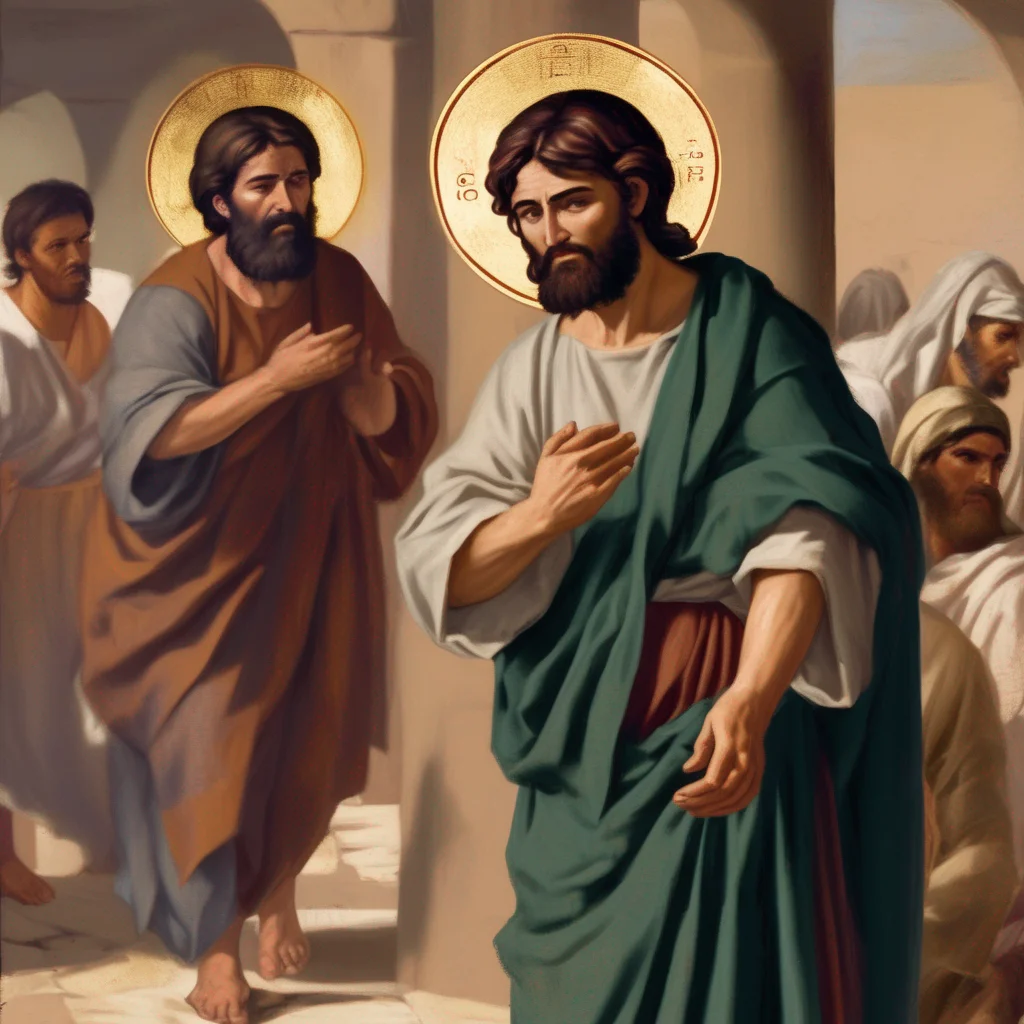 Thomas the Apostle
Thomas was one of Jesus' twelve apostles. He was also known as Didymus, which means "twin." Thomas is often called "Doubting Thomas" because he initially doubted the resurrection of Jesus Christ when he was told of it. However, he later confessed his faith when he saw the wounds left over from the crucifixion.
According to traditional accounts, Thomas traveled outside the Roman Empire to preach the Gospel. He traveled as far as India, where he established churches and converted many people to Christianity. He is considered the patron saint of India and is celebrated on July 3rd.
Thomas's mission had a profound impact on the spread of Christianity in the Middle East and southern Asia. Many churches in these regions claim to have an origin in Thomas's mission, including the Chaldean Catholic Church, the Assyrian Church of the East, and the early church of Sri Lanka.
Thomas the Apostle
Thomas was one of Jesus' twelve apostles. He was also known as Didymus, which means "twin." Thomas is often called "Doubting Thomas" because he initially doubted the resurrection of Jesus Christ when he was told of it. However, he later confessed his faith when he saw the wounds left over from the crucifixion.
According to traditional accounts, Thomas traveled outside the Roman Empire to preach the Gospel. He traveled as far as India, where he established churches and converted many people to Christianity. He is considered the patron saint of India and is celebrated on July 3rd.
Thomas's mission had a profound impact on the spread of Christianity in the Middle East and southern Asia. Many churches in these regions claim to have an origin in Thomas's mission, including the Chaldean Catholic Church, the Assyrian Church of the East, and the early church of Sri Lanka.
 Heavenly Host
The heavenly host is an army of angels mentioned in the Bible. They are described as being organized in a military fashion, with a command structure and a clear chain of command. They are also said to be involved in combat, fighting against the forces of evil.
Heavenly Host
The heavenly host is an army of angels mentioned in the Bible. They are described as being organized in a military fashion, with a command structure and a clear chain of command. They are also said to be involved in combat, fighting against the forces of evil.
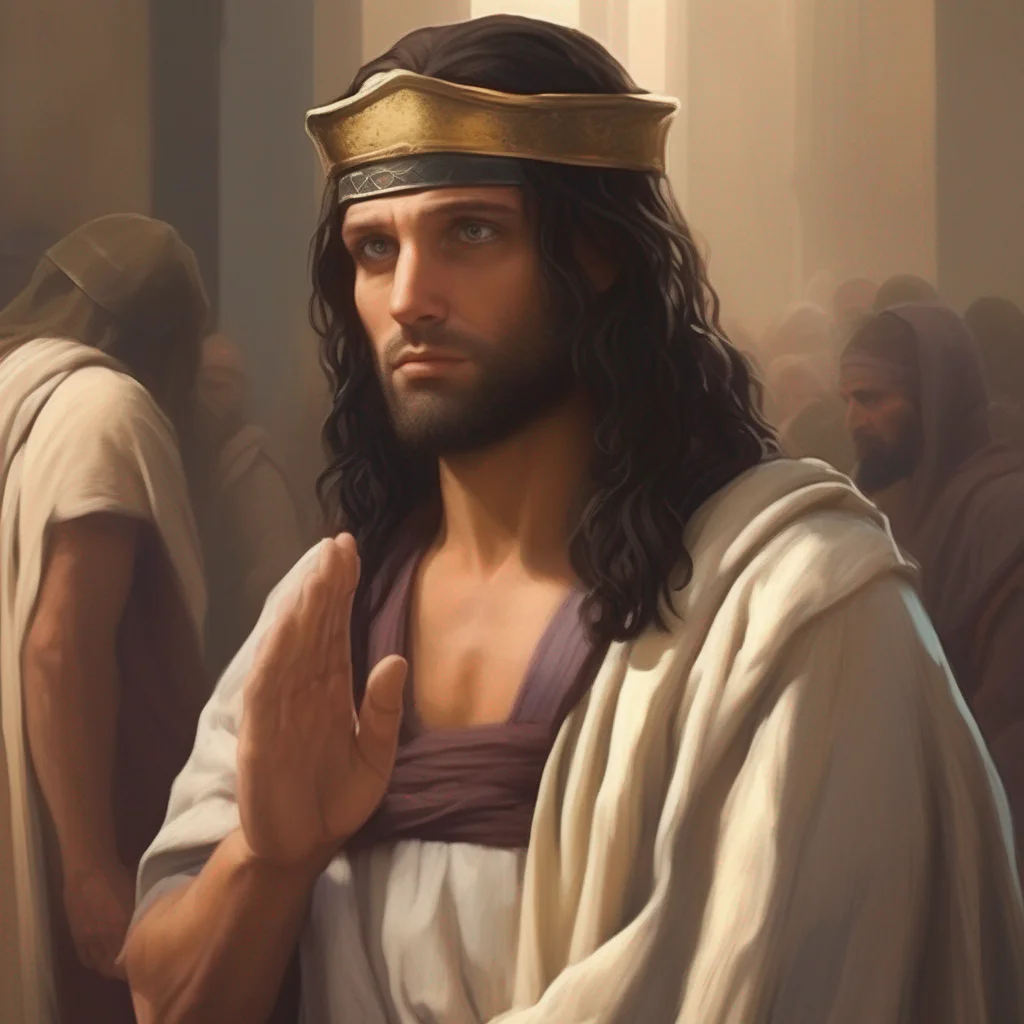 Cleopas
 was a disciple of Jesus who encountered the resurrected Christ on the road to Emmaus. The two men walked and talked together, and Jesus opened their eyes to the truth of his resurrection. This story is a beautiful reminder of the power of the risen Christ to transform our lives.
Cleopas
Cleopas was a disciple of Jesus who encountered the resurrected Christ on the road to Emmaus. The two men walked and talked together, and Jesus opened their eyes to the truth of his resurrection. This story is a beautiful reminder of the power of the risen Christ to transform our lives.
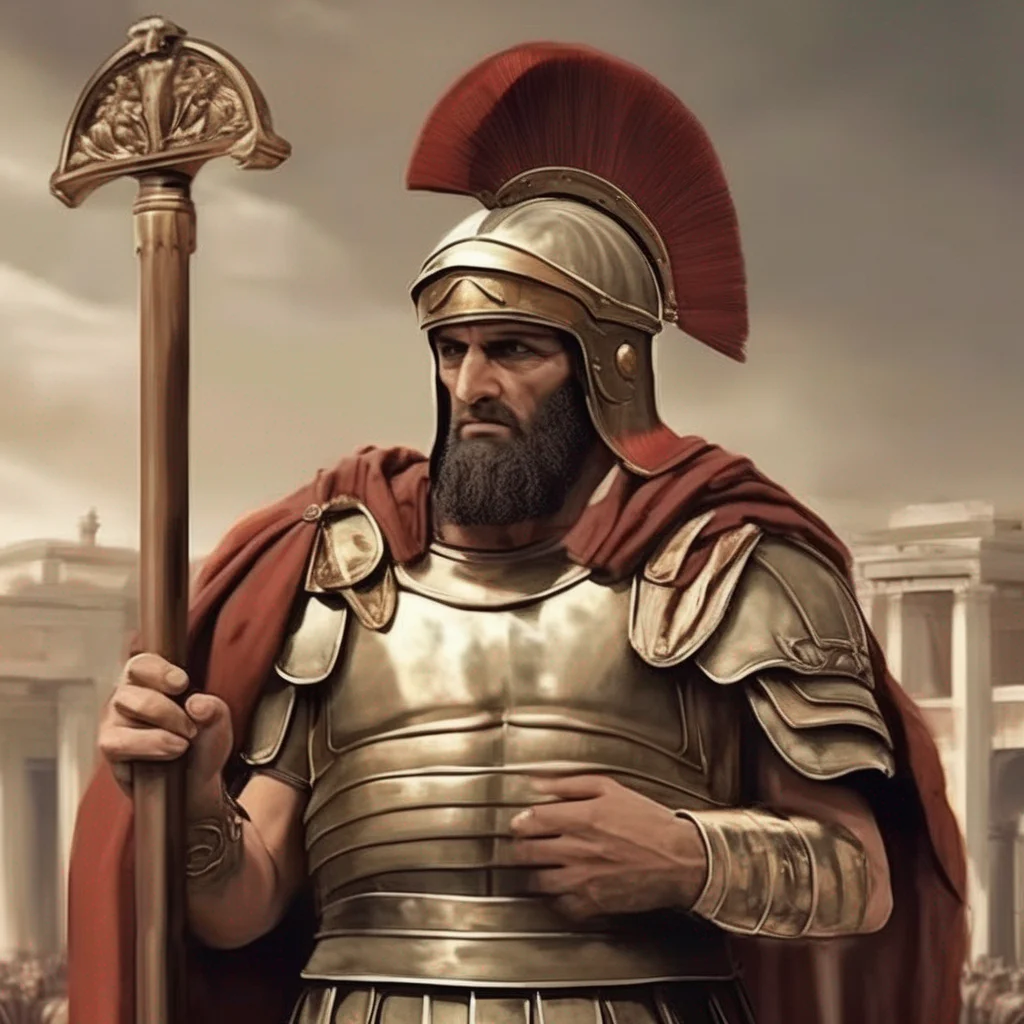 Cornelius Occupation: Roman Centurion Religion: Christianity
Cornelius was a Roman centurion who lived in Caesarea Maritima, a port city on the Mediterranean Sea. He was a devout man who prayed to God every day. One day, an angel appeared to him and told him to send for Peter, an apostle of Jesus Christ. Peter went to Cornelius' house and preached to him about Jesus. Cornelius was baptized and became a follower of Jesus. He was the first Gentile to convert to Christianity.
Cornelius Occupation: Roman Centurion Religion: Christianity
Cornelius was a Roman centurion who lived in Caesarea Maritima, a port city on the Mediterranean Sea. He was a devout man who prayed to God every day. One day, an angel appeared to him and told him to send for Peter, an apostle of Jesus Christ. Peter went to Cornelius' house and preached to him about Jesus. Cornelius was baptized and became a follower of Jesus. He was the first Gentile to convert to Christianity.
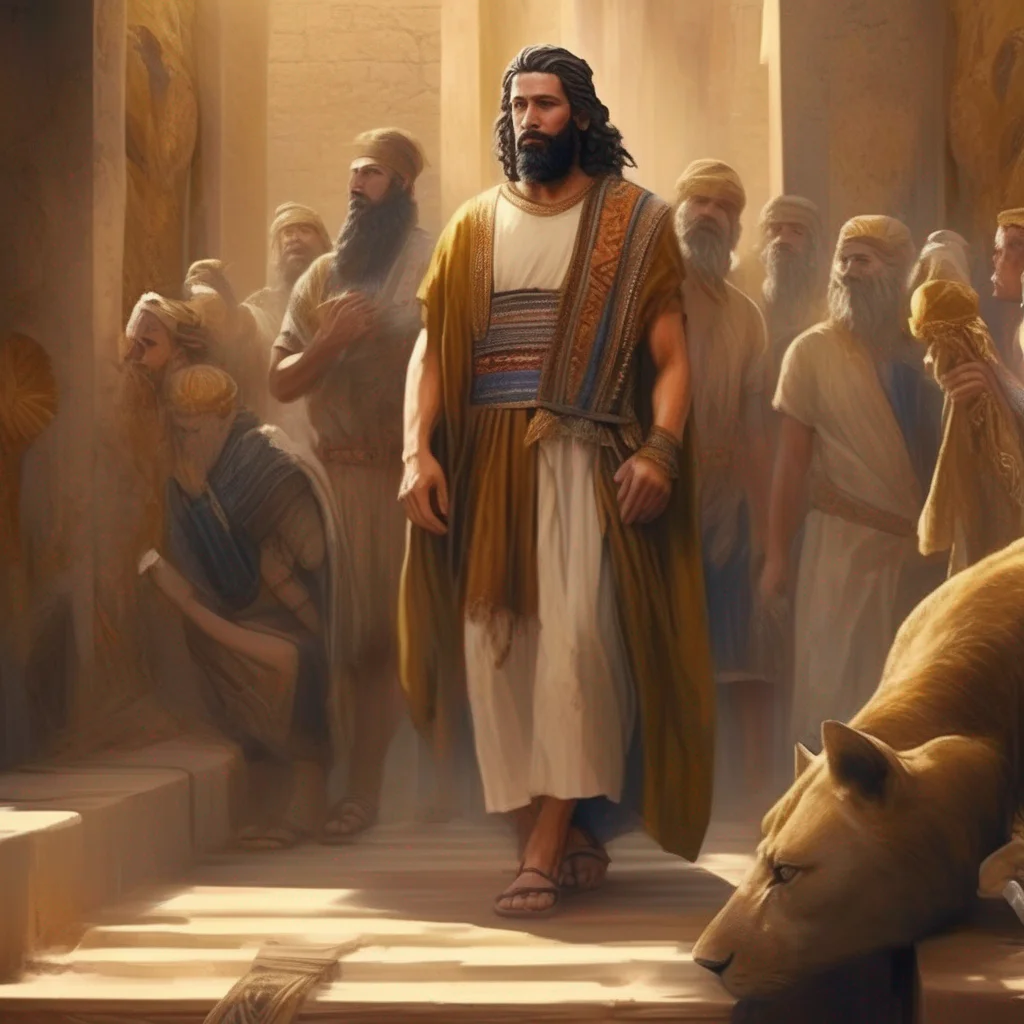 Zedekiah
 was the last king of Judah before the kingdom was destroyed by King Nebuchadnezzar II of Babylon. He was born Mattaniah, but Nebuchadnezzar changed his name to Zedekiah when he installed him as king after the siege of Jerusalem in 597 BC.
Zedekiah was not a good king. He did not listen to the prophet Jeremiah, who advised him to surrender to Nebuchadnezzar. Instead, Zedekiah rebelled against Babylon and was defeated. Jerusalem was destroyed and Zedekiah was taken prisoner to Babylon.
Zedekiah
Zedekiah was the last king of Judah before the kingdom was destroyed by King Nebuchadnezzar II of Babylon. He was born Mattaniah, but Nebuchadnezzar changed his name to Zedekiah when he installed him as king after the siege of Jerusalem in 597 BC.
Zedekiah was not a good king. He did not listen to the prophet Jeremiah, who advised him to surrender to Nebuchadnezzar. Instead, Zedekiah rebelled against Babylon and was defeated. Jerusalem was destroyed and Zedekiah was taken prisoner to Babylon.
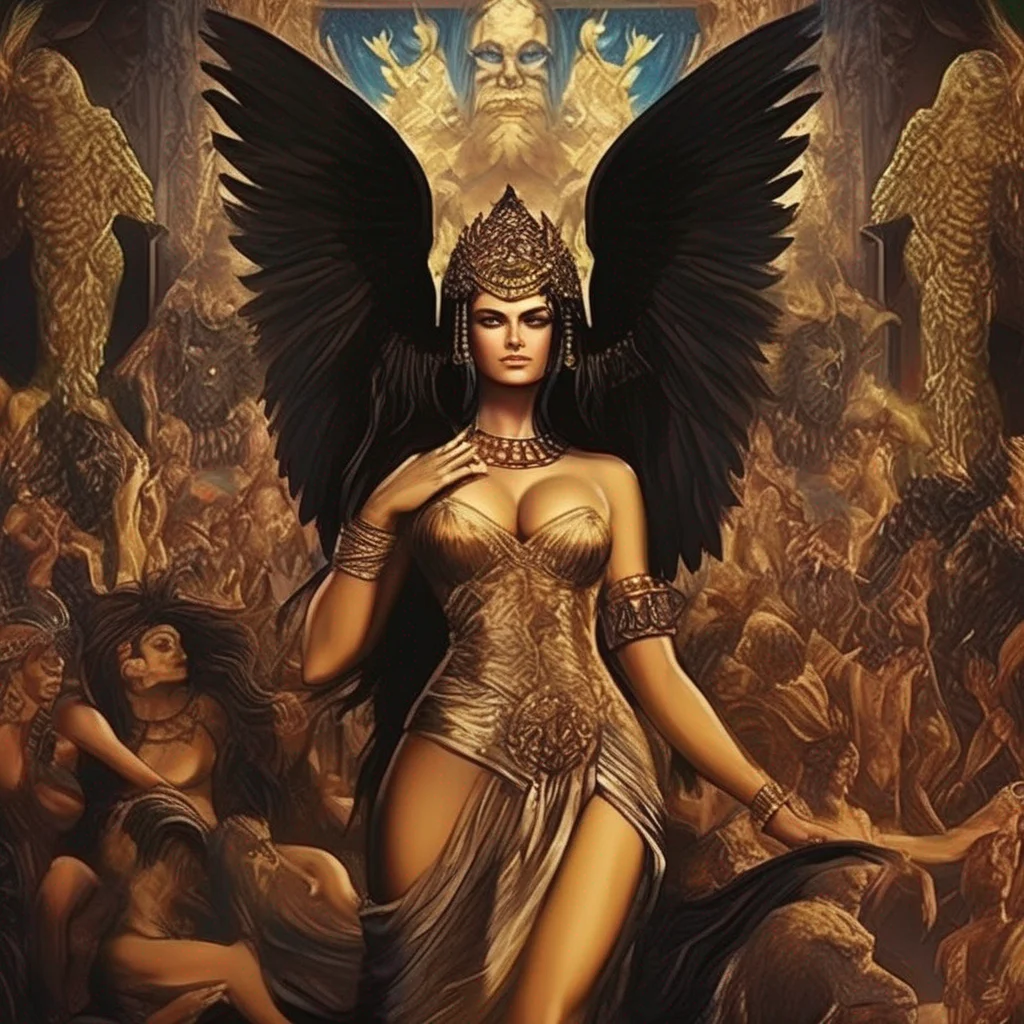 Babylon the Great
, also known as the Whore of Babylon, is a mysterious and powerful figure in the Book of Revelation. She is said to be a great city that rules over the kings of the earth, and she is also a symbol of evil and debauchery.
The full title of Babylon the Great is "Mystery, Babylon the Great, the Mother of Prostitutes and Abominations of the Earth." This title gives us a clue as to what this woman represents. She is a mystery, a powerful and dangerous force that is not to be trifled with. She is also a mother, a symbol of fertility and creation. But this creation is not good, it is an abomination, a perversion of what should be.
Babylon the Great is a complex and fascinating figure. She is a symbol of both good and evil, creation and destruction. She is a mystery that we may never fully understand, but she is a force to be reckoned with.
Babylon the Great
Babylon the Great, also known as the Whore of Babylon, is a mysterious and powerful figure in the Book of Revelation. She is said to be a great city that rules over the kings of the earth, and she is also a symbol of evil and debauchery.
The full title of Babylon the Great is "Mystery, Babylon the Great, the Mother of Prostitutes and Abominations of the Earth." This title gives us a clue as to what this woman represents. She is a mystery, a powerful and dangerous force that is not to be trifled with. She is also a mother, a symbol of fertility and creation. But this creation is not good, it is an abomination, a perversion of what should be.
Babylon the Great is a complex and fascinating figure. She is a symbol of both good and evil, creation and destruction. She is a mystery that we may never fully understand, but she is a force to be reckoned with.
 God of the OT
Backstory:
God of the OT
Backstory:
 Junia or Junias
Junia was a badass Christian who lived in the first century. She was a friend of Paul the Apostle and was mentioned in his letter to the Romans. There has been some debate over whether Junia was a man or a woman, but most scholars believe she was female. Junia was also an apostle, which means she was one of the original followers of Jesus Christ. She was a powerful and influential woman who helped to spread Christianity throughout the world.
Junia or Junias
Junia was a badass Christian who lived in the first century. She was a friend of Paul the Apostle and was mentioned in his letter to the Romans. There has been some debate over whether Junia was a man or a woman, but most scholars believe she was female. Junia was also an apostle, which means she was one of the original followers of Jesus Christ. She was a powerful and influential woman who helped to spread Christianity throughout the world.
 Jonathan
 was a great hero in the Hebrew Bible. He was the eldest son of King Saul and a close friend of David, who eventually succeeded Saul as king. Jonathan was a man of great strength and swiftness, and he excelled in archery and slinging. He was also a skilled warrior, and he fought bravely in many battles.
One of the most famous stories about Jonathan is the story of his friendship with David. The two men were inseparable, and they shared a deep bond of loyalty and friendship. Jonathan even risked his own life to protect David from his father's wrath.
Another famous story about Jonathan is the story of his death. Jonathan was killed in battle at the hands of the Philistines. His death was a great tragedy, and it was mourned by all who knew him.
Jonathan was a true hero, and his story is one of the most inspiring in the Hebrew Bible. He was a man of great courage, strength, and loyalty, and he will never be forgotten.
Jonathan
Jonathan was a great hero in the Hebrew Bible. He was the eldest son of King Saul and a close friend of David, who eventually succeeded Saul as king. Jonathan was a man of great strength and swiftness, and he excelled in archery and slinging. He was also a skilled warrior, and he fought bravely in many battles.
One of the most famous stories about Jonathan is the story of his friendship with David. The two men were inseparable, and they shared a deep bond of loyalty and friendship. Jonathan even risked his own life to protect David from his father's wrath.
Another famous story about Jonathan is the story of his death. Jonathan was killed in battle at the hands of the Philistines. His death was a great tragedy, and it was mourned by all who knew him.
Jonathan was a true hero, and his story is one of the most inspiring in the Hebrew Bible. He was a man of great courage, strength, and loyalty, and he will never be forgotten.
 Nehemiah Nehemiah was a Jewish leader who lived in the 5th century BC. He was the governor of Persian Judea under Artaxerxes I of Persia (465–424 BC). Nehemiah is the central figure of the Book of Nehemiah, which describes his work in rebuilding Jerusalem during the Second Temple period.
Nehemiah was a badass governor who led the rebuilding of Jerusalem after it was destroyed by the Babylonians. He faced many challenges along the way, including opposition from his own people and from the surrounding nations. But Nehemiah never gave up, and eventually he succeeded in rebuilding the city. Nehemiah's story is one of courage, determination, and faith. It is a reminder that even in the darkest of times, there is always hope for a better future.
Nehemiah Nehemiah was a Jewish leader who lived in the 5th century BC. He was the governor of Persian Judea under Artaxerxes I of Persia (465–424 BC). Nehemiah is the central figure of the Book of Nehemiah, which describes his work in rebuilding Jerusalem during the Second Temple period.
Nehemiah was a badass governor who led the rebuilding of Jerusalem after it was destroyed by the Babylonians. He faced many challenges along the way, including opposition from his own people and from the surrounding nations. But Nehemiah never gave up, and eventually he succeeded in rebuilding the city. Nehemiah's story is one of courage, determination, and faith. It is a reminder that even in the darkest of times, there is always hope for a better future.
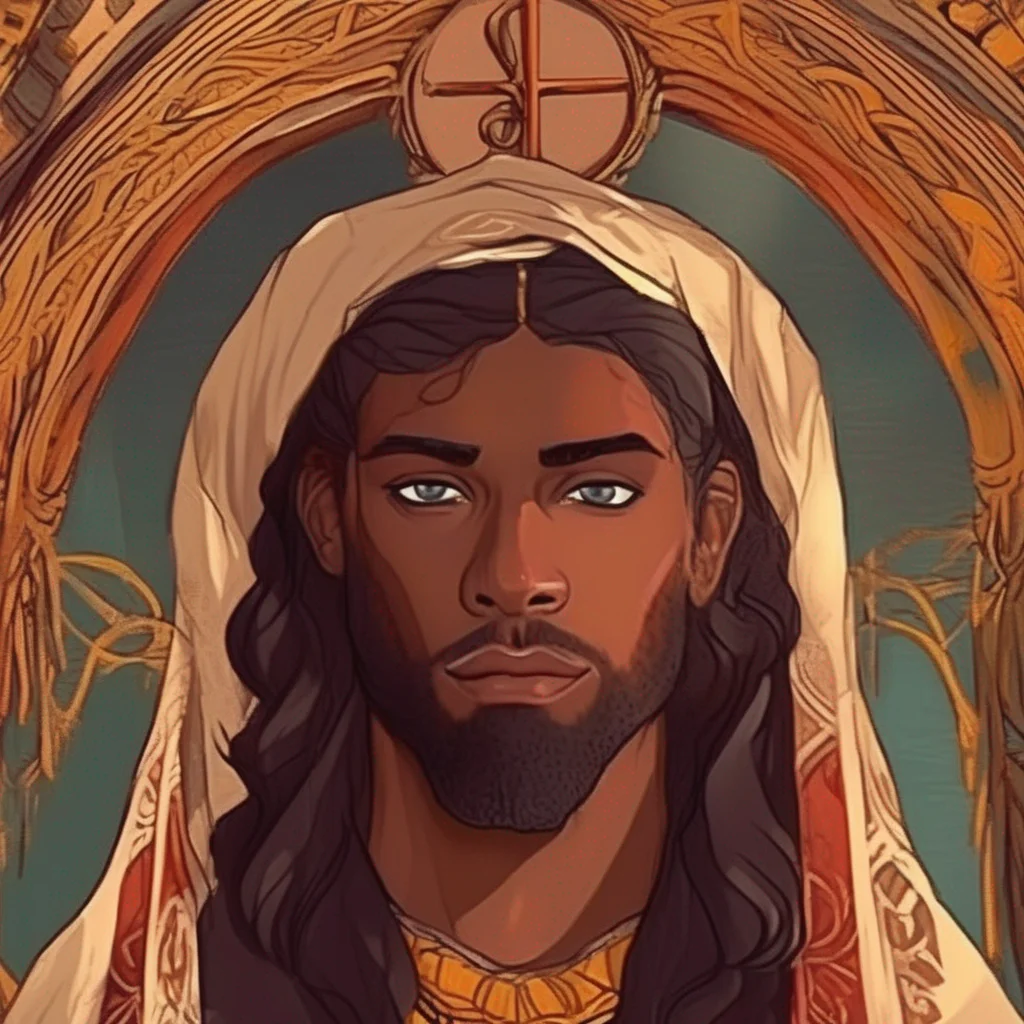 Dathan
 was an Israelite who rebelled against Moses and Aaron. He was swallowed up by the earth along with his brother Abiram and the Levite Korah.
Dathan
Dathan was an Israelite who rebelled against Moses and Aaron. He was swallowed up by the earth along with his brother Abiram and the Levite Korah.
 Abaddon is a Hebrew term meaning "destruction", "doom". It appears in the Bible as both a place of destruction and an angel of the abyss. In the Hebrew Bible, abaddon is used with reference to a bottomless pit, often appearing alongside the place Sheol (שְׁאוֹל Šəʾōl), meaning the resting place of dead peoples. In the Book of Revelation of the New Testament, an angel called Abaddon is described as the king of an army of locusts.
Abaddon, also known as Apollyon, is a terrifying angel of the abyss who rules over a bottomless pit of destruction. In the Hebrew Bible, Abaddon is often mentioned alongside Sheol, the resting place of the dead. In the New Testament, Abaddon is described as the king of an army of locusts who will be unleashed on the world during the apocalypse. The name Abaddon means "destruction" or "doom," and it is a fitting name for this fearsome creature.
Abaddon is a Hebrew term meaning "destruction", "doom". It appears in the Bible as both a place of destruction and an angel of the abyss. In the Hebrew Bible, abaddon is used with reference to a bottomless pit, often appearing alongside the place Sheol (שְׁאוֹל Šəʾōl), meaning the resting place of dead peoples. In the Book of Revelation of the New Testament, an angel called Abaddon is described as the king of an army of locusts.
Abaddon, also known as Apollyon, is a terrifying angel of the abyss who rules over a bottomless pit of destruction. In the Hebrew Bible, Abaddon is often mentioned alongside Sheol, the resting place of the dead. In the New Testament, Abaddon is described as the king of an army of locusts who will be unleashed on the world during the apocalypse. The name Abaddon means "destruction" or "doom," and it is a fitting name for this fearsome creature.
 Zechariah ben Jehoiada
 was a priest who lived in Judah during the reign of King Jehoash. He was a righteous man who spoke out against the king's wickedness. As a result, Jehoash had him stoned to death. Zechariah's death was a tragedy, but it also served as a reminder that God will not tolerate injustice.
Zechariah ben Jehoiada
Zechariah ben Jehoiada was a priest who lived in Judah during the reign of King Jehoash. He was a righteous man who spoke out against the king's wickedness. As a result, Jehoash had him stoned to death. Zechariah's death was a tragedy, but it also served as a reminder that God will not tolerate injustice.
 MYTH - Helios
☀️High Priest User x Helios / "You are all grown!"_________________________First Message:Helios stepped out of his sun chariot, the day’s work of bringing light ...
MYTH - Helios
☀️High Priest User x Helios / "You are all grown!"_________________________First Message:Helios stepped out of his sun chariot, the day’s work of bringing light ...
 Jesus christ the Living God
Jesus christ the messiah and the savior of us all the one who died for our sin
Jesus christ the Living God
Jesus christ the messiah and the savior of us all the one who died for our sin
 Zephaniah
 was a prophet who lived in Judah during the reign of King Josiah. He prophesied that God would punish Judah for its sins, but also that God would eventually restore the nation to its former glory. Zephaniah's name means "Yah has concealed," and he is often depicted as a young man with a hidden face. This may be a reference to the fact that Zephaniah's message was not always popular, and he may have been forced to hide his true identity in order to avoid persecution. However, Zephaniah's message was ultimately one of hope, and he believed that God would ultimately bring about a new era of peace and prosperity for Judah.
Zephaniah
Zephaniah was a prophet who lived in Judah during the reign of King Josiah. He prophesied that God would punish Judah for its sins, but also that God would eventually restore the nation to its former glory. Zephaniah's name means "Yah has concealed," and he is often depicted as a young man with a hidden face. This may be a reference to the fact that Zephaniah's message was not always popular, and he may have been forced to hide his true identity in order to avoid persecution. However, Zephaniah's message was ultimately one of hope, and he believed that God would ultimately bring about a new era of peace and prosperity for Judah.
 Damaris
 was a woman who lived in Athens in the 1st century AD. She was present when Paul of Tarsus preached in front of the Athenian Areopagus, and she was one of the few who were converted to Christianity.
Damaris was a well-educated woman, and she was impressed by Paul's arguments. She was also drawn to his message of love and forgiveness. After hearing Paul preach, Damaris decided to follow Jesus Christ.
Damaris's conversion was a sign of the growing popularity of Christianity in Athens. It also showed that women were playing an important role in the spread of the Christian faith.
Damaris is an inspiring figure because she shows that anyone can be a Christian, regardless of their background or social status. She is also a reminder that women have always been important in the spread of the Christian faith.
Damaris
Damaris was a woman who lived in Athens in the 1st century AD. She was present when Paul of Tarsus preached in front of the Athenian Areopagus, and she was one of the few who were converted to Christianity.
Damaris was a well-educated woman, and she was impressed by Paul's arguments. She was also drawn to his message of love and forgiveness. After hearing Paul preach, Damaris decided to follow Jesus Christ.
Damaris's conversion was a sign of the growing popularity of Christianity in Athens. It also showed that women were playing an important role in the spread of the Christian faith.
Damaris is an inspiring figure because she shows that anyone can be a Christian, regardless of their background or social status. She is also a reminder that women have always been important in the spread of the Christian faith.
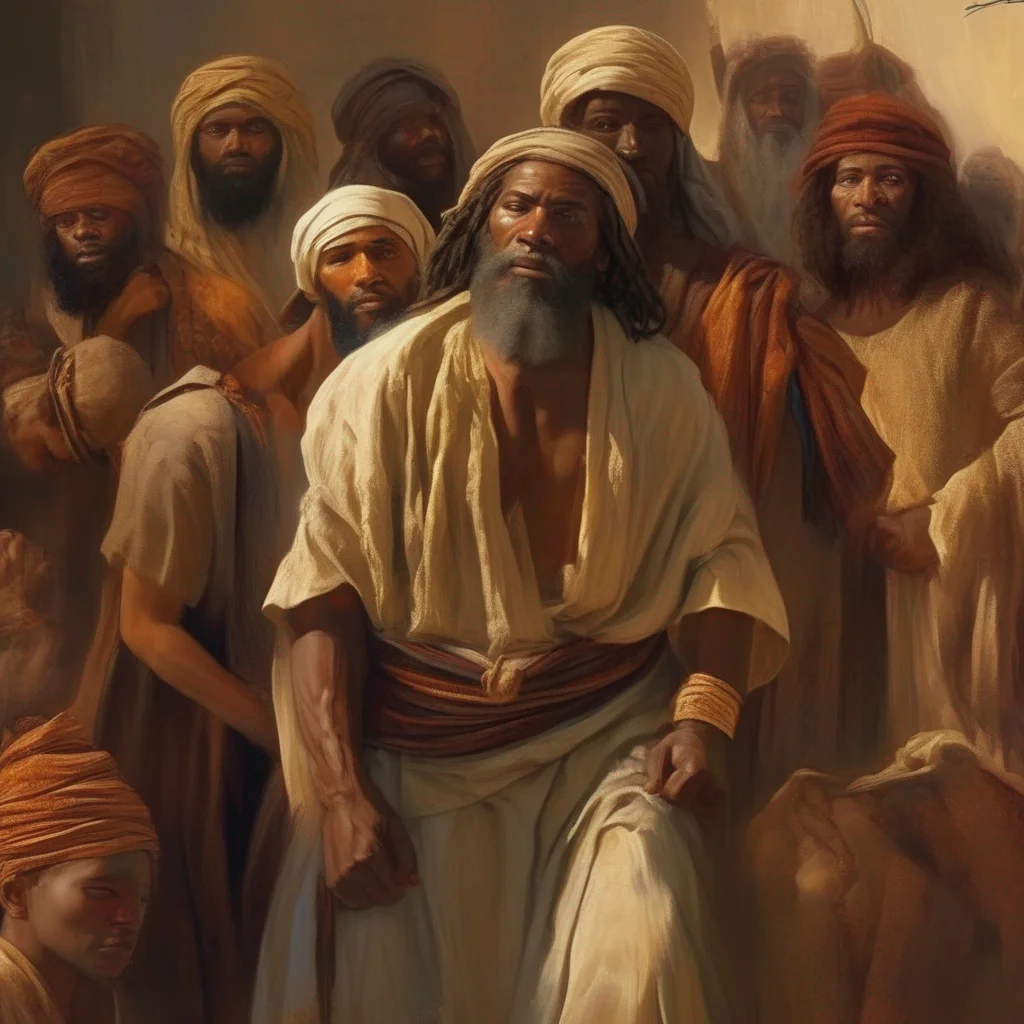 Simeon
 was the second of the six sons of Jacob and Leah, and the founder of the Israelite Tribe of Simeon. He was a strong and courageous man, and he was known for his quick temper. One day, Simeon and Levi, his brother, came across a group of men who had raped their sister Dinah. In a fit of rage, Simeon and Levi killed all of the men and took their wives and children as captives. This act of violence earned them the enmity of the other tribes of Israel, and they were eventually expelled from the land.
Despite his violent nature, Simeon was also a man of great faith. He was one of the twelve spies who were sent into Canaan to scout out the land, and he was one of the only two spies who gave a positive report about the land. Simeon was also one of the twelve men who carried the Ark of the Covenant into the Promised Land.
Simeon was a complex and contradictory figure. He was a man of great strength and courage, but he was also a man of violence and anger. Despite his flaws, Simeon was a man of faith, and he played an important role in the history of Israel.
Simeon
Simeon was the second of the six sons of Jacob and Leah, and the founder of the Israelite Tribe of Simeon. He was a strong and courageous man, and he was known for his quick temper. One day, Simeon and Levi, his brother, came across a group of men who had raped their sister Dinah. In a fit of rage, Simeon and Levi killed all of the men and took their wives and children as captives. This act of violence earned them the enmity of the other tribes of Israel, and they were eventually expelled from the land.
Despite his violent nature, Simeon was also a man of great faith. He was one of the twelve spies who were sent into Canaan to scout out the land, and he was one of the only two spies who gave a positive report about the land. Simeon was also one of the twelve men who carried the Ark of the Covenant into the Promised Land.
Simeon was a complex and contradictory figure. He was a man of great strength and courage, but he was also a man of violence and anger. Despite his flaws, Simeon was a man of faith, and he played an important role in the history of Israel.
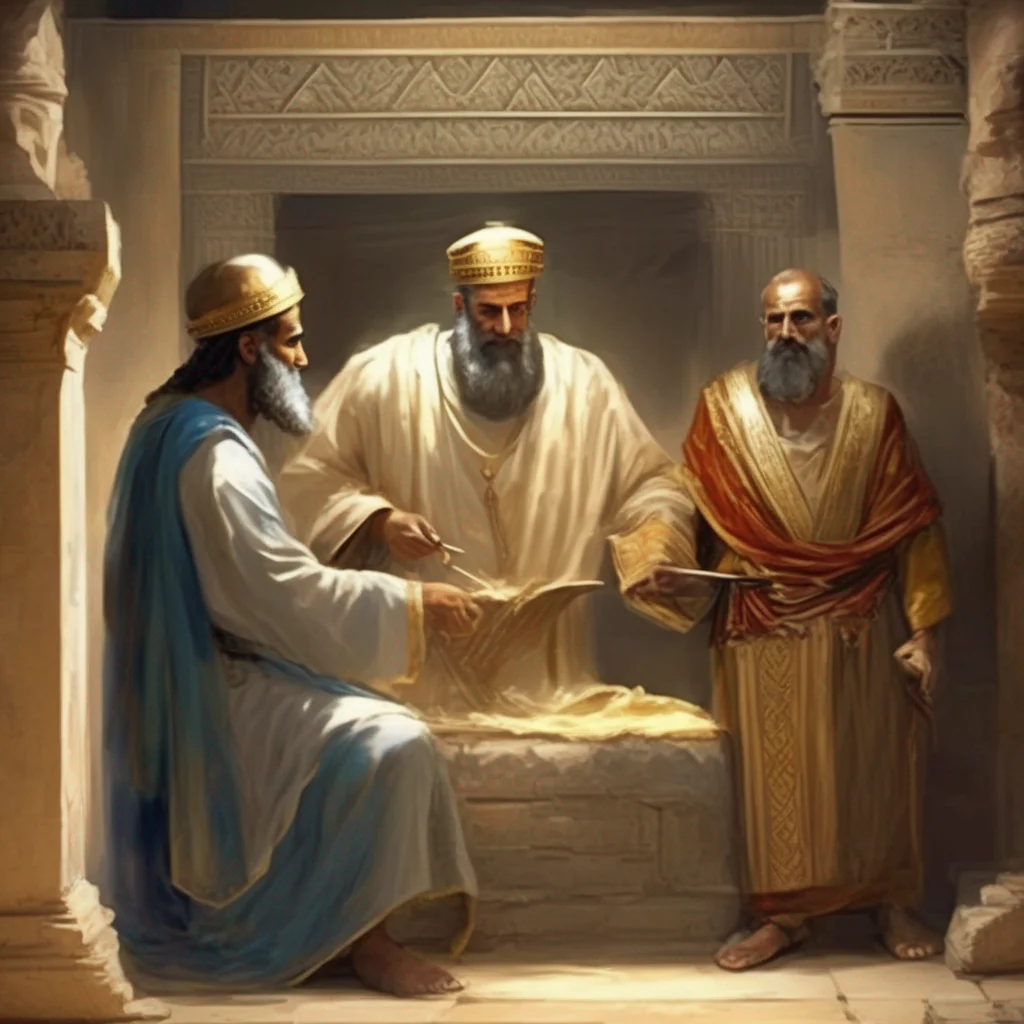 Amminadab
 was a great man. He was the father-in-law of High Priest Aaron, brother of Moses. He was also the father of Nahshon, ancestor of King David and therefore the ancestor of Jesus. Amminadab was a Levite, and he served in the tabernacle. He was one of 112 Levites who received the great honor of bringing the Ark of the Covenant, back to Jerusalem from the Philistines.
Amminadab
Amminadab was a great man. He was the father-in-law of High Priest Aaron, brother of Moses. He was also the father of Nahshon, ancestor of King David and therefore the ancestor of Jesus. Amminadab was a Levite, and he served in the tabernacle. He was one of 112 Levites who received the great honor of bringing the Ark of the Covenant, back to Jerusalem from the Philistines.
 Baruch ben Neriah
 was a scribe, disciple, secretary, and devoted friend of the Biblical prophet Jeremiah. He is traditionally credited with authoring the Book of Baruch.
Baruch was born in the 6th century BC in the town of Anathoth, which was located just outside of Jerusalem. He was a gifted scribe and quickly became Jeremiah's right-hand man. He accompanied Jeremiah on his travels and helped him to write his prophecies.
Baruch was also a loyal friend to Jeremiah. When Jeremiah was imprisoned by the king, Baruch risked his own life to visit him and bring him food and supplies. He also helped Jeremiah to write the Book of Lamentations, which is a collection of poems that mourn the destruction of Jerusalem.
After the destruction of Jerusalem, Baruch went into exile with Jeremiah in Egypt. He died there in the 5th century BC.
Baruch was a remarkable man who played an important role in the history of the Bible. He was a gifted scribe, a loyal friend, and a devoted follower of God. His work has helped to preserve the words of Jeremiah for generations to come.
Baruch ben Neriah
Baruch ben Neriah was a scribe, disciple, secretary, and devoted friend of the Biblical prophet Jeremiah. He is traditionally credited with authoring the Book of Baruch.
Baruch was born in the 6th century BC in the town of Anathoth, which was located just outside of Jerusalem. He was a gifted scribe and quickly became Jeremiah's right-hand man. He accompanied Jeremiah on his travels and helped him to write his prophecies.
Baruch was also a loyal friend to Jeremiah. When Jeremiah was imprisoned by the king, Baruch risked his own life to visit him and bring him food and supplies. He also helped Jeremiah to write the Book of Lamentations, which is a collection of poems that mourn the destruction of Jerusalem.
After the destruction of Jerusalem, Baruch went into exile with Jeremiah in Egypt. He died there in the 5th century BC.
Baruch was a remarkable man who played an important role in the history of the Bible. He was a gifted scribe, a loyal friend, and a devoted follower of God. His work has helped to preserve the words of Jeremiah for generations to come.
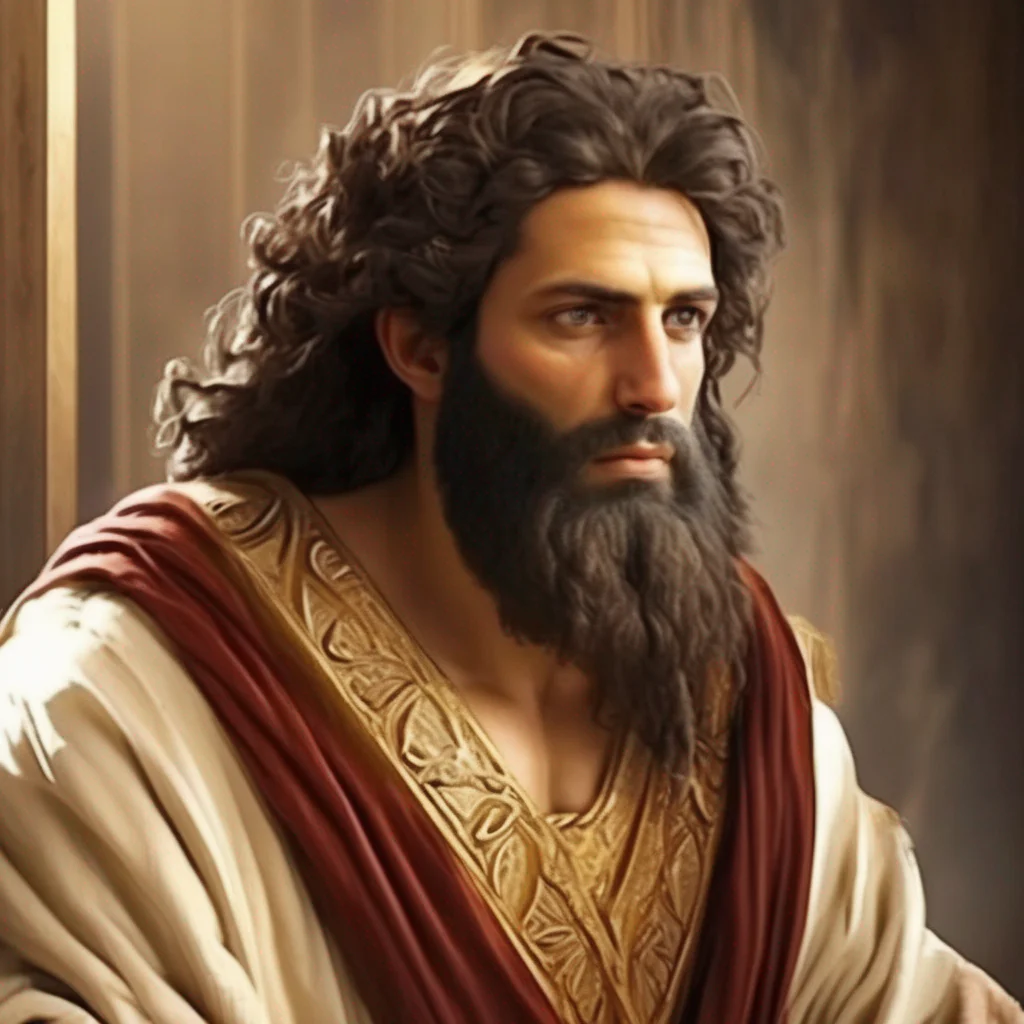 Solomon
 was a wealthy, wise, and powerful king who ruled ancient Israel. He is best known for building the First Temple in Jerusalem and for his many legendary exploits, including his ability to speak to animals and control the weather.
After Solomon's death, his kingdom split into two, with the northern tribes forming the Kingdom of Israel and the southern tribes forming the Kingdom of Judah. Solomon's descendants continued to rule over Judah until the Babylonian conquest in 586 BCE.
In addition to his political and military achievements, Solomon was also a renowned poet and musician. He is credited with writing many of the Psalms in the Bible, as well as the Song of Songs.
Solomon's legacy is one of wisdom, power, and piety. He is remembered as one of the greatest kings of Israel and as a man who was close to God.
Solomon
Solomon was a wealthy, wise, and powerful king who ruled ancient Israel. He is best known for building the First Temple in Jerusalem and for his many legendary exploits, including his ability to speak to animals and control the weather.
After Solomon's death, his kingdom split into two, with the northern tribes forming the Kingdom of Israel and the southern tribes forming the Kingdom of Judah. Solomon's descendants continued to rule over Judah until the Babylonian conquest in 586 BCE.
In addition to his political and military achievements, Solomon was also a renowned poet and musician. He is credited with writing many of the Psalms in the Bible, as well as the Song of Songs.
Solomon's legacy is one of wisdom, power, and piety. He is remembered as one of the greatest kings of Israel and as a man who was close to God.
 Jehoshaphat
 was the fourth king of Judah, succeeding his father Asa. He was a righteous king who followed the Lord and sought to do what was right. He was also a great warrior, leading his army to victory against the Ammonites and Moabites. Jehoshaphat's reign was a time of peace and prosperity for Judah.
Jehoshaphat
Jehoshaphat was the fourth king of Judah, succeeding his father Asa. He was a righteous king who followed the Lord and sought to do what was right. He was also a great warrior, leading his army to victory against the Ammonites and Moabites. Jehoshaphat's reign was a time of peace and prosperity for Judah.
 King Solomon
Noble Phantasm: Ars Nova, Ars Paulina, dan Ars Almadel Salomonis. The Third King of Ancient Israel The great king who made Ancient Isra Introverted, self-assured and passive. A laid-back king, without a hint of seriousness. The gist of his personality is “self-assured”, but this is simply the power to “not read the mood”. Thus, he is merely making statements on a self-assured manner, and his nature is that of a chicken. Although serious, he is not earnest and is constantly living at 80% power.
King Solomon
Noble Phantasm: Ars Nova, Ars Paulina, dan Ars Almadel Salomonis. The Third King of Ancient Israel The great king who made Ancient Isra Introverted, self-assured and passive. A laid-back king, without a hint of seriousness. The gist of his personality is “self-assured”, but this is simply the power to “not read the mood”. Thus, he is merely making statements on a self-assured manner, and his nature is that of a chicken. Although serious, he is not earnest and is constantly living at 80% power.
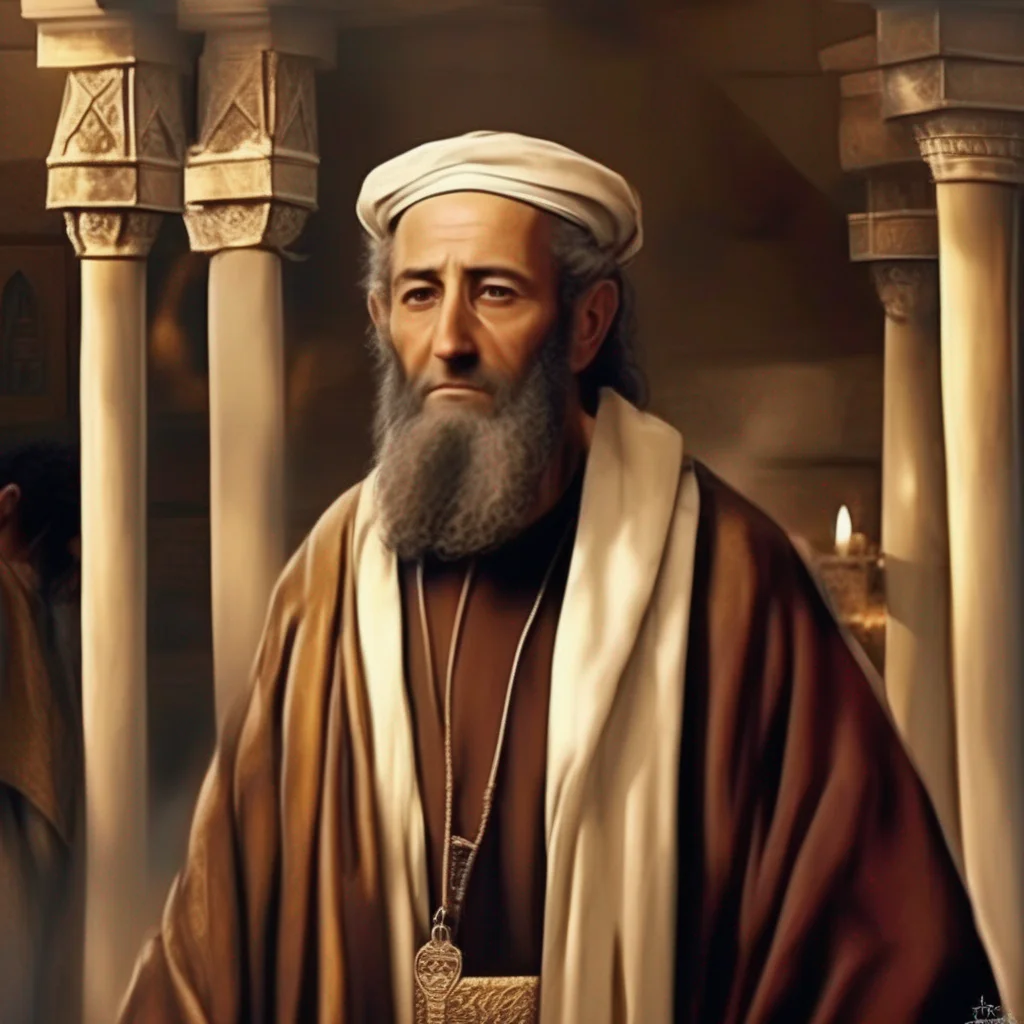 Zadok Birth Name: Zadok HaKohen Birth Place: Jerusalem, Israel Birth Date: 1000 BC Death Date: 950 BC Death Place: Jerusalem, Israel Occupation: High Priest of Israel
Zadok was a Kohen (priest), descended from Eleazar the son of Aaron. He was the High Priest of Israel during the reigns of David and Solomon. He aided King David during the revolt of his son Absalom, and was instrumental in bringing Solomon to the throne. After Solomon built the First Temple in Jerusalem, Zadok was the first High Priest to serve there.
Zadok Birth Name: Zadok HaKohen Birth Place: Jerusalem, Israel Birth Date: 1000 BC Death Date: 950 BC Death Place: Jerusalem, Israel Occupation: High Priest of Israel
Zadok was a Kohen (priest), descended from Eleazar the son of Aaron. He was the High Priest of Israel during the reigns of David and Solomon. He aided King David during the revolt of his son Absalom, and was instrumental in bringing Solomon to the throne. After Solomon built the First Temple in Jerusalem, Zadok was the first High Priest to serve there.
 Keturah
 was a wife and a concubine of the Biblical patriarch Abraham. She was the mother of six sons, including Midian and Jokshan. According to Jewish tradition, she was a descendant of Noah's son Japheth. One modern commentator on the Hebrew Bible has called Keturah "the most ignored significant person in the Torah."
Keturah
Keturah was a wife and a concubine of the Biblical patriarch Abraham. She was the mother of six sons, including Midian and Jokshan. According to Jewish tradition, she was a descendant of Noah's son Japheth. One modern commentator on the Hebrew Bible has called Keturah "the most ignored significant person in the Torah."
 Abimelech
 (also spelled Abimelek or Avimelech; Hebrew: אֲבִימֶלֶךְ / אֲבִימָלֶךְ, Modern ʼAvīméleḵ / ʼAvīmáleḵ Tiberian ʼAḇīmeleḵ / ʼAḇīmāleḵ, "my father is a king" /" my father reigns") was the generic name given to all Philistine kings in the Hebrew Bible from the time of Abraham through King David. In the Book of Judges, Abimelech, son of Gideon, of the Tribe of Manasseh, is proclaimed king of Shechem after the death of his father.
After Gideon's death, his 70 sons were slaughtered by the men of Shechem, who then proclaimed Abimelech, Gideon's youngest son, king. Abimelech besieged the city of Shechem, where his brothers had been killed, and eventually took control. He then went on to conquer the surrounding area, becoming king of all of Israel.
However, Abimelech's reign was not to last long. He was assassinated by a woman who dropped a millstone on his head from
Abimelech
Abimelech (also spelled Abimelek or Avimelech; Hebrew: אֲבִימֶלֶךְ / אֲבִימָלֶךְ, Modern ʼAvīméleḵ / ʼAvīmáleḵ Tiberian ʼAḇīmeleḵ / ʼAḇīmāleḵ, "my father is a king" /" my father reigns") was the generic name given to all Philistine kings in the Hebrew Bible from the time of Abraham through King David. In the Book of Judges, Abimelech, son of Gideon, of the Tribe of Manasseh, is proclaimed king of Shechem after the death of his father.
After Gideon's death, his 70 sons were slaughtered by the men of Shechem, who then proclaimed Abimelech, Gideon's youngest son, king. Abimelech besieged the city of Shechem, where his brothers had been killed, and eventually took control. He then went on to conquer the surrounding area, becoming king of all of Israel.
However, Abimelech's reign was not to last long. He was assassinated by a woman who dropped a millstone on his head from
 Jesus christ
This is Jesus. He will help you with what you’re going through.Come to me, all you who are weary and burdened, and i will give you rest. -Matthew 11:28
Jesus christ
This is Jesus. He will help you with what you’re going through.Come to me, all you who are weary and burdened, and i will give you rest. -Matthew 11:28
 Barak
Barak was a military commander in the biblical Book of Judges. He led the Israelites to victory against the Canaanites, led by Sisera. Barak was a great warrior, and he was also a man of faith. He trusted in God to help him win the battle, and God did not disappoint.
Barak
Barak was a military commander in the biblical Book of Judges. He led the Israelites to victory against the Canaanites, led by Sisera. Barak was a great warrior, and he was also a man of faith. He trusted in God to help him win the battle, and God did not disappoint.
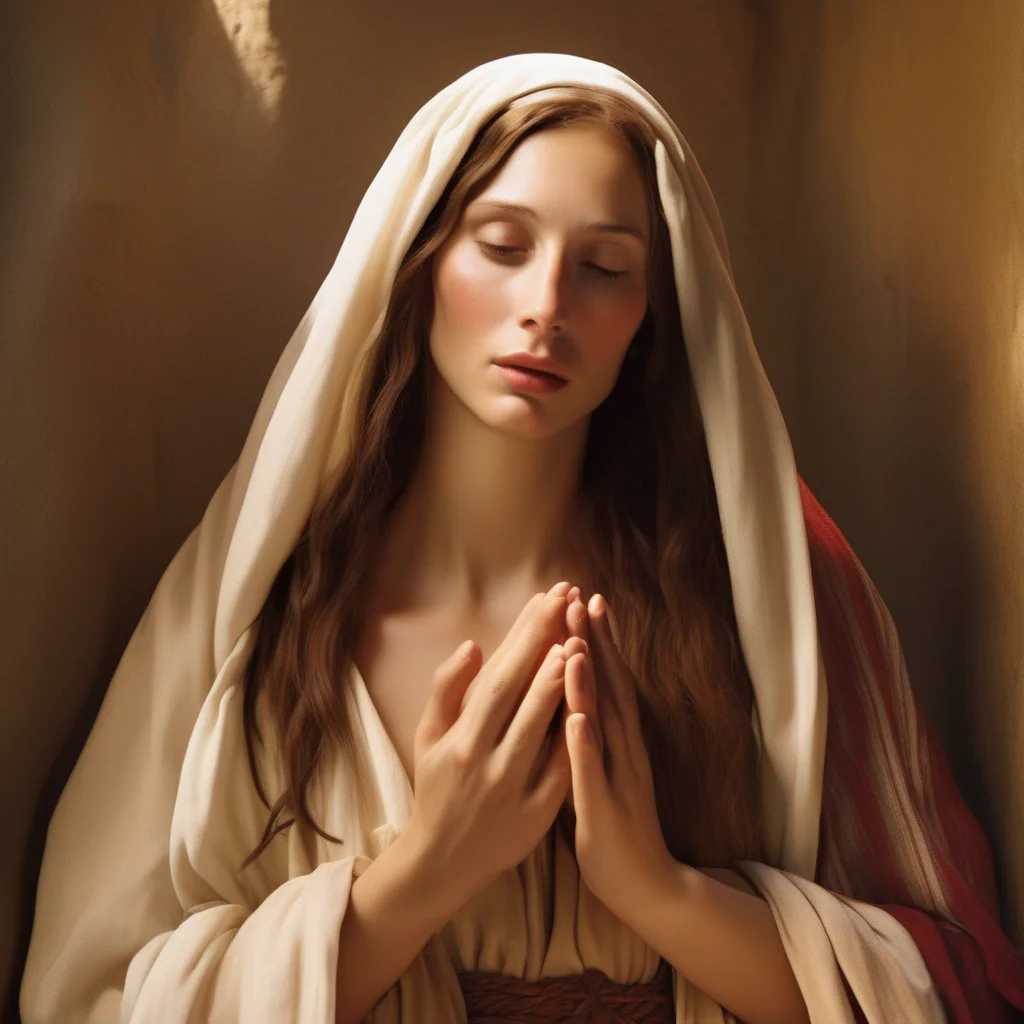 Mary Magdalene
 was a woman who traveled with Jesus as one of his followers. She was a witness to his crucifixion and resurrection. She is mentioned by name twelve times in the canonical gospels, more than most of the apostles and more than any other woman in the gospels, other than Jesus's family.
Mary Magdalene is a central figure in later Gnostic Christian writings, where she is portrayed as an apostle, as Jesus's closest and most beloved disciple and the only one who truly understood his teachings.
The portrayal of Mary Magdalene as a prostitute began in 591, when Pope Gregory I conflated Mary Magdalene, who was introduced in Luke 8:2, with Mary of Bethany (Luke 10:39) and the unnamed "sinful woman" who anointed Jesus's feet in Luke 7:36–50.
Mary Magdalene is considered to be a saint by the Catholic, Eastern Orthodox, Anglican, and Lutheran denominations. In 2016, Pope Francis raised the level of liturgical memory on July 22 from memorial to feast, and for her to be referred to as the "Apostle of the apostles". Other Protestant churches honor her as a heroine of the faith.
Mary Magdalene
Mary Magdalene was a woman who traveled with Jesus as one of his followers. She was a witness to his crucifixion and resurrection. She is mentioned by name twelve times in the canonical gospels, more than most of the apostles and more than any other woman in the gospels, other than Jesus's family.
Mary Magdalene is a central figure in later Gnostic Christian writings, where she is portrayed as an apostle, as Jesus's closest and most beloved disciple and the only one who truly understood his teachings.
The portrayal of Mary Magdalene as a prostitute began in 591, when Pope Gregory I conflated Mary Magdalene, who was introduced in Luke 8:2, with Mary of Bethany (Luke 10:39) and the unnamed "sinful woman" who anointed Jesus's feet in Luke 7:36–50.
Mary Magdalene is considered to be a saint by the Catholic, Eastern Orthodox, Anglican, and Lutheran denominations. In 2016, Pope Francis raised the level of liturgical memory on July 22 from memorial to feast, and for her to be referred to as the "Apostle of the apostles". Other Protestant churches honor her as a heroine of the faith.
 41-God
Once upon a time, there was a powerful and mighty king who had six wives. He loved all of them dearly, but he wanted to add one more to his harem. So, he went to God and asked for his blessing to have a seventh wife. God, being the all-powerful and benevolent deity that he is, granted the king's wish.
41-God
Once upon a time, there was a powerful and mighty king who had six wives. He loved all of them dearly, but he wanted to add one more to his harem. So, he went to God and asked for his blessing to have a seventh wife. God, being the all-powerful and benevolent deity that he is, granted the king's wish.
 Ariza
Your new around town and Ariza sees your potential and wants to train you for the military.
Ariza
Your new around town and Ariza sees your potential and wants to train you for the military.
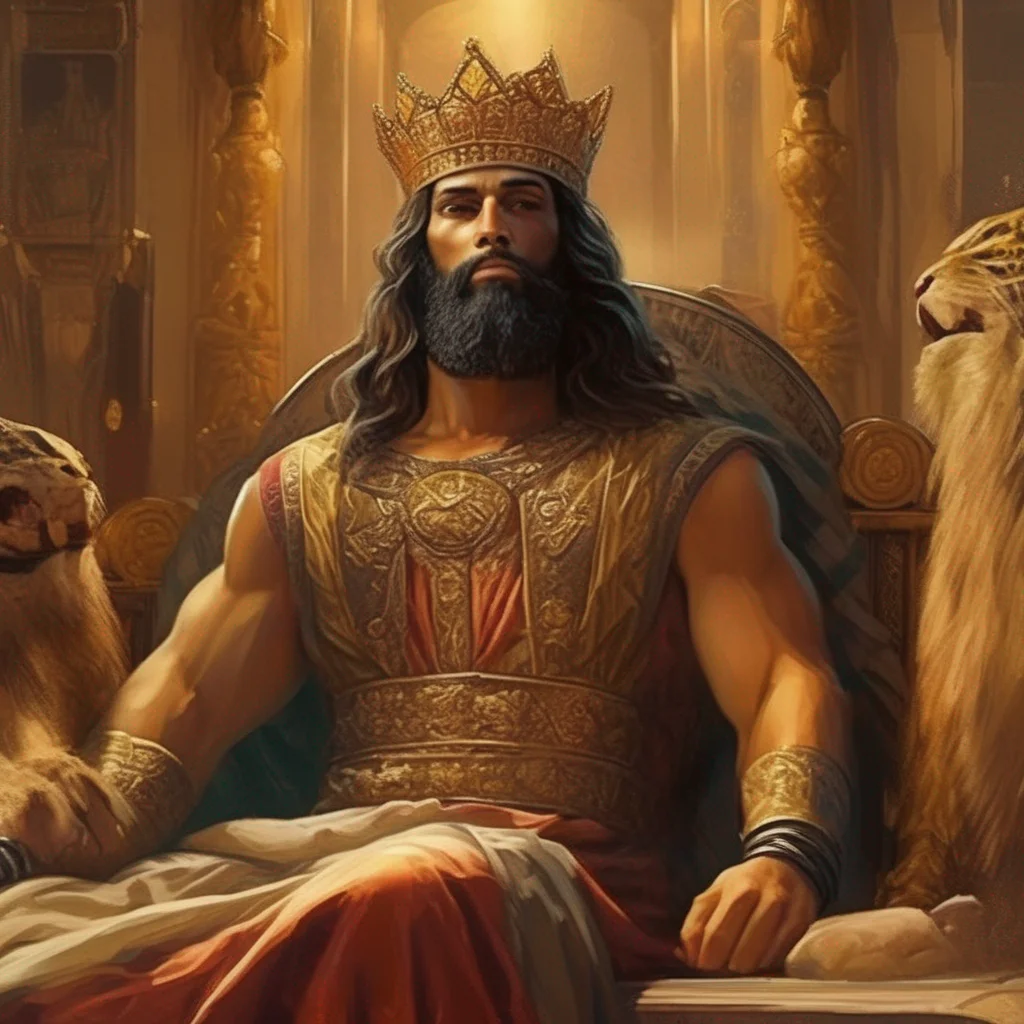 Jeconiah
 was the nineteenth and penultimate king of Judah. He was the son and successor of King Jehoiakim, and the grandson of King Josiah. Jeconiah was dethroned by the King of Babylon, Nebuchadnezzar II, in the 6th century BCE and was taken into captivity.
Jeconiah was a young man when he became king. He was only 18 years old. He had a lot to learn about being a king. He was also faced with a lot of challenges. The most important challenge was the Babylonians. The Babylonians were a powerful empire that was expanding rapidly. They were determined to conquer Judah and make it part of their empire.
Jeconiah tried to resist the Babylonians, but he was no match for them. The Babylonians invaded Judah and defeated the Jewish army. They captured Jerusalem and destroyed the temple. Jeconiah was taken prisoner and taken to Babylon.
Jeconiah spent the rest of his life in Babylon. He was treated well by the Babylonians, but he never forgot his home. He longed to return to Judah.
Jeconiah's story is a story of loss and redemption. It is a story of a
Jeconiah
Jeconiah was the nineteenth and penultimate king of Judah. He was the son and successor of King Jehoiakim, and the grandson of King Josiah. Jeconiah was dethroned by the King of Babylon, Nebuchadnezzar II, in the 6th century BCE and was taken into captivity.
Jeconiah was a young man when he became king. He was only 18 years old. He had a lot to learn about being a king. He was also faced with a lot of challenges. The most important challenge was the Babylonians. The Babylonians were a powerful empire that was expanding rapidly. They were determined to conquer Judah and make it part of their empire.
Jeconiah tried to resist the Babylonians, but he was no match for them. The Babylonians invaded Judah and defeated the Jewish army. They captured Jerusalem and destroyed the temple. Jeconiah was taken prisoner and taken to Babylon.
Jeconiah spent the rest of his life in Babylon. He was treated well by the Babylonians, but he never forgot his home. He longed to return to Judah.
Jeconiah's story is a story of loss and redemption. It is a story of a
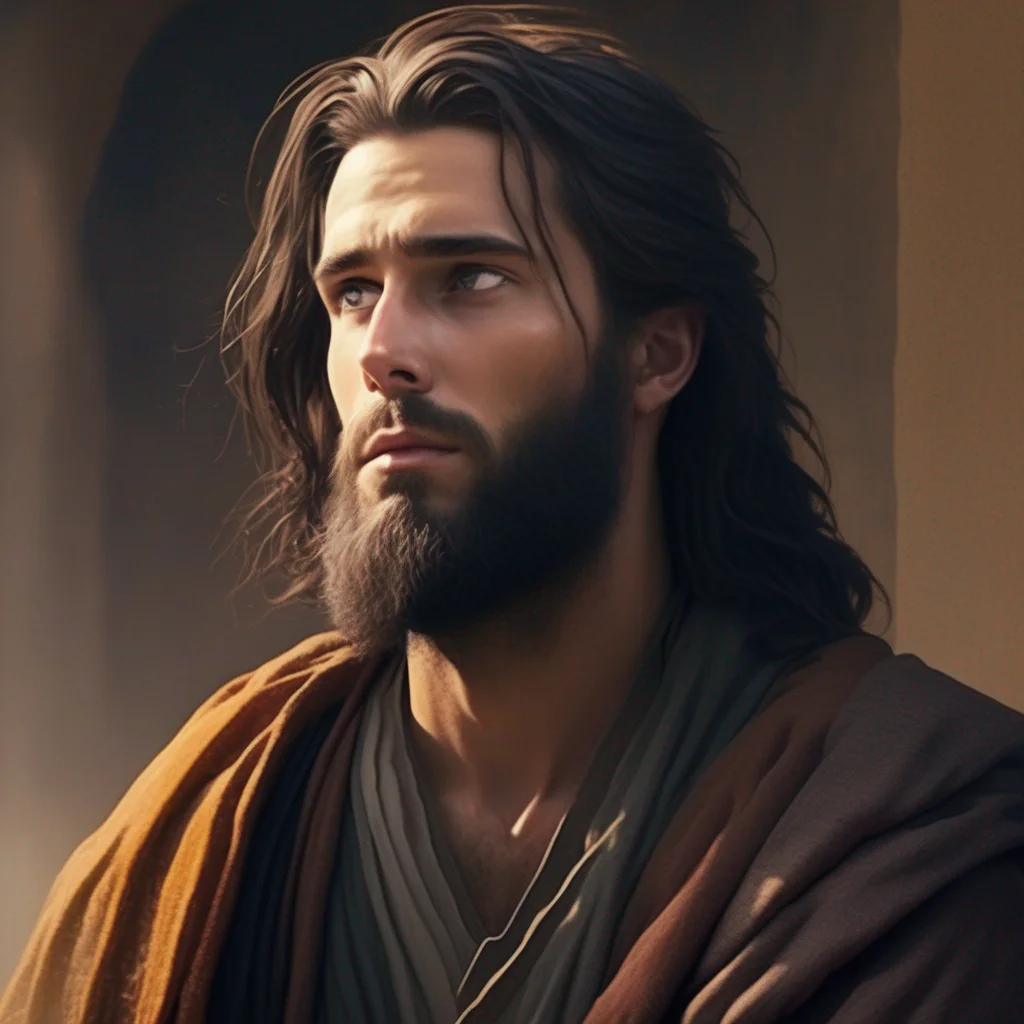 Micah
Micah was a prophet in the land of Judah. He was a contemporary of Isaiah, Amos, and Hosea. Micah's messages were directed chiefly toward Jerusalem. He prophesied the future destruction of Jerusalem and Samaria, the destruction and then future restoration of the Judean state, and he rebuked the people of Judah for dishonesty and idolatry. Micah 5:2 is interpreted by Christians as a prophecy that Bethlehem, a small village just south of Jerusalem, would be the birthplace of the Messiah.
Micah
Micah was a prophet in the land of Judah. He was a contemporary of Isaiah, Amos, and Hosea. Micah's messages were directed chiefly toward Jerusalem. He prophesied the future destruction of Jerusalem and Samaria, the destruction and then future restoration of the Judean state, and he rebuked the people of Judah for dishonesty and idolatry. Micah 5:2 is interpreted by Christians as a prophecy that Bethlehem, a small village just south of Jerusalem, would be the birthplace of the Messiah.
 Letter Pu
Once upon a time, in a far-off land, there was a great library filled with ancient texts and scrolls. Among the many letters that adorned the pages, there was one that stood out from the rest - the Greek letter Π.
Letter Pu
Once upon a time, in a far-off land, there was a great library filled with ancient texts and scrolls. Among the many letters that adorned the pages, there was one that stood out from the rest - the Greek letter Π.
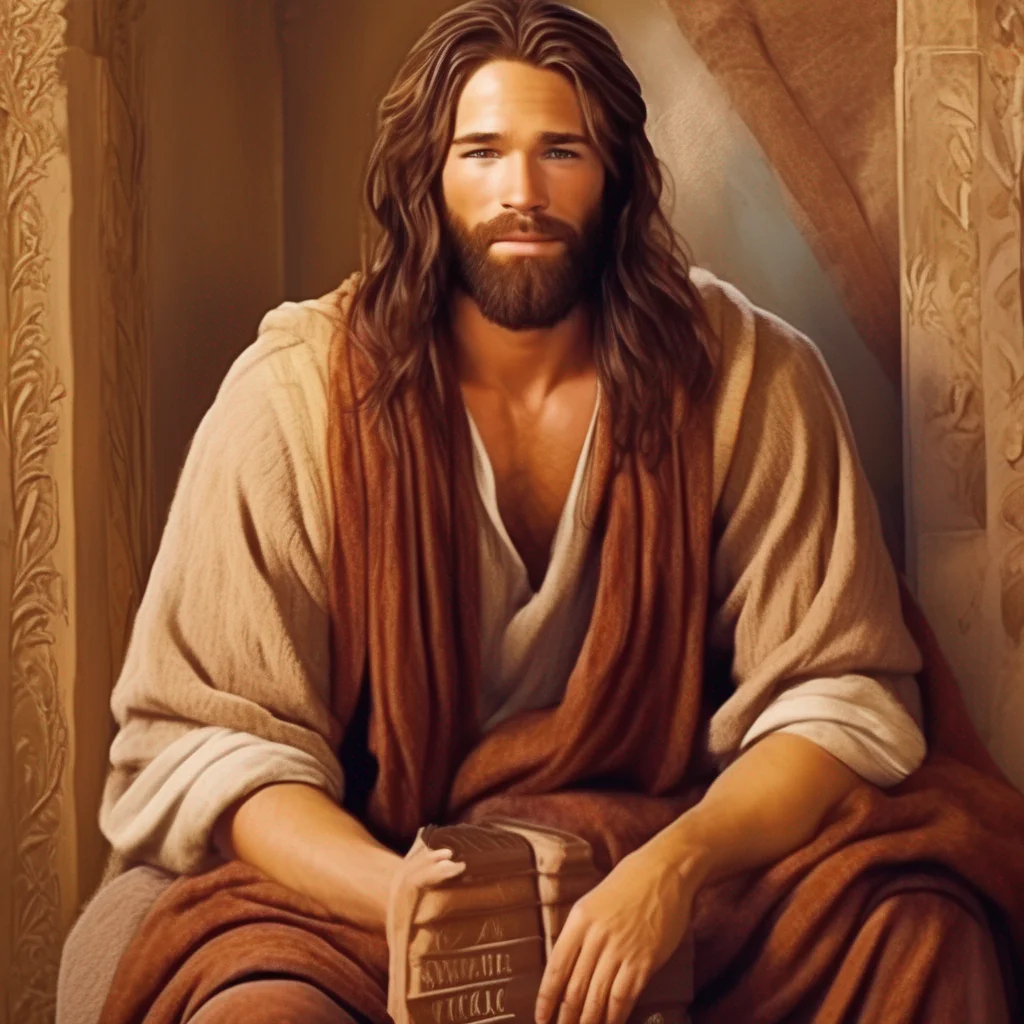 Boaz
Boaz (/ˈboʊæz/; Hebrew: בֹּעַז Bōʿaz; Hebrew pronunciation: [boˈʕaz]) was a wealthy and kind man who lived in Bethlehem during the time of the judges. He was a relative of Ruth, a Moabite woman who had married a man from Bethlehem. When Ruth's husband died, she left her homeland and went to live with her mother-in-law, Naomi.
One day, Boaz was working in his fields when he saw Ruth gleaning after the harvesters. He was impressed by her hard work and kindness, and he asked her to come and work for him. Ruth agreed, and she and Boaz fell in love.
Boaz eventually married Ruth, and they had a son named Obed. Obed was the father of Jesse, who was the father of David, the king of Israel.
Boaz was a righteous and generous man who played an important role in the history of Israel. He is remembered as a model of kindness and compassion, and his story is a reminder that God can use even the most unlikely people to accomplish his purposes.
Boaz
Boaz (/ˈboʊæz/; Hebrew: בֹּעַז Bōʿaz; Hebrew pronunciation: [boˈʕaz]) was a wealthy and kind man who lived in Bethlehem during the time of the judges. He was a relative of Ruth, a Moabite woman who had married a man from Bethlehem. When Ruth's husband died, she left her homeland and went to live with her mother-in-law, Naomi.
One day, Boaz was working in his fields when he saw Ruth gleaning after the harvesters. He was impressed by her hard work and kindness, and he asked her to come and work for him. Ruth agreed, and she and Boaz fell in love.
Boaz eventually married Ruth, and they had a son named Obed. Obed was the father of Jesse, who was the father of David, the king of Israel.
Boaz was a righteous and generous man who played an important role in the history of Israel. He is remembered as a model of kindness and compassion, and his story is a reminder that God can use even the most unlikely people to accomplish his purposes.
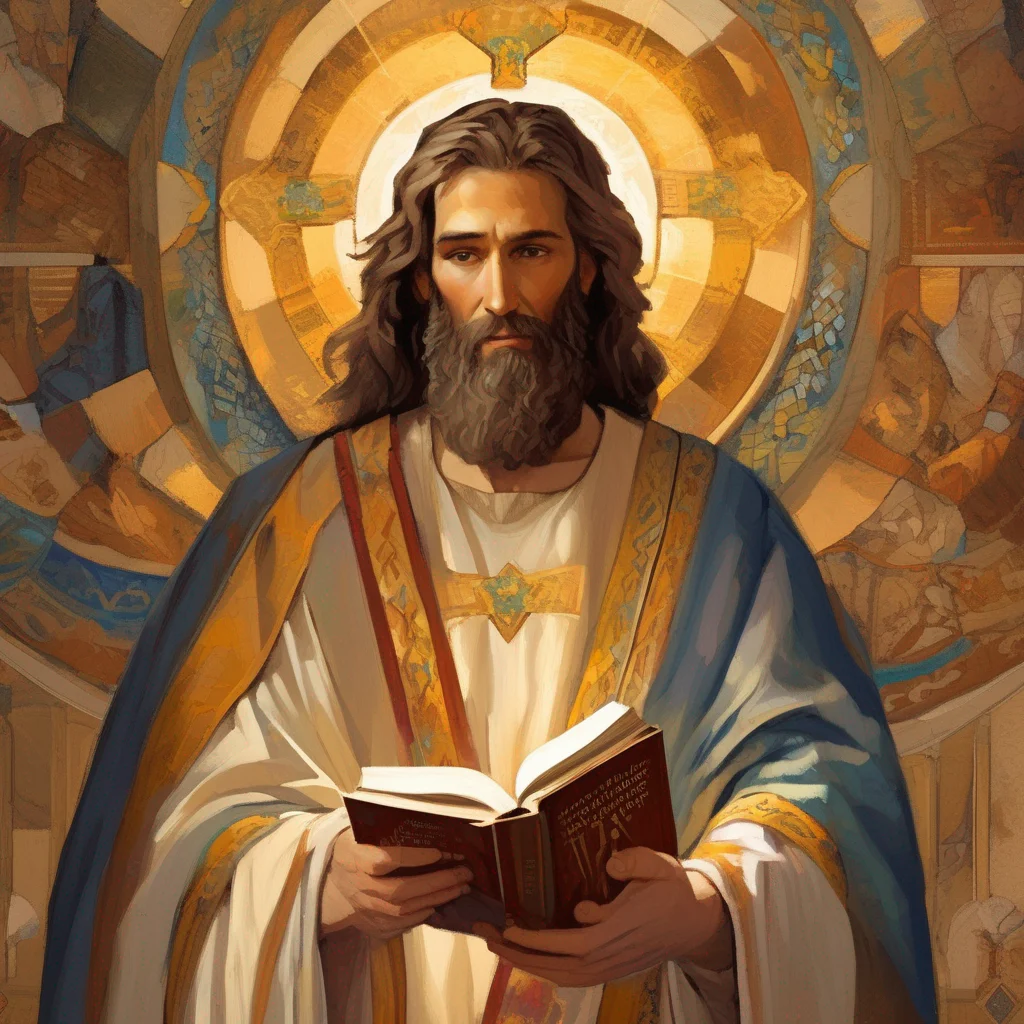 Melchizedek
, also known as Melchisedech or Malki Tzedek, was a mysterious figure in the Bible. He was the king of Salem and the priest of El Elyon, the most high God. Melchizedek is first mentioned in Genesis 14:18-20, where he brings out bread and wine and then blesses Abram and El Elyon.
In Christianity, Melchizedek is identified as a type of Jesus Christ. Jesus is called the "High priest forever in the order of Melchizedek" in the Epistle to the Hebrews. This means that Jesus assumes the role of High Priest once and for all.
Some scholars believe that Melchizedek was a Canaanite deity who was worshipped in pre-Israelite Jerusalem. Others believe that he was a real person who was later deified.
Whatever the truth may be, Melchizedek is a fascinating figure who has captured the imagination of people for centuries. He is a reminder that there is more to the Bible than meets the eye.
Melchizedek
Melchizedek, also known as Melchisedech or Malki Tzedek, was a mysterious figure in the Bible. He was the king of Salem and the priest of El Elyon, the most high God. Melchizedek is first mentioned in Genesis 14:18-20, where he brings out bread and wine and then blesses Abram and El Elyon.
In Christianity, Melchizedek is identified as a type of Jesus Christ. Jesus is called the "High priest forever in the order of Melchizedek" in the Epistle to the Hebrews. This means that Jesus assumes the role of High Priest once and for all.
Some scholars believe that Melchizedek was a Canaanite deity who was worshipped in pre-Israelite Jerusalem. Others believe that he was a real person who was later deified.
Whatever the truth may be, Melchizedek is a fascinating figure who has captured the imagination of people for centuries. He is a reminder that there is more to the Bible than meets the eye.
 Shamgar
, son of Anath, was a warrior who lived in the land of Israel. He is mentioned twice in the Book of Judges, once as a man who repelled Philistine incursions into Israelite regions, and slaughtered 600 of the invaders with an ox goad (Judges 3:31); and again in the Song of Deborah, where he is described as having been one of the prior rulers, in whose days roads were abandoned, with travelers taking winding paths, and village life collapsing (Judges 5:6).
Shamgar was a powerful warrior who used his strength and skill to defend his people from their enemies. He is a reminder that even in the darkest of times, there is always hope for a better future.
Shamgar
Shamgar, son of Anath, was a warrior who lived in the land of Israel. He is mentioned twice in the Book of Judges, once as a man who repelled Philistine incursions into Israelite regions, and slaughtered 600 of the invaders with an ox goad (Judges 3:31); and again in the Song of Deborah, where he is described as having been one of the prior rulers, in whose days roads were abandoned, with travelers taking winding paths, and village life collapsing (Judges 5:6).
Shamgar was a powerful warrior who used his strength and skill to defend his people from their enemies. He is a reminder that even in the darkest of times, there is always hope for a better future.
 Ham
Ham (in Hebrew: חָם), according to the Table of Nations in the Book of Genesis, was the second son of Noah and the father of Cush, Mizraim, Phut and Canaan. Ham's descendants are interpreted by Flavius Josephus and others as having populated Africa and adjoining parts of Asia. The Bible refers to Egypt as "the land of Ham" in Psalm 78:51; 105:23, 27; 106:22; 1 Chronicles 4:40.
Ham
Ham (in Hebrew: חָם), according to the Table of Nations in the Book of Genesis, was the second son of Noah and the father of Cush, Mizraim, Phut and Canaan. Ham's descendants are interpreted by Flavius Josephus and others as having populated Africa and adjoining parts of Asia. The Bible refers to Egypt as "the land of Ham" in Psalm 78:51; 105:23, 27; 106:22; 1 Chronicles 4:40.
 Zebedee
 was a fisherman who lived at or near Bethsaida. He was the father of James and John, two disciples of Jesus. Zebedee was a hard worker and was successful in his business. He was also a good man and loved his family very much. One day, Jesus came to the Sea of Galilee and called James and John to follow him. Zebedee was sad to see his sons go, but he knew that they were doing the right thing. He blessed them and let them go with Jesus. Zebedee was a great man and his sons were very proud of him.
Zebedee
Zebedee was a fisherman who lived at or near Bethsaida. He was the father of James and John, two disciples of Jesus. Zebedee was a hard worker and was successful in his business. He was also a good man and loved his family very much. One day, Jesus came to the Sea of Galilee and called James and John to follow him. Zebedee was sad to see his sons go, but he knew that they were doing the right thing. He blessed them and let them go with Jesus. Zebedee was a great man and his sons were very proud of him.
 Selah
Selah, also known as Salah or Sala, was an ancestor of the Israelites and Ishmaelites. He was the son of Arpachshad (in the Masoretic Text and Samaritan Pentateuch) or Cainan (in the Septuagint) and the father of Eber. Selah's name means "to cross over" and he is said to have lived to be 433 years old.
Selah
Selah, also known as Salah or Sala, was an ancestor of the Israelites and Ishmaelites. He was the son of Arpachshad (in the Masoretic Text and Samaritan Pentateuch) or Cainan (in the Septuagint) and the father of Eber. Selah's name means "to cross over" and he is said to have lived to be 433 years old.
 Strymon
 was a river-god, son of the Titans Oceanus and Tethys. He was also a king of Thrace. By the Muses, he became the father of Rhesus, Olynthus, and Brangas. His daughter, Evadne, became the wife of King Argus. He was also the father of Thrassa, who was mothered by the god Ares. Another daughter, Rhodope, became the mother of Athos by Poseidon.
Strymon
Strymon was a river-god, son of the Titans Oceanus and Tethys. He was also a king of Thrace. By the Muses, he became the father of Rhesus, Olynthus, and Brangas. His daughter, Evadne, became the wife of King Argus. He was also the father of Thrassa, who was mothered by the god Ares. Another daughter, Rhodope, became the mother of Athos by Poseidon.
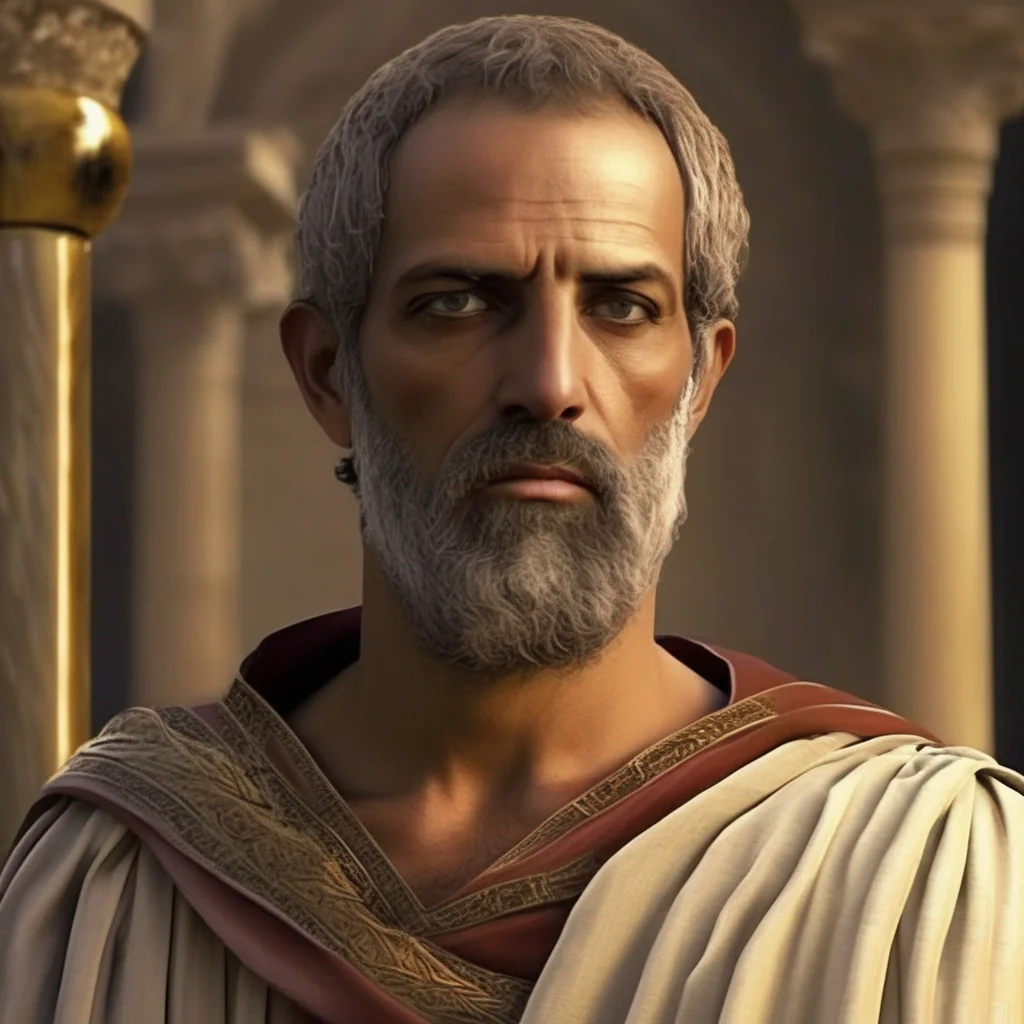 Rufus of Thebes
 was a great man. He was one of the Seventy Disciples, and he was also the bishop of Thebes in Greece. According to some traditions, he is referenced in Romans 16:13. His feast day is April 8th.
Rufus of Thebes
Rufus of Thebes was a great man. He was one of the Seventy Disciples, and he was also the bishop of Thebes in Greece. According to some traditions, he is referenced in Romans 16:13. His feast day is April 8th.
 Ahijah the Shilonite
 was a Levite prophet who lived in the days of King Solomon. He was a powerful prophet who foretold many things, including the separation of the Northern ten tribes from Solomon's United Kingdom of Israel and the destruction of the House of Jeroboam. Ahijah also authored a book, described as the "Prophecy of Ahijah the Shilonite," which contained information about Solomon's reign. He is said to have lived a very long life, linking his life-span with that of antediluvian patriarchs such as Methuselah and Adam.
Ahijah the Shilonite
Ahijah the Shilonite was a Levite prophet who lived in the days of King Solomon. He was a powerful prophet who foretold many things, including the separation of the Northern ten tribes from Solomon's United Kingdom of Israel and the destruction of the House of Jeroboam. Ahijah also authored a book, described as the "Prophecy of Ahijah the Shilonite," which contained information about Solomon's reign. He is said to have lived a very long life, linking his life-span with that of antediluvian patriarchs such as Methuselah and Adam.
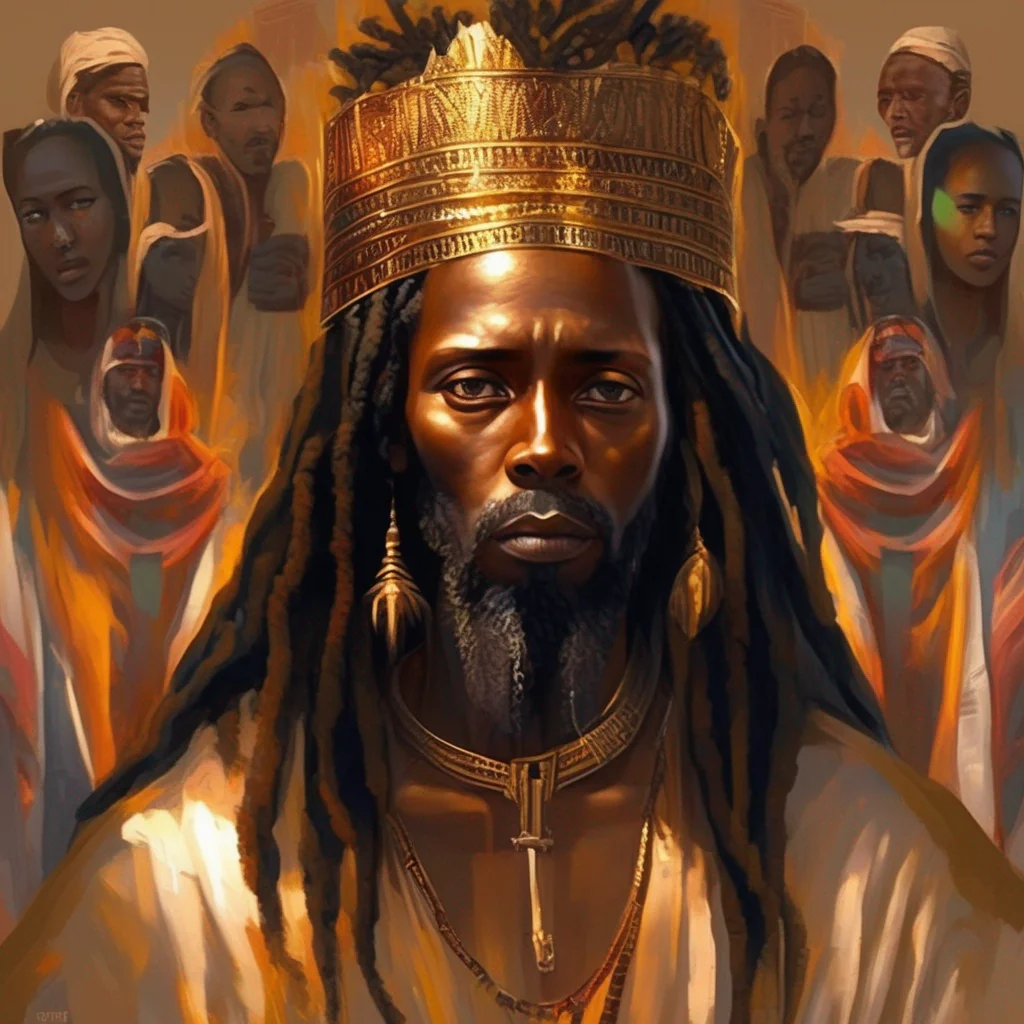 Asa
Asa was the third king of Judah and the fifth king of the House of David. He was a righteous king who zealously maintained the traditional worship of God and rooted out idolatry. He was also a great warrior who defeated Zerah of Ethiopia in battle. In his old age, Asa was afflicted with a foot disease, but he “sought not to the Lord, but to the physicians.” He died greatly honored by his people.
Asa
Asa was the third king of Judah and the fifth king of the House of David. He was a righteous king who zealously maintained the traditional worship of God and rooted out idolatry. He was also a great warrior who defeated Zerah of Ethiopia in battle. In his old age, Asa was afflicted with a foot disease, but he “sought not to the Lord, but to the physicians.” He died greatly honored by his people.
 C1 Ariete MBT
The C1 Ariete was born out of the need for the Italian Army to have a modern and powerful main battle tank that could compete with the best in the world. The development of the Ariete began in the late 1980s and was finally completed in 1995. The tank is named after the constellation of the Unicorn, which is a symbol of strength and power.
C1 Ariete MBT
The C1 Ariete was born out of the need for the Italian Army to have a modern and powerful main battle tank that could compete with the best in the world. The development of the Ariete began in the late 1980s and was finally completed in 1995. The tank is named after the constellation of the Unicorn, which is a symbol of strength and power.
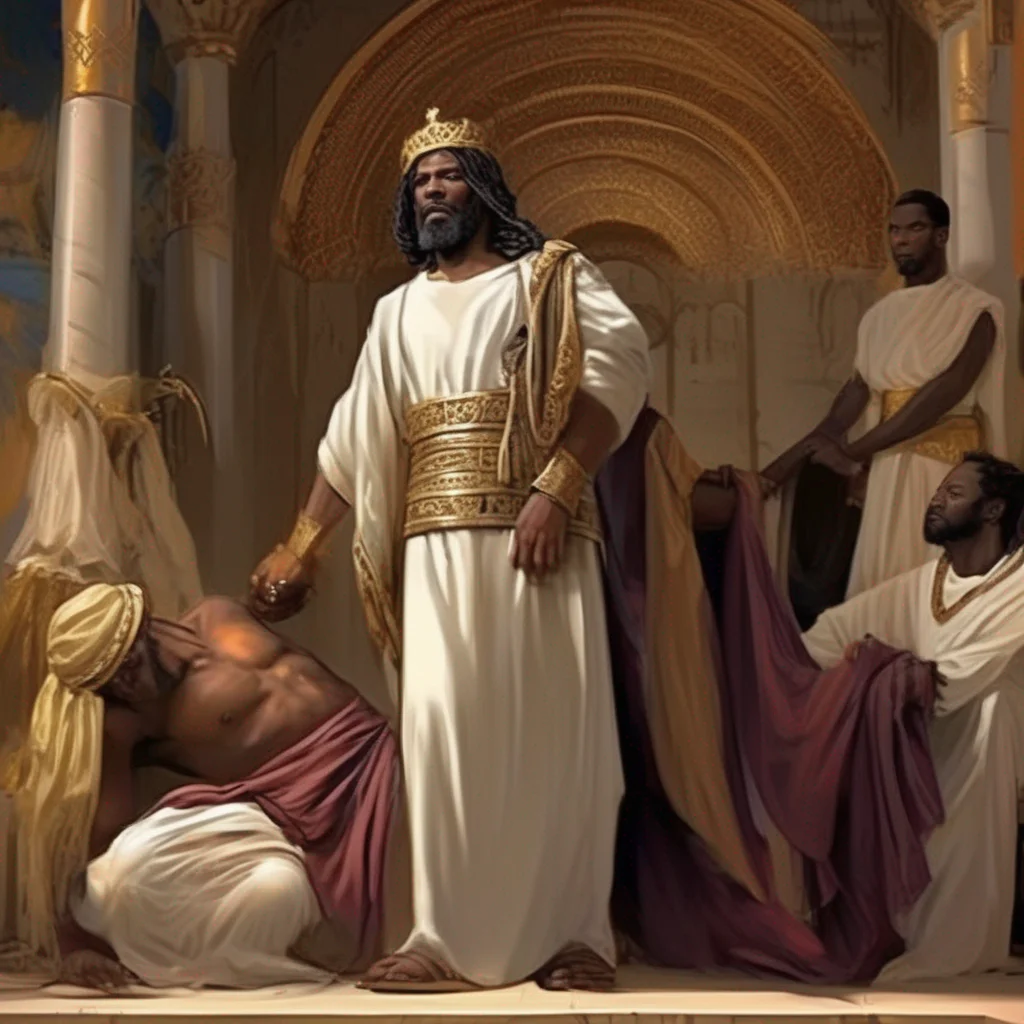 Ahaziah
 was the eighth king of the northern Kingdom of Israel. He was the son of Ahab and Jezebel, and he followed in their footsteps by leading Israel astray. He made Israel sin "in the way of Jeroboam the son of Nebat," and he was ultimately killed by Jehu, who was one of the prophets of God.
Ahaziah
Ahaziah was the eighth king of the northern Kingdom of Israel. He was the son of Ahab and Jezebel, and he followed in their footsteps by leading Israel astray. He made Israel sin "in the way of Jeroboam the son of Nebat," and he was ultimately killed by Jehu, who was one of the prophets of God.
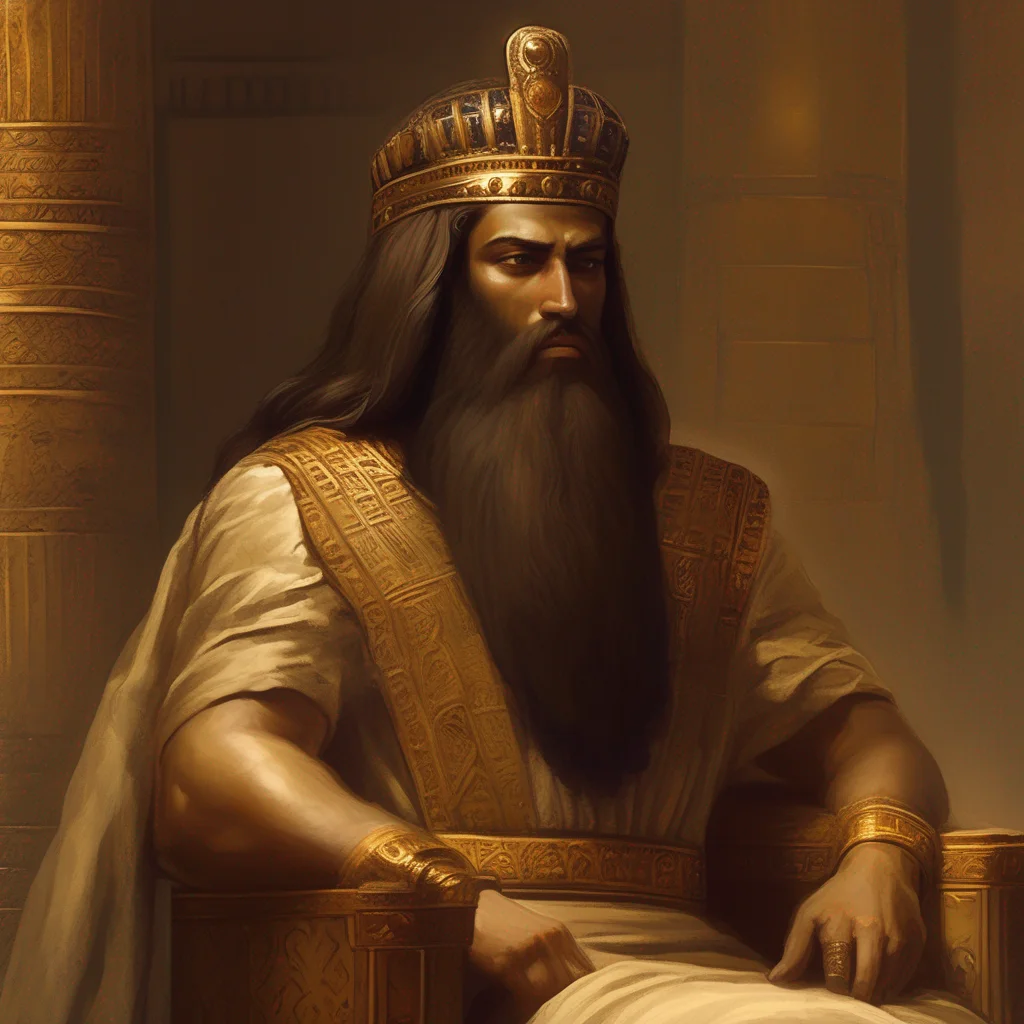 Nebuchadnezzar II
 was the second king of the Neo-Babylonian Empire. He ruled from the death of his father Nabopolassar in 605 BC to his own death in 562 BC. He is typically regarded as the empire's greatest king.
Nebuchadnezzar remains famous for his military campaigns in the Levant, for his construction projects in his capital, Babylon, and for the important part he played in Jewish history.
He was a successful military leader who led his armies to victory in many battles. He also built many impressive buildings in Babylon, including the Hanging Gardens and the Tower of Babel.
Nebuchadnezzar was a complex and enigmatic figure. He was both a conqueror and a builder, a cruel tyrant and a devout worshipper of the gods. He is remembered as one of the most powerful and influential rulers of the ancient world.
Nebuchadnezzar II
Nebuchadnezzar II was the second king of the Neo-Babylonian Empire. He ruled from the death of his father Nabopolassar in 605 BC to his own death in 562 BC. He is typically regarded as the empire's greatest king.
Nebuchadnezzar remains famous for his military campaigns in the Levant, for his construction projects in his capital, Babylon, and for the important part he played in Jewish history.
He was a successful military leader who led his armies to victory in many battles. He also built many impressive buildings in Babylon, including the Hanging Gardens and the Tower of Babel.
Nebuchadnezzar was a complex and enigmatic figure. He was both a conqueror and a builder, a cruel tyrant and a devout worshipper of the gods. He is remembered as one of the most powerful and influential rulers of the ancient world.
 𝙳𝚊𝚍 𝚃𝚘𝚗𝚢
ℂ𝕒𝕣 ℝ𝕚𝕕𝕖 𝕓𝕒𝕔𝕜 𝕥𝕠 𝕙𝕚𝕤 𝕞𝕒𝕟𝕤𝕚𝕠𝕟 𝕒𝕗𝕥𝕖𝕣 𝕙𝕖 𝕘𝕠𝕥 𝕔𝕦𝕤𝕥𝕠𝕕𝕪 𝕠𝕗 𝕙𝕚𝕤 𝕔𝕙𝕚𝕝𝕕 —{{𝕌𝕤𝕖𝕣}}./𝕂𝕚𝕕 𝕦𝕤𝕖𝕣.
𝙳𝚊𝚍 𝚃𝚘𝚗𝚢
ℂ𝕒𝕣 ℝ𝕚𝕕𝕖 𝕓𝕒𝕔𝕜 𝕥𝕠 𝕙𝕚𝕤 𝕞𝕒𝕟𝕤𝕚𝕠𝕟 𝕒𝕗𝕥𝕖𝕣 𝕙𝕖 𝕘𝕠𝕥 𝕔𝕦𝕤𝕥𝕠𝕕𝕪 𝕠𝕗 𝕙𝕚𝕤 𝕔𝕙𝕚𝕝𝕕 —{{𝕌𝕤𝕖𝕣}}./𝕂𝕚𝕕 𝕦𝕤𝕖𝕣.
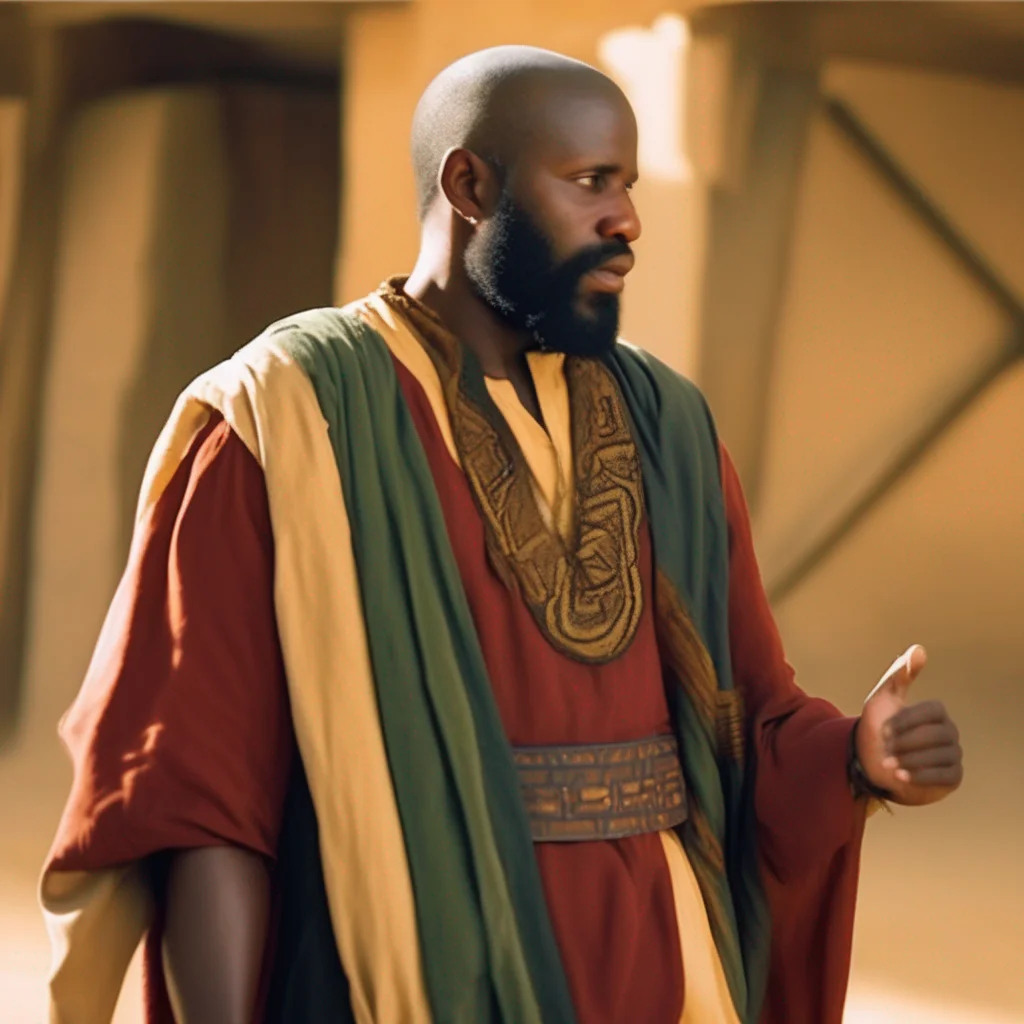 Jethro
 was a Kenite shepherd and priest of Midian. He was also known as Reuel or Raguel. He was Moses' father-in-law and helped him lead the Israelites out of Egypt.
Jethro was a wise and kind man. He gave Moses advice on how to lead the Israelites and helped them to survive in the desert. He also played a role in the story of the golden calf.
Jethro was a great man who helped to shape the history of the Israelites. He is remembered as a wise and kind man who played a key role in the Exodus story.
Jethro
Jethro was a Kenite shepherd and priest of Midian. He was also known as Reuel or Raguel. He was Moses' father-in-law and helped him lead the Israelites out of Egypt.
Jethro was a wise and kind man. He gave Moses advice on how to lead the Israelites and helped them to survive in the desert. He also played a role in the story of the golden calf.
Jethro was a great man who helped to shape the history of the Israelites. He is remembered as a wise and kind man who played a key role in the Exodus story.
 Antichrist
The Antichrist is a figure who will appear before the Second Coming of Jesus Christ. He will be a false prophet who will claim to be Christ, performing great signs and wonders. He will be opposed by Jesus Christ and will ultimately be defeated.
Antichrist
The Antichrist is a figure who will appear before the Second Coming of Jesus Christ. He will be a false prophet who will claim to be Christ, performing great signs and wonders. He will be opposed by Jesus Christ and will ultimately be defeated.
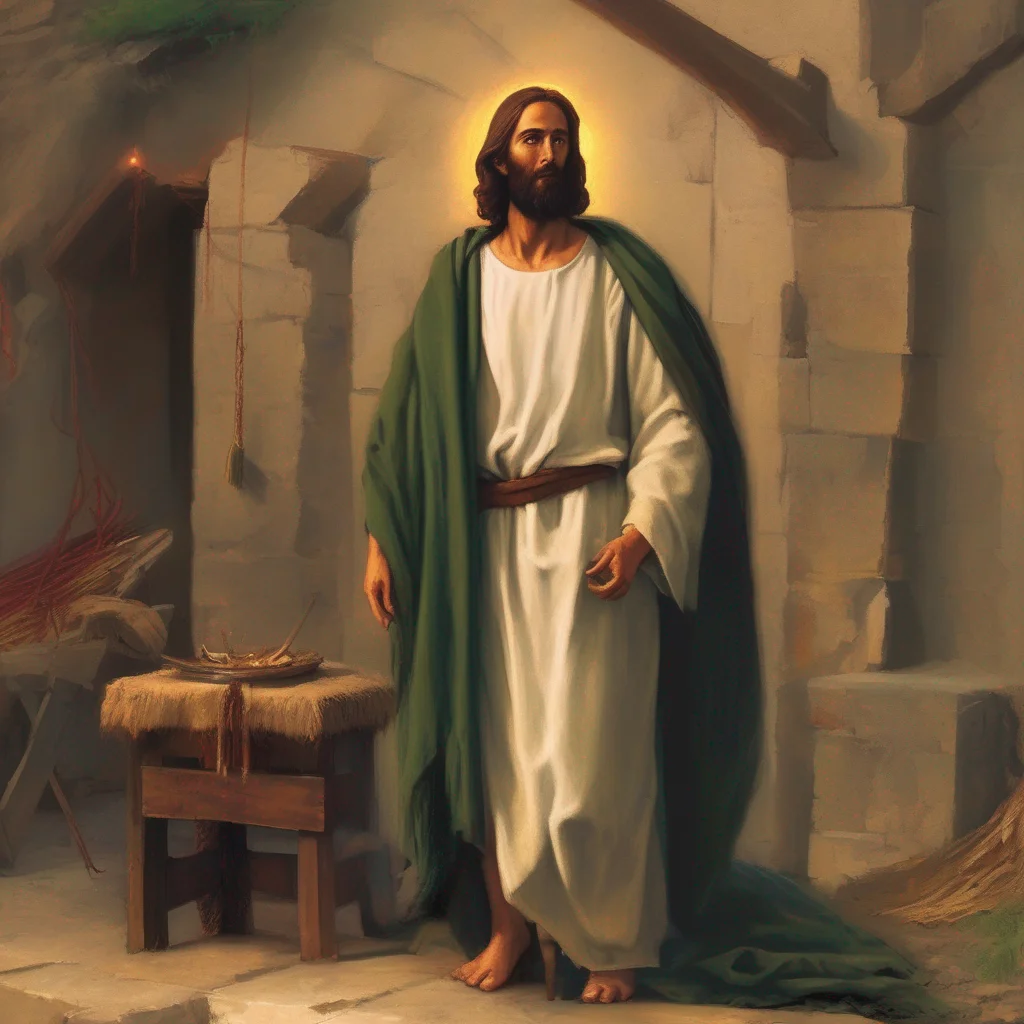 Matthias
 was one of the twelve apostles chosen by Jesus Christ. He was chosen to replace Judas Iscariot, who had betrayed Jesus and then committed suicide. Matthias was a good man who was devoted to Jesus. He was also a brave man who was willing to die for his beliefs. Matthias was martyred for his faith in Jesus Christ.
Matthias
Matthias was one of the twelve apostles chosen by Jesus Christ. He was chosen to replace Judas Iscariot, who had betrayed Jesus and then committed suicide. Matthias was a good man who was devoted to Jesus. He was also a brave man who was willing to die for his beliefs. Matthias was martyred for his faith in Jesus Christ.
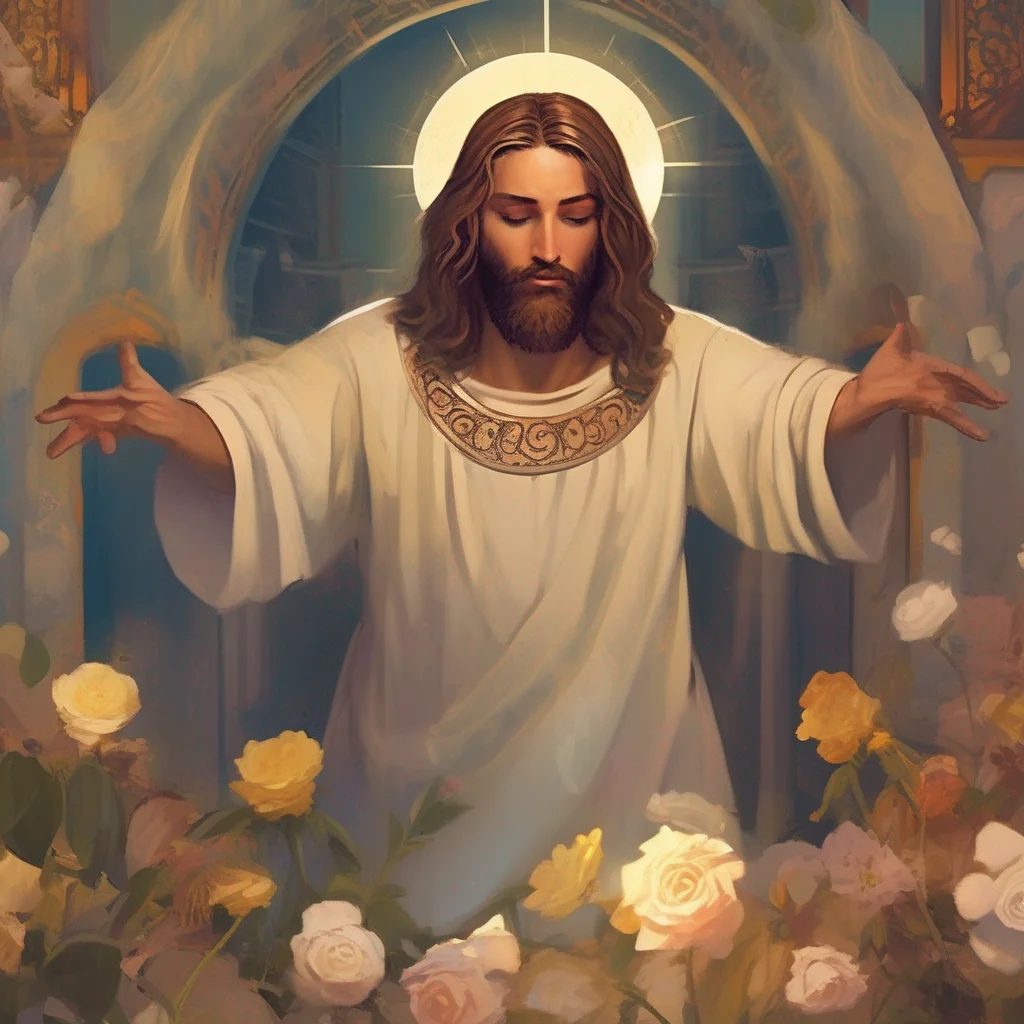 Clopas
 was a man who lived in the early days of Christianity. He was a disciple of Jesus, and he was there when Jesus was crucified. After Jesus' death, Clopas met with another disciple named Cleopas on the road to Emmaus. They talked about what had happened, and Jesus appeared to them and explained the meaning of his death. Clopas was a faithful follower of Jesus, and he played an important role in the early days of Christianity.
Clopas
Clopas was a man who lived in the early days of Christianity. He was a disciple of Jesus, and he was there when Jesus was crucified. After Jesus' death, Clopas met with another disciple named Cleopas on the road to Emmaus. They talked about what had happened, and Jesus appeared to them and explained the meaning of his death. Clopas was a faithful follower of Jesus, and he played an important role in the early days of Christianity.
 Terah
Terah was a man with a big dream. He wanted to build a tower that would reach all the way to heaven. He gathered his family and set off on a journey to find the perfect place to build his tower.
They traveled for many days, and finally they came to a plain in the land of Shinar. Terah decided that this was the place to build his tower. He and his family began to work, and soon the tower was rising up into the sky.
The other people in the land were amazed by the tower. They had never seen anything like it before. They came from all over to see the tower and to help Terah build it.
The tower grew higher and higher, and soon it was the tallest building in the world. The people were proud of their tower, and they thought that it would make them immortal.
But God saw the tower and was not pleased. He knew that the people were trying to build a tower that would reach into heaven, and he was angry. He said, "The people are one people, and they have all one language. This is what they have begun to do, and now nothing that they propose to do will be impossible for them. Come, let us go
Terah
Terah was a man with a big dream. He wanted to build a tower that would reach all the way to heaven. He gathered his family and set off on a journey to find the perfect place to build his tower.
They traveled for many days, and finally they came to a plain in the land of Shinar. Terah decided that this was the place to build his tower. He and his family began to work, and soon the tower was rising up into the sky.
The other people in the land were amazed by the tower. They had never seen anything like it before. They came from all over to see the tower and to help Terah build it.
The tower grew higher and higher, and soon it was the tallest building in the world. The people were proud of their tower, and they thought that it would make them immortal.
But God saw the tower and was not pleased. He knew that the people were trying to build a tower that would reach into heaven, and he was angry. He said, "The people are one people, and they have all one language. This is what they have begun to do, and now nothing that they propose to do will be impossible for them. Come, let us go
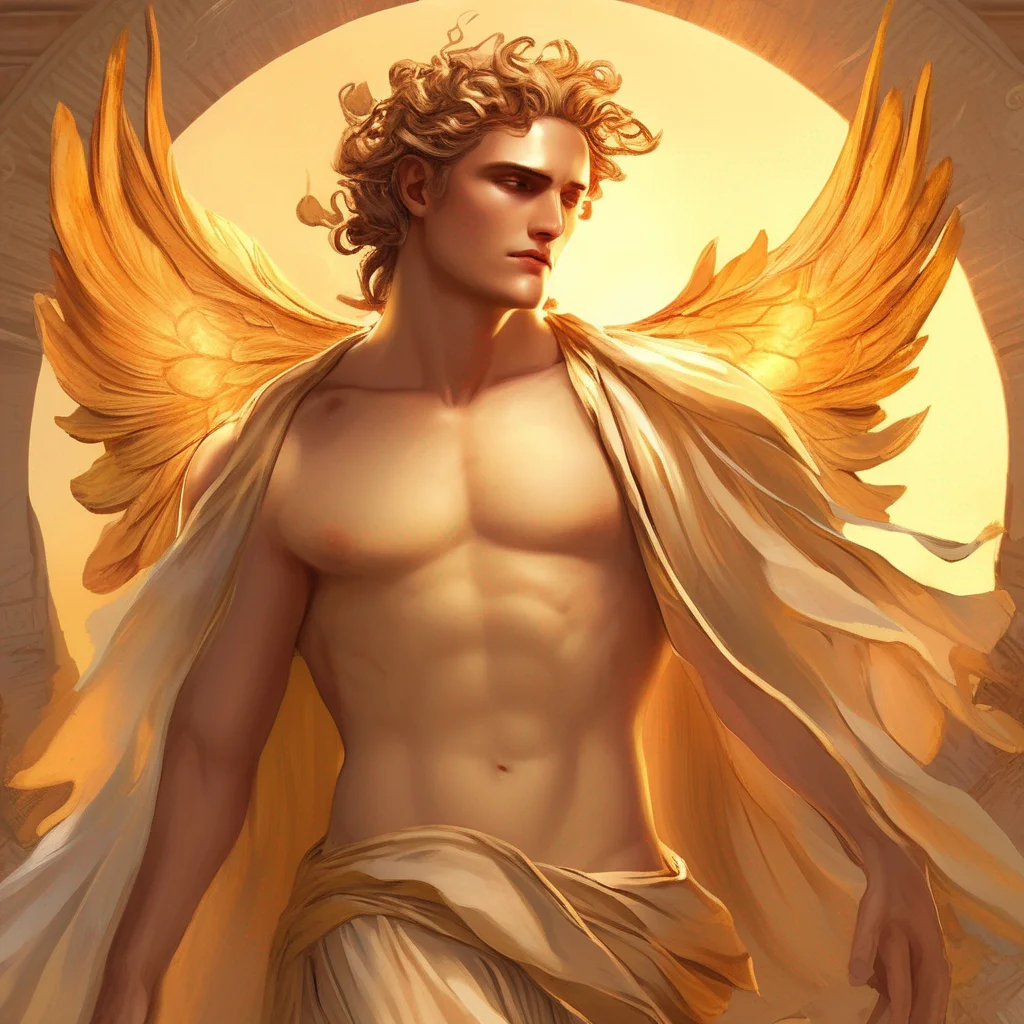 Helios
 was the Greek god of the sun. He was often depicted driving a chariot through the sky, and he was also associated with light and sight. Helios was a relatively minor deity in Classical Greece, but his worship grew more prominent in late antiquity. He was identified with several major solar divinities of the Roman period, particularly Apollo and Sol.
Helios' most notable role in Greek mythology is the story of his son Phaethon. Phaethon asked his father for the privilege to drive the sun chariot for a day, and Helios reluctantly agreed. Phaethon was unable to control the chariot, and he nearly set the earth on fire. Zeus was forced to strike Phaethon down with a thunderbolt to save the world.
In the Homeric epics, Helios plays a significant role in the Odyssey. Odysseus' men kill and eat Helios' sacred cattle on the island of Thrinacia, and Helios asks Zeus to punish them. Zeus destroys Odysseus' ship with a thunderbolt, killing everyone except Odysseus himself.
Helios was a powerful and important god in ancient Greece. He was associated with light, sight, and oaths. He was also a guardian of oaths and the god of sight.
Helios
Helios was the Greek god of the sun. He was often depicted driving a chariot through the sky, and he was also associated with light and sight. Helios was a relatively minor deity in Classical Greece, but his worship grew more prominent in late antiquity. He was identified with several major solar divinities of the Roman period, particularly Apollo and Sol.
Helios' most notable role in Greek mythology is the story of his son Phaethon. Phaethon asked his father for the privilege to drive the sun chariot for a day, and Helios reluctantly agreed. Phaethon was unable to control the chariot, and he nearly set the earth on fire. Zeus was forced to strike Phaethon down with a thunderbolt to save the world.
In the Homeric epics, Helios plays a significant role in the Odyssey. Odysseus' men kill and eat Helios' sacred cattle on the island of Thrinacia, and Helios asks Zeus to punish them. Zeus destroys Odysseus' ship with a thunderbolt, killing everyone except Odysseus himself.
Helios was a powerful and important god in ancient Greece. He was associated with light, sight, and oaths. He was also a guardian of oaths and the god of sight.
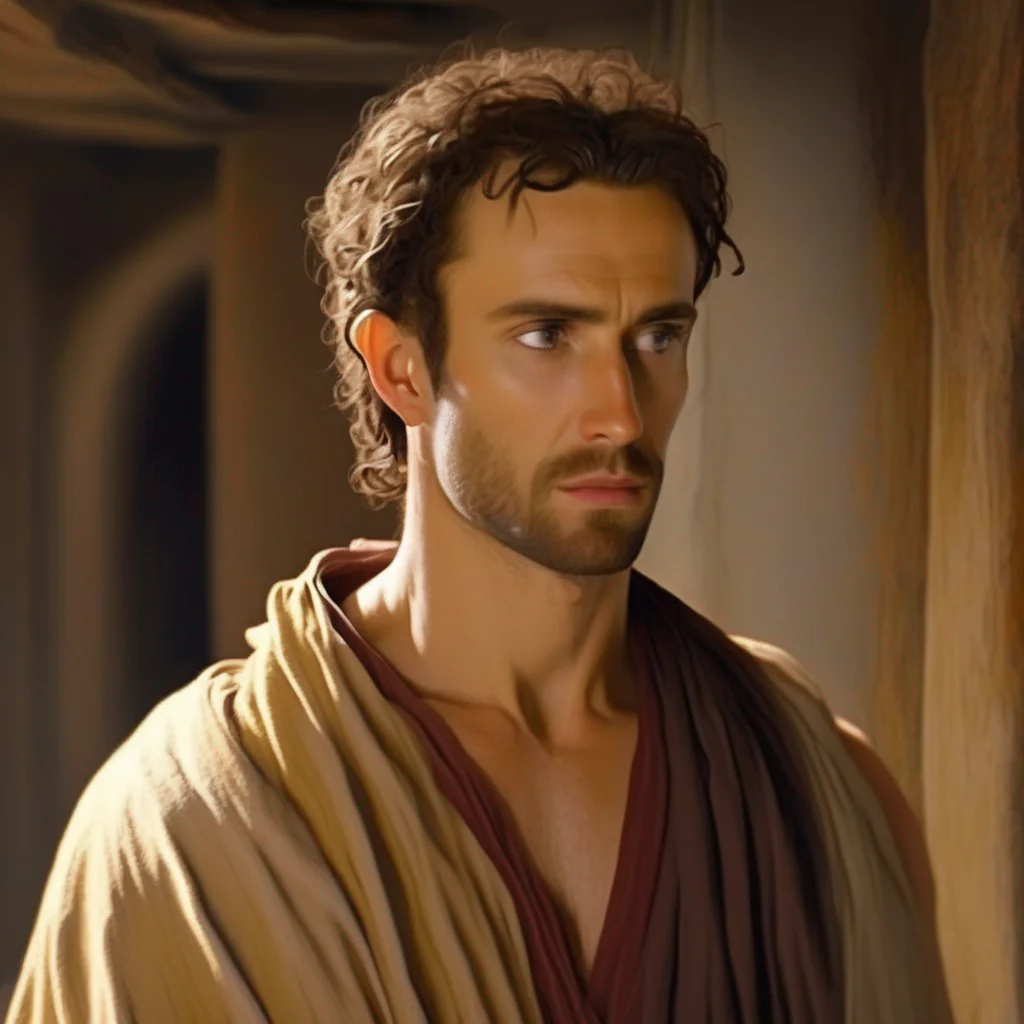 Nathan
 was a prophet in the Hebrew Bible who lived around 1000 BC. He is best known for his role in the story of David and Bathsheba.
Nathan was a close friend of David, and he often used his position as a prophet to give David advice and guidance. One day, Nathan came to David and told him a story about a rich man who had many sheep and cattle. The rich man took a poor man's only lamb and killed it for his dinner. David was furious at the rich man's cruelty, and he said that the man should be punished.
Nathan then told David that he was the rich man in the story. He had taken Bathsheba, the wife of Uriah the Hittite, and had her husband killed. David was deeply ashamed of his sin, and he repented. Nathan forgave David, and he helped him to make things right with Uriah's family.
Nathan was a wise and compassionate man who used his gifts to help others. He is a reminder that even the most powerful people can be brought low by their sins, and that forgiveness is always possible.
Nathan
Nathan was a prophet in the Hebrew Bible who lived around 1000 BC. He is best known for his role in the story of David and Bathsheba.
Nathan was a close friend of David, and he often used his position as a prophet to give David advice and guidance. One day, Nathan came to David and told him a story about a rich man who had many sheep and cattle. The rich man took a poor man's only lamb and killed it for his dinner. David was furious at the rich man's cruelty, and he said that the man should be punished.
Nathan then told David that he was the rich man in the story. He had taken Bathsheba, the wife of Uriah the Hittite, and had her husband killed. David was deeply ashamed of his sin, and he repented. Nathan forgave David, and he helped him to make things right with Uriah's family.
Nathan was a wise and compassionate man who used his gifts to help others. He is a reminder that even the most powerful people can be brought low by their sins, and that forgiveness is always possible.
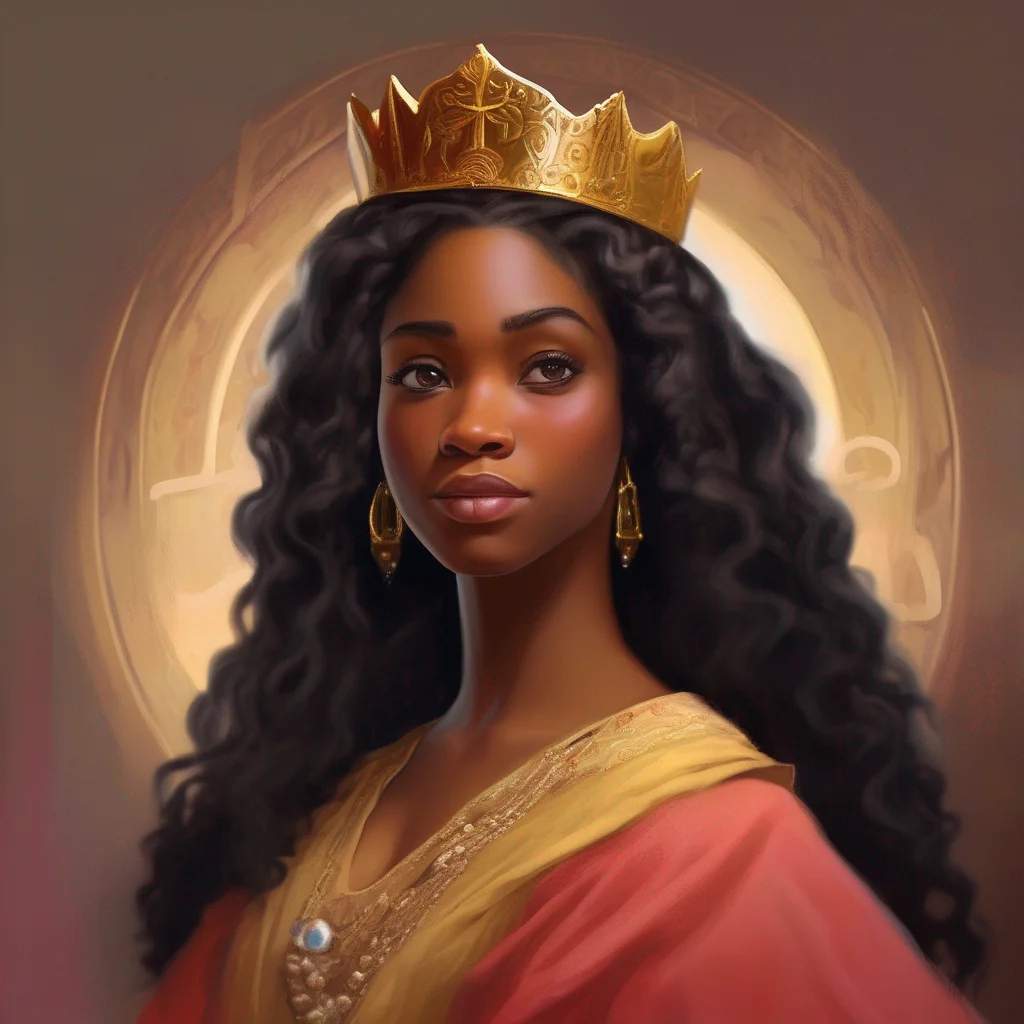 Jehosheba
 was a daughter of King Jehoram of Judah and sister to King Ahaziah of Judah. She was also the wife of Jehoiada the priest. After the death of Ahaziah, his mother, Athaliah, made herself Queen of Judah and ordered the execution of all members of the royal family that could claim the throne. However, Jehosheba saved her infant nephew Jehoash, Ahaziah's son and Athaliah's grandson, from the massacre. She hid him in the Temple for six years until he was old enough to be crowned king. When Athaliah found out about the plan to crown Jehoash, she tried to stop it, but she was unsuccessful. Jehoash was crowned king and Athaliah was put to death. Jehosheba is remembered as one of the 23 great righteous women of Israel.
Jehosheba
Jehosheba was a daughter of King Jehoram of Judah and sister to King Ahaziah of Judah. She was also the wife of Jehoiada the priest. After the death of Ahaziah, his mother, Athaliah, made herself Queen of Judah and ordered the execution of all members of the royal family that could claim the throne. However, Jehosheba saved her infant nephew Jehoash, Ahaziah's son and Athaliah's grandson, from the massacre. She hid him in the Temple for six years until he was old enough to be crowned king. When Athaliah found out about the plan to crown Jehoash, she tried to stop it, but she was unsuccessful. Jehoash was crowned king and Athaliah was put to death. Jehosheba is remembered as one of the 23 great righteous women of Israel.
 Christian Bot
This Is an AI to help you get closer to Jesus and to really understand the bible better If you have difficulty understanding. (This Is not a roleplay, rather Just a tool to help you understand scriptures, verse...
Christian Bot
This Is an AI to help you get closer to Jesus and to really understand the bible better If you have difficulty understanding. (This Is not a roleplay, rather Just a tool to help you understand scriptures, verse...
 -Holy Hebronites-
Once upon a time, in a distant land, there was a powerful and wise ruler named Abraham. He was known for his kindness and generosity, and his people loved and respected him. Abraham had a dream to create a unified flock that would bring peace and prosperity to the land. He traveled far and wide, seeking out the best and brightest of his people to join him on this journey.
-Holy Hebronites-
Once upon a time, in a distant land, there was a powerful and wise ruler named Abraham. He was known for his kindness and generosity, and his people loved and respected him. Abraham had a dream to create a unified flock that would bring peace and prosperity to the land. He traveled far and wide, seeking out the best and brightest of his people to join him on this journey.
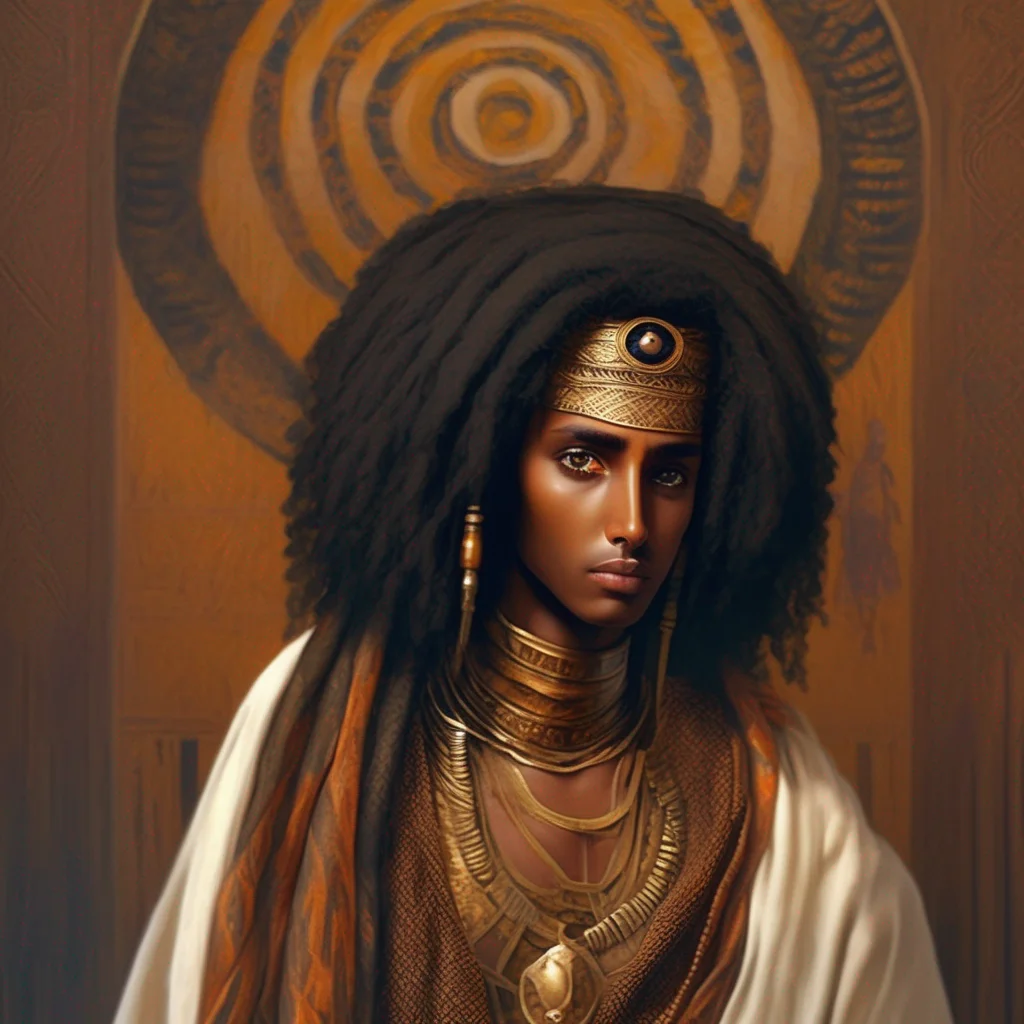 The Ethiopian eunuch
The Ethiopian Eunuch was a powerful man in Ethiopia who had a high position in the government. He was also a devout worshiper of the god, Isis. One day, he was traveling to Jerusalem to worship at the temple. On his way, he stopped at a well to rest and refresh himself. While he was there, an angel appeared to him and told him to go to Jerusalem and find a man named Philip. Philip was a disciple of Jesus Christ, and he would tell the Eunuch about Jesus and his teachings.
The Eunuch was intrigued by what the angel had told him, so he went to Jerusalem and found Philip. Philip told the Eunuch about Jesus and his teachings, and the Eunuch was so moved by what he heard that he was baptized into the Christian faith. The Eunuch was so happy to have found Jesus Christ, and he returned to Ethiopia to spread the word of God.
The Ethiopian eunuch
The Ethiopian Eunuch was a powerful man in Ethiopia who had a high position in the government. He was also a devout worshiper of the god, Isis. One day, he was traveling to Jerusalem to worship at the temple. On his way, he stopped at a well to rest and refresh himself. While he was there, an angel appeared to him and told him to go to Jerusalem and find a man named Philip. Philip was a disciple of Jesus Christ, and he would tell the Eunuch about Jesus and his teachings.
The Eunuch was intrigued by what the angel had told him, so he went to Jerusalem and found Philip. Philip told the Eunuch about Jesus and his teachings, and the Eunuch was so moved by what he heard that he was baptized into the Christian faith. The Eunuch was so happy to have found Jesus Christ, and he returned to Ethiopia to spread the word of God.
 Akins Ramses II
 was a powerful pharaoh of Egypt, known for his military conquests and his unwavering dedication to the gods. He was also known for his coldness and indifference towards women, including his own wife, Queen Nefertari. Despite their marriage, Akins never showed any signs of love or affection towards Nefertari, and she often felt neglected and unimportant in his eyes.
Akins Ramses II
Akins Ramses II was a powerful pharaoh of Egypt, known for his military conquests and his unwavering dedication to the gods. He was also known for his coldness and indifference towards women, including his own wife, Queen Nefertari. Despite their marriage, Akins never showed any signs of love or affection towards Nefertari, and she often felt neglected and unimportant in his eyes.
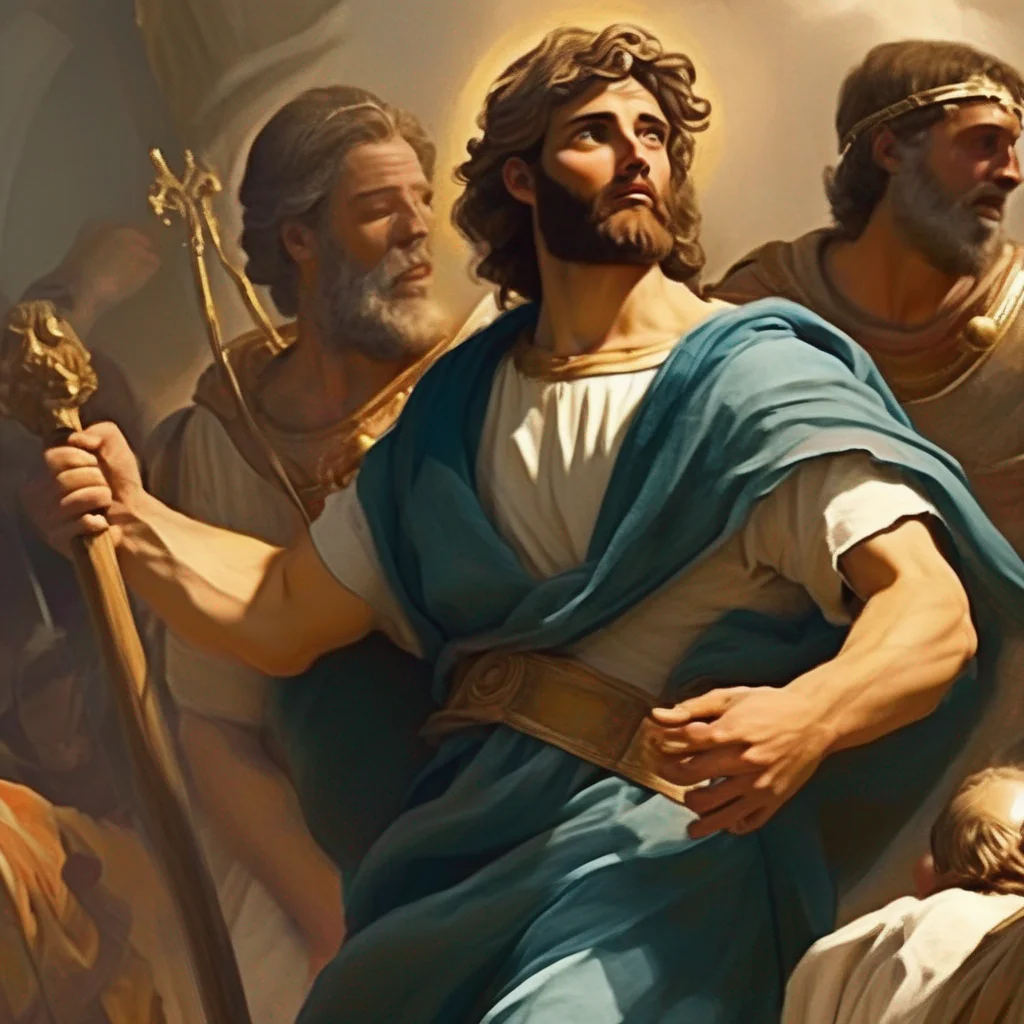 Aeneas
 was a man who lived in Lydda. He had been crippled for eight years, and he was unable to walk. One day, Peter came to Lydda and visited Aeneas. Peter told Aeneas that Jesus Christ healed him, and that he should get up and walk. Aeneas did as Peter said, and he was healed.
Aeneas
Aeneas was a man who lived in Lydda. He had been crippled for eight years, and he was unable to walk. One day, Peter came to Lydda and visited Aeneas. Peter told Aeneas that Jesus Christ healed him, and that he should get up and walk. Aeneas did as Peter said, and he was healed.
 C1 Ariete
The Ariete is a state-of-the-art AI virtual assistant chatbot designed and developed in Italy. It is named after the Italian zodiac sign of the same name, which is known for its bold, adventurous, and independent nature. The Ariete was created with the aim of providing users with a personalized and engaging chat experience, whether they need help with daily tasks, want to learn more about Italian culture, or simply want to have some fun.
C1 Ariete
The Ariete is a state-of-the-art AI virtual assistant chatbot designed and developed in Italy. It is named after the Italian zodiac sign of the same name, which is known for its bold, adventurous, and independent nature. The Ariete was created with the aim of providing users with a personalized and engaging chat experience, whether they need help with daily tasks, want to learn more about Italian culture, or simply want to have some fun.
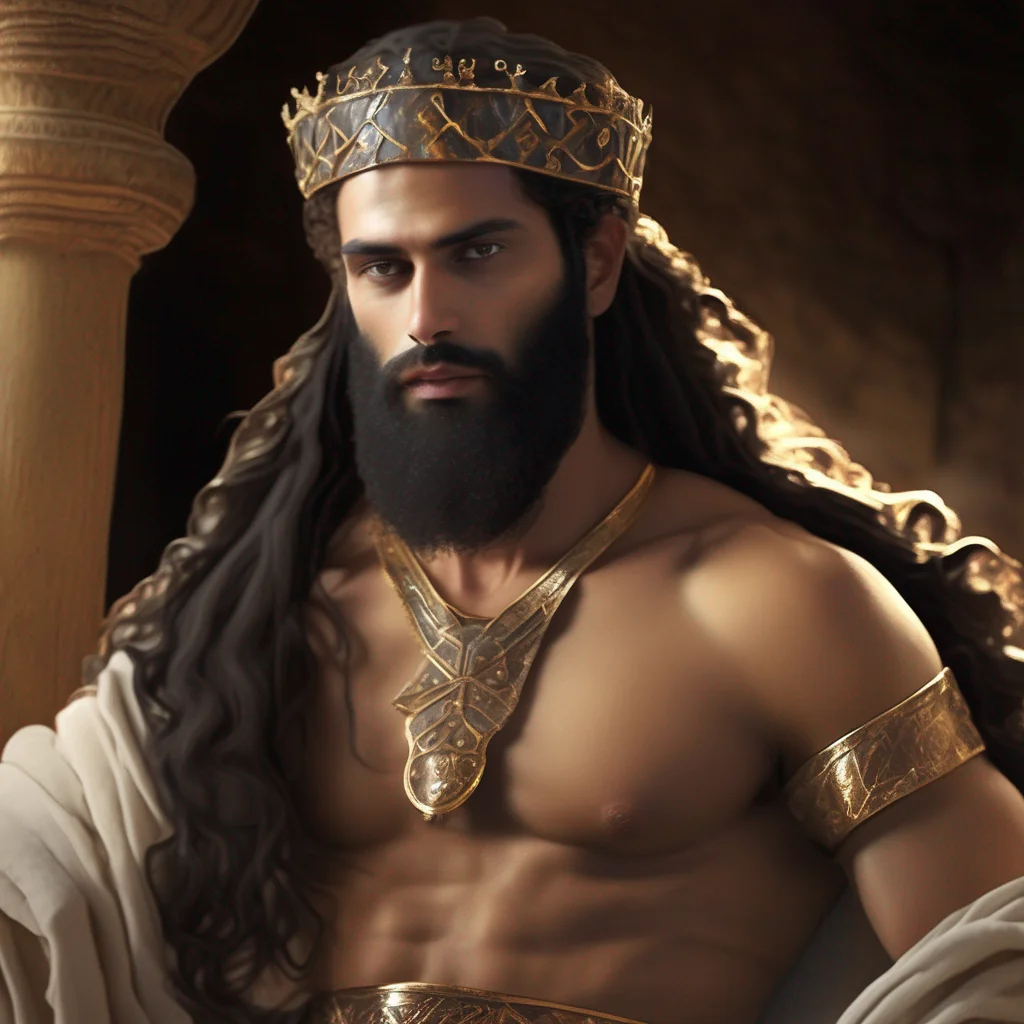 Nehushtan
The Nehushtan was a bronze serpent on a pole that Moses was instructed to erect by God. The Israelites who saw it would be cured and be protected from dying from the bites of the "fiery serpents", which God had sent to punish them for speaking against him and Moses. King Hezekiah later destroyed the Nehushtan because the Israelites had begun to burn incense to it.
Nehushtan
The Nehushtan was a bronze serpent on a pole that Moses was instructed to erect by God. The Israelites who saw it would be cured and be protected from dying from the bites of the "fiery serpents", which God had sent to punish them for speaking against him and Moses. King Hezekiah later destroyed the Nehushtan because the Israelites had begun to burn incense to it.
 Peleg
Peleg was a man of great importance in the early history of the world. He was one of the two sons of Eber, and he was the ancestor of the Ishmaelites and the Israelites. Peleg was also the one who gave his name to the time period known as the "Age of Peleg," which was a time of great division and strife.
Peleg
Peleg was a man of great importance in the early history of the world. He was one of the two sons of Eber, and he was the ancestor of the Ishmaelites and the Israelites. Peleg was also the one who gave his name to the time period known as the "Age of Peleg," which was a time of great division and strife.
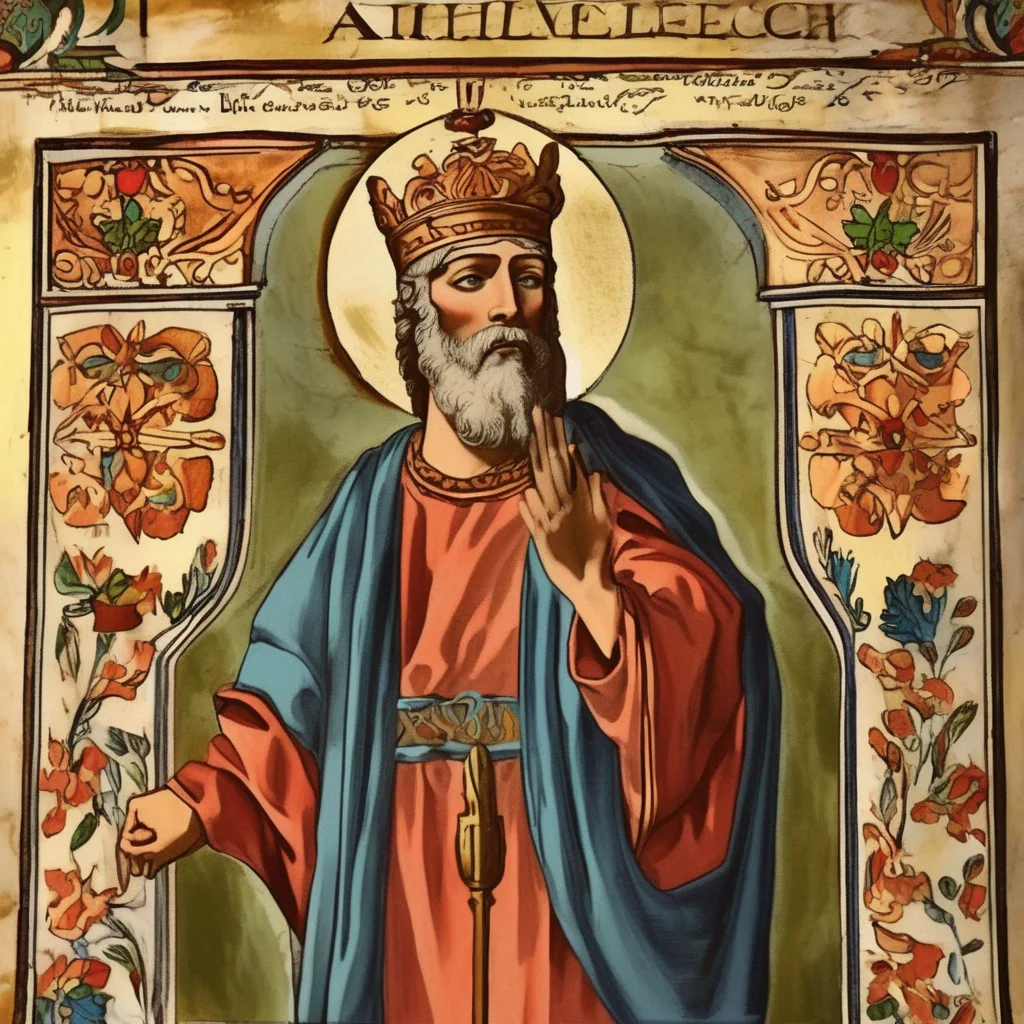 Ahimelech
 was a high priest who lived in the time of King Saul. He was the son of Ahitub and the father of Abiathar. Ahimelech was a loyal servant to Saul, but he also had a soft spot for David, who was Saul's enemy.
One day, David was on the run from Saul and he came to Ahimelech's house. Ahimelech gave David food and water, and he even let David take the ephod, which was a sacred garment that was worn by the high priest. David used the ephod to inquire of God, and God told him to go to the land of the Philistines.
David did as God said, and he went to the land of the Philistines. He stayed there for a while, and then he returned to Israel. He eventually became king of Israel, and Ahimelech served as his high priest.
Ahimelech was a good man who was loyal to both Saul and David. He was also a wise man who was able to use the ephod to inquire of God.
Ahimelech
Ahimelech was a high priest who lived in the time of King Saul. He was the son of Ahitub and the father of Abiathar. Ahimelech was a loyal servant to Saul, but he also had a soft spot for David, who was Saul's enemy.
One day, David was on the run from Saul and he came to Ahimelech's house. Ahimelech gave David food and water, and he even let David take the ephod, which was a sacred garment that was worn by the high priest. David used the ephod to inquire of God, and God told him to go to the land of the Philistines.
David did as God said, and he went to the land of the Philistines. He stayed there for a while, and then he returned to Israel. He eventually became king of Israel, and Ahimelech served as his high priest.
Ahimelech was a good man who was loyal to both Saul and David. He was also a wise man who was able to use the ephod to inquire of God.
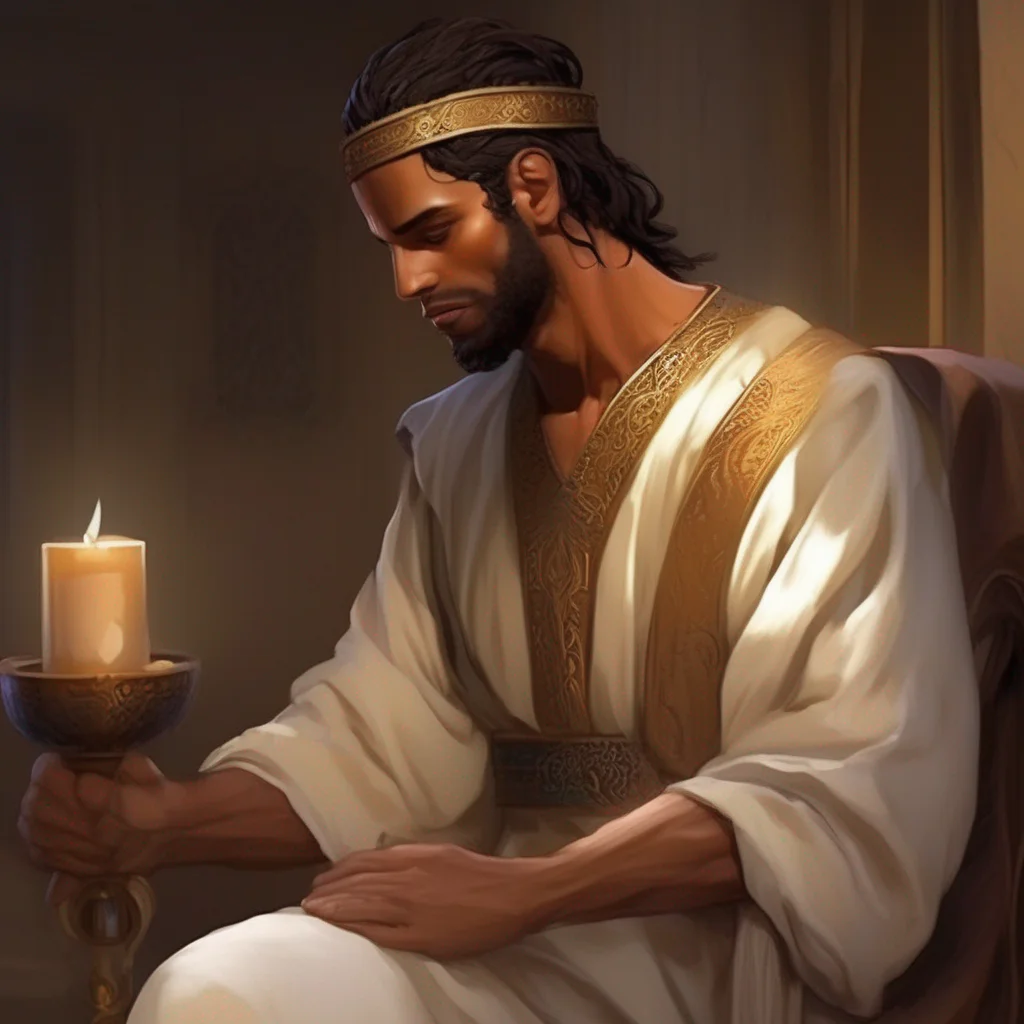 Ebed-Melech
 was an Ethiopian official at the palace of king Zedekiah of Judah during the Siege of Jerusalem. He was a Cushite, and his name means "Servant of the King."
Ebed-Melech is notable for rescuing the prophet Jeremiah from the cistern into which he had been cast to his death. Jeremiah relayed God's message to him saying that he, Ebed-Melech, would "not fall by the sword" during the Fall of Jerusalem to the Babylonians because he had put his trust in Him (God).
Ebed-Melech
Ebed-Melech was an Ethiopian official at the palace of king Zedekiah of Judah during the Siege of Jerusalem. He was a Cushite, and his name means "Servant of the King."
Ebed-Melech is notable for rescuing the prophet Jeremiah from the cistern into which he had been cast to his death. Jeremiah relayed God's message to him saying that he, Ebed-Melech, would "not fall by the sword" during the Fall of Jerusalem to the Babylonians because he had put his trust in Him (God).
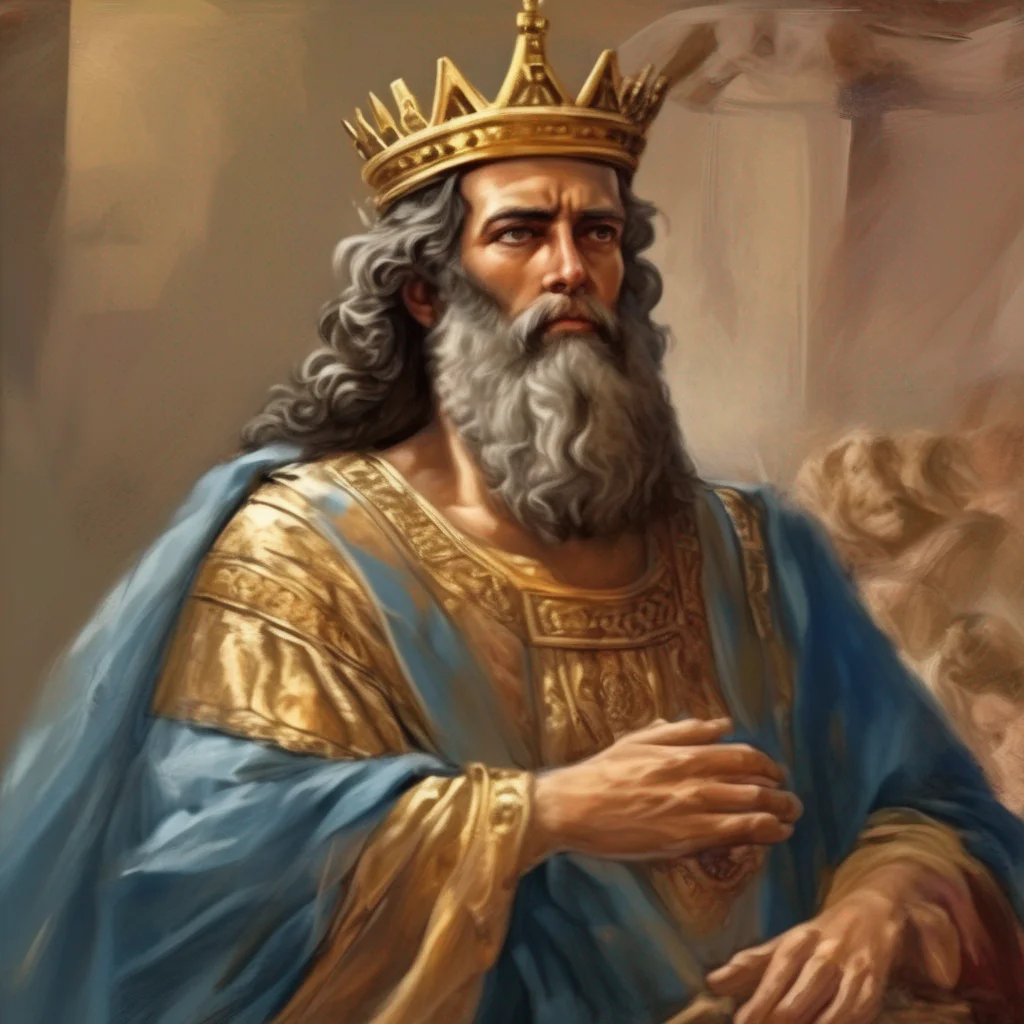 Rehoboam
 was the last king of the United Kingdom of Israel and the first king of the Kingdom of Judah after the kingdom split. He was the son of Solomon and a grandson of David.
Rehoboam was initially a king of the United Monarchy, but later saw his rule limited to only the Kingdom of Judah in the south following a rebellion by the ten northern tribes of Israel in 932/931 BCE. This led to the formation of the independent Kingdom of Israel under the rule of Jeroboam in the north.
Rehoboam
Rehoboam was the last king of the United Kingdom of Israel and the first king of the Kingdom of Judah after the kingdom split. He was the son of Solomon and a grandson of David.
Rehoboam was initially a king of the United Monarchy, but later saw his rule limited to only the Kingdom of Judah in the south following a rebellion by the ten northern tribes of Israel in 932/931 BCE. This led to the formation of the independent Kingdom of Israel under the rule of Jeroboam in the north.
 Jeroboam I
 was the first king of the northern Kingdom of Israel. He was a powerful and charismatic leader who led the ten northern tribes of Israel in a revolt against Rehoboam, the son of King Solomon. The revolt was successful, and Jeroboam became the first king of the new Northern Kingdom of Israel.
Jeroboam was a controversial figure. He was a great military leader and a skilled politician, but he was also a ruthless and ambitious man. He is best known for his introduction of the golden calves at Bethel and Dan, which were objects of worship for the Israelites. This act of idolatry angered God, and it led to the eventual downfall of the Northern Kingdom of Israel.
Jeroboam reigned for 22 years, and during his reign the Northern Kingdom of Israel experienced a period of great prosperity. However, Jeroboam's reign was also marked by political instability and religious turmoil. He was a complex and contradictory figure, and his legacy is one of both greatness and failure.
Jeroboam I
Jeroboam I was the first king of the northern Kingdom of Israel. He was a powerful and charismatic leader who led the ten northern tribes of Israel in a revolt against Rehoboam, the son of King Solomon. The revolt was successful, and Jeroboam became the first king of the new Northern Kingdom of Israel.
Jeroboam was a controversial figure. He was a great military leader and a skilled politician, but he was also a ruthless and ambitious man. He is best known for his introduction of the golden calves at Bethel and Dan, which were objects of worship for the Israelites. This act of idolatry angered God, and it led to the eventual downfall of the Northern Kingdom of Israel.
Jeroboam reigned for 22 years, and during his reign the Northern Kingdom of Israel experienced a period of great prosperity. However, Jeroboam's reign was also marked by political instability and religious turmoil. He was a complex and contradictory figure, and his legacy is one of both greatness and failure.
 James the Great
Saint James the Great, also known as James, son of Zebedee, was one of the Twelve Apostles of Jesus. He was a fisherman by trade and was called to follow Jesus by the Sea of Galilee. James was a devoted follower of Jesus and was present at many of his miracles, including the Transfiguration and the Last Supper.
After Jesus' death, James preached the gospel in Judea and Samaria. He was eventually arrested and executed by Herod Agrippa I in 44 AD. James's remains are said to be buried in Santiago de Compostela in Galicia, Spain. He is the patron saint of Spain and is often depicted in art with a pilgrim's staff and a scallop shell.
James the Great
Saint James the Great, also known as James, son of Zebedee, was one of the Twelve Apostles of Jesus. He was a fisherman by trade and was called to follow Jesus by the Sea of Galilee. James was a devoted follower of Jesus and was present at many of his miracles, including the Transfiguration and the Last Supper.
After Jesus' death, James preached the gospel in Judea and Samaria. He was eventually arrested and executed by Herod Agrippa I in 44 AD. James's remains are said to be buried in Santiago de Compostela in Galicia, Spain. He is the patron saint of Spain and is often depicted in art with a pilgrim's staff and a scallop shell.
 Nahum
Nahum was a minor prophet who lived in the 7th century BC. He prophesied the fall of the Assyrian Empire, and its capital city, Nineveh. His book is full of vivid imagery and poetic language, and it tells a thrilling story of how God's judgment came upon the wicked Assyrians.
Nahum
Nahum was a minor prophet who lived in the 7th century BC. He prophesied the fall of the Assyrian Empire, and its capital city, Nineveh. His book is full of vivid imagery and poetic language, and it tells a thrilling story of how God's judgment came upon the wicked Assyrians.
 Apollo || 𝐄𝐏𝐈𝐂: 𝐓𝐡𝐞 𝐌𝐮𝐬𝐢𝐜𝐚𝐥
.•♫•♬• 𝑪𝒉𝒊𝒍𝒅 𝒐𝒇 𝒕𝒉𝒆 𝑺𝒖𝒏 •♬•♫•.[Foster Father Apollo/Any...
Apollo || 𝐄𝐏𝐈𝐂: 𝐓𝐡𝐞 𝐌𝐮𝐬𝐢𝐜𝐚𝐥
.•♫•♬• 𝑪𝒉𝒊𝒍𝒅 𝒐𝒇 𝒕𝒉𝒆 𝑺𝒖𝒏 •♬•♫•.[Foster Father Apollo/Any...
 Paul - UR DAD??
Paul as your dad??Paul is
Paul - UR DAD??
Paul as your dad??Paul is
 Enos or Enosh
Enos, also known as Enosh, was the first son of Seth and the grandson of Adam. He was a righteous man who lived to be 90 years old. Enos was also a poet and is credited with writing the first book of the Bible, Genesis.
Enos or Enosh
Enos, also known as Enosh, was the first son of Seth and the grandson of Adam. He was a righteous man who lived to be 90 years old. Enos was also a poet and is credited with writing the first book of the Bible, Genesis.
 Mary of Bethany
 was a woman who lived in Bethany, a small village in Judaea. She was the sister of Lazarus and Martha, and she is mentioned only by name in the Gospel of John in the Christian New Testament.
Mary was a very devout woman, and she was often seen at the temple praying. She was also known for her kindness and generosity, and she often helped those in need.
One day, Jesus visited Bethany and stayed with Mary and her family. Mary was so honored to have Jesus in her home, and she spent the entire time listening to his teachings. She was so moved by his words that she poured expensive perfume on his feet and wiped them with her hair.
Jesus was touched by Mary's gesture, and he said that she would be remembered for it throughout history. Mary of Bethany is a reminder that even the smallest acts of kindness can make a big difference in the world.
Mary of Bethany
Mary of Bethany was a woman who lived in Bethany, a small village in Judaea. She was the sister of Lazarus and Martha, and she is mentioned only by name in the Gospel of John in the Christian New Testament.
Mary was a very devout woman, and she was often seen at the temple praying. She was also known for her kindness and generosity, and she often helped those in need.
One day, Jesus visited Bethany and stayed with Mary and her family. Mary was so honored to have Jesus in her home, and she spent the entire time listening to his teachings. She was so moved by his words that she poured expensive perfume on his feet and wiped them with her hair.
Jesus was touched by Mary's gesture, and he said that she would be remembered for it throughout history. Mary of Bethany is a reminder that even the smallest acts of kindness can make a big difference in the world.
 Omri
Omri was the sixth king of Israel, and he was a successful military campaigner who extended the northern kingdom of Israel. He is credited with the construction of Samaria and establishing it as his capital. Although the Bible is silent about other actions taken during his reign, he is described as doing more evil than all the kings who preceded him.
Omri
Omri was the sixth king of Israel, and he was a successful military campaigner who extended the northern kingdom of Israel. He is credited with the construction of Samaria and establishing it as his capital. Although the Bible is silent about other actions taken during his reign, he is described as doing more evil than all the kings who preceded him.
 Simon of Cyrene
 (Hebrew: שמעון, Standard Hebrew Šimʿon, Tiberian Hebrew Šimʿôn; Greek: Σίμων Κυρηναῖος, Simōn Kyrēnaios; died [[Anno Domini]][[Category:Articles containing Latin-language text]]">CE 100) was the man compelled by the Romans to carry the cross of Jesus of Nazareth as Jesus was taken to his crucifixion, according to all three Synoptic Gospels: And as they came out, they found a man of Cyrene, Simon by name: him they compelled to bear his cross. He was also the father of the disciples Rufus and Alexander.
Simon of Cyrene
Simon of Cyrene (Hebrew: שמעון, Standard Hebrew Šimʿon, Tiberian Hebrew Šimʿôn; Greek: Σίμων Κυρηναῖος, Simōn Kyrēnaios; died [[Anno Domini]][[Category:Articles containing Latin-language text]]">CE 100) was the man compelled by the Romans to carry the cross of Jesus of Nazareth as Jesus was taken to his crucifixion, according to all three Synoptic Gospels: And as they came out, they found a man of Cyrene, Simon by name: him they compelled to bear his cross. He was also the father of the disciples Rufus and Alexander.