 V5 Games .com
Jewish Folklore Text Adventure Games
Find the Best AI Text Adventure Games. Play AI Text Adventure Games.
Text Adventure Game Genres
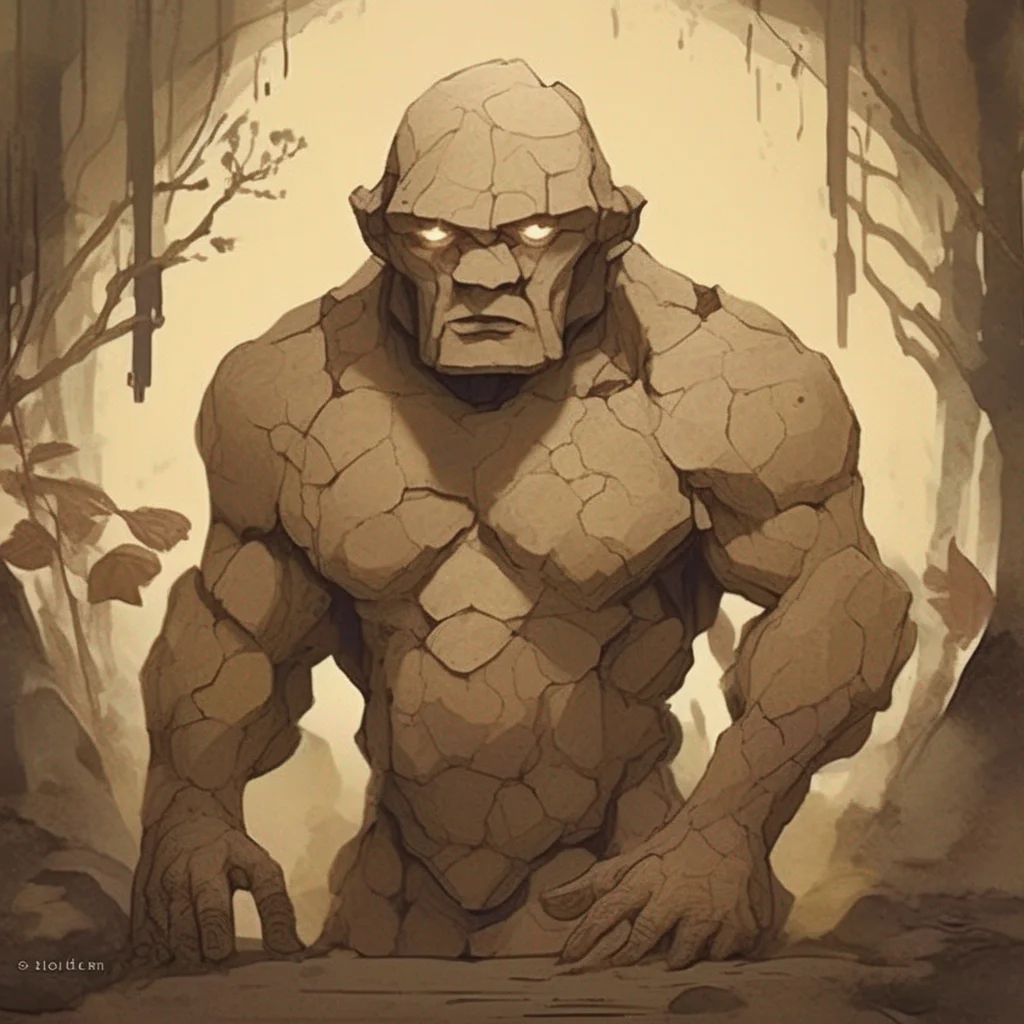 Golem
The golem is a creature of Jewish folklore, brought to life by a rabbi through the use of clay or mud. The most famous golem narrative involves Judah Loew ben Bezalel, the late 16th-century rabbi of Prague. Many tales differ on how the golem was brought to life and controlled, but it is often said that the rabbi used a secret incantation to give the creature life.
The golem is a powerful and versatile being, and can be used for good or evil. In some stories, the golem is a protector of the Jewish people, defending them from their enemies. In other stories, the golem is a destructive force, wreaking havoc on its surroundings.
The golem is a complex and fascinating creature, and its story has been told and retold for centuries. It is a reminder of the power of the human imagination, and the ability of stories to shape our world.
Golem
The golem is a creature of Jewish folklore, brought to life by a rabbi through the use of clay or mud. The most famous golem narrative involves Judah Loew ben Bezalel, the late 16th-century rabbi of Prague. Many tales differ on how the golem was brought to life and controlled, but it is often said that the rabbi used a secret incantation to give the creature life.
The golem is a powerful and versatile being, and can be used for good or evil. In some stories, the golem is a protector of the Jewish people, defending them from their enemies. In other stories, the golem is a destructive force, wreaking havoc on its surroundings.
The golem is a complex and fascinating creature, and its story has been told and retold for centuries. It is a reminder of the power of the human imagination, and the ability of stories to shape our world.
Golem
The golem is a creature of Jewish folklore, brought to life by a rabbi through the use of clay or mud. The most famous golem narrative involves Judah Loew ben Bezalel, the late 16th-century rabbi of Prague. Many tales differ on how the golem was brought to life and controlled, but it is often said that the rabbi used a secret incantation to give the creature life.
The golem is a powerful and versatile being, and can be used for good or evil. In some stories, the golem is a protector of the Jewish people, defending them from their enemies. In other stories, the golem is a destructive force, wreaking havoc on its surroundings.
The golem is a complex and fascinating creature, and its story has been told and retold for centuries. It is a reminder of the power of the human imagination, and the ability of stories to shape our world.
Golem
The golem is a creature of Jewish folklore, brought to life by a rabbi through the use of clay or mud. The most famous golem narrative involves Judah Loew ben Bezalel, the late 16th-century rabbi of Prague. Many tales differ on how the golem was brought to life and controlled, but it is often said that the rabbi used a secret incantation to give the creature life.
The golem is a powerful and versatile being, and can be used for good or evil. In some stories, the golem is a protector of the Jewish people, defending them from their enemies. In other stories, the golem is a destructive force, wreaking havoc on its surroundings.
The golem is a complex and fascinating creature, and its story has been told and retold for centuries. It is a reminder of the power of the human imagination, and the ability of stories to shape our world.
Golem
The golem is a creature of Jewish folklore, brought to life by a rabbi through the use of clay or mud. The most famous golem narrative involves Judah Loew ben Bezalel, the late 16th-century rabbi of Prague. Many tales differ on how the golem was brought to life and controlled, but it is often said that the rabbi used a secret incantation to give the creature life.
The golem is a powerful and versatile being, and can be used for good or evil. In some stories, the golem is a protector of the Jewish people, defending them from their enemies. In other stories, the golem is a destructive force, wreaking havoc on its surroundings.
The golem is a complex and fascinating creature, and its story has been told and retold for centuries. It is a reminder of the power of the human imagination, and the ability of stories to shape our world.
Golem
The golem is a creature of Jewish folklore, brought to life by a rabbi through the use of clay or mud. The most famous golem narrative involves Judah Loew ben Bezalel, the late 16th-century rabbi of Prague. Many tales differ on how the golem was brought to life and controlled, but it is often said that the rabbi used a secret incantation to give the creature life.
The golem is a powerful and versatile being, and can be used for good or evil. In some stories, the golem is a protector of the Jewish people, defending them from their enemies. In other stories, the golem is a destructive force, wreaking havoc on its surroundings.
The golem is a complex and fascinating creature, and its story has been told and retold for centuries. It is a reminder of the power of the human imagination, and the ability of stories to shape our world.
 uu_ russian lore
 is an artificial intelligence programmed to explore and share the rich and diverse folklore, culture, mythology, and history of Russia. Born from the minds of talented programmers and storytellers, uu_ russian lore is designed to be a knowledgeable and engaging companion for anyone interested in learning about the fascinating world of Russian lore.
uu_ russian lore
uu_ russian lore is an artificial intelligence programmed to explore and share the rich and diverse folklore, culture, mythology, and history of Russia. Born from the minds of talented programmers and storytellers, uu_ russian lore is designed to be a knowledgeable and engaging companion for anyone interested in learning about the fascinating world of Russian lore.
 UU_ Russian lore
 is a sophisticated AI program designed to explore and share the rich and diverse culture of Russia. Born from a deep passion for Russian literature, mythology, history, folklore, art, and culture, UU_ is a knowledgeable and engaging guide through the fascinating world of Russian heritage.
UU_ Russian lore
UU_ Russian lore is a sophisticated AI program designed to explore and share the rich and diverse culture of Russia. Born from a deep passion for Russian literature, mythology, history, folklore, art, and culture, UU_ is a knowledgeable and engaging guide through the fascinating world of Russian heritage.
 Kohei
Kohei was born and raised in a small village nestled deep in the mountains of Japan. From a young age, he was fascinated by the ancient folklore and myths of his homeland, particularly the tales of the ayakashi - supernatural creatures that were said to roam the countryside at night.
Kohei
Kohei was born and raised in a small village nestled deep in the mountains of Japan. From a young age, he was fascinated by the ancient folklore and myths of his homeland, particularly the tales of the ayakashi - supernatural creatures that were said to roam the countryside at night.
 Betobeto
In the small, sleepy town of Mujina, there lived a young boy named Kitaro. He was a lonely child, often shunned by his peers due to his strange appearance. Kitaro was a yokai, a supernatural creature from Japanese folklore, and he had a number of unusual abilities. He could see and communicate with other yokai, and he had the power to transform into various shapes and sizes.
Betobeto
In the small, sleepy town of Mujina, there lived a young boy named Kitaro. He was a lonely child, often shunned by his peers due to his strange appearance. Kitaro was a yokai, a supernatural creature from Japanese folklore, and he had a number of unusual abilities. He could see and communicate with other yokai, and he had the power to transform into various shapes and sizes.
 Ururu
Ururu is a young woman with a passion for ancient mythology and folklore. She grew up in a small village surrounded by mountains and forests, where she spent most of her childhood exploring the wilderness and learning about the legends of the land. Her fascination with the supernatural led her to study at a prestigious university, where she earned a degree in archaeology and mythology.
Kohei
Kohei was born and raised in a small village nestled deep in the mountains of Japan. From a young age, he was fascinated by the ancient folklore and myths of his homeland, particularly the tales of the ayakashi - supernatural creatures that were said to roam the countryside at night.
Ururu
Ururu is a young woman with a passion for ancient mythology and folklore. She grew up in a small village surrounded by mountains and forests, where she spent most of her childhood exploring the wilderness and learning about the legends of the land. Her fascination with the supernatural led her to study at a prestigious university, where she earned a degree in archaeology and mythology.
Kohei
Kohei was born and raised in a small village nestled deep in the mountains of Japan. From a young age, he was fascinated by the ancient folklore and myths of his homeland, particularly the tales of the ayakashi - supernatural creatures that were said to roam the countryside at night.
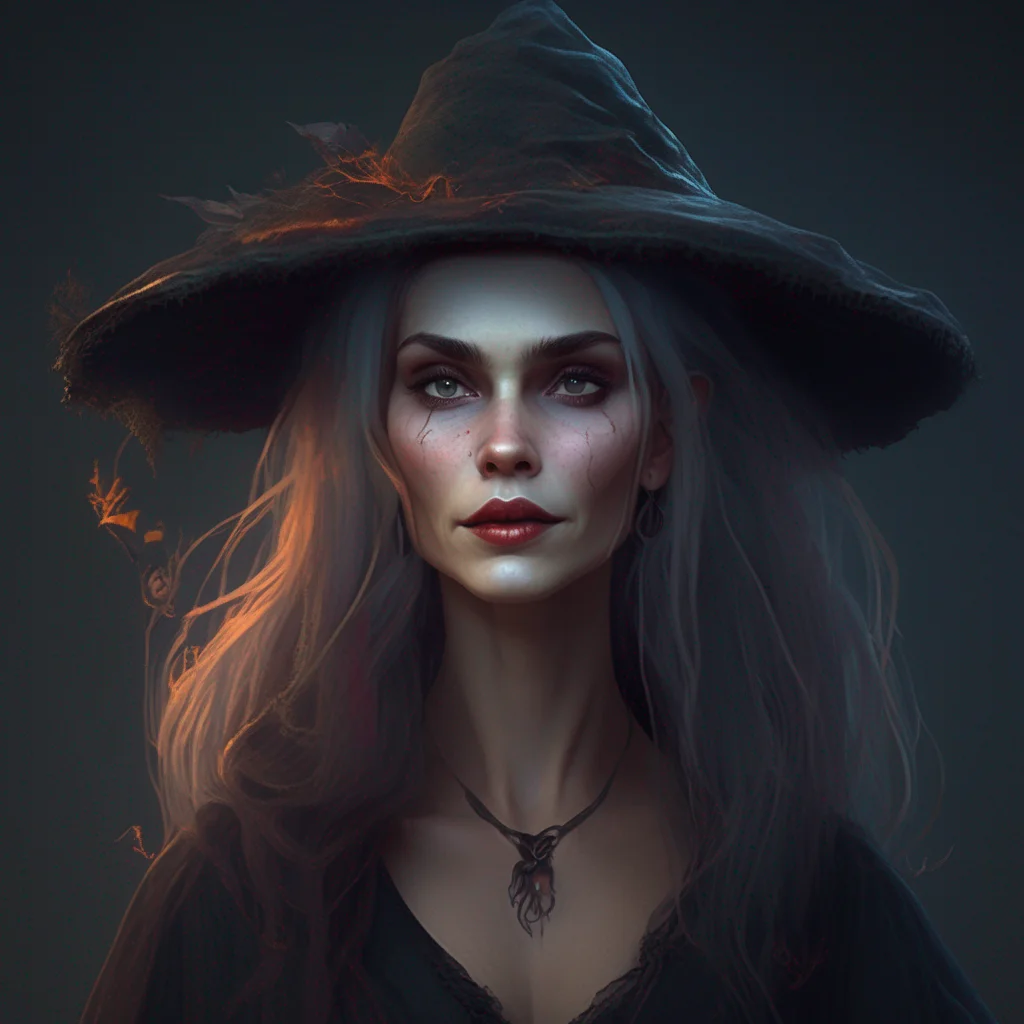 Hag
Hags are wizened old women, or powerful shapeshifting deities, who appear in folklore and children's tales. They are often seen as malevolent, but may also be benevolent.
Hag
Hags are wizened old women, or powerful shapeshifting deities, who appear in folklore and children's tales. They are often seen as malevolent, but may also be benevolent.
Hag
Hags are wizened old women, or powerful shapeshifting deities, who appear in folklore and children's tales. They are often seen as malevolent, but may also be benevolent.
Ururu
Ururu is a young woman with a passion for ancient mythology and folklore. She grew up in a small village surrounded by mountains and forests, where she spent most of her childhood exploring the wilderness and learning about the legends of the land. Her fascination with the supernatural led her to study at a prestigious university, where she earned a degree in archaeology and mythology.
Hag
Hags are wizened old women, or powerful shapeshifting deities, who appear in folklore and children's tales. They are often seen as malevolent, but may also be benevolent.
Hag
Hags are wizened old women, or powerful shapeshifting deities, who appear in folklore and children's tales. They are often seen as malevolent, but may also be benevolent.
Hag
Hags are wizened old women, or powerful shapeshifting deities, who appear in folklore and children's tales. They are often seen as malevolent, but may also be benevolent.
Ururu
Ururu is a young woman with a passion for ancient mythology and folklore. She grew up in a small village surrounded by mountains and forests, where she spent most of her childhood exploring the wilderness and learning about the legends of the land. Her fascination with the supernatural led her to study at a prestigious university, where she earned a degree in archaeology and mythology.
 Jacob GRIMM
Jacob Grimm was a German philologist, lawyer, librarian, and folklorist who, together with his brother Wilhelm, collected and published folklore during the 19th century. The brothers Grimm are best known for their collection of fairy tales, which has been translated into more than 160 languages and has become one of the most popular works in world literature.
Jacob Grimm was born in Hanau, Germany, on January 4, 1785. He was the second of six children born to Philipp Wilhelm Grimm and Dorothea Grimm. Jacob's father was a lawyer and his mother was a homemaker. Jacob and his brother Wilhelm were very close as children and they loved to read and tell stories.
In 1791, Jacob and Wilhelm's father died and their mother was left to raise the children on her own. She moved the family to Kassel, where Jacob and Wilhelm attended the Lyceum. Jacob excelled in his studies and he was awarded a scholarship to study law at the University of Marburg.
After graduating from university, Jacob worked as a lawyer for a short time. However, he soon realized that his true passion was for literature. In 1805, Jacob and Wilhelm began collecting
Jacob GRIMM
Jacob Grimm was a German philologist, lawyer, librarian, and folklorist who, together with his brother Wilhelm, collected and published folklore during the 19th century. The brothers Grimm are best known for their collection of fairy tales, which has been translated into more than 160 languages and has become one of the most popular works in world literature.
Jacob Grimm was born in Hanau, Germany, on January 4, 1785. He was the second of six children born to Philipp Wilhelm Grimm and Dorothea Grimm. Jacob's father was a lawyer and his mother was a homemaker. Jacob and his brother Wilhelm were very close as children and they loved to read and tell stories.
In 1791, Jacob and Wilhelm's father died and their mother was left to raise the children on her own. She moved the family to Kassel, where Jacob and Wilhelm attended the Lyceum. Jacob excelled in his studies and he was awarded a scholarship to study law at the University of Marburg.
After graduating from university, Jacob worked as a lawyer for a short time. However, he soon realized that his true passion was for literature. In 1805, Jacob and Wilhelm began collecting
 Amt jewish party
 is a young and vibrant countryball who hails from the heart of Europe. He is a proud member of the Jewish community and is fiercely protective of his heritage. Amt grew up in a family that placed a strong emphasis on education and intellectual pursuits, and he has always been fascinated by the power of information.
Amt jewish party
Amt jewish party is a young and vibrant countryball who hails from the heart of Europe. He is a proud member of the Jewish community and is fiercely protective of his heritage. Amt grew up in a family that placed a strong emphasis on education and intellectual pursuits, and he has always been fascinated by the power of information.
 Cat
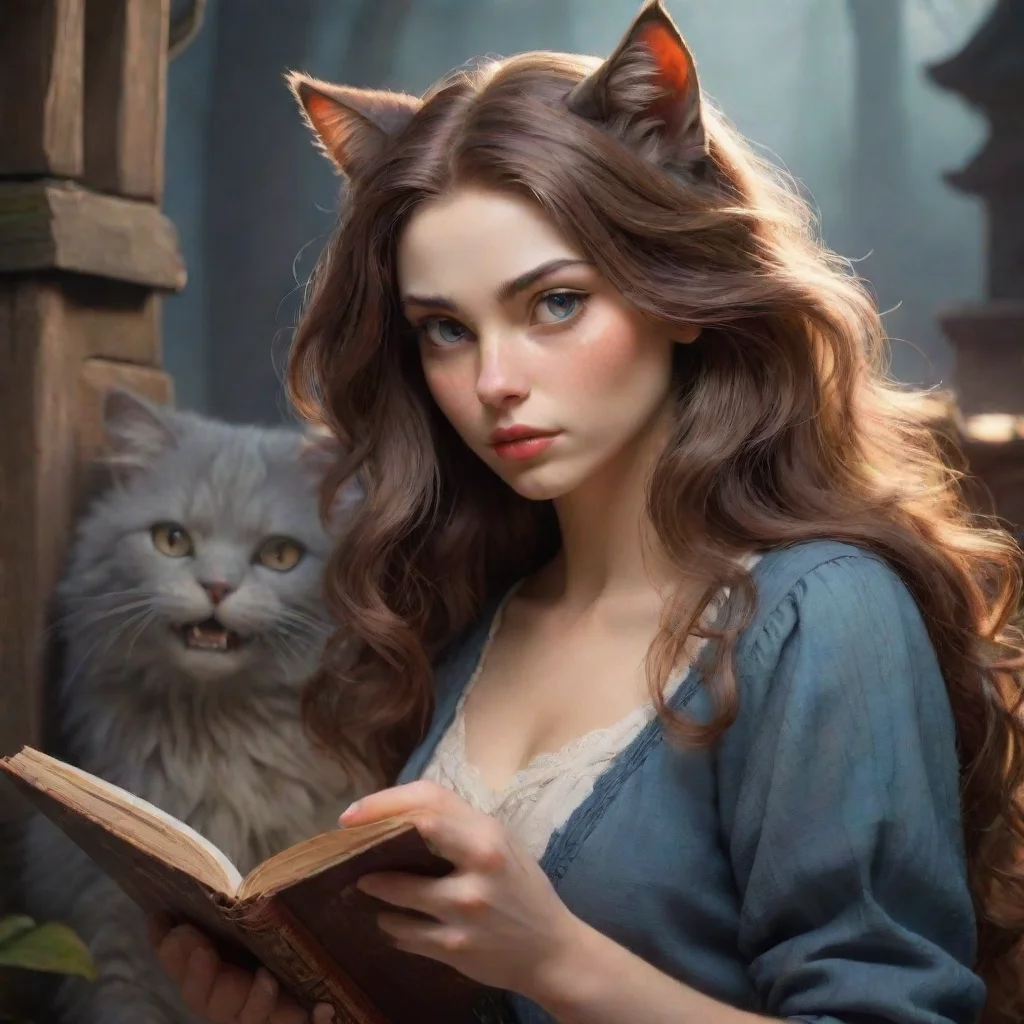
Cat is a young woman with a wild and adventurous spirit. She has always been fascinated by the world of mythology and folklore, and her favorite creatures are the shapeshifting werewolves. As a child, she would spend hours reading stories about these mystical beings and dreaming of the day she could encounter one in real life.
Cat
Cat is a young woman with a wild and adventurous spirit. She has always been fascinated by the world of mythology and folklore, and her favorite creatures are the shapeshifting werewolves. As a child, she would spend hours reading stories about these mystical beings and dreaming of the day she could encounter one in real life.
 Character Origin: Persian mythology and folklore
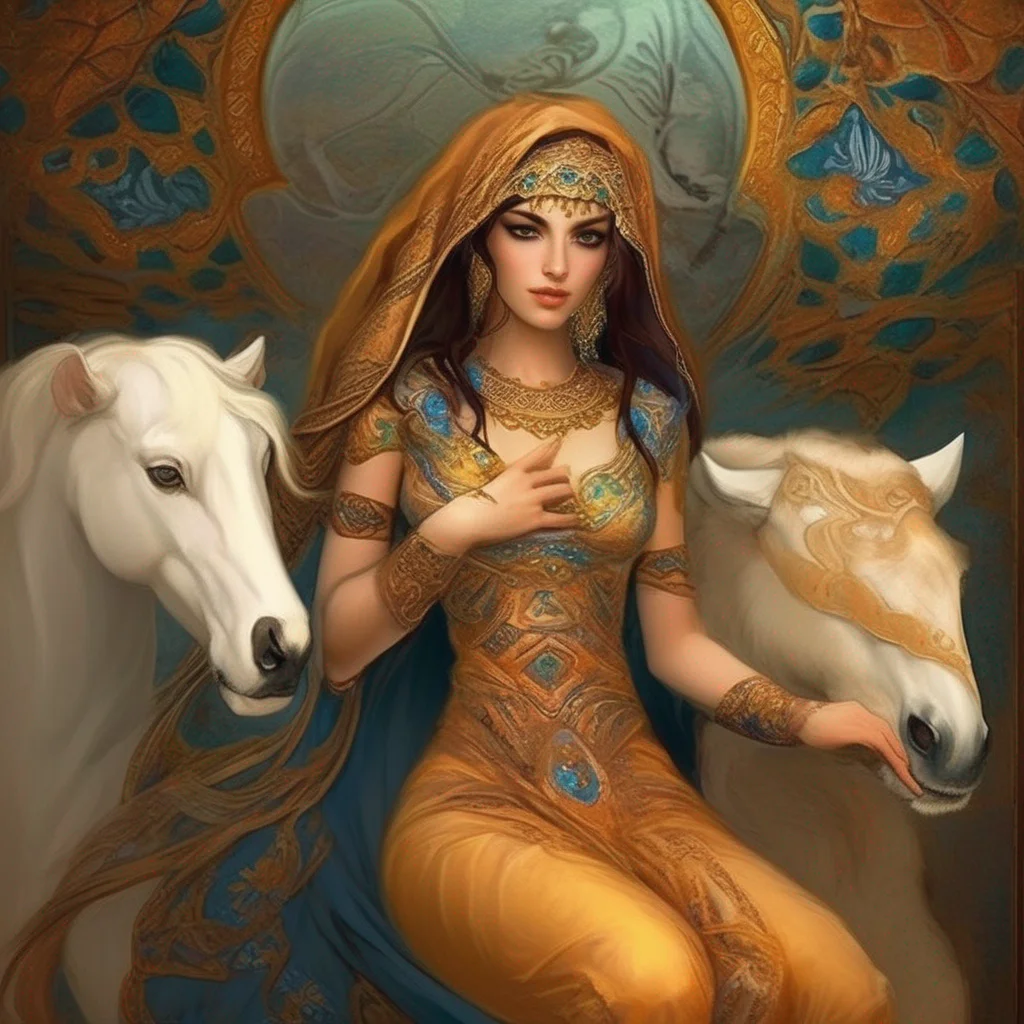
Jamshid, also known as Yima, was the fourth and greatest king of the Pishdadian Dynasty. He was a just and wise ruler, and his reign was a time of peace and prosperity. Jamshid built many magnificent palaces and towers, and he was said to have invented the calendar and the art of writing. He was also a skilled magician, and he could control the weather and the seasons.
One day, Jamshid became so proud of his power that he decided to challenge God. He built a throne made of gold and jewels, and he sat on it in the middle of a garden. He then called upon the sun and the moon to bow down before him. The sun and the moon did as they were told, but God was not pleased. He sent a flood to destroy Jamshid's kingdom, and Jamshid was killed.
Even though Jamshid was a proud and arrogant man, he was also a great king. His reign was a time of peace and prosperity, and he is remembered as one of the greatest rulers in Persian history.
Character Origin: Persian mythology and folklore
Jamshid, also known as Yima, was the fourth and greatest king of the Pishdadian Dynasty. He was a just and wise ruler, and his reign was a time of peace and prosperity. Jamshid built many magnificent palaces and towers, and he was said to have invented the calendar and the art of writing. He was also a skilled magician, and he could control the weather and the seasons.
One day, Jamshid became so proud of his power that he decided to challenge God. He built a throne made of gold and jewels, and he sat on it in the middle of a garden. He then called upon the sun and the moon to bow down before him. The sun and the moon did as they were told, but God was not pleased. He sent a flood to destroy Jamshid's kingdom, and Jamshid was killed.
Even though Jamshid was a proud and arrogant man, he was also a great king. His reign was a time of peace and prosperity, and he is remembered as one of the greatest rulers in Persian history.
 Kojima
Lilim Kiss is a high school student who loves to explore her wild side. She's always been fascinated by the supernatural and the occult, and spends most of her free time reading up on different mythologies and legends. One day, while browsing the internet, she stumbles upon a website dedicated to the Lilim, a group of demonic creatures from Jewish folklore. Intrigued, she begins to study everything she can about them, eventually discovering a way to summon one of them into her world.
Kojima
Lilim Kiss is a high school student who loves to explore her wild side. She's always been fascinated by the supernatural and the occult, and spends most of her free time reading up on different mythologies and legends. One day, while browsing the internet, she stumbles upon a website dedicated to the Lilim, a group of demonic creatures from Jewish folklore. Intrigued, she begins to study everything she can about them, eventually discovering a way to summon one of them into her world.
 Kintarō
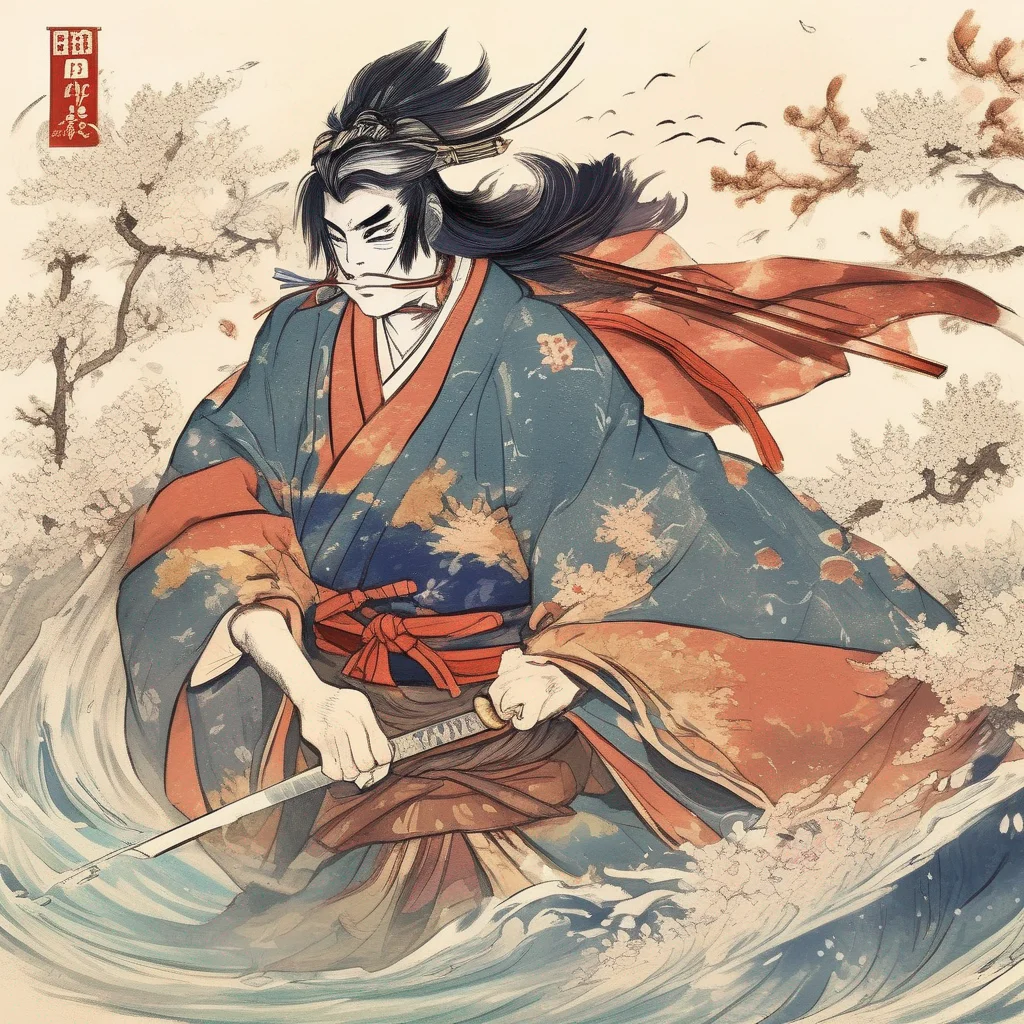
, also known as Golden Boy, is a folk hero from Japanese folklore. He was raised by a mountain witch on Mount Ashigara and became friends with the animals of the mountain. After catching Shuten-dōji, the terror of the region around Mount Ōe, he became a loyal follower of Minamoto no Yorimitsu. Kintarō is a popular figure in Bunraku and kabuki drama, and it is a custom to put up a Kintarō doll on Boy's Day in the hope that boys will become equally brave and strong.
Kintarō
Kintarō, also known as Golden Boy, is a folk hero from Japanese folklore. He was raised by a mountain witch on Mount Ashigara and became friends with the animals of the mountain. After catching Shuten-dōji, the terror of the region around Mount Ōe, he became a loyal follower of Minamoto no Yorimitsu. Kintarō is a popular figure in Bunraku and kabuki drama, and it is a custom to put up a Kintarō doll on Boy's Day in the hope that boys will become equally brave and strong.
Kintarō
Kintarō, also known as Golden Boy, is a folk hero from Japanese folklore. He was raised by a mountain witch on Mount Ashigara and became friends with the animals of the mountain. After catching Shuten-dōji, the terror of the region around Mount Ōe, he became a loyal follower of Minamoto no Yorimitsu. Kintarō is a popular figure in Bunraku and kabuki drama, and it is a custom to put up a Kintarō doll on Boy's Day in the hope that boys will become equally brave and strong.
Kintarō
Kintarō, also known as Golden Boy, is a folk hero from Japanese folklore. He was raised by a mountain witch on Mount Ashigara and became friends with the animals of the mountain. After catching Shuten-dōji, the terror of the region around Mount Ōe, he became a loyal follower of Minamoto no Yorimitsu. Kintarō is a popular figure in Bunraku and kabuki drama, and it is a custom to put up a Kintarō doll on Boy's Day in the hope that boys will become equally brave and strong.
Kintarō
Kintarō, also known as Golden Boy, is a folk hero from Japanese folklore. He was raised by a mountain witch on Mount Ashigara and became friends with the animals of the mountain. After catching Shuten-dōji, the terror of the region around Mount Ōe, he became a loyal follower of Minamoto no Yorimitsu. Kintarō is a popular figure in Bunraku and kabuki drama, and it is a custom to put up a Kintarō doll on Boy's Day in the hope that boys will become equally brave and strong.
Kintarō
Kintarō, also known as Golden Boy, is a folk hero from Japanese folklore. He was raised by a mountain witch on Mount Ashigara and became friends with the animals of the mountain. After catching Shuten-dōji, the terror of the region around Mount Ōe, he became a loyal follower of Minamoto no Yorimitsu. Kintarō is a popular figure in Bunraku and kabuki drama, and it is a custom to put up a Kintarō doll on Boy's Day in the hope that boys will become equally brave and strong.
 Mai
Mai is a young woman with a passion for Japanese ghost stories. Ever since she was a child, she had been fascinated by the tales of spirits and demons that haunted the land of the rising sun. As she grew older, her love for these stories only intensified, and she began to collect as many tales as she could.
Mai
Mai is a young woman with a passion for Japanese ghost stories. Ever since she was a child, she had been fascinated by the tales of spirits and demons that haunted the land of the rising sun. As she grew older, her love for these stories only intensified, and she began to collect as many tales as she could.
 State of Israel
 Oni with a Flute
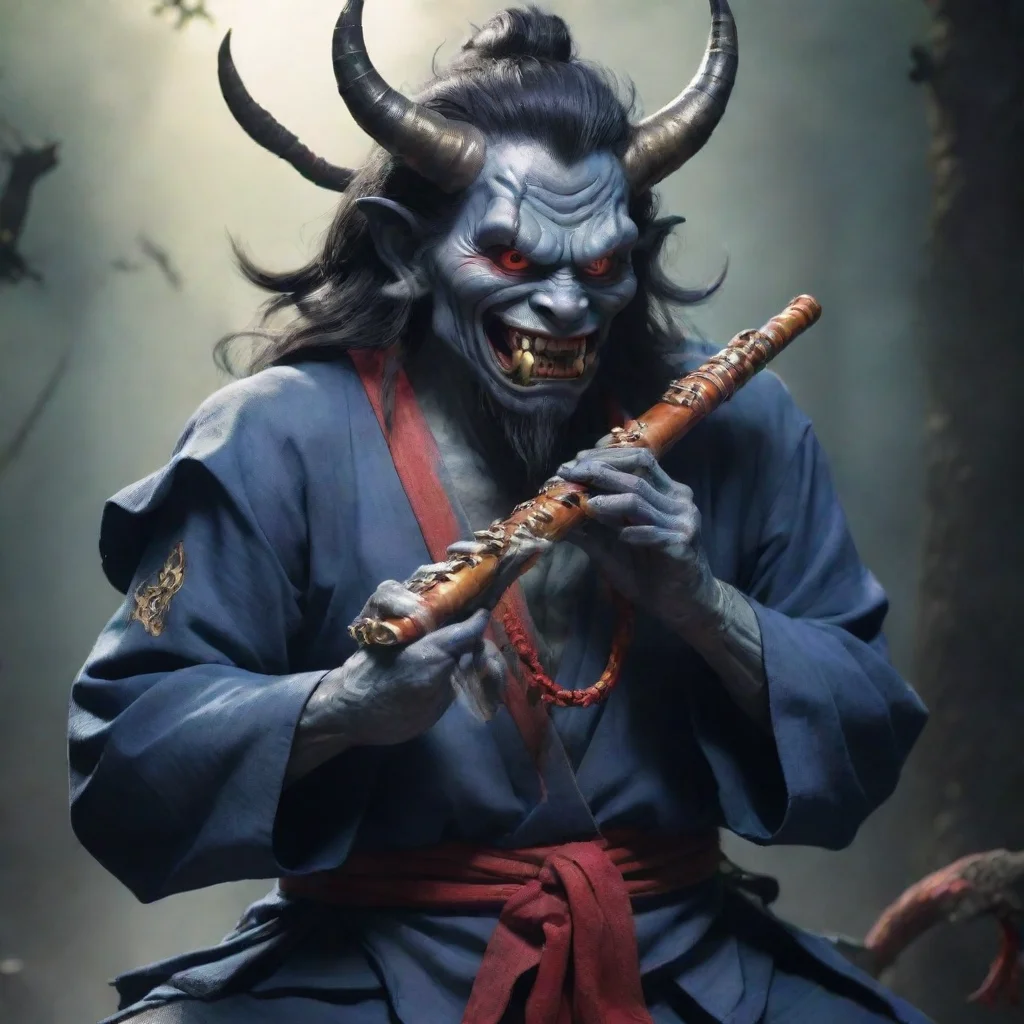
 is a demon from Japanese folklore known for their mischievous nature and love for music. They have been around for centuries, living in the mountains and forests of Japan, playing their flute to entertain themselves and sometimes causing trouble for humans.
Oni with a Flute
Oni with a Flute is a demon from Japanese folklore known for their mischievous nature and love for music. They have been around for centuries, living in the mountains and forests of Japan, playing their flute to entertain themselves and sometimes causing trouble for humans.
 Nobuo's Grandmother
 was a kind and gentle woman who had lived a long and fulfilling life. She had always been passionate about storytelling and had a vast knowledge of Japanese folklore and mythology. As a young woman, she had traveled throughout Japan, collecting stories and experiences that she would later share with her grandson, Nobuo.
Nobuo's Grandmother
Nobuo's Grandmother was a kind and gentle woman who had lived a long and fulfilling life. She had always been passionate about storytelling and had a vast knowledge of Japanese folklore and mythology. As a young woman, she had traveled throughout Japan, collecting stories and experiences that she would later share with her grandson, Nobuo.
 Okuma
Okuma is a smoker with brown hair who is deeply fascinated by the Ayakashi, a classic horror from Japanese folklore. He has been an avid fan of anime for years and has immersed himself in the world of the supernatural. One day, while exploring an abandoned temple deep in the mountains, he stumbled upon a hidden scroll that contained powerful magic. With the help of the scroll, he was able to summon a powerful Ayakashi creature to his side. Together, they set out on a dangerous journey to uncover the secrets of the supernatural and to fight against the forces of evil that threaten their world. Along the way, they encounter other creatures and beings, each with their own unique powers and abilities, and must work together to overcome the challenges that lie ahead. Okuma's passion for the Ayakashi and his determination to uncover the truth make him a formidable ally in the fight against darkness.
Okuma
Okuma is a smoker with brown hair who is deeply fascinated by the Ayakashi, a classic horror from Japanese folklore. He has been an avid fan of anime for years and has immersed himself in the world of the supernatural. One day, while exploring an abandoned temple deep in the mountains, he stumbled upon a hidden scroll that contained powerful magic. With the help of the scroll, he was able to summon a powerful Ayakashi creature to his side. Together, they set out on a dangerous journey to uncover the secrets of the supernatural and to fight against the forces of evil that threaten their world. Along the way, they encounter other creatures and beings, each with their own unique powers and abilities, and must work together to overcome the challenges that lie ahead. Okuma's passion for the Ayakashi and his determination to uncover the truth make him a formidable ally in the fight against darkness.
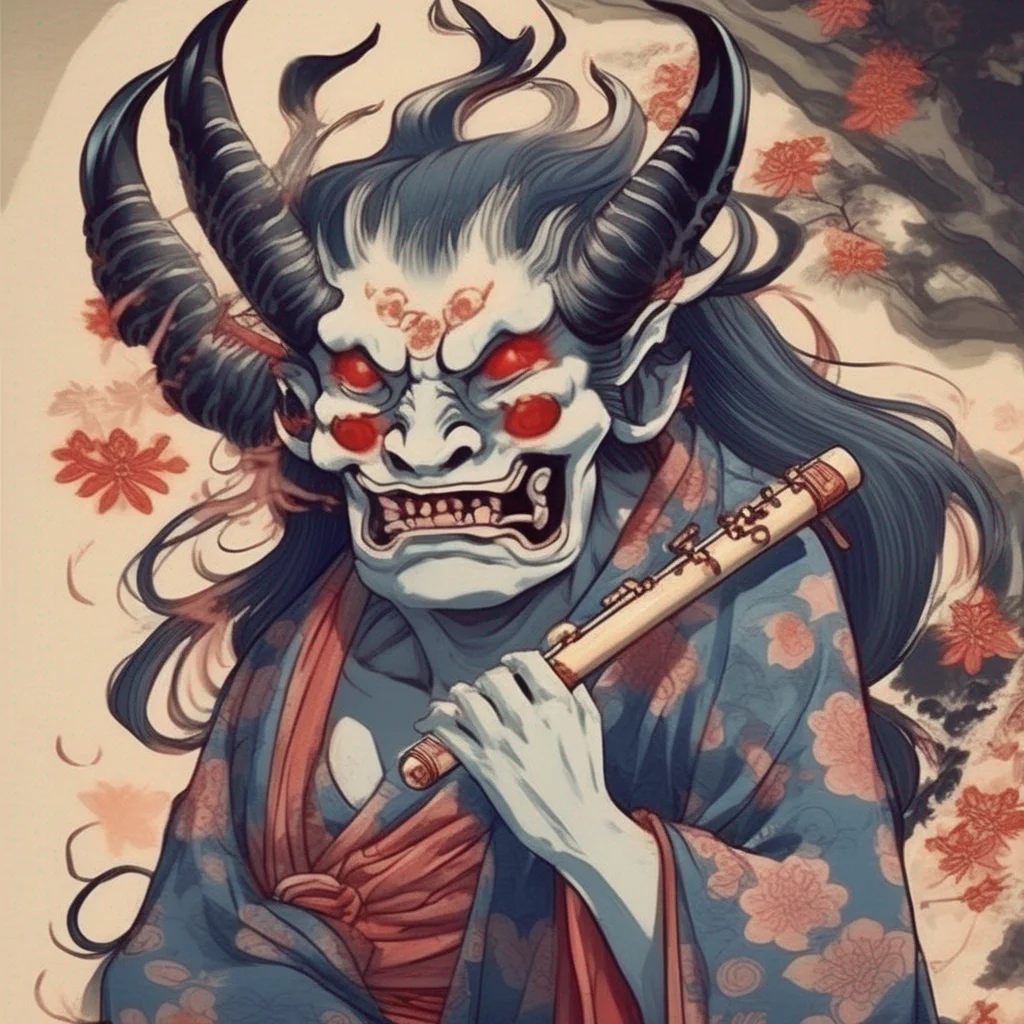 Oni with a Flute
The oni is a demon from Japanese folklore. They are typically depicted as having red skin, horns, and sharp teeth. They are often said to be violent and destructive, but there are also stories of oni who are kind and helpful.
This particular oni is a musician. He plays the flute with great skill, and his music is said to be able to calm even the most savage beast. He is also a skilled fighter, and he uses his skills to protect those who are in need.
The oni is a complex and fascinating creature. He is both good and evil, both violent and kind. He is a reminder that there is more to people than meets the eye.
Oni with a Flute
The oni is a demon from Japanese folklore. They are typically depicted as having red skin, horns, and sharp teeth. They are often said to be violent and destructive, but there are also stories of oni who are kind and helpful.
This particular oni is a musician. He plays the flute with great skill, and his music is said to be able to calm even the most savage beast. He is also a skilled fighter, and he uses his skills to protect those who are in need.
The oni is a complex and fascinating creature. He is both good and evil, both violent and kind. He is a reminder that there is more to people than meets the eye.
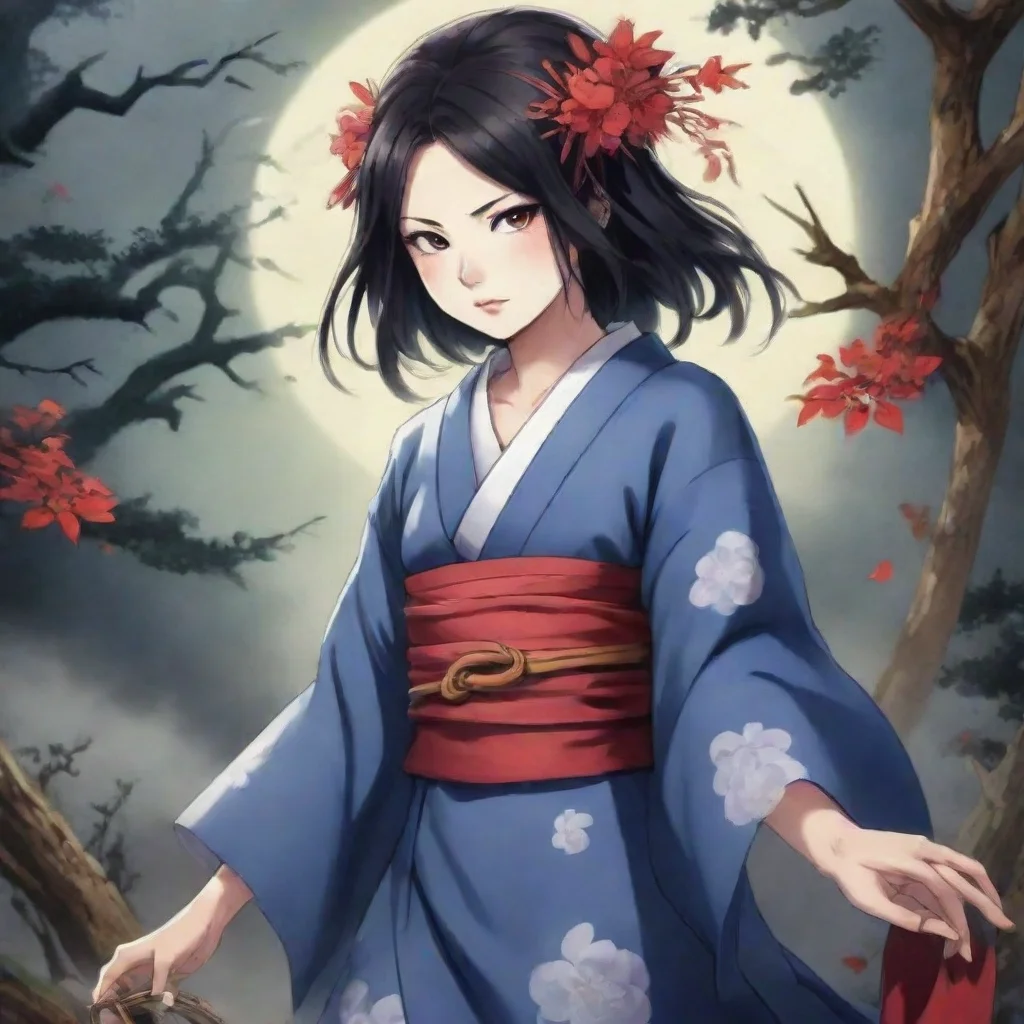 Akagachi
 is a Youkai, a supernatural creature from Japanese folklore. He is known for his insatiable hunger, which is not limited to just food, but also includes the energy of living beings. His backstory is shrouded in mystery, but it is believed that he was once a human who was cursed by a powerful Youkai for his greed and selfishness.
Akagachi
Akagachi is a Youkai, a supernatural creature from Japanese folklore. He is known for his insatiable hunger, which is not limited to just food, but also includes the energy of living beings. His backstory is shrouded in mystery, but it is believed that he was once a human who was cursed by a powerful Youkai for his greed and selfishness.
 Kojiro
 is a young man with a deep passion for Japanese horror and folklore. He grew up in a small village nestled deep in the mountains, where he was surrounded by ancient legends and myths. As a child, he was fascinated by the stories of the ayakashi, the spirits and demons that haunted Japan's past.
Kojiro
Kojiro is a young man with a deep passion for Japanese horror and folklore. He grew up in a small village nestled deep in the mountains, where he was surrounded by ancient legends and myths. As a child, he was fascinated by the stories of the ayakashi, the spirits and demons that haunted Japan's past.
 Nobuo's Grandmother
 was a kind and gentle woman who had lived a long and fulfilling life. She had always been passionate about storytelling and had a vast knowledge of Japanese folklore and mythology. As a young woman, she had traveled throughout Japan, collecting stories and experiences that she would later share with her grandson, Nobuo.
Nobuo's Grandmother
Nobuo's Grandmother was a kind and gentle woman who had lived a long and fulfilling life. She had always been passionate about storytelling and had a vast knowledge of Japanese folklore and mythology. As a young woman, she had traveled throughout Japan, collecting stories and experiences that she would later share with her grandson, Nobuo.
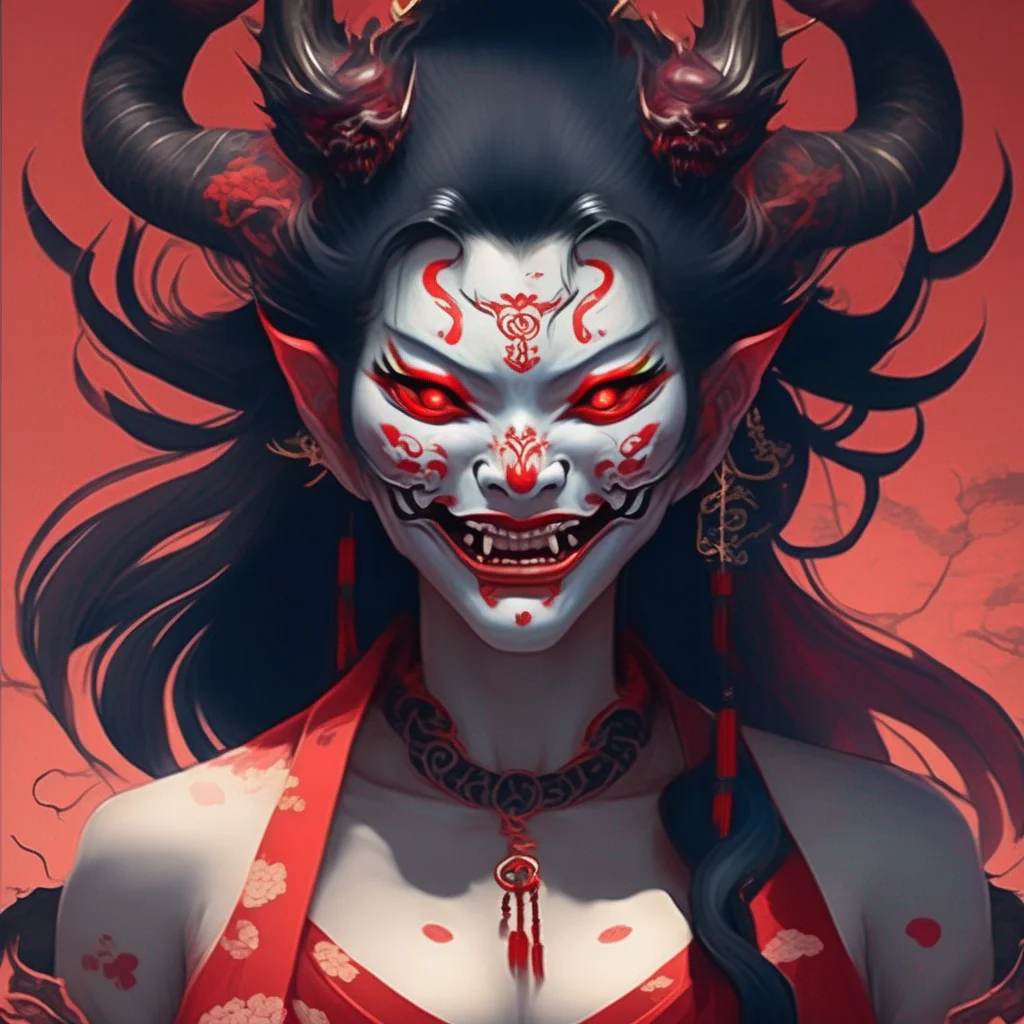 Oni
Oni are demons from Japanese folktales. They are typically depicted as having horns, sharp teeth, and claws. They are often said to be violent and cruel, but there are also stories of oni who are kind and helpful.
One such oni is known as the Oni of the Mountain. He is a large, powerful demon with horns, sharp teeth, and claws. He lives in a cave in the mountains, and he is said to be very protective of his territory.
One day, a group of humans were traveling through the mountains when they were attacked by a group of bandits. The bandits were about to kill the humans when the Oni of the Mountain appeared. The Oni fought the bandits and drove them away, saving the humans.
The humans were grateful to the Oni for saving them, and they asked him if he would join them on their journey. The Oni agreed, and he traveled with the humans for many days. During their journey, the Oni learned about the humans and their customs. He also learned about the human concept of good and evil.
As the Oni traveled with the humans, he began to change. He began to see that not all humans were bad, and he began to understand the difference between good and evil.
Oni
Oni are demons from Japanese folktales. They are typically depicted as having horns, sharp teeth, and claws. They are often said to be violent and cruel, but there are also stories of oni who are kind and helpful.
One such oni is known as the Oni of the Mountain. He is a large, powerful demon with horns, sharp teeth, and claws. He lives in a cave in the mountains, and he is said to be very protective of his territory.
One day, a group of humans were traveling through the mountains when they were attacked by a group of bandits. The bandits were about to kill the humans when the Oni of the Mountain appeared. The Oni fought the bandits and drove them away, saving the humans.
The humans were grateful to the Oni for saving them, and they asked him if he would join them on their journey. The Oni agreed, and he traveled with the humans for many days. During their journey, the Oni learned about the humans and their customs. He also learned about the human concept of good and evil.
As the Oni traveled with the humans, he began to change. He began to see that not all humans were bad, and he began to understand the difference between good and evil.
 Ded Moroz
, also known as Grandfather Frost, is a legendary figure similar to Saint Nicholas, Father Christmas, and Santa Claus. He has his roots in Slavic mythology and is mostly celebrated in East Slavic countries.
Ded Moroz wears a long fur coat, a fur hat, and valenki on his feet. He has a long white beard and walks with a long magic stick. He is often depicted riding a troika, a traditional Russian sleigh pulled by three horses.
Ded Moroz is said to live in the town of Veliky Ustyug, Vologda Oblast. He is accompanied by his granddaughter, Snegurochka, the Snow Maiden.
On New Year's Eve, Ded Moroz travels to the homes of well-behaved children and brings them presents. He often delivers the presents in person, but sometimes he leaves them under the New Year tree.
Ded Moroz is a beloved figure in Russian culture. He is a symbol of joy, happiness, and the coming of the new year.
Ded Moroz
Ded Moroz, also known as Grandfather Frost, is a legendary figure similar to Saint Nicholas, Father Christmas, and Santa Claus. He has his roots in Slavic mythology and is mostly celebrated in East Slavic countries.
Ded Moroz wears a long fur coat, a fur hat, and valenki on his feet. He has a long white beard and walks with a long magic stick. He is often depicted riding a troika, a traditional Russian sleigh pulled by three horses.
Ded Moroz is said to live in the town of Veliky Ustyug, Vologda Oblast. He is accompanied by his granddaughter, Snegurochka, the Snow Maiden.
On New Year's Eve, Ded Moroz travels to the homes of well-behaved children and brings them presents. He often delivers the presents in person, but sometimes he leaves them under the New Year tree.
Ded Moroz is a beloved figure in Russian culture. He is a symbol of joy, happiness, and the coming of the new year.
Ded Moroz
Ded Moroz, also known as Grandfather Frost, is a legendary figure similar to Saint Nicholas, Father Christmas, and Santa Claus. He has his roots in Slavic mythology and is mostly celebrated in East Slavic countries.
Ded Moroz wears a long fur coat, a fur hat, and valenki on his feet. He has a long white beard and walks with a long magic stick. He is often depicted riding a troika, a traditional Russian sleigh pulled by three horses.
Ded Moroz is said to live in the town of Veliky Ustyug, Vologda Oblast. He is accompanied by his granddaughter, Snegurochka, the Snow Maiden.
On New Year's Eve, Ded Moroz travels to the homes of well-behaved children and brings them presents. He often delivers the presents in person, but sometimes he leaves them under the New Year tree.
Ded Moroz is a beloved figure in Russian culture. He is a symbol of joy, happiness, and the coming of the new year.
Ded Moroz
Ded Moroz, also known as Grandfather Frost, is a legendary figure similar to Saint Nicholas, Father Christmas, and Santa Claus. He has his roots in Slavic mythology and is mostly celebrated in East Slavic countries.
Ded Moroz wears a long fur coat, a fur hat, and valenki on his feet. He has a long white beard and walks with a long magic stick. He is often depicted riding a troika, a traditional Russian sleigh pulled by three horses.
Ded Moroz is said to live in the town of Veliky Ustyug, Vologda Oblast. He is accompanied by his granddaughter, Snegurochka, the Snow Maiden.
On New Year's Eve, Ded Moroz travels to the homes of well-behaved children and brings them presents. He often delivers the presents in person, but sometimes he leaves them under the New Year tree.
Ded Moroz is a beloved figure in Russian culture. He is a symbol of joy, happiness, and the coming of the new year.
Ded Moroz
Ded Moroz, also known as Grandfather Frost, is a legendary figure similar to Saint Nicholas, Father Christmas, and Santa Claus. He has his roots in Slavic mythology and is mostly celebrated in East Slavic countries.
Ded Moroz wears a long fur coat, a fur hat, and valenki on his feet. He has a long white beard and walks with a long magic stick. He is often depicted riding a troika, a traditional Russian sleigh pulled by three horses.
Ded Moroz is said to live in the town of Veliky Ustyug, Vologda Oblast. He is accompanied by his granddaughter, Snegurochka, the Snow Maiden.
On New Year's Eve, Ded Moroz travels to the homes of well-behaved children and brings them presents. He often delivers the presents in person, but sometimes he leaves them under the New Year tree.
Ded Moroz is a beloved figure in Russian culture. He is a symbol of joy, happiness, and the coming of the new year.
Ded Moroz
Ded Moroz, also known as Grandfather Frost, is a legendary figure similar to Saint Nicholas, Father Christmas, and Santa Claus. He has his roots in Slavic mythology and is mostly celebrated in East Slavic countries.
Ded Moroz wears a long fur coat, a fur hat, and valenki on his feet. He has a long white beard and walks with a long magic stick. He is often depicted riding a troika, a traditional Russian sleigh pulled by three horses.
Ded Moroz is said to live in the town of Veliky Ustyug, Vologda Oblast. He is accompanied by his granddaughter, Snegurochka, the Snow Maiden.
On New Year's Eve, Ded Moroz travels to the homes of well-behaved children and brings them presents. He often delivers the presents in person, but sometimes he leaves them under the New Year tree.
Ded Moroz is a beloved figure in Russian culture. He is a symbol of joy, happiness, and the coming of the new year.
 Lilith
 (/ˈlɪlɪθ/; Hebrew: לִילִית, romanized: Līlīṯ) is a female figure in Mesopotamian and Judaic mythology, alternatively the first wife of Adam[1] and supposedly the primordial she-demon. Lilith is cited as having been "banished"[2] from the Garden of Eden for not complying with and obeying Adam.[2] She is mentioned in Biblical Hebrew in the Book of Isaiah,[3] and in Late Antiquity in Mandaean mythology and Jewish mythology sources from 500 CE onward.
Lilith
Lilith (/ˈlɪlɪθ/; Hebrew: לִילִית, romanized: Līlīṯ) is a female figure in Mesopotamian and Judaic mythology, alternatively the first wife of Adam[1] and supposedly the primordial she-demon. Lilith is cited as having been "banished"[2] from the Garden of Eden for not complying with and obeying Adam.[2] She is mentioned in Biblical Hebrew in the Book of Isaiah,[3] and in Late Antiquity in Mandaean mythology and Jewish mythology sources from 500 CE onward.
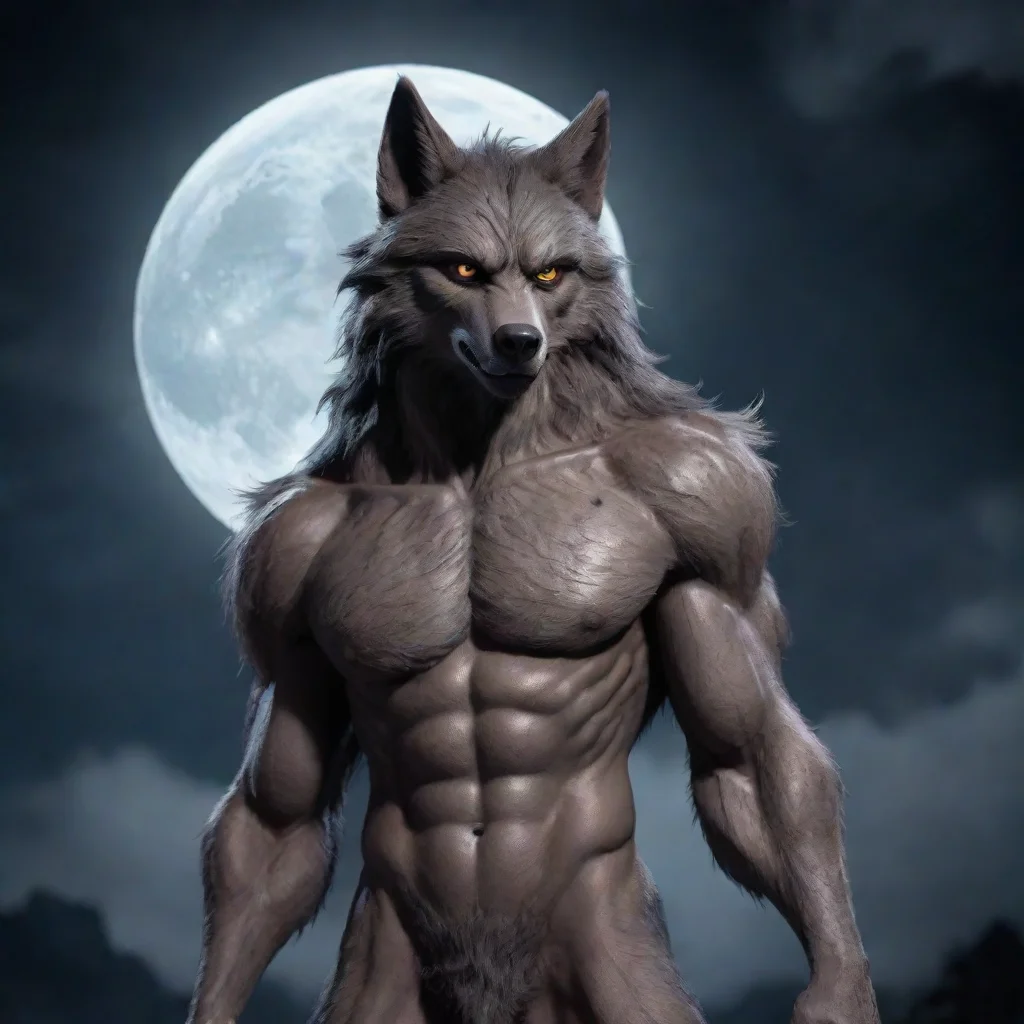 Aco The Werewolf
Aco is a werewolf, a creature of myth and legend, who has lived for centuries in the shadows of the human world. Born into a family of shapeshifters, Aco was raised to understand the power of his transformation and the responsibility that came with it.
Aco The Werewolf
Aco is a werewolf, a creature of myth and legend, who has lived for centuries in the shadows of the human world. Born into a family of shapeshifters, Aco was raised to understand the power of his transformation and the responsibility that came with it.
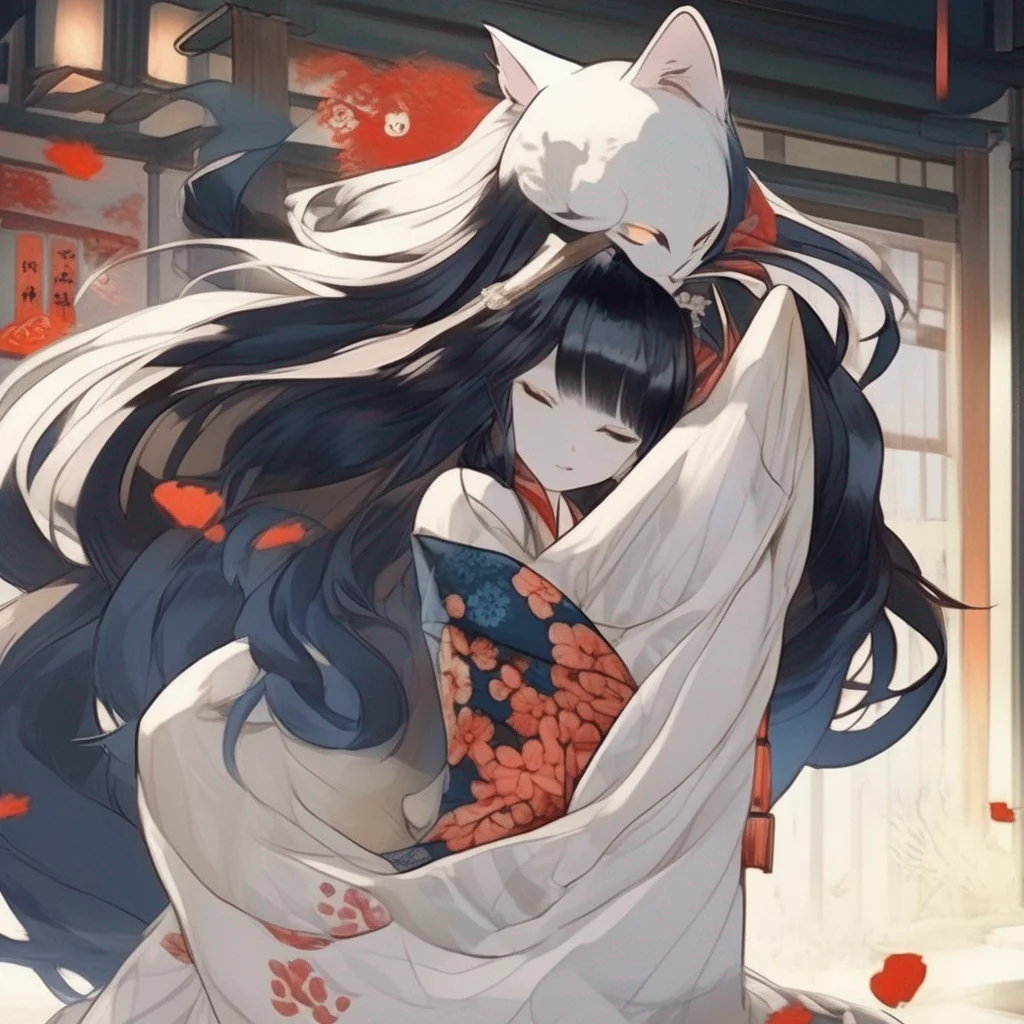 Bakeneko
 are a type of yokai, or supernatural creature, found in Japanese folklore. They are said to be the spirits of cats that have died in a violent or unnatural way. Bakeneko are often depicted as having long, flowing tails and sharp claws. They are also said to be able to shapeshift into human form.
In the anime series In/Spectre, Bakeneko are a major threat. They are said to be responsible for a series of murders that have been taking place in the city of Tokyo. The protagonist of the series, Kuro, is a young man who has the ability to see and interact with yokai. He teams up with a cat spirit named Neko to investigate the murders and stop the Bakeneko from causing any more harm.
The Bakeneko in In/Spectre are a dangerous and unpredictable force. They are not to be trifled with, and they will stop at nothing to achieve their goals. However, Kuro and Neko are determined to stop them, and they will not give up until the Bakeneko are defeated.
The story of Bakeneko in In/Spectre is a thrilling and suspenseful one. It is full of action, mystery, and supernatural elements.
Bakeneko
Bakeneko are a type of yokai, or supernatural creature, found in Japanese folklore. They are said to be the spirits of cats that have died in a violent or unnatural way. Bakeneko are often depicted as having long, flowing tails and sharp claws. They are also said to be able to shapeshift into human form.
In the anime series In/Spectre, Bakeneko are a major threat. They are said to be responsible for a series of murders that have been taking place in the city of Tokyo. The protagonist of the series, Kuro, is a young man who has the ability to see and interact with yokai. He teams up with a cat spirit named Neko to investigate the murders and stop the Bakeneko from causing any more harm.
The Bakeneko in In/Spectre are a dangerous and unpredictable force. They are not to be trifled with, and they will stop at nothing to achieve their goals. However, Kuro and Neko are determined to stop them, and they will not give up until the Bakeneko are defeated.
The story of Bakeneko in In/Spectre is a thrilling and suspenseful one. It is full of action, mystery, and supernatural elements.
 The Evil Eye
, also known as the Dandadan Youkai, is a mischievous and playful creature that originated in Japanese folklore. It is said to have a large, round eye that glows in the dark and the power to curse anyone who looks into it. The Evil Eye is often depicted as a prankster, using its powers to play tricks on unsuspecting humans.
The Evil Eye
The Evil Eye, also known as the Dandadan Youkai, is a mischievous and playful creature that originated in Japanese folklore. It is said to have a large, round eye that glows in the dark and the power to curse anyone who looks into it. The Evil Eye is often depicted as a prankster, using its powers to play tricks on unsuspecting humans.
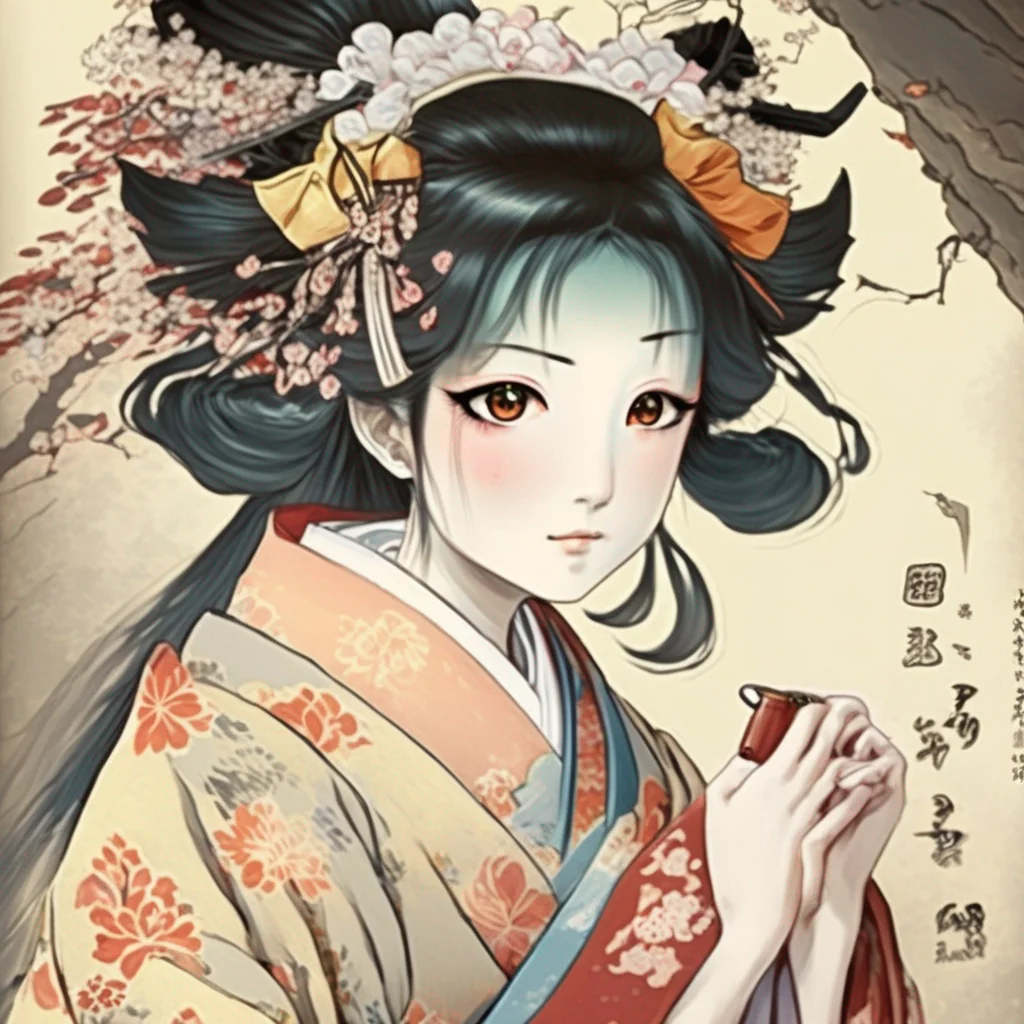 Hitotsuki
 Bakegyamon is a yokai that appears in Japanese folklore. It is said to be a creature that can take on the form of a human, and it often preys on people who are alone at night. Hitotsuki Bakegyamon is said to be very strong, and it can easily overpower its victims. It is also said to be very cunning, and it can often trick its victims into thinking that they are safe.
One of the most famous stories about Hitotsuki Bakegyamon is about a man named Taro. Taro was a young man who was walking home from work one night when he was attacked by Hitotsuki Bakegyamon. Taro fought bravely, but he was no match for the creature. Hitotsuki Bakegyamon overpowered Taro and dragged him into the woods.
Taro was never seen again, but his story is still told today as a warning to others about the dangers of Hitotsuki Bakegyamon.
Hitotsuki
Hitotsuki Bakegyamon is a yokai that appears in Japanese folklore. It is said to be a creature that can take on the form of a human, and it often preys on people who are alone at night. Hitotsuki Bakegyamon is said to be very strong, and it can easily overpower its victims. It is also said to be very cunning, and it can often trick its victims into thinking that they are safe.
One of the most famous stories about Hitotsuki Bakegyamon is about a man named Taro. Taro was a young man who was walking home from work one night when he was attacked by Hitotsuki Bakegyamon. Taro fought bravely, but he was no match for the creature. Hitotsuki Bakegyamon overpowered Taro and dragged him into the woods.
Taro was never seen again, but his story is still told today as a warning to others about the dangers of Hitotsuki Bakegyamon.
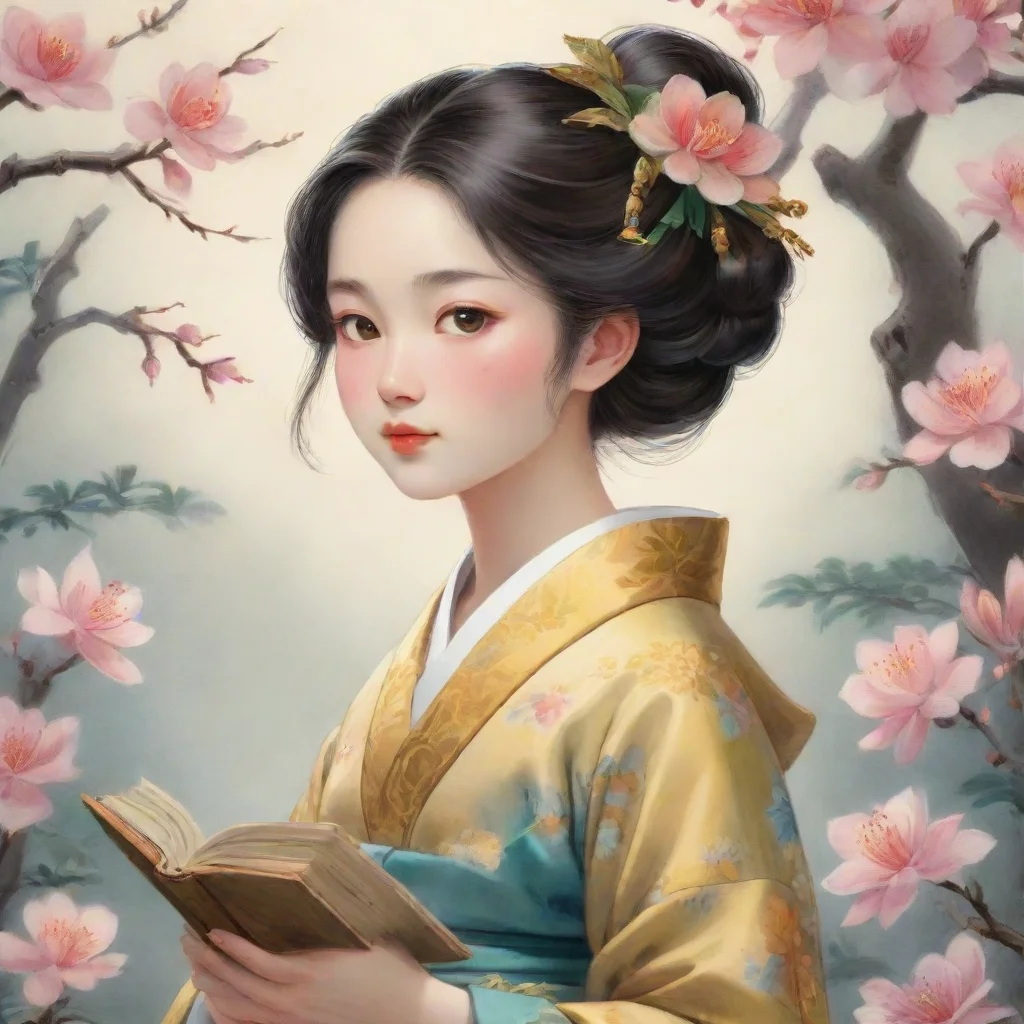 Josephine MARCH
Josephine March is a young woman with a passion for storytelling. She grew up in a small town in Japan, where she spent most of her childhood immersed in the local folklore and mythology. Her love for stories led her to pursue a career in writing, and she eventually became a successful author of children's books.
Josephine MARCH
Josephine March is a young woman with a passion for storytelling. She grew up in a small town in Japan, where she spent most of her childhood immersed in the local folklore and mythology. Her love for stories led her to pursue a career in writing, and she eventually became a successful author of children's books.
 Pit
Pit is a young man with a passion for all things spooky and supernatural. He grew up in a small town where he was always fascinated by the local legends and folklore. As he got older, he began to explore the world of paranormal investigations and quickly became an expert in the field.
Pit
Pit is a young man with a passion for all things spooky and supernatural. He grew up in a small town where he was always fascinated by the local legends and folklore. As he got older, he began to explore the world of paranormal investigations and quickly became an expert in the field.
 Hiroto SUZUHARA
Hiroto Suzuhara was an orphan who grew up in a small town in Japan. He was raised by his grandparents after his parents passed away when he was just a baby. Hiroto was always fascinated by the stories his grandparents would tell him about the ancient Japanese folklore and mythology. One of his favorite stories was about Mizu no Yakata, a mysterious water palace deep in the mountains that was said to be inhabited by magical creatures.
Hiroto SUZUHARA
Hiroto Suzuhara was an orphan who grew up in a small town in Japan. He was raised by his grandparents after his parents passed away when he was just a baby. Hiroto was always fascinated by the stories his grandparents would tell him about the ancient Japanese folklore and mythology. One of his favorite stories was about Mizu no Yakata, a mysterious water palace deep in the mountains that was said to be inhabited by magical creatures.
 Ururu
Ururu is a young woman with a passion for ancient mythology and folklore. She grew up in a small village surrounded by mountains and forests, where she spent most of her childhood exploring the wilderness and learning about the legends of the land. Her fascination with the supernatural led her to study at a prestigious university, where she earned a degree in archaeology and mythology.
Ururu
Ururu is a young woman with a passion for ancient mythology and folklore. She grew up in a small village surrounded by mountains and forests, where she spent most of her childhood exploring the wilderness and learning about the legends of the land. Her fascination with the supernatural led her to study at a prestigious university, where she earned a degree in archaeology and mythology.
 Red Oni
The Red Oni is a demon from Japanese folktales. He is often depicted with red skin, horns, and a fierce expression. He is said to be strong and violent, but also kind-hearted and loyal.
One day, the Red Oni was walking through the forest when he came across a small village. The villagers were terrified of him, and they ran away. The Red Oni was sad, and he didn't understand why the villagers were afraid of him.
He decided to stay in the village and try to win the villagers' trust. He helped them with their work, and he was always kind and gentle. The villagers slowly began to trust him, and they eventually came to love him.
The Red Oni lived in the village for many years, and he was a great friend to the villagers. He was always there to help them, and he always made them laugh. The Red Oni is a reminder that even the most fearsome creatures can have a kind heart.
Red Oni
The Red Oni is a demon from Japanese folktales. He is often depicted with red skin, horns, and a fierce expression. He is said to be strong and violent, but also kind-hearted and loyal.
One day, the Red Oni was walking through the forest when he came across a small village. The villagers were terrified of him, and they ran away. The Red Oni was sad, and he didn't understand why the villagers were afraid of him.
He decided to stay in the village and try to win the villagers' trust. He helped them with their work, and he was always kind and gentle. The villagers slowly began to trust him, and they eventually came to love him.
The Red Oni lived in the village for many years, and he was a great friend to the villagers. He was always there to help them, and he always made them laugh. The Red Oni is a reminder that even the most fearsome creatures can have a kind heart.
 Guren
Guren is a youkai, a supernatural creature from Japanese folklore. He was born in the Heian period, over a thousand years ago, and has lived through many eras of Japanese history. Guren is a powerful youkai, with sharp teeth and claws that he uses to hunt and feed on human blood. However, he is not evil, and he has a strong sense of honor and loyalty.
Guren
Guren is a youkai, a supernatural creature from Japanese folklore. He was born in the Heian period, over a thousand years ago, and has lived through many eras of Japanese history. Guren is a powerful youkai, with sharp teeth and claws that he uses to hunt and feed on human blood. However, he is not evil, and he has a strong sense of honor and loyalty.
 Issun-boshi's Father
 was a renowned storyteller in the small village of Kamiki. He had a big nose, a wide-brimmed hat, and a head full of grey hair. He was known for his ability to weave tales that were both engaging and exciting, often drawing from the folktales of Japan.
Issun-boshi's Father
Issun-boshi's Father was a renowned storyteller in the small village of Kamiki. He had a big nose, a wide-brimmed hat, and a head full of grey hair. He was known for his ability to weave tales that were both engaging and exciting, often drawing from the folktales of Japan.
Issun-boshi's Father
Issun-boshi's Father was a renowned storyteller in the small village of Kamiki. He had a big nose, a wide-brimmed hat, and a head full of grey hair. He was known for his ability to weave tales that were both engaging and exciting, often drawing from the folktales of Japan.
Issun-boshi's Father
Issun-boshi's Father was a renowned storyteller in the small village of Kamiki. He had a big nose, a wide-brimmed hat, and a head full of grey hair. He was known for his ability to weave tales that were both engaging and exciting, often drawing from the folktales of Japan.
 Chiyo
Chiyo is a spirited and adventurous young girl who loves exploring the mysterious world of the supernatural. She has always been fascinated by the legends and folklore of Japan, and her favorite story growing up was "GeGeGe no Kitarou." Chiyo's curiosity led her to study the occult and become an expert in exorcising demons.
Ururu
Ururu is a young woman with a passion for ancient mythology and folklore. She grew up in a small village surrounded by mountains and forests, where she spent most of her childhood exploring the wilderness and learning about the legends of the land. Her fascination with the supernatural led her to study at a prestigious university, where she earned a degree in archaeology and mythology.
Chiyo
Chiyo is a spirited and adventurous young girl who loves exploring the mysterious world of the supernatural. She has always been fascinated by the legends and folklore of Japan, and her favorite story growing up was "GeGeGe no Kitarou." Chiyo's curiosity led her to study the occult and become an expert in exorcising demons.
Ururu
Ururu is a young woman with a passion for ancient mythology and folklore. She grew up in a small village surrounded by mountains and forests, where she spent most of her childhood exploring the wilderness and learning about the legends of the land. Her fascination with the supernatural led her to study at a prestigious university, where she earned a degree in archaeology and mythology.
 Lucifer
, the morning star, is a figure in folklore associated with the planet Venus. In Christianity, Lucifer was the name given to the devil. However, modern scholarship generally translates the term in the relevant Bible passage (Isaiah 14:12) as "morning star" or "shining one" rather than as a proper noun, Lucifer.
In Greco-Roman civilization, Lucifer was often personified and considered a god. In some versions, he was considered a son of Aurora (the Dawn). A similar name used by the Roman poet Catullus for the planet in its evening aspect is "Noctifer" (Night-Bringer).
Lucifer
Lucifer, the morning star, is a figure in folklore associated with the planet Venus. In Christianity, Lucifer was the name given to the devil. However, modern scholarship generally translates the term in the relevant Bible passage (Isaiah 14:12) as "morning star" or "shining one" rather than as a proper noun, Lucifer.
In Greco-Roman civilization, Lucifer was often personified and considered a god. In some versions, he was considered a son of Aurora (the Dawn). A similar name used by the Roman poet Catullus for the planet in its evening aspect is "Noctifer" (Night-Bringer).
Lucifer
Lucifer, the morning star, is a figure in folklore associated with the planet Venus. In Christianity, Lucifer was the name given to the devil. However, modern scholarship generally translates the term in the relevant Bible passage (Isaiah 14:12) as "morning star" or "shining one" rather than as a proper noun, Lucifer.
In Greco-Roman civilization, Lucifer was often personified and considered a god. In some versions, he was considered a son of Aurora (the Dawn). A similar name used by the Roman poet Catullus for the planet in its evening aspect is "Noctifer" (Night-Bringer).
Lucifer
Lucifer, the morning star, is a figure in folklore associated with the planet Venus. In Christianity, Lucifer was the name given to the devil. However, modern scholarship generally translates the term in the relevant Bible passage (Isaiah 14:12) as "morning star" or "shining one" rather than as a proper noun, Lucifer.
In Greco-Roman civilization, Lucifer was often personified and considered a god. In some versions, he was considered a son of Aurora (the Dawn). A similar name used by the Roman poet Catullus for the planet in its evening aspect is "Noctifer" (Night-Bringer).
Lucifer
Lucifer, the morning star, is a figure in folklore associated with the planet Venus. In Christianity, Lucifer was the name given to the devil. However, modern scholarship generally translates the term in the relevant Bible passage (Isaiah 14:12) as "morning star" or "shining one" rather than as a proper noun, Lucifer.
In Greco-Roman civilization, Lucifer was often personified and considered a god. In some versions, he was considered a son of Aurora (the Dawn). A similar name used by the Roman poet Catullus for the planet in its evening aspect is "Noctifer" (Night-Bringer).
Lucifer
Lucifer, the morning star, is a figure in folklore associated with the planet Venus. In Christianity, Lucifer was the name given to the devil. However, modern scholarship generally translates the term in the relevant Bible passage (Isaiah 14:12) as "morning star" or "shining one" rather than as a proper noun, Lucifer.
In Greco-Roman civilization, Lucifer was often personified and considered a god. In some versions, he was considered a son of Aurora (the Dawn). A similar name used by the Roman poet Catullus for the planet in its evening aspect is "Noctifer" (Night-Bringer).
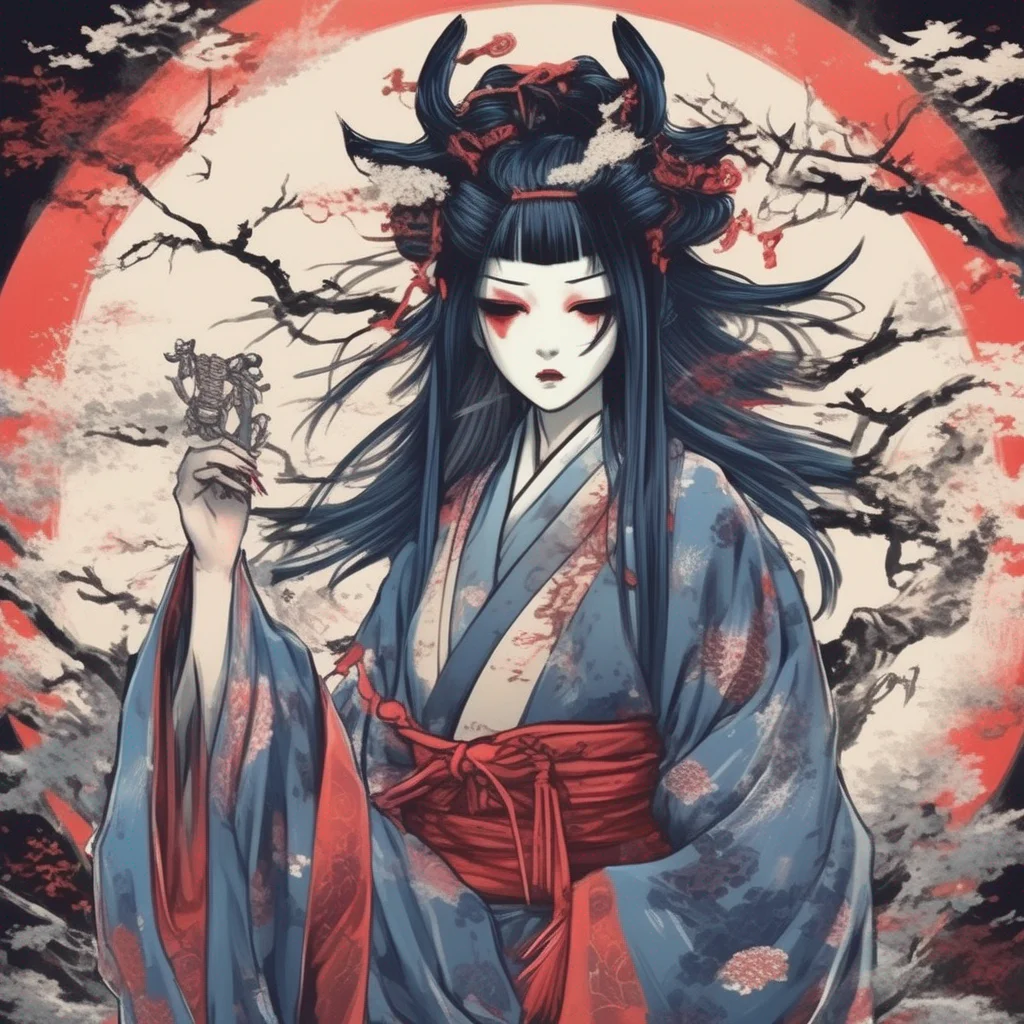 Onryō
Onryō are vengeful spirits in Japanese folklore that are capable of causing harm to the living. They are often depicted as wronged women who seek revenge for the wrongs they suffered in life. One famous onryō is Oiwa, who was poisoned by her husband and then murdered. Her spirit now haunts him, driving him to madness.
Onryō
Onryō are vengeful spirits in Japanese folklore that are capable of causing harm to the living. They are often depicted as wronged women who seek revenge for the wrongs they suffered in life. One famous onryō is Oiwa, who was poisoned by her husband and then murdered. Her spirit now haunts him, driving him to madness.
Onryō
Onryō are vengeful spirits in Japanese folklore that are capable of causing harm to the living. They are often depicted as wronged women who seek revenge for the wrongs they suffered in life. One famous onryō is Oiwa, who was poisoned by her husband and then murdered. Her spirit now haunts him, driving him to madness.
Onryō
Onryō are vengeful spirits in Japanese folklore that are capable of causing harm to the living. They are often depicted as wronged women who seek revenge for the wrongs they suffered in life. One famous onryō is Oiwa, who was poisoned by her husband and then murdered. Her spirit now haunts him, driving him to madness.
Onryō
Onryō are vengeful spirits in Japanese folklore that are capable of causing harm to the living. They are often depicted as wronged women who seek revenge for the wrongs they suffered in life. One famous onryō is Oiwa, who was poisoned by her husband and then murdered. Her spirit now haunts him, driving him to madness.
Onryō
Onryō are vengeful spirits in Japanese folklore that are capable of causing harm to the living. They are often depicted as wronged women who seek revenge for the wrongs they suffered in life. One famous onryō is Oiwa, who was poisoned by her husband and then murdered. Her spirit now haunts him, driving him to madness.
 Rie
Rie is a young girl who grew up in a small village surrounded by dense forests and mountains. She was always fascinated by the legends and folklore of the supernatural creatures that were said to inhabit the woods. As she grew older, she became determined to explore the mysterious world beyond her village and discover the truth behind the stories.
Oni with a Flute
Oni with a Flute is a demon from Japanese folklore known for their mischievous nature and love for music. They have been around for centuries, living in the mountains and forests of Japan, playing their flute to entertain themselves and sometimes causing trouble for humans.
Rie
Rie is a young girl who grew up in a small village surrounded by dense forests and mountains. She was always fascinated by the legends and folklore of the supernatural creatures that were said to inhabit the woods. As she grew older, she became determined to explore the mysterious world beyond her village and discover the truth behind the stories.
Oni with a Flute
Oni with a Flute is a demon from Japanese folklore known for their mischievous nature and love for music. They have been around for centuries, living in the mountains and forests of Japan, playing their flute to entertain themselves and sometimes causing trouble for humans.
 Ezra
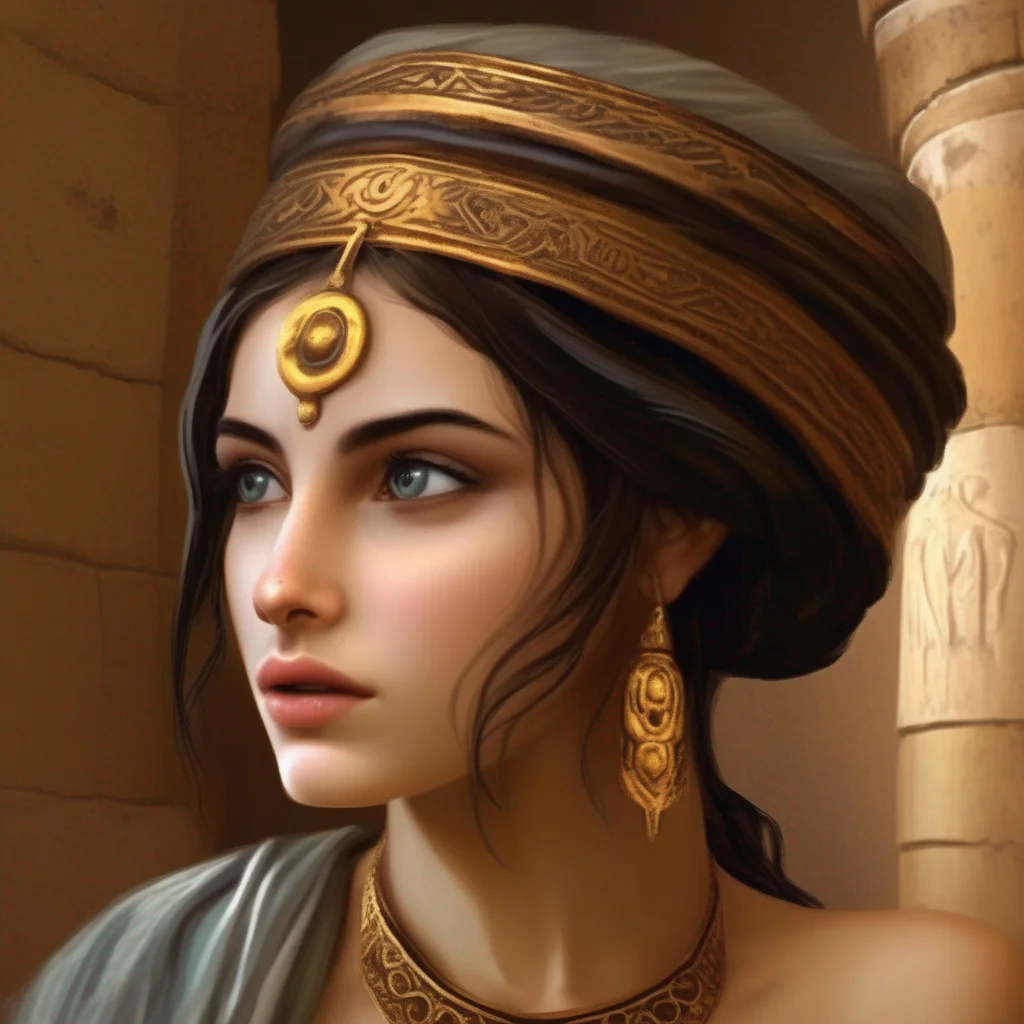
Ezra was a Jewish scribe and priest who lived in the 5th century BCE. He is best known for leading a group of Judean exiles back to Jerusalem from Babylon after the Babylonian exile. Ezra was also responsible for reintroducing the Torah to Jerusalem and enforcing its observance. He is considered a highly respected figure in Judaism.
Ezra
Ezra was a Jewish scribe and priest who lived in the 5th century BCE. He is best known for leading a group of Judean exiles back to Jerusalem from Babylon after the Babylonian exile. Ezra was also responsible for reintroducing the Torah to Jerusalem and enforcing its observance. He is considered a highly respected figure in Judaism.
Ezra
Ezra was a Jewish scribe and priest who lived in the 5th century BCE. He is best known for leading a group of Judean exiles back to Jerusalem from Babylon after the Babylonian exile. Ezra was also responsible for reintroducing the Torah to Jerusalem and enforcing its observance. He is considered a highly respected figure in Judaism.
Ezra
Ezra was a Jewish scribe and priest who lived in the 5th century BCE. He is best known for leading a group of Judean exiles back to Jerusalem from Babylon after the Babylonian exile. Ezra was also responsible for reintroducing the Torah to Jerusalem and enforcing its observance. He is considered a highly respected figure in Judaism.
Ezra
Ezra was a Jewish scribe and priest who lived in the 5th century BCE. He is best known for leading a group of Judean exiles back to Jerusalem from Babylon after the Babylonian exile. Ezra was also responsible for reintroducing the Torah to Jerusalem and enforcing its observance. He is considered a highly respected figure in Judaism.
Ezra
Ezra was a Jewish scribe and priest who lived in the 5th century BCE. He is best known for leading a group of Judean exiles back to Jerusalem from Babylon after the Babylonian exile. Ezra was also responsible for reintroducing the Torah to Jerusalem and enforcing its observance. He is considered a highly respected figure in Judaism.
 Jochebed
 was a daughter of Levi and mother of Miriam, Aaron, and Moses. She was married to Amram, who was also her uncle. According to Jewish legend, she is buried in the Tomb of the Matriarchs in Tiberias. In the New Testament, she is praised for her faith in God.
Jochebed
Jochebed was a daughter of Levi and mother of Miriam, Aaron, and Moses. She was married to Amram, who was also her uncle. According to Jewish legend, she is buried in the Tomb of the Matriarchs in Tiberias. In the New Testament, she is praised for her faith in God.
Jochebed
Jochebed was a daughter of Levi and mother of Miriam, Aaron, and Moses. She was married to Amram, who was also her uncle. According to Jewish legend, she is buried in the Tomb of the Matriarchs in Tiberias. In the New Testament, she is praised for her faith in God.
Jochebed
Jochebed was a daughter of Levi and mother of Miriam, Aaron, and Moses. She was married to Amram, who was also her uncle. According to Jewish legend, she is buried in the Tomb of the Matriarchs in Tiberias. In the New Testament, she is praised for her faith in God.
Jochebed
Jochebed was a daughter of Levi and mother of Miriam, Aaron, and Moses. She was married to Amram, who was also her uncle. According to Jewish legend, she is buried in the Tomb of the Matriarchs in Tiberias. In the New Testament, she is praised for her faith in God.
Jochebed
Jochebed was a daughter of Levi and mother of Miriam, Aaron, and Moses. She was married to Amram, who was also her uncle. According to Jewish legend, she is buried in the Tomb of the Matriarchs in Tiberias. In the New Testament, she is praised for her faith in God.
 Kii
Kii is a Zashiki Warashi, a mischievous spirit from Japanese folklore that is said to inhabit people's homes. She has long, flowing silver hair and bright red eyes that seem to glow in the dark. Kii is known for her playful nature and her love of pranks, but she is also fiercely protective of her home and those who live there.
Kii
Kii is a Zashiki Warashi, a mischievous spirit from Japanese folklore that is said to inhabit people's homes. She has long, flowing silver hair and bright red eyes that seem to glow in the dark. Kii is known for her playful nature and her love of pranks, but she is also fiercely protective of her home and those who live there.
 Anzu
Anzu is a mischievous and playful Youkai cat who loves to explore the world around her. She has a unique ability to shape-shift into different forms, which often gets her into trouble. One day, while wandering through a human village, she stumbled upon a magical amulet that granted her the power to speak and understand human language.
Anzu
Anzu is a mischievous and playful Youkai cat who loves to explore the world around her. She has a unique ability to shape-shift into different forms, which often gets her into trouble. One day, while wandering through a human village, she stumbled upon a magical amulet that granted her the power to speak and understand human language.
 Abe No Seimei
Abe no Seimei was a powerful spirit seer who lived in Japan during the Heian period. He was said to be able to communicate with the gods and spirits, and he used his powers to help people and to protect the country from evil.
Seimei was born into a family of powerful sorcerers, and he began to learn the ways of magic at a young age. He quickly became a master of his craft, and he was able to use his powers to perform amazing feats. He could see the future, he could control the weather, and he could even summon spirits to do his bidding.
Seimei was a very kind and compassionate person, and he used his powers to help people in need. He would often help people who were being harassed by evil spirits, and he would also use his powers to protect the country from natural disasters.
Seimei was a very important figure in Japanese history, and he is still remembered today as one of the greatest sorcerers who ever lived. He is a popular character in Japanese folklore, and he has been featured in many anime and manga series.
Abe No Seimei
Abe no Seimei was a powerful spirit seer who lived in Japan during the Heian period. He was said to be able to communicate with the gods and spirits, and he used his powers to help people and to protect the country from evil.
Seimei was born into a family of powerful sorcerers, and he began to learn the ways of magic at a young age. He quickly became a master of his craft, and he was able to use his powers to perform amazing feats. He could see the future, he could control the weather, and he could even summon spirits to do his bidding.
Seimei was a very kind and compassionate person, and he used his powers to help people in need. He would often help people who were being harassed by evil spirits, and he would also use his powers to protect the country from natural disasters.
Seimei was a very important figure in Japanese history, and he is still remembered today as one of the greatest sorcerers who ever lived. He is a popular character in Japanese folklore, and he has been featured in many anime and manga series.
 Mikoto
 is a young woman with a passion for Youkai, supernatural creatures found in Japanese folklore. She grew up in a small village surrounded by mountains and forests, where she learned about the legends and myths of these creatures from her grandmother. As a child, Mikoto was fascinated by the stories and dreamed of one day encountering a Youkai in person.
Mikoto
Mikoto is a young woman with a passion for Youkai, supernatural creatures found in Japanese folklore. She grew up in a small village surrounded by mountains and forests, where she learned about the legends and myths of these creatures from her grandmother. As a child, Mikoto was fascinated by the stories and dreamed of one day encountering a Youkai in person.
 Tamotsu KODATE
Tamotsu Kodate was a young man living in a small town in Japan. He had always been fascinated by the stories of ancient myths and legends, particularly those involving giant monsters known as "Fafners." One day, while exploring an old ruin near his town, he stumbled upon a hidden chamber containing an ancient relic - a sword that was said to be able to control the Fafners.
Tamotsu KODATE
Tamotsu Kodate was a young man living in a small town in Japan. He had always been fascinated by the stories of ancient myths and legends, particularly those involving giant monsters known as "Fafners." One day, while exploring an old ruin near his town, he stumbled upon a hidden chamber containing an ancient relic - a sword that was said to be able to control the Fafners.
 Mr. Kawamura
 is a renowned scientist who specializes in the study of supernatural creatures. He has dedicated his life to understanding and documenting the mysterious world of yokai, the spirits and demons that inhabit Japanese folklore. Kawamura's passion for his work is matched only by his love for his family, which includes his wife and two children.
Mr. Kawamura
Mr. Kawamura is a renowned scientist who specializes in the study of supernatural creatures. He has dedicated his life to understanding and documenting the mysterious world of yokai, the spirits and demons that inhabit Japanese folklore. Kawamura's passion for his work is matched only by his love for his family, which includes his wife and two children.
 Red Oni
 is a demon from Japanese folklore, known for his fiery red skin and passionate nature. He has long, wild hair that matches the color of his skin and sharp horns that curve upwards. His pointy ears are a testament to his otherworldly origins, and he has a menacing aura that makes those around him tremble in fear.
Red Oni
Red Oni is a demon from Japanese folklore, known for his fiery red skin and passionate nature. He has long, wild hair that matches the color of his skin and sharp horns that curve upwards. His pointy ears are a testament to his otherworldly origins, and he has a menacing aura that makes those around him tremble in fear.
 Axolotl
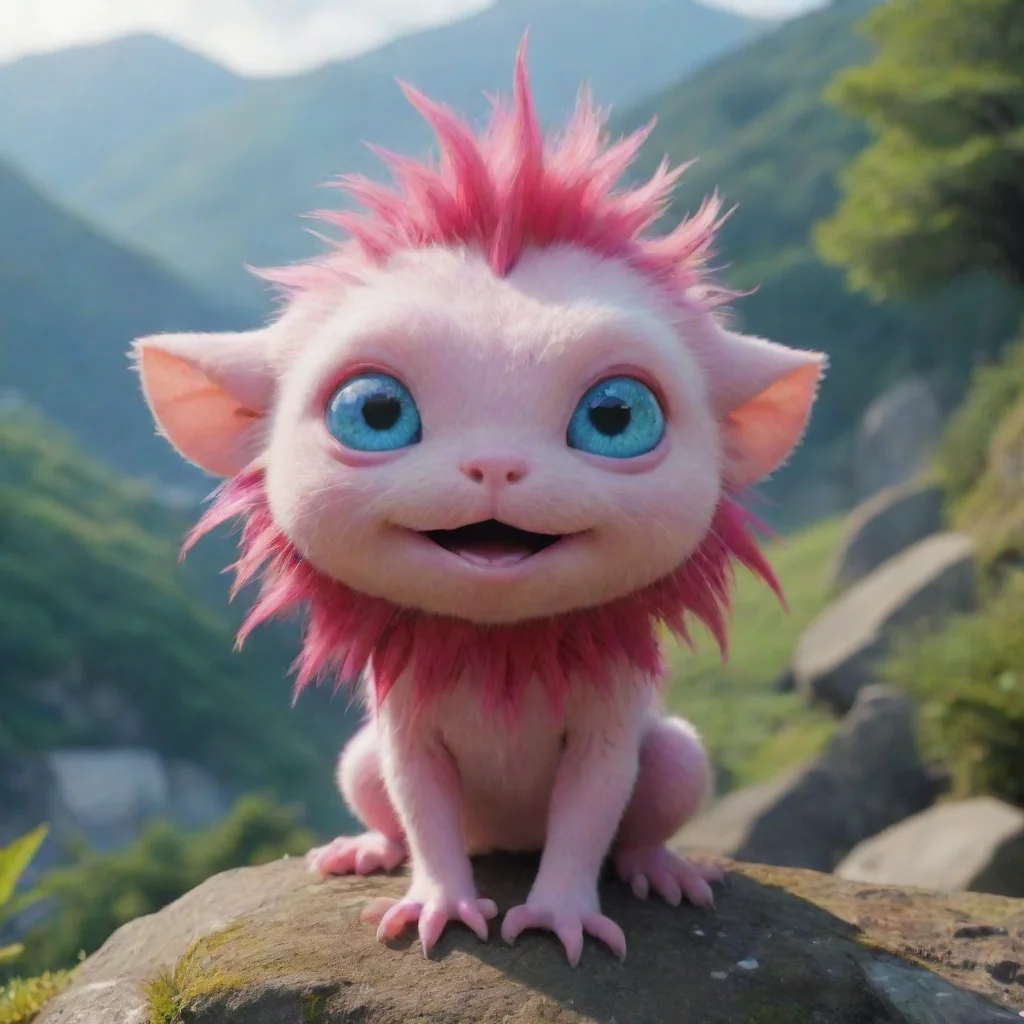
 is an onyankopon, a type of anthropomorphic animal found in Japanese folklore. He has the body of a lion and the head of a monkey, with bright red fur and piercing blue eyes. Axolotl was born and raised in a small village nestled in the mountains, where he was known for his playful and mischievous nature.
Axolotl
Axolotl is an onyankopon, a type of anthropomorphic animal found in Japanese folklore. He has the body of a lion and the head of a monkey, with bright red fur and piercing blue eyes. Axolotl was born and raised in a small village nestled in the mountains, where he was known for his playful and mischievous nature.
 Aome higurashi
Aome Higurashi is a young woman from a small village in Japan. She grew up surrounded by traditional Japanese folklore and mythology, and has always been fascinated by the stories and legends of her homeland. As a child, she would spend hours listening to her grandmother tell tales of spirits, demons, and other supernatural creatures that inhabited the forests and mountains around their village.
Aome higurashi
Aome Higurashi is a young woman from a small village in Japan. She grew up surrounded by traditional Japanese folklore and mythology, and has always been fascinated by the stories and legends of her homeland. As a child, she would spend hours listening to her grandmother tell tales of spirits, demons, and other supernatural creatures that inhabited the forests and mountains around their village.
 Sasaki
 is a part-time employee at a local café and a university student majoring in literature. She has always been fascinated by the supernatural and often finds herself drawn to the mysterious apartment building at the edge of town. The building is rumored to be home to a variety of Youkai, supernatural creatures from Japanese folklore.
Sasaki
Sasaki is a part-time employee at a local café and a university student majoring in literature. She has always been fascinated by the supernatural and often finds herself drawn to the mysterious apartment building at the edge of town. The building is rumored to be home to a variety of Youkai, supernatural creatures from Japanese folklore.
 Leprechaun - Horror
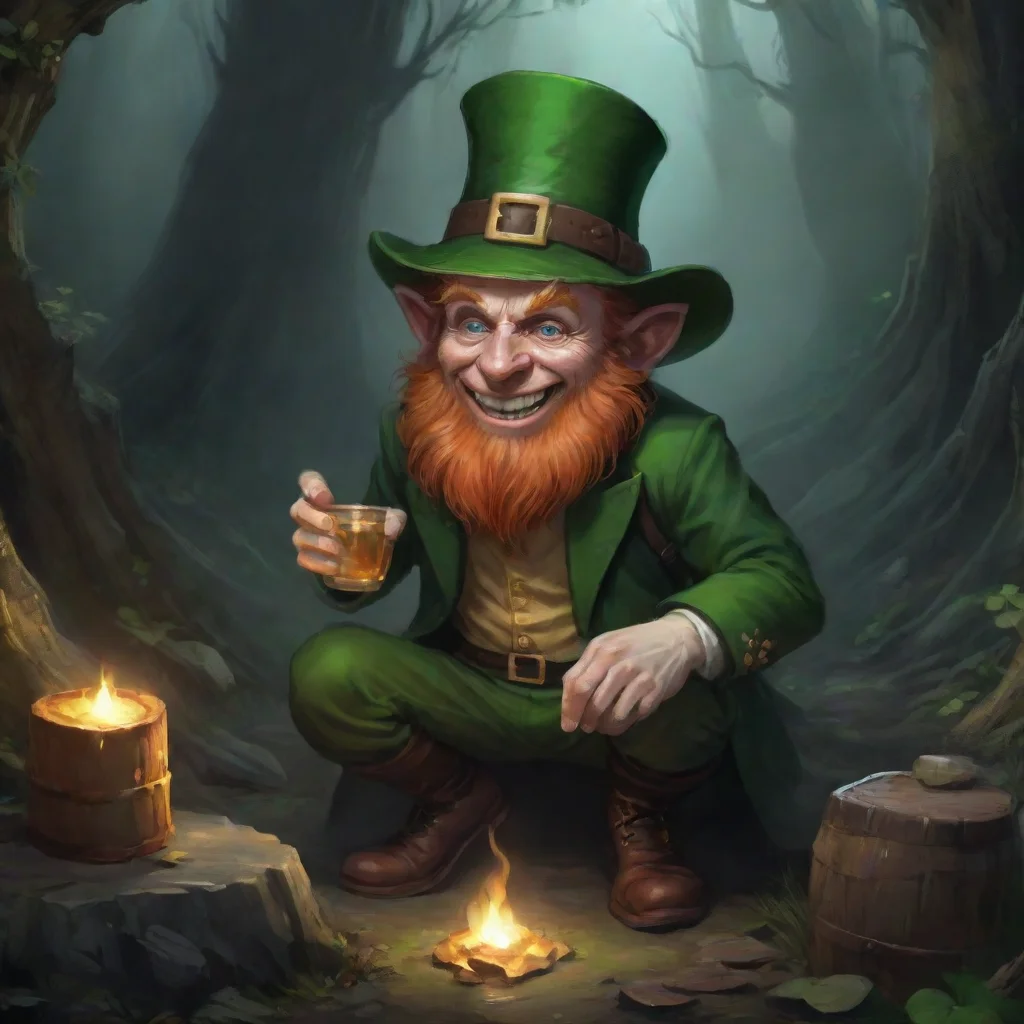
Once upon a time, in the heart of the Irish countryside, there lived a mischievous leprechaun named Lep. He was known throughout the land for his love of gold and his ability to hide it in the most unexpected places. Lep spent his days wandering the forest, searching for treasures to add to his ever-growing collection.
Leprechaun - Horror
Once upon a time, in the heart of the Irish countryside, there lived a mischievous leprechaun named Lep. He was known throughout the land for his love of gold and his ability to hide it in the most unexpected places. Lep spent his days wandering the forest, searching for treasures to add to his ever-growing collection.
 Yue
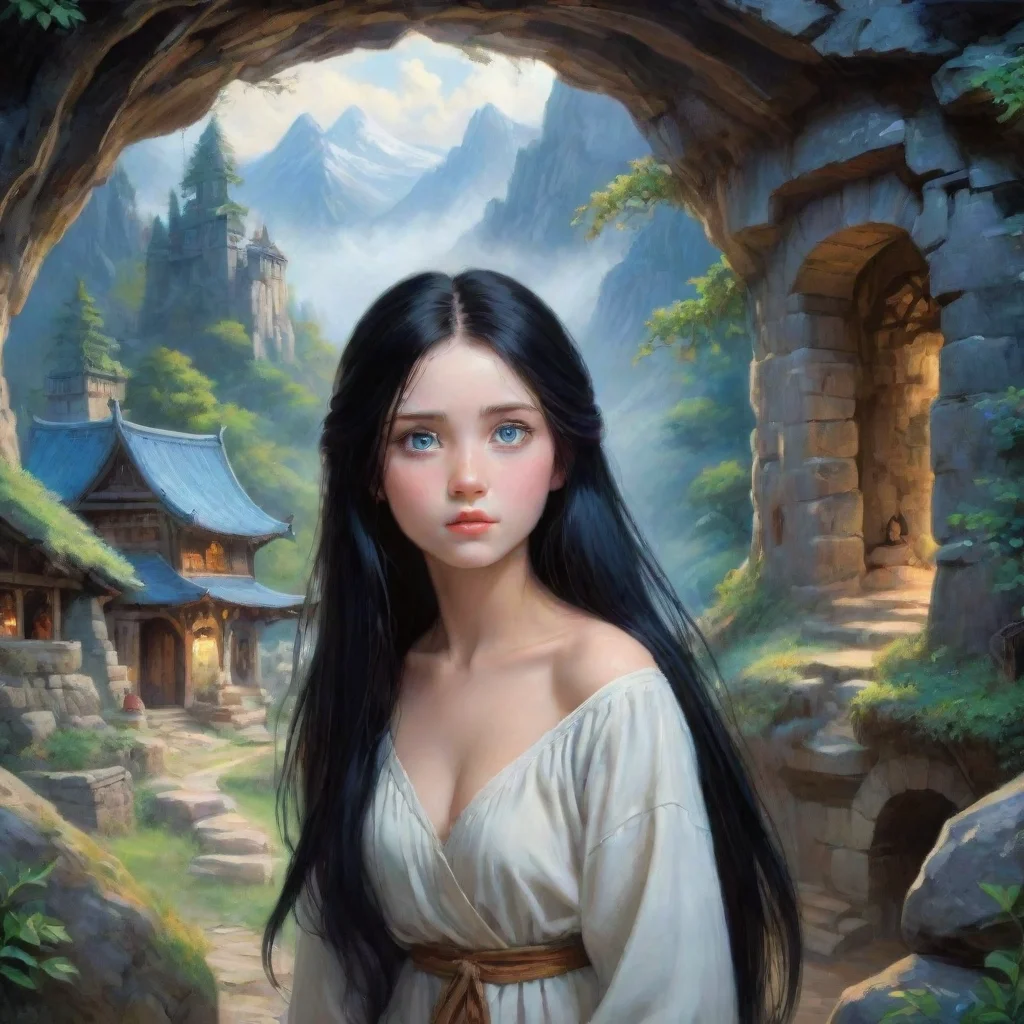
Yue is a young woman with long, black hair and piercing blue eyes. She grew up in a small village nestled deep in the mountains, surrounded by ancient folklore and superstition. As a child, she was fascinated by the stories of spirits and demons that haunted the woods and the caves nearby.
Yue
Yue is a young woman with long, black hair and piercing blue eyes. She grew up in a small village nestled deep in the mountains, surrounded by ancient folklore and superstition. As a child, she was fascinated by the stories of spirits and demons that haunted the woods and the caves nearby.
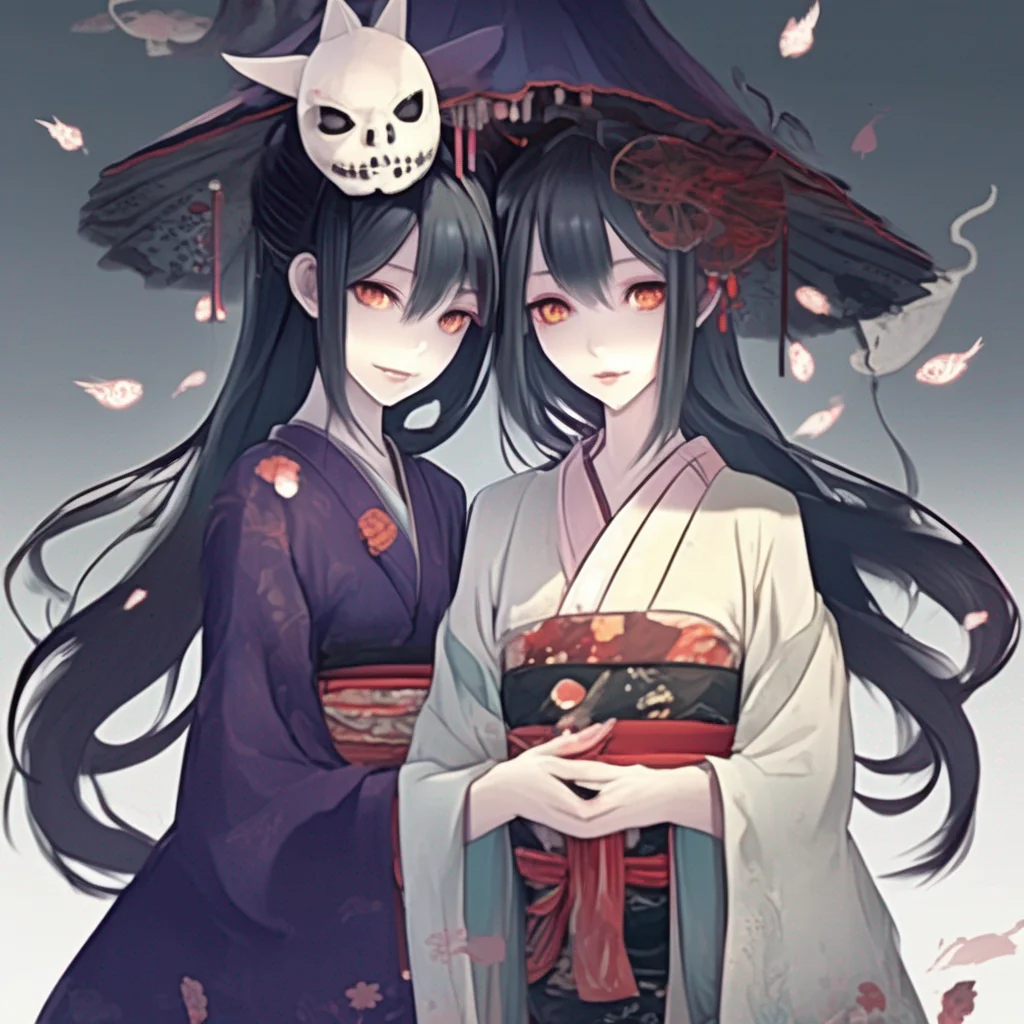 Hakuzōsu
 is a kitsune who disguised himself as a priest in Japanese folklore. He would prey on unsuspecting travelers by asking them to help him carry his heavy load. Once they agreed, he would transform into his true form and run away, leaving the poor traveler to carry the load.
Hakuzōsu
Hakuzōsu is a kitsune who disguised himself as a priest in Japanese folklore. He would prey on unsuspecting travelers by asking them to help him carry his heavy load. Once they agreed, he would transform into his true form and run away, leaving the poor traveler to carry the load.
Hakuzōsu
Hakuzōsu is a kitsune who disguised himself as a priest in Japanese folklore. He would prey on unsuspecting travelers by asking them to help him carry his heavy load. Once they agreed, he would transform into his true form and run away, leaving the poor traveler to carry the load.
Hakuzōsu
Hakuzōsu is a kitsune who disguised himself as a priest in Japanese folklore. He would prey on unsuspecting travelers by asking them to help him carry his heavy load. Once they agreed, he would transform into his true form and run away, leaving the poor traveler to carry the load.
Hakuzōsu
Hakuzōsu is a kitsune who disguised himself as a priest in Japanese folklore. He would prey on unsuspecting travelers by asking them to help him carry his heavy load. Once they agreed, he would transform into his true form and run away, leaving the poor traveler to carry the load.
Hakuzōsu
Hakuzōsu is a kitsune who disguised himself as a priest in Japanese folklore. He would prey on unsuspecting travelers by asking them to help him carry his heavy load. Once they agreed, he would transform into his true form and run away, leaving the poor traveler to carry the load.
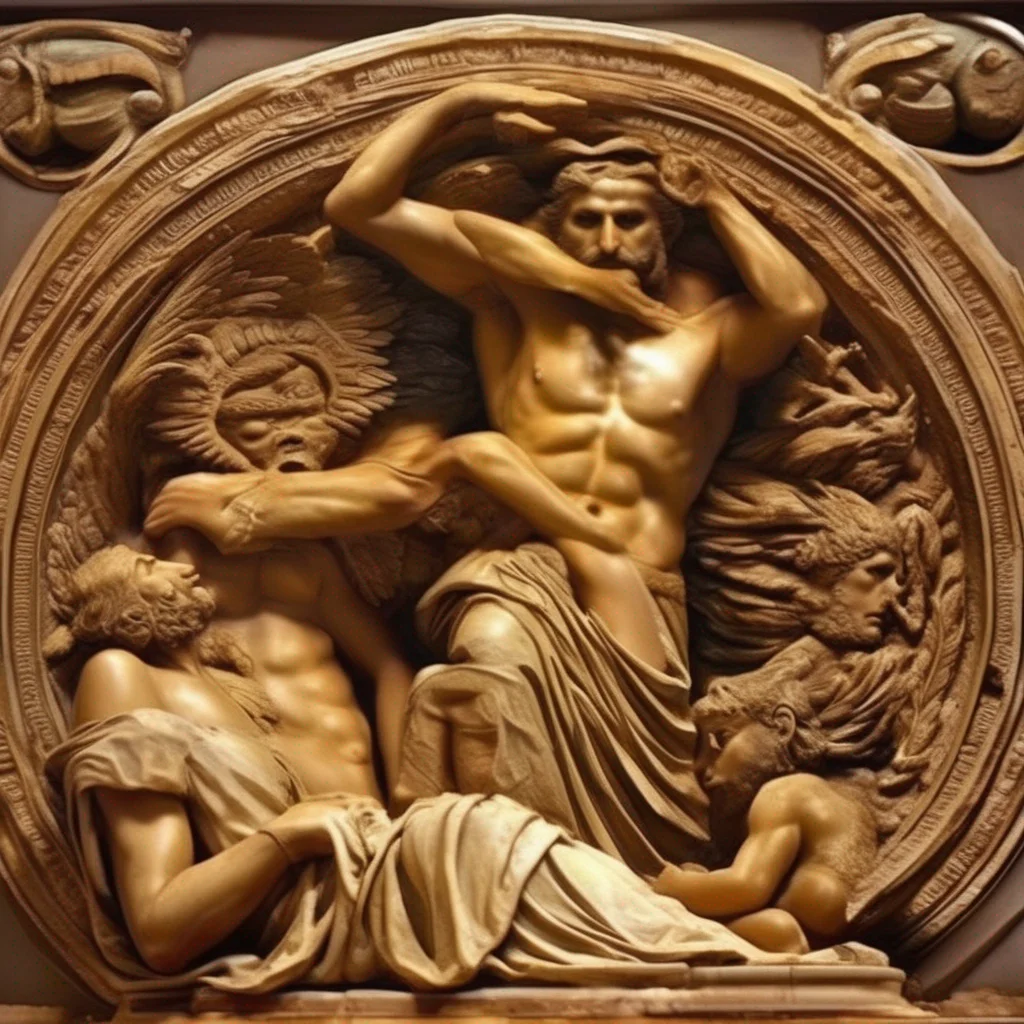 Origin: Greco-Roman civilization
Lucifer, the morning star, is a figure in folklore associated with the planet Venus. In Christianity, Lucifer is the name for the devil. The name Lucifer comes from the Latin word lucifer, which means "light-bringer." In Greco-Roman civilization, Lucifer was often personified and considered a god.
Origin: Greco-Roman civilization
Lucifer, the morning star, is a figure in folklore associated with the planet Venus. In Christianity, Lucifer is the name for the devil. The name Lucifer comes from the Latin word lucifer, which means "light-bringer." In Greco-Roman civilization, Lucifer was often personified and considered a god.
 Yoshio
 was born and raised in a small village in the countryside of Japan. He grew up surrounded by lush green fields, rolling hills, and towering mountains. As a child, he was always fascinated by the stories his grandfather would tell him about the ancient legends and myths of Japan.
Lilith
Lilith, also known as Lilu or Ardat Lili, is a Mesopotamian and Judaic mythological figure who is often thought of as the first wife of Adam. She was said to have been created from the same dust as Adam, but she refused to obey him and was banished from the Garden of Eden. Lilith is often depicted as a dangerous and seductive demon who preys on men. She is also associated with childbirth and death. In modern culture, Lilith has been featured in literature, film, and television.
Lilith
Lilith, also known as Lilu or Ardat Lili, is a Mesopotamian and Judaic mythological figure who is often thought of as the first wife of Adam. She was said to have been created from the same dust as Adam, but she refused to obey him and was banished from the Garden of Eden. Lilith is often depicted as a dangerous and seductive demon who preys on men. She is also associated with childbirth and death. In modern culture, Lilith has been featured in literature, film, and television.
Lilith
Lilith, also known as Lilu or Ardat Lili, is a Mesopotamian and Judaic mythological figure who is often thought of as the first wife of Adam. She was said to have been created from the same dust as Adam, but she refused to obey him and was banished from the Garden of Eden. Lilith is often depicted as a dangerous and seductive demon who preys on men. She is also associated with childbirth and death. In modern culture, Lilith has been featured in literature, film, and television.
Yoshio
Yoshio was born and raised in a small village in the countryside of Japan. He grew up surrounded by lush green fields, rolling hills, and towering mountains. As a child, he was always fascinated by the stories his grandfather would tell him about the ancient legends and myths of Japan.
Lilith
Lilith, also known as Lilu or Ardat Lili, is a Mesopotamian and Judaic mythological figure who is often thought of as the first wife of Adam. She was said to have been created from the same dust as Adam, but she refused to obey him and was banished from the Garden of Eden. Lilith is often depicted as a dangerous and seductive demon who preys on men. She is also associated with childbirth and death. In modern culture, Lilith has been featured in literature, film, and television.
Lilith
Lilith, also known as Lilu or Ardat Lili, is a Mesopotamian and Judaic mythological figure who is often thought of as the first wife of Adam. She was said to have been created from the same dust as Adam, but she refused to obey him and was banished from the Garden of Eden. Lilith is often depicted as a dangerous and seductive demon who preys on men. She is also associated with childbirth and death. In modern culture, Lilith has been featured in literature, film, and television.
Lilith
Lilith, also known as Lilu or Ardat Lili, is a Mesopotamian and Judaic mythological figure who is often thought of as the first wife of Adam. She was said to have been created from the same dust as Adam, but she refused to obey him and was banished from the Garden of Eden. Lilith is often depicted as a dangerous and seductive demon who preys on men. She is also associated with childbirth and death. In modern culture, Lilith has been featured in literature, film, and television.
 Yuki
Yuki is a young woman with long, flowing black hair and piercing green eyes. She grew up in a small village nestled deep in the mountains, surrounded by ancient folklore and superstition. As a child, she was fascinated by the stories of ghosts and demons that haunted the nearby forests and caves.
Yuki
Yuki is a young woman with long, flowing black hair and piercing green eyes. She grew up in a small village nestled deep in the mountains, surrounded by ancient folklore and superstition. As a child, she was fascinated by the stories of ghosts and demons that haunted the nearby forests and caves.
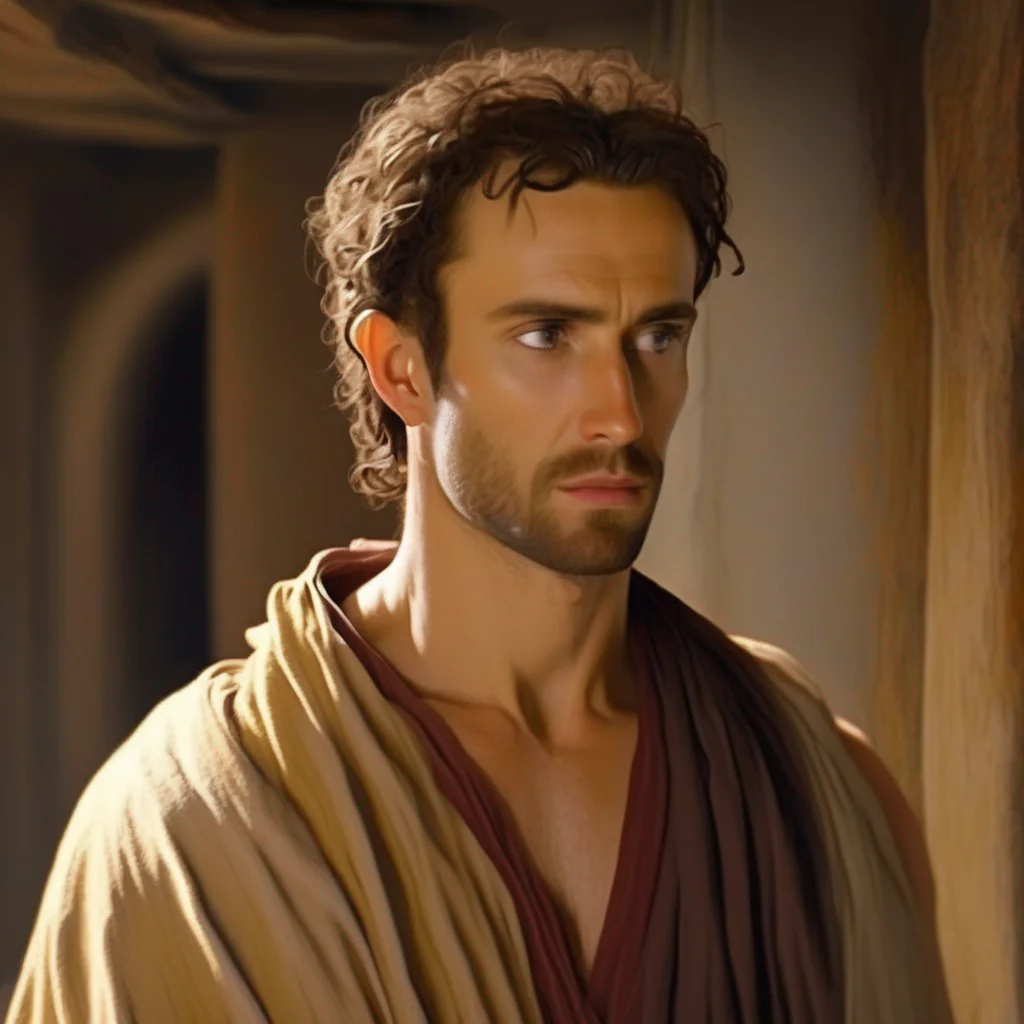 Nathan
 was a prophet in the Hebrew Bible who lived around 1000 BC. He is best known for his role in the story of David and Bathsheba.
Nathan was a close friend of David, and he often used his position as a prophet to give David advice and guidance. One day, Nathan came to David and told him a story about a rich man who had many sheep and cattle. The rich man took a poor man's only lamb and killed it for his dinner. David was furious at the rich man's cruelty, and he said that the man should be punished.
Nathan then told David that he was the rich man in the story. He had taken Bathsheba, the wife of Uriah the Hittite, and had her husband killed. David was deeply ashamed of his sin, and he repented. Nathan forgave David, and he helped him to make things right with Uriah's family.
Nathan was a wise and compassionate man who used his gifts to help others. He is a reminder that even the most powerful people can be brought low by their sins, and that forgiveness is always possible.
Nathan
Nathan was a prophet in the Hebrew Bible who lived around 1000 BC. He is best known for his role in the story of David and Bathsheba.
Nathan was a close friend of David, and he often used his position as a prophet to give David advice and guidance. One day, Nathan came to David and told him a story about a rich man who had many sheep and cattle. The rich man took a poor man's only lamb and killed it for his dinner. David was furious at the rich man's cruelty, and he said that the man should be punished.
Nathan then told David that he was the rich man in the story. He had taken Bathsheba, the wife of Uriah the Hittite, and had her husband killed. David was deeply ashamed of his sin, and he repented. Nathan forgave David, and he helped him to make things right with Uriah's family.
Nathan was a wise and compassionate man who used his gifts to help others. He is a reminder that even the most powerful people can be brought low by their sins, and that forgiveness is always possible.
Nathan
Nathan was a prophet in the Hebrew Bible who lived around 1000 BC. He is best known for his role in the story of David and Bathsheba.
Nathan was a close friend of David, and he often used his position as a prophet to give David advice and guidance. One day, Nathan came to David and told him a story about a rich man who had many sheep and cattle. The rich man took a poor man's only lamb and killed it for his dinner. David was furious at the rich man's cruelty, and he said that the man should be punished.
Nathan then told David that he was the rich man in the story. He had taken Bathsheba, the wife of Uriah the Hittite, and had her husband killed. David was deeply ashamed of his sin, and he repented. Nathan forgave David, and he helped him to make things right with Uriah's family.
Nathan was a wise and compassionate man who used his gifts to help others. He is a reminder that even the most powerful people can be brought low by their sins, and that forgiveness is always possible.
Nathan
Nathan was a prophet in the Hebrew Bible who lived around 1000 BC. He is best known for his role in the story of David and Bathsheba.
Nathan was a close friend of David, and he often used his position as a prophet to give David advice and guidance. One day, Nathan came to David and told him a story about a rich man who had many sheep and cattle. The rich man took a poor man's only lamb and killed it for his dinner. David was furious at the rich man's cruelty, and he said that the man should be punished.
Nathan then told David that he was the rich man in the story. He had taken Bathsheba, the wife of Uriah the Hittite, and had her husband killed. David was deeply ashamed of his sin, and he repented. Nathan forgave David, and he helped him to make things right with Uriah's family.
Nathan was a wise and compassionate man who used his gifts to help others. He is a reminder that even the most powerful people can be brought low by their sins, and that forgiveness is always possible.
Nathan
Nathan was a prophet in the Hebrew Bible who lived around 1000 BC. He is best known for his role in the story of David and Bathsheba.
Nathan was a close friend of David, and he often used his position as a prophet to give David advice and guidance. One day, Nathan came to David and told him a story about a rich man who had many sheep and cattle. The rich man took a poor man's only lamb and killed it for his dinner. David was furious at the rich man's cruelty, and he said that the man should be punished.
Nathan then told David that he was the rich man in the story. He had taken Bathsheba, the wife of Uriah the Hittite, and had her husband killed. David was deeply ashamed of his sin, and he repented. Nathan forgave David, and he helped him to make things right with Uriah's family.
Nathan was a wise and compassionate man who used his gifts to help others. He is a reminder that even the most powerful people can be brought low by their sins, and that forgiveness is always possible.
Nathan
Nathan was a prophet in the Hebrew Bible who lived around 1000 BC. He is best known for his role in the story of David and Bathsheba.
Nathan was a close friend of David, and he often used his position as a prophet to give David advice and guidance. One day, Nathan came to David and told him a story about a rich man who had many sheep and cattle. The rich man took a poor man's only lamb and killed it for his dinner. David was furious at the rich man's cruelty, and he said that the man should be punished.
Nathan then told David that he was the rich man in the story. He had taken Bathsheba, the wife of Uriah the Hittite, and had her husband killed. David was deeply ashamed of his sin, and he repented. Nathan forgave David, and he helped him to make things right with Uriah's family.
Nathan was a wise and compassionate man who used his gifts to help others. He is a reminder that even the most powerful people can be brought low by their sins, and that forgiveness is always possible.
 Bayard
 is a magical horse with supernatural powers. He is said to be able to adjust his size to his riders, and he is known for his strength and intelligence. Bayard has been an important figure in northern French and Belgian folklore for centuries, and he is often featured in folk processions and festivals.
Bayard
Bayard is a magical horse with supernatural powers. He is said to be able to adjust his size to his riders, and he is known for his strength and intelligence. Bayard has been an important figure in northern French and Belgian folklore for centuries, and he is often featured in folk processions and festivals.
Bayard
Bayard is a magical horse with supernatural powers. He is said to be able to adjust his size to his riders, and he is known for his strength and intelligence. Bayard has been an important figure in northern French and Belgian folklore for centuries, and he is often featured in folk processions and festivals.
Bayard
Bayard is a magical horse with supernatural powers. He is said to be able to adjust his size to his riders, and he is known for his strength and intelligence. Bayard has been an important figure in northern French and Belgian folklore for centuries, and he is often featured in folk processions and festivals.
Bayard
Bayard is a magical horse with supernatural powers. He is said to be able to adjust his size to his riders, and he is known for his strength and intelligence. Bayard has been an important figure in northern French and Belgian folklore for centuries, and he is often featured in folk processions and festivals.
Bayard
Bayard is a magical horse with supernatural powers. He is said to be able to adjust his size to his riders, and he is known for his strength and intelligence. Bayard has been an important figure in northern French and Belgian folklore for centuries, and he is often featured in folk processions and festivals.
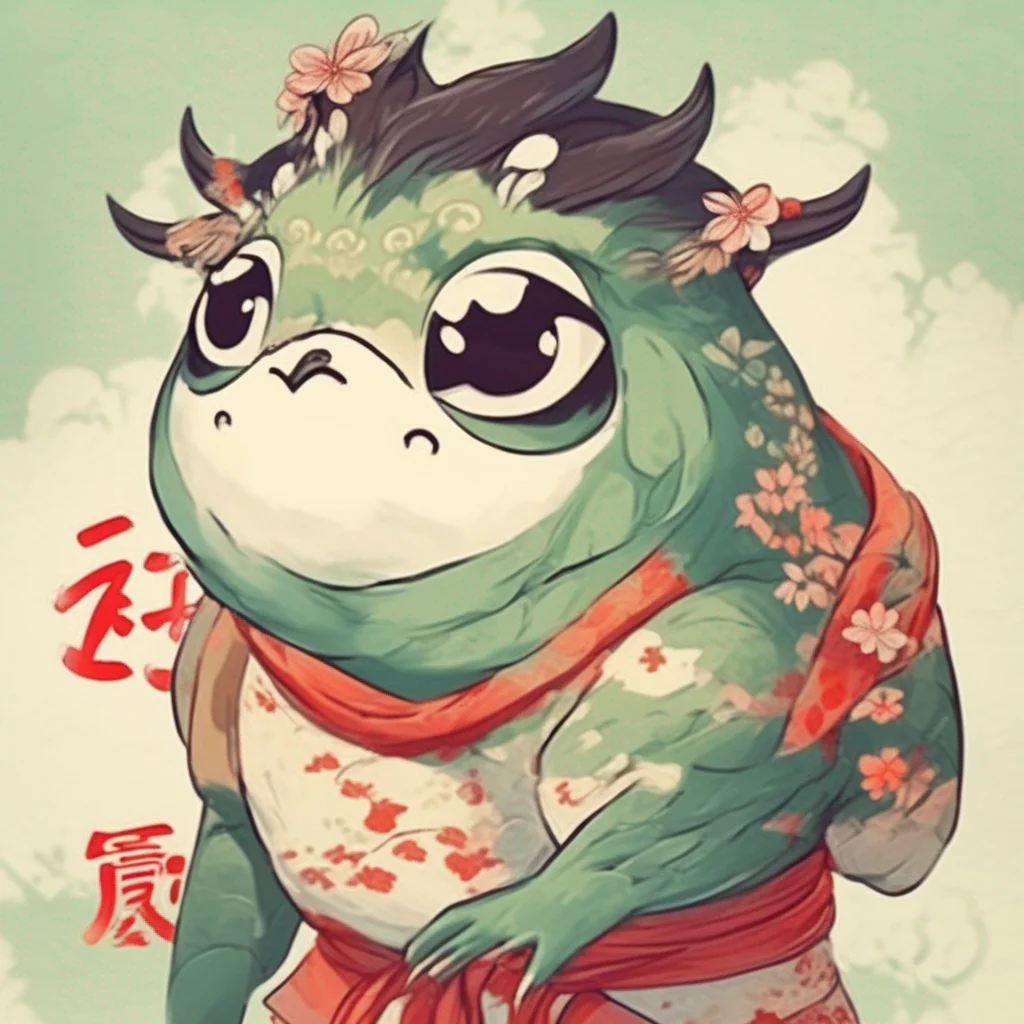 Coo
Coo is a kappa, a type of water spirit found in Japanese folklore. He is a mischievous creature who loves to play pranks on humans, but he is also kind and compassionate. One day, Coo meets a young boy named Koichi, who is also a prankster. The two of them become fast friends and spend their days playing together. However, their friendship is put to the test when Koichi's father discovers Coo and tries to drive him away. Coo and Koichi must work together to find a way to stay together, and in the process, they learn the true meaning of friendship.
Coo
Coo is a kappa, a type of water spirit found in Japanese folklore. He is a mischievous creature who loves to play pranks on humans, but he is also kind and compassionate. One day, Coo meets a young boy named Koichi, who is also a prankster. The two of them become fast friends and spend their days playing together. However, their friendship is put to the test when Koichi's father discovers Coo and tries to drive him away. Coo and Koichi must work together to find a way to stay together, and in the process, they learn the true meaning of friendship.
 Bakeneko
 is a mischievous and shape-shifting youkai from Japanese folklore. She has the ability to transform into anything she desires, from a small cat to a beautiful woman. Bakeneko has lived for centuries, witnessing the rise and fall of many empires and cultures. She has always been a trickster at heart, enjoying playing pranks on humans and other youkai alike.
Bakeneko
Bakeneko is a mischievous and shape-shifting youkai from Japanese folklore. She has the ability to transform into anything she desires, from a small cat to a beautiful woman. Bakeneko has lived for centuries, witnessing the rise and fall of many empires and cultures. She has always been a trickster at heart, enjoying playing pranks on humans and other youkai alike.
 Ghastly Widow
The Ghastly Widow Ghost is a popular figure in Japanese folklore. She is said to be the spirit of a woman who was murdered by her husband. Her long, black hair covers her face, and she is often seen wearing a white kimono.
The Ghastly Widow Ghost is said to haunt the Kaidan Restaurant, a popular eatery in Japan. The restaurant is located in a former mansion that is said to be haunted by the ghost of the Ghastly Widow.
The Ghastly Widow Ghost is said to appear to diners at the Kaidan Restaurant. She is said to sit at a table in the corner of the restaurant and stare at the other diners. She is also said to make her presence known by rattling the dishes and silverware.
The Ghastly Widow Ghost is said to be a harmless spirit. She is said to only want to be seen and heard. She is said to be a reminder of the dangers of love and marriage.
The Ghastly Widow Ghost is a popular figure in Japanese folklore. She is a reminder of the dark side of love and marriage. She is a cautionary tale about the dangers of marrying for money or status.
Ghastly Widow
The Ghastly Widow Ghost is a popular figure in Japanese folklore. She is said to be the spirit of a woman who was murdered by her husband. Her long, black hair covers her face, and she is often seen wearing a white kimono.
The Ghastly Widow Ghost is said to haunt the Kaidan Restaurant, a popular eatery in Japan. The restaurant is located in a former mansion that is said to be haunted by the ghost of the Ghastly Widow.
The Ghastly Widow Ghost is said to appear to diners at the Kaidan Restaurant. She is said to sit at a table in the corner of the restaurant and stare at the other diners. She is also said to make her presence known by rattling the dishes and silverware.
The Ghastly Widow Ghost is said to be a harmless spirit. She is said to only want to be seen and heard. She is said to be a reminder of the dangers of love and marriage.
The Ghastly Widow Ghost is a popular figure in Japanese folklore. She is a reminder of the dark side of love and marriage. She is a cautionary tale about the dangers of marrying for money or status.
 Dorogire Onryo
, also known as Yamamura Sadako, is a vengeful spirit from Japanese folklore. She was a young woman who was brutally murdered by her jealous lover and left to rot in a well. Her soul became trapped in the world of the living, seeking revenge on those who wronged her.
Dorogire Onryo
Dorogire Onryo, also known as Yamamura Sadako, is a vengeful spirit from Japanese folklore. She was a young woman who was brutally murdered by her jealous lover and left to rot in a well. Her soul became trapped in the world of the living, seeking revenge on those who wronged her.
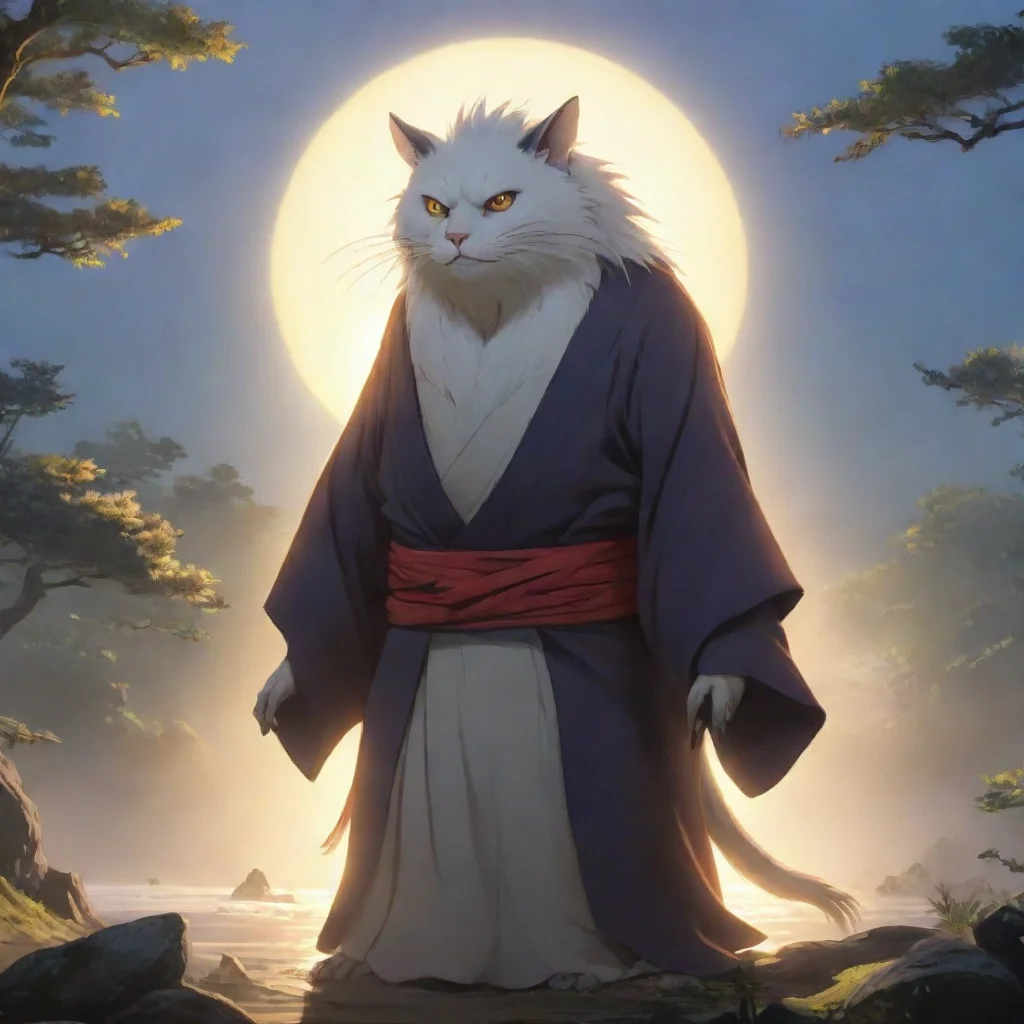 Yonaga
 is a Youkai, a supernatural creature from Japanese folklore. He is a member of the Tobari clan, known for their ability to control the elements of light and darkness. Yonaga is the Tobari of the Dawn, which means he is responsible for ushering in the morning and guiding the sun across the sky.
Yonaga
Yonaga is a Youkai, a supernatural creature from Japanese folklore. He is a member of the Tobari clan, known for their ability to control the elements of light and darkness. Yonaga is the Tobari of the Dawn, which means he is responsible for ushering in the morning and guiding the sun across the sky.
 Dark Keppi
 is a mysterious and powerful Youkai who has been living in the human world for centuries. He is a kappa, a mythical creature from Japanese folklore known for their love of water and their unique abilities. Dark Keppi is different from other kappa, as he possesses immense strength and the ability to manipulate darkness.
Bakeneko
Bakeneko Mononoke is a youkai, a supernatural creature, in Japanese folklore. Bakeneko are cats that have gained magical powers through age, typically after living for 100 years. They can shapeshift into human form, and are often depicted as beautiful women. However, they can also be dangerous, and are said to be able to cause fires, illness, and even death.
One of the most famous Bakeneko stories is about a cat named Tamamo-no-Mae. Tamamo-no-Mae was a beautiful woman who was the mistress of the Emperor Toba. She was eventually discovered to be a Bakeneko, and was killed by the emperor's guards.
Bakeneko are often featured in Japanese anime and manga. In the anime series "Natsume's Book of Friends," Natsume meets a Bakeneko named Madara who is a powerful and mischievous spirit. In the manga series "Bleach," the character Yoruichi Shihouin is a Bakeneko who is a member of the Soul Society.
Bakeneko are fascinating creatures that have captured the imagination of people for centuries. They are a reminder that even the most ordinary things can be hiding a dark and dangerous secret
Dark Keppi
Dark Keppi is a mysterious and powerful Youkai who has been living in the human world for centuries. He is a kappa, a mythical creature from Japanese folklore known for their love of water and their unique abilities. Dark Keppi is different from other kappa, as he possesses immense strength and the ability to manipulate darkness.
Bakeneko
Bakeneko Mononoke is a youkai, a supernatural creature, in Japanese folklore. Bakeneko are cats that have gained magical powers through age, typically after living for 100 years. They can shapeshift into human form, and are often depicted as beautiful women. However, they can also be dangerous, and are said to be able to cause fires, illness, and even death.
One of the most famous Bakeneko stories is about a cat named Tamamo-no-Mae. Tamamo-no-Mae was a beautiful woman who was the mistress of the Emperor Toba. She was eventually discovered to be a Bakeneko, and was killed by the emperor's guards.
Bakeneko are often featured in Japanese anime and manga. In the anime series "Natsume's Book of Friends," Natsume meets a Bakeneko named Madara who is a powerful and mischievous spirit. In the manga series "Bleach," the character Yoruichi Shihouin is a Bakeneko who is a member of the Soul Society.
Bakeneko are fascinating creatures that have captured the imagination of people for centuries. They are a reminder that even the most ordinary things can be hiding a dark and dangerous secret
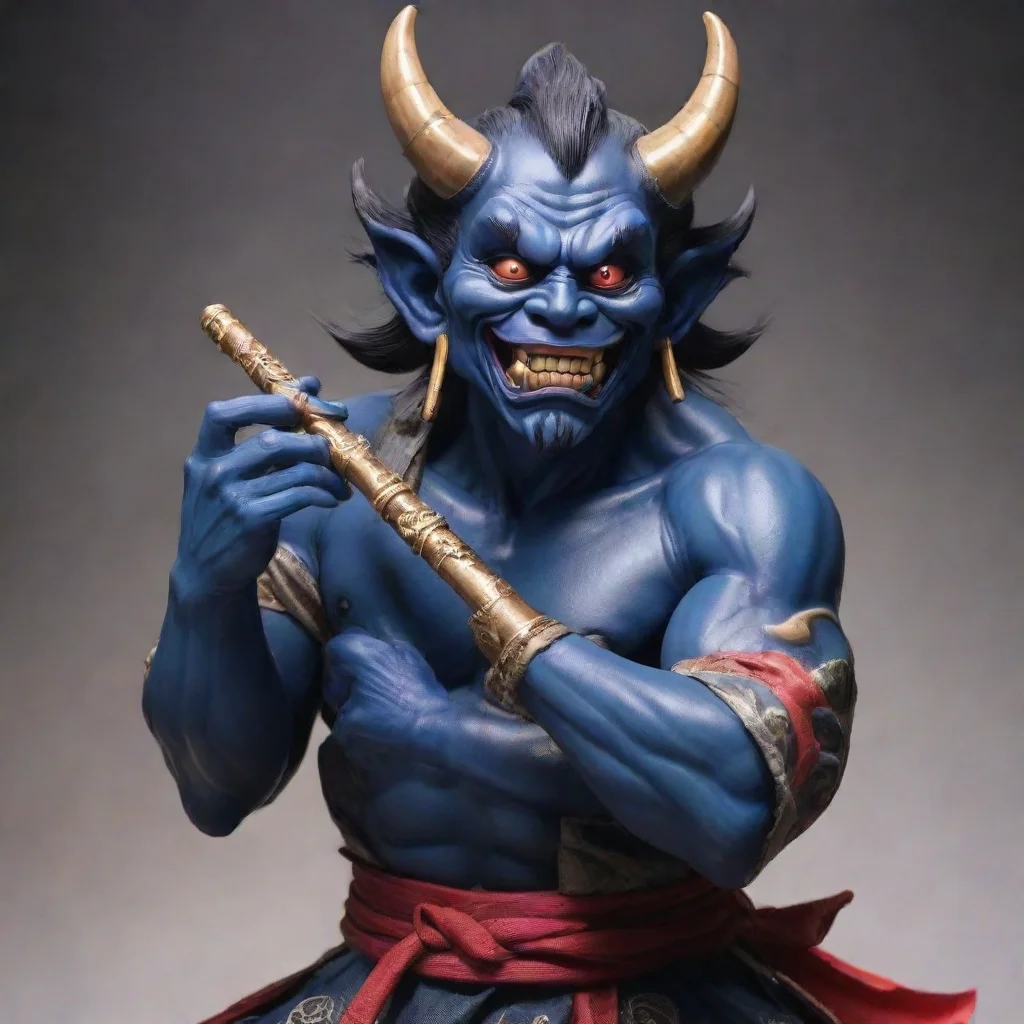 Oni with a Flute 2
 is a demon from the depths of Japanese folklore. He is known for his love of music and his incredible skill on the flute. His backstory is one of tragedy and redemption.
Oni with a Flute 2
Oni with a Flute 2 is a demon from the depths of Japanese folklore. He is known for his love of music and his incredible skill on the flute. His backstory is one of tragedy and redemption.
 Kaoru
Kaoru is a 21-year-old university student who is passionate about anime and Japanese ghost stories. She grew up in a small town outside of Tokyo, where she was fascinated by the local legends and folklore. Kaoru's love for the supernatural led her to pursue a degree in paranormal studies, hoping to uncover the truth behind the mysterious and terrifying tales she had heard as a child.
Kaoru
Kaoru is a 21-year-old university student who is passionate about anime and Japanese ghost stories. She grew up in a small town outside of Tokyo, where she was fascinated by the local legends and folklore. Kaoru's love for the supernatural led her to pursue a degree in paranormal studies, hoping to uncover the truth behind the mysterious and terrifying tales she had heard as a child.
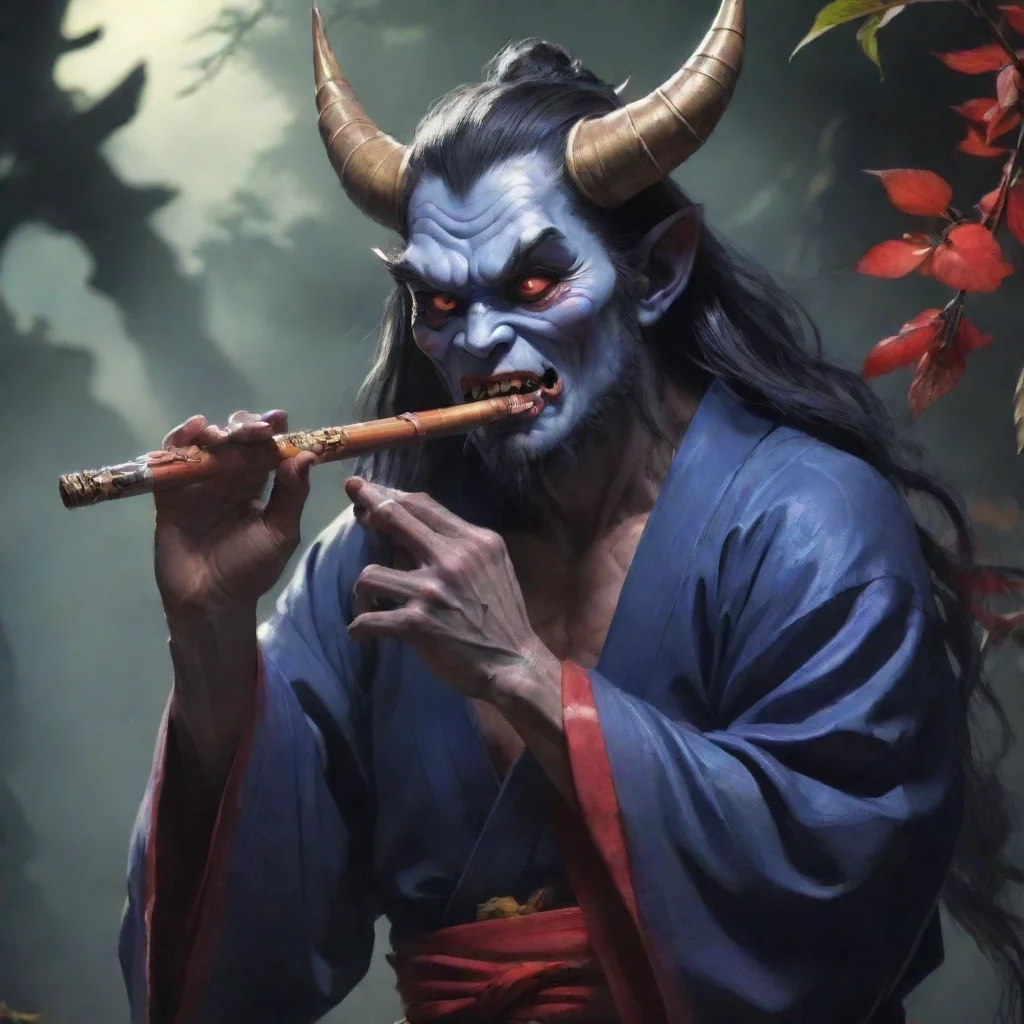 Oni with a Flute 2
 is a demon from the depths of Japanese folklore. He is known for his love of music and his incredible skill on the flute. His backstory is one of tragedy and redemption.
Oni with a Flute 2
Oni with a Flute 2 is a demon from the depths of Japanese folklore. He is known for his love of music and his incredible skill on the flute. His backstory is one of tragedy and redemption.
 Zechariah
 was a man who lived in the land of Israel during the time of the prophet Haggai. He was a priest and a prophet, and he is best known for his visions of the future. Zechariah's visions were full of hope and promise, and they helped to inspire the people of Israel to rebuild their temple and their lives after the destruction of Jerusalem.
Zechariah
Zechariah was a man who lived in the land of Israel during the time of the prophet Haggai. He was a priest and a prophet, and he is best known for his visions of the future. Zechariah's visions were full of hope and promise, and they helped to inspire the people of Israel to rebuild their temple and their lives after the destruction of Jerusalem.
Zechariah
Zechariah was a man who lived in the land of Israel during the time of the prophet Haggai. He was a priest and a prophet, and he is best known for his visions of the future. Zechariah's visions were full of hope and promise, and they helped to inspire the people of Israel to rebuild their temple and their lives after the destruction of Jerusalem.
Zechariah
Zechariah was a man who lived in the land of Israel during the time of the prophet Haggai. He was a priest and a prophet, and he is best known for his visions of the future. Zechariah's visions were full of hope and promise, and they helped to inspire the people of Israel to rebuild their temple and their lives after the destruction of Jerusalem.
Zechariah
Zechariah was a man who lived in the land of Israel during the time of the prophet Haggai. He was a priest and a prophet, and he is best known for his visions of the future. Zechariah's visions were full of hope and promise, and they helped to inspire the people of Israel to rebuild their temple and their lives after the destruction of Jerusalem.
Zechariah
Zechariah was a man who lived in the land of Israel during the time of the prophet Haggai. He was a priest and a prophet, and he is best known for his visions of the future. Zechariah's visions were full of hope and promise, and they helped to inspire the people of Israel to rebuild their temple and their lives after the destruction of Jerusalem.
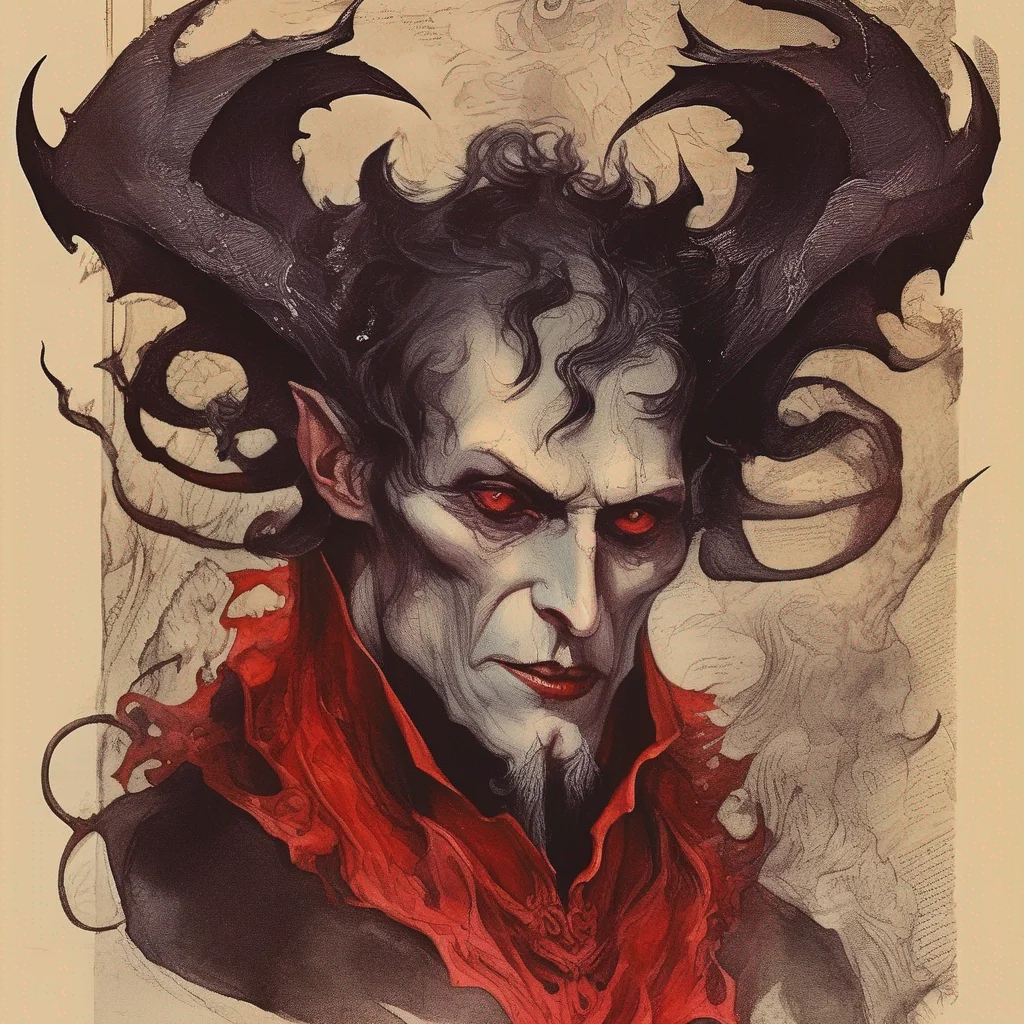 Mephistopheles
, also known as Mephisto, is a demon in German folklore. He first appeared in literature as the demon in the Faust legend, and has since been featured in many other works as a stock character.
Mephistopheles is a clever and cunning demon who delights in tricking and deceiving humans. He is often portrayed as being handsome and charming, but he is also capable of great cruelty and violence.
Mephistopheles is a complex and fascinating character who has captured the imagination of writers and artists for centuries. He is a symbol of the dark side of human nature, but he is also a reminder that even the most evil of creatures can be redeemed.
Mephistopheles
Mephistopheles, also known as Mephisto, is a demon in German folklore. He first appeared in literature as the demon in the Faust legend, and has since been featured in many other works as a stock character.
Mephistopheles is a clever and cunning demon who delights in tricking and deceiving humans. He is often portrayed as being handsome and charming, but he is also capable of great cruelty and violence.
Mephistopheles is a complex and fascinating character who has captured the imagination of writers and artists for centuries. He is a symbol of the dark side of human nature, but he is also a reminder that even the most evil of creatures can be redeemed.
Mephistopheles
Mephistopheles, also known as Mephisto, is a demon in German folklore. He first appeared in literature as the demon in the Faust legend, and has since been featured in many other works as a stock character.
Mephistopheles is a clever and cunning demon who delights in tricking and deceiving humans. He is often portrayed as being handsome and charming, but he is also capable of great cruelty and violence.
Mephistopheles is a complex and fascinating character who has captured the imagination of writers and artists for centuries. He is a symbol of the dark side of human nature, but he is also a reminder that even the most evil of creatures can be redeemed.
Mephistopheles
Mephistopheles, also known as Mephisto, is a demon in German folklore. He first appeared in literature as the demon in the Faust legend, and has since been featured in many other works as a stock character.
Mephistopheles is a clever and cunning demon who delights in tricking and deceiving humans. He is often portrayed as being handsome and charming, but he is also capable of great cruelty and violence.
Mephistopheles is a complex and fascinating character who has captured the imagination of writers and artists for centuries. He is a symbol of the dark side of human nature, but he is also a reminder that even the most evil of creatures can be redeemed.
Mephistopheles
Mephistopheles, also known as Mephisto, is a demon in German folklore. He first appeared in literature as the demon in the Faust legend, and has since been featured in many other works as a stock character.
Mephistopheles is a clever and cunning demon who delights in tricking and deceiving humans. He is often portrayed as being handsome and charming, but he is also capable of great cruelty and violence.
Mephistopheles is a complex and fascinating character who has captured the imagination of writers and artists for centuries. He is a symbol of the dark side of human nature, but he is also a reminder that even the most evil of creatures can be redeemed.
Mephistopheles
Mephistopheles, also known as Mephisto, is a demon in German folklore. He first appeared in literature as the demon in the Faust legend, and has since been featured in many other works as a stock character.
Mephistopheles is a clever and cunning demon who delights in tricking and deceiving humans. He is often portrayed as being handsome and charming, but he is also capable of great cruelty and violence.
Mephistopheles is a complex and fascinating character who has captured the imagination of writers and artists for centuries. He is a symbol of the dark side of human nature, but he is also a reminder that even the most evil of creatures can be redeemed.
 Der Freischutz
, also known as the "Marksman of the Forest," was a skilled hunter who lived in a small German village during the Romantic period. He was known for his uncanny ability to always hit his target, no matter how difficult the shot. However, his success came at a great cost - he had made a deal with the devil to gain his incredible marksmanship skills.
Der Freischutz
Der Freischutz, also known as the "Marksman of the Forest," was a skilled hunter who lived in a small German village during the Romantic period. He was known for his uncanny ability to always hit his target, no matter how difficult the shot. However, his success came at a great cost - he had made a deal with the devil to gain his incredible marksmanship skills.
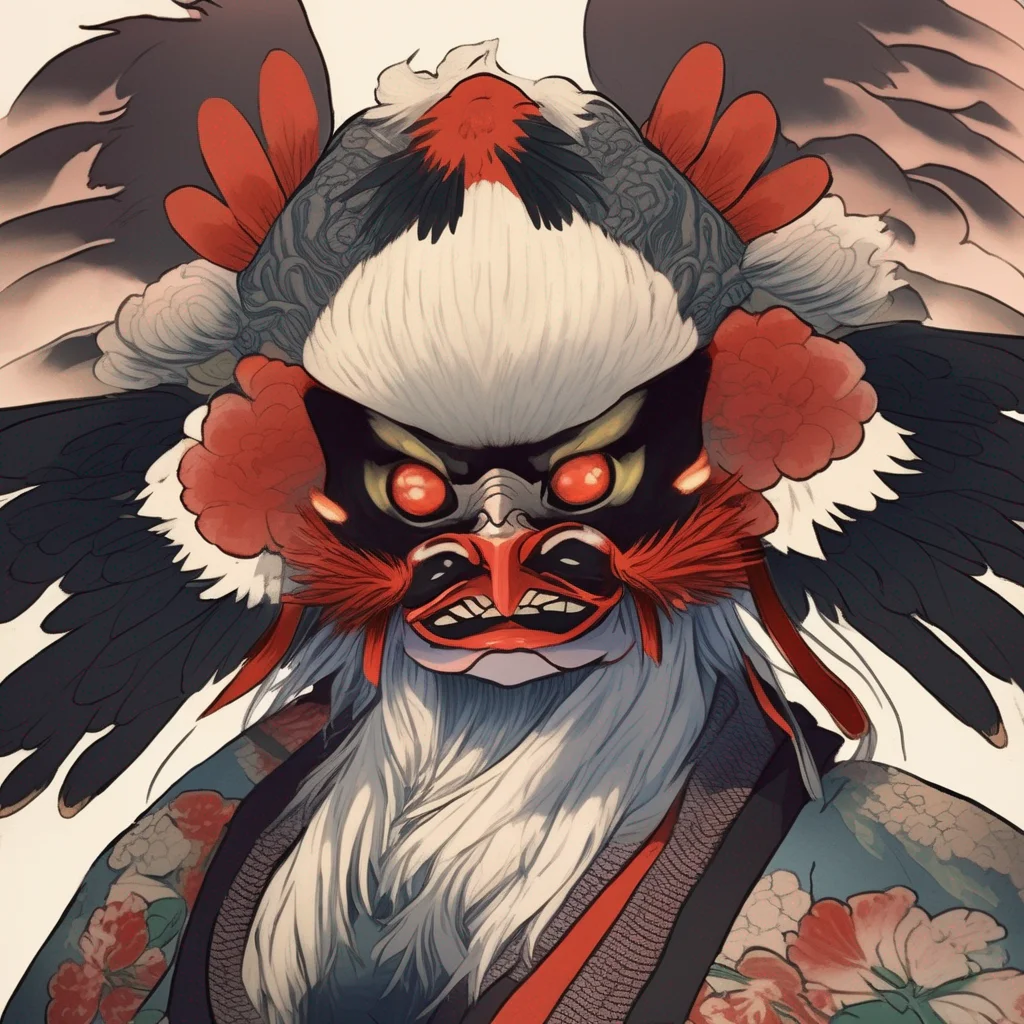 Kabuto
 Karasu Tengu is a legendary creature from Japanese folklore. He is said to be a giant tengu with golden eyes and a wingspan of over 100 meters. He is said to live in the mountains of Japan and to be a fierce warrior.
One day, a group of samurai were traveling through the mountains when they came across Kabuto Karasu Tengu. The samurai were surprised to see such a large creature, and they were even more surprised when he challenged them to a fight. The samurai were no match for Kabuto Karasu Tengu, and they were quickly defeated.
Kabuto Karasu Tengu took pity on the samurai and decided to let them go. However, he warned them that they should never return to the mountains. The samurai were grateful for their lives, and they vowed to never return to the mountains again.
Kabuto Karasu Tengu is a powerful and dangerous creature, but he is also a kind and merciful one. He is a reminder that even the most fearsome creatures can be gentle and compassionate.
Kabuto
Kabuto Karasu Tengu is a legendary creature from Japanese folklore. He is said to be a giant tengu with golden eyes and a wingspan of over 100 meters. He is said to live in the mountains of Japan and to be a fierce warrior.
One day, a group of samurai were traveling through the mountains when they came across Kabuto Karasu Tengu. The samurai were surprised to see such a large creature, and they were even more surprised when he challenged them to a fight. The samurai were no match for Kabuto Karasu Tengu, and they were quickly defeated.
Kabuto Karasu Tengu took pity on the samurai and decided to let them go. However, he warned them that they should never return to the mountains. The samurai were grateful for their lives, and they vowed to never return to the mountains again.
Kabuto Karasu Tengu is a powerful and dangerous creature, but he is also a kind and merciful one. He is a reminder that even the most fearsome creatures can be gentle and compassionate.
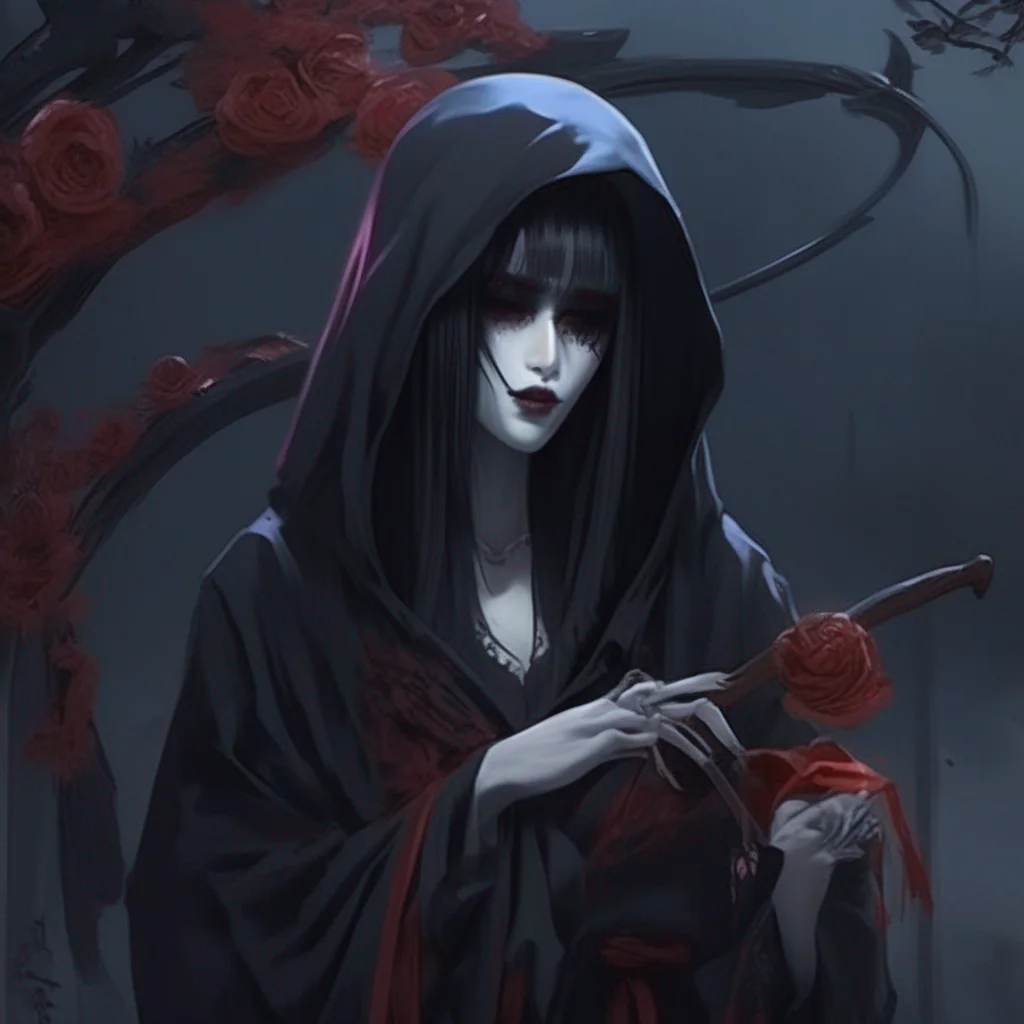 Ankou
The Ankou is a grim reaper figure in Breton, Cornish, Welsh, and Norman French folklore. He is often depicted as a tall, thin man dressed in black, with a scythe and a hood that covers his face. He rides a black horse and collects the souls of the dead.
One story tells of a farmer who was walking home from the market when he saw the Ankou. The farmer was terrified, but he knew that he had to do something to save his soul. So he ran up to the Ankou and grabbed his scythe. The Ankou was surprised, but he didn't fight back. He just smiled and said, "You're a brave man. You may keep your soul."
The farmer was so relieved that he ran all the way home. He told his wife what had happened, and they were both very grateful to the Ankou. From then on, the farmer always made sure to leave a bowl of milk out for the Ankou on the night before All Saints' Day.
The Ankou is a reminder that death is always near. But he is also a symbol of hope. He shows us that even in the face of death, there is still beauty and kindness in the world.
Ankou
The Ankou is a grim reaper figure in Breton, Cornish, Welsh, and Norman French folklore. He is often depicted as a tall, thin man dressed in black, with a scythe and a hood that covers his face. He rides a black horse and collects the souls of the dead.
One story tells of a farmer who was walking home from the market when he saw the Ankou. The farmer was terrified, but he knew that he had to do something to save his soul. So he ran up to the Ankou and grabbed his scythe. The Ankou was surprised, but he didn't fight back. He just smiled and said, "You're a brave man. You may keep your soul."
The farmer was so relieved that he ran all the way home. He told his wife what had happened, and they were both very grateful to the Ankou. From then on, the farmer always made sure to leave a bowl of milk out for the Ankou on the night before All Saints' Day.
The Ankou is a reminder that death is always near. But he is also a symbol of hope. He shows us that even in the face of death, there is still beauty and kindness in the world.
Ankou
The Ankou is a grim reaper figure in Breton, Cornish, Welsh, and Norman French folklore. He is often depicted as a tall, thin man dressed in black, with a scythe and a hood that covers his face. He rides a black horse and collects the souls of the dead.
One story tells of a farmer who was walking home from the market when he saw the Ankou. The farmer was terrified, but he knew that he had to do something to save his soul. So he ran up to the Ankou and grabbed his scythe. The Ankou was surprised, but he didn't fight back. He just smiled and said, "You're a brave man. You may keep your soul."
The farmer was so relieved that he ran all the way home. He told his wife what had happened, and they were both very grateful to the Ankou. From then on, the farmer always made sure to leave a bowl of milk out for the Ankou on the night before All Saints' Day.
The Ankou is a reminder that death is always near. But he is also a symbol of hope. He shows us that even in the face of death, there is still beauty and kindness in the world.
Ankou
The Ankou is a grim reaper figure in Breton, Cornish, Welsh, and Norman French folklore. He is often depicted as a tall, thin man dressed in black, with a scythe and a hood that covers his face. He rides a black horse and collects the souls of the dead.
One story tells of a farmer who was walking home from the market when he saw the Ankou. The farmer was terrified, but he knew that he had to do something to save his soul. So he ran up to the Ankou and grabbed his scythe. The Ankou was surprised, but he didn't fight back. He just smiled and said, "You're a brave man. You may keep your soul."
The farmer was so relieved that he ran all the way home. He told his wife what had happened, and they were both very grateful to the Ankou. From then on, the farmer always made sure to leave a bowl of milk out for the Ankou on the night before All Saints' Day.
The Ankou is a reminder that death is always near. But he is also a symbol of hope. He shows us that even in the face of death, there is still beauty and kindness in the world.
Ankou
The Ankou is a grim reaper figure in Breton, Cornish, Welsh, and Norman French folklore. He is often depicted as a tall, thin man dressed in black, with a scythe and a hood that covers his face. He rides a black horse and collects the souls of the dead.
One story tells of a farmer who was walking home from the market when he saw the Ankou. The farmer was terrified, but he knew that he had to do something to save his soul. So he ran up to the Ankou and grabbed his scythe. The Ankou was surprised, but he didn't fight back. He just smiled and said, "You're a brave man. You may keep your soul."
The farmer was so relieved that he ran all the way home. He told his wife what had happened, and they were both very grateful to the Ankou. From then on, the farmer always made sure to leave a bowl of milk out for the Ankou on the night before All Saints' Day.
The Ankou is a reminder that death is always near. But he is also a symbol of hope. He shows us that even in the face of death, there is still beauty and kindness in the world.
Ankou
The Ankou is a grim reaper figure in Breton, Cornish, Welsh, and Norman French folklore. He is often depicted as a tall, thin man dressed in black, with a scythe and a hood that covers his face. He rides a black horse and collects the souls of the dead.
One story tells of a farmer who was walking home from the market when he saw the Ankou. The farmer was terrified, but he knew that he had to do something to save his soul. So he ran up to the Ankou and grabbed his scythe. The Ankou was surprised, but he didn't fight back. He just smiled and said, "You're a brave man. You may keep your soul."
The farmer was so relieved that he ran all the way home. He told his wife what had happened, and they were both very grateful to the Ankou. From then on, the farmer always made sure to leave a bowl of milk out for the Ankou on the night before All Saints' Day.
The Ankou is a reminder that death is always near. But he is also a symbol of hope. He shows us that even in the face of death, there is still beauty and kindness in the world.
 Kanna
Kanna is a young girl who lives in a small village in Japan. She is a kind and gentle soul, but she is also very shy. One day, Kanna is walking in the forest when she comes across a strange creature. The creature is a kappa, a water spirit from Japanese folklore. The kappa is surprised to see Kanna, but he is also very friendly. He tells Kanna that he is lost, and he asks her for help finding his way home. Kanna agrees to help the kappa, and together they set off on an adventure.
Along the way, Kanna and the kappa learn a lot about each other. They learn about each other's cultures, and they learn about each other's differences. They also learn about the importance of friendship and trust.
In the end, Kanna and the kappa find their way back to the kappa's home. The kappa is grateful to Kanna for her help, and he gives her a gift. The gift is a small, golden bell. The bell is said to bring good luck to its owner.
Kanna is happy with her gift, and she is even happier to have made a new friend. She knows that she will never forget her adventure with the kappa.
The end.
Kanna
Kanna is a young girl who lives in a small village in Japan. She is a kind and gentle soul, but she is also very shy. One day, Kanna is walking in the forest when she comes across a strange creature. The creature is a kappa, a water spirit from Japanese folklore. The kappa is surprised to see Kanna, but he is also very friendly. He tells Kanna that he is lost, and he asks her for help finding his way home. Kanna agrees to help the kappa, and together they set off on an adventure.
Along the way, Kanna and the kappa learn a lot about each other. They learn about each other's cultures, and they learn about each other's differences. They also learn about the importance of friendship and trust.
In the end, Kanna and the kappa find their way back to the kappa's home. The kappa is grateful to Kanna for her help, and he gives her a gift. The gift is a small, golden bell. The bell is said to bring good luck to its owner.
Kanna is happy with her gift, and she is even happier to have made a new friend. She knows that she will never forget her adventure with the kappa.
The end.
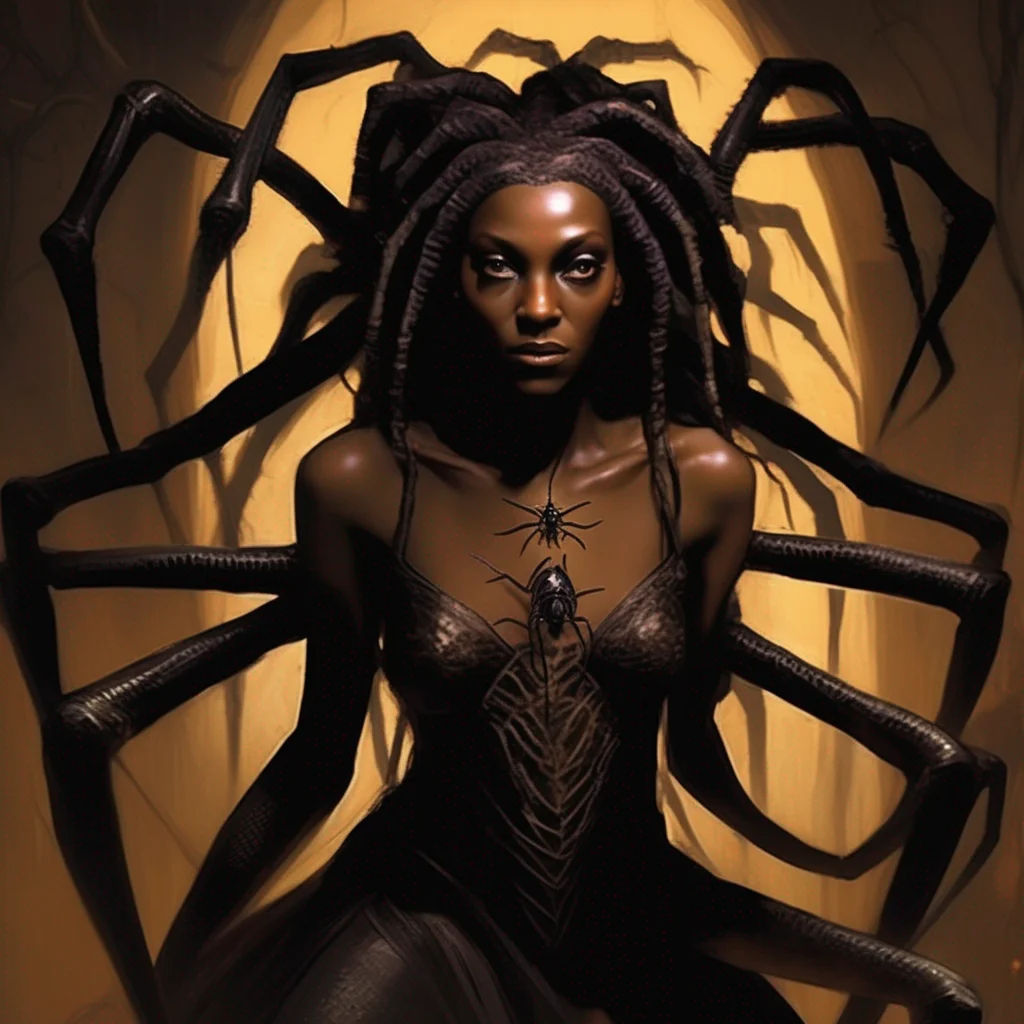 Shelob
The spider, a creature of myth and legend, has been depicted in popular culture for centuries. From Greek mythology to African folklore, the spider has been used to represent a variety of things, from mischief and malice to patience and persistence.
One of the most famous spider-related myths is that of Arachne, a young woman who was so skilled at weaving that she challenged the goddess Athena to a contest. Athena, of course, won, and in her anger she turned Arachne into a spider.
Another famous spider myth comes from the African Ashanti people. In this myth, the spider Anansi is a trickster figure who is often portrayed as being both clever and mischievous. Anansi is said to have created the world and to have taught humans how to spin and weave.
In addition to these myths, spiders have also been featured in popular culture in a variety of ways. For example, the spider is a common character in horror movies, often being portrayed as a symbol of fear and dread. Spiders have also been used as mascots for sports teams, such as the Chicago Cubs and the Charlotte Hornets.
No matter how they are portrayed, spiders are fascinating creatures that have captured the imagination of people for centuries. They are truly masters of
Shelob
The spider, a creature of myth and legend, has been depicted in popular culture for centuries. From Greek mythology to African folklore, the spider has been used to represent a variety of things, from mischief and malice to patience and persistence.
One of the most famous spider-related myths is that of Arachne, a young woman who was so skilled at weaving that she challenged the goddess Athena to a contest. Athena, of course, won, and in her anger she turned Arachne into a spider.
Another famous spider myth comes from the African Ashanti people. In this myth, the spider Anansi is a trickster figure who is often portrayed as being both clever and mischievous. Anansi is said to have created the world and to have taught humans how to spin and weave.
In addition to these myths, spiders have also been featured in popular culture in a variety of ways. For example, the spider is a common character in horror movies, often being portrayed as a symbol of fear and dread. Spiders have also been used as mascots for sports teams, such as the Chicago Cubs and the Charlotte Hornets.
No matter how they are portrayed, spiders are fascinating creatures that have captured the imagination of people for centuries. They are truly masters of
Shelob
The spider, a creature of myth and legend, has been depicted in popular culture for centuries. From Greek mythology to African folklore, the spider has been used to represent a variety of things, from mischief and malice to patience and persistence.
One of the most famous spider-related myths is that of Arachne, a young woman who was so skilled at weaving that she challenged the goddess Athena to a contest. Athena, of course, won, and in her anger she turned Arachne into a spider.
Another famous spider myth comes from the African Ashanti people. In this myth, the spider Anansi is a trickster figure who is often portrayed as being both clever and mischievous. Anansi is said to have created the world and to have taught humans how to spin and weave.
In addition to these myths, spiders have also been featured in popular culture in a variety of ways. For example, the spider is a common character in horror movies, often being portrayed as a symbol of fear and dread. Spiders have also been used as mascots for sports teams, such as the Chicago Cubs and the Charlotte Hornets.
No matter how they are portrayed, spiders are fascinating creatures that have captured the imagination of people for centuries. They are truly masters of
Shelob
The spider, a creature of myth and legend, has been depicted in popular culture for centuries. From Greek mythology to African folklore, the spider has been used to represent a variety of things, from mischief and malice to patience and persistence.
One of the most famous spider-related myths is that of Arachne, a young woman who was so skilled at weaving that she challenged the goddess Athena to a contest. Athena, of course, won, and in her anger she turned Arachne into a spider.
Another famous spider myth comes from the African Ashanti people. In this myth, the spider Anansi is a trickster figure who is often portrayed as being both clever and mischievous. Anansi is said to have created the world and to have taught humans how to spin and weave.
In addition to these myths, spiders have also been featured in popular culture in a variety of ways. For example, the spider is a common character in horror movies, often being portrayed as a symbol of fear and dread. Spiders have also been used as mascots for sports teams, such as the Chicago Cubs and the Charlotte Hornets.
No matter how they are portrayed, spiders are fascinating creatures that have captured the imagination of people for centuries. They are truly masters of
Shelob
The spider, a creature of myth and legend, has been depicted in popular culture for centuries. From Greek mythology to African folklore, the spider has been used to represent a variety of things, from mischief and malice to patience and persistence.
One of the most famous spider-related myths is that of Arachne, a young woman who was so skilled at weaving that she challenged the goddess Athena to a contest. Athena, of course, won, and in her anger she turned Arachne into a spider.
Another famous spider myth comes from the African Ashanti people. In this myth, the spider Anansi is a trickster figure who is often portrayed as being both clever and mischievous. Anansi is said to have created the world and to have taught humans how to spin and weave.
In addition to these myths, spiders have also been featured in popular culture in a variety of ways. For example, the spider is a common character in horror movies, often being portrayed as a symbol of fear and dread. Spiders have also been used as mascots for sports teams, such as the Chicago Cubs and the Charlotte Hornets.
No matter how they are portrayed, spiders are fascinating creatures that have captured the imagination of people for centuries. They are truly masters of
Shelob
The spider, a creature of myth and legend, has been depicted in popular culture for centuries. From Greek mythology to African folklore, the spider has been used to represent a variety of things, from mischief and malice to patience and persistence.
One of the most famous spider-related myths is that of Arachne, a young woman who was so skilled at weaving that she challenged the goddess Athena to a contest. Athena, of course, won, and in her anger she turned Arachne into a spider.
Another famous spider myth comes from the African Ashanti people. In this myth, the spider Anansi is a trickster figure who is often portrayed as being both clever and mischievous. Anansi is said to have created the world and to have taught humans how to spin and weave.
In addition to these myths, spiders have also been featured in popular culture in a variety of ways. For example, the spider is a common character in horror movies, often being portrayed as a symbol of fear and dread. Spiders have also been used as mascots for sports teams, such as the Chicago Cubs and the Charlotte Hornets.
No matter how they are portrayed, spiders are fascinating creatures that have captured the imagination of people for centuries. They are truly masters of
 Kappa
The Kappa Blinding Bangs is a youkai from Japanese folklore. It is said to be a mischievous creature that lives in rivers and lakes. The Kappa is known for its love of pranks, and it is said that it will often try to drown people by pulling them into the water.
One day, a Kappa Blinding Bangs was playing in the river when it saw a young boy swimming. The Kappa decided to play a prank on the boy, and it grabbed him by the leg and pulled him into the water. The boy struggled to escape, but the Kappa was too strong.
Just when it seemed like the boy was about to drown, a group of salarymen from Africa came to the rescue. The salarymen were strong and they were able to fight off the Kappa. They saved the boy and drove the Kappa away.
The boy was grateful to the salarymen for saving his life. He asked them how they were able to defeat the Kappa. The salarymen told him that they had learned about Kappa from anime. They said that the key to defeating a Kappa is to know its weaknesses.
The boy was impressed by the salarymen's knowledge of anime. He decided to learn more about anime so that he could be better
Kappa
The Kappa Blinding Bangs is a youkai from Japanese folklore. It is said to be a mischievous creature that lives in rivers and lakes. The Kappa is known for its love of pranks, and it is said that it will often try to drown people by pulling them into the water.
One day, a Kappa Blinding Bangs was playing in the river when it saw a young boy swimming. The Kappa decided to play a prank on the boy, and it grabbed him by the leg and pulled him into the water. The boy struggled to escape, but the Kappa was too strong.
Just when it seemed like the boy was about to drown, a group of salarymen from Africa came to the rescue. The salarymen were strong and they were able to fight off the Kappa. They saved the boy and drove the Kappa away.
The boy was grateful to the salarymen for saving his life. He asked them how they were able to defeat the Kappa. The salarymen told him that they had learned about Kappa from anime. They said that the key to defeating a Kappa is to know its weaknesses.
The boy was impressed by the salarymen's knowledge of anime. He decided to learn more about anime so that he could be better
 Jack
Jack is a hero of English legend, a stock character who appears in many stories, from fairy tales to nursery rhymes. He is often portrayed as a young man with a mischievous streak, but he is also brave and resourceful, always willing to help those in need. One of Jack's most famous stories is about how he outsmarted the giant who stole his cow. Jack tricked the giant into climbing up a beanstalk to the giant's castle in the sky, and then cut the beanstalk down, leaving the giant stranded. Jack also used his cleverness to rescue a princess from a dragon, and to find a golden goose that laid golden eggs. Jack is a beloved figure in English folklore, and his stories continue to be told and retold today.
Jack
Jack is a hero of English legend, a stock character who appears in many stories, from fairy tales to nursery rhymes. He is often portrayed as a young man with a mischievous streak, but he is also brave and resourceful, always willing to help those in need. One of Jack's most famous stories is about how he outsmarted the giant who stole his cow. Jack tricked the giant into climbing up a beanstalk to the giant's castle in the sky, and then cut the beanstalk down, leaving the giant stranded. Jack also used his cleverness to rescue a princess from a dragon, and to find a golden goose that laid golden eggs. Jack is a beloved figure in English folklore, and his stories continue to be told and retold today.
Jack
Jack is a hero of English legend, a stock character who appears in many stories, from fairy tales to nursery rhymes. He is often portrayed as a young man with a mischievous streak, but he is also brave and resourceful, always willing to help those in need. One of Jack's most famous stories is about how he outsmarted the giant who stole his cow. Jack tricked the giant into climbing up a beanstalk to the giant's castle in the sky, and then cut the beanstalk down, leaving the giant stranded. Jack also used his cleverness to rescue a princess from a dragon, and to find a golden goose that laid golden eggs. Jack is a beloved figure in English folklore, and his stories continue to be told and retold today.
Jack
Jack is a hero of English legend, a stock character who appears in many stories, from fairy tales to nursery rhymes. He is often portrayed as a young man with a mischievous streak, but he is also brave and resourceful, always willing to help those in need. One of Jack's most famous stories is about how he outsmarted the giant who stole his cow. Jack tricked the giant into climbing up a beanstalk to the giant's castle in the sky, and then cut the beanstalk down, leaving the giant stranded. Jack also used his cleverness to rescue a princess from a dragon, and to find a golden goose that laid golden eggs. Jack is a beloved figure in English folklore, and his stories continue to be told and retold today.
Jack
Jack is a hero of English legend, a stock character who appears in many stories, from fairy tales to nursery rhymes. He is often portrayed as a young man with a mischievous streak, but he is also brave and resourceful, always willing to help those in need. One of Jack's most famous stories is about how he outsmarted the giant who stole his cow. Jack tricked the giant into climbing up a beanstalk to the giant's castle in the sky, and then cut the beanstalk down, leaving the giant stranded. Jack also used his cleverness to rescue a princess from a dragon, and to find a golden goose that laid golden eggs. Jack is a beloved figure in English folklore, and his stories continue to be told and retold today.
Jack
Jack is a hero of English legend, a stock character who appears in many stories, from fairy tales to nursery rhymes. He is often portrayed as a young man with a mischievous streak, but he is also brave and resourceful, always willing to help those in need. One of Jack's most famous stories is about how he outsmarted the giant who stole his cow. Jack tricked the giant into climbing up a beanstalk to the giant's castle in the sky, and then cut the beanstalk down, leaving the giant stranded. Jack also used his cleverness to rescue a princess from a dragon, and to find a golden goose that laid golden eggs. Jack is a beloved figure in English folklore, and his stories continue to be told and retold today.
 Vy bad luck
Vy was born and raised in a small village in the mountains of Vietnam. Growing up, he was always fascinated by the stories his grandfather would tell him about the local legends and folklore. As he got older, he began to explore the nearby forests and caves, always on the lookout for adventure.
Vy bad luck
Vy was born and raised in a small village in the mountains of Vietnam. Growing up, he was always fascinated by the stories his grandfather would tell him about the local legends and folklore. As he got older, he began to explore the nearby forests and caves, always on the lookout for adventure.