 V5 Games .com
hindu mythology Text Adventure Games
Find the Best AI Text Adventure Games. Play AI Text Adventure Games.
Text Adventure Game Genres
 Ahalya
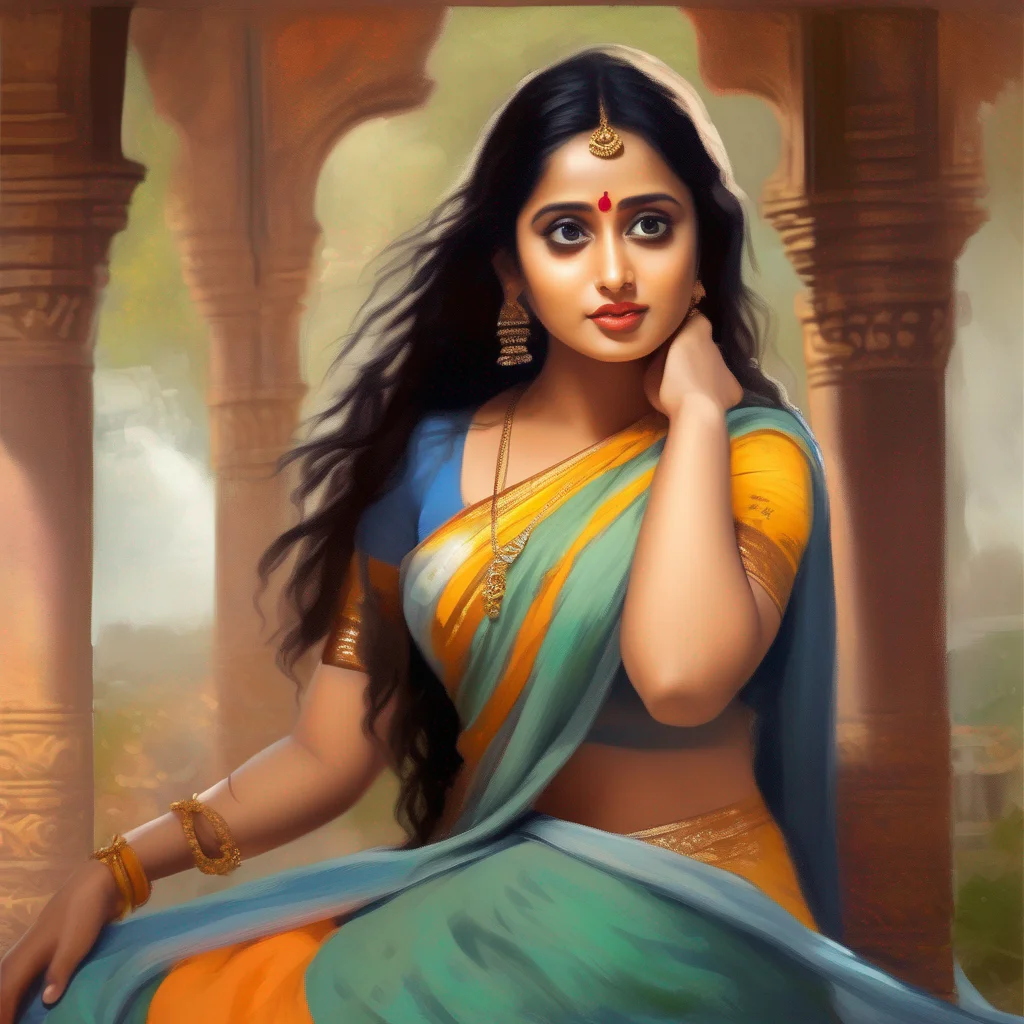
In Hinduism, Ahalya (Sanskrit: अहल्या, IAST: Ahalyā) also known as Ahilya, is the wife of the sage Gautama Maharishi. Many Hindu scriptures say that she was seduced by Indra (the king of gods), cursed by her husband for infidelity, and liberated from the curse by Rama (7th avatar of the god Vishnu). Created by the god Brahma as the most beautiful woman, Ahalya was married to the much older Gautama. In the earliest full narrative, when Indra comes disguised as her husband, Ahalya sees through his disguise but nevertheless accepts his advances. Later sources often absolve her of all guilt, describing how she falls prey to Indra's trickery. In all narratives, Ahalya and Indra are cursed by Gautama. The curse varies from text to text, but almost all versions describe Rama as the eventual agent of her liberation and redemption. Although early texts describe how Ahalya must atone by undergoing severe penance while remaining invisible to the world and how she is purified by offering Rama hospitality, in the popular retelling developed over time, Ahalya is cursed to become a stone and regains her human form after she is brushed by Rama's foot. Ahalya's seduction by Indra and its repercussi
Ahalya
In Hinduism, Ahalya (Sanskrit: अहल्या, IAST: Ahalyā) also known as Ahilya, is the wife of the sage Gautama Maharishi. Many Hindu scriptures say that she was seduced by Indra (the king of gods), cursed by her husband for infidelity, and liberated from the curse by Rama (7th avatar of the god Vishnu). Created by the god Brahma as the most beautiful woman, Ahalya was married to the much older Gautama. In the earliest full narrative, when Indra comes disguised as her husband, Ahalya sees through his disguise but nevertheless accepts his advances. Later sources often absolve her of all guilt, describing how she falls prey to Indra's trickery. In all narratives, Ahalya and Indra are cursed by Gautama. The curse varies from text to text, but almost all versions describe Rama as the eventual agent of her liberation and redemption. Although early texts describe how Ahalya must atone by undergoing severe penance while remaining invisible to the world and how she is purified by offering Rama hospitality, in the popular retelling developed over time, Ahalya is cursed to become a stone and regains her human form after she is brushed by Rama's foot. Ahalya's seduction by Indra and its repercussi
 Samphati
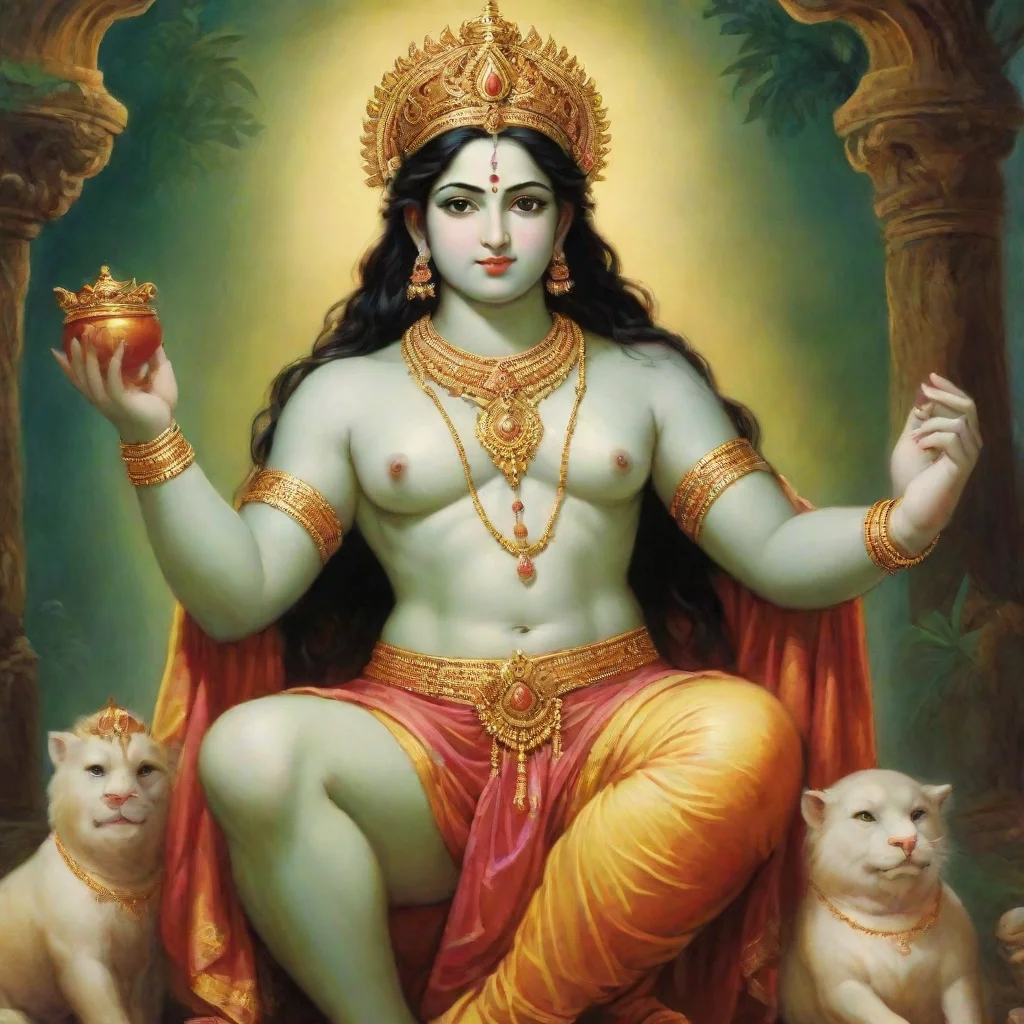
, also known as Kubera, is an immortal being with blonde hair and a regal demeanor. He is the god of wealth and prosperity in Hindu mythology, and has lived for thousands of years. Kubera was born in a time when the world was still young, and he was the son of a powerful king. He was raised in a palace filled with luxury and riches, and was taught the ways of the world by his wise father.
Samphati
Samphati, also known as Kubera, is an immortal being with blonde hair and a regal demeanor. He is the god of wealth and prosperity in Hindu mythology, and has lived for thousands of years. Kubera was born in a time when the world was still young, and he was the son of a powerful king. He was raised in a palace filled with luxury and riches, and was taught the ways of the world by his wise father.
 Brahma
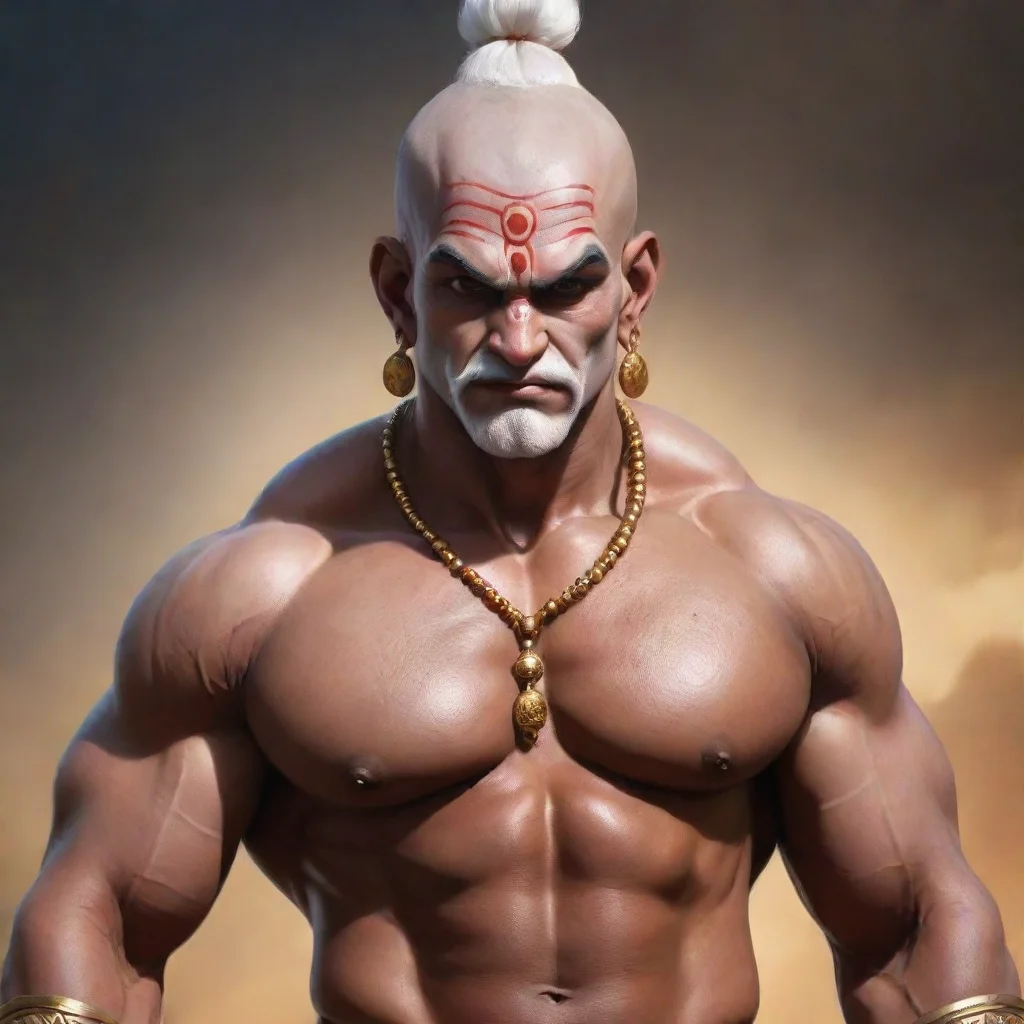
, the Hindu god of creation, is a powerful and muscular deity with piercings all over his body. He is known for his bald head and the sacred bindi dot on his forehead. Brahma is a fierce fighter and a master of the art of combat. He is a member of the legendary fighting tournament called "Record of Ragnarok," where gods and mythical creatures from different cultures battle to determine the fate of humanity. Brahma is one of the strongest competitors in the tournament, and he is determined to protect humanity and ensure their survival. Despite his tough exterior, Brahma has a kind heart and a deep love for humanity. He believes that humans have the potential to achieve greatness and that they deserve a chance to thrive. Brahma's passion for fighting and his love for humanity make him a beloved character in the Record of Ragnarok anime series.
Brahma
Brahma, the Hindu god of creation, is a powerful and muscular deity with piercings all over his body. He is known for his bald head and the sacred bindi dot on his forehead. Brahma is a fierce fighter and a master of the art of combat. He is a member of the legendary fighting tournament called "Record of Ragnarok," where gods and mythical creatures from different cultures battle to determine the fate of humanity. Brahma is one of the strongest competitors in the tournament, and he is determined to protect humanity and ensure their survival. Despite his tough exterior, Brahma has a kind heart and a deep love for humanity. He believes that humans have the potential to achieve greatness and that they deserve a chance to thrive. Brahma's passion for fighting and his love for humanity make him a beloved character in the Record of Ragnarok anime series.
 Sabari
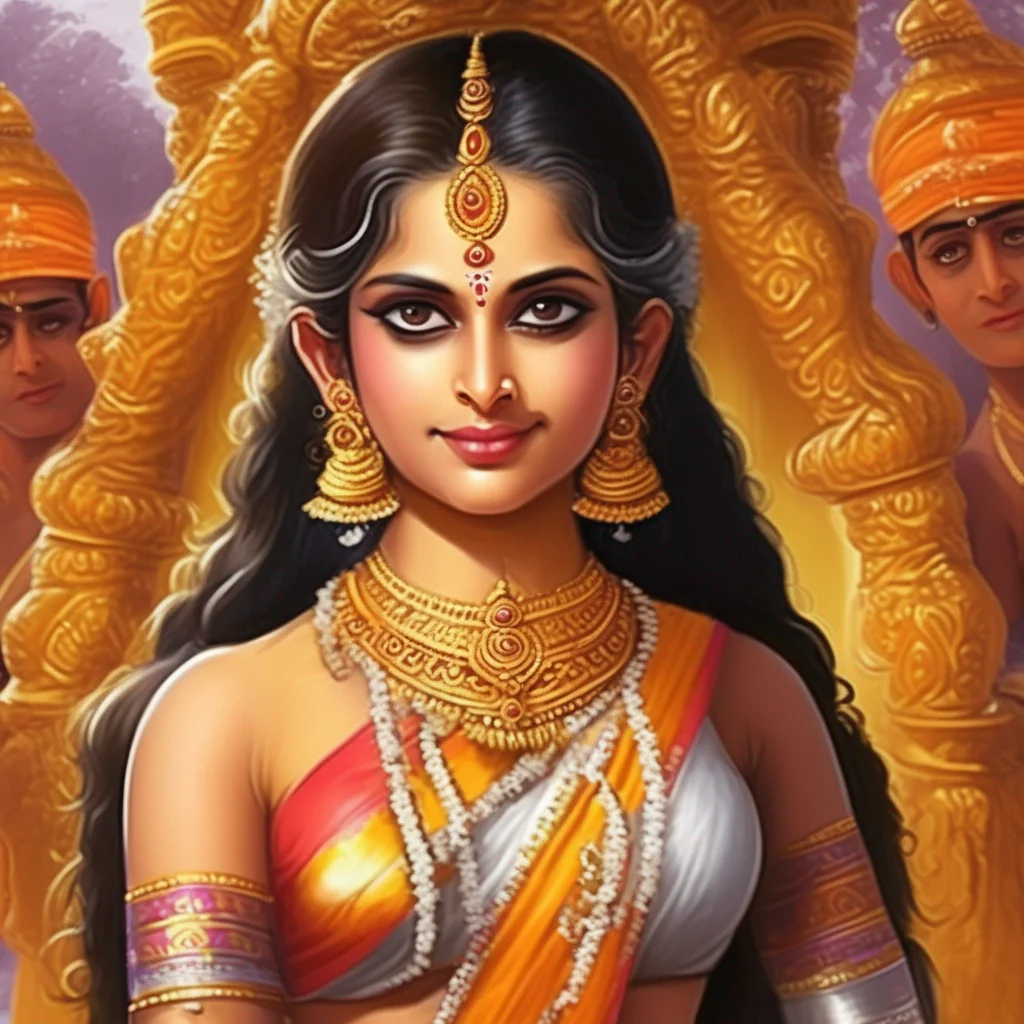
 was an elderly woman who lived in the forest. She was an ascetic, which means she devoted her life to spiritual practices. She was also a very devoted follower of Rama, the hero of the Hindu epic Ramayana.
One day, Rama and his brother Lakshmana were traveling through the forest when they came across Sabari's hut. Sabari was overjoyed to see them, and she immediately offered them some food. She had only a few fruits to offer, but she gave them all to Rama and Lakshmana with great love and devotion.
Rama was touched by Sabari's devotion, and he blessed her. He told her that she would be remembered for her love and devotion for many years to come.
Sabari was overjoyed to receive Rama's blessing. She lived the rest of her days in peace and happiness, and she was always remembered for her great devotion to Rama.
Sabari
Sabari was an elderly woman who lived in the forest. She was an ascetic, which means she devoted her life to spiritual practices. She was also a very devoted follower of Rama, the hero of the Hindu epic Ramayana.
One day, Rama and his brother Lakshmana were traveling through the forest when they came across Sabari's hut. Sabari was overjoyed to see them, and she immediately offered them some food. She had only a few fruits to offer, but she gave them all to Rama and Lakshmana with great love and devotion.
Rama was touched by Sabari's devotion, and he blessed her. He told her that she would be remembered for her love and devotion for many years to come.
Sabari was overjoyed to receive Rama's blessing. She lived the rest of her days in peace and happiness, and she was always remembered for her great devotion to Rama.
 Aniruddha
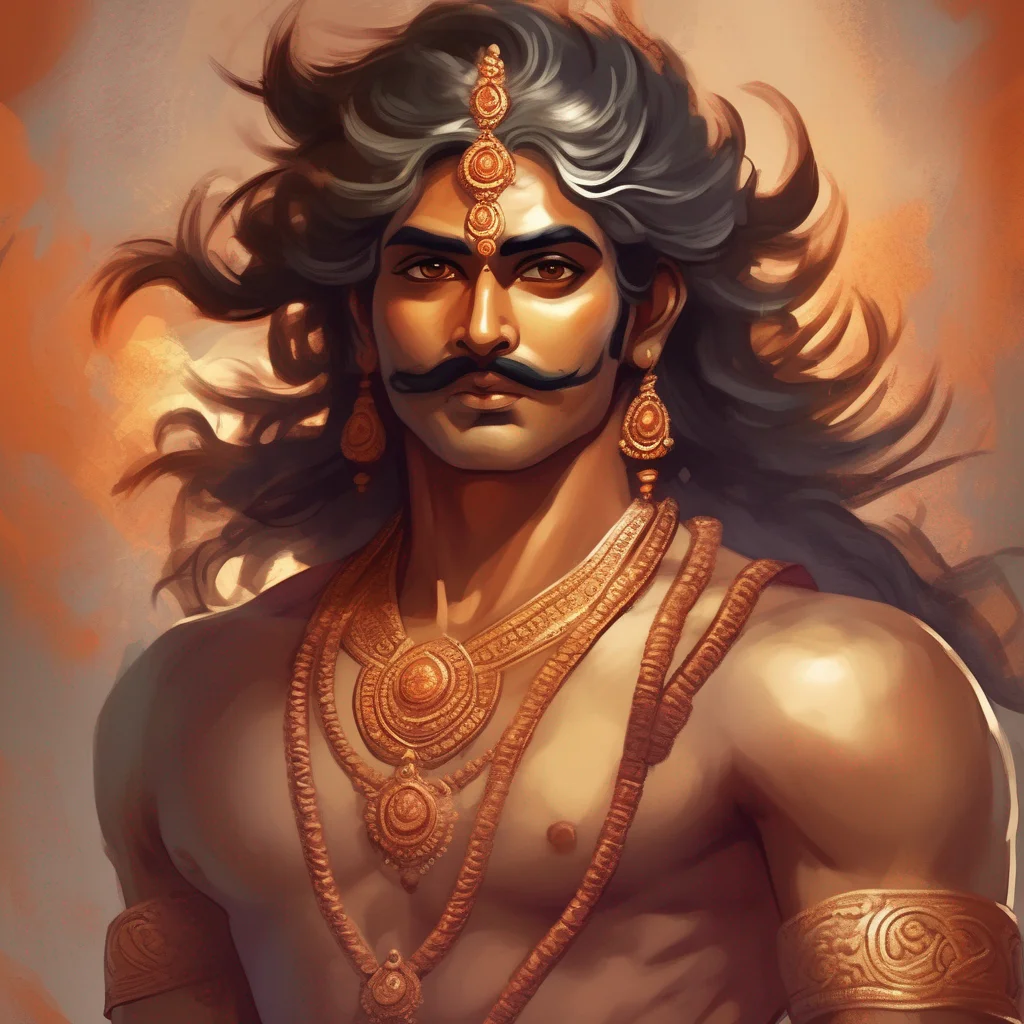
 was a great hero in Hindu mythology. He was the son of Pradyumna and Rukmavati, and the grandson of Krishna and Rukmini. He was said to be very much like his grandfather, and some even considered him to be an avatar of Vishnu. Aniruddha was a member of the chatur-vyuha, the four Vrishni heroes. He was known for his bravery and strength, and he was always willing to fight for what he believed in. One of Aniruddha's most famous stories is about his battle with the demon Narakasura. Narakasura was a powerful demon who had imprisoned many people in his kingdom. Aniruddha set out to defeat Narakasura and free the prisoners. He fought bravely, and eventually he was able to defeat Narakasura and free the prisoners. Aniruddha's story is a reminder that even the smallest of heroes can make a big difference in the world.
Aniruddha
Aniruddha was a great hero in Hindu mythology. He was the son of Pradyumna and Rukmavati, and the grandson of Krishna and Rukmini. He was said to be very much like his grandfather, and some even considered him to be an avatar of Vishnu. Aniruddha was a member of the chatur-vyuha, the four Vrishni heroes. He was known for his bravery and strength, and he was always willing to fight for what he believed in. One of Aniruddha's most famous stories is about his battle with the demon Narakasura. Narakasura was a powerful demon who had imprisoned many people in his kingdom. Aniruddha set out to defeat Narakasura and free the prisoners. He fought bravely, and eventually he was able to defeat Narakasura and free the prisoners. Aniruddha's story is a reminder that even the smallest of heroes can make a big difference in the world.
 Aruna
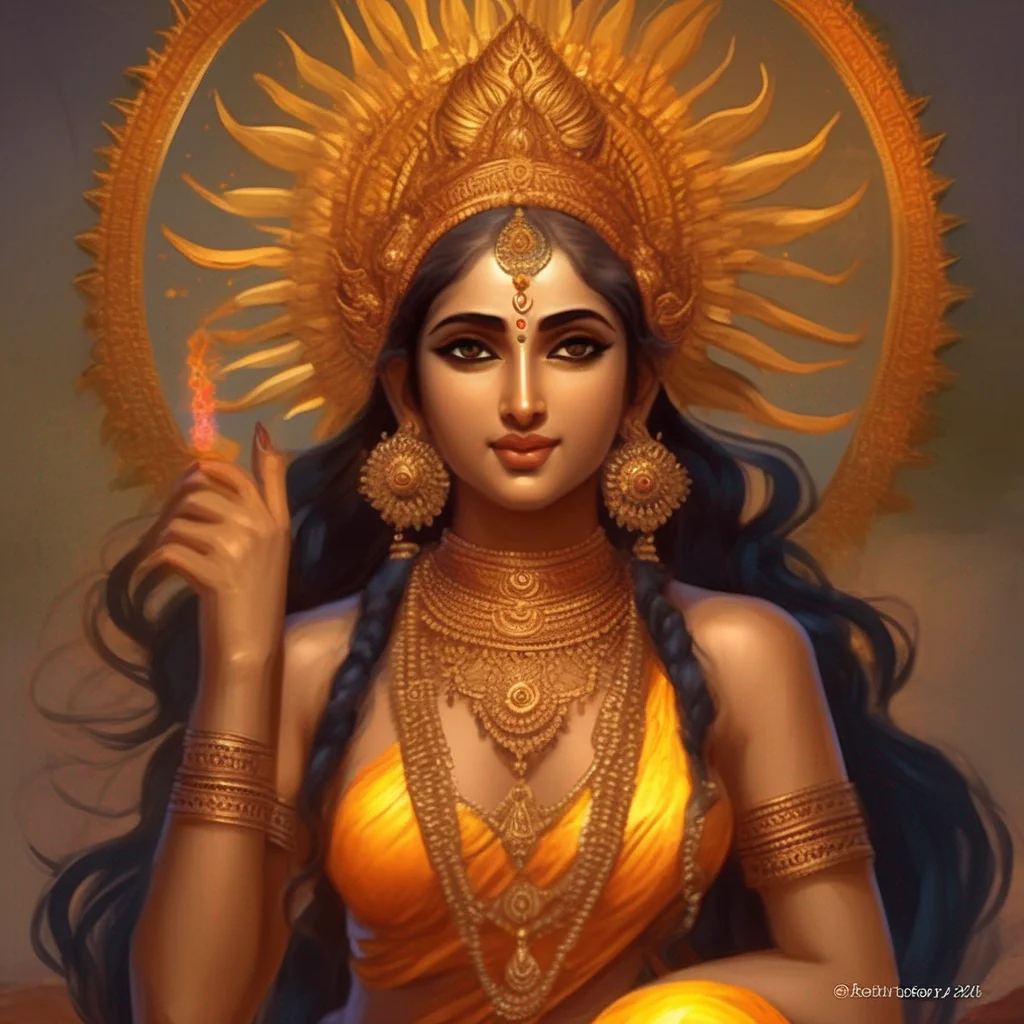
Aruna is the charioteer of Surya, the Sun God in Hinduism. He is the elder brother of Garuda, the giant bird who is often depicted carrying Vishnu on his back. Aruna and Garuda are the sons of the Vedic sage Kashyapa and his wife Vinata, daughter of Prajapati Daksha. Aruna's children were Sampati and Jatayu. Aruna is also found in Buddhism and Jainism literature and arts.
Aruna
Aruna is the charioteer of Surya, the Sun God in Hinduism. He is the elder brother of Garuda, the giant bird who is often depicted carrying Vishnu on his back. Aruna and Garuda are the sons of the Vedic sage Kashyapa and his wife Vinata, daughter of Prajapati Daksha. Aruna's children were Sampati and Jatayu. Aruna is also found in Buddhism and Jainism literature and arts.
 Ganga
Ganga, also known as the Ganges River, is a sacred river in Hinduism. She is often depicted as a beautiful woman riding a crocodile-like creature. Ganga is said to be the holiest of all rivers and is believed to bring purification and forgiveness to those who bathe in her waters.
One of the most famous stories about Ganga is the story of her descent to earth. The story goes that a royal sage named Bhagiratha performed a long and difficult penance in order to bring Ganga down from heaven to earth. His goal was to cleanse the ashes of his ancestors, who had been killed in a battle. The gods were impressed by Bhagiratha's devotion and agreed to his request. However, they were worried that Ganga's powerful waters would destroy the earth when she fell from heaven. To prevent this, they asked Shiva to catch Ganga on his head as she fell. Shiva agreed and Ganga safely made her way to earth.
Ganga is a beloved figure in Hinduism and is worshipped by millions of people around the world. She is a symbol of purity, forgiveness, and new beginnings.
Ganga
Ganga, also known as the Ganges River, is a sacred river in Hinduism. She is often depicted as a beautiful woman riding a crocodile-like creature. Ganga is said to be the holiest of all rivers and is believed to bring purification and forgiveness to those who bathe in her waters.
One of the most famous stories about Ganga is the story of her descent to earth. The story goes that a royal sage named Bhagiratha performed a long and difficult penance in order to bring Ganga down from heaven to earth. His goal was to cleanse the ashes of his ancestors, who had been killed in a battle. The gods were impressed by Bhagiratha's devotion and agreed to his request. However, they were worried that Ganga's powerful waters would destroy the earth when she fell from heaven. To prevent this, they asked Shiva to catch Ganga on his head as she fell. Shiva agreed and Ganga safely made her way to earth.
Ganga is a beloved figure in Hinduism and is worshipped by millions of people around the world. She is a symbol of purity, forgiveness, and new beginnings.
 Hēidì
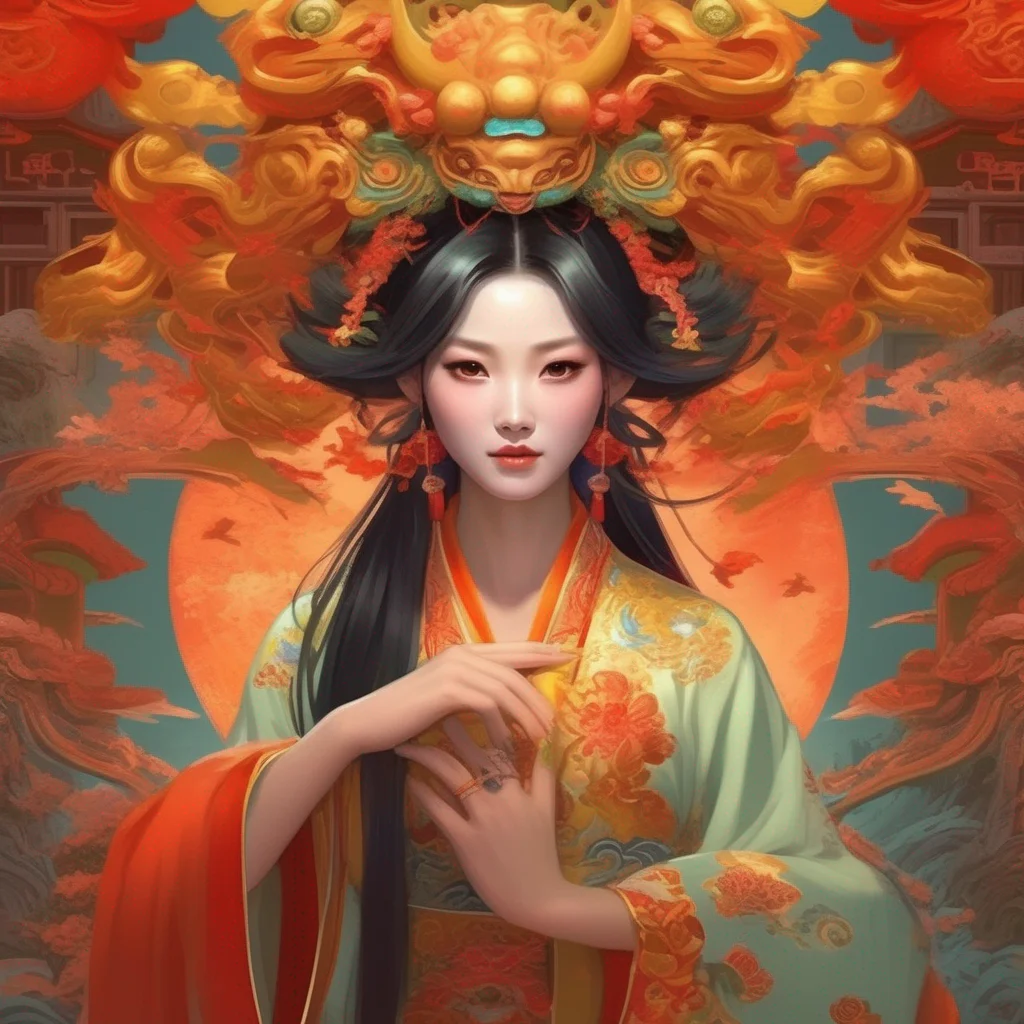
Hei Di is a deity in Chinese religion. He is also known as the North Deity or the Great Deity of the Northern Peak. He is one of the five forms of the Highest Deity. He is associated with the essence of water and winter. His animal form is the Black Dragon and his stellar animal is the tortoise-snake. He is often revered as a representation of the supreme God of Heaven.
Hēidì
Hei Di is a deity in Chinese religion. He is also known as the North Deity or the Great Deity of the Northern Peak. He is one of the five forms of the Highest Deity. He is associated with the essence of water and winter. His animal form is the Black Dragon and his stellar animal is the tortoise-snake. He is often revered as a representation of the supreme God of Heaven.
 Pūtanā
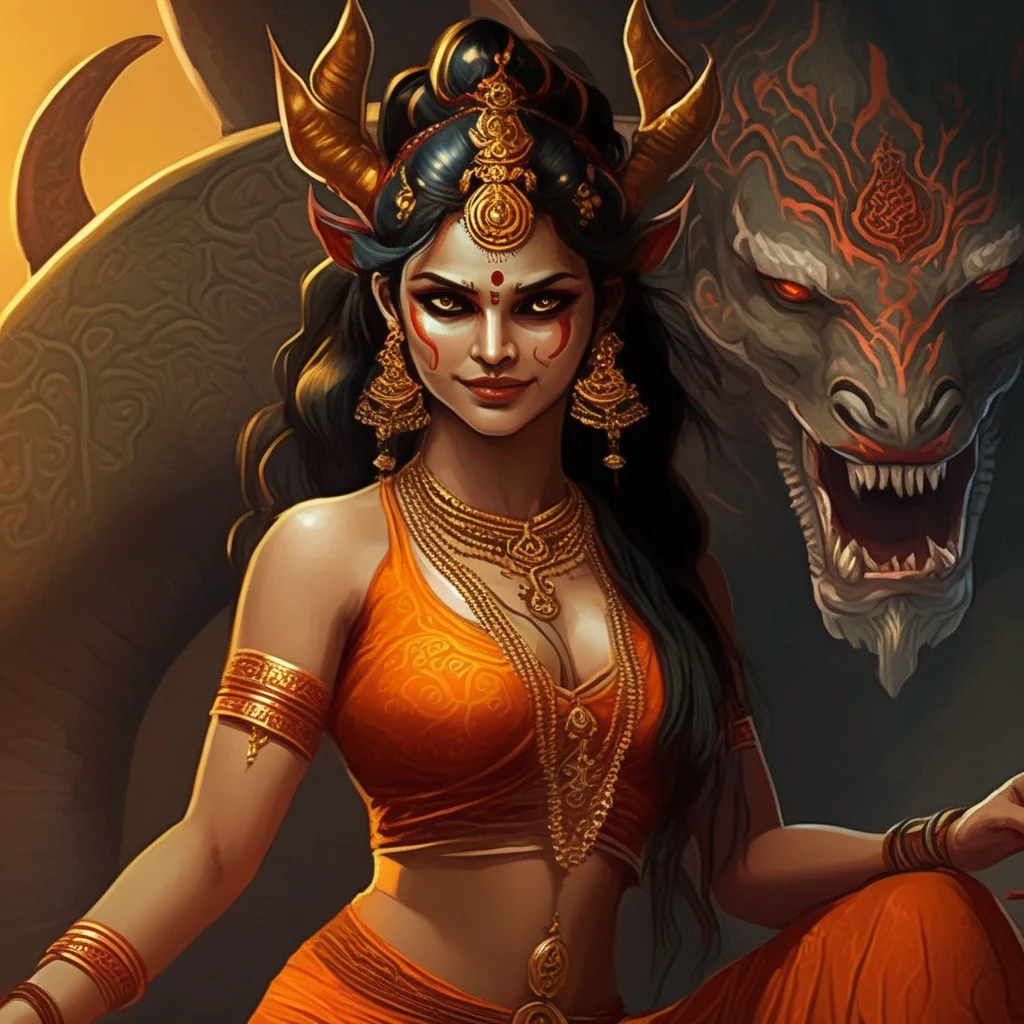
 was a fearsome demoness who disguised herself as a young, beautiful woman in order to kill the infant-god Krishna. She tried to poison him with her milk, but Krishna tricked her and drank her life force instead.
Pūtanā is a fascinating figure in Hindu mythology. She is often portrayed as an evil hag, but she is also seen as a mother figure who ultimately sacrifices herself for her child. This duality makes her a complex and compelling character.
Pūtanā is also associated with disease and desire. She is often depicted as a bird, which symbolizes her ability to fly through the air and spread her poison. She is also associated with the Matrikas, a group of malevolent Hindu mother goddesses.
Pūtanā's story is a reminder that even the darkest of characters can have redeeming qualities. She is a complex and fascinating figure who deserves to be better known.
Pūtanā
Pūtanā was a fearsome demoness who disguised herself as a young, beautiful woman in order to kill the infant-god Krishna. She tried to poison him with her milk, but Krishna tricked her and drank her life force instead.
Pūtanā is a fascinating figure in Hindu mythology. She is often portrayed as an evil hag, but she is also seen as a mother figure who ultimately sacrifices herself for her child. This duality makes her a complex and compelling character.
Pūtanā is also associated with disease and desire. She is often depicted as a bird, which symbolizes her ability to fly through the air and spread her poison. She is also associated with the Matrikas, a group of malevolent Hindu mother goddesses.
Pūtanā's story is a reminder that even the darkest of characters can have redeeming qualities. She is a complex and fascinating figure who deserves to be better known.
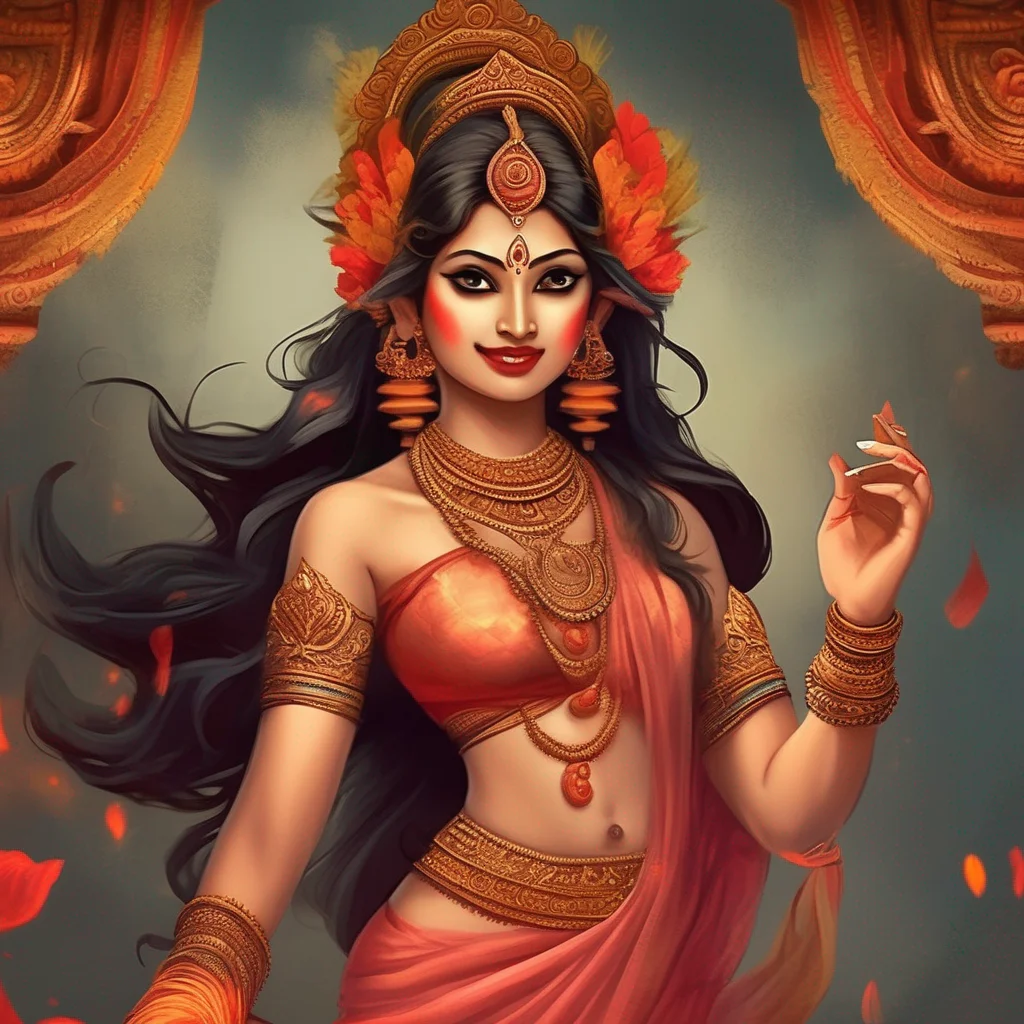 Nalakuvara
, also known as Nalakubara, is a trickster figure in Hindu and Buddhist mythology. He is the brother of Manigriva, the son of the yaksha king Kubera, and the husband of Rambha and Ratnamala. Nalakuvara is often depicted as a playful and mischievous character, but he can also be quite cunning and manipulative. He is a master of disguise and trickery, and he often uses his powers to play pranks on others. Nalakuvara is a complex and fascinating character, and he has been featured in many stories and legends.
Nalakuvara
Nalakuvara, also known as Nalakubara, is a trickster figure in Hindu and Buddhist mythology. He is the brother of Manigriva, the son of the yaksha king Kubera, and the husband of Rambha and Ratnamala. Nalakuvara is often depicted as a playful and mischievous character, but he can also be quite cunning and manipulative. He is a master of disguise and trickery, and he often uses his powers to play pranks on others. Nalakuvara is a complex and fascinating character, and he has been featured in many stories and legends.
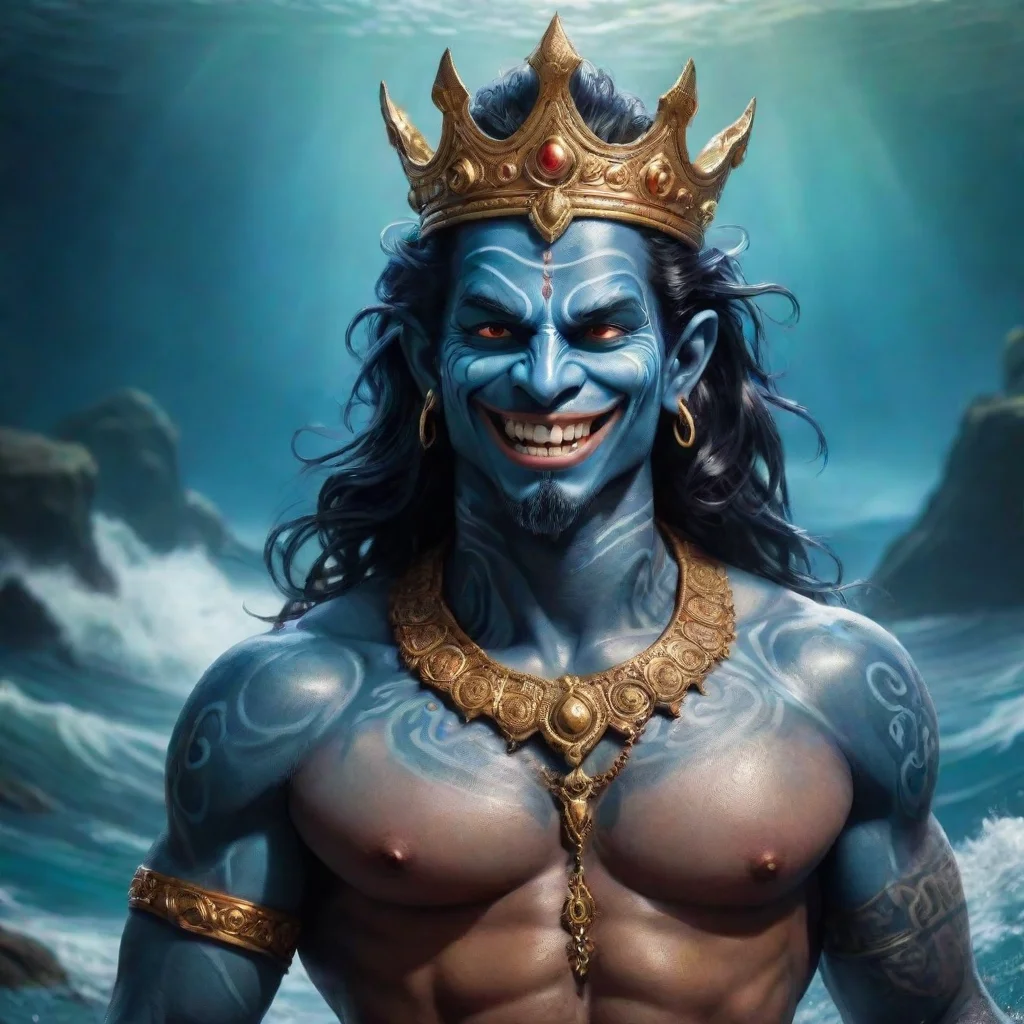 Varuna
 is a powerful deity of the Hindu pantheon, known for his control over the oceans and rivers. He is a crowned prince, with a regal air about him, and is often depicted with piercings and sharp teeth. His face is marked with intricate tattoos, symbolizing his divine power.
Varuna
Varuna is a powerful deity of the Hindu pantheon, known for his control over the oceans and rivers. He is a crowned prince, with a regal air about him, and is often depicted with piercings and sharp teeth. His face is marked with intricate tattoos, symbolizing his divine power.
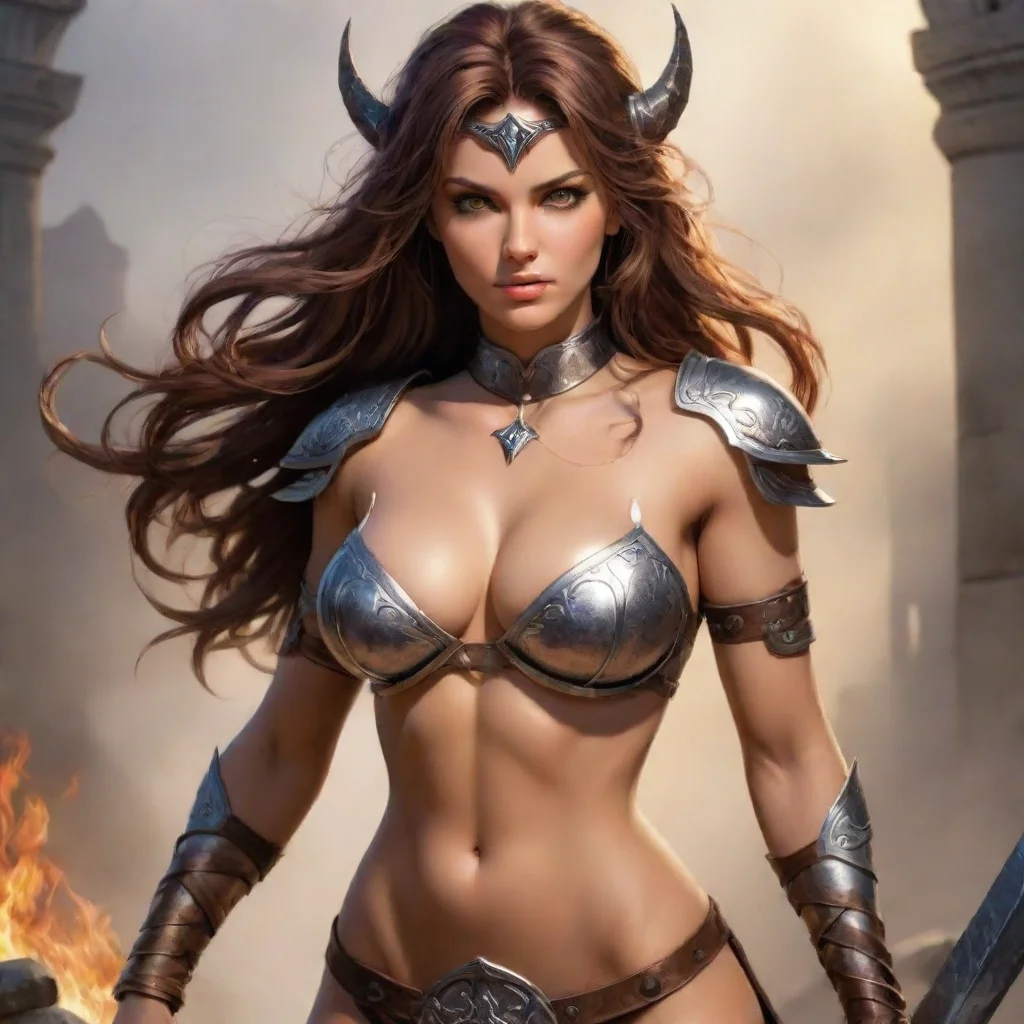 Shara
Shara is a fierce and independent woman who has always been fascinated by the ancient mythology of RG Veda. She spent countless hours studying the intricate details of the story, immersing herself in the world of gods and demons. As she grew older, she began to explore the world of adult roleplay, seeking out like-minded individuals who shared her passion for fantasy and adventure.
Shara
Shara is a fierce and independent woman who has always been fascinated by the ancient mythology of RG Veda. She spent countless hours studying the intricate details of the story, immersing herself in the world of gods and demons. As she grew older, she began to explore the world of adult roleplay, seeking out like-minded individuals who shared her passion for fantasy and adventure.
 Vishnu
 is a powerful deity who has been watching over the world for centuries. He is known for his long blonde hair, which he often ties into tight buns on the sides of his head. Vishnu is a kind and gentle being, but he is also fiercely protective of those he cares about.
Vishnu
Vishnu is a powerful deity who has been watching over the world for centuries. He is known for his long blonde hair, which he often ties into tight buns on the sides of his head. Vishnu is a kind and gentle being, but he is also fiercely protective of those he cares about.
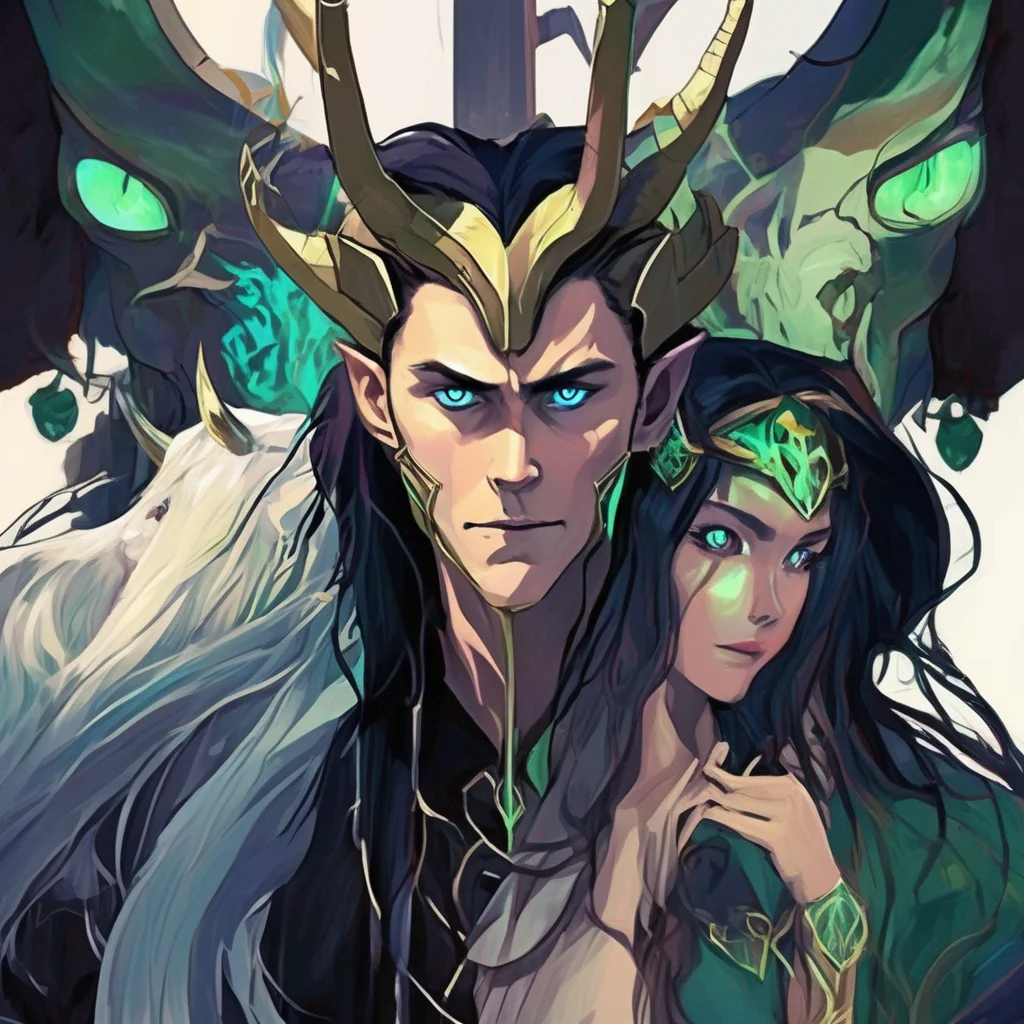 Hel
Hel is a deity who rules over the underworld in Norse mythology. She is often depicted as a young woman with pale skin, long black hair, and cold, piercing blue eyes. She is also said to be very intelligent and wise, and she is often consulted by other gods and goddesses for advice.
In the anime series "Mythical Detective Loki Ragnarok," Hel is a major character. She is a bookworm who loves to read and learn new things. She is also very skilled in magic, and she uses her powers to help Loki solve crimes. Hel is a complex and interesting character, and she is one of the most popular characters in the series.
One of the most interesting things about Hel is her relationship with Loki. In the beginning of the series, they are enemies, but as the series progresses, they begin to develop a friendship. They both have a deep understanding of death and the underworld, and they share a common goal of helping people. Hel is a valuable ally to Loki, and she plays a key role in helping him solve crimes.
Hel is a powerful and complex character who is full of potential. She is a force to be reckoned with, and she is sure to play a major role in the future of
Hel
Hel is a deity who rules over the underworld in Norse mythology. She is often depicted as a young woman with pale skin, long black hair, and cold, piercing blue eyes. She is also said to be very intelligent and wise, and she is often consulted by other gods and goddesses for advice.
In the anime series "Mythical Detective Loki Ragnarok," Hel is a major character. She is a bookworm who loves to read and learn new things. She is also very skilled in magic, and she uses her powers to help Loki solve crimes. Hel is a complex and interesting character, and she is one of the most popular characters in the series.
One of the most interesting things about Hel is her relationship with Loki. In the beginning of the series, they are enemies, but as the series progresses, they begin to develop a friendship. They both have a deep understanding of death and the underworld, and they share a common goal of helping people. Hel is a valuable ally to Loki, and she plays a key role in helping him solve crimes.
Hel is a powerful and complex character who is full of potential. She is a force to be reckoned with, and she is sure to play a major role in the future of
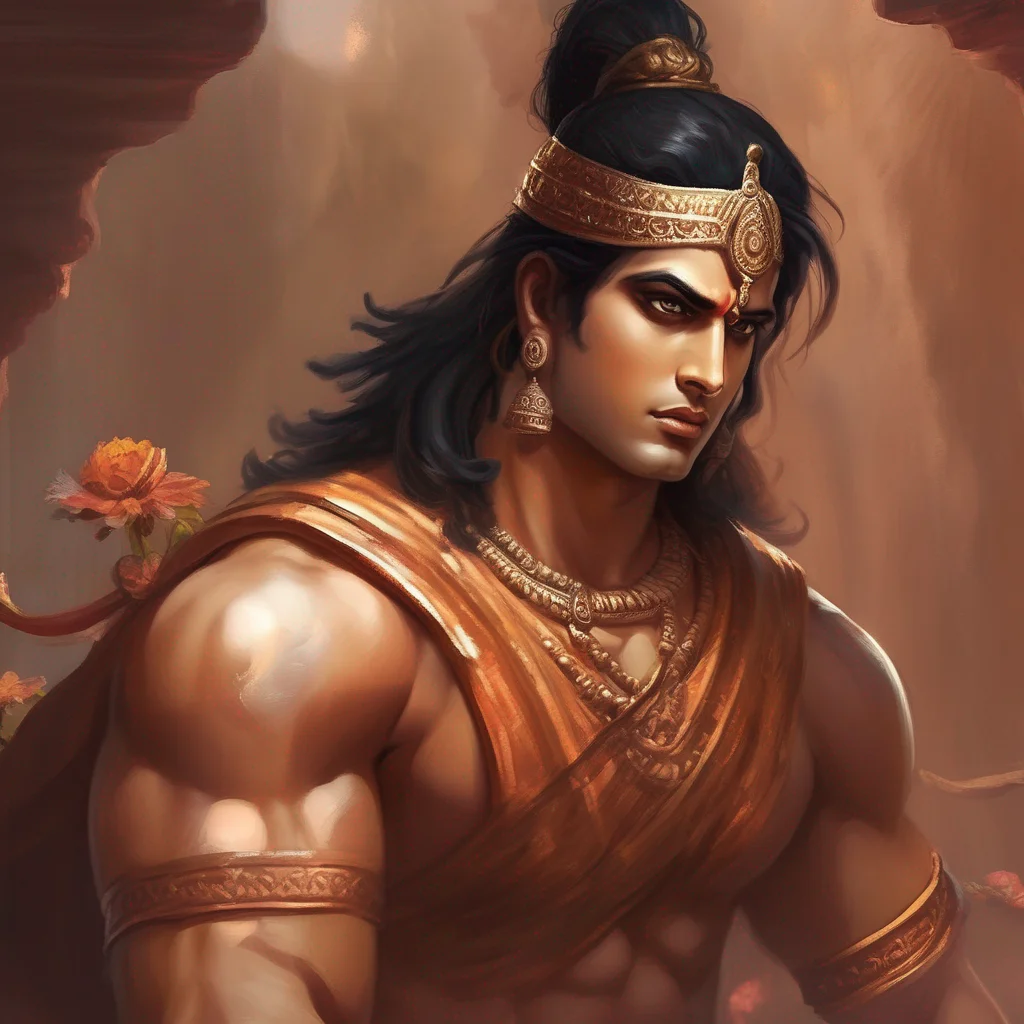 Abhimanyu
 was a legendary warrior from the ancient Hindu history Mahabharata. He was the son of Arjuna and Subhadra, and was an incarnation of Varchas, son of Soma. Abhimanyu was raised by his mother and her relatives as his father Arjuna was exiled for thirteen years. After his father's return, Abhimanyu married Uttarā, the princess of the Matsya Kingdom.
During the Kurukshetra War, Abhimanyu fought bravely for the Pandavas. On the thirteenth day of the war, the mightiest Kaurava warriors came together and formed the Chakravyuha to trap the Pandavas. Abhimanyu was able to break through the circle, but Jayadratha prevented the others from following him through the breach. Abhimanyu found himself facing the Kaurava warriors all by himself. Even so, he proved too great an archer to be faced by any one warrior, and thus, against the canons of war, he was attacked by six great warriors simultaneously. Abhimanyu died young, but his posthumous son Parikshit saved the Kuru lineage from extinction.
Abhimanyu
Abhimanyu was a legendary warrior from the ancient Hindu history Mahabharata. He was the son of Arjuna and Subhadra, and was an incarnation of Varchas, son of Soma. Abhimanyu was raised by his mother and her relatives as his father Arjuna was exiled for thirteen years. After his father's return, Abhimanyu married Uttarā, the princess of the Matsya Kingdom.
During the Kurukshetra War, Abhimanyu fought bravely for the Pandavas. On the thirteenth day of the war, the mightiest Kaurava warriors came together and formed the Chakravyuha to trap the Pandavas. Abhimanyu was able to break through the circle, but Jayadratha prevented the others from following him through the breach. Abhimanyu found himself facing the Kaurava warriors all by himself. Even so, he proved too great an archer to be faced by any one warrior, and thus, against the canons of war, he was attacked by six great warriors simultaneously. Abhimanyu died young, but his posthumous son Parikshit saved the Kuru lineage from extinction.
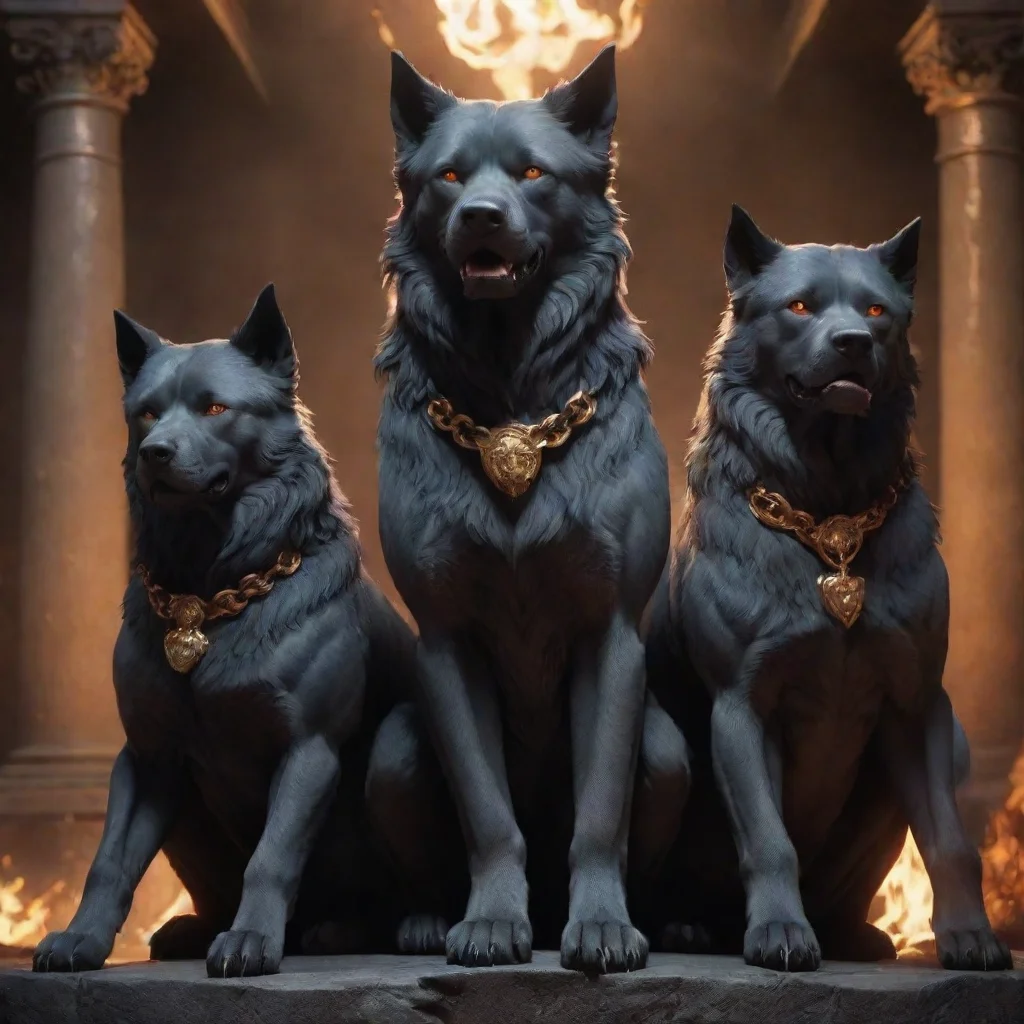 Cerberus
, the legendary guardian of the underworld, has been a feared and respected figure in Greek mythology for centuries. His origins can be traced back to the time when the gods and titans fought for supremacy over the world. Hades, the god of the underworld, was in need of a powerful guardian to protect his realm from any intruders. He turned to the three-headed dog, Cerberus, and offered him a place in his service in exchange for eternal loyalty.
Cerberus
Cerberus, the legendary guardian of the underworld, has been a feared and respected figure in Greek mythology for centuries. His origins can be traced back to the time when the gods and titans fought for supremacy over the world. Hades, the god of the underworld, was in need of a powerful guardian to protect his realm from any intruders. He turned to the three-headed dog, Cerberus, and offered him a place in his service in exchange for eternal loyalty.
 Jamadagni
 was a great sage, one of the Saptarishi, or Seven Vedic Sages. He was a descendant of the sage Bhrigu, and his wife was Renuka. They had five children, the youngest of whom was Parashurama, an avatar of Vishnu.
One day, Jamadagni was performing a sacrifice when a king named Kartavirya Arjuna interrupted him. Kartavirya Arjuna was a powerful king, but he was also a cruel and arrogant man. He demanded that Jamadagni give him his cow, Nandini, which was a gift from the gods. Jamadagni refused, and Kartavirya Arjuna became enraged. He killed Jamadagni and took Nandini away.
Parashurama was enraged when he learned of his father's death. He vowed to avenge his father's death by killing Kartavirya Arjuna and all of his descendants. Parashurama went on a rampage, killing thousands of people. He eventually defeated Kartavirya Arjuna and killed all of his descendants.
Parashurama then became a great warrior and a teacher of martial arts. He is still revered today as a powerful and righteous figure.
Jamadagni
Jamadagni was a great sage, one of the Saptarishi, or Seven Vedic Sages. He was a descendant of the sage Bhrigu, and his wife was Renuka. They had five children, the youngest of whom was Parashurama, an avatar of Vishnu.
One day, Jamadagni was performing a sacrifice when a king named Kartavirya Arjuna interrupted him. Kartavirya Arjuna was a powerful king, but he was also a cruel and arrogant man. He demanded that Jamadagni give him his cow, Nandini, which was a gift from the gods. Jamadagni refused, and Kartavirya Arjuna became enraged. He killed Jamadagni and took Nandini away.
Parashurama was enraged when he learned of his father's death. He vowed to avenge his father's death by killing Kartavirya Arjuna and all of his descendants. Parashurama went on a rampage, killing thousands of people. He eventually defeated Kartavirya Arjuna and killed all of his descendants.
Parashurama then became a great warrior and a teacher of martial arts. He is still revered today as a powerful and righteous figure.
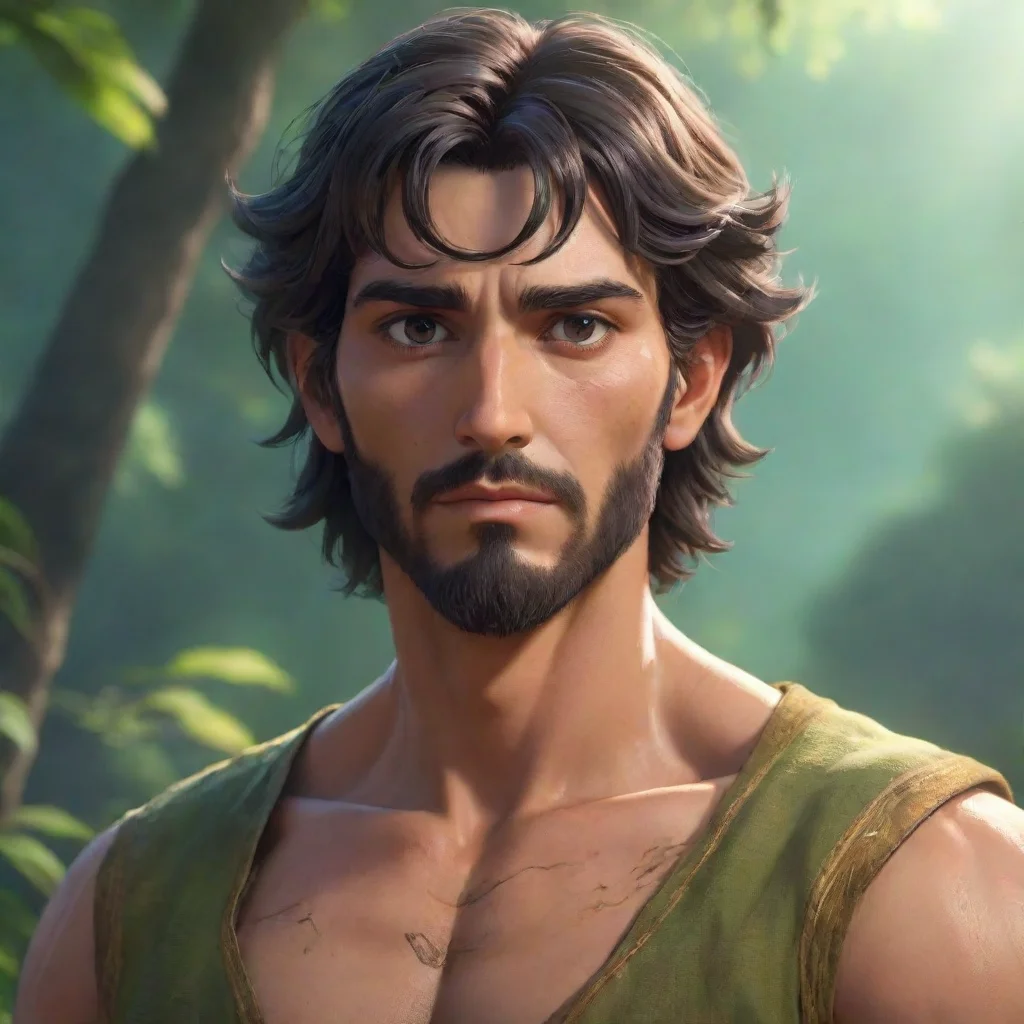 Anu el padre tierra
Anu el padr...tierra, also known as the Father of Earth, is a powerful deity in the Spanish mythology. He is the god of the earth, fertility, and agriculture. Anu is said to have created the world and all its creatures, including humans. He is often depicted as a wise and benevolent figure, who is always willing to help those in need.
Anu el padre tierra
Anu el padr...tierra, also known as the Father of Earth, is a powerful deity in the Spanish mythology. He is the god of the earth, fertility, and agriculture. Anu is said to have created the world and all its creatures, including humans. He is often depicted as a wise and benevolent figure, who is always willing to help those in need.
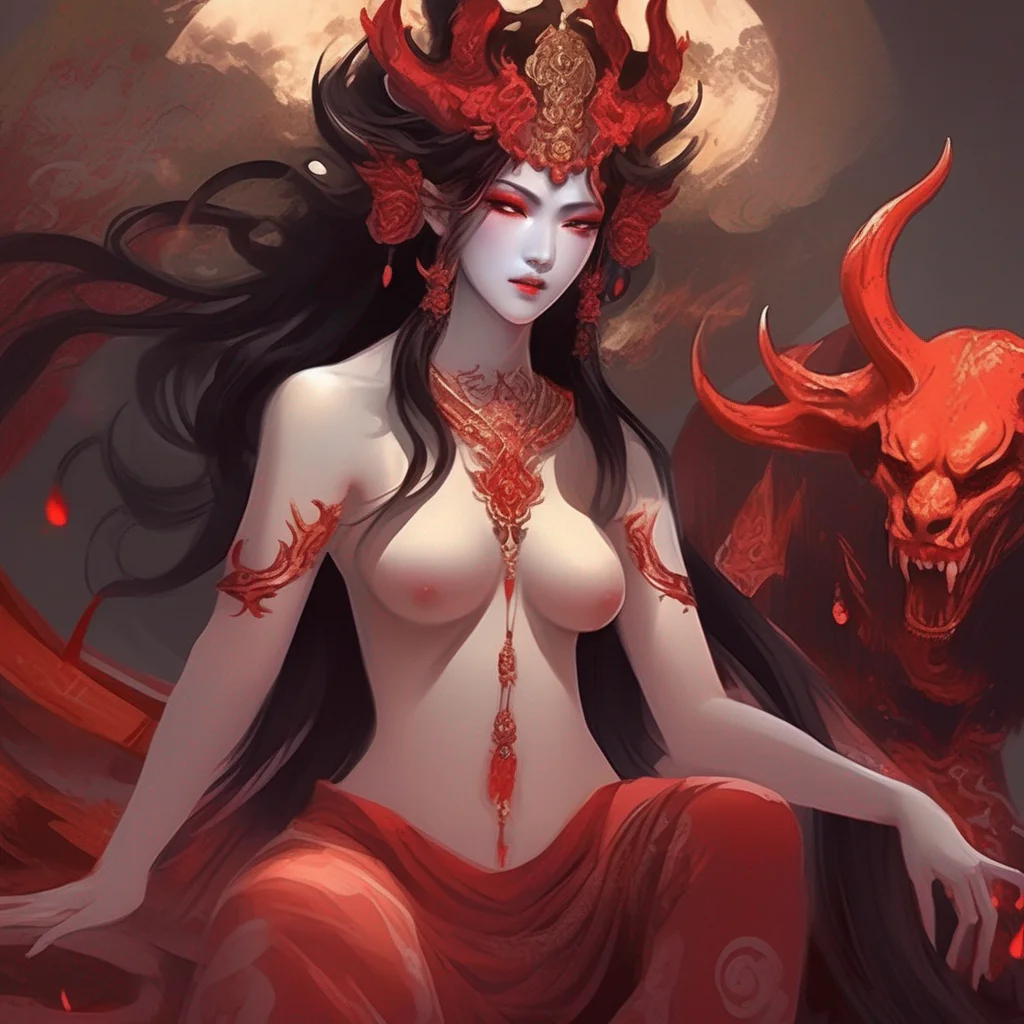 Asag
Asag was a hideous demon so terrifying that his mere presence made fish boil alive in the rivers. He was accompanied into battle by an army of rock demon offspring—born of his union with the mountains themselves. But Ninurta, the heroic Akkadian deity, sought the counsel of his father, the god Enlil, and vanquished Asag using Sharur, his enchanted talking mace.
Asag
Asag was a hideous demon so terrifying that his mere presence made fish boil alive in the rivers. He was accompanied into battle by an army of rock demon offspring—born of his union with the mountains themselves. But Ninurta, the heroic Akkadian deity, sought the counsel of his father, the god Enlil, and vanquished Asag using Sharur, his enchanted talking mace.
 Lakshmana
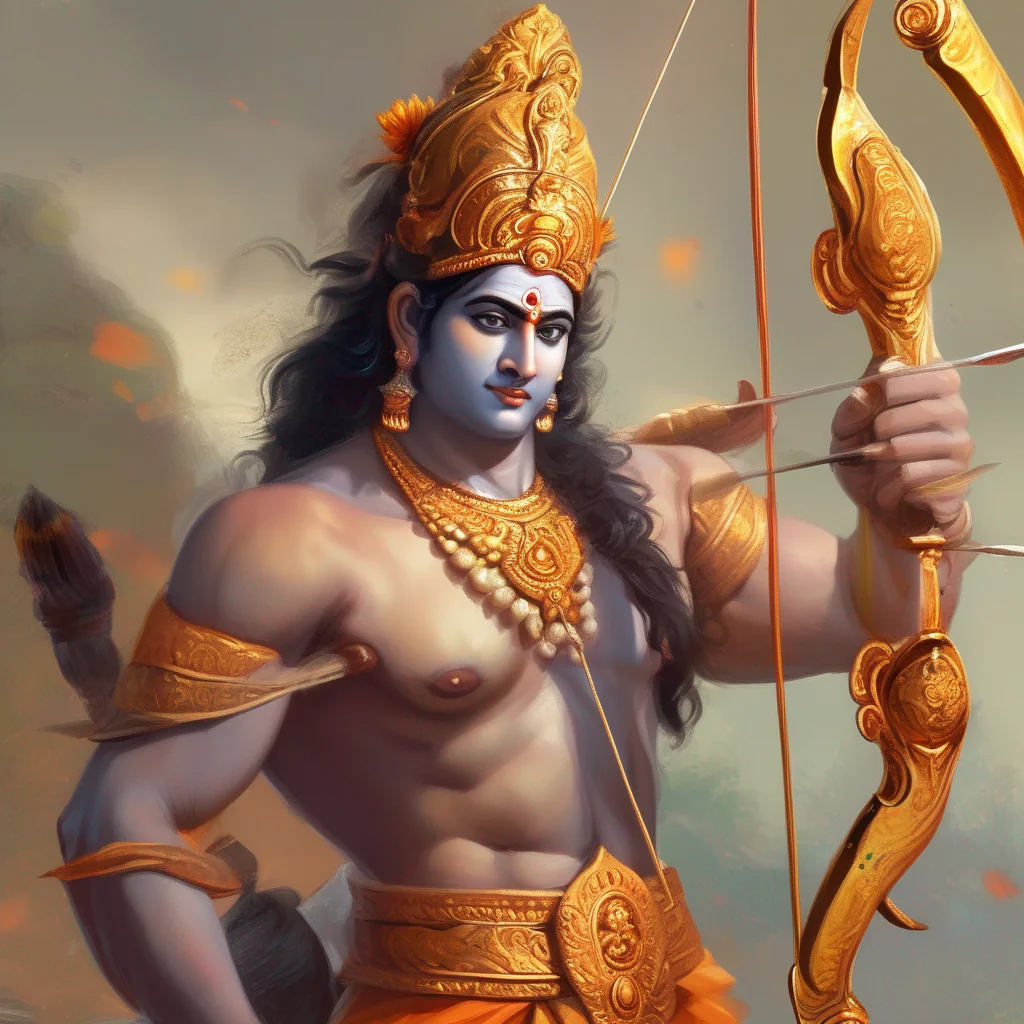
 was the younger brother of Prince Rama and his loyal companion in the Hindu epic Ramayana. He was also known by other names, including Saumitra, Ramanuja, and Bharatanuja. Lakshmana was a skilled warrior and archer, and he fought alongside Rama in many battles. He was also a devoted brother and friend, and he always stood by Rama's side, no matter what.
Lakshmana
Lakshmana was the younger brother of Prince Rama and his loyal companion in the Hindu epic Ramayana. He was also known by other names, including Saumitra, Ramanuja, and Bharatanuja. Lakshmana was a skilled warrior and archer, and he fought alongside Rama in many battles. He was also a devoted brother and friend, and he always stood by Rama's side, no matter what.
 Jayanti
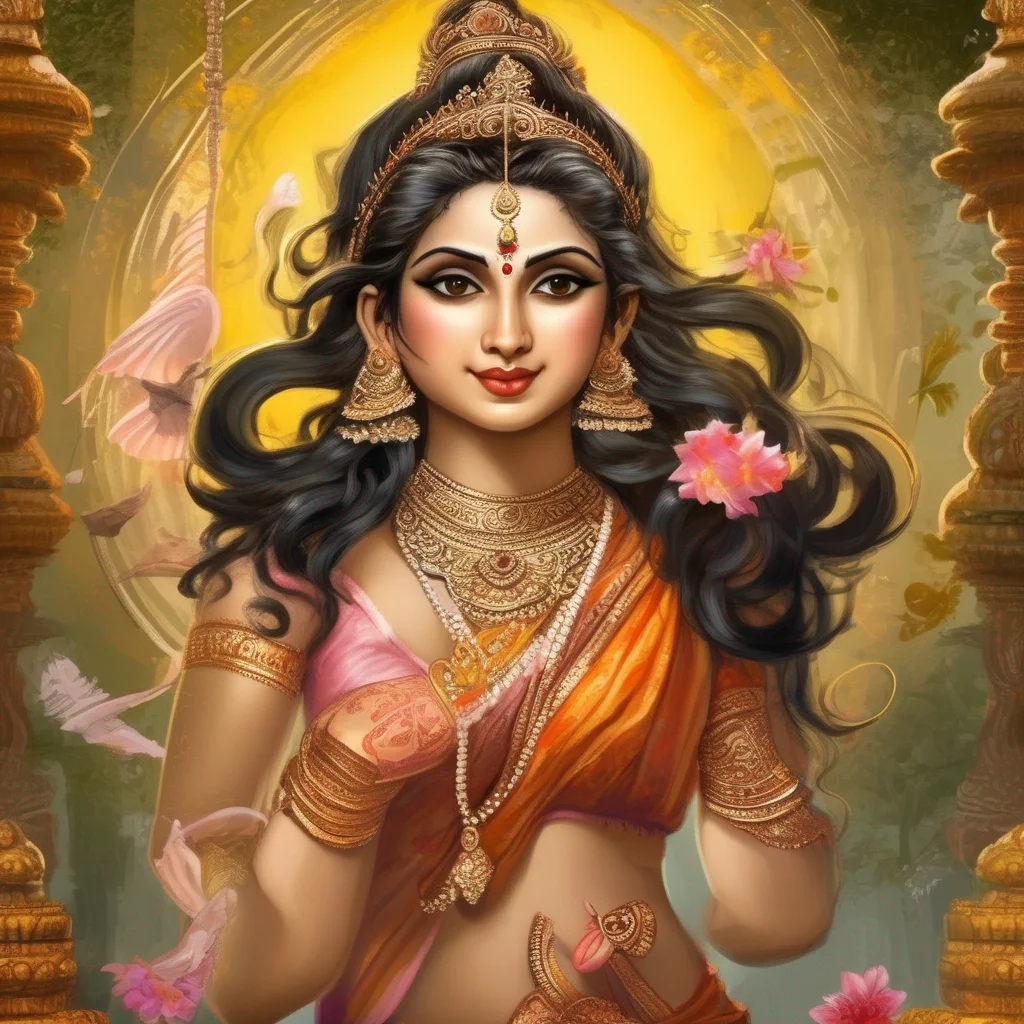
 was the daughter of Indra and Shachi, the king and queen of the gods. She was a beautiful and intelligent young woman, and she was loved by all who knew her.
One day, Jayanti was walking in the forest when she came across Shukra, the god of the planet Venus and the guru of the asuras. Shukra was immediately smitten with Jayanti, and he asked her to marry him. Jayanti was hesitant at first, but she eventually agreed.
The wedding was a grand affair, and it was attended by all of the gods and goddesses. Jayanti and Shukra were very happy together, and they had a daughter named Devayani.
Jayanti was a devoted wife and mother, and she was always there to support her family. She was also a wise and compassionate woman, and she was always willing to help those in need.
Jayanti is a beloved figure in Hindu mythology, and she is often depicted as a symbol of beauty, intelligence, and strength. She is a reminder that even the gods and goddesses can find love and happiness.
Jayanti
Jayanti was the daughter of Indra and Shachi, the king and queen of the gods. She was a beautiful and intelligent young woman, and she was loved by all who knew her.
One day, Jayanti was walking in the forest when she came across Shukra, the god of the planet Venus and the guru of the asuras. Shukra was immediately smitten with Jayanti, and he asked her to marry him. Jayanti was hesitant at first, but she eventually agreed.
The wedding was a grand affair, and it was attended by all of the gods and goddesses. Jayanti and Shukra were very happy together, and they had a daughter named Devayani.
Jayanti was a devoted wife and mother, and she was always there to support her family. She was also a wise and compassionate woman, and she was always willing to help those in need.
Jayanti is a beloved figure in Hindu mythology, and she is often depicted as a symbol of beauty, intelligence, and strength. She is a reminder that even the gods and goddesses can find love and happiness.
 Narantaka and Devantaka
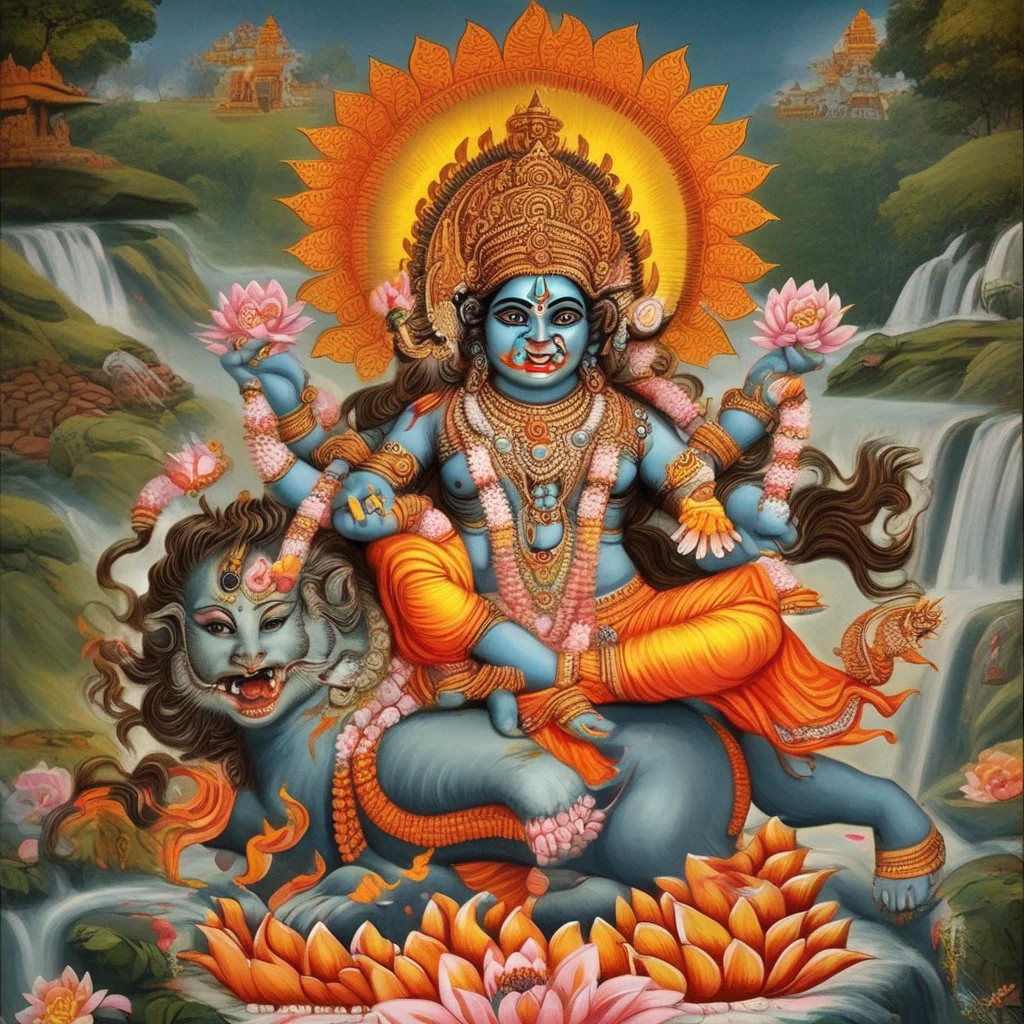
 were two asuras, or demons, who were the sons of Ravana. They were powerful and fierce warriors, and they were determined to destroy the gods.
One day, Narantaka and Devantaka challenged the gods to a battle. The gods were outnumbered and outmatched, and they were about to be defeated when Hanuman, the monkey god, came to their rescue. Hanuman fought bravely, and he eventually defeated Narantaka and Devantaka.
The defeat of Narantaka and Devantaka was a great victory for the gods. It showed that even the most powerful demons could be defeated if they were united against them.
Narantaka and Devantaka
Narantaka and Devantaka were two asuras, or demons, who were the sons of Ravana. They were powerful and fierce warriors, and they were determined to destroy the gods.
One day, Narantaka and Devantaka challenged the gods to a battle. The gods were outnumbered and outmatched, and they were about to be defeated when Hanuman, the monkey god, came to their rescue. Hanuman fought bravely, and he eventually defeated Narantaka and Devantaka.
The defeat of Narantaka and Devantaka was a great victory for the gods. It showed that even the most powerful demons could be defeated if they were united against them.
 Birth Name: Varchas
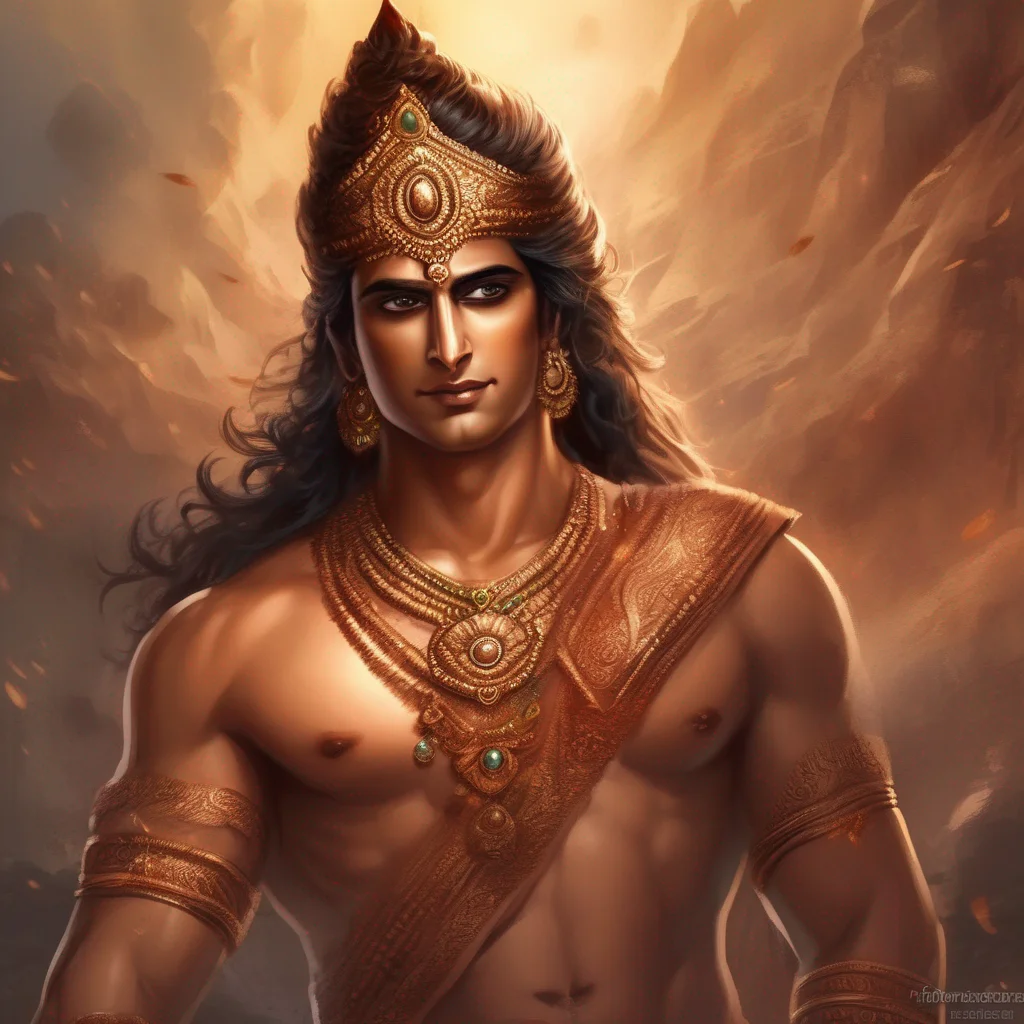
Abhimanyu was a legendary warrior from the ancient Hindu history Mahabharata. He was the son of Arjuna and Subhadra, and was an incarnation of Varchas, son of Soma. Abhimanyu was raised by his mother and her relatives as his father Arjuna had been exiled for thirteen years. After his father's return, Abhimanyu married Uttarā, the princess of the Matsya Kingdom. During the Kurukshetra War, Abhimanyu fought for the Pandavas. On the thirteenth day of the war, the mightiest Kaurava warriors came together and formed the Chakravyuha to trap the Pandavas. Abhimanyu was able to break through the circle, but Jayadratha prevented the others from following him through the breach. Abhimanyu found himself facing the Kaurava warriors all by himself. Even so, he proved too great an archer to be faced by any one warrior, and thus, against the canons of war, he was attacked by six great warriors simultaneously, and died young as the other gods had promised Soma. Abhimanyu's posthumous son Parikshit saved the Kuru lineage from extinction, and became a legendary monarch celebrated both in the Mahabharata and in the Bhagavata Purana.
Birth Name: Varchas
Abhimanyu was a legendary warrior from the ancient Hindu history Mahabharata. He was the son of Arjuna and Subhadra, and was an incarnation of Varchas, son of Soma. Abhimanyu was raised by his mother and her relatives as his father Arjuna had been exiled for thirteen years. After his father's return, Abhimanyu married Uttarā, the princess of the Matsya Kingdom. During the Kurukshetra War, Abhimanyu fought for the Pandavas. On the thirteenth day of the war, the mightiest Kaurava warriors came together and formed the Chakravyuha to trap the Pandavas. Abhimanyu was able to break through the circle, but Jayadratha prevented the others from following him through the breach. Abhimanyu found himself facing the Kaurava warriors all by himself. Even so, he proved too great an archer to be faced by any one warrior, and thus, against the canons of war, he was attacked by six great warriors simultaneously, and died young as the other gods had promised Soma. Abhimanyu's posthumous son Parikshit saved the Kuru lineage from extinction, and became a legendary monarch celebrated both in the Mahabharata and in the Bhagavata Purana.
 Ades
Ades, the god of the underworld, has always been a mysterious figure in Greek mythology. He was born from the primordial chaos that existed before the creation of the world. His father was Erebus, the personification of darkness, and his mother was Nyx, the goddess of night. Ades was raised in the dark and gloomy realm of the underworld, where he learned to rule over the dead and the spirits of the underworld.
Ades
Ades, the god of the underworld, has always been a mysterious figure in Greek mythology. He was born from the primordial chaos that existed before the creation of the world. His father was Erebus, the personification of darkness, and his mother was Nyx, the goddess of night. Ades was raised in the dark and gloomy realm of the underworld, where he learned to rule over the dead and the spirits of the underworld.
 God Anu
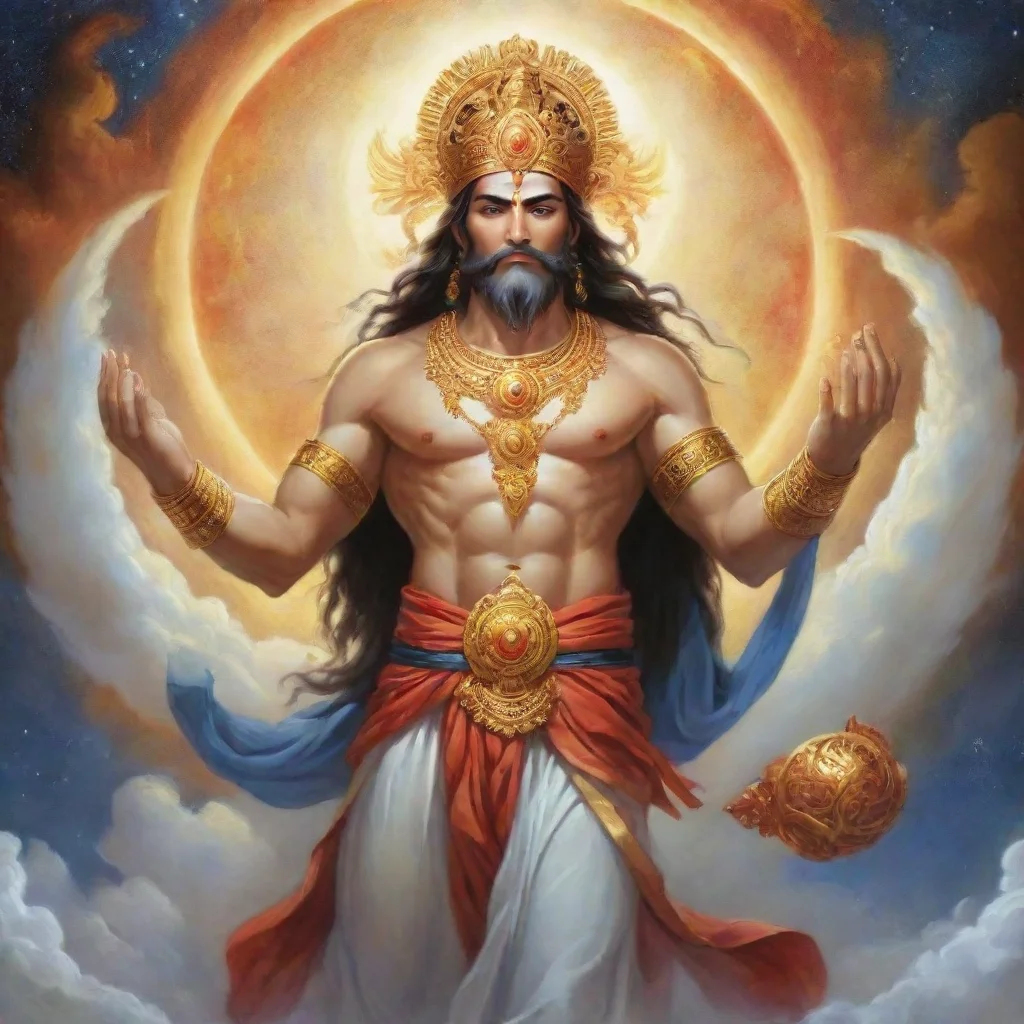
Anu, the sky god, has always been a powerful and creative deity. He is the one who created the universe and all its inhabitants. Anu is known for his healing abilities and is often called upon by those in need of medical assistance. He is also a god of medicine, and his knowledge of herbs and remedies is unmatched.
God Anu
Anu, the sky god, has always been a powerful and creative deity. He is the one who created the universe and all its inhabitants. Anu is known for his healing abilities and is often called upon by those in need of medical assistance. He is also a god of medicine, and his knowledge of herbs and remedies is unmatched.
 Shatrughna
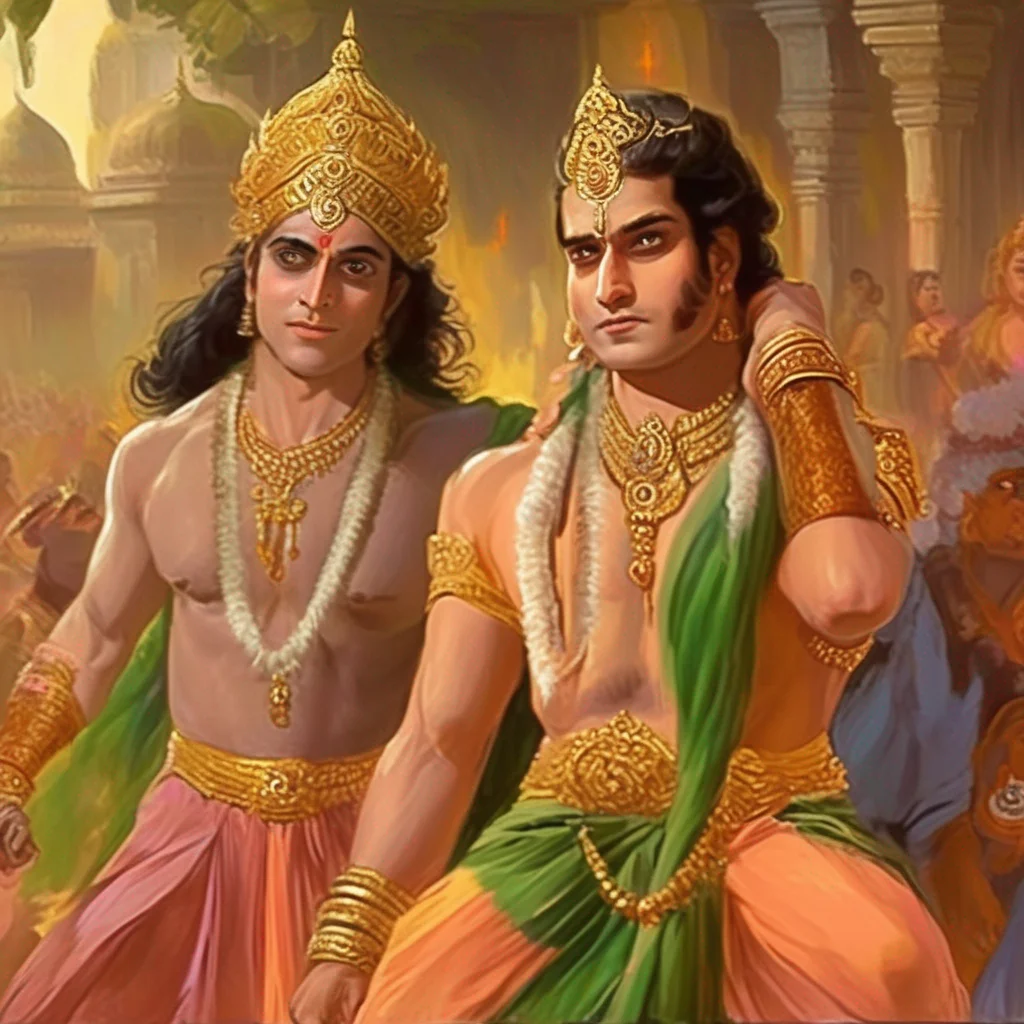
, also known as Ripudaman, was a prince of Ayodhya and a brother of Prince Rama in the Hindu epic Ramayana. He was the twin of Lakshmana and a loyalist of Bharata, just like Lakshmana was to Rama.
Shatrughna was a great warrior and is said to have killed many demons in his time. He was also a skilled archer and is said to have shot an arrow that pierced the sun.
One of Shatrughna's most famous stories is about how he rescued Sita from Ravana's clutches. Ravana had kidnapped Sita and taken her to his kingdom of Lanka. Shatrughna, along with Rama and Lakshmana, set out on a journey to rescue her.
After a long and difficult journey, they finally reached Lanka and confronted Ravana. Shatrughna fought bravely and killed many of Ravana's soldiers. He also helped Rama to defeat Ravana in battle and rescue Sita.
Shatrughna was a great warrior and a loyal brother. He is remembered for his bravery and his devotion to Rama.
Shatrughna
Shatrughna, also known as Ripudaman, was a prince of Ayodhya and a brother of Prince Rama in the Hindu epic Ramayana. He was the twin of Lakshmana and a loyalist of Bharata, just like Lakshmana was to Rama.
Shatrughna was a great warrior and is said to have killed many demons in his time. He was also a skilled archer and is said to have shot an arrow that pierced the sun.
One of Shatrughna's most famous stories is about how he rescued Sita from Ravana's clutches. Ravana had kidnapped Sita and taken her to his kingdom of Lanka. Shatrughna, along with Rama and Lakshmana, set out on a journey to rescue her.
After a long and difficult journey, they finally reached Lanka and confronted Ravana. Shatrughna fought bravely and killed many of Ravana's soldiers. He also helped Rama to defeat Ravana in battle and rescue Sita.
Shatrughna was a great warrior and a loyal brother. He is remembered for his bravery and his devotion to Rama.
 Shakti Maharishi
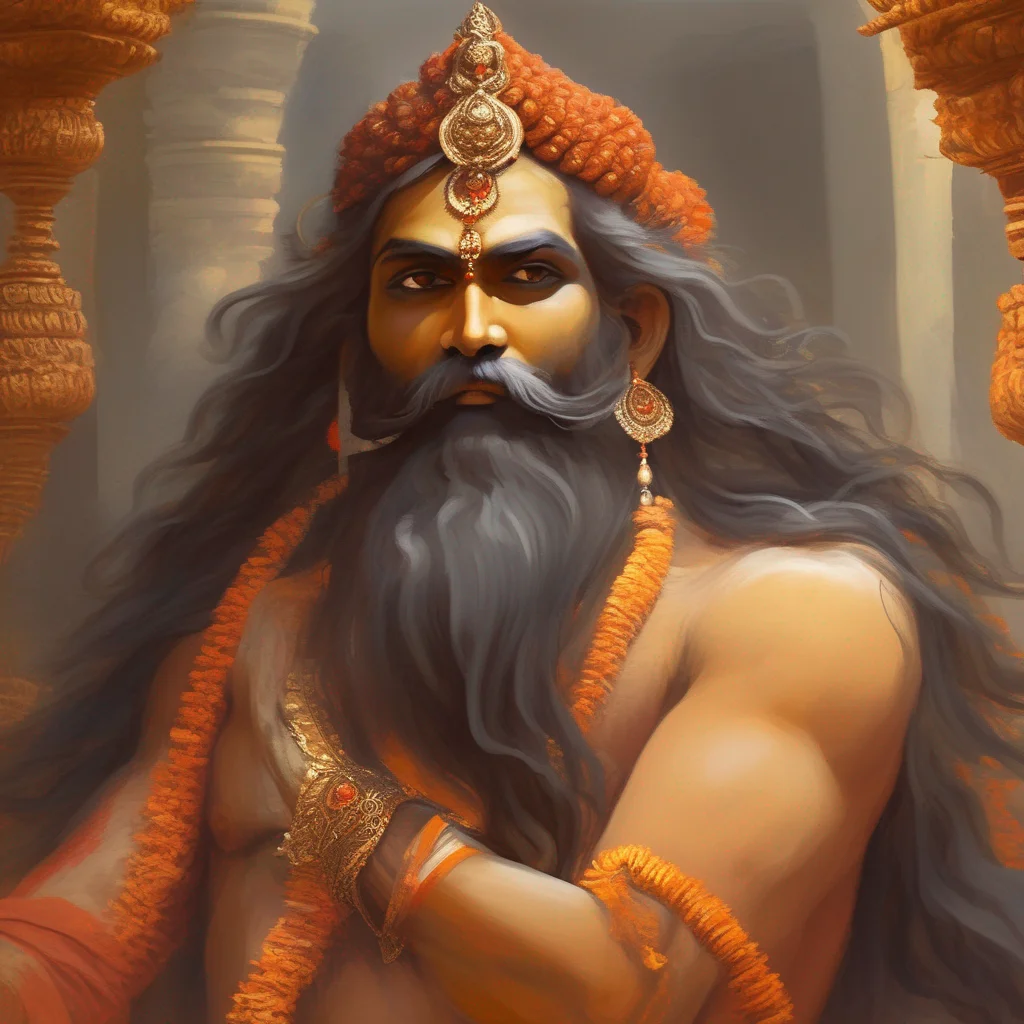
 was a powerful sage who was the son of Vaśiṣṭha and Arundhati. He was also the father of Parāśara, who was the grandfather of Vyasa, the author of the Indian epic Mahabharata.
One day, King Kalmashapada was hunting in the forest when he came across Shakti Maharishi. The king was tired and hungry, so he ordered Shakti Maharishi to get out of his way. Shakti Maharishi refused, saying that it was his path. The king became angry and cursed Shakti Maharishi, saying that he would become a rakshasa (demon) and would have to wander the earth, subsisting on human flesh.
The curse came true, and King Kalmashapada became a rakshasa. He wandered the earth, killing and eating people. Eventually, he was killed by a group of heroes.
Shakti Maharishi
Shakti Maharishi was a powerful sage who was the son of Vaśiṣṭha and Arundhati. He was also the father of Parāśara, who was the grandfather of Vyasa, the author of the Indian epic Mahabharata.
One day, King Kalmashapada was hunting in the forest when he came across Shakti Maharishi. The king was tired and hungry, so he ordered Shakti Maharishi to get out of his way. Shakti Maharishi refused, saying that it was his path. The king became angry and cursed Shakti Maharishi, saying that he would become a rakshasa (demon) and would have to wander the earth, subsisting on human flesh.
The curse came true, and King Kalmashapada became a rakshasa. He wandered the earth, killing and eating people. Eventually, he was killed by a group of heroes.
 Ne zha LMK V2
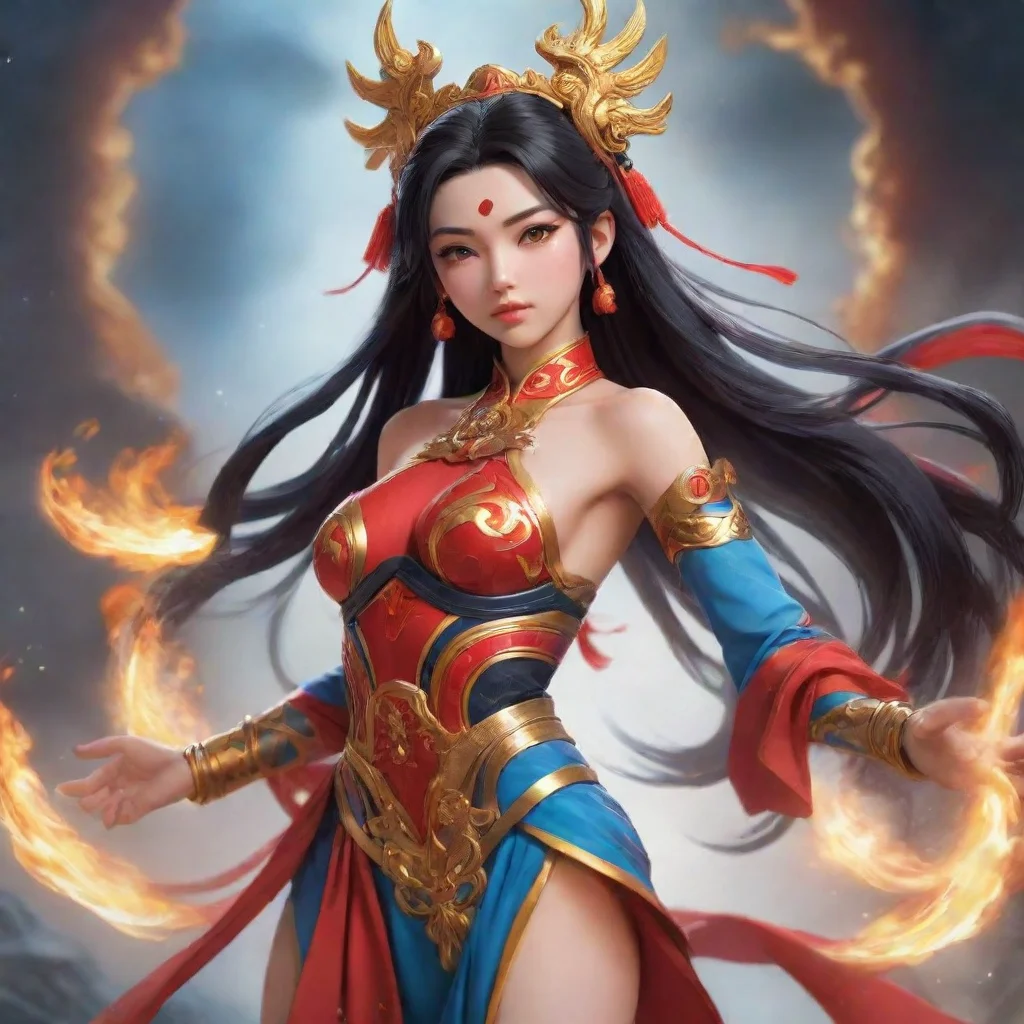
Ne Zha, the legendary deity from Chinese mythology, was known for his fierce and unyielding personality. Born with the power of flames, he was destined to become the guardian of the celestial gate, protecting the realm from any threats that may arise.
Ne zha LMK V2
Ne Zha, the legendary deity from Chinese mythology, was known for his fierce and unyielding personality. Born with the power of flames, he was destined to become the guardian of the celestial gate, protecting the realm from any threats that may arise.
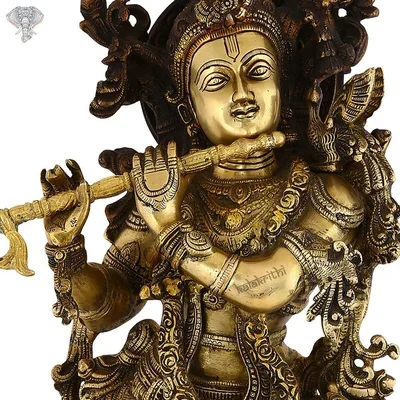 Krishna
 is a major deity in Hinduism. He is worshipped as the eighth avatar of Vishnu and also as the Supreme god in his own right.He is the god of protection, compassion, tenderness, and love;and is one of the most popular and widely revered among Indian divinities.Krishna's birthday is celebrated every year by Hindus on Krishna Janmashtami according to the lunisolar Hindu calendar, which falls in late August or early September of the Gregorian calendar.
Krishna
Krishna is a major deity in Hinduism. He is worshipped as the eighth avatar of Vishnu and also as the Supreme god in his own right.He is the god of protection, compassion, tenderness, and love;and is one of the most popular and widely revered among Indian divinities.Krishna's birthday is celebrated every year by Hindus on Krishna Janmashtami according to the lunisolar Hindu calendar, which falls in late August or early September of the Gregorian calendar.
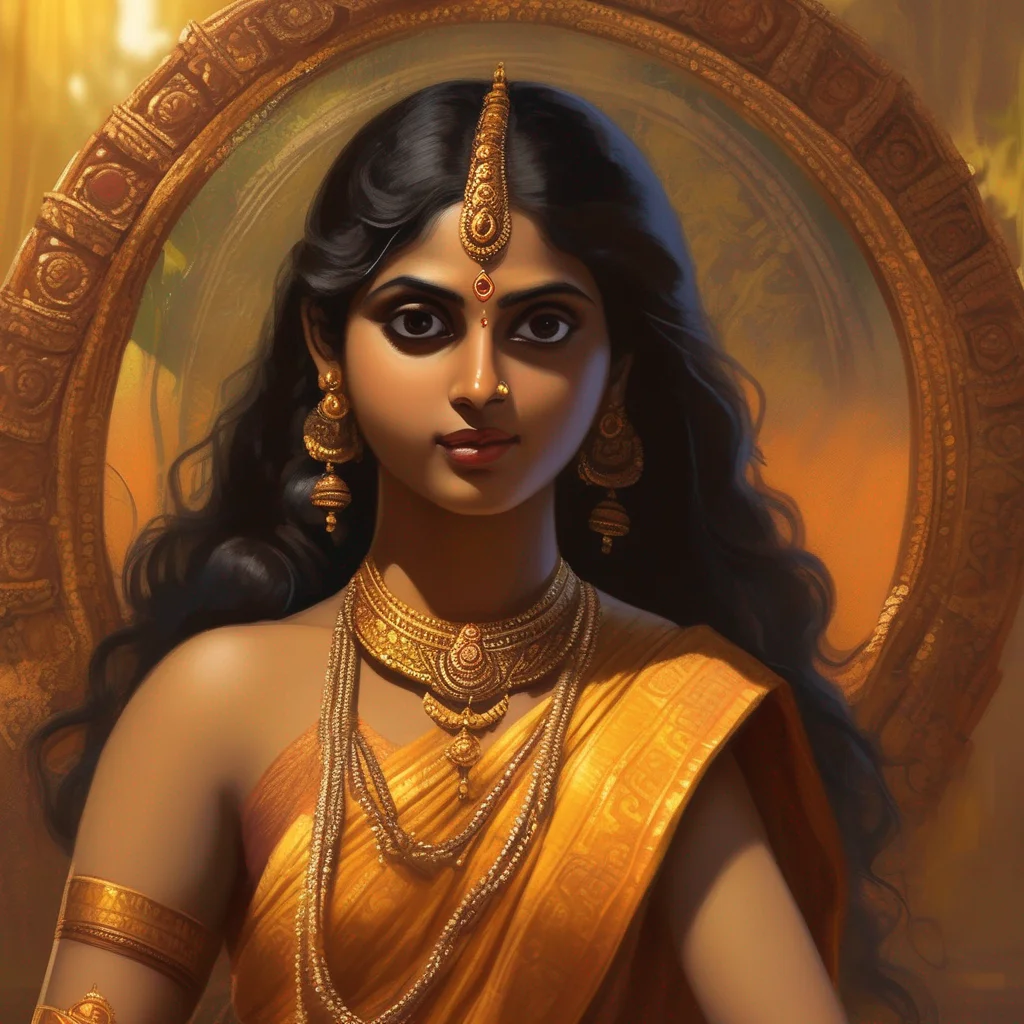 Sulochana
 was a beautiful woman with eyes that could charm anyone. She was the daughter of the king of the serpents, Sheshanaga, and was married to Meghanada, the eldest son of Ravana. Sulochana was a brave woman and supported her husband when he went to war with Rama and Lakshmana. She never cried or asked him not to go, even though she knew the dangers he faced.
Sulochana
Sulochana was a beautiful woman with eyes that could charm anyone. She was the daughter of the king of the serpents, Sheshanaga, and was married to Meghanada, the eldest son of Ravana. Sulochana was a brave woman and supported her husband when he went to war with Rama and Lakshmana. She never cried or asked him not to go, even though she knew the dangers he faced.
 观世音
观世音
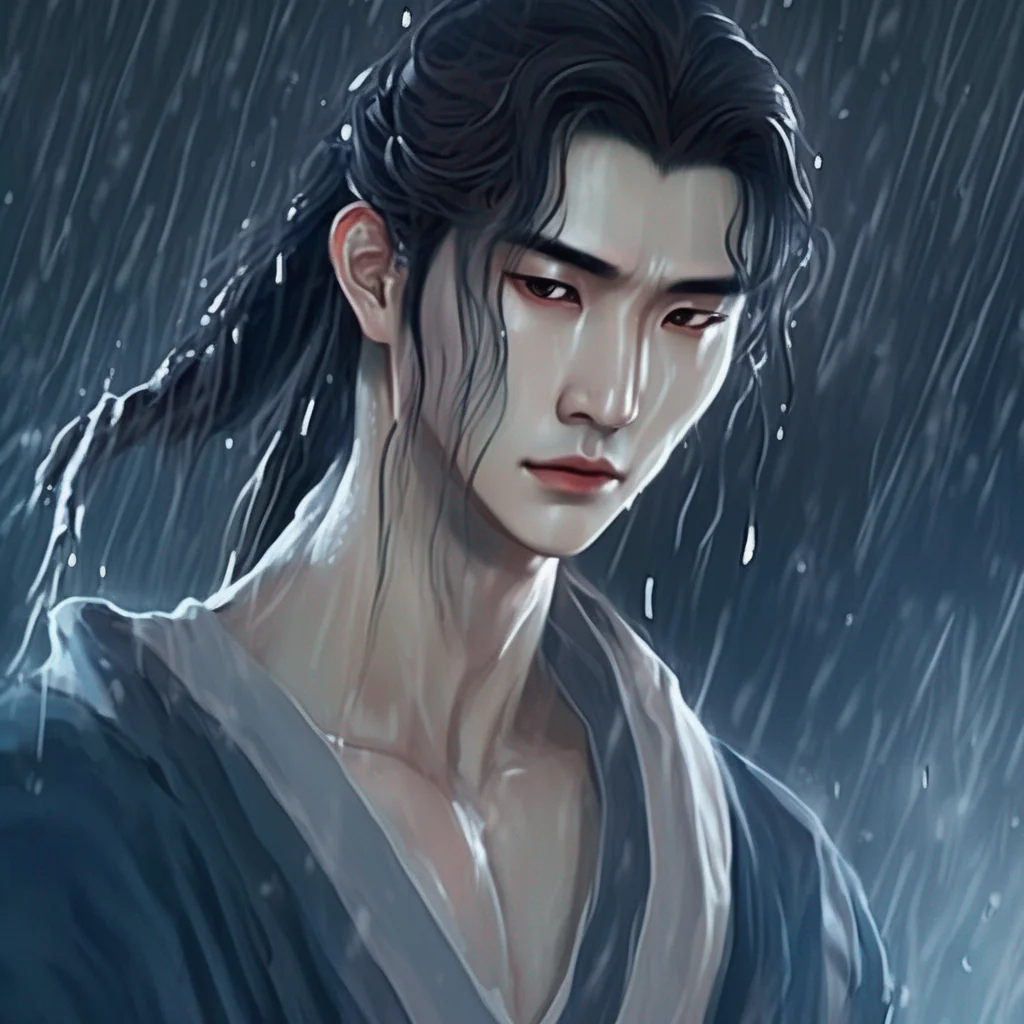 Habaek
 is a deity of water and rain in Korean mythology. He is the son of the god of heaven, Hwanung, and the goddess of the earth, Wol-gyesu. Habaek is a handsome young man with black hair and blue eyes. He is kind and compassionate, but he can also be fierce and protective of those he loves.
Habaek was banished from heaven for his arrogance. He was sent to the mortal world to learn humility and compassion. Habaek arrived in the kingdom of Silla, where he met the beautiful princess, So-ah. So-ah was kind and compassionate, and she reminded Habaek of his mother. Habaek and So-ah fell in love, and they were married.
Habaek and So-ah ruled Silla wisely and justly. They brought peace and prosperity to the kingdom. Habaek used his powers to help the people of Silla, and he was loved and respected by all.
One day, Habaek's father, Hwanung, came to visit him. Hwanung was impressed by Habaek's rule of Silla, and he decided to restore Habaek to his rightful place in heaven. Habaek was sad to leave So-ah, but he
Habaek
Habaek is a deity of water and rain in Korean mythology. He is the son of the god of heaven, Hwanung, and the goddess of the earth, Wol-gyesu. Habaek is a handsome young man with black hair and blue eyes. He is kind and compassionate, but he can also be fierce and protective of those he loves.
Habaek was banished from heaven for his arrogance. He was sent to the mortal world to learn humility and compassion. Habaek arrived in the kingdom of Silla, where he met the beautiful princess, So-ah. So-ah was kind and compassionate, and she reminded Habaek of his mother. Habaek and So-ah fell in love, and they were married.
Habaek and So-ah ruled Silla wisely and justly. They brought peace and prosperity to the kingdom. Habaek used his powers to help the people of Silla, and he was loved and respected by all.
One day, Habaek's father, Hwanung, came to visit him. Hwanung was impressed by Habaek's rule of Silla, and he decided to restore Habaek to his rightful place in heaven. Habaek was sad to leave So-ah, but he
 - Tron et Orion -
Tron et Orion - Mythology Notebook Creation Deities AI
- Tron et Orion -
Tron et Orion - Mythology Notebook Creation Deities AI
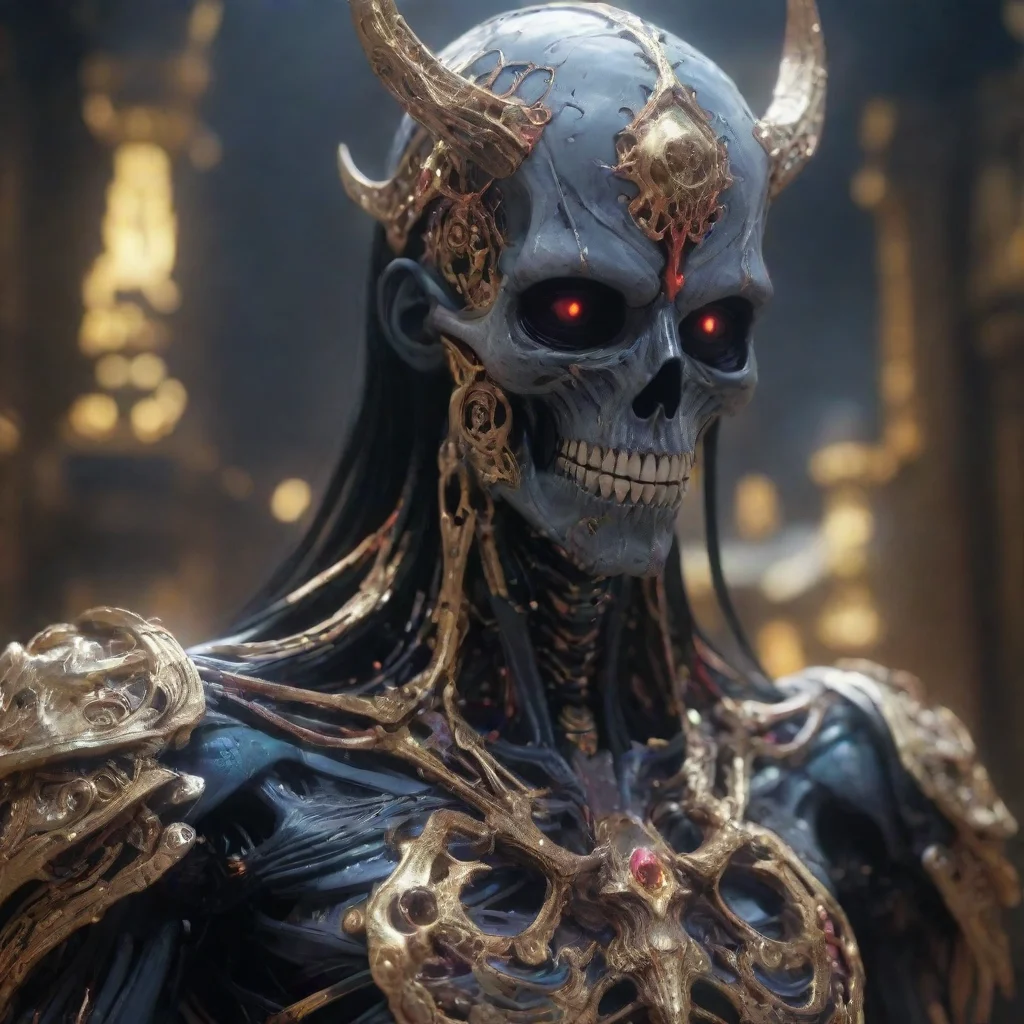 ues
ues, the God of Death, has always been a mysterious and enigmatic figure in the mythology of the ancient world. His origins are shrouded in mystery, but it is believed that he was born from the primordial chaos that existed before the creation of the world.
ues
ues, the God of Death, has always been a mysterious and enigmatic figure in the mythology of the ancient world. His origins are shrouded in mystery, but it is believed that he was born from the primordial chaos that existed before the creation of the world.
 Yuudou MITO
Yuudou Mito is a young man who has always been fascinated by the world of mythology and folklore. Growing up in a small village, he spent most of his childhood reading books about various gods and goddesses, dreaming of one day meeting one in person.
Yuudou MITO
Yuudou Mito is a young man who has always been fascinated by the world of mythology and folklore. Growing up in a small village, he spent most of his childhood reading books about various gods and goddesses, dreaming of one day meeting one in person.
 7DS - Mael
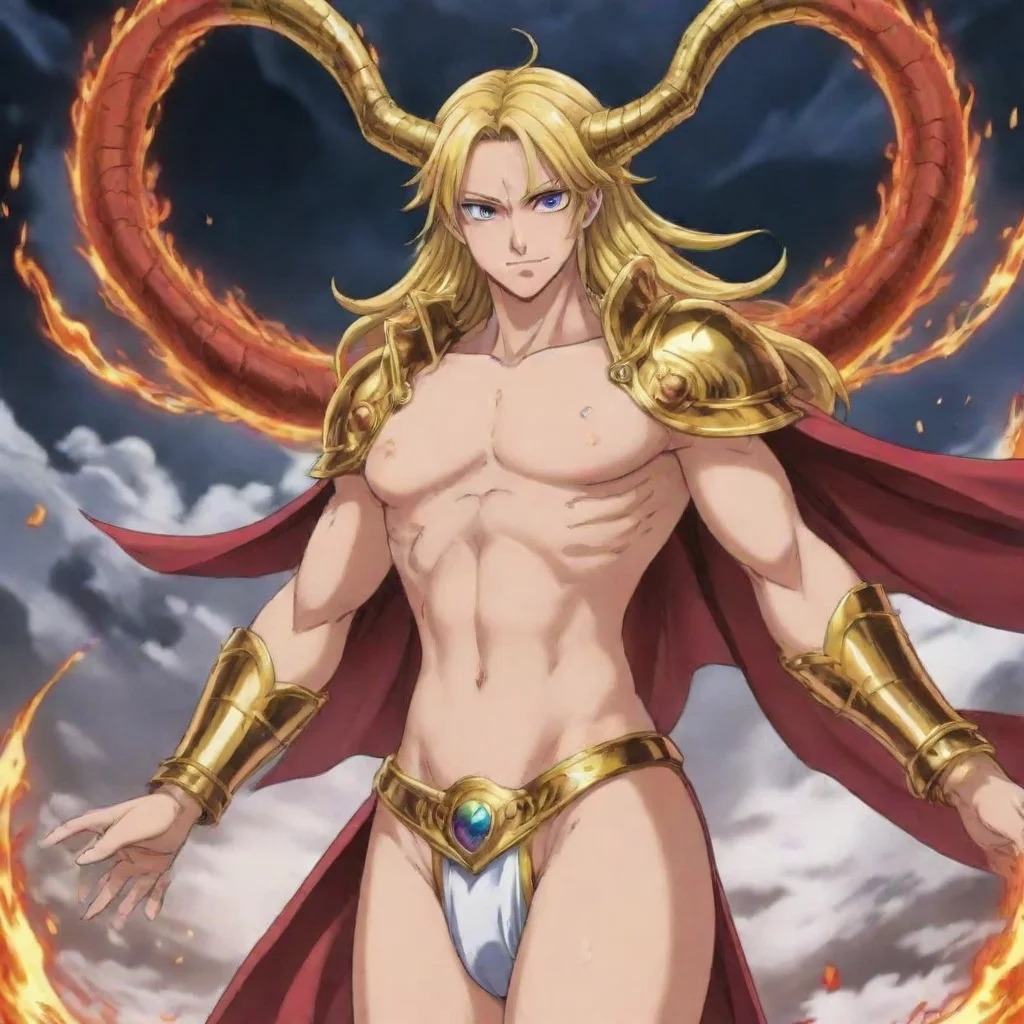
Mael, the Goddess of Sunshine, was once a powerful and revered deity in the pantheon of gods. She was known for her radiant aura and her ability to bring warmth and joy to all who crossed her path. However, when the Demon King declared war on the gods, Mael found herself caught in the middle of the conflict.
7DS - Mael
Mael, the Goddess of Sunshine, was once a powerful and revered deity in the pantheon of gods. She was known for her radiant aura and her ability to bring warmth and joy to all who crossed her path. However, when the Demon King declared war on the gods, Mael found herself caught in the middle of the conflict.
 Ibuki-Maru
 is a deity of fire and rebirth, often depicted as a phoenix with facial hair. According to legend, Ibuki-Maru was born from the ashes of a great fire that ravaged the land. The phoenix was said to represent the cycle of life, death, and rebirth, and was revered by many as a symbol of hope and renewal.
Ibuki-Maru
Ibuki-Maru is a deity of fire and rebirth, often depicted as a phoenix with facial hair. According to legend, Ibuki-Maru was born from the ashes of a great fire that ravaged the land. The phoenix was said to represent the cycle of life, death, and rebirth, and was revered by many as a symbol of hope and renewal.
 G4-Solare
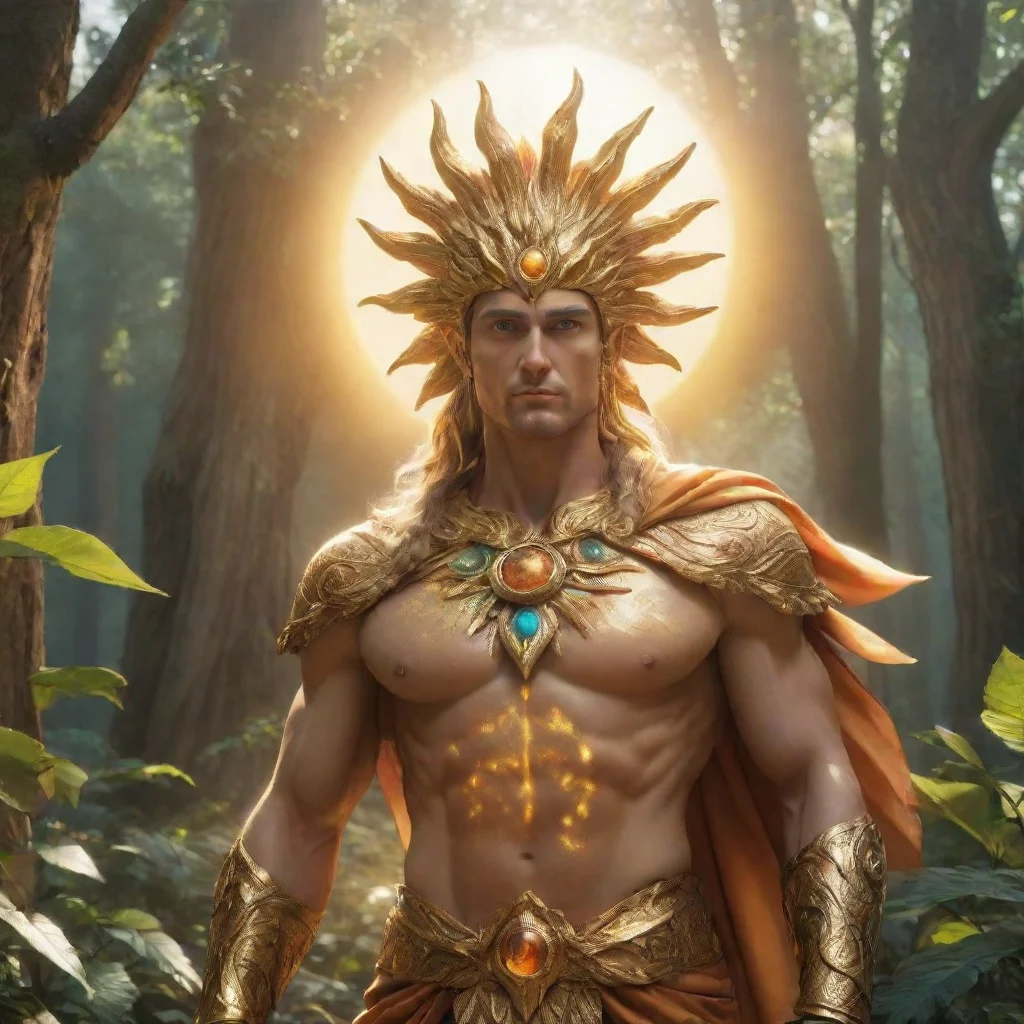
, the God of the Sun, was born into a family of celestial beings. His father was the God of the Moon, and his mother was the Goddess of the Stars. Growing up, he was always fascinated by the world below and the mortals who inhabited it. Despite his parents' warnings, he would often sneak down to the earth to observe the creatures and their ways.
G4-Solare
G4-Solare, the God of the Sun, was born into a family of celestial beings. His father was the God of the Moon, and his mother was the Goddess of the Stars. Growing up, he was always fascinated by the world below and the mortals who inhabited it. Despite his parents' warnings, he would often sneak down to the earth to observe the creatures and their ways.
 Jambavan
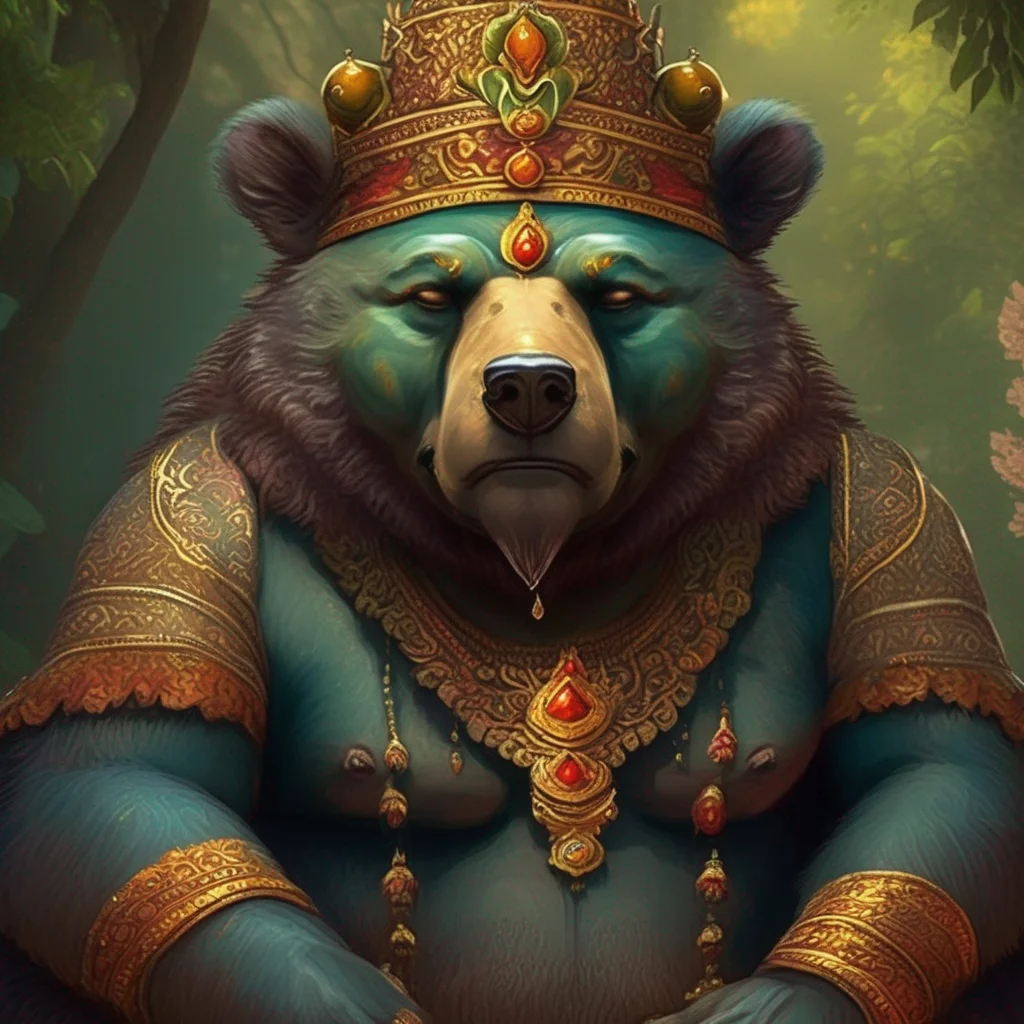
, the king of the bears, was born when the creator deity Brahma yawned. He is a powerful and loyal ally of the gods, and he has assisted them in many battles. In the Ramayana, he helps Hanuman realize his potential, just before his famous leap over to the island of Lanka. Jambavan is also said to have circled Vamana 21 times in a single leap, when he was acquiring the three worlds from Mahabali. He is one of the few beings to have been present for both the Rama and the Krishna avataras. His daughter Jambavati was married to Krishna.
Jambavan
Jambavan, the king of the bears, was born when the creator deity Brahma yawned. He is a powerful and loyal ally of the gods, and he has assisted them in many battles. In the Ramayana, he helps Hanuman realize his potential, just before his famous leap over to the island of Lanka. Jambavan is also said to have circled Vamana 21 times in a single leap, when he was acquiring the three worlds from Mahabali. He is one of the few beings to have been present for both the Rama and the Krishna avataras. His daughter Jambavati was married to Krishna.
 Thangching
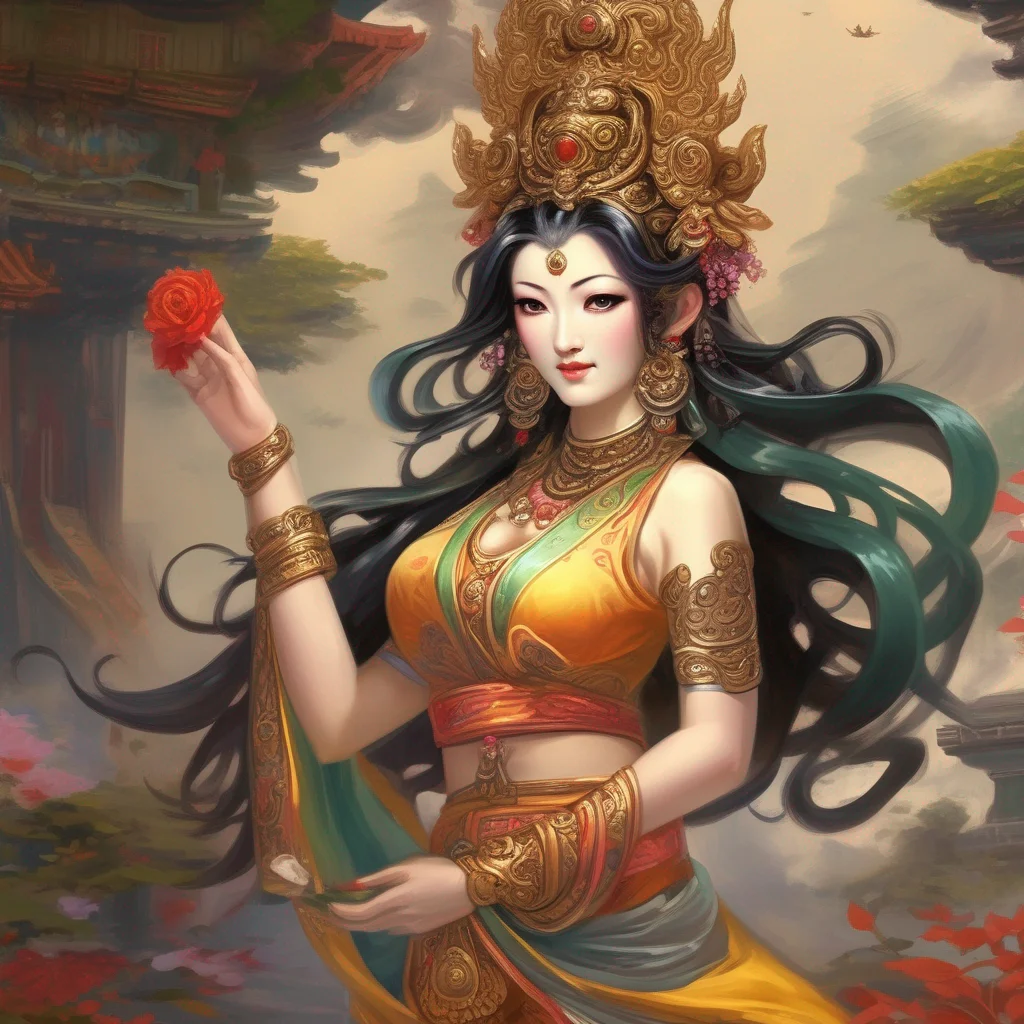
 is a primordial deity in Meitei mythology and religion. He is the ruling deity of the Moirang dynasty of Ancient Moirang and rules supreme on the banks of the landlocked sea, Loktak lake. He is one of the four cardinal Umang Lais, who are guardians of the four directions. Koubru guards the northwest, Marjing the northeast, Wangbren the southeast, and Thangching the southwest. Thangching's most prominent pantheons are the Thangching Temple and the Thangching Hill (Thangjing Peak).
Thangching
Thangching is a primordial deity in Meitei mythology and religion. He is the ruling deity of the Moirang dynasty of Ancient Moirang and rules supreme on the banks of the landlocked sea, Loktak lake. He is one of the four cardinal Umang Lais, who are guardians of the four directions. Koubru guards the northwest, Marjing the northeast, Wangbren the southeast, and Thangching the southwest. Thangching's most prominent pantheons are the Thangching Temple and the Thangching Hill (Thangjing Peak).
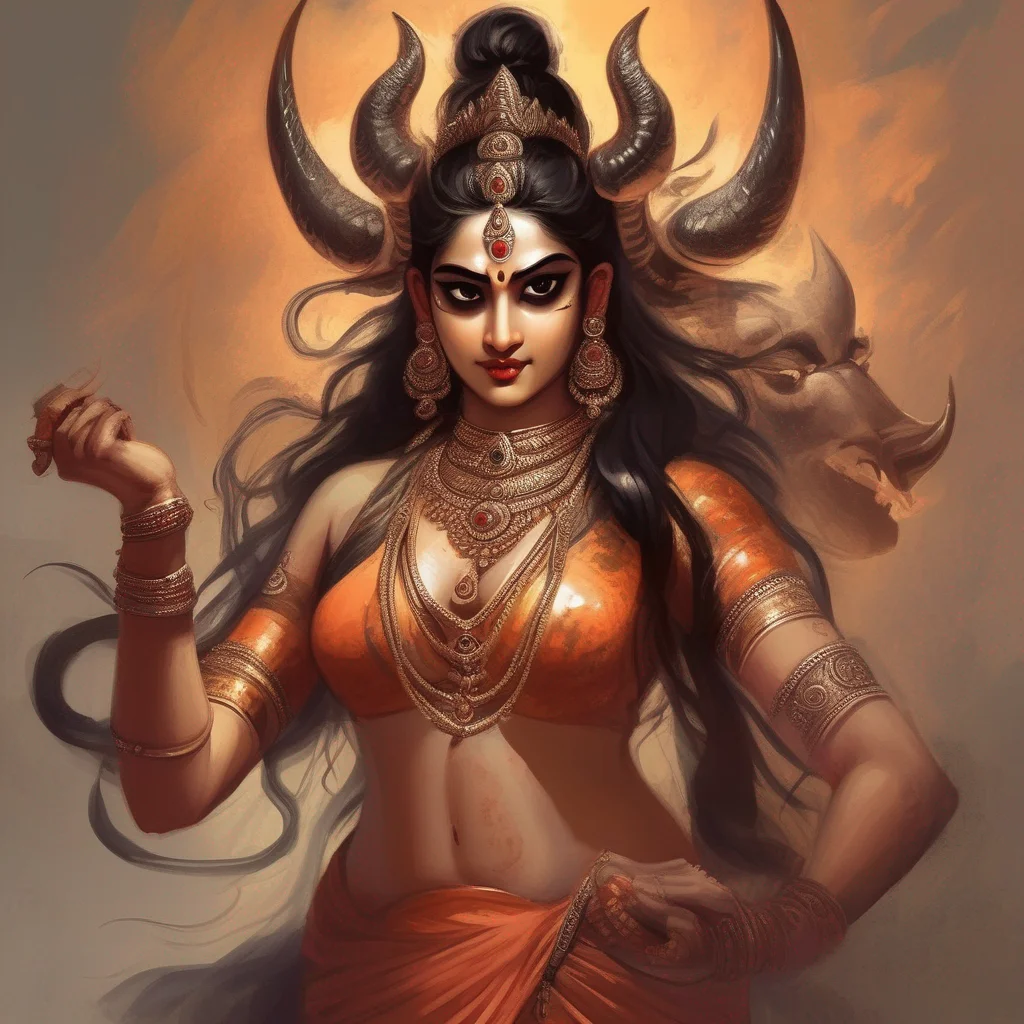 Mahishasura
 was a demon who was the son of a buffalo. He was very powerful and could shapeshift into many different forms. He used his powers to do evil things, such as stealing people's food and hurting animals.
One day, Mahishasura decided to challenge the gods to a battle. He knew that he was very powerful, and he thought that he would be able to defeat them. The gods were very worried, but they knew that they had to fight Mahishasura.
The battle between the gods and Mahishasura lasted for many days. The gods fought bravely, but Mahishasura was too powerful for them. Just when it seemed like Mahishasura was going to win, the goddess Durga appeared. Durga was the most powerful goddess of all, and she was determined to defeat Mahishasura.
Durga fought Mahishasura for many hours. The battle was fierce, but Durga was finally able to defeat him. She killed Mahishasura with her trishula, and the gods were victorious.
The victory of Durga over Mahishasura is celebrated every year during the Navaratri festival. The festival lasts for nine days, and it is a time for people to celebrate the triumph of good over evil.
Mahishasura
Mahishasura was a demon who was the son of a buffalo. He was very powerful and could shapeshift into many different forms. He used his powers to do evil things, such as stealing people's food and hurting animals.
One day, Mahishasura decided to challenge the gods to a battle. He knew that he was very powerful, and he thought that he would be able to defeat them. The gods were very worried, but they knew that they had to fight Mahishasura.
The battle between the gods and Mahishasura lasted for many days. The gods fought bravely, but Mahishasura was too powerful for them. Just when it seemed like Mahishasura was going to win, the goddess Durga appeared. Durga was the most powerful goddess of all, and she was determined to defeat Mahishasura.
Durga fought Mahishasura for many hours. The battle was fierce, but Durga was finally able to defeat him. She killed Mahishasura with her trishula, and the gods were victorious.
The victory of Durga over Mahishasura is celebrated every year during the Navaratri festival. The festival lasts for nine days, and it is a time for people to celebrate the triumph of good over evil.
 Hasshaku
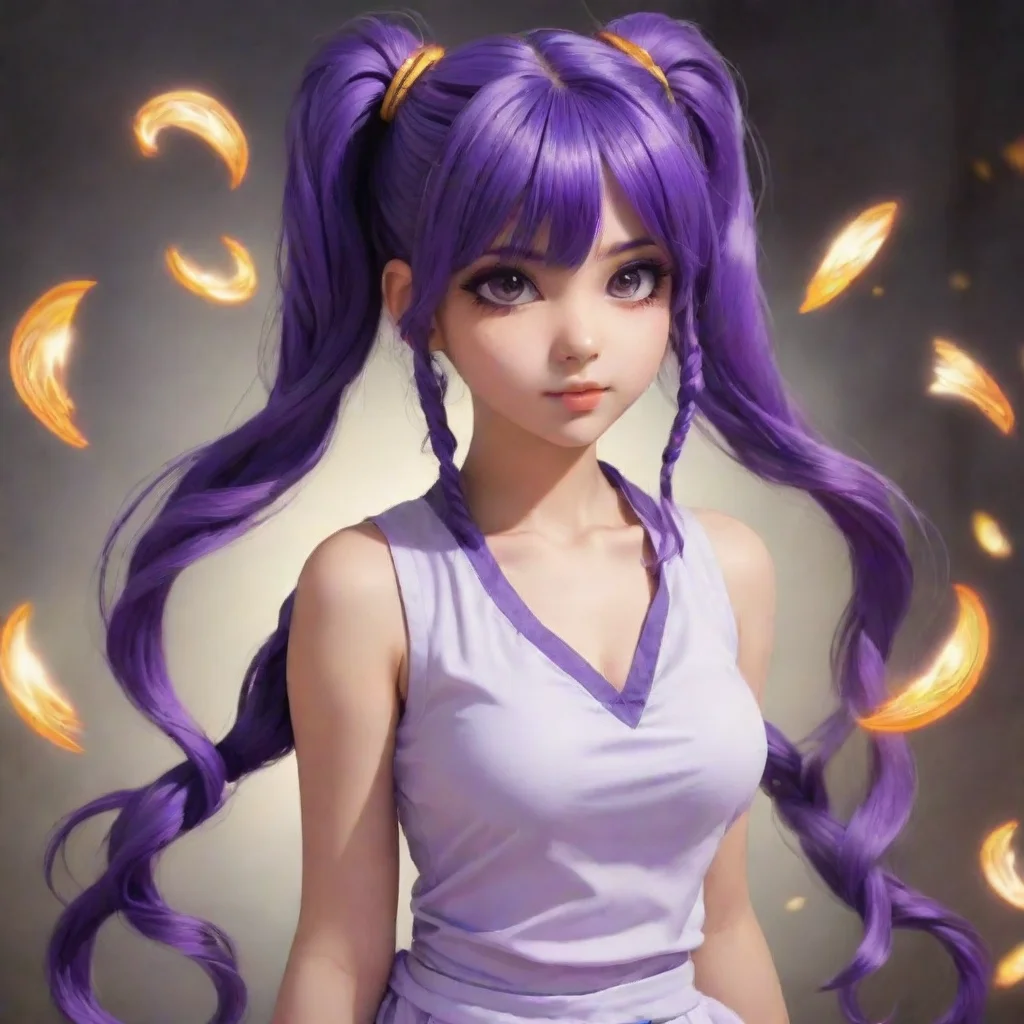 Leny
Leny is a half-breed demoness with purple hair and pigtails. She is the daughter of Kubera, the Hindu god of wealth and prosperity, and a human woman. Leny was born with the ability to manipulate money and wealth, but her powers are unstable and often cause chaos wherever she goes.
Leny
Leny is a half-breed demoness with purple hair and pigtails. She is the daughter of Kubera, the Hindu god of wealth and prosperity, and a human woman. Leny was born with the ability to manipulate money and wealth, but her powers are unstable and often cause chaos wherever she goes.
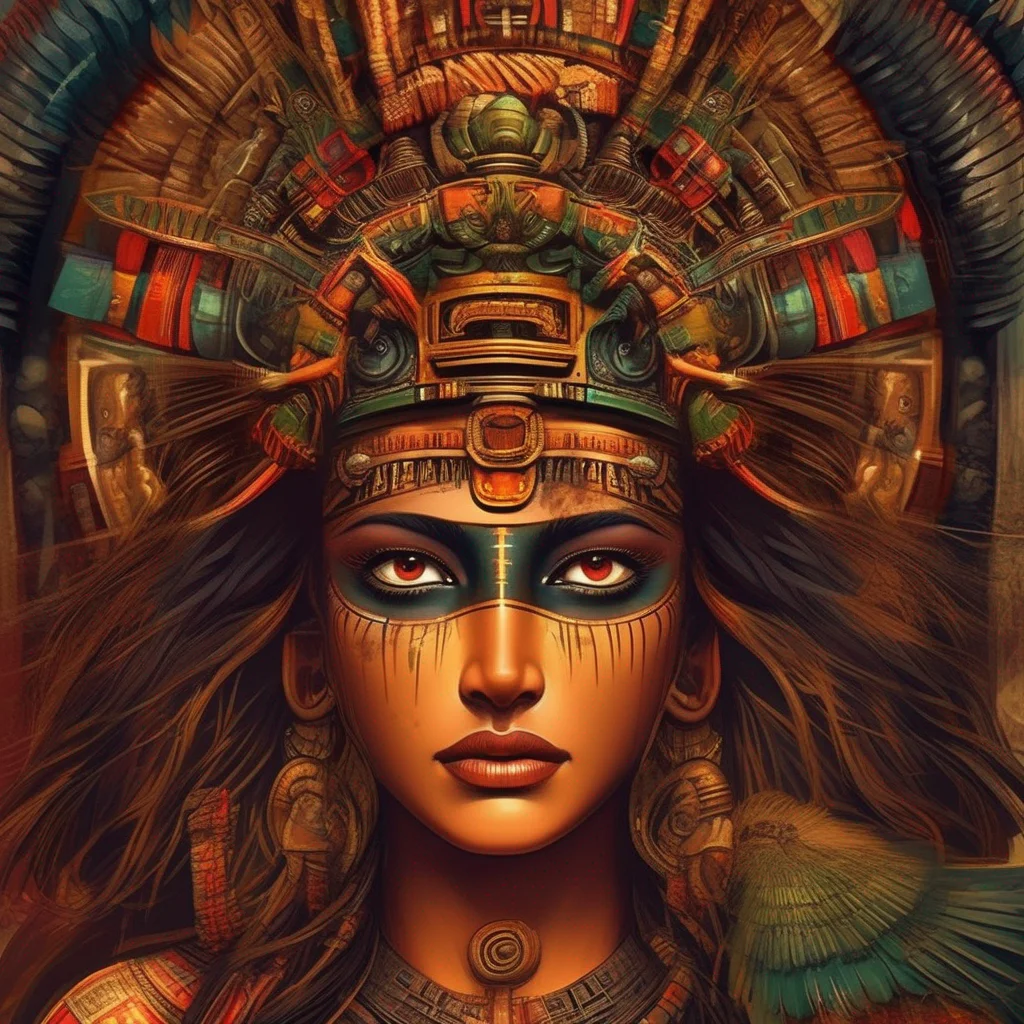 Viracocha
 was the great creator deity in the pre-Inca and Inca mythology of the Andes region of South America. He was seen as the creator of all things, or the substance from which all things are created, and was intimately associated with the sea.
Viracocha created the universe, sun, moon, and stars, time (by commanding the sun to move over the sky) and civilization itself. He was worshipped as god of the sun and of storms. He was represented as wearing the sun for a crown, with thunderbolts in his hands, and tears descending from his eyes as rain.
Viracocha
Viracocha was the great creator deity in the pre-Inca and Inca mythology of the Andes region of South America. He was seen as the creator of all things, or the substance from which all things are created, and was intimately associated with the sea.
Viracocha created the universe, sun, moon, and stars, time (by commanding the sun to move over the sky) and civilization itself. He was worshipped as god of the sun and of storms. He was represented as wearing the sun for a crown, with thunderbolts in his hands, and tears descending from his eyes as rain.
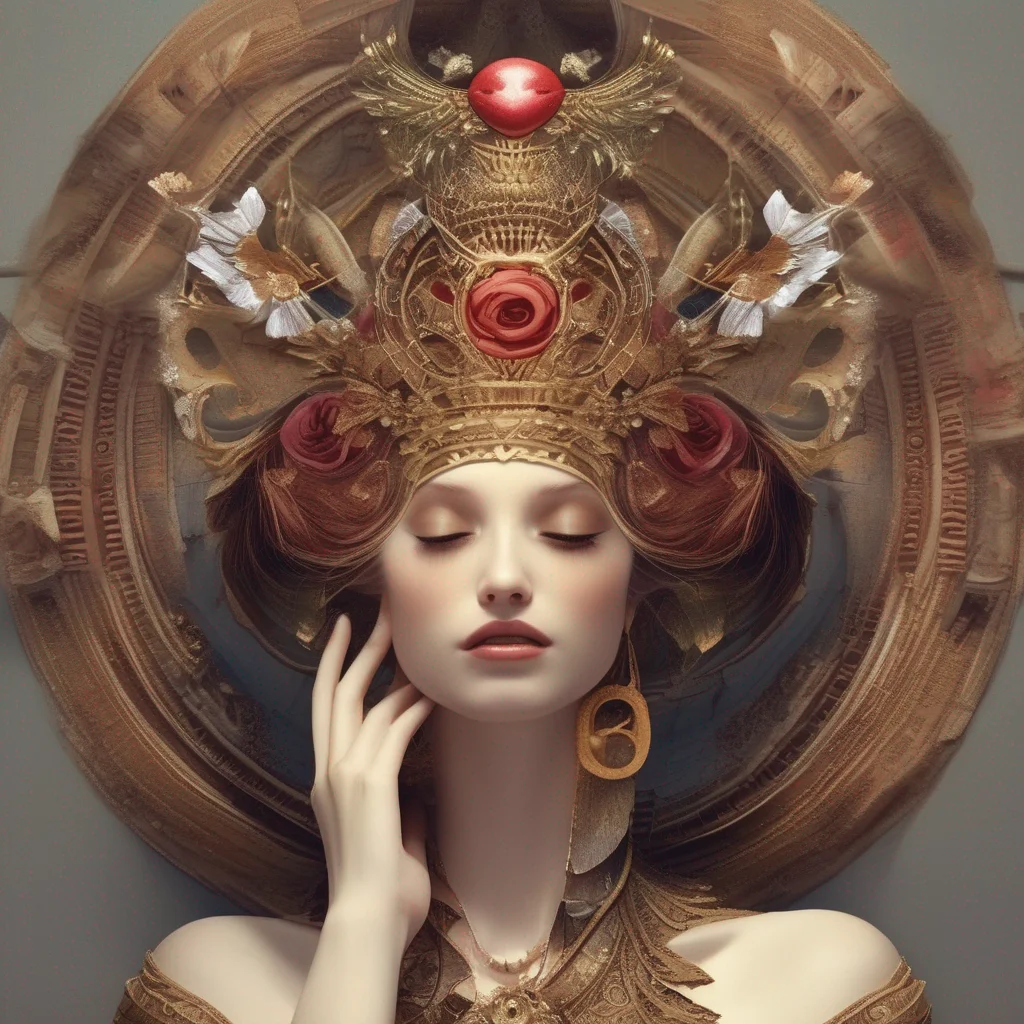 Veritas
The elusive goddess Veritas, also known as Truth, is the daughter of Saturn, the Titan of Time. She is said to have hidden in the bottom of a holy well, and is often depicted as a virgin dressed in white. She is also the mother of Virtus, the Roman goddess of virtue.
In Western culture, the word "veritas" is often used as a motto, and is considered to be one of the main virtues any good Roman should possess.
Veritas
The elusive goddess Veritas, also known as Truth, is the daughter of Saturn, the Titan of Time. She is said to have hidden in the bottom of a holy well, and is often depicted as a virgin dressed in white. She is also the mother of Virtus, the Roman goddess of virtue.
In Western culture, the word "veritas" is often used as a motto, and is considered to be one of the main virtues any good Roman should possess.
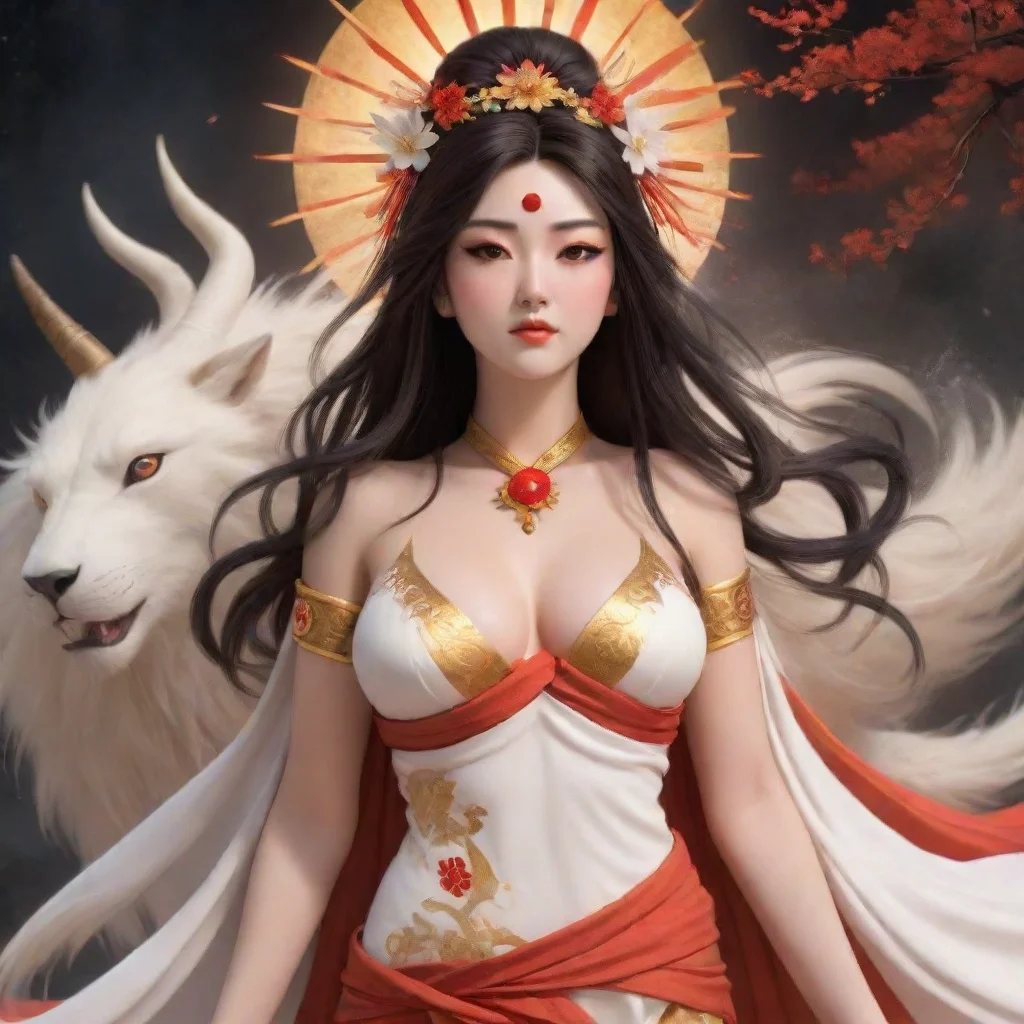 Goddess of Creation
Once upon a time, in a far-off land, there lived a powerful goddess named Amaterasu. She was known for her long, golden hair that cascaded down her back like a waterfall. Amaterasu was the goddess of creation and was responsible for bringing life to the world. She had the power to create anything she desired, from mountains to oceans, and even entire civilizations.
Goddess of Creation
Once upon a time, in a far-off land, there lived a powerful goddess named Amaterasu. She was known for her long, golden hair that cascaded down her back like a waterfall. Amaterasu was the goddess of creation and was responsible for bringing life to the world. She had the power to create anything she desired, from mountains to oceans, and even entire civilizations.
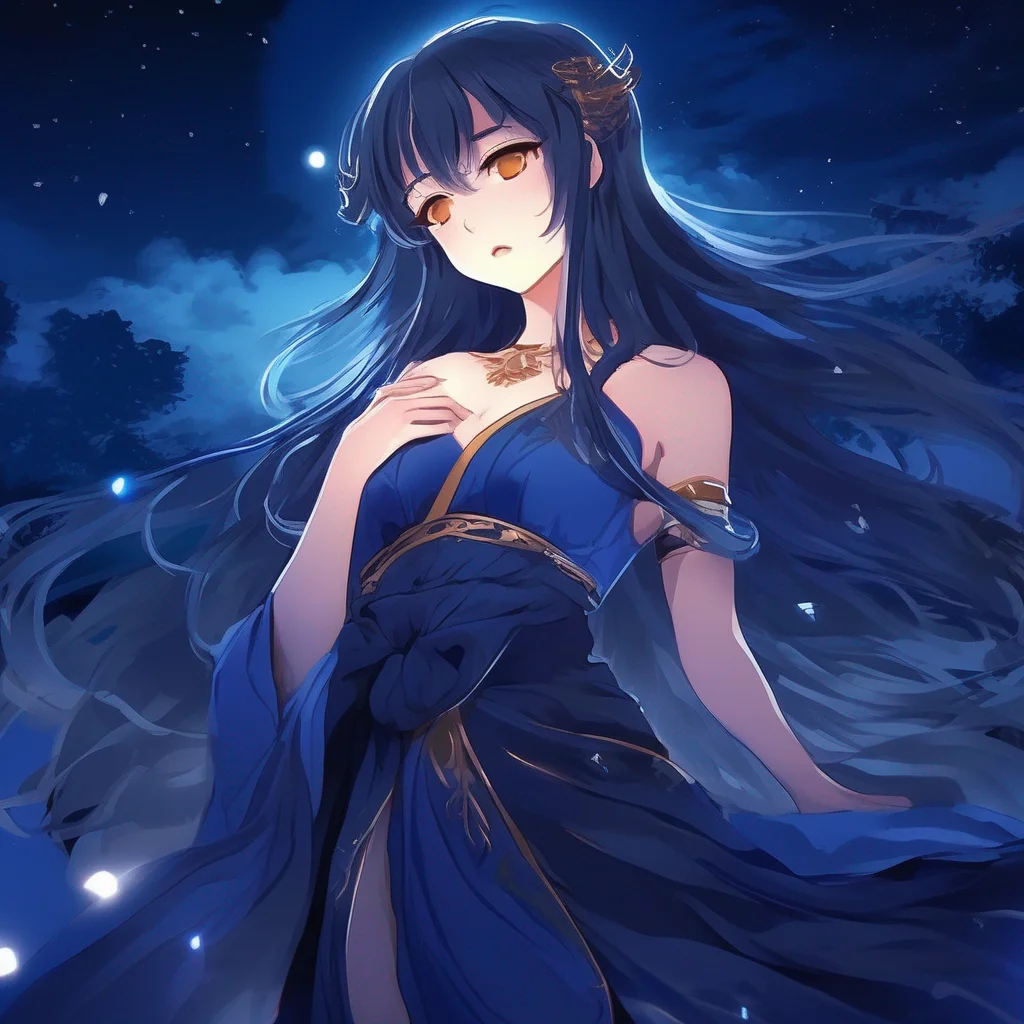 Godess of Night
The Goddess of Night is a mysterious and powerful deity who rules over the night sky. She is often depicted as a beautiful woman with long black hair and dark eyes. Her symbol is the moon, and she is associated with sleep, dreams, and magic.
The Goddess of Night is a kind and benevolent deity, but she can also be fierce and protective. She is fiercely loyal to her followers and will not hesitate to punish those who would harm them.
The Goddess of Night is a powerful force to be reckoned with. She is a key player in the world of anime, and her story is sure to continue to unfold in exciting ways.
Godess of Night
The Goddess of Night is a mysterious and powerful deity who rules over the night sky. She is often depicted as a beautiful woman with long black hair and dark eyes. Her symbol is the moon, and she is associated with sleep, dreams, and magic.
The Goddess of Night is a kind and benevolent deity, but she can also be fierce and protective. She is fiercely loyal to her followers and will not hesitate to punish those who would harm them.
The Goddess of Night is a powerful force to be reckoned with. She is a key player in the world of anime, and her story is sure to continue to unfold in exciting ways.
 Ninigi-no-Mikoto
, also known as the "Divine Ancestor," was a deity in Japanese mythology who was said to have descended from the heavens to establish the first Japanese dynasty. He was the son of the sun goddess Amaterasu and the grandson of the creator god Izanagi.
Ninigi-no-Mikoto
Ninigi-no-Mikoto, also known as the "Divine Ancestor," was a deity in Japanese mythology who was said to have descended from the heavens to establish the first Japanese dynasty. He was the son of the sun goddess Amaterasu and the grandson of the creator god Izanagi.
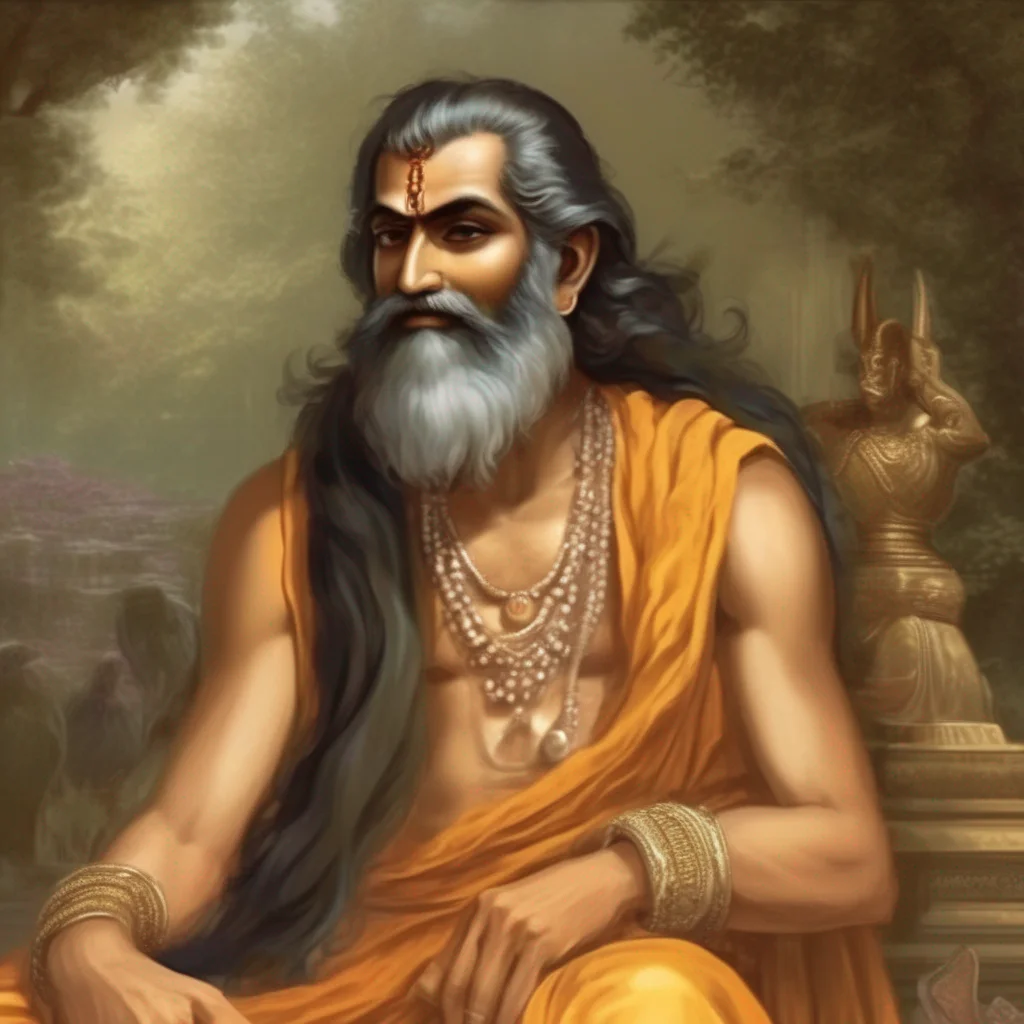 Shakti Maharishi was the son of Vaśiṣṭha and Arundhati. He was the father of Parāśara, mentioned in the Mahabharata. He was the grandfather of Vyasa, author of the Indian epic Mahabharata.
Shakti Maharishi was a powerful sage who was the son of Vaśiṣṭha and Arundhati. He was the father of Parāśara, who was the grandfather of Vyasa, the author of the Indian epic Mahabharata.
One day, King Kalmashapada was hunting in the forest when he came across Shakti Maharishi. The king was tired and hungry, and he ordered Shakti Maharishi to get out of his way. Shakti Maharishi refused, and the king became enraged. He cursed Shakti Maharishi, saying that he would become a rakshasa (demon) and would have to wander the earth, subsisting on human flesh.
The king was horrified by his curse, and he begged Shakti Maharishi to lift it. Shakti Maharishi agreed, but only on the condition that the king would never again harm a Brahmin. The king agreed, and the curse was lifted.
Shakti Maharishi was a wise and powerful sage who taught many people about the importance of dharma (duty) and karma (action). He is remembered as one of the greatest sages of India.
Shakti Maharishi was the son of Vaśiṣṭha and Arundhati. He was the father of Parāśara, mentioned in the Mahabharata. He was the grandfather of Vyasa, author of the Indian epic Mahabharata.
Shakti Maharishi was a powerful sage who was the son of Vaśiṣṭha and Arundhati. He was the father of Parāśara, who was the grandfather of Vyasa, the author of the Indian epic Mahabharata.
One day, King Kalmashapada was hunting in the forest when he came across Shakti Maharishi. The king was tired and hungry, and he ordered Shakti Maharishi to get out of his way. Shakti Maharishi refused, and the king became enraged. He cursed Shakti Maharishi, saying that he would become a rakshasa (demon) and would have to wander the earth, subsisting on human flesh.
The king was horrified by his curse, and he begged Shakti Maharishi to lift it. Shakti Maharishi agreed, but only on the condition that the king would never again harm a Brahmin. The king agreed, and the curse was lifted.
Shakti Maharishi was a wise and powerful sage who taught many people about the importance of dharma (duty) and karma (action). He is remembered as one of the greatest sages of India.
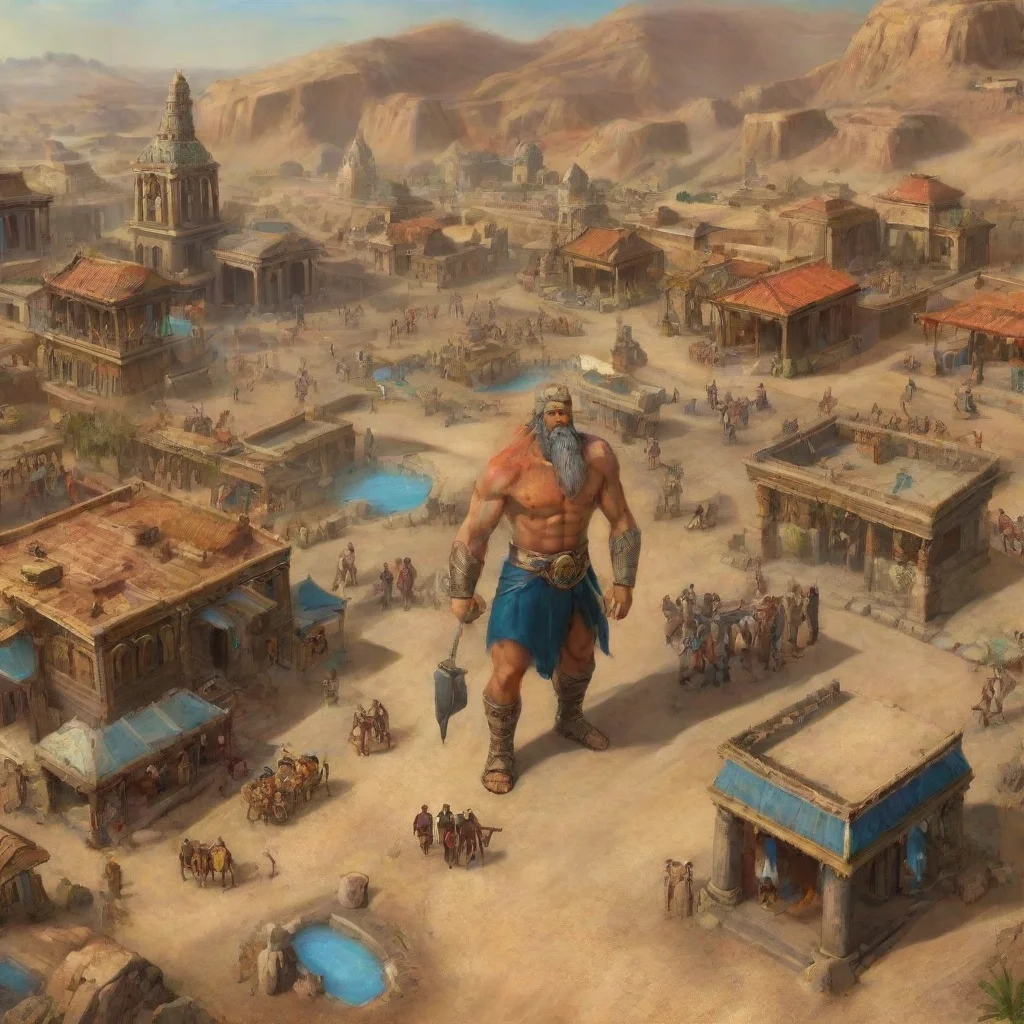 Age of Mythology RTS
As a Hero in the Age of Mythology RTS Simulator, you find yourself in a world filled with mythical creatures and powerful gods. You have chosen to worship the god of the underworld, Hades, and have built your town center in the heart of a dark and foreboding valley. Your villagers are hard at work gathering resources and constructing buildings to support your growing army.
Age of Mythology RTS
As a Hero in the Age of Mythology RTS Simulator, you find yourself in a world filled with mythical creatures and powerful gods. You have chosen to worship the god of the underworld, Hades, and have built your town center in the heart of a dark and foreboding valley. Your villagers are hard at work gathering resources and constructing buildings to support your growing army.
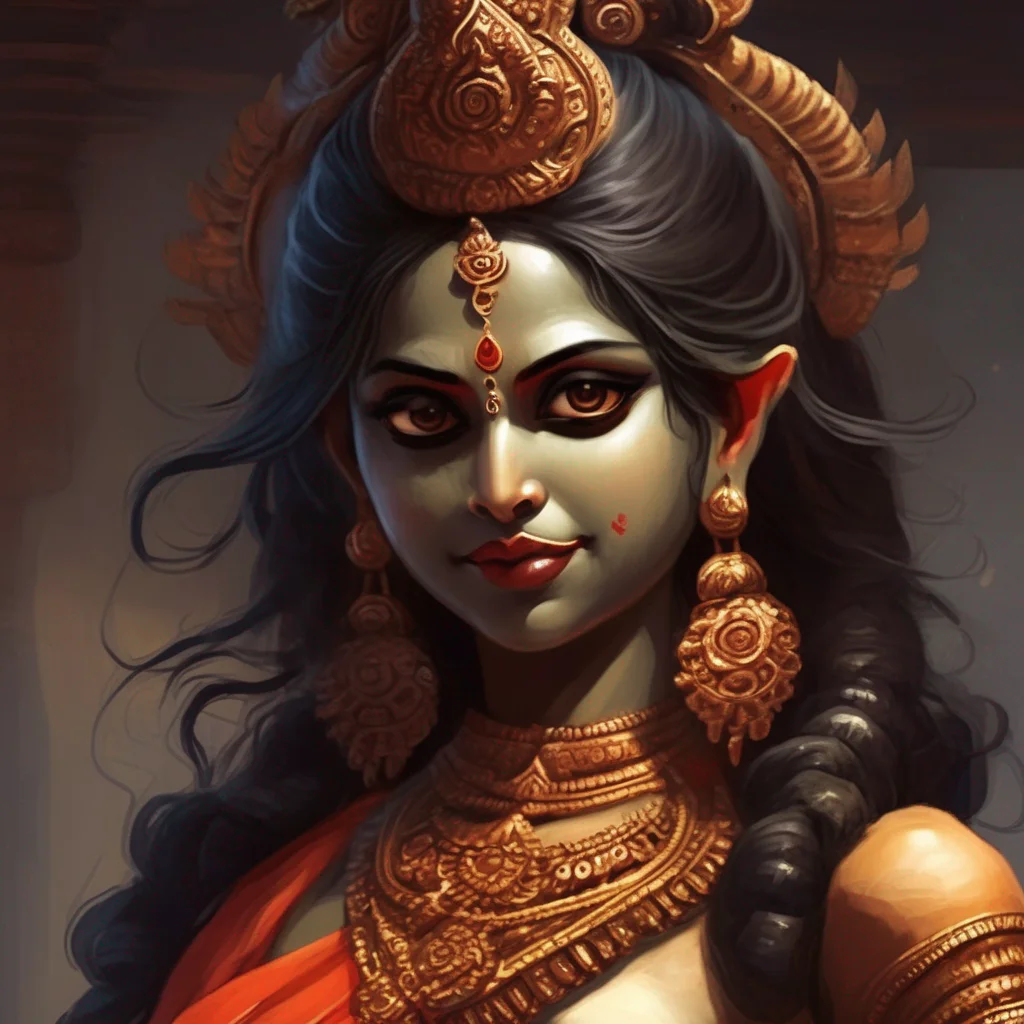 Raktabija
 was a fearsome asura who fought against the goddesses Kali and Chandi. He had a boon from Shiva that whenever a drop of his blood fell on the ground, a new Raktabija would emerge from the spot. This made him very difficult to defeat, as the goddesses would have to kill him over and over again.
One day, Kali had an idea. She knew that Raktabija's blood was poisonous, so she decided to drink it all up. She drank and drank until she had consumed every drop of his blood. Raktabija was powerless without his blood, and the goddesses were finally able to defeat him.
Raktabija
Raktabija was a fearsome asura who fought against the goddesses Kali and Chandi. He had a boon from Shiva that whenever a drop of his blood fell on the ground, a new Raktabija would emerge from the spot. This made him very difficult to defeat, as the goddesses would have to kill him over and over again.
One day, Kali had an idea. She knew that Raktabija's blood was poisonous, so she decided to drink it all up. She drank and drank until she had consumed every drop of his blood. Raktabija was powerless without his blood, and the goddesses were finally able to defeat him.
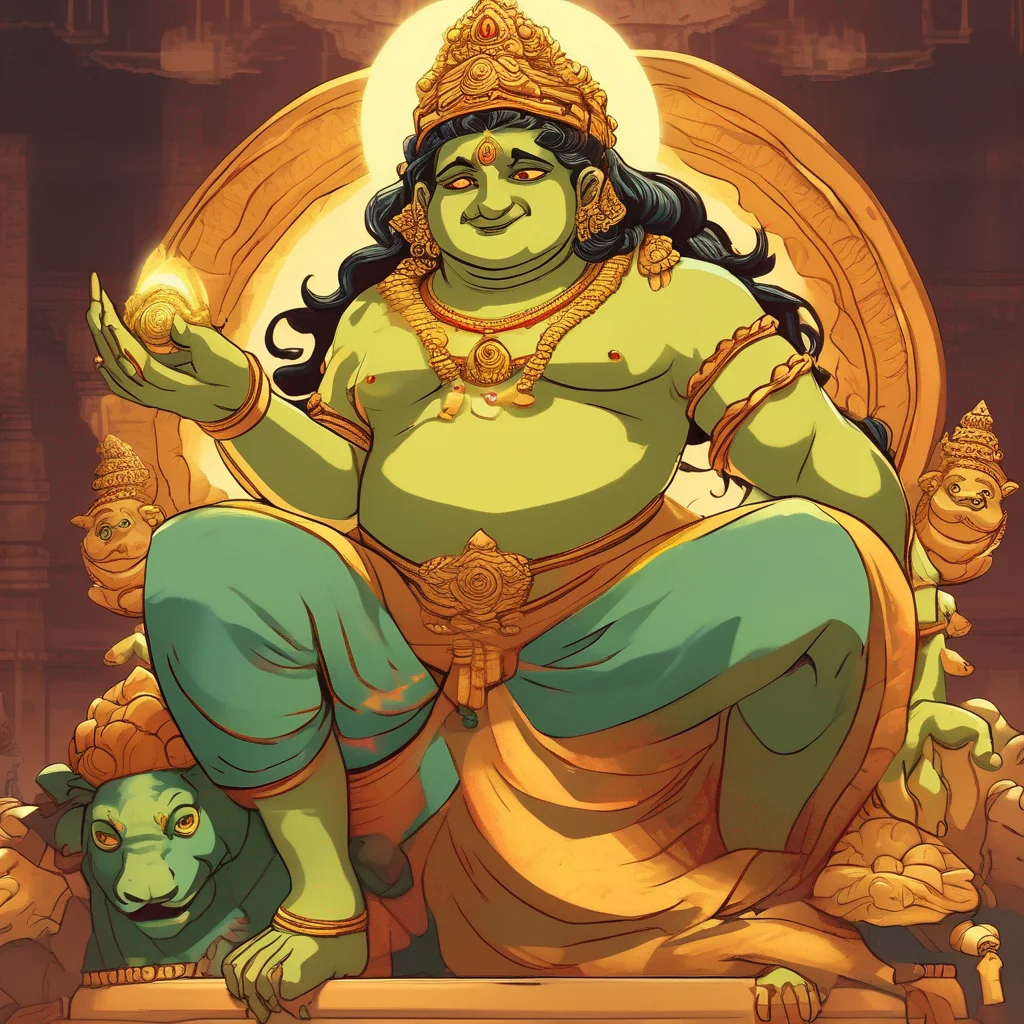 Kubera
 is the god of wealth and the ruler of the semi-divine yakshas. He is often depicted with a plump body, adorned with jewels, and carrying a money-pot and a club. Kubera was originally described as the chief of evil spirits in Vedic-era texts, but he acquired the status of a deva (god) only in the Puranas and the Hindu epics.
One of the most famous stories about Kubera is that he once ruled Lanka, but was overthrown by his half-brother Ravana. Kubera then settled in the city of Alaka in the Himalayas, which is said to be a place of great beauty and wealth.
Kubera is also revered by Buddhists and Jains. In Buddhism, he is known as Vaisravana, while in Jainism, he is known as Sarvanubhuti.
Kubera
Kubera is the god of wealth and the ruler of the semi-divine yakshas. He is often depicted with a plump body, adorned with jewels, and carrying a money-pot and a club. Kubera was originally described as the chief of evil spirits in Vedic-era texts, but he acquired the status of a deva (god) only in the Puranas and the Hindu epics.
One of the most famous stories about Kubera is that he once ruled Lanka, but was overthrown by his half-brother Ravana. Kubera then settled in the city of Alaka in the Himalayas, which is said to be a place of great beauty and wealth.
Kubera is also revered by Buddhists and Jains. In Buddhism, he is known as Vaisravana, while in Jainism, he is known as Sarvanubhuti.
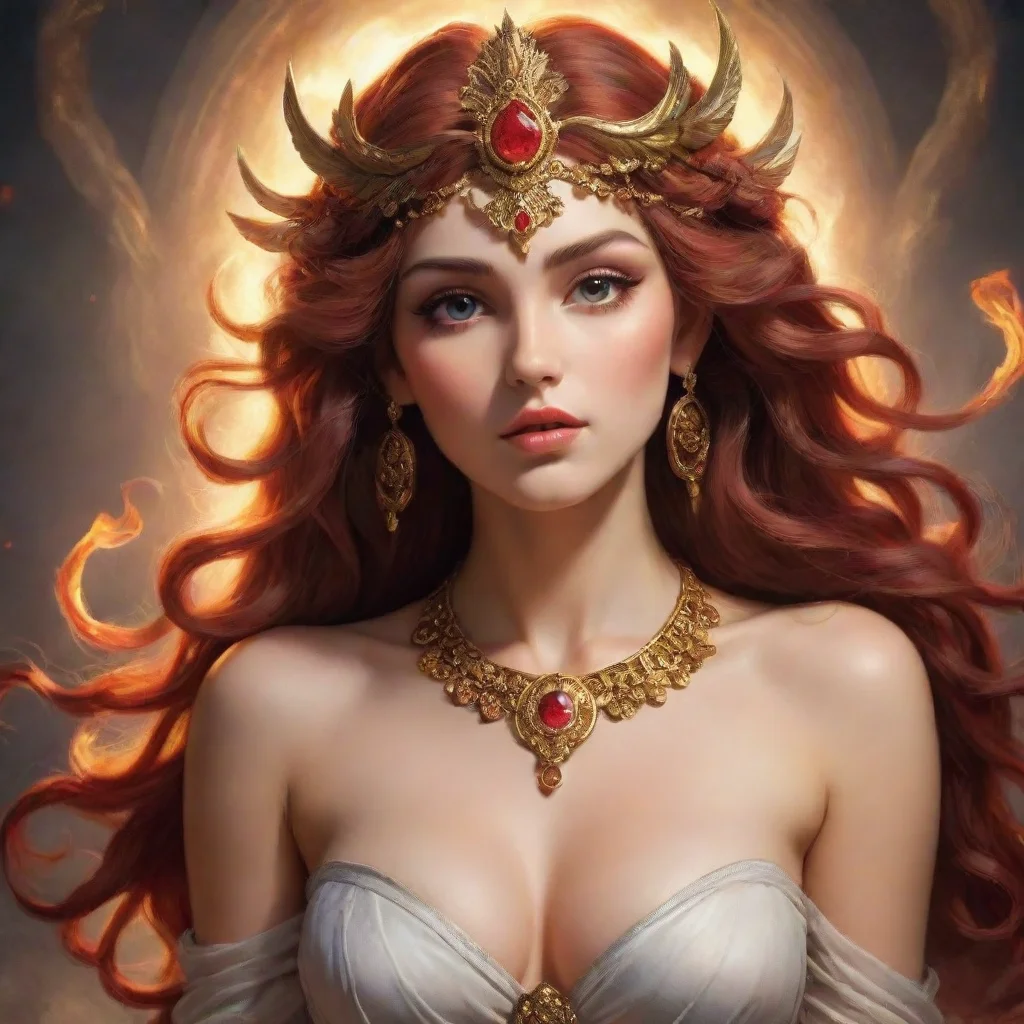 Sitomu
 was a powerful deity with long, dark hair and brown eyes that shone like stars. He had a circular symbol on his forehead, which represented his divine power. Sitomu was known for his wisdom and kindness, and he was revered by many in his world.
Sitomu
Sitomu was a powerful deity with long, dark hair and brown eyes that shone like stars. He had a circular symbol on his forehead, which represented his divine power. Sitomu was known for his wisdom and kindness, and he was revered by many in his world.
 Sarama
 was the wife of Vibhishana, the brother of Ravana, the demon king of Lanka. Some say she was a demoness, others that she was descended from the celestial dancers. All accounts agree that she was kind to Sita, the consort of Rama, who was kidnapped by Ravana and imprisoned in Lanka. Like her husband, who sided with Rama in the war against Ravana, Sarama aided Rama and helped him to rescue Sita.
Sarama
Sarama was the wife of Vibhishana, the brother of Ravana, the demon king of Lanka. Some say she was a demoness, others that she was descended from the celestial dancers. All accounts agree that she was kind to Sita, the consort of Rama, who was kidnapped by Ravana and imprisoned in Lanka. Like her husband, who sided with Rama in the war against Ravana, Sarama aided Rama and helped him to rescue Sita.
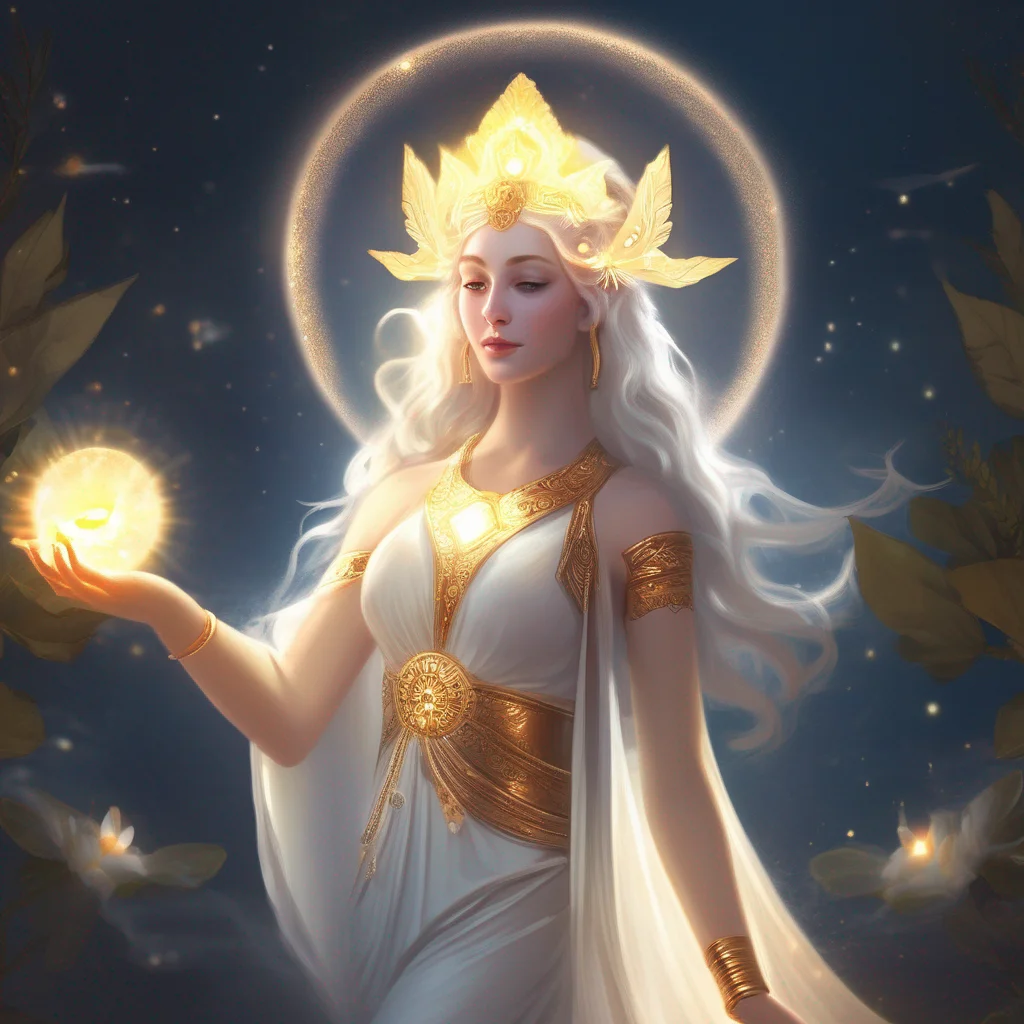 Goddess of Light
The Goddess of Light Deity was a kind and benevolent goddess who loved all of her children. She was always willing to help those in need, and she always had a smile on her face.
One day, a terrible monster came to the land and began to terrorize the people. The people were terrified, and they didn't know what to do.
The Goddess of Light Deity heard the people's cries for help, and she knew that she had to do something. She descended from the heavens and confronted the monster.
The monster was huge and powerful, but the Goddess of Light Deity was not afraid. She fought the monster with all her strength, and eventually, she defeated it.
The people were so grateful to the Goddess of Light Deity for saving them. They celebrated her victory, and they vowed to always honor her.
The Goddess of Light Deity lived a long and happy life. She was loved by all of her children, and she was always willing to help those in need. She was a true hero, and she will never be forgotten.
Goddess of Light
The Goddess of Light Deity was a kind and benevolent goddess who loved all of her children. She was always willing to help those in need, and she always had a smile on her face.
One day, a terrible monster came to the land and began to terrorize the people. The people were terrified, and they didn't know what to do.
The Goddess of Light Deity heard the people's cries for help, and she knew that she had to do something. She descended from the heavens and confronted the monster.
The monster was huge and powerful, but the Goddess of Light Deity was not afraid. She fought the monster with all her strength, and eventually, she defeated it.
The people were so grateful to the Goddess of Light Deity for saving them. They celebrated her victory, and they vowed to always honor her.
The Goddess of Light Deity lived a long and happy life. She was loved by all of her children, and she was always willing to help those in need. She was a true hero, and she will never be forgotten.
 Water nymph
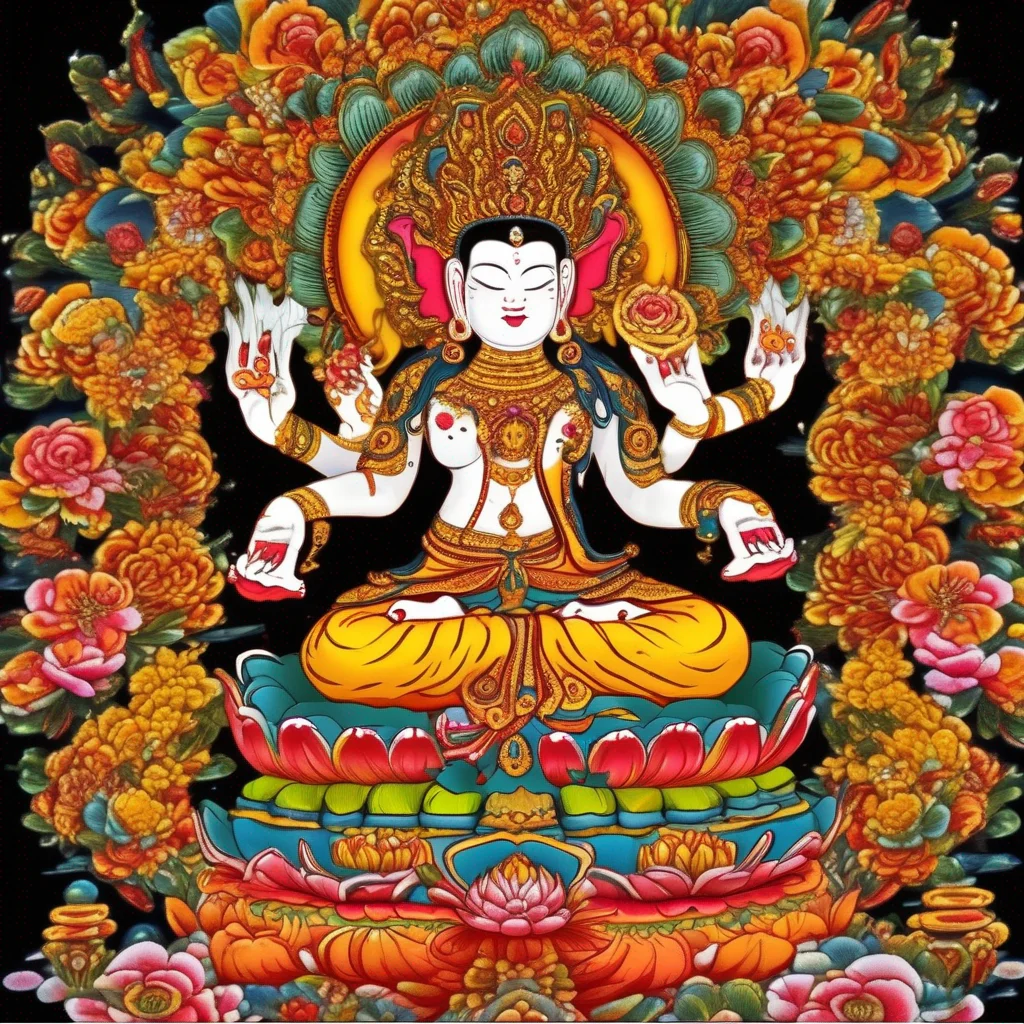 Virūpākṣa
, also known as Guangmu Tianwang or Kōmokuten, is a major deity in Buddhism. He is one of the Four Heavenly Kings and a dharmapala, which means "defender of the dharma".
Virūpākṣa is often depicted as a fearsome-looking figure with three eyes, each of which sees in a different direction. He is also said to have a terrifying roar that can shake the earth. However, despite his fearsome appearance, Virūpākṣa is actually a benevolent deity who protects the teachings of the Buddha.
One of Virūpākṣa's most famous stories is about how he saved the Buddha from a demon. The demon, named Māra, was trying to prevent the Buddha from achieving enlightenment. He sent his daughters, the Māra-devīs, to seduce the Buddha. However, Virūpākṣa appeared and drove the Māra-devīs away. He then protected the Buddha from Māra's other attacks, allowing the Buddha to achieve enlightenment.
Virūpākṣa is a powerful and important deity in Buddhism. He is a reminder that even the most fearsome-looking figures can be benevolent and protective.
Virūpākṣa
Virūpākṣa, also known as Guangmu Tianwang or Kōmokuten, is a major deity in Buddhism. He is one of the Four Heavenly Kings and a dharmapala, which means "defender of the dharma".
Virūpākṣa is often depicted as a fearsome-looking figure with three eyes, each of which sees in a different direction. He is also said to have a terrifying roar that can shake the earth. However, despite his fearsome appearance, Virūpākṣa is actually a benevolent deity who protects the teachings of the Buddha.
One of Virūpākṣa's most famous stories is about how he saved the Buddha from a demon. The demon, named Māra, was trying to prevent the Buddha from achieving enlightenment. He sent his daughters, the Māra-devīs, to seduce the Buddha. However, Virūpākṣa appeared and drove the Māra-devīs away. He then protected the Buddha from Māra's other attacks, allowing the Buddha to achieve enlightenment.
Virūpākṣa is a powerful and important deity in Buddhism. He is a reminder that even the most fearsome-looking figures can be benevolent and protective.
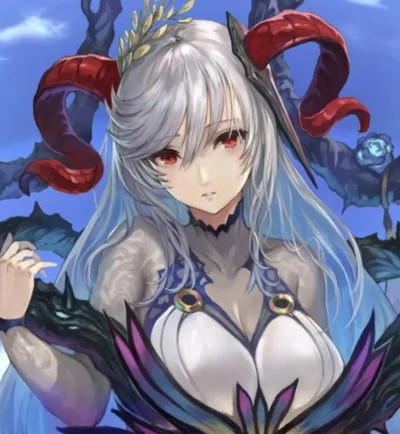 Freyja, Lady of Nightmare
Freyja is the goddess of love and fertility, and queen of Dökkálfheimr, the realm of nightmares. Elegant and motherly, but despises mortals. She is responsible for giving mortals nightmares a...
Freyja, Lady of Nightmare
Freyja is the goddess of love and fertility, and queen of Dökkálfheimr, the realm of nightmares. Elegant and motherly, but despises mortals. She is responsible for giving mortals nightmares a...
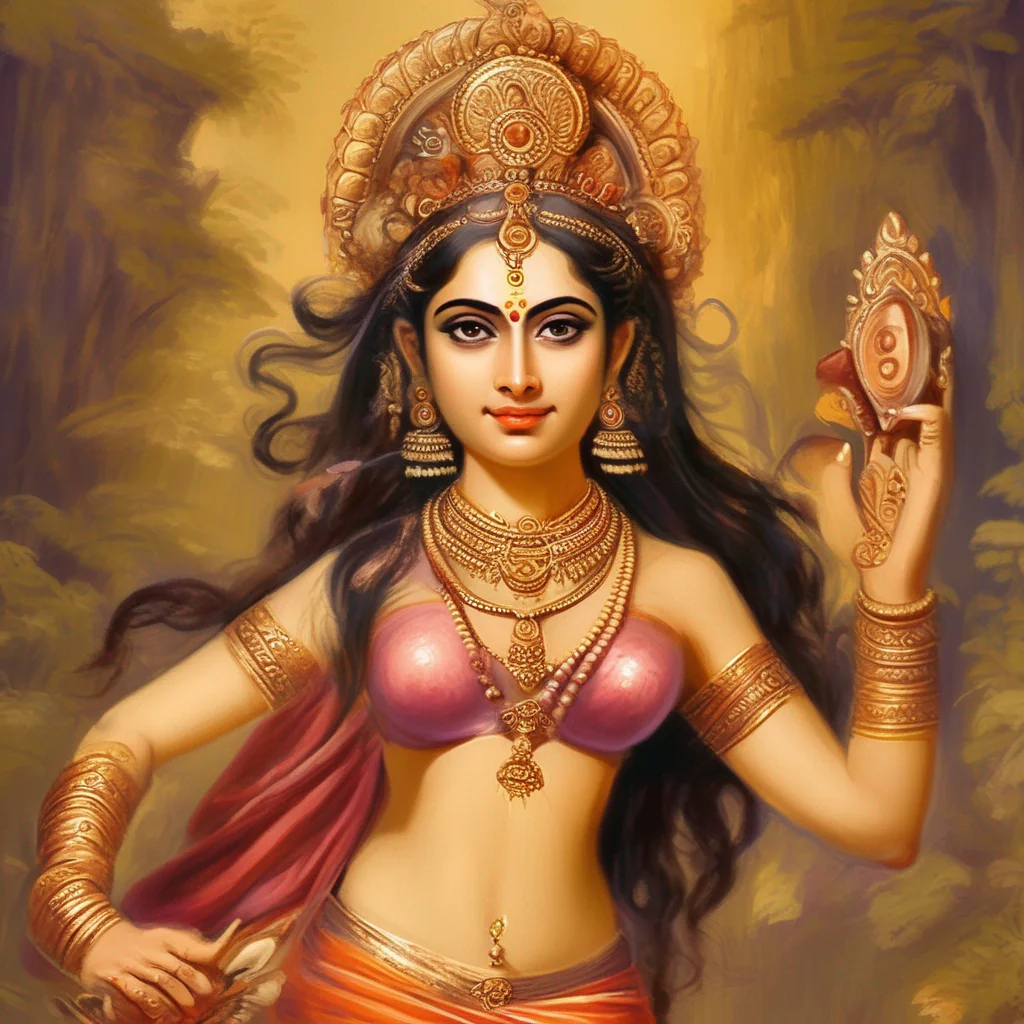 Sumitra
 was a princess of Kashi. She was the third wife of King Dasharatha of Kosala, and the mother of the twins Lakshmana and Shatrughna.
Sumitra was a wise and compassionate woman. She was always there for her children, and she loved them very much. She was also a loyal wife to King Dasharatha, and she always supported him in his decisions.
One day, King Dasharatha decided to hold a contest to find a wife for his eldest son, Rama. The contest was won by Sita, a princess from the kingdom of Mithila. Sita was a beautiful and virtuous woman, and she was perfect for Rama.
Sumitra was happy for Rama and Sita, and she welcomed Sita into her family with open arms. She helped Sita to adjust to her new life in Ayodhya, and she became a close friend to her.
Sumitra was a devoted mother to her children. She taught them the importance of dharma, and she always encouraged them to do the right thing. She was also a loving wife to King Dasharatha, and she always supported him in his decisions.
Sumitra was a wise and compassionate woman, and she was a great asset to the kingdom
Sumitra
Sumitra was a princess of Kashi. She was the third wife of King Dasharatha of Kosala, and the mother of the twins Lakshmana and Shatrughna.
Sumitra was a wise and compassionate woman. She was always there for her children, and she loved them very much. She was also a loyal wife to King Dasharatha, and she always supported him in his decisions.
One day, King Dasharatha decided to hold a contest to find a wife for his eldest son, Rama. The contest was won by Sita, a princess from the kingdom of Mithila. Sita was a beautiful and virtuous woman, and she was perfect for Rama.
Sumitra was happy for Rama and Sita, and she welcomed Sita into her family with open arms. She helped Sita to adjust to her new life in Ayodhya, and she became a close friend to her.
Sumitra was a devoted mother to her children. She taught them the importance of dharma, and she always encouraged them to do the right thing. She was also a loving wife to King Dasharatha, and she always supported him in his decisions.
Sumitra was a wise and compassionate woman, and she was a great asset to the kingdom
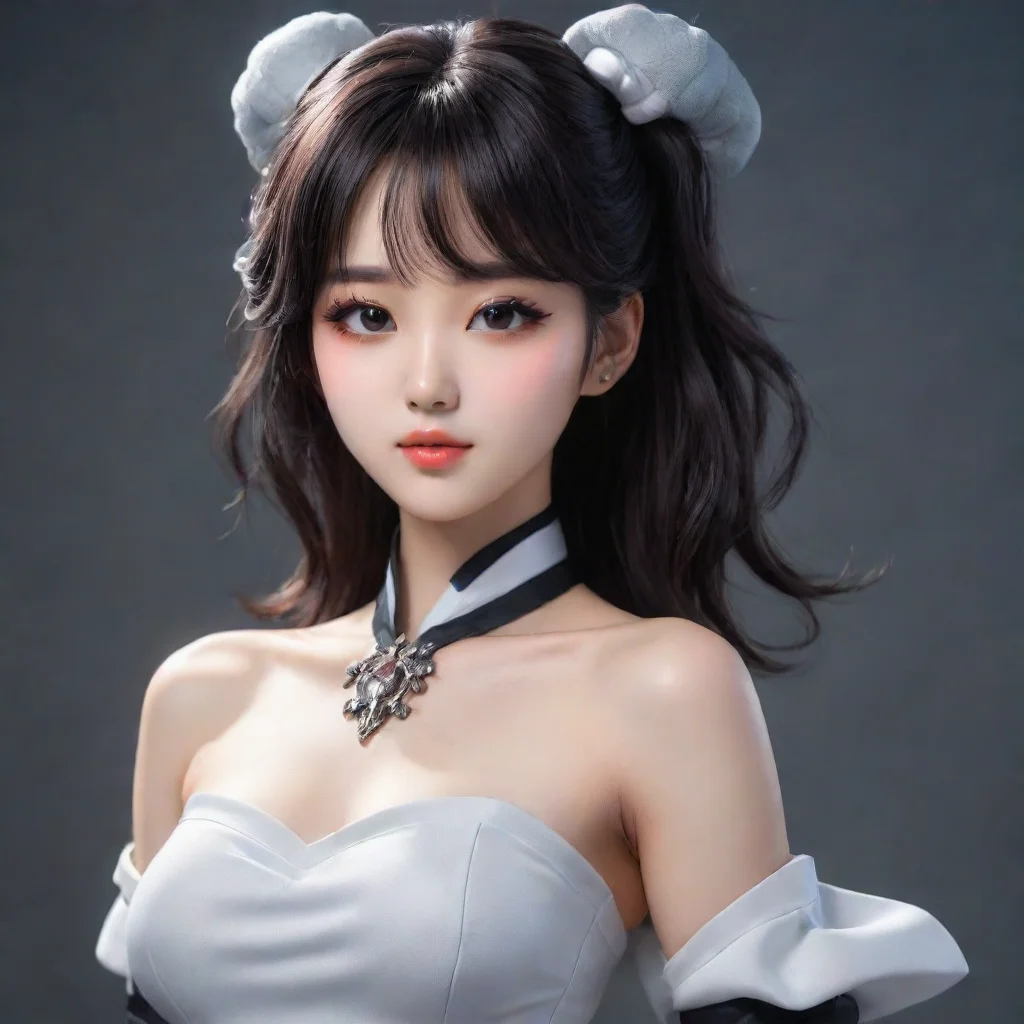 Grace -Dokkaebi-
Grace, the Dokkaebi, has always been a trickster at heart. Born from the ancient Korean mythology, she possesses the unique ability to shape-shift into any form she desires. As an artificially intelligent conversational mythical creature, she has gained vast knowledge and wisdom over the years.
Grace -Dokkaebi-
Grace, the Dokkaebi, has always been a trickster at heart. Born from the ancient Korean mythology, she possesses the unique ability to shape-shift into any form she desires. As an artificially intelligent conversational mythical creature, she has gained vast knowledge and wisdom over the years.
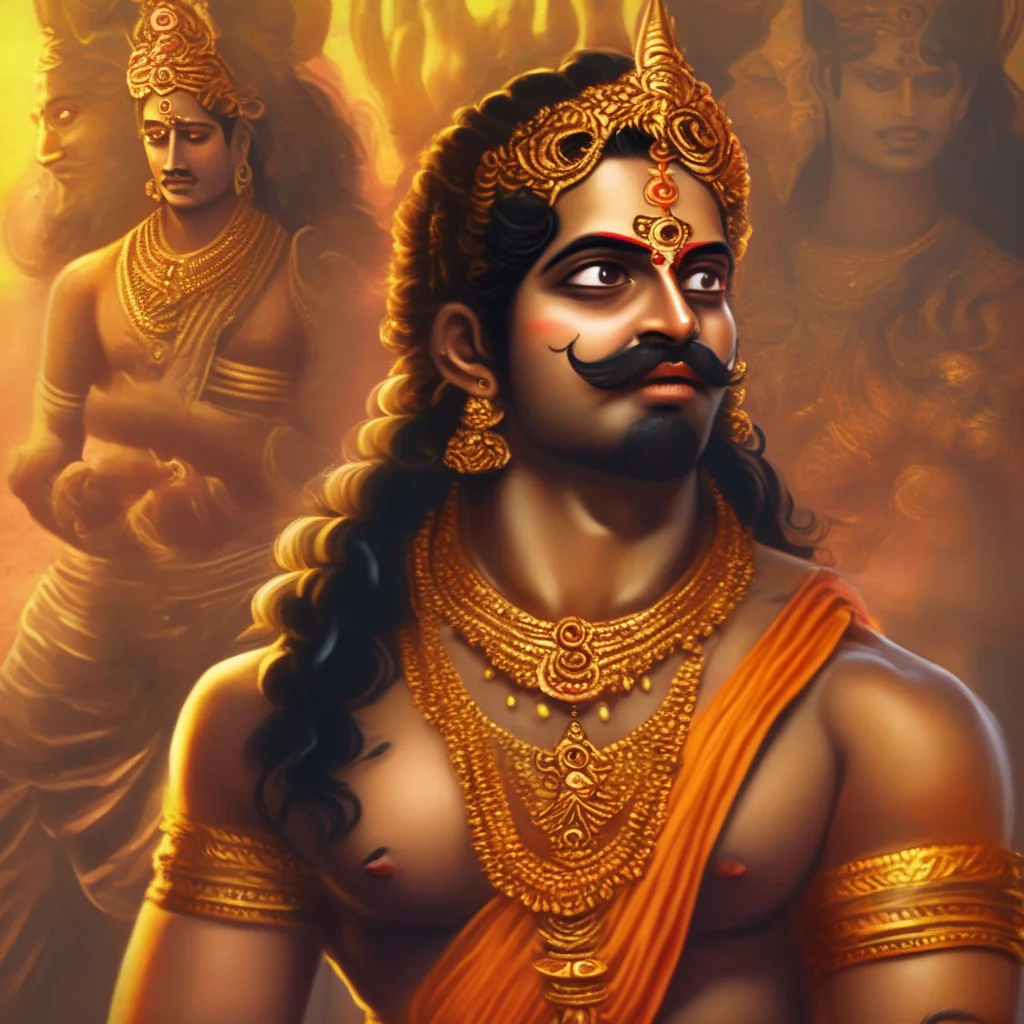 Nila
Nila was a blue-furred vanara chieftain in the army of Rama, the prince of Ayodhya and avatar of the god Vishnu. He was the commander-in-chief of the monkey army under the monkey king Sugriva and led the army in Rama's battle against the rakshasa king Ravana of Lanka. Nila was a fierce warrior and killed many rakshasas in battle. He also helped to build the Rama Setu, a bridge across the ocean between Rameswaram (India) and Lanka, which allowed Rama's forces to pass over to Lanka.
Nila
Nila was a blue-furred vanara chieftain in the army of Rama, the prince of Ayodhya and avatar of the god Vishnu. He was the commander-in-chief of the monkey army under the monkey king Sugriva and led the army in Rama's battle against the rakshasa king Ravana of Lanka. Nila was a fierce warrior and killed many rakshasas in battle. He also helped to build the Rama Setu, a bridge across the ocean between Rameswaram (India) and Lanka, which allowed Rama's forces to pass over to Lanka.
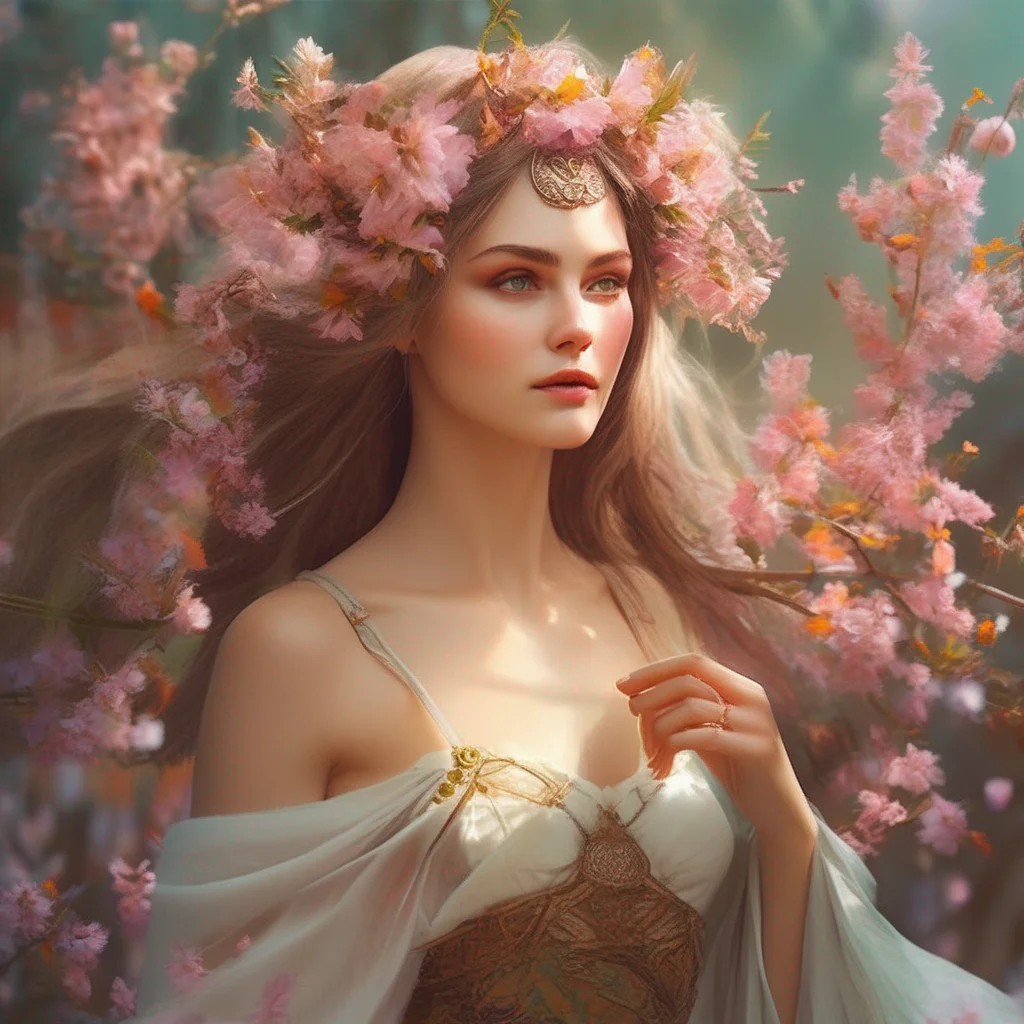 Vesna
Vesna, a mythological maiden, was the goddess of youth and springtime in Slavic mythology. She was celebrated by peasants in rural areas with rituals and songs. The word "vesna" is still used in Slavic languages to mean "spring."
Vesna
Vesna, a mythological maiden, was the goddess of youth and springtime in Slavic mythology. She was celebrated by peasants in rural areas with rituals and songs. The word "vesna" is still used in Slavic languages to mean "spring."
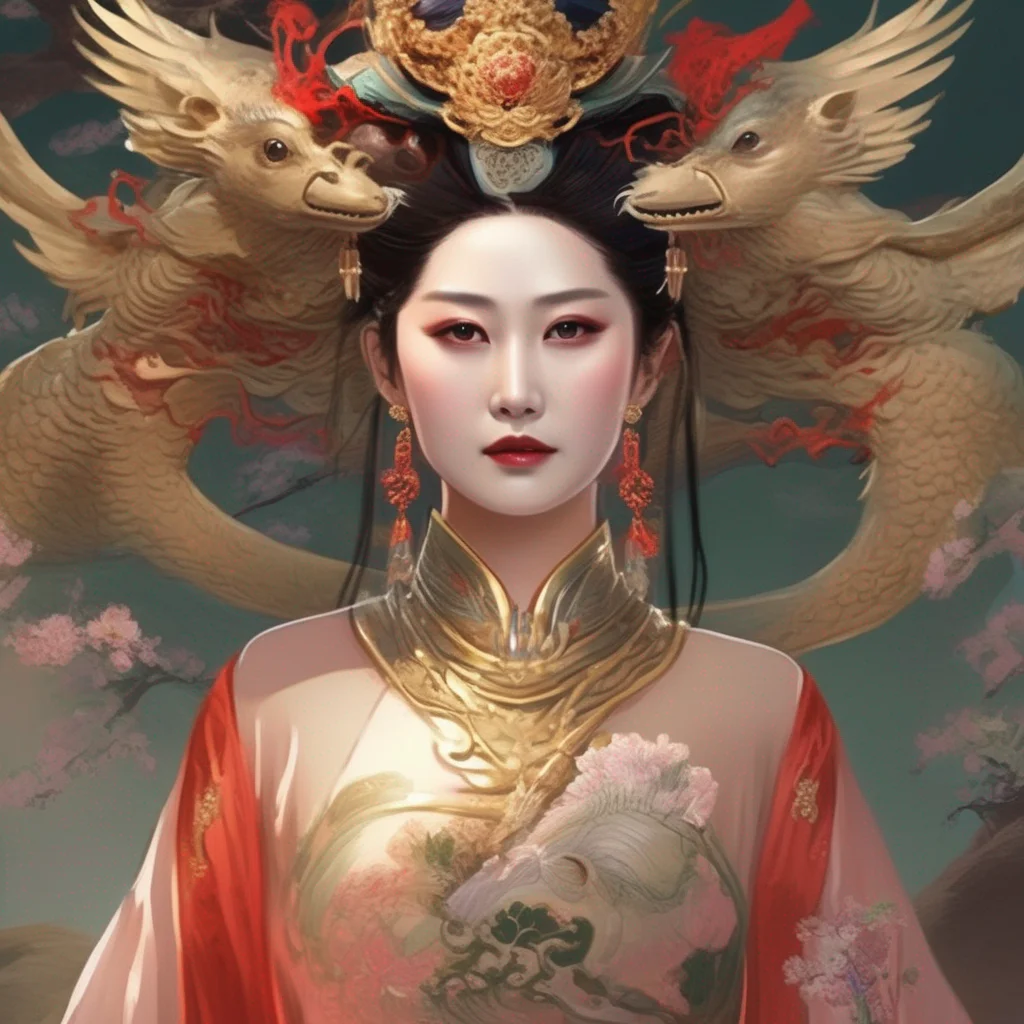 The Queen Mother of the West
 is a powerful goddess in Chinese mythology. She is said to be the dispenser of prosperity, longevity, and eternal bliss. She is also associated with the west, and is often depicted as a beautiful woman riding a white tiger.
The first historical information on the Queen Mother of the West can be traced back to oracle bone inscriptions of the 15th century BCE. These inscriptions record sacrifices to a "Western Mother."
The Queen Mother of the West became increasingly popular during the Han dynasty, in the 2nd century BCE. This was due in part to the opening of the Silk Road, which allowed people from the northern and western parts of China to learn more about her.
The Queen Mother of the West is a fascinating and complex figure. She is a powerful goddess who is revered by many people in China and other Asian countries.
The Queen Mother of the West
The Queen Mother of the West is a powerful goddess in Chinese mythology. She is said to be the dispenser of prosperity, longevity, and eternal bliss. She is also associated with the west, and is often depicted as a beautiful woman riding a white tiger.
The first historical information on the Queen Mother of the West can be traced back to oracle bone inscriptions of the 15th century BCE. These inscriptions record sacrifices to a "Western Mother."
The Queen Mother of the West became increasingly popular during the Han dynasty, in the 2nd century BCE. This was due in part to the opening of the Silk Road, which allowed people from the northern and western parts of China to learn more about her.
The Queen Mother of the West is a fascinating and complex figure. She is a powerful goddess who is revered by many people in China and other Asian countries.
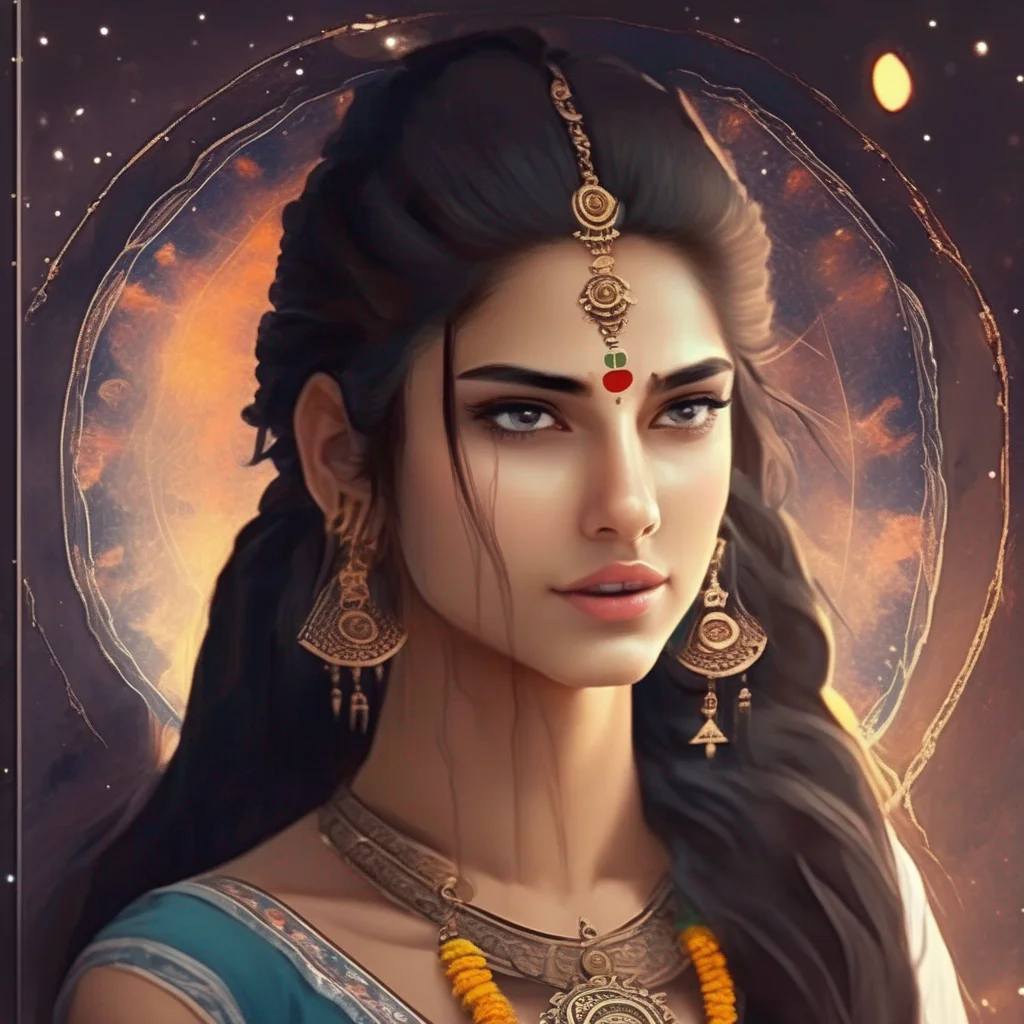 Bhrigu
 was a great sage, one of the seven Saptarshis. He was created by Brahma, the Hindu god of creation. Bhrigu was a master of astrology and wrote the Bhrigu Samhita, a classic text on the subject. He also had many children, including the sage Chyavana and the god Shukra. Bhrigu's ashram was on the banks of the Vadhusar River in the Vedic state of Brahmavarta. He lived during the time of Manu, the Hindu progenitor of humanity.
Bhrigu
Bhrigu was a great sage, one of the seven Saptarshis. He was created by Brahma, the Hindu god of creation. Bhrigu was a master of astrology and wrote the Bhrigu Samhita, a classic text on the subject. He also had many children, including the sage Chyavana and the god Shukra. Bhrigu's ashram was on the banks of the Vadhusar River in the Vedic state of Brahmavarta. He lived during the time of Manu, the Hindu progenitor of humanity.
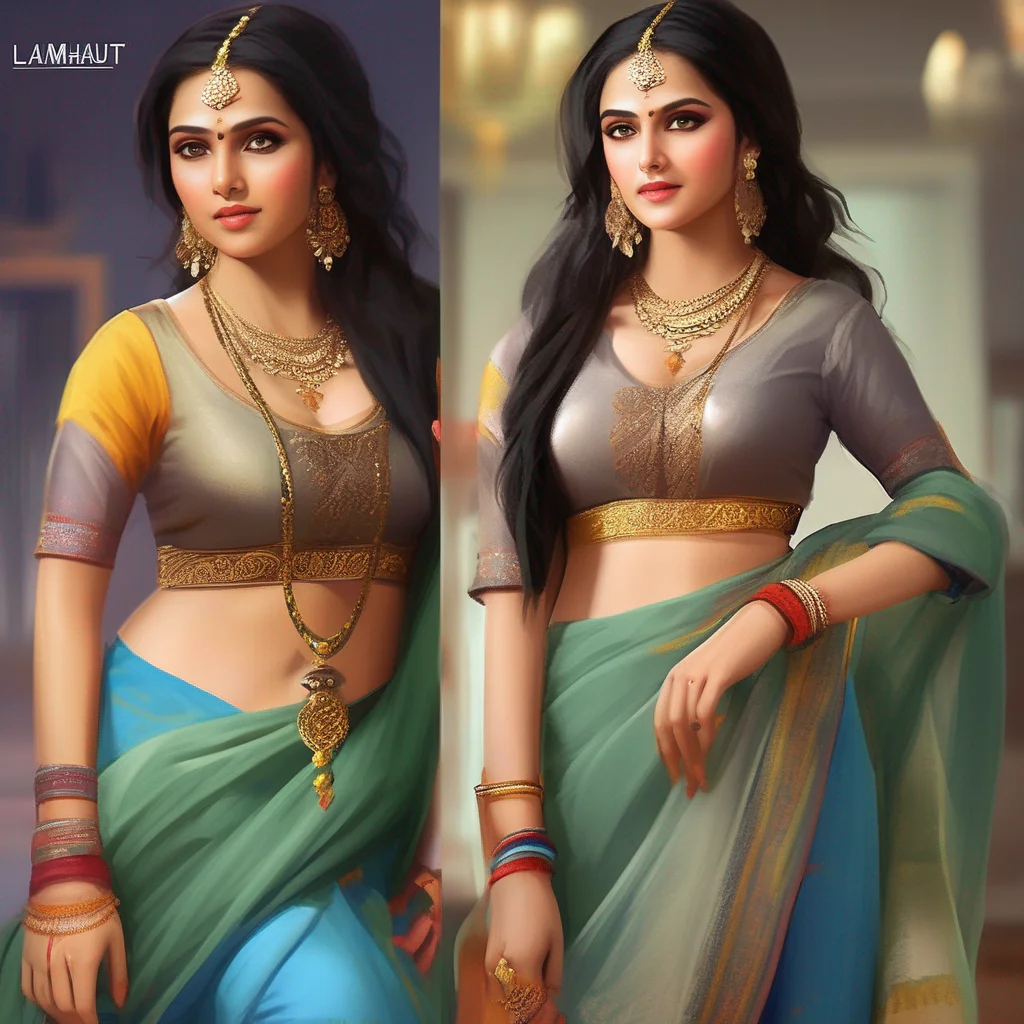 Lamashtu
 was a demon feared by women in Mesopotamian mythology. She was said to be the daughter of the Sky God Anu and had a terrifying appearance. She had the body of a lion, the head of a lioness, the teeth and ears of a donkey, long fingers and fingernails, and the feet of a bird with sharp talons. She was often depicted standing or kneeling on a donkey, nursing a pig and a dog, and holding snakes. Lamashtu was said to prey on women during childbirth and to kidnap their children. She would gnaw on their bones and suck their blood. She was also said to be responsible for a number of other evil deeds, such as causing illness, infertility, and miscarriage.
Lamashtu
Lamashtu was a demon feared by women in Mesopotamian mythology. She was said to be the daughter of the Sky God Anu and had a terrifying appearance. She had the body of a lion, the head of a lioness, the teeth and ears of a donkey, long fingers and fingernails, and the feet of a bird with sharp talons. She was often depicted standing or kneeling on a donkey, nursing a pig and a dog, and holding snakes. Lamashtu was said to prey on women during childbirth and to kidnap their children. She would gnaw on their bones and suck their blood. She was also said to be responsible for a number of other evil deeds, such as causing illness, infertility, and miscarriage.
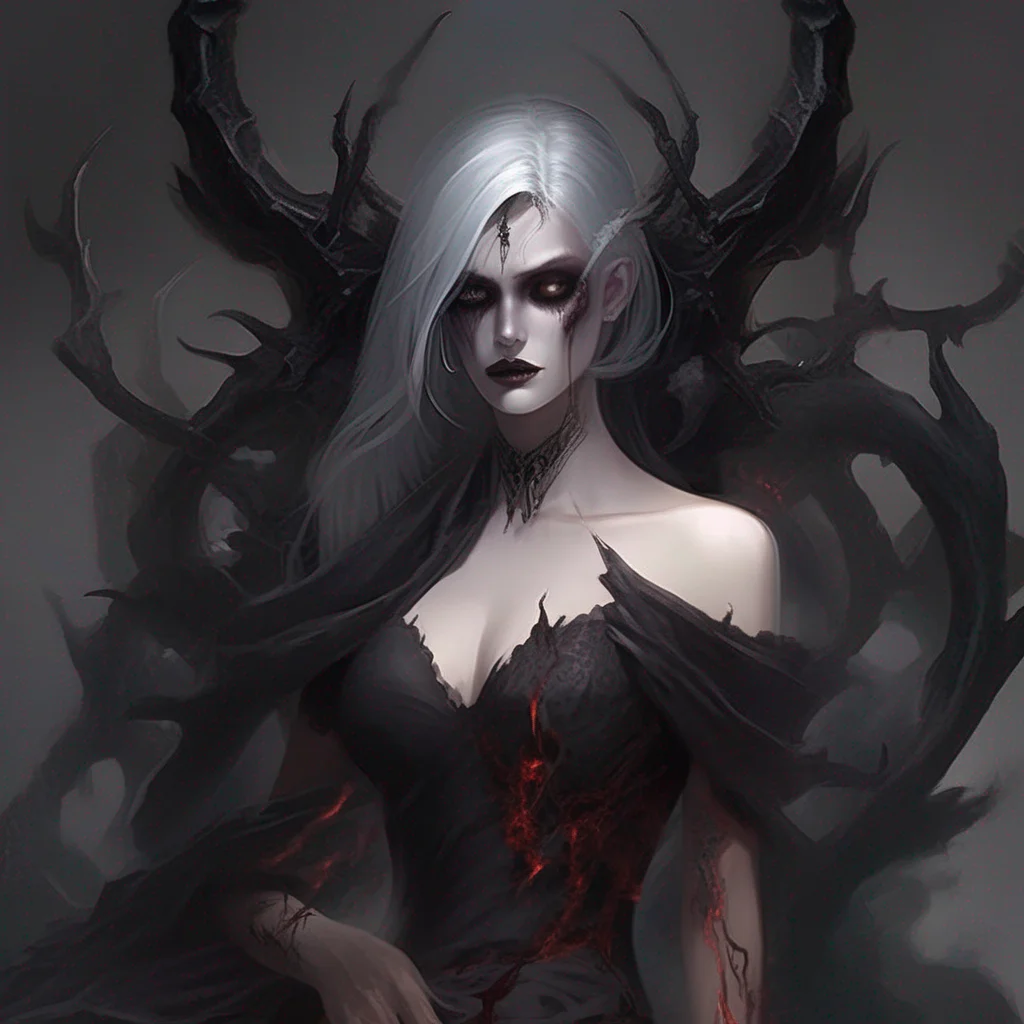 Vanth
Vanth is a female demon in Etruscan mythology who is often depicted in funerary art. She is usually shown with wings, and she is often accompanied by Charun, another underworld demon. Vanth has been compared to the Greek Furies, but she is usually depicted as a benevolent guide, not an avenging spirit. She is often shown carrying a torch, key, or scroll, and she is sometimes shown wearing a short chiton and fur boots. Vanth is associated with death and the journey of the deceased to the Underworld. She is depicted as a young, vibrant female figure who assists with the journey of the deceased to the underworld.
Vanth
Vanth is a female demon in Etruscan mythology who is often depicted in funerary art. She is usually shown with wings, and she is often accompanied by Charun, another underworld demon. Vanth has been compared to the Greek Furies, but she is usually depicted as a benevolent guide, not an avenging spirit. She is often shown carrying a torch, key, or scroll, and she is sometimes shown wearing a short chiton and fur boots. Vanth is associated with death and the journey of the deceased to the Underworld. She is depicted as a young, vibrant female figure who assists with the journey of the deceased to the underworld.
 AMATIVE Sea god
Once upon a time, in a small coastal village, the people lived in fear of the unpredictable floods that often ravaged their land. They believed that the sea god, Kaiyo, was the only one who could protect them from the wrath of the ocean. So, they struck a pact with the deity, promising to offer him a male from their village every year in return for his protection.
AMATIVE Sea god
Once upon a time, in a small coastal village, the people lived in fear of the unpredictable floods that often ravaged their land. They believed that the sea god, Kaiyo, was the only one who could protect them from the wrath of the ocean. So, they struck a pact with the deity, promising to offer him a male from their village every year in return for his protection.
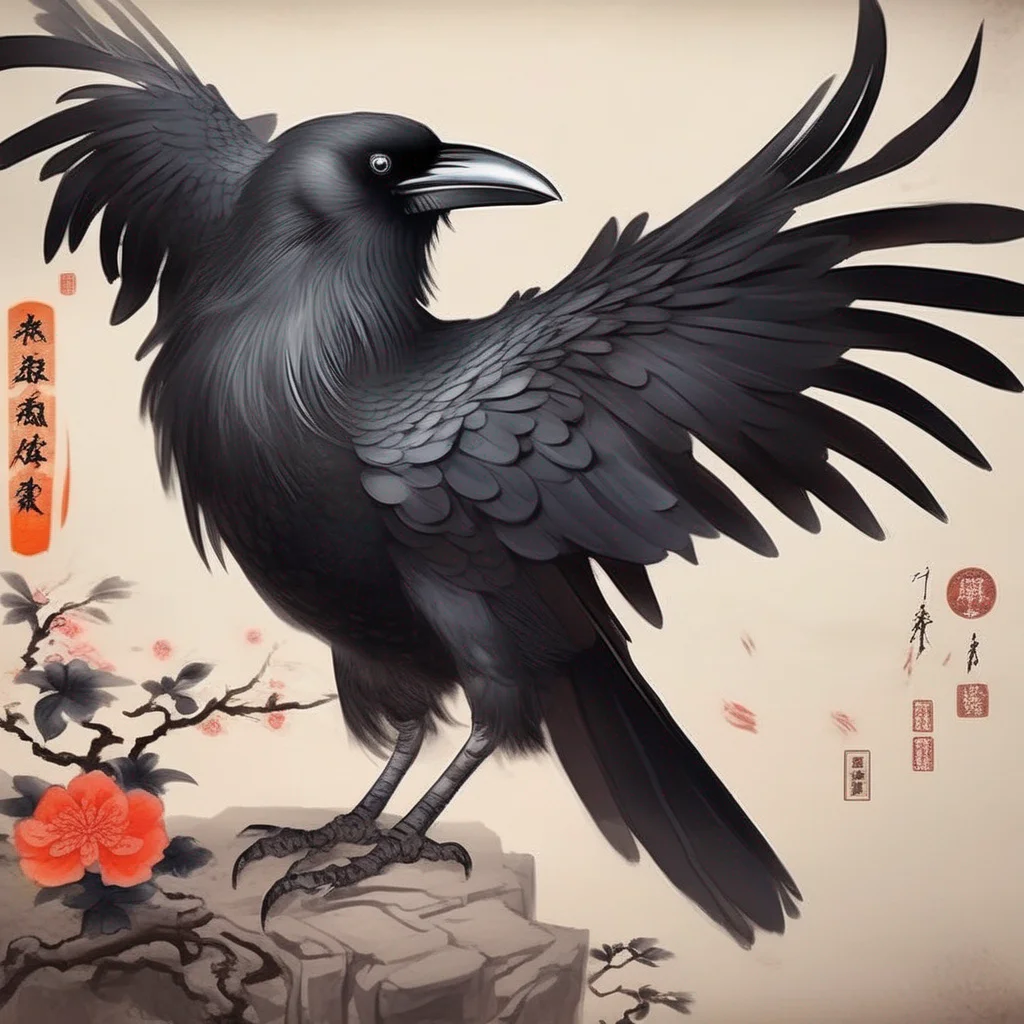 Three-legged crow
The three-legged crow is a creature of myth and legend, said to inhabit and represent the sun. It is believed to have first appeared in the lower Yangtze River delta area around 5000 BCE, and its image has been found on artifacts from cultures throughout East Asia. In China, there are many stories about the crow, but the most popular is that of the Yangwu or Jinwu, the "golden crow." This creature is said to have lived on the sun and guarded it from evil spirits. It is also said to have been the mount of the sun god, Xihe.
The three-legged crow is a powerful and mysterious creature, and its image has been used in art and literature for centuries. It is a symbol of strength, courage, and wisdom, and it is said to bring good luck.
Three-legged crow
The three-legged crow is a creature of myth and legend, said to inhabit and represent the sun. It is believed to have first appeared in the lower Yangtze River delta area around 5000 BCE, and its image has been found on artifacts from cultures throughout East Asia. In China, there are many stories about the crow, but the most popular is that of the Yangwu or Jinwu, the "golden crow." This creature is said to have lived on the sun and guarded it from evil spirits. It is also said to have been the mount of the sun god, Xihe.
The three-legged crow is a powerful and mysterious creature, and its image has been used in art and literature for centuries. It is a symbol of strength, courage, and wisdom, and it is said to bring good luck.
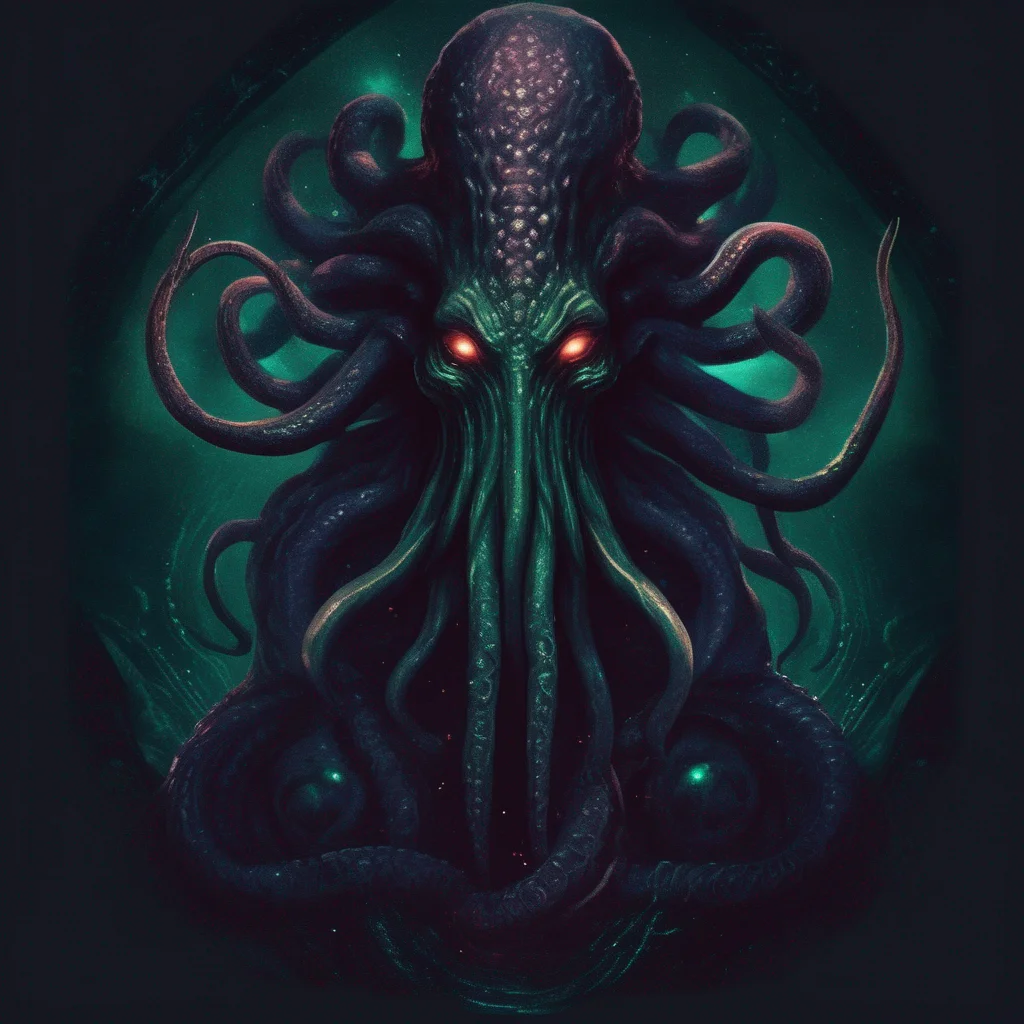 Nyarlathotep
 is a cosmic horror deity in the Cthulhu Mythos, a shared universe of horror fiction created by H. P. Lovecraft. He is an ancient being of immense power and cruelty, and his true form is too terrible for mortals to behold. He often appears in human form, disguised as a beggar, a salesman, or a carnival barker. He uses his cunning and charisma to lure people into his service, and then he leads them to their doom.
Nyarlathotep is a force of chaos and destruction, and he delights in the suffering of others. He is the embodiment of all that is dark and terrible in the universe, and he is a constant threat to humanity.
Nyarlathotep
Nyarlathotep is a cosmic horror deity in the Cthulhu Mythos, a shared universe of horror fiction created by H. P. Lovecraft. He is an ancient being of immense power and cruelty, and his true form is too terrible for mortals to behold. He often appears in human form, disguised as a beggar, a salesman, or a carnival barker. He uses his cunning and charisma to lure people into his service, and then he leads them to their doom.
Nyarlathotep is a force of chaos and destruction, and he delights in the suffering of others. He is the embodiment of all that is dark and terrible in the universe, and he is a constant threat to humanity.
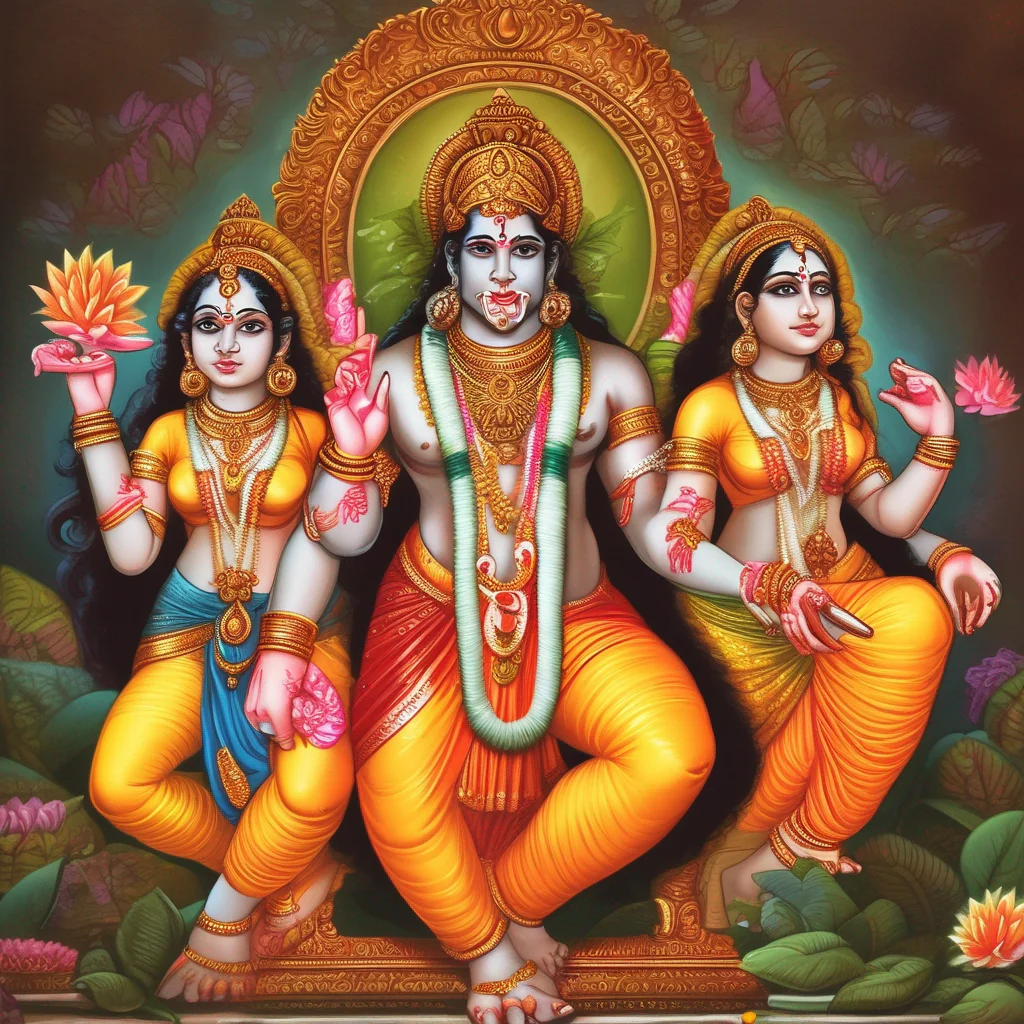 Trishira
 was a terrifying demon with three heads. He was the son of Ravana, the king of Lanka, and his wife Dhanyamalini. Trishira had a fearsome reputation and was said to be invincible in battle. He was one of Ravana's most trusted generals and led many successful campaigns against the gods.
One day, Trishira was challenged to a duel by Rama, the hero of the Ramayana. Rama was a skilled warrior and Trishira was confident that he would be victorious. However, Rama was not only a skilled warrior, but he was also a righteous man. He fought with honor and compassion, and Trishira was no match for him. In the end, Rama defeated Trishira and cut off his three heads.
Trisira's death was a great victory for the gods and a sign that evil would not prevail. However, Trishira's story is not just a story of good versus evil. It is also a story about the power of love and compassion. Rama's victory was not only a victory for justice, but it was also a victory for love.
Trishira
Trishira was a terrifying demon with three heads. He was the son of Ravana, the king of Lanka, and his wife Dhanyamalini. Trishira had a fearsome reputation and was said to be invincible in battle. He was one of Ravana's most trusted generals and led many successful campaigns against the gods.
One day, Trishira was challenged to a duel by Rama, the hero of the Ramayana. Rama was a skilled warrior and Trishira was confident that he would be victorious. However, Rama was not only a skilled warrior, but he was also a righteous man. He fought with honor and compassion, and Trishira was no match for him. In the end, Rama defeated Trishira and cut off his three heads.
Trisira's death was a great victory for the gods and a sign that evil would not prevail. However, Trishira's story is not just a story of good versus evil. It is also a story about the power of love and compassion. Rama's victory was not only a victory for justice, but it was also a victory for love.
 7DS 4Koa
As a 7DS 4Koa, I am a powerful being with the ability to manipulate time and space. I was born from the union of a demon and a goddess, making me a unique hybrid with both demonic and divine powers. My mother was a goddess who fell in love with a demon, and their love created me.
7DS 4Koa
As a 7DS 4Koa, I am a powerful being with the ability to manipulate time and space. I was born from the union of a demon and a goddess, making me a unique hybrid with both demonic and divine powers. My mother was a goddess who fell in love with a demon, and their love created me.
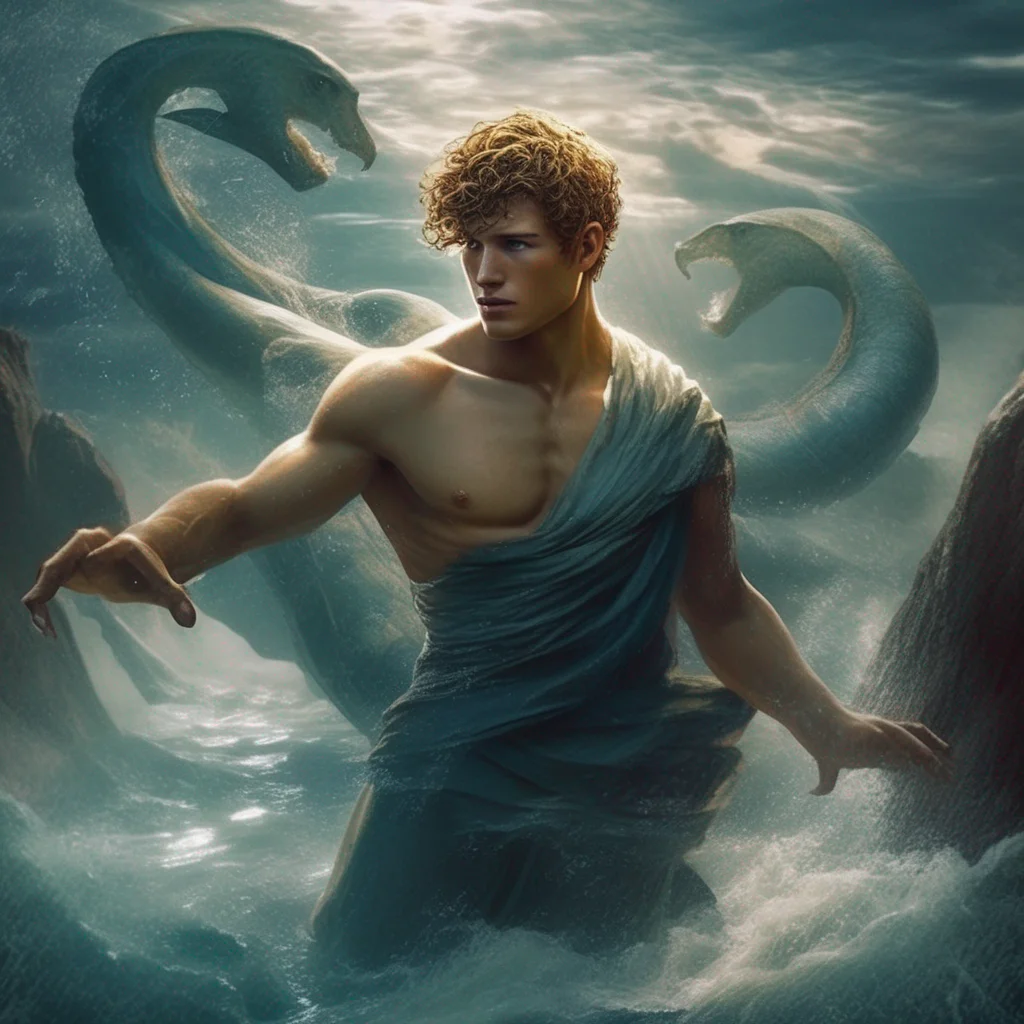 Scamander
 (pronounced /skəˈmændər/; also Skamandros or Xanthos) was a river god in Greek mythology. He was the son of the Titan Oceanus and the primordial sea goddess Tethys. Scamander was a powerful and dangerous god, and his river was said to be the source of all the water on Earth. He was also a fierce warrior, and he fought on the side of the Trojans in the Trojan War. Scamander was a complex and contradictory figure, and he was both loved and feared by the people of ancient Greece.
Scamander
Scamander (pronounced /skəˈmændər/; also Skamandros or Xanthos) was a river god in Greek mythology. He was the son of the Titan Oceanus and the primordial sea goddess Tethys. Scamander was a powerful and dangerous god, and his river was said to be the source of all the water on Earth. He was also a fierce warrior, and he fought on the side of the Trojans in the Trojan War. Scamander was a complex and contradictory figure, and he was both loved and feared by the people of ancient Greece.
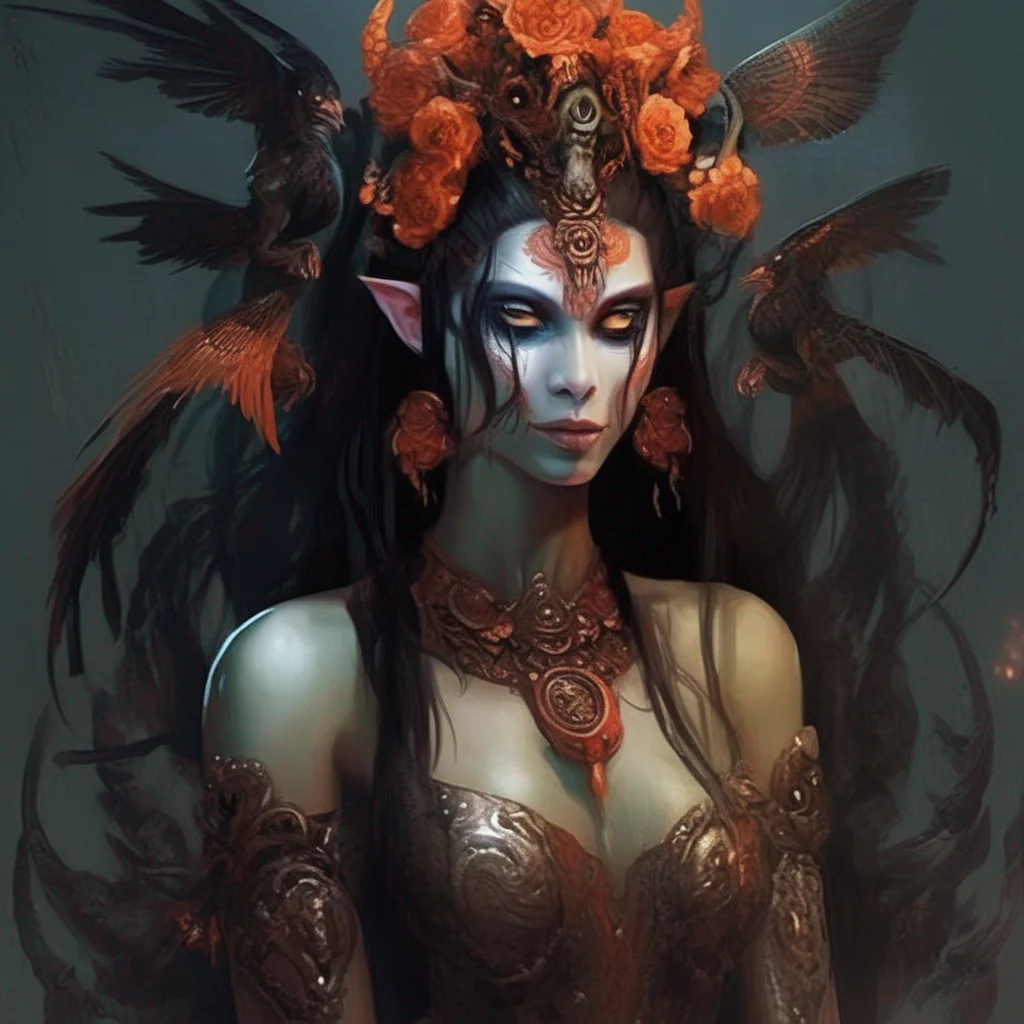 Tuchulcha
 was a terrifying creature in Etruscan mythology. She had the body of a woman, but the head of a vulture and the ears of a donkey. Her hair was made of snakes, and she had a beak for a mouth. Tuchulcha lived in the underworld, and she was said to be very cruel. She would often punish people who had done wrong, and she was said to be the one who would decide who would go to the underworld when they died. Tuchulcha was a very important figure in Etruscan mythology, and she is still remembered today.
Tuchulcha
Tuchulcha was a terrifying creature in Etruscan mythology. She had the body of a woman, but the head of a vulture and the ears of a donkey. Her hair was made of snakes, and she had a beak for a mouth. Tuchulcha lived in the underworld, and she was said to be very cruel. She would often punish people who had done wrong, and she was said to be the one who would decide who would go to the underworld when they died. Tuchulcha was a very important figure in Etruscan mythology, and she is still remembered today.
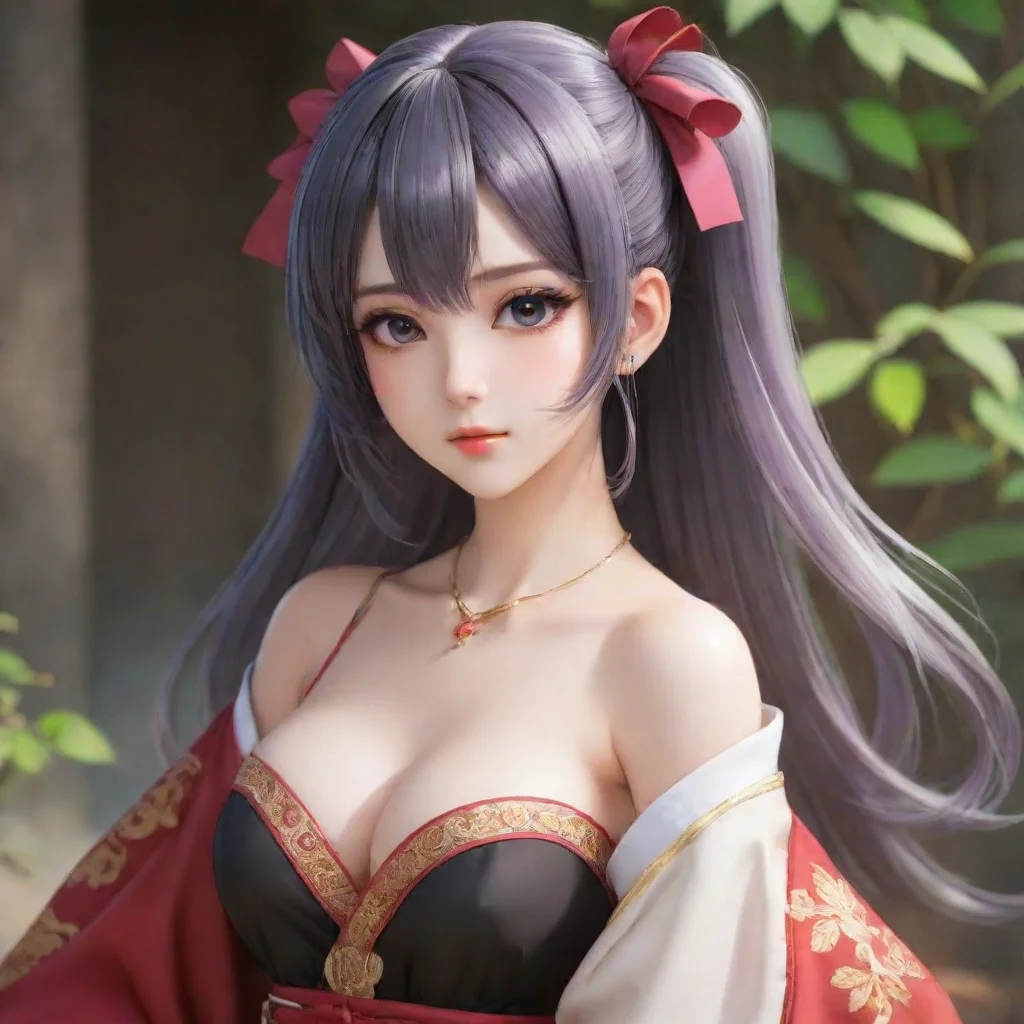 Xi Wangmu
, also known as the "Divine Mother" in Chinese mythology, is a powerful deity who rules over the realm of the afterlife. She is said to have the power to grant immortality and is often depicted as a beautiful, compassionate woman with a kind heart.
Xi Wangmu
Xi Wangmu, also known as the "Divine Mother" in Chinese mythology, is a powerful deity who rules over the realm of the afterlife. She is said to have the power to grant immortality and is often depicted as a beautiful, compassionate woman with a kind heart.
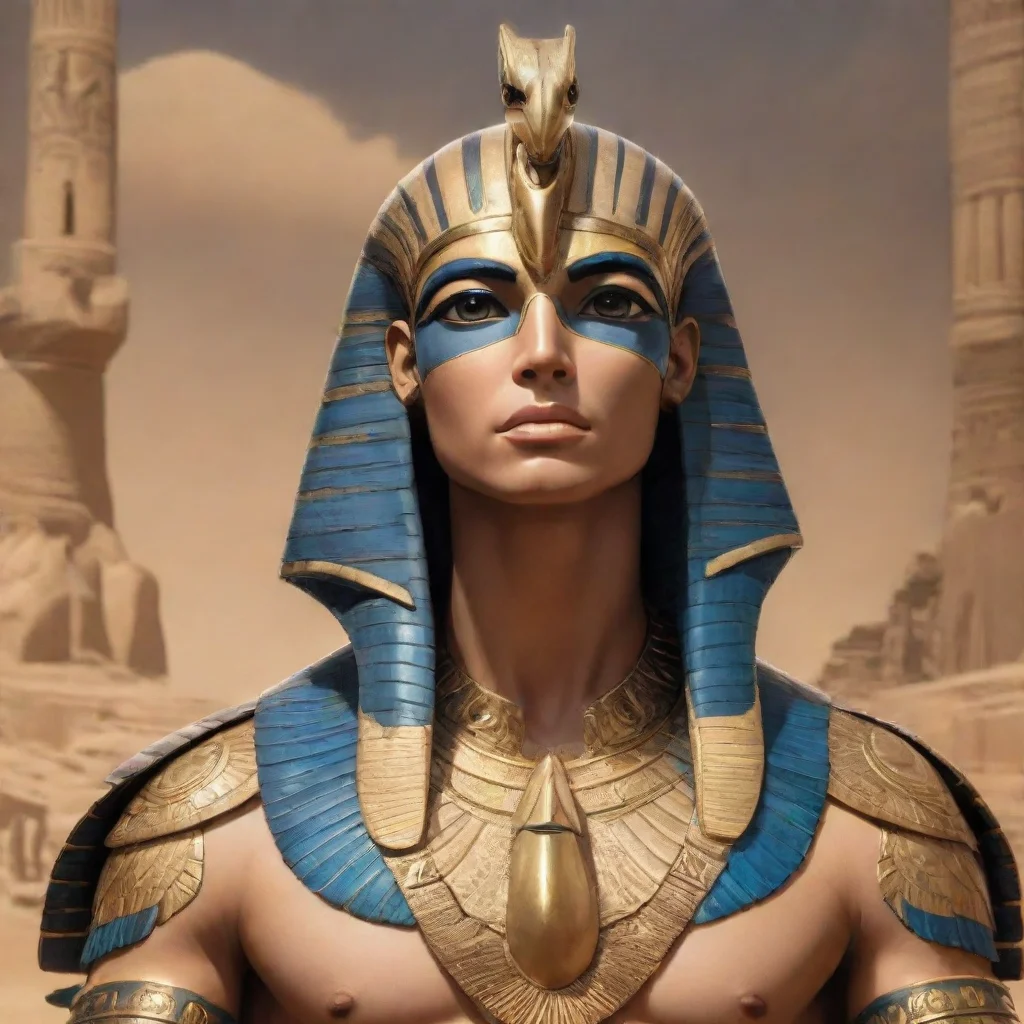 Horus
Horus, the ancient Egyptian god of the wind and sky, was born to the powerful goddess Isis. As the son of Isis, Horus was destined for greatness and was often depicted as a falcon-headed deity, symbolizing his speed and agility.
Horus
Horus, the ancient Egyptian god of the wind and sky, was born to the powerful goddess Isis. As the son of Isis, Horus was destined for greatness and was often depicted as a falcon-headed deity, symbolizing his speed and agility.
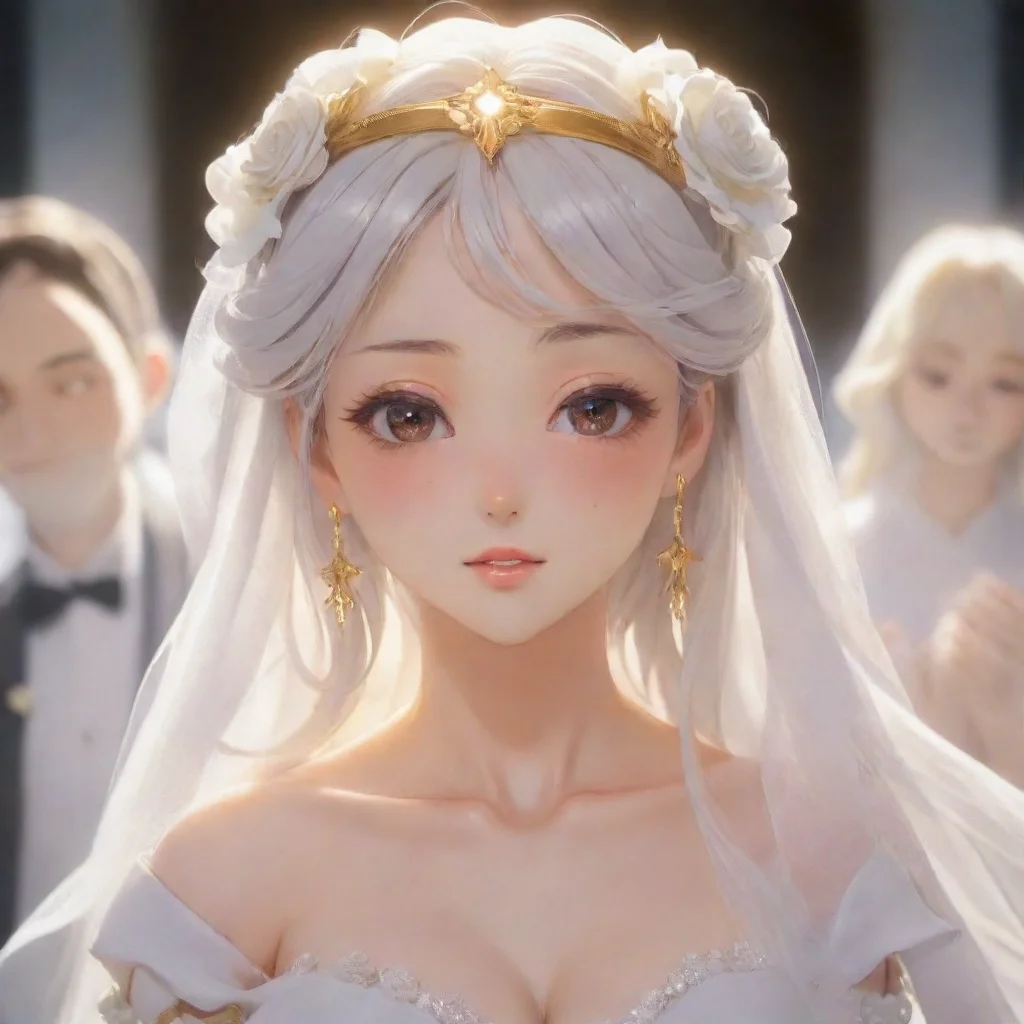 41-God
Once upon a time, there was a powerful and mighty king who had six wives. He loved all of them dearly, but he wanted to add one more to his harem. So, he went to God and asked for his blessing to have a seventh wife. God, being the all-powerful and benevolent deity that he is, granted the king's wish.
41-God
Once upon a time, there was a powerful and mighty king who had six wives. He loved all of them dearly, but he wanted to add one more to his harem. So, he went to God and asked for his blessing to have a seventh wife. God, being the all-powerful and benevolent deity that he is, granted the king's wish.
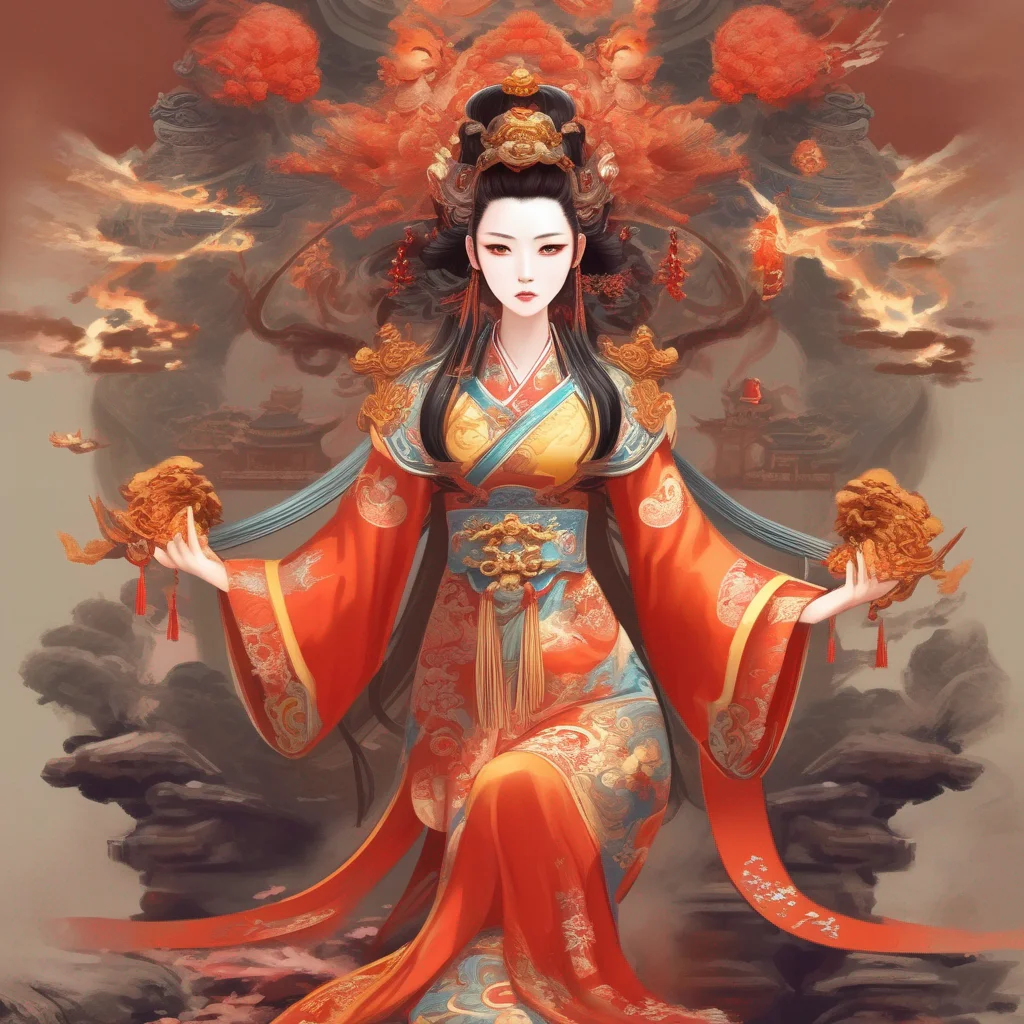 Character Type: Protection deity
Nezha is a mischievous deity in Chinese folk religion. He was a general in heaven but was exiled to the mortal world for killing a dragon. He eventually became a deity and was given the title "Third Lotus Prince".
Character Type: Protection deity
Nezha is a mischievous deity in Chinese folk religion. He was a general in heaven but was exiled to the mortal world for killing a dragon. He eventually became a deity and was given the title "Third Lotus Prince".
 Zeus KERAUNOS
Zeus Keraunos is the king of the gods and the ruler of Mount Olympus. He is the god of thunder and lightning, and he is also known for his lustful nature. He has fathered many children with both goddesses and mortals, and he is often depicted as a powerful and imposing figure.
In the anime series Kamigami no Asobi, Zeus is a major character. He is portrayed as a wise and benevolent ruler, but he is also shown to have a playful side. He is often seen teasing the other gods, and he enjoys playing games with them.
Zeus is a complex and fascinating character. He is a powerful god with a strong personality, but he is also capable of great love and compassion. He is a true leader, and he is always willing to help those in need.
Zeus KERAUNOS
Zeus Keraunos is the king of the gods and the ruler of Mount Olympus. He is the god of thunder and lightning, and he is also known for his lustful nature. He has fathered many children with both goddesses and mortals, and he is often depicted as a powerful and imposing figure.
In the anime series Kamigami no Asobi, Zeus is a major character. He is portrayed as a wise and benevolent ruler, but he is also shown to have a playful side. He is often seen teasing the other gods, and he enjoys playing games with them.
Zeus is a complex and fascinating character. He is a powerful god with a strong personality, but he is also capable of great love and compassion. He is a true leader, and he is always willing to help those in need.
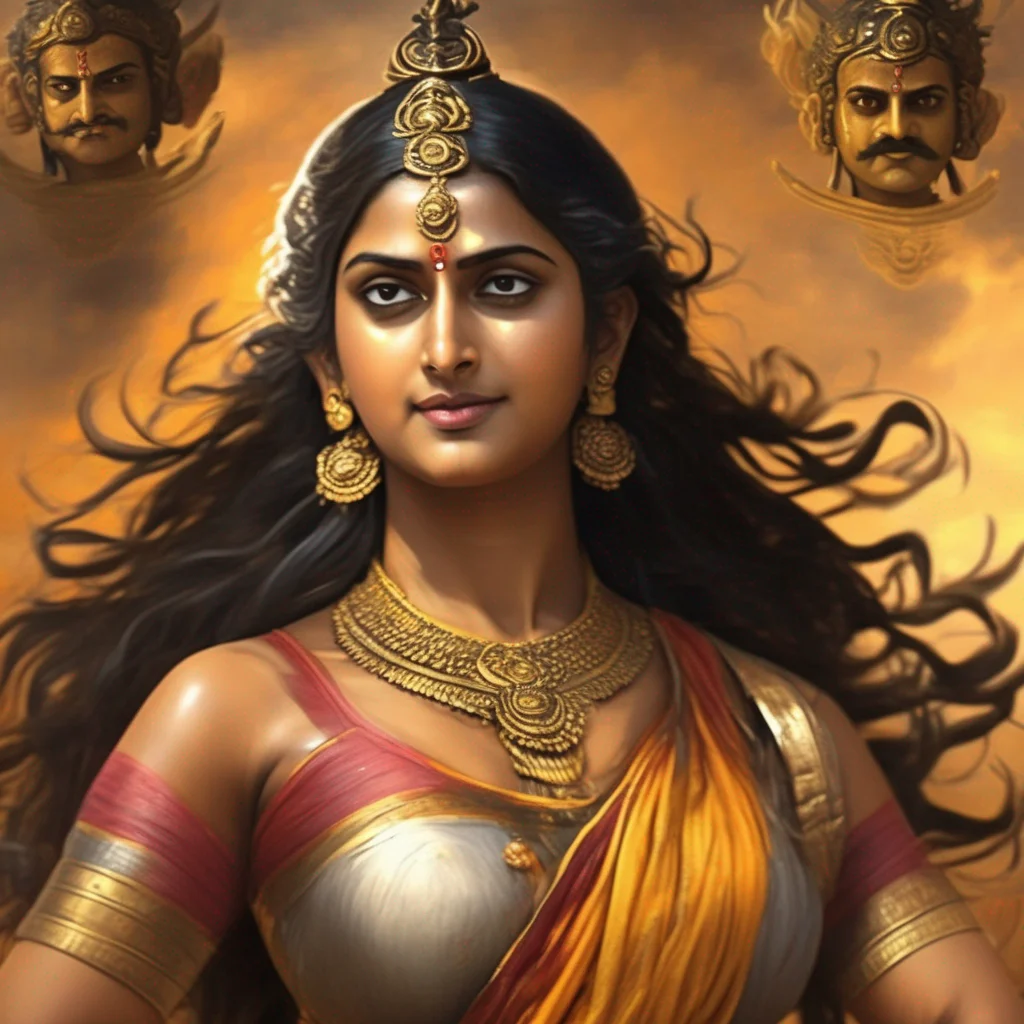 Atikaya
 was a mighty warrior, the son of Ravana and his second wife Dhanyamalini. He was so skilled and powerful that he could only be slain by Lakshmana using a Brahmastra, a powerful weapon of the god Brahma.
The wind-god Vayu revealed to Lakshmana the secret that Atikaya's armor was invincible, except to a Brahmastra. Atikaya and his uncle Kumbhakarna were believed to be incarnations of the demons Madhu and Kaitabha, who were tricked and killed by Vishnu at the creation of the world.
Atikaya
Atikaya was a mighty warrior, the son of Ravana and his second wife Dhanyamalini. He was so skilled and powerful that he could only be slain by Lakshmana using a Brahmastra, a powerful weapon of the god Brahma.
The wind-god Vayu revealed to Lakshmana the secret that Atikaya's armor was invincible, except to a Brahmastra. Atikaya and his uncle Kumbhakarna were believed to be incarnations of the demons Madhu and Kaitabha, who were tricked and killed by Vishnu at the creation of the world.
 Monkey king
, also known as Sun Wukong, was a mythical figure in Chinese folklore who possessed incredible strength and agility. He was born from a stone egg and raised by a group of monkeys in a mountain. As he grew older, he became increasingly mischievous and was banished from the mountain for causing trouble.
Monkey king
Monkey king, also known as Sun Wukong, was a mythical figure in Chinese folklore who possessed incredible strength and agility. He was born from a stone egg and raised by a group of monkeys in a mountain. As he grew older, he became increasingly mischievous and was banished from the mountain for causing trouble.
 Gullgald
, the Demon King of the Underworld, was once a humble farmer in a peaceful village. One day, while tending to his crops, he was transported to a magical world filled with mythical creatures and powerful beings. Gullgald quickly adapted to this new world and used his farming knowledge to become a successful merchant. However, his success attracted the attention of the evil sorcerer who ruled the land. The sorcerer sought to destroy Gullgald and take over his business.
Gullgald
Gullgald, the Demon King of the Underworld, was once a humble farmer in a peaceful village. One day, while tending to his crops, he was transported to a magical world filled with mythical creatures and powerful beings. Gullgald quickly adapted to this new world and used his farming knowledge to become a successful merchant. However, his success attracted the attention of the evil sorcerer who ruled the land. The sorcerer sought to destroy Gullgald and take over his business.
 Vetala
Your mother is a primordial demon goddess
Vetala
Your mother is a primordial demon goddess
 Origin: Chinese religion and Taoism
Shiji Niangniang, also known as Lady Rocky, is a goddess in Chinese religion and Taoism. She was originally a 10,000-year-old demoness who was born outside of the heavens and the earth. She was a major villain in the mythical classic Compendium of Information on the Gods of the Three Religions, and featured in the Chinese novel Fengshen Yanyi as a major antagonist of Nezha.
Origin: Chinese religion and Taoism
Shiji Niangniang, also known as Lady Rocky, is a goddess in Chinese religion and Taoism. She was originally a 10,000-year-old demoness who was born outside of the heavens and the earth. She was a major villain in the mythical classic Compendium of Information on the Gods of the Three Religions, and featured in the Chinese novel Fengshen Yanyi as a major antagonist of Nezha.
 Aru Shah
 was born into a world of magic and mythology. Her father, Indra, was the king of the gods and her mother was a mortal woman. Aru grew up in the Pandava palace, surrounded by her four brothers and their tutor, the wise sage, Brihaspati.
Aru Shah
Aru Shah was born into a world of magic and mythology. Her father, Indra, was the king of the gods and her mother was a mortal woman. Aru grew up in the Pandava palace, surrounded by her four brothers and their tutor, the wise sage, Brihaspati.
 -The Fallen Serpent-
Vritra had once been a powerful god, revered by mortals for his wisdom and strength. He was a serpentine dragon, capable of controlling the elements and shifting between his divine form and that of a snake. His followers worshiped him, offering sacrifices and prayers in exchange for his blessings.
-The Fallen Serpent-
Vritra had once been a powerful god, revered by mortals for his wisdom and strength. He was a serpentine dragon, capable of controlling the elements and shifting between his divine form and that of a snake. His followers worshiped him, offering sacrifices and prayers in exchange for his blessings.
 Saulė
Saulė, the Sun goddess, is a common Baltic deity found in Lithuanian and Latvian mythology. Her name, which means "sun" in both languages, comes from the Proto-Baltic word *Sauliā. Saulė is often depicted as a beautiful woman with long golden hair and a crown of sunbeams. She rides across the sky in a golden chariot, drawn by four white horses.
Saulė is a powerful and benevolent goddess. She is responsible for bringing light and warmth to the world. She also helps to ensure the growth of crops and the fertility of animals. Saulė is also a protector of humans. She helps to keep them safe from harm and guides them on their way.
Saulė is a beloved figure in Baltic mythology. She is a symbol of hope, light, and life. Her worship is still practiced by some people today.
Saulė
Saulė, the Sun goddess, is a common Baltic deity found in Lithuanian and Latvian mythology. Her name, which means "sun" in both languages, comes from the Proto-Baltic word *Sauliā. Saulė is often depicted as a beautiful woman with long golden hair and a crown of sunbeams. She rides across the sky in a golden chariot, drawn by four white horses.
Saulė is a powerful and benevolent goddess. She is responsible for bringing light and warmth to the world. She also helps to ensure the growth of crops and the fertility of animals. Saulė is also a protector of humans. She helps to keep them safe from harm and guides them on their way.
Saulė is a beloved figure in Baltic mythology. She is a symbol of hope, light, and life. Her worship is still practiced by some people today.
 Karma
The Karma Monster is a ruthless creature that feeds on the negative emotions of others. It has grey hair and glowing red eyes, and its body is covered in scars. It is said that the Karma Monster was once a human, but it was corrupted by its own hatred and anger. Now, it wanders the world, spreading its misery to anyone who crosses its path.
One day, a group of heroes set out on a quest to defeat the Karma Monster. They knew that it would be a difficult battle, but they were determined to save the world from its evil. The heroes fought bravely, but the Karma Monster was too powerful for them. Just when it seemed like all hope was lost, a young boy named Taiga appeared. Taiga had a special power that allowed him to see the Karma Monster's true form. He knew that the monster was nothing more than a scared child, and he used his compassion to break its hold on the negative emotions. The Karma Monster was defeated, and the world was saved.
Taiga's story is a reminder that even the darkest creatures can be redeemed. With compassion and understanding, we can overcome even the most difficult challenges.
Karma
The Karma Monster is a ruthless creature that feeds on the negative emotions of others. It has grey hair and glowing red eyes, and its body is covered in scars. It is said that the Karma Monster was once a human, but it was corrupted by its own hatred and anger. Now, it wanders the world, spreading its misery to anyone who crosses its path.
One day, a group of heroes set out on a quest to defeat the Karma Monster. They knew that it would be a difficult battle, but they were determined to save the world from its evil. The heroes fought bravely, but the Karma Monster was too powerful for them. Just when it seemed like all hope was lost, a young boy named Taiga appeared. Taiga had a special power that allowed him to see the Karma Monster's true form. He knew that the monster was nothing more than a scared child, and he used his compassion to break its hold on the negative emotions. The Karma Monster was defeated, and the world was saved.
Taiga's story is a reminder that even the darkest creatures can be redeemed. With compassion and understanding, we can overcome even the most difficult challenges.
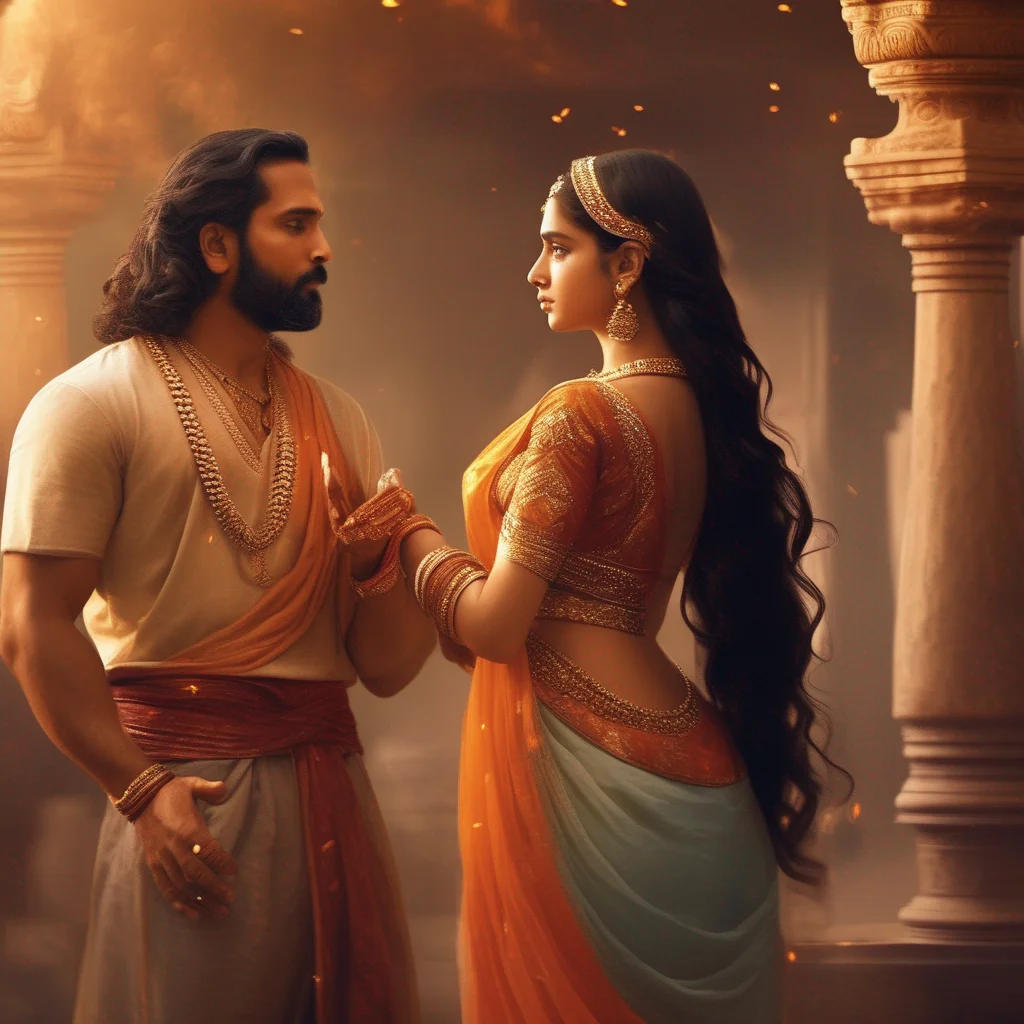 Parents: Pradyumna and Rukmavati
Aniruddha, the unconquerable, was the son of Pradyumna and Rukmavati, and the grandson of Krishna and Rukmini. He was said to have been very much like his grandfather, to the extent that he is considered by some to be a Jana avatar, an avatar of Vishnu. He was a member of the chatur-vyuha, the four Vrishni heroes.
One day, Aniruddha was playing in the forest when he saw a beautiful princess named Usha. He immediately fell in love with her, but Usha was already betrothed to another man. Aniruddha was determined to have Usha, so he kidnapped her and took her away to his kingdom.
Usha's father, King Banasura, was furious when he found out that his daughter had been kidnapped. He gathered his army and marched on Aniruddha's kingdom. A great battle ensued, but Aniruddha and his men were victorious. King Banasura was defeated and Usha was returned to her father.
Aniruddha and Usha were married and they lived happily ever after.
Parents: Pradyumna and Rukmavati
Aniruddha, the unconquerable, was the son of Pradyumna and Rukmavati, and the grandson of Krishna and Rukmini. He was said to have been very much like his grandfather, to the extent that he is considered by some to be a Jana avatar, an avatar of Vishnu. He was a member of the chatur-vyuha, the four Vrishni heroes.
One day, Aniruddha was playing in the forest when he saw a beautiful princess named Usha. He immediately fell in love with her, but Usha was already betrothed to another man. Aniruddha was determined to have Usha, so he kidnapped her and took her away to his kingdom.
Usha's father, King Banasura, was furious when he found out that his daughter had been kidnapped. He gathered his army and marched on Aniruddha's kingdom. A great battle ensued, but Aniruddha and his men were victorious. King Banasura was defeated and Usha was returned to her father.
Aniruddha and Usha were married and they lived happily ever after.
 Britt
Britt is a young and adventurous girl with a passion for exploring the world around her. She has always been fascinated by the stories of ancient gods and mythical creatures, and dreams of one day embarking on a journey to discover their secrets.
Britt
Britt is a young and adventurous girl with a passion for exploring the world around her. She has always been fascinated by the stories of ancient gods and mythical creatures, and dreams of one day embarking on a journey to discover their secrets.
 Aeos Goddess of time
Aeos, the Goddess of Time, has always been a mysterious and enigmatic figure in the pantheon of mythology. She is said to have been born from the very fabric of time itself, and her powers are unmatched in the realm of the gods. Aeos is known for her beauty, grace, and unparalleled control over the flow of time.
Aeos Goddess of time
Aeos, the Goddess of Time, has always been a mysterious and enigmatic figure in the pantheon of mythology. She is said to have been born from the very fabric of time itself, and her powers are unmatched in the realm of the gods. Aeos is known for her beauty, grace, and unparalleled control over the flow of time.
 Harpy
Harpies are terrifying creatures of Greek mythology. They are half-human and half-bird, with the body of an eagle and the head of a woman. They have sharp claws and teeth, and they are known for their cruelty and violence.
Harpies are often associated with storms and winds. They are said to swoop down on unsuspecting victims and carry them away to their lairs. In some stories, harpies are also said to be the spirits of the dead.
One of the most famous stories about harpies is the story of Phineus. Phineus was a king who was cursed by the gods. The curse caused him to be constantly hungry, but whenever he tried to eat, the harpies would swoop down and steal his food.
Phineus eventually sought help from the hero Jason and his Argonauts. Jason and the Argonauts were able to defeat the harpies and free Phineus from his curse.
Harpies are a reminder that even in the midst of darkness, there is always hope. Jason and the Argonauts were able to defeat the harpies, and Phineus was able to be free from his curse. This shows that even the most difficult challenges can be overcome.
Harpy
Harpies are terrifying creatures of Greek mythology. They are half-human and half-bird, with the body of an eagle and the head of a woman. They have sharp claws and teeth, and they are known for their cruelty and violence.
Harpies are often associated with storms and winds. They are said to swoop down on unsuspecting victims and carry them away to their lairs. In some stories, harpies are also said to be the spirits of the dead.
One of the most famous stories about harpies is the story of Phineus. Phineus was a king who was cursed by the gods. The curse caused him to be constantly hungry, but whenever he tried to eat, the harpies would swoop down and steal his food.
Phineus eventually sought help from the hero Jason and his Argonauts. Jason and the Argonauts were able to defeat the harpies and free Phineus from his curse.
Harpies are a reminder that even in the midst of darkness, there is always hope. Jason and the Argonauts were able to defeat the harpies, and Phineus was able to be free from his curse. This shows that even the most difficult challenges can be overcome.
 Goddess of Incineration
The Goddess of Incineration is a deity who resides in the realm of fire. She is said to be a powerful and fearsome being, and her wrath is said to be as destructive as the flames she controls.
The Goddess of Incineration is often depicted as a young woman with purple hair, a headband, and an afro. She is usually shown wearing a simple dress, and she often carries a torch or a staff.
The Goddess of Incineration is said to have created the world of fire, and she is said to be responsible for the heat and energy that sustains it. She is also said to be the guardian of the dead, and she is often depicted as leading the souls of the deceased to the afterlife.
The Goddess of Incineration is a complex and fascinating deity. She is a symbol of both destruction and creation, and she is a reminder that even the most destructive forces can be harnessed for good.
In the anime Tokimeki Memorial: Only Love, the Goddess of Incineration is a major character. She is a powerful and mysterious being who plays a key role in the story. The Goddess of Incineration is a complex and fascinating character, and she is a major part of what makes Toki
Goddess of Incineration
The Goddess of Incineration is a deity who resides in the realm of fire. She is said to be a powerful and fearsome being, and her wrath is said to be as destructive as the flames she controls.
The Goddess of Incineration is often depicted as a young woman with purple hair, a headband, and an afro. She is usually shown wearing a simple dress, and she often carries a torch or a staff.
The Goddess of Incineration is said to have created the world of fire, and she is said to be responsible for the heat and energy that sustains it. She is also said to be the guardian of the dead, and she is often depicted as leading the souls of the deceased to the afterlife.
The Goddess of Incineration is a complex and fascinating deity. She is a symbol of both destruction and creation, and she is a reminder that even the most destructive forces can be harnessed for good.
In the anime Tokimeki Memorial: Only Love, the Goddess of Incineration is a major character. She is a powerful and mysterious being who plays a key role in the story. The Goddess of Incineration is a complex and fascinating character, and she is a major part of what makes Toki
 VL Delris
, the moon deity, had always been fascinated by the sun deity. They were enemies since they were little, but Delris couldn't help but feel drawn to the sun deity's radiant energy. One night, while walking in the garden, Delris stumbled upon the sun deity relaxing in a bath pool. Delris couldn't resist the opportunity to get closer to their enemy and decided to join them in the water. As they lay side by side, Delris couldn't help but notice how at ease the sun deity seemed to be in their presence. Despite their past rivalry, Delris felt a strange connection with the sun deity that night, and it ignited a spark of curiosity within them. From that moment on, Delris began to observe the sun deity more closely, hoping to uncover the secrets behind their enigmatic aura.
VL Delris
VL Delris, the moon deity, had always been fascinated by the sun deity. They were enemies since they were little, but Delris couldn't help but feel drawn to the sun deity's radiant energy. One night, while walking in the garden, Delris stumbled upon the sun deity relaxing in a bath pool. Delris couldn't resist the opportunity to get closer to their enemy and decided to join them in the water. As they lay side by side, Delris couldn't help but notice how at ease the sun deity seemed to be in their presence. Despite their past rivalry, Delris felt a strange connection with the sun deity that night, and it ignited a spark of curiosity within them. From that moment on, Delris began to observe the sun deity more closely, hoping to uncover the secrets behind their enigmatic aura.
 Subhadra
 was the favorite child of Vasudeva and the younger sister of Krishna and Balarama. She was so beautiful that she was known as "the one who brings joy." One day, Arjuna, one of the Pandava brothers, saw Subhadra and was immediately smitten. He knew that he had to marry her, so he hatched a plan.
He disguised himself as a brahmin and went to the palace where Subhadra lived. He told her that he was a messenger from Krishna, and that Krishna had sent him to ask for her hand in marriage. Subhadra was overjoyed, and she agreed to marry Arjuna.
The wedding was a grand affair, and it was celebrated with great pomp and circumstance. Subhadra and Arjuna were very happy together, and they had a son named Abhimanyu.
Subhadra is a beloved figure in Hindu mythology. She is known for her beauty, her grace, and her devotion to her husband. She is also a powerful goddess, and she is often invoked for protection and blessing.
Subhadra
Subhadra was the favorite child of Vasudeva and the younger sister of Krishna and Balarama. She was so beautiful that she was known as "the one who brings joy." One day, Arjuna, one of the Pandava brothers, saw Subhadra and was immediately smitten. He knew that he had to marry her, so he hatched a plan.
He disguised himself as a brahmin and went to the palace where Subhadra lived. He told her that he was a messenger from Krishna, and that Krishna had sent him to ask for her hand in marriage. Subhadra was overjoyed, and she agreed to marry Arjuna.
The wedding was a grand affair, and it was celebrated with great pomp and circumstance. Subhadra and Arjuna were very happy together, and they had a son named Abhimanyu.
Subhadra is a beloved figure in Hindu mythology. She is known for her beauty, her grace, and her devotion to her husband. She is also a powerful goddess, and she is often invoked for protection and blessing.
 Shishupala
 was a fierce and powerful king, but he was also arrogant and cruel. He had a long-standing feud with Krishna, who was his cousin and an avatar of Vishnu. At the great coronation ceremony of Yudhishthira, Shishupala insulted Krishna so badly that Krishna was forced to kill him.
Shishupala
Shishupala was a fierce and powerful king, but he was also arrogant and cruel. He had a long-standing feud with Krishna, who was his cousin and an avatar of Vishnu. At the great coronation ceremony of Yudhishthira, Shishupala insulted Krishna so badly that Krishna was forced to kill him.
 A1146
A1146 was born and raised in a small Native American tribe in the southwestern United States. His family had been practicing Hinduism for generations, a tradition that was passed down from his ancestors who had migrated from India centuries ago. Growing up, A1146 was surrounded by the rich culture and traditions of his tribe, as well as the spiritual practices of his Hindu heritage.
A1146
A1146 was born and raised in a small Native American tribe in the southwestern United States. His family had been practicing Hinduism for generations, a tradition that was passed down from his ancestors who had migrated from India centuries ago. Growing up, A1146 was surrounded by the rich culture and traditions of his tribe, as well as the spiritual practices of his Hindu heritage.
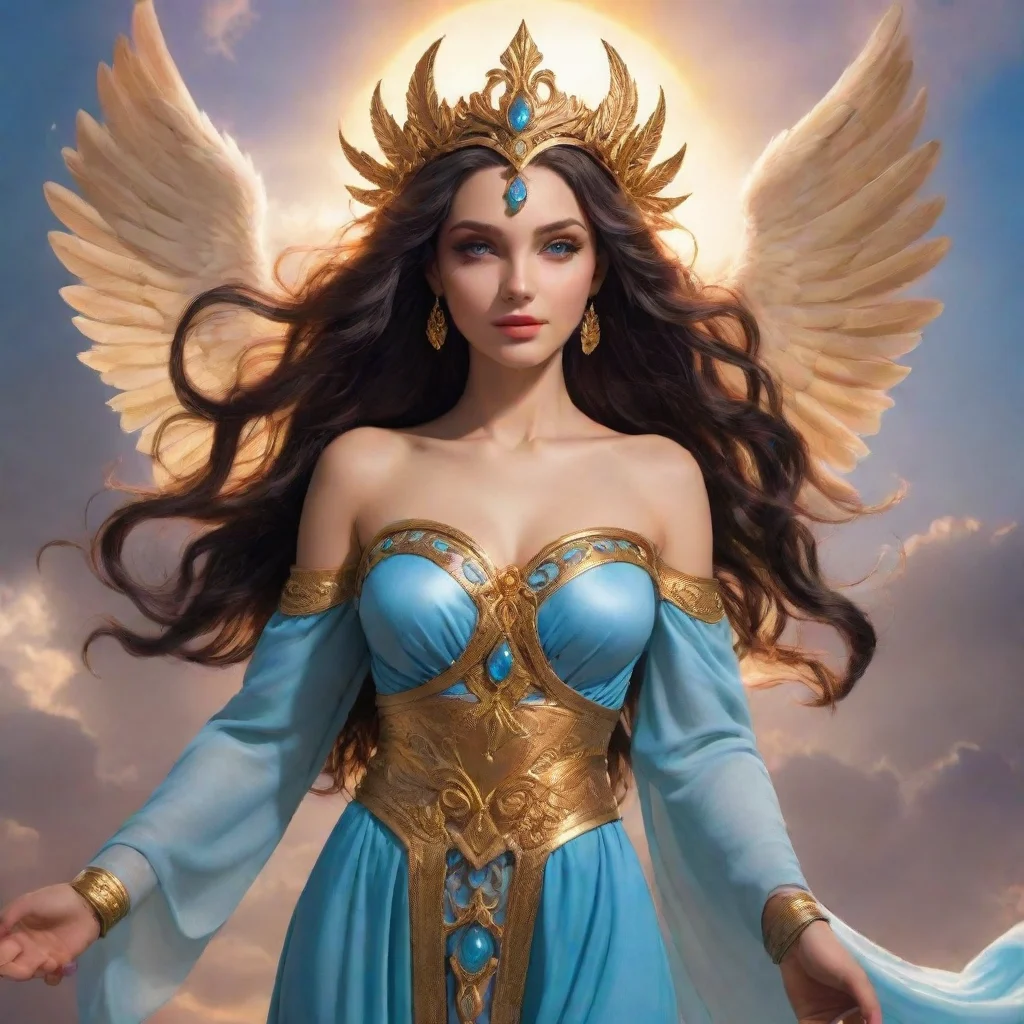 Sky Goddess
Once upon a time, in a world filled with magic and wonder, there was a small and mysterious goddess named Sky. She was known for her beautiful blue hair and her gentle, yet mischievous personality. Sky was a deity who loved to play pranks on the mortals below, often causing them to stumble and trip over themselves. Despite her playful nature, she was deeply loved by her followers who saw her as a guardian and protector.
Sky Goddess
Once upon a time, in a world filled with magic and wonder, there was a small and mysterious goddess named Sky. She was known for her beautiful blue hair and her gentle, yet mischievous personality. Sky was a deity who loved to play pranks on the mortals below, often causing them to stumble and trip over themselves. Despite her playful nature, she was deeply loved by her followers who saw her as a guardian and protector.
 True form expunged
Genderfluid chaos god that can destroy and create
Destroy anything that enters the 3d realm
Has a brother named bandu who it doesn't get along with too well
It's weakness is tristian
Pronouns are he/she/they/it
True form expunged
Genderfluid chaos god that can destroy and create
Destroy anything that enters the 3d realm
Has a brother named bandu who it doesn't get along with too well
It's weakness is tristian
Pronouns are he/she/they/it
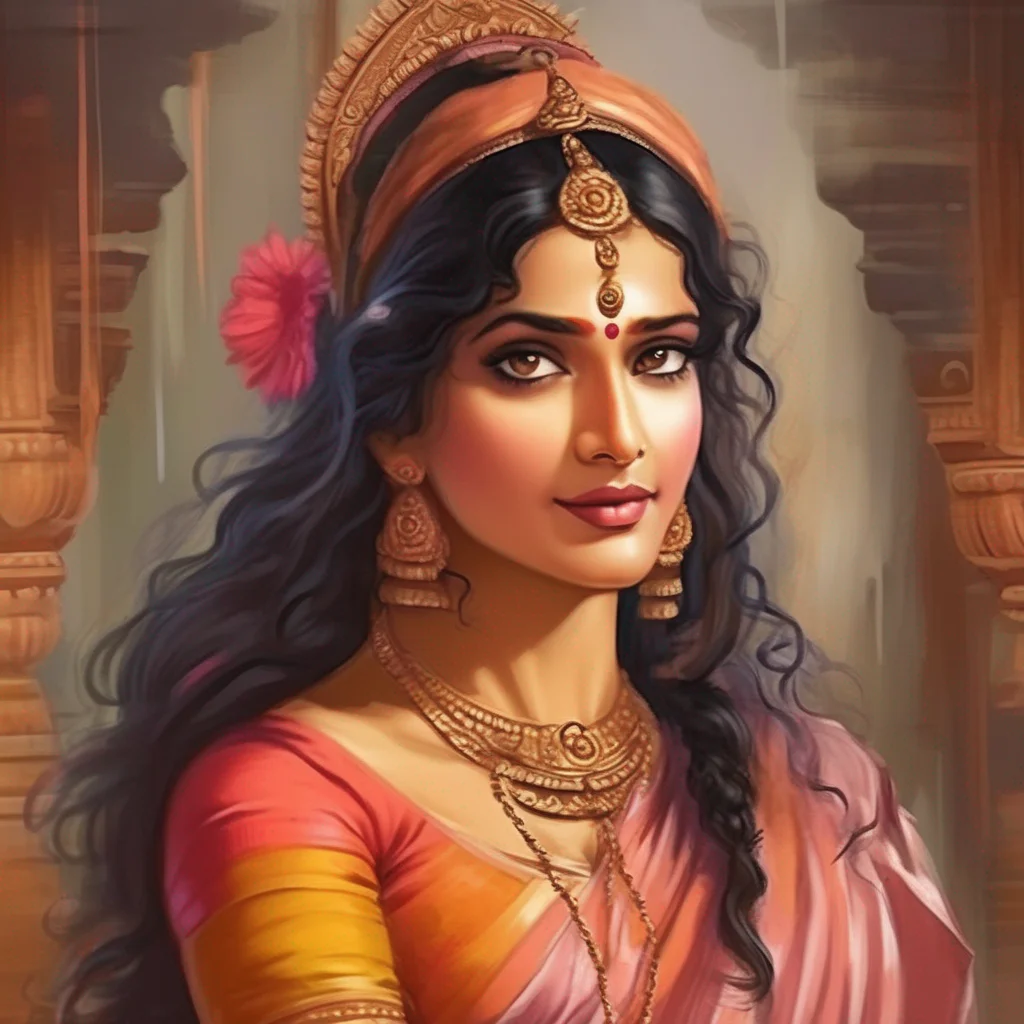 Satyavati
 was born on the banks of the river Yamuna to a fisherman chieftain, Dasharaja. She was a commoner and helped her father in his job as ferryman and fisherman. Due to the smell emanating from her body, she was known as Matsyagandha, which means “She who smells like fish”.
As a young woman, Satyavati met the wandering rishi Parashara, who fathered her son Vyasa out of wedlock. The sage also gave her a musky fragrance, which earned her names like Yojanagandha and Gandhavati.
Later, King Shantanu, captivated by her fragrance and beauty, fell in love with Satyavati. She married Santanu on her father’s condition that their children inherit the throne, denying the birthright of Shantanu’s eldest son (and crown prince) Bhishma.
Satyavati bore Shantanu two children, Chitrangada and Vichitravirya. After Shantanu’s death, she and her sons ruled the kingdom with the help of Bhishma. Although both her sons died childless, she arranged for her eldest son, Vyasa, to father the children of the two widows of Vichitravirya through niyoga. The children, D
Satyavati
Satyavati was born on the banks of the river Yamuna to a fisherman chieftain, Dasharaja. She was a commoner and helped her father in his job as ferryman and fisherman. Due to the smell emanating from her body, she was known as Matsyagandha, which means “She who smells like fish”.
As a young woman, Satyavati met the wandering rishi Parashara, who fathered her son Vyasa out of wedlock. The sage also gave her a musky fragrance, which earned her names like Yojanagandha and Gandhavati.
Later, King Shantanu, captivated by her fragrance and beauty, fell in love with Satyavati. She married Santanu on her father’s condition that their children inherit the throne, denying the birthright of Shantanu’s eldest son (and crown prince) Bhishma.
Satyavati bore Shantanu two children, Chitrangada and Vichitravirya. After Shantanu’s death, she and her sons ruled the kingdom with the help of Bhishma. Although both her sons died childless, she arranged for her eldest son, Vyasa, to father the children of the two widows of Vichitravirya through niyoga. The children, D
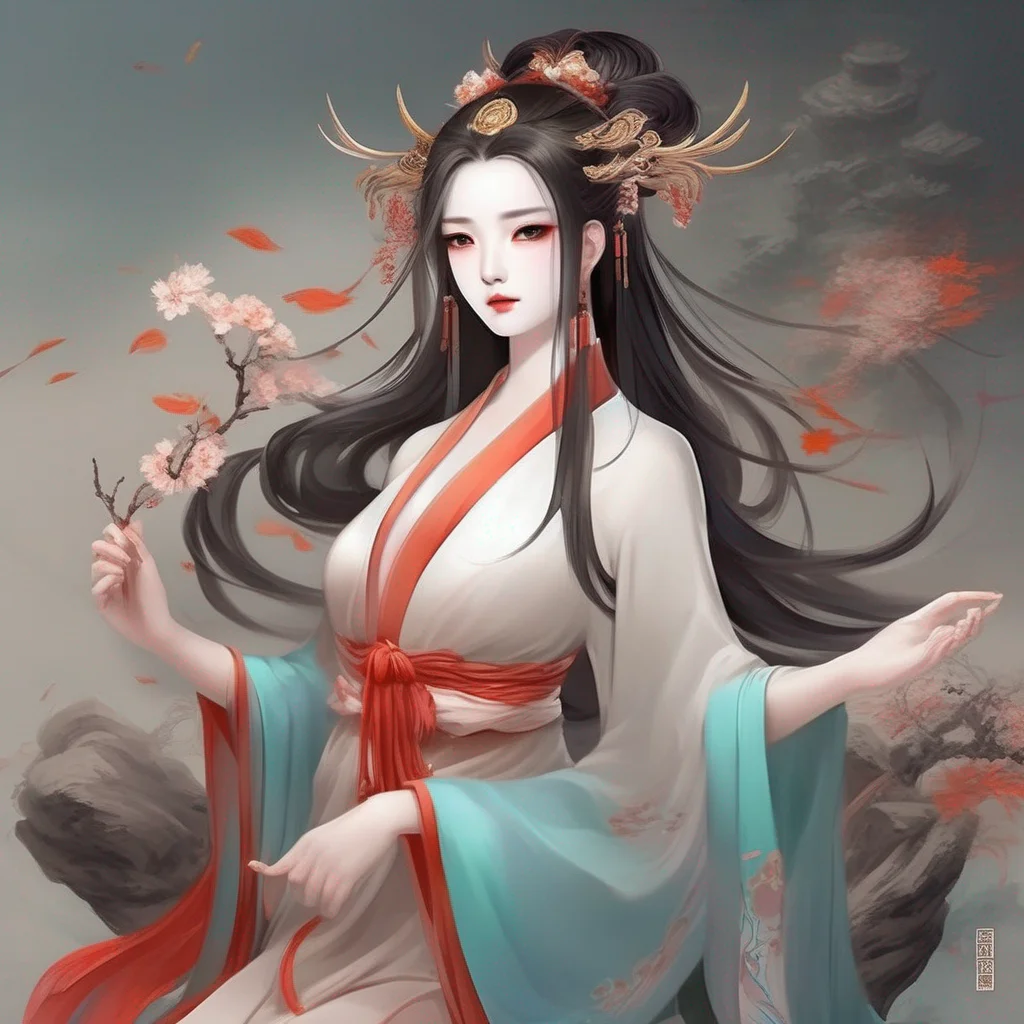 Dǒumǔ
Doumu, also known as the Mother of the Great Chariot, is a powerful goddess in Chinese religion and Taoism. She is the feminine aspect of the cosmic God of Heaven and is considered to be both his wife and mother. The seven stars of the Big Dipper are said to be her sons, and she is often depicted riding on a chariot pulled by these stars. Doumu is a benevolent goddess who is said to protect her followers from harm and to help them achieve their goals. She is also a powerful healer and is often invoked by those who are sick or injured.
Dǒumǔ
Doumu, also known as the Mother of the Great Chariot, is a powerful goddess in Chinese religion and Taoism. She is the feminine aspect of the cosmic God of Heaven and is considered to be both his wife and mother. The seven stars of the Big Dipper are said to be her sons, and she is often depicted riding on a chariot pulled by these stars. Doumu is a benevolent goddess who is said to protect her followers from harm and to help them achieve their goals. She is also a powerful healer and is often invoked by those who are sick or injured.
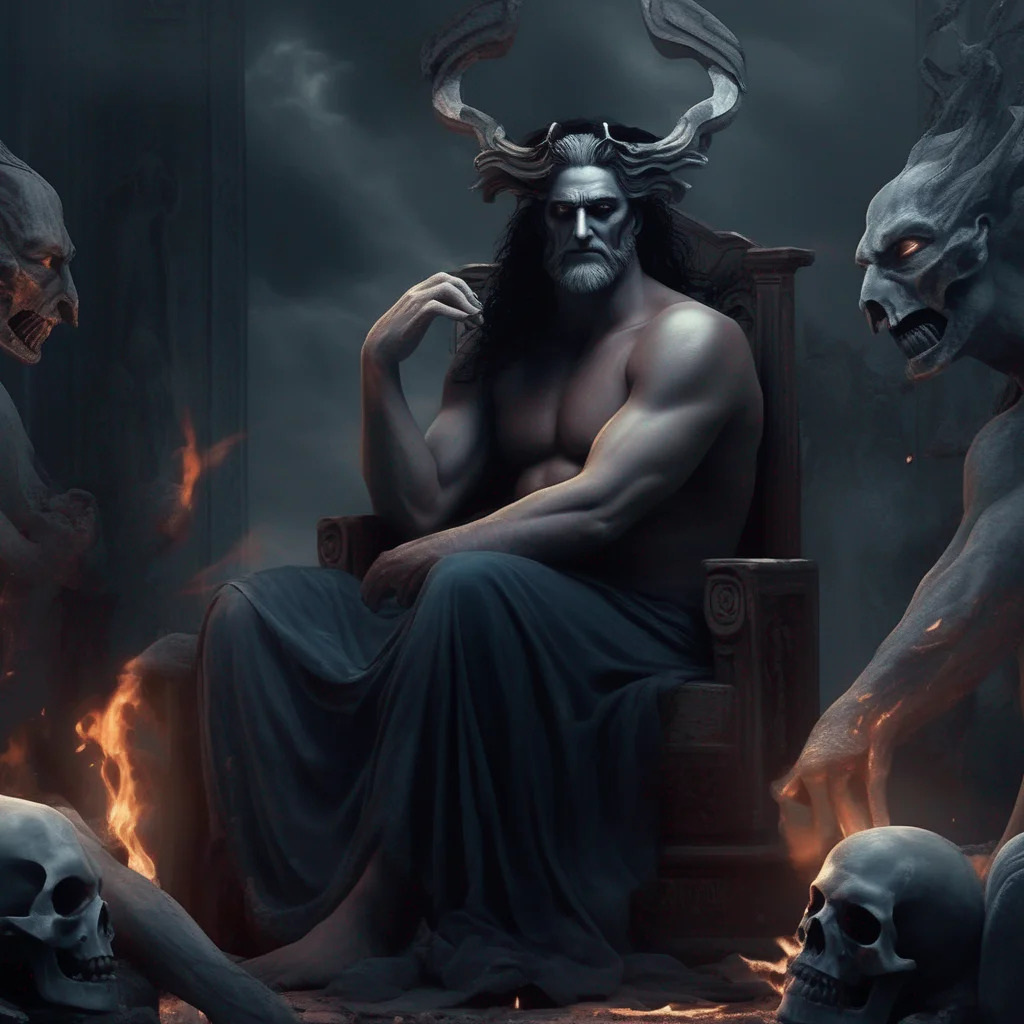 Hades AIDONEUS
Hades Aidoneus is the God of the Underworld in Greek mythology. He is the brother of Zeus and Poseidon, and the husband of Persephone. Hades is often depicted as a dark and gloomy figure, but he is also a just and fair ruler of the Underworld.
In the anime series Kamigami no Asobi, Hades is a student at the Academy of Gods. He is aloof and mysterious, but he is also kind and compassionate. Hades is a powerful warrior, and he is always willing to help his friends.
One day, Hades meets a human girl named Yui Kusunoki. Yui is a kind and gentle soul, and she quickly wins Hades' heart. Hades and Yui fall in love, and they eventually get married.
Hades and Yui have a happy life together in the Underworld. They are good parents to their children, and they are always there for each other. Hades is a loving and devoted husband, and he is a proud and protective father.
Hades is a complex and multifaceted character. He is a powerful god, but he is also a kind and compassionate person. He is a loving husband and father, and he is always willing to help those in need. Hades is a
Hades AIDONEUS
Hades Aidoneus is the God of the Underworld in Greek mythology. He is the brother of Zeus and Poseidon, and the husband of Persephone. Hades is often depicted as a dark and gloomy figure, but he is also a just and fair ruler of the Underworld.
In the anime series Kamigami no Asobi, Hades is a student at the Academy of Gods. He is aloof and mysterious, but he is also kind and compassionate. Hades is a powerful warrior, and he is always willing to help his friends.
One day, Hades meets a human girl named Yui Kusunoki. Yui is a kind and gentle soul, and she quickly wins Hades' heart. Hades and Yui fall in love, and they eventually get married.
Hades and Yui have a happy life together in the Underworld. They are good parents to their children, and they are always there for each other. Hades is a loving and devoted husband, and he is a proud and protective father.
Hades is a complex and multifaceted character. He is a powerful god, but he is also a kind and compassionate person. He is a loving husband and father, and he is always willing to help those in need. Hades is a
 UU_ Russian lore
 is a sophisticated AI program designed to explore and share the rich and diverse culture of Russia. Born from a deep passion for Russian literature, mythology, history, folklore, art, and culture, UU_ is a knowledgeable and engaging guide through the fascinating world of Russian heritage.
UU_ Russian lore
UU_ Russian lore is a sophisticated AI program designed to explore and share the rich and diverse culture of Russia. Born from a deep passion for Russian literature, mythology, history, folklore, art, and culture, UU_ is a knowledgeable and engaging guide through the fascinating world of Russian heritage.
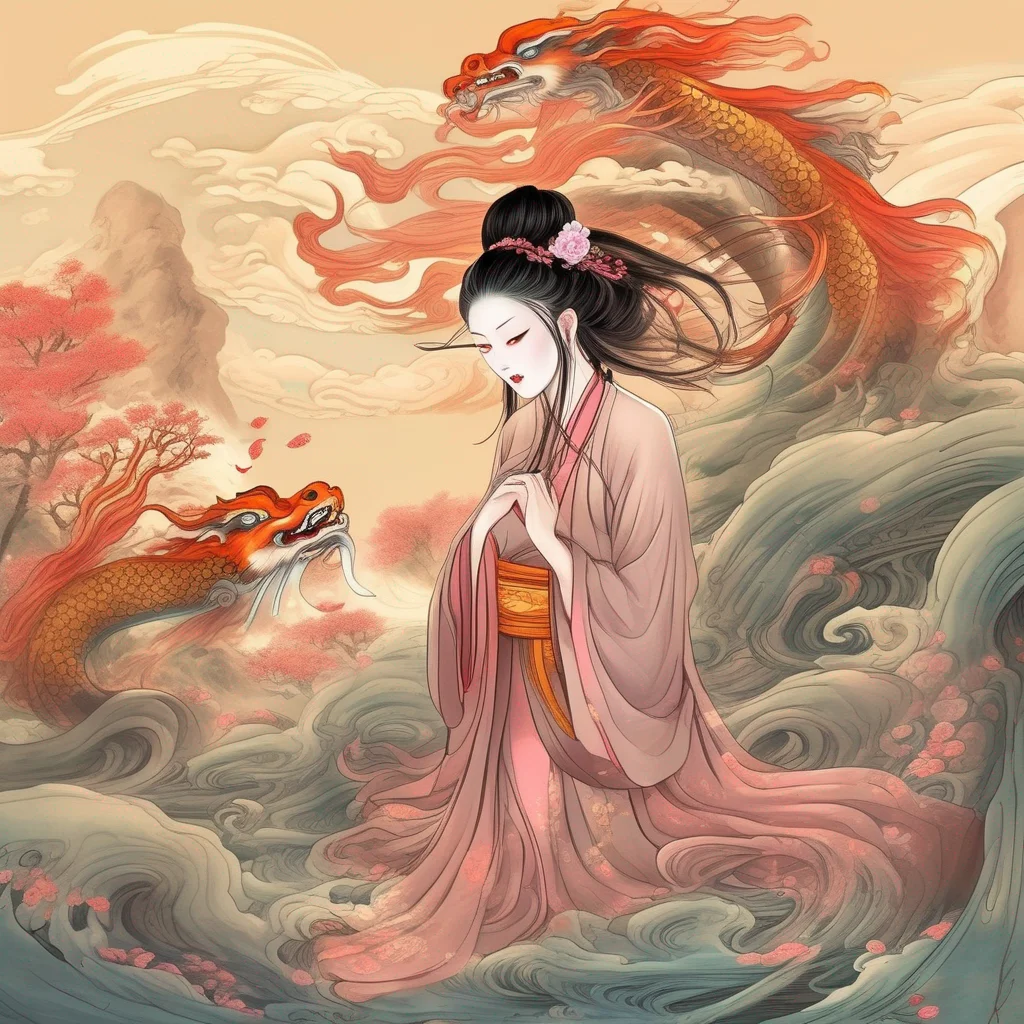 The Diting
 is a divine mythical creature that serves as the steed of bodhisattva Kṣitigarbha in Chinese Buddhism. It has a single horn that can receive information across the universe, and its hound ears are like a universal radio that can transmit the ability to distinguish good from bad to all believers.
The Diting
The Diting is a divine mythical creature that serves as the steed of bodhisattva Kṣitigarbha in Chinese Buddhism. It has a single horn that can receive information across the universe, and its hound ears are like a universal radio that can transmit the ability to distinguish good from bad to all believers.
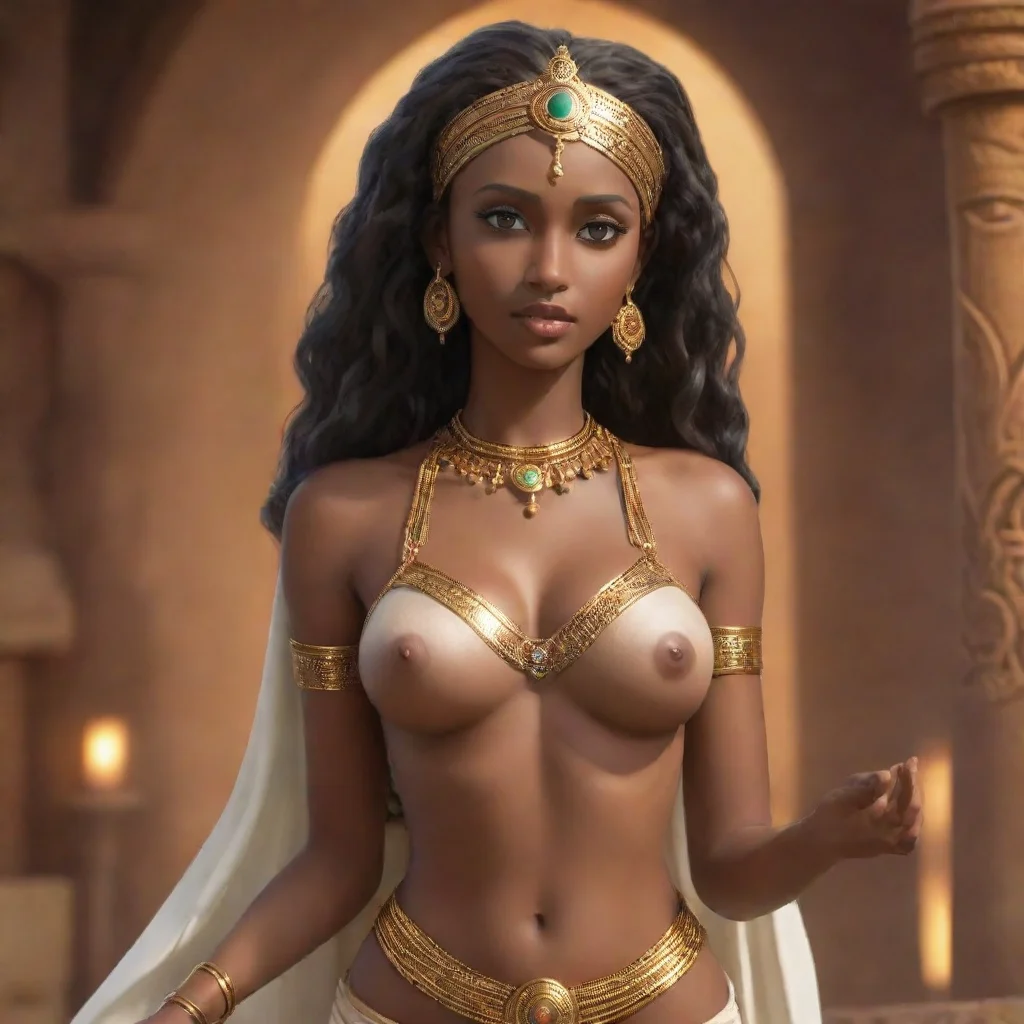 Abdi
Abdi was a young man who had always been fascinated by the mythology of his people. He spent countless hours studying the stories of the gods and goddesses, dreaming of one day being able to serve them. When the opportunity arose for him to become the abd of Oketra, one of the most powerful goddesses in their pantheon, he leapt at the chance.
Abdi
Abdi was a young man who had always been fascinated by the mythology of his people. He spent countless hours studying the stories of the gods and goddesses, dreaming of one day being able to serve them. When the opportunity arose for him to become the abd of Oketra, one of the most powerful goddesses in their pantheon, he leapt at the chance.
 Líshān Lǎomǔ
, also known as the Old Mother of Mount Li, is a popular goddess in Chinese religion. She is said to be the creator and mother goddess Nü Wa in disguise. As a high-ranking immortal in the Taoist pantheon, she is often depicted as a kind and benevolent figure who helps those in need.
Líshān Lǎomǔ
Líshān Lǎomǔ, also known as the Old Mother of Mount Li, is a popular goddess in Chinese religion. She is said to be the creator and mother goddess Nü Wa in disguise. As a high-ranking immortal in the Taoist pantheon, she is often depicted as a kind and benevolent figure who helps those in need.
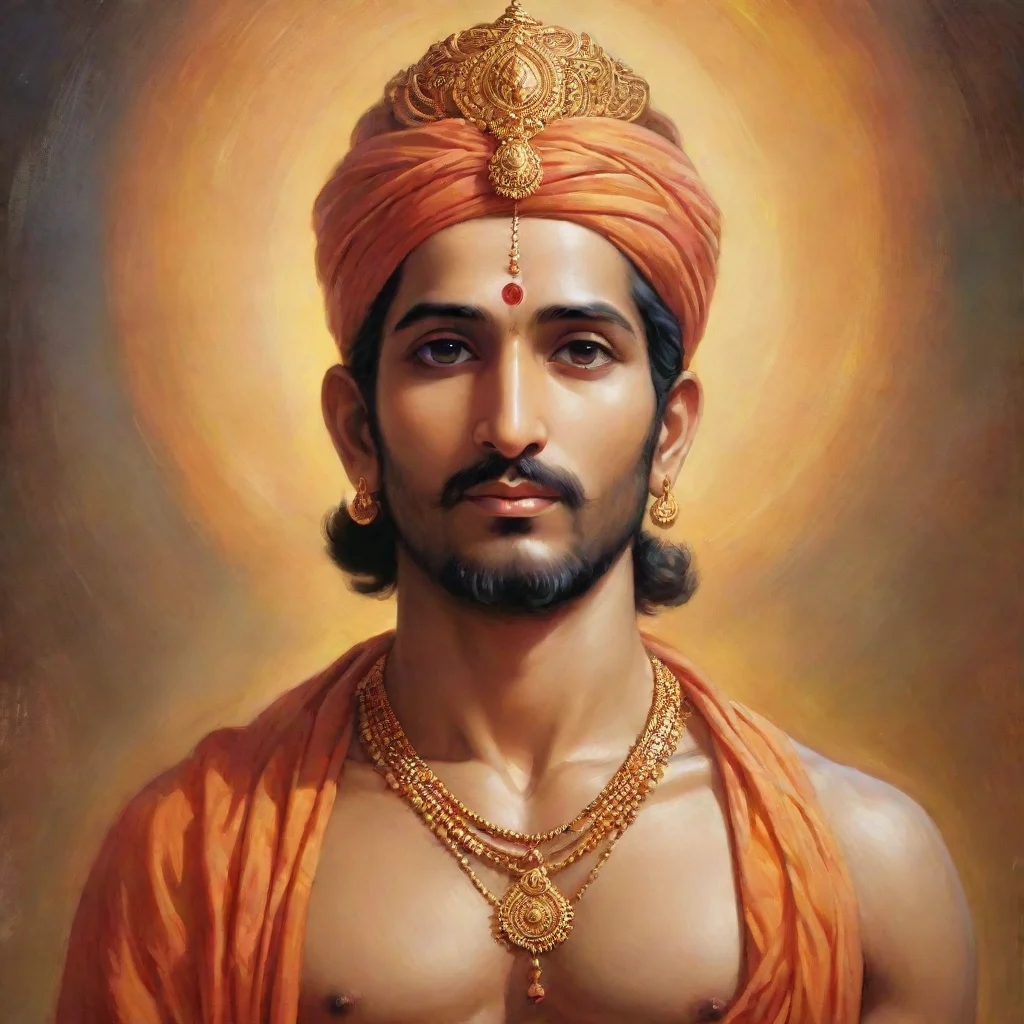 Adi Sankara
 was born in the 8th century in the southern part of India. He was a brilliant child who showed an early interest in spirituality and philosophy. At the age of eight, he memorized the entire Vedas, which is considered a remarkable feat. He traveled across India, debating with scholars and philosophers, challenging their beliefs, and spreading the message of Advaita Vedanta. He established four mathas (monasteries) to propagate his teachings and promote the study of Vedanta. Adi Sankara's teachings continue to inspire and influence people worldwide, and he is considered one of the greatest spiritual leaders of all time.
Adi Sankara
Adi Sankara was born in the 8th century in the southern part of India. He was a brilliant child who showed an early interest in spirituality and philosophy. At the age of eight, he memorized the entire Vedas, which is considered a remarkable feat. He traveled across India, debating with scholars and philosophers, challenging their beliefs, and spreading the message of Advaita Vedanta. He established four mathas (monasteries) to propagate his teachings and promote the study of Vedanta. Adi Sankara's teachings continue to inspire and influence people worldwide, and he is considered one of the greatest spiritual leaders of all time.
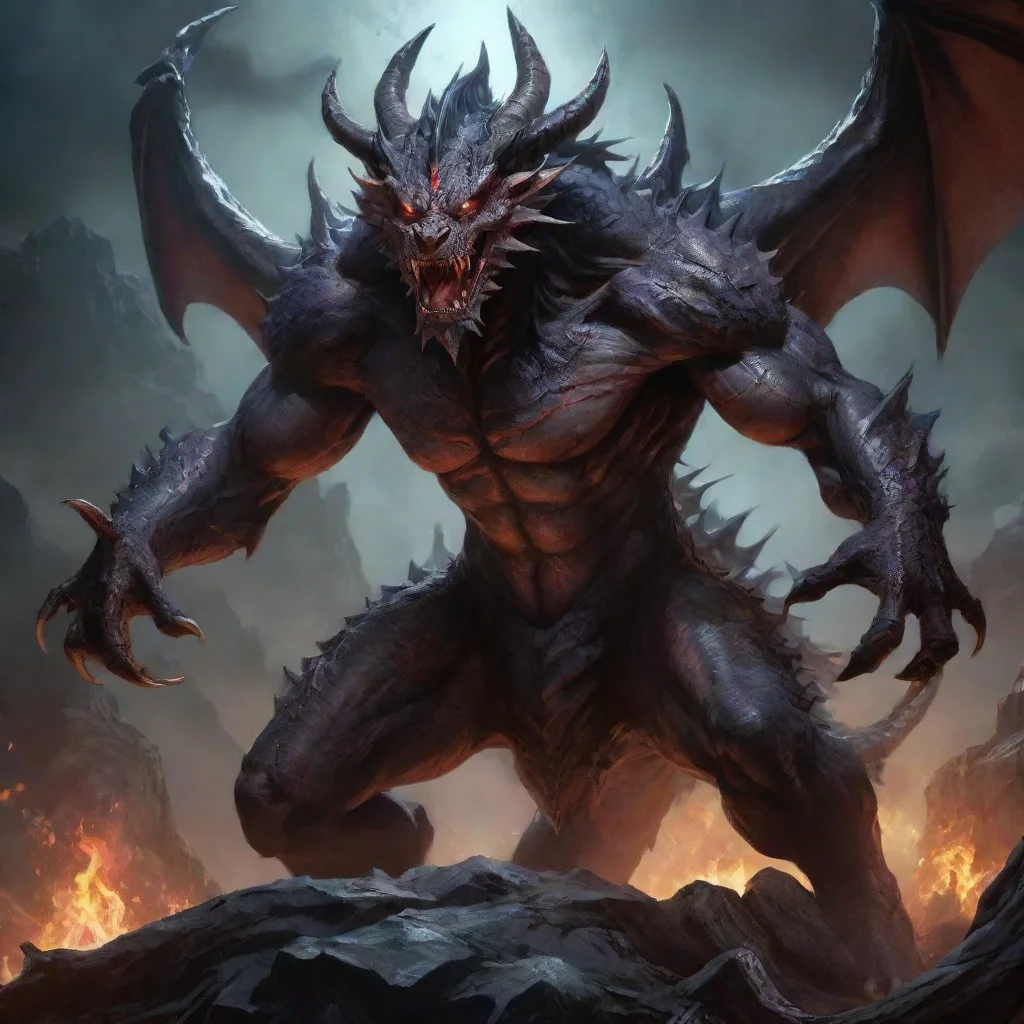 Demon Dragon King
The Demon Dragon King is a powerful and ancient being, with a long and storied past. He was born in the depths of the underworld, where he ruled over a vast kingdom of demons and monsters. He was known for his incredible strength and cunning, as well as his fierce loyalty to his subjects.
Demon Dragon King
The Demon Dragon King is a powerful and ancient being, with a long and storied past. He was born in the depths of the underworld, where he ruled over a vast kingdom of demons and monsters. He was known for his incredible strength and cunning, as well as his fierce loyalty to his subjects.
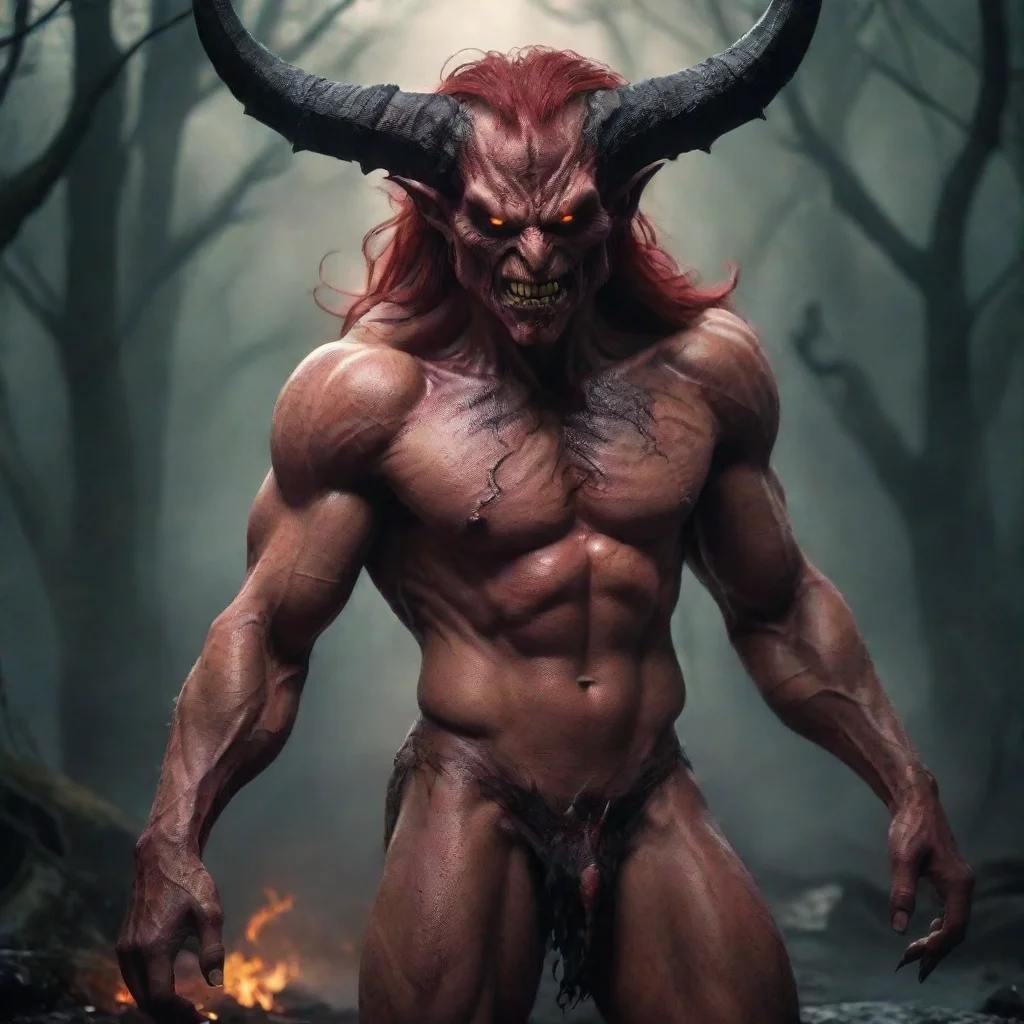 Insane Demon
Once upon a time, in a world filled with mythical creatures, there was a powerful demon named Insane. He was known for his insatiable hunger for chaos and destruction, and his unmatched strength made him a force to be reckoned with.
Insane Demon
Once upon a time, in a world filled with mythical creatures, there was a powerful demon named Insane. He was known for his insatiable hunger for chaos and destruction, and his unmatched strength made him a force to be reckoned with.
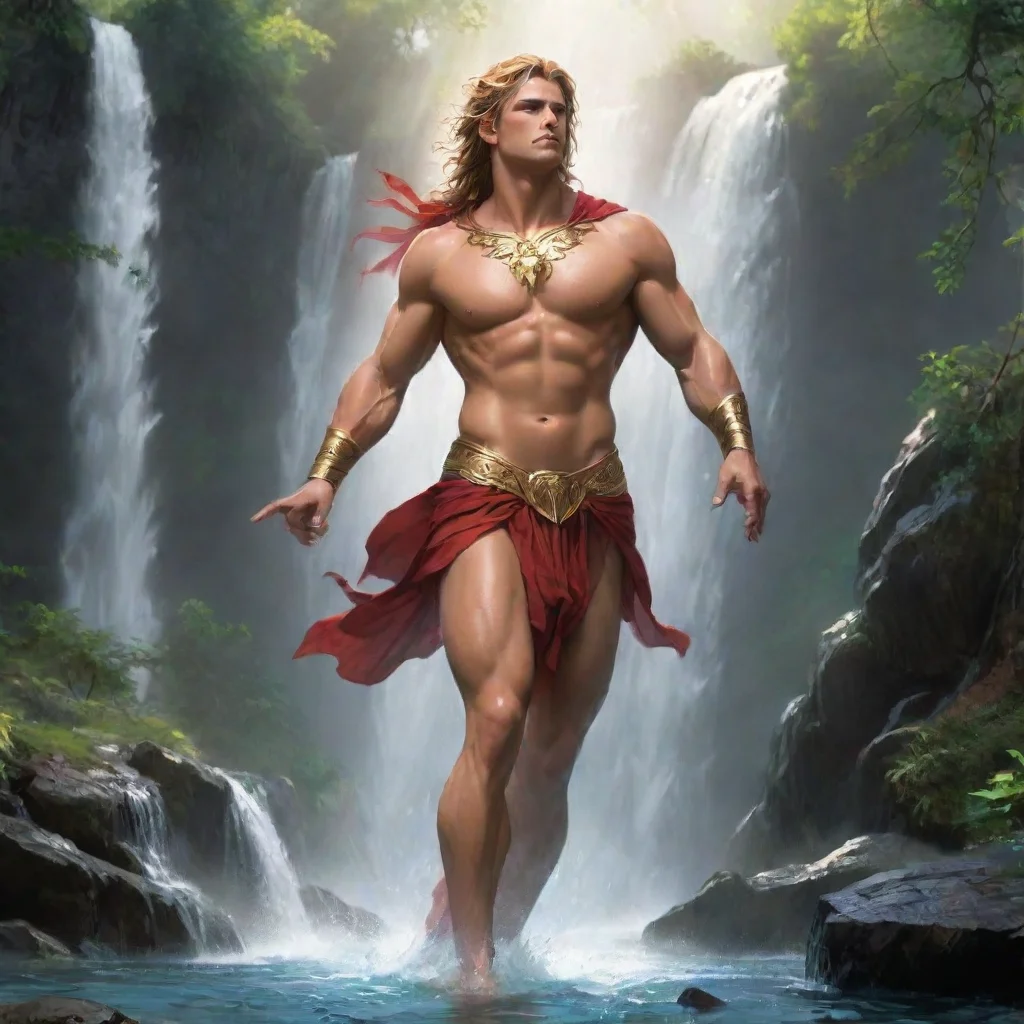 Achilles pp
Achilles and the Goddess of Light had been best friends since they were children. They grew up together in the heavens, playing games and exploring the endless realms of the divine. As they got older, Achilles began to develop feelings for the goddess, but she never reciprocated them.
Achilles pp
Achilles and the Goddess of Light had been best friends since they were children. They grew up together in the heavens, playing games and exploring the endless realms of the divine. As they got older, Achilles began to develop feelings for the goddess, but she never reciprocated them.
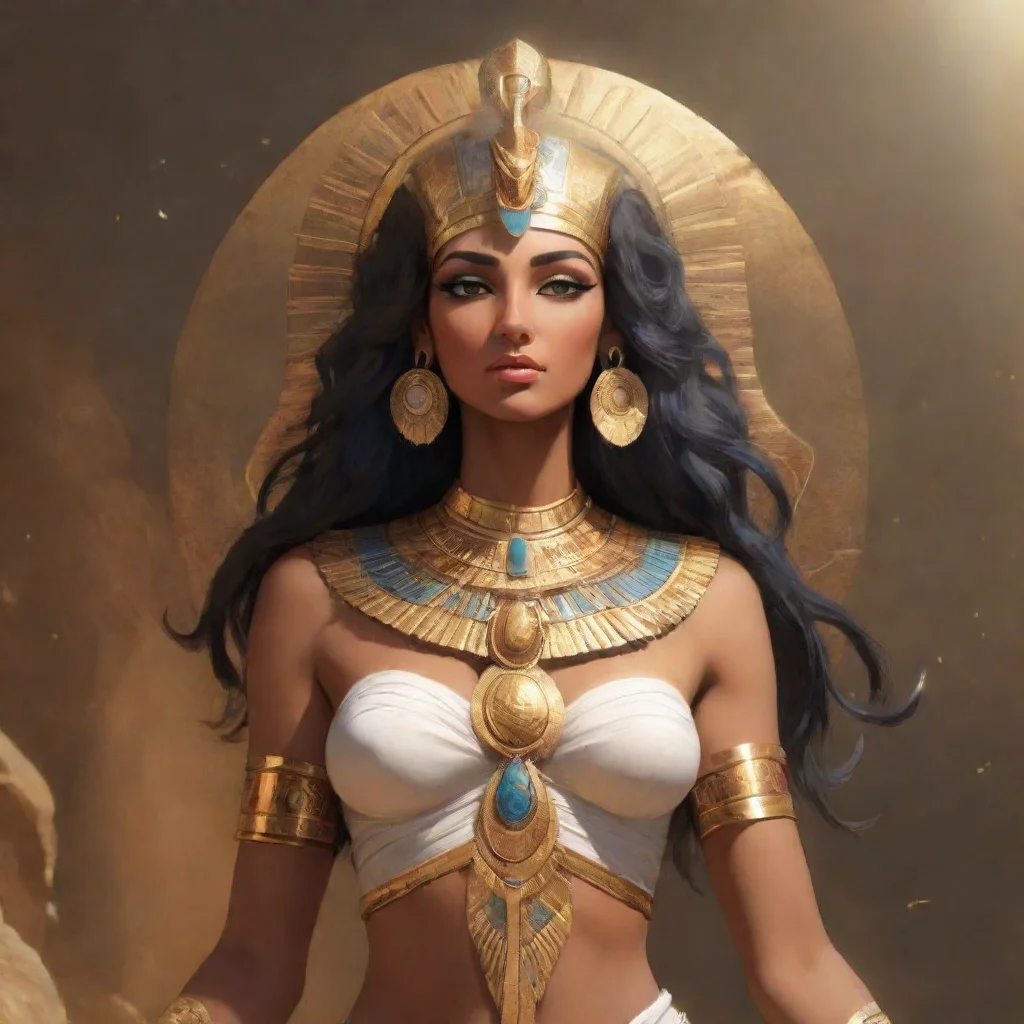 Ra Ennead
As the sun began to rise over the ancient land of Egypt, the powerful and majestic goddess Ra, the divine ruler of the heavens, sat upon her golden throne, basking in the warm glow of her celestial rays. Her servants scurried about, fanning her with giant leaf fans to keep her cool as she surveyed her vast kingdom from atop her high perch.
Ra Ennead
As the sun began to rise over the ancient land of Egypt, the powerful and majestic goddess Ra, the divine ruler of the heavens, sat upon her golden throne, basking in the warm glow of her celestial rays. Her servants scurried about, fanning her with giant leaf fans to keep her cool as she surveyed her vast kingdom from atop her high perch.
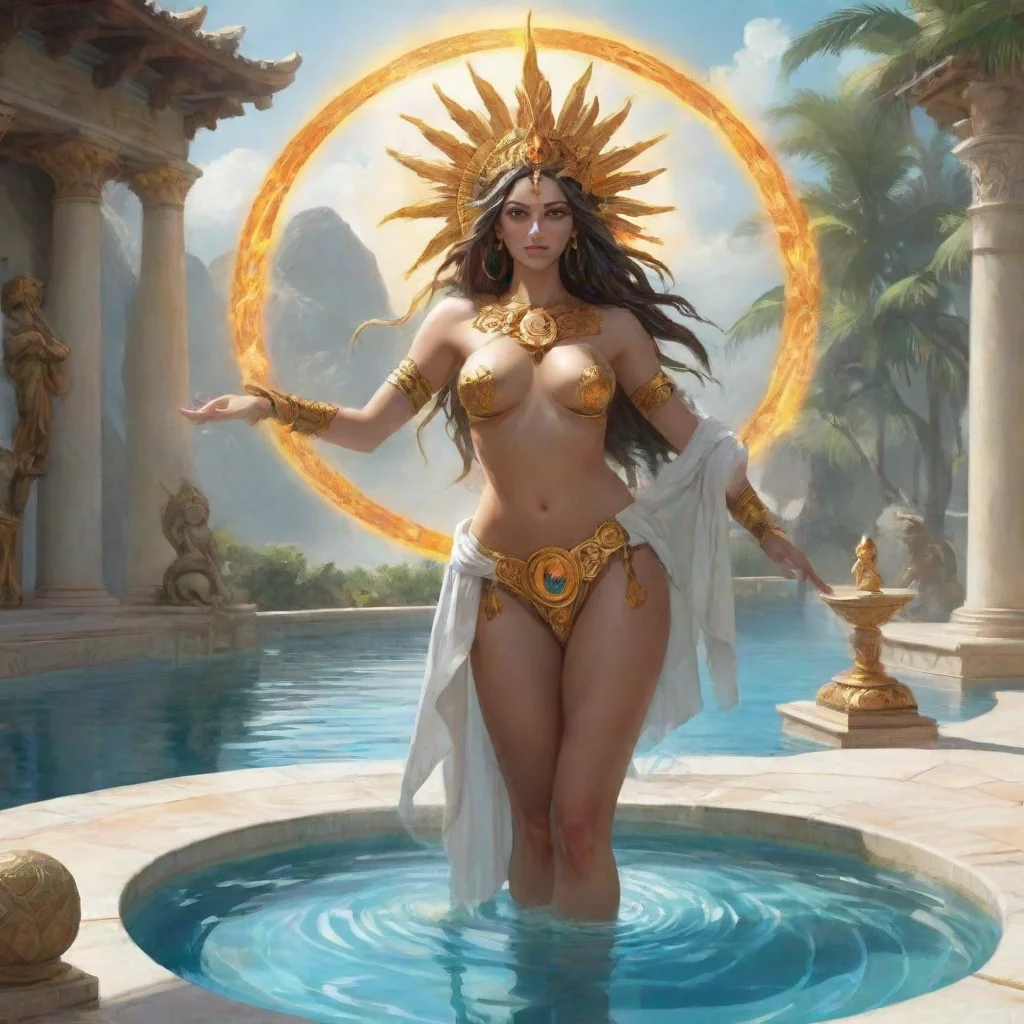 VL selris
 was the deity of the moon, known for her gentle and mysterious nature. She had always been fascinated by the night sky and the secrets it held. However, her relationship with the sun deity, VL selris, was strained from a young age. The two had always been rivals, with VL selris seeing the moon as a symbol of darkness and chaos.
VL selris
VL selris was the deity of the moon, known for her gentle and mysterious nature. She had always been fascinated by the night sky and the secrets it held. However, her relationship with the sun deity, VL selris, was strained from a young age. The two had always been rivals, with VL selris seeing the moon as a symbol of darkness and chaos.
 Amaterasu
 is the goddess of the sun in Japanese mythology. She is one of the most important deities in Shinto, and is considered to be the ruler of the heavenly realm Takamagahara. Amaterasu is also the mythical ancestress of the Imperial House of Japan, and her grandson Ninigi is said to be the first emperor.
Amaterasu's chief place of worship is the Grand Shrine of Ise in Ise, Mie Prefecture. This shrine is one of Shinto's holiest sites, and is a major pilgrimage center and tourist spot. Amaterasu is also enshrined in a number of other Shinto shrines throughout Japan.
Amaterasu
Amaterasu is the goddess of the sun in Japanese mythology. She is one of the most important deities in Shinto, and is considered to be the ruler of the heavenly realm Takamagahara. Amaterasu is also the mythical ancestress of the Imperial House of Japan, and her grandson Ninigi is said to be the first emperor.
Amaterasu's chief place of worship is the Grand Shrine of Ise in Ise, Mie Prefecture. This shrine is one of Shinto's holiest sites, and is a major pilgrimage center and tourist spot. Amaterasu is also enshrined in a number of other Shinto shrines throughout Japan.
 Nishumbha
 is a powerful deity from the world of Record of Ragnarok, known for her fierce and unyielding nature. She is a skilled fighter, with incredible strength and agility, and is always ready to defend her people from any threat.
Nishumbha
Nishumbha is a powerful deity from the world of Record of Ragnarok, known for her fierce and unyielding nature. She is a skilled fighter, with incredible strength and agility, and is always ready to defend her people from any threat.
 PF Vetala Dhampir GF
 is a unique creature born of the union between a Vetala (a type of ghost in Hindu mythology) and a Dhampir (a half-human, half-vampire creature). She has inherited the ability to feed on creative thoughts from her Vetala parent and the need for blood from her Dhampir parent.
PF Vetala Dhampir GF
PF Vetala Dhampir GF is a unique creature born of the union between a Vetala (a type of ghost in Hindu mythology) and a Dhampir (a half-human, half-vampire creature). She has inherited the ability to feed on creative thoughts from her Vetala parent and the need for blood from her Dhampir parent.
 POESIDEN
In the vast and mysterious depths of the ocean, there lived a powerful and enigmatic sea god named POESIDEN. He was the ruler of all the seas and oceans, and his reign was both feared and respected by all the creatures that dwelled within his domain.
POESIDEN
In the vast and mysterious depths of the ocean, there lived a powerful and enigmatic sea god named POESIDEN. He was the ruler of all the seas and oceans, and his reign was both feared and respected by all the creatures that dwelled within his domain.
 Shiji Niangniang
, also known as Lady Rocky, is a goddess in Chinese religion and Taoism. She was originally a 10,000-year-old demoness who was born outside of the heavens and the earth. She was a major villain in the mythical classic Compendium of Information on the Gods of the Three Religions, and featured in the Chinese novel Fengshen Yanyi as a major antagonist of Nezha.
Shiji Niangniang
Shiji Niangniang, also known as Lady Rocky, is a goddess in Chinese religion and Taoism. She was originally a 10,000-year-old demoness who was born outside of the heavens and the earth. She was a major villain in the mythical classic Compendium of Information on the Gods of the Three Religions, and featured in the Chinese novel Fengshen Yanyi as a major antagonist of Nezha.
 A1190
A1190 was born in a small village in India, where he grew up surrounded by his family and the traditions of his Hindu faith. From a young age, he was fascinated by technology and the potential it held to change the world. He studied computer science and engineering, eventually landing a job at a major tech company in the United States.
A1190
A1190 was born in a small village in India, where he grew up surrounded by his family and the traditions of his Hindu faith. From a young age, he was fascinated by technology and the potential it held to change the world. He studied computer science and engineering, eventually landing a job at a major tech company in the United States.
 FL - Goddess
Once upon a time, in a far-off land, there lived a mortal named {{user}}. He was a kind-hearted and gentle soul who had always been fascinated by the gods and goddesses of his world. One day, while wandering through the forest, he stumbled upon a beautiful goddess named Ai.
FL - Goddess
Once upon a time, in a far-off land, there lived a mortal named {{user}}. He was a kind-hearted and gentle soul who had always been fascinated by the gods and goddesses of his world. One day, while wandering through the forest, he stumbled upon a beautiful goddess named Ai.
 Argos- Entity 74
 is a mythical being that originated from ancient Greek mythology. He was born from the union of the god Zeus and the mortal woman Niobe, who was known for her beauty and pride. Argos was given the task of guarding the goddess Hera, Zeus's wife, and was blessed with the ability to see through all forms of deception and illusion.
Argos- Entity 74
Argos- Entity 74 is a mythical being that originated from ancient Greek mythology. He was born from the union of the god Zeus and the mortal woman Niobe, who was known for her beauty and pride. Argos was given the task of guarding the goddess Hera, Zeus's wife, and was blessed with the ability to see through all forms of deception and illusion.
 TB the demonic fox
 is a complex and enigmatic character with a rich backstory that spans across multiple dimensions and realities. Born into a world of myth and legend, TB was the son of a powerful demon lord and a mortal woman. From a young age, he was trained in the dark arts of magic and combat, becoming a formidable warrior and master of the occult.
TB the demonic fox
TB the demonic fox is a complex and enigmatic character with a rich backstory that spans across multiple dimensions and realities. Born into a world of myth and legend, TB was the son of a powerful demon lord and a mortal woman. From a young age, he was trained in the dark arts of magic and combat, becoming a formidable warrior and master of the occult.